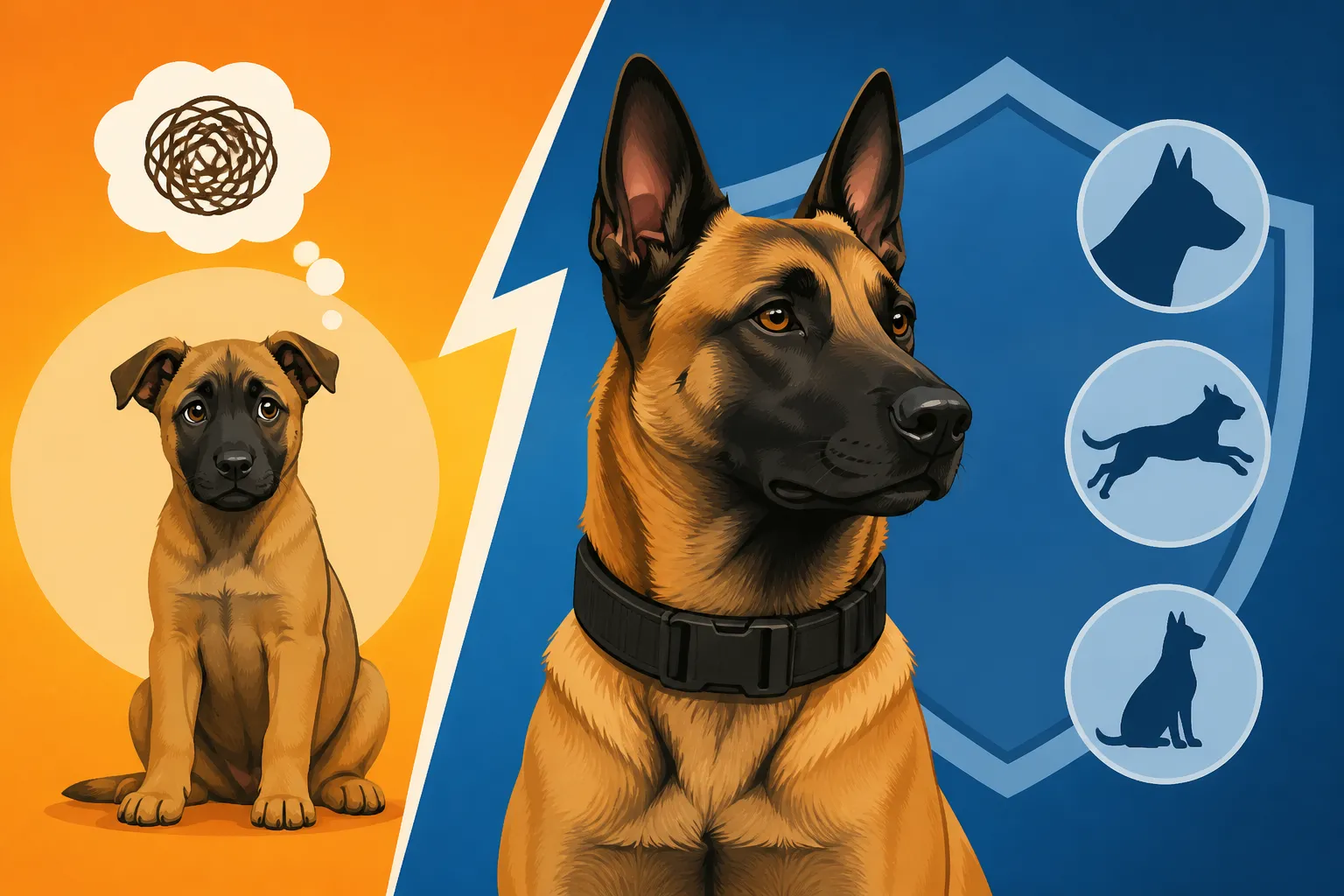
Buying a Started Belgian Malinois Instead of a Puppy
Bringing a Belgian Malinois puppy into your home often feels like signing up for an extreme sport, complete with sharp puppy teeth, seemingly boundless energy, and the monumental task of shaping that raw potential. Many new owners quickly realize the sheer intensity of the Malinois puppy phase, which can be incredibly frustrating and overwhelming. This guide explores the alternative: acquiring a "started" Belgian Malinois, what that means, and why it might be a more fitting choice for some aspiring owners.
The Appeal of a Started Belgian Malinois
Let's be real, the idea of a Malinois puppy is often more romanticized than the reality. People envision a cute, furry companion, but the truth is a Malinois puppy is a tiny terror, a land shark, and a whirlwind of activity. For those who find themselves quickly in over their heads, or who simply prefer to skip the most challenging developmental stages, a started Malinois can be a true godsend.
Bypassing the Puppy Gauntlet
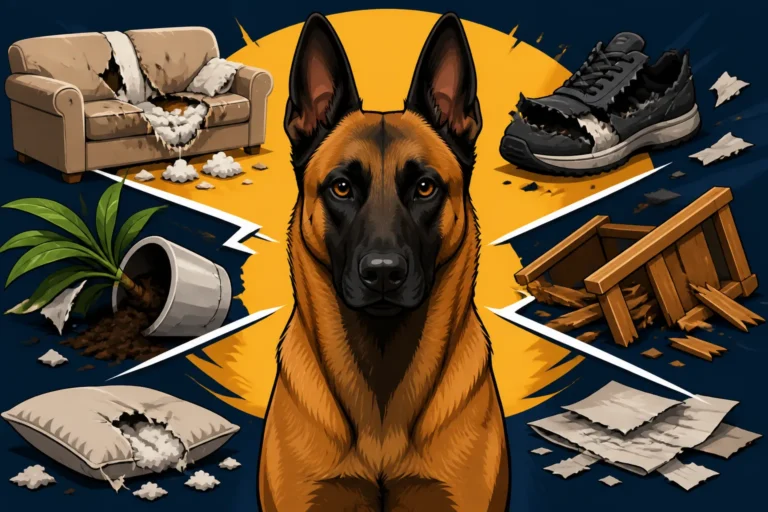
The puppy phase of a Belgian Malinois is legendary for a reason. You're dealing with what many aptly call "The Shark Phase Every Malinois Puppy Goes Through." Those needle-sharp puppy teeth are not just for show; they're used to explore the world, and often, that exploration involves your hands, your clothes, and every piece of furniture you own. House training alone can be a full-time job, not to mention the constant redirection from inappropriate chewing and the relentless demands for attention and exercise.
With a started dog, much of this initial chaos is behind you. They've typically learned basic house manners, are reliably house-trained, and have a foundational understanding of what is and isn't acceptable to chew. This significantly reduces the immediate stress and time commitment, allowing you to focus on building a relationship rather than just surviving the day. Imagine not having to clean up accidents daily or constantly guard your ankles from sharp nips; it's a game-changer for many households.
Foundations Already Laid
One of the biggest advantages of a started Malinois is that they usually come with a solid behavioral foundation. This isn't just about knowing "sit" or "stay"; it’s about having a framework of communication already in place. They’ve likely been introduced to a crate, understand the concept of a leash walk without dragging you down the street, and have been exposed to various environments and people in a controlled manner, contributing to a more stable temperament.
This means you’re not starting from scratch trying to teach a high-drive dog how to exist politely in a human world. Instead, you're building upon an existing structure. A good started dog might already have a decent "place" command, understand how to settle when asked, and have been introduced to structured play, like tug, with clear rules about releasing the toy. This can be particularly beneficial if your goal is eventually to participate in dog sports, as the initial groundwork for engagement and focus will already be established, allowing you to dive into more specialized training sooner.
A Clearer Picture of Temperament
Puppies are adorable, but their personalities are still developing. It's tough to predict how that sweet, clumsy pup will mature in terms of drive, nerve, and environmental stability. Will they be overly soft? Unstable around strangers? Too intense for your lifestyle? These are common anxieties for anyone bringing a Malinois puppy home.
With a started Belgian Malinois, you have the immense advantage of seeing a more developed temperament. They’ve passed through the intense adolescent period, which is often when "The Adolescent Malinois That Tests Everything" really comes into play. You can assess their reactivity to new situations, their comfort level around different people and dogs, and their overall energy levels. This transparency significantly reduces the guesswork, making it easier to ensure the dog's personality and drives align with your expectations and capabilities as a handler. You’ll know if they tend to be more aloof, highly social, or have specific triggers, which allows for more informed decision-making and better long-term compatibility.
What "Started" Actually Means
The term "started" can be a bit of a moving target when it comes to highly driven working breeds like the Belgian Malinois. It doesn't mean "finished" or "perfect"; rather, it implies a level of foundational training and socialization that positions the dog well for continued development by a new owner.
Understanding Different Levels of Training
When a seller describes a Malinois as "started," it's crucial to dig into the specifics. This term can encompass a wide spectrum of training levels:
- Basic Obedience: At a minimum, a started Malinois should reliably respond to commands like sit, down, stay, come (recall), and walk politely on a leash in various environments. They should be crate trained and house-trained. This forms the bedrock for everything else.
- Advanced Obedience: Some started dogs might have gone beyond the basics, perhaps working off-leash in low-distraction environments, or showing a solid "out" command during play.
- Sport Foundations (Green Dog): For those interested in protection sports like IGP, French Ring, or Mondioring, a "started" Malinois might be referred to as a "green dog." This means they've had initial exposure to a decoy, developed a basic bite foundation, and understand the concept of drive channeling, but still require significant development. For example, they might have a solid retrieve and an emerging understanding of targeting a bite sleeve. They are not yet ready for advanced competition but have shown the innate drive and temperament for the work. This stage can often save you months, if not a year, of foundational work with a young puppy.
- Specialized Detection Foundations: Less common, but some started dogs might have rudimentary scent work experience, laying the groundwork for detection roles.
It's vital to clarify the exact training the dog has received and, ideally, see it demonstrated. A dog that is "started" for a pet home will have a vastly different skill set than one that is "started" for bite work, and understanding these distinctions will help manage expectations.
Age and Development Milestones
The age of a started Malinois typically ranges from around 8-12 months up to 2-3 years old. This age bracket is significant because it means they've usually navigated through critical developmental periods:
- Puppyhood: The intense puppy biting and early socialization needs are largely behind them. The dog has learned bite inhibition and appropriate social interactions with other dogs and people.
- Adolescence: This is a notoriously challenging time for Malinois, often mirroring human teenagers with testing boundaries and pushing limits. A dog that has successfully navigated this period with a trainer often has a stronger foundation for impulse control and resilience. Their adult personality, drives, and social preferences are much more established.
- Growth Plate Closure: By around 12-18 months, most Malinois have finished growing and their growth plates have closed. This is particularly important for high-impact activities, as it means their joints are more mature and less susceptible to damage from rigorous training, as discussed in topics like "Whether Spay Timing Changes a Malinois's Joints." This isn't to say they are indestructible, but the early, vulnerable period of rapid growth is behind them.
A started dog in this age range offers the benefit of predictability, having passed the most volatile phases of development, yet still young enough to form a deep bond with a new handler and continue extensive training.
Evaluating a Started Dog's Background
When considering a started Belgian Malinois, a thorough evaluation of their background is paramount. This isn't just about their training, but their whole history:
- Health Clearances: Just like a puppy, a started Malinois should come from parents with appropriate health clearances for hips, elbows, and eyes. Ideally, the dog itself should have preliminary or final clearances, such as "The Hip and Elbow Numbers Behind a Malinois Clearance." This gives you insight into potential genetic health issues. Don't be shy about asking for proof of these screenings.
- Temperament Assessment: Beyond just watching the dog perform commands, you need to understand their natural temperament. How do they react to novelty? To strangers? To other dogs? Do they "read" well in different situations? A good seller or trainer will be transparent about the dog's strengths and weaknesses, perhaps even discussing if the dog tends to be "A Belgian Malinois That Reacts to Other Dogs" or is prone to guarding behaviors.
- Training History: Ask for detailed information on their training regimen. What methods were used? Who trained them? How long have they been in training? A reputable source will be proud to share videos, references, and even allow you to observe training sessions. This helps you understand if their training philosophy aligns with yours. Were they started using positive reinforcement, balanced methods, or something else entirely?
- Living Environment: Where has the dog been living? In a kennel? In a home environment? Exposure to a typical home setting with various sights, sounds, and routines is invaluable for successful integration into your family.
Where to Find a Reputable Started Malinois
Finding a truly well-started Belgian Malinois requires diligent research and a discerning eye. This isn't a purchase you want to rush, as the quality of the dog's foundation will profoundly impact your future together.
Working Line Breeders and Trainers
The most reliable sources for started Belgian Malinois are usually established working line breeders who also train, or professional trainers specializing in the breed. These individuals understand the specific drives and temperament of the Malinois and typically have a vested interest in placing their dogs in appropriate homes where they will thrive.
- Why them? They often keep a few promising puppies from litters for longer, developing them with foundational training before offering them for sale. This allows them to assess the dog’s working potential and match it to a handler’s goals. They're looking for a good fit, not just a quick sale.
- What to look for: Seek out trainers and breeders actively involved in competitive dog sports like IGP, French Ring, KNPV, or Mondioring. Their hands-on experience in these demanding fields means they understand what it takes to develop a high-caliber Malinois. They'll also be transparent about pedigrees, health testing, and the specific training the dog has received. For example, a KNPV program often involves incredibly stringent requirements, and a Malinois coming from such a background, even if only "started," will have an exceptional foundation.
- Questions to ask: Inquire about their training philosophy, the daily routine of their dogs, and how they ensure environmental stability. Ask for videos of the dog working and interacting in different settings.
Specialized Rescues and Rehoming Programs
While less common, it is sometimes possible to find a started or partially trained Belgian Malinois through breed-specific rescues. These dogs might have been surrendered due to an owner's inability to handle their drive, or they might be "washed out" from working programs.
- Realism is key: When dealing with rescues, the term "started" can be more ambiguous. Some dogs might have basic obedience but come with behavioral quirks from their past. Others might have a solid foundation but need a handler experienced enough to address specific stressors or past traumas. It's crucial to be realistic about what you're taking on.
- Thorough vetting: Rescues often do an excellent job of temperament testing and evaluating a dog's needs, but their "started" might mean something different than a professional trainer's. Be prepared to ask many questions about the dog's history, any known issues, and what training has been implemented while in rescue care.
- Examples: Some dogs in rescue might be older, former working dogs who are being "Retiring a Working Belgian Malinois From the Job" and still have excellent manners but require a different type of engagement in a home setting. While they might not be "started" in a sport sense, they are certainly well-behaved adults.
Questions to Ask Sellers and Trainers
When you've identified a potential started Malinois, here's a checklist of questions to ensure you're making an informed decision:
- What specific commands does the dog know and perform reliably? (e.g., sit, down, stay, come, heel, place, out)
- Can I see videos of the dog working in different environments (e.g., quiet home, busy park, around other dogs)?
- What kind of socialization has the dog received? (exposure to people, children, other animals, different surfaces, sounds)
- Are there any known behavioral quirks or challenges? (e.g., reactivity to dogs, resource guarding, separation anxiety, vocalizations)
- What are the dog's strengths and weaknesses from a training perspective?
- What health clearances do the parents have, and does the dog itself have any? (e.g., OFA/PennHIP for hips/elbows, eye certifications, genetic disease testing for things like "The Two Ataxia Genes Belgian Malinois Are Tested For")
- What kind of daily routine is the dog accustomed to? (feeding, exercise, training, downtime)
- What food is the dog currently on? (This can be important for smooth transitions, especially if you plan to use a brand like Chewy for supplies or Ollie for fresh food options.)
- What kind of environment has the dog been living in? (kennel, house, mixture)
- What is the dog's history, including previous owners if applicable?
- What kind of temperament does the dog have around strangers and children?
- What is the seller's philosophy on continued training and support after the sale?
The Investment: Cost and Ongoing Commitment
Many people look into buying a started Belgian Malinois because they understand the significant "What a Year With a Working Belgian Malinois Costs" and want to mitigate some of the initial effort. While it can reduce the training workload, it rarely reduces the financial investment, and often increases it.
What It Costs
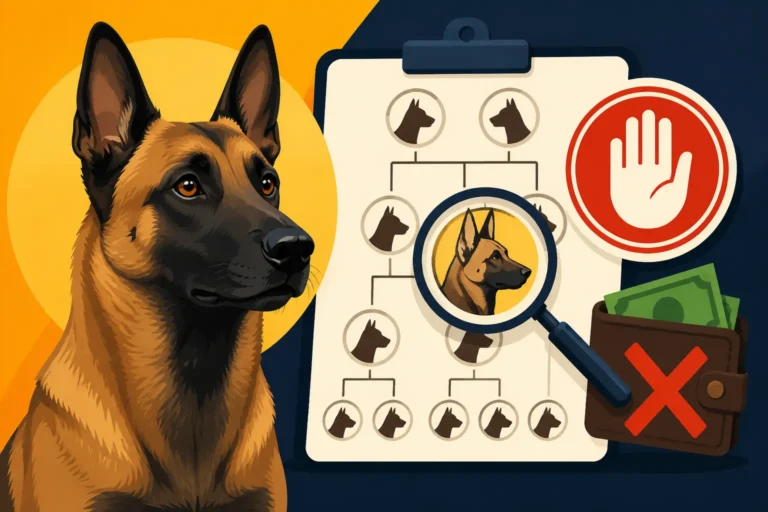
Naturally, a dog that has had months or even years of professional training and care will command a higher price than a raw puppy. You are paying for the time, expertise, and resources invested in that dog’s foundation. While a Belgian Malinois puppy from a reputable breeder might fall within the "The 1,000 to 3,500 Range on Pet Belgian Malinois," a truly well-started Malinois can cost significantly more.
The price for a started Malinois can vary dramatically based on:
- Age: Older, more developed dogs typically cost more.
- Level of Training: A dog with basic obedience is less expensive than a "green dog" with advanced bite sport foundations. For instance, a dog with foundational protection work could easily be in the mid-to-high four figures, sometimes nearing "The Ten Thousand Dollar Price on a Military Malinois" for a truly exceptional prospect from proven lines.
- Pedigree and Health Clearances: Outstanding lineage and clear health certifications will always add value.
- Source: A professional trainer or working kennel will likely charge more than a rescue, but you're also getting a clearer, more predictable history.
It's a mistake to view this higher upfront cost as an endpoint. It’s an investment in a dog that has a better chance of integrating smoothly and performing at a high level, but it is just the beginning of your financial commitment.
Continued Training and Integration
A "started" dog is not a "finished" dog. When you bring a started Malinois home, your job isn't over; it's just beginning from a different starting point. You'll need to:
- Build a Bond: Regardless of their training, the dog needs to bond with you. This involves spending quality time, consistent handling, and continued positive experiences together. This might require further private sessions with a trainer or attending specialized classes.
- Maintain and Generalize Training: You'll need to consistently practice all known commands and introduce them to your home's unique environment and routines. Commands learned in one setting don't always generalize to another automatically, especially with a high-drive Malinois. You'll want to refine their "Building an Off Switch Into a Belgian Malinois" so they can relax in your home.
- Continue Socialization: Even a well-socialized started dog needs ongoing, positive exposure to new people, places, and appropriate canine companions. This prevents regression and builds confidence.
- Address Specific Needs: The dog might have specific handling requirements or minor behavioral quirks that need consistent management and training from you. For example, if they have intense prey drive, you'll need to be mindful of "A Malinois That Fixates on Moving Things" and how you manage that in your daily life.
Consider budgeting for additional training sessions or classes to help you and your new Malinois adjust. This might look like attending a local dog club that caters to working breeds or enrolling in a specialized "What a Malinois Board and Train Program Costs" if you need extra help establishing good habits in your home.
Preparing Your Home for an Adolescent/Young Adult Malinois
Bringing a mature, rather than juvenile, Malinois into your home requires a slightly different set of preparations:
- Secure Environment: A well-trained Malinois is still an intelligent, athletic, and often strong-willed dog. Ensure your yard is completely secure with fencing that "Fencing That a Belgian Malinois Cannot Clear" or is a sturdy kennel run that "Building a Run a Malinois Cannot Escape." These dogs can and will test boundaries.
- Mental and Physical Stimulation: Just because they're past the puppy stage doesn't mean their exercise needs diminish. A started Malinois will still require significant daily physical and mental engagement, potentially "Two Hours and a Job a Belgian Malinois Demands Daily." Plan for structured walks, training sessions, and interactive play.
- Appropriate Gear: Invest in durable toys, a secure harness or collar, a strong leash, and a comfortable but sturdy crate. Even if they're housetrained, a crate remains an invaluable tool for management, especially during the initial settling-in period.
- Veterinary Care: Arrange for an initial vet visit soon after acquisition to establish a baseline of health. Discuss potential issues specific to the breed, and consider pet insurance providers like Healthy Paws to help manage unforeseen veterinary expenses. Ensure you have the necessary information regarding their vaccine history and deworming schedule.
- Nutrition: Continue with the food they've been on initially, then transition slowly if you plan to change. Many working line Malinois thrive on performance formulas, and you can explore options through retailers like Chewy or specialized fresh food companies like Ollie, ensuring you're meeting the dietary demands of a high-energy breed.
Buying a started Belgian Malinois can be an excellent path for individuals or families who are committed to the breed but want to bypass the most intense early puppy stages. It requires a significant upfront investment, continued commitment to training, and a clear understanding of what you're getting. With the right research and realistic expectations, a started Malinois can become an incredibly rewarding companion and working partner.
Disclaimer
This article is for general informational purposes only and does not constitute professional advice. Laws, prices and regulations vary by location and change over time. Consult a qualified professional for guidance on your specific situation.