Whether the Malinois Survived the Wars in Numbers
Belgian Malinois survival through both world wars lacks precise numbers because historical records and breeding data remain incomplete.
Is this the right one for you?
Origins and temperament, size and coat, what living with one is actually like, and how it compares to the breeds people weigh against it.
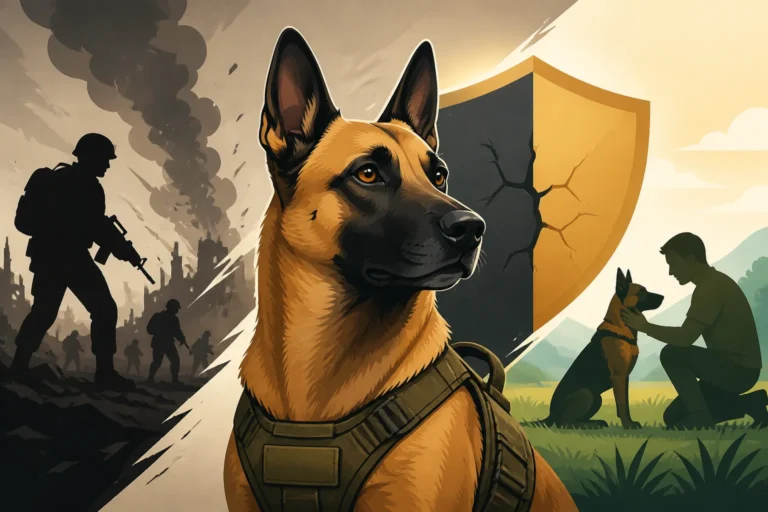
Belgian Malinois survival through both world wars lacks precise numbers because historical records and breeding data remain incomplete.
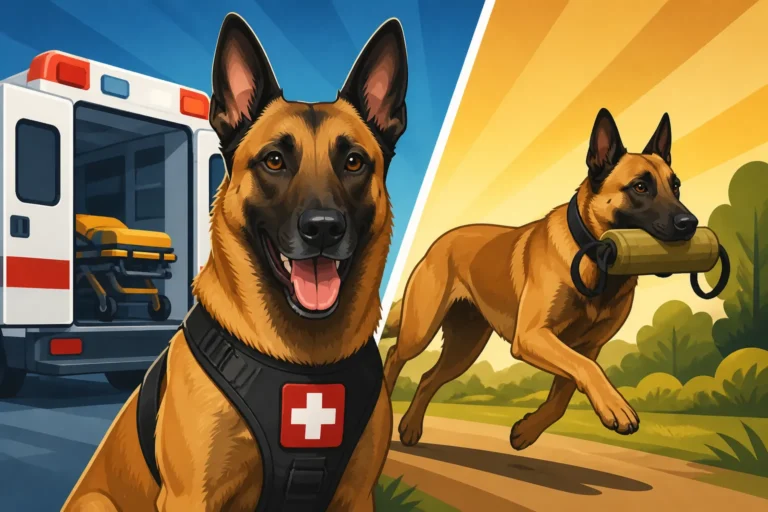
Wartime Belgian dogs served as message carriers and search assistants for wounded soldiers during the First World War.
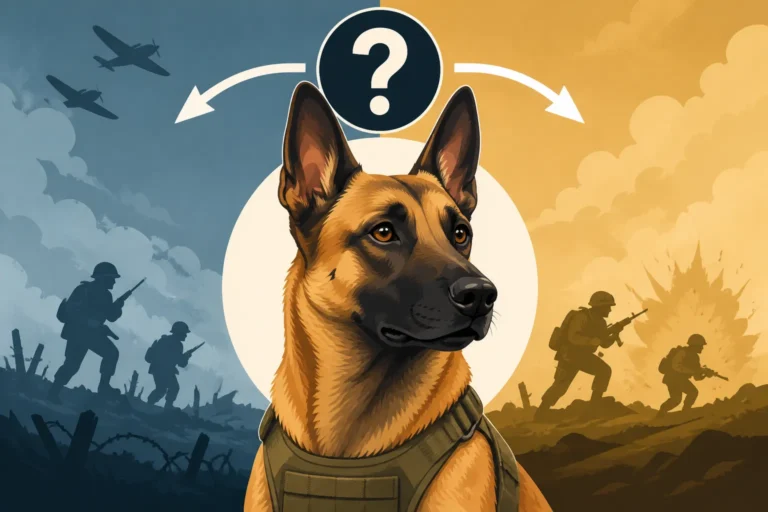
Historical military records show Belgian dogs served in both World Wars, though older accounts rarely specify exact Malinois varieties.
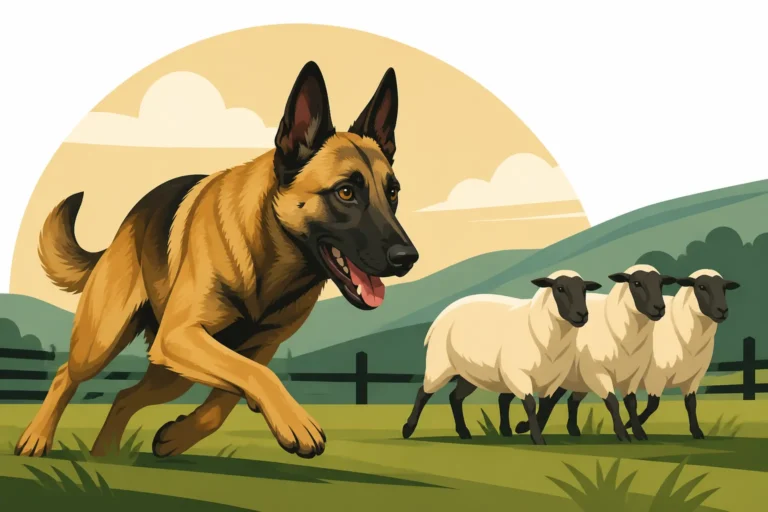
Belgian Malinois herding trials require controlled livestock movement, specific handler cues, and strict safety guidelines for all participating animals.
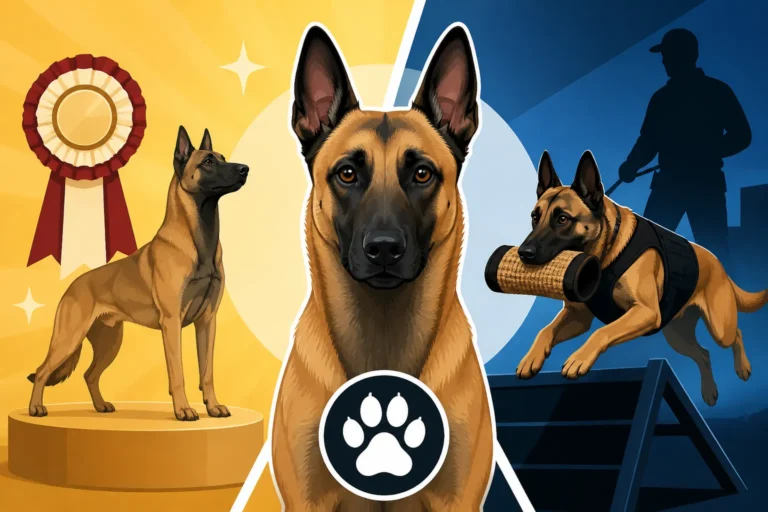
A Belgian Malinois can function as both show and working dog, depending on individual breeding, training, health, and event standards.

Belgian Malinois show dogs and working dogs differ in selection priorities, trait intensity, and what conformation titles establish.
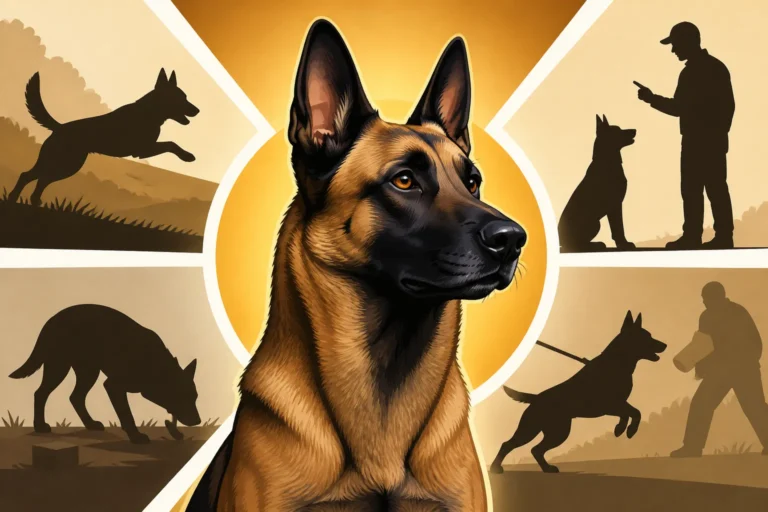
Belgian farm dogs originally developed for herding sheep and guarding property through trainability and hardiness.
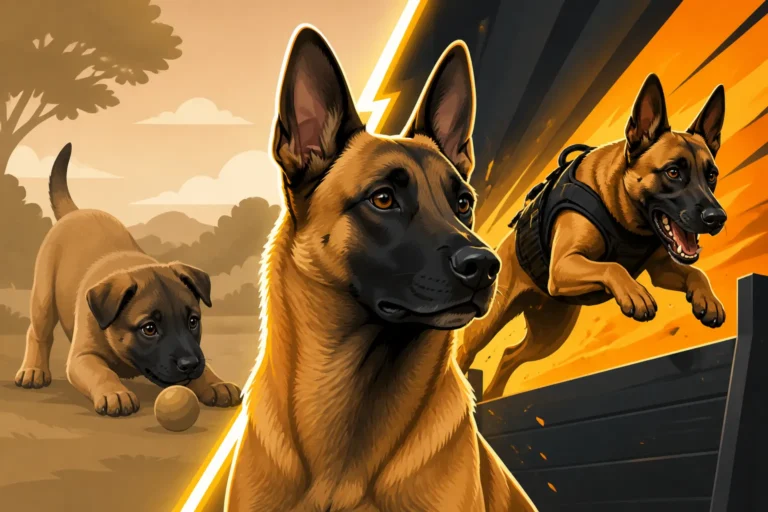
The Belgian Malinois history explains how practical farm dogs became today’s intense police and service animals.
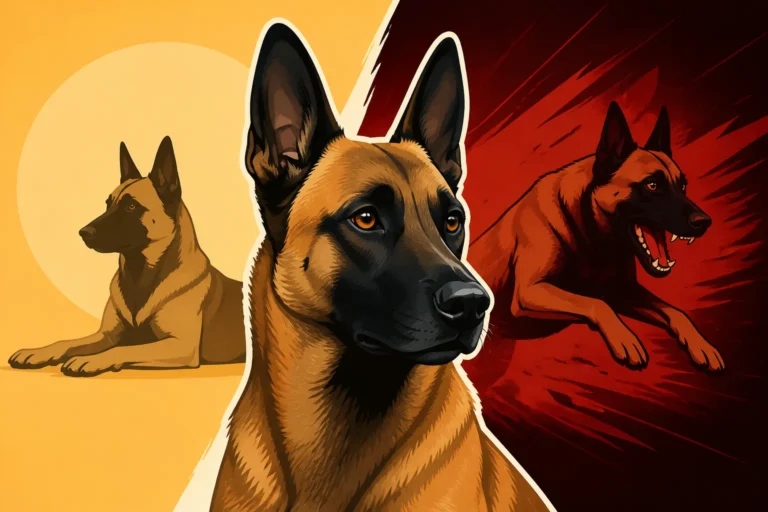
A Belgian Malinois temperament shows high everyday energy, fast reactions, and strong handler engagement during ordinary situations.
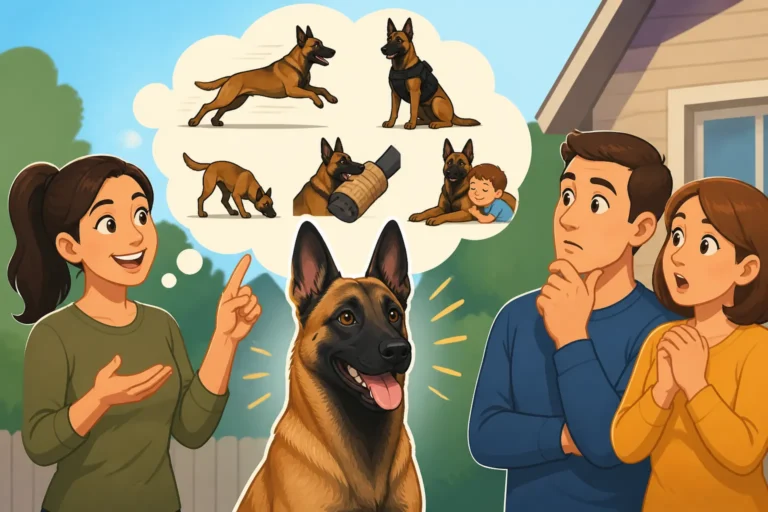
Belgian Malinois owners can explain the energetic breed, answer neighbor questions, and build trust using calm everyday actions.