The Four Belgian Varieties the Malinois Belongs To
The Belgian Shepherd dog family includes four distinct varieties with a shared heritage from nineteenth century Belgian farms.
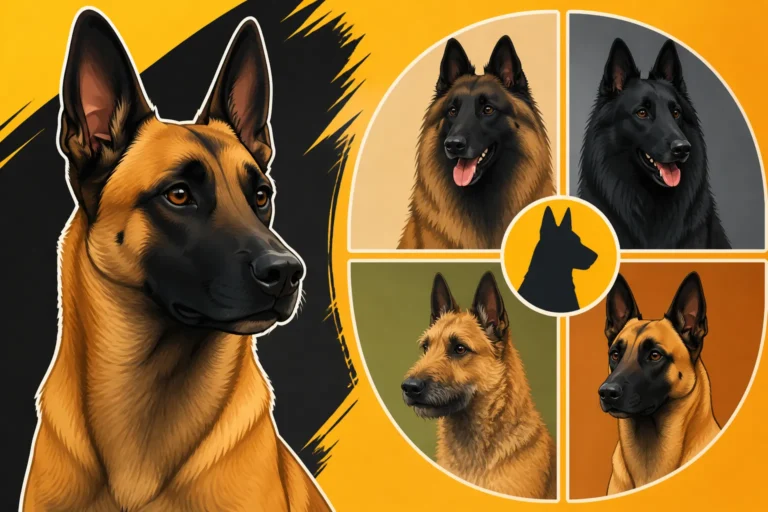
The Belgian Shepherd dog family includes four distinct varieties with a shared heritage from nineteenth century Belgian farms.

The Belgian Malinois breed name originates from Mechelen, a historic city also known as Malines in Belgium during the nineteenth century.
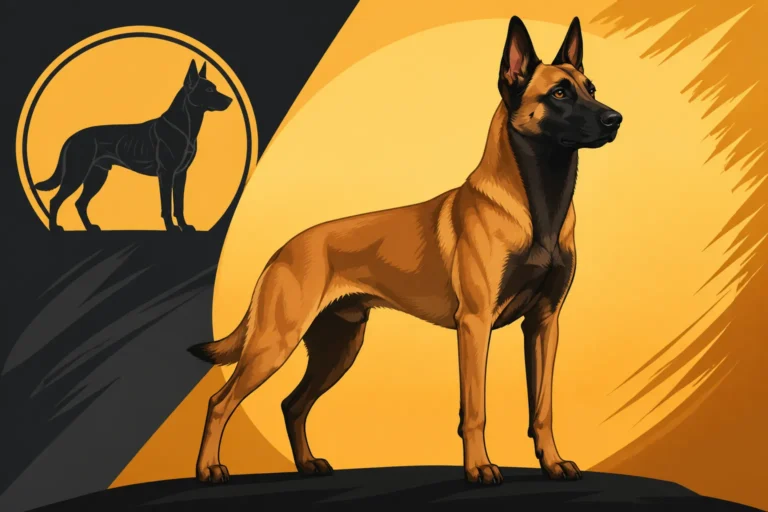
An ideal lean Belgian Malinois body condition features palpable ribs, a distinct waist, and a noticeable abdominal tuck.
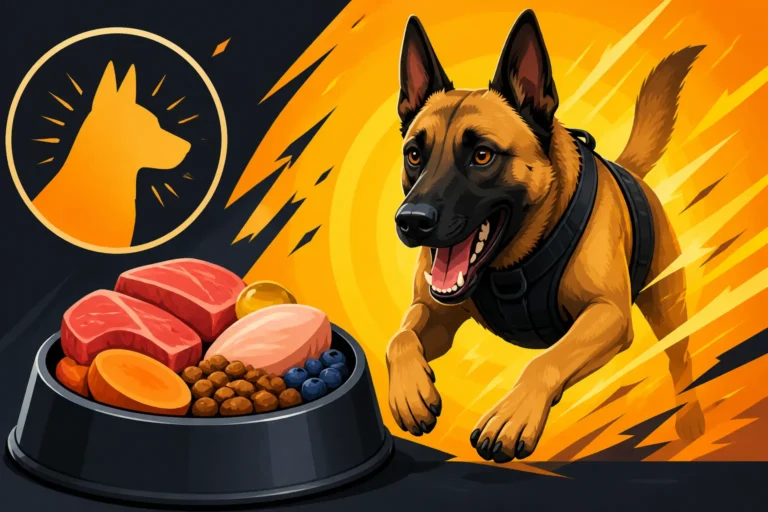
Belgian Malinois nutritional needs, including protein and fat balance, high metabolism fuel strategies, and canine caloric requirements.

The Belgian Malinois creates severe challenges for inexperienced owners due to its unrelenting energy and intense drive.
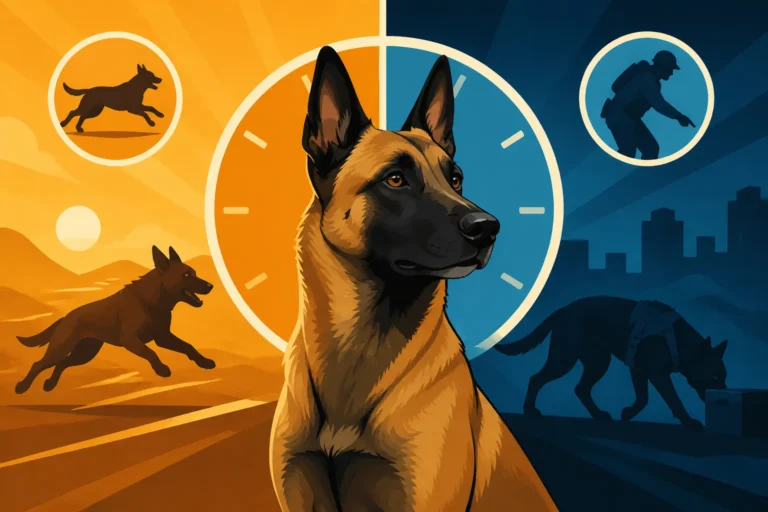
Two daily hours of physical challenge and a specific job are required to keep a Belgian Malinois healthy and manageable.
A twenty-five thousand dollar Belgian Malinois represents specialized breeding, intensive training, expert handling, and ongoing care.

Belgian Malinois puppy prices, bloodline breeding costs, early vet visits, and food expenses explain initial purchase expenses.
Spinocerebellar ataxia genetic mutations SDCA1 and SDCA2 cause progressive muscle coordination loss in Belgian Malinois.
The typical Belgian Malinois lives twelve to sixteen years, influenced by genetics, proper nutrition, and active daily exercise.
Belgian Malinois survival through both world wars lacks precise numbers because historical records and breeding data remain incomplete.

Wartime Belgian dogs served as message carriers and search assistants for wounded soldiers during the First World War.
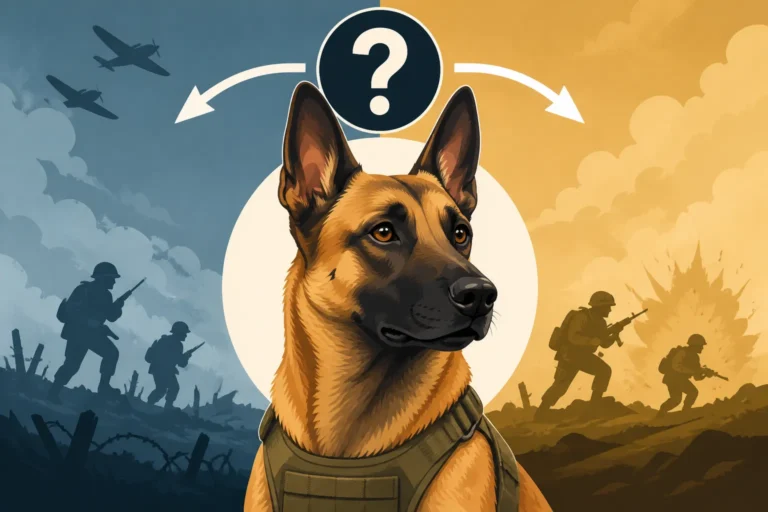
Historical military records show Belgian dogs served in both World Wars, though older accounts rarely specify exact Malinois varieties.
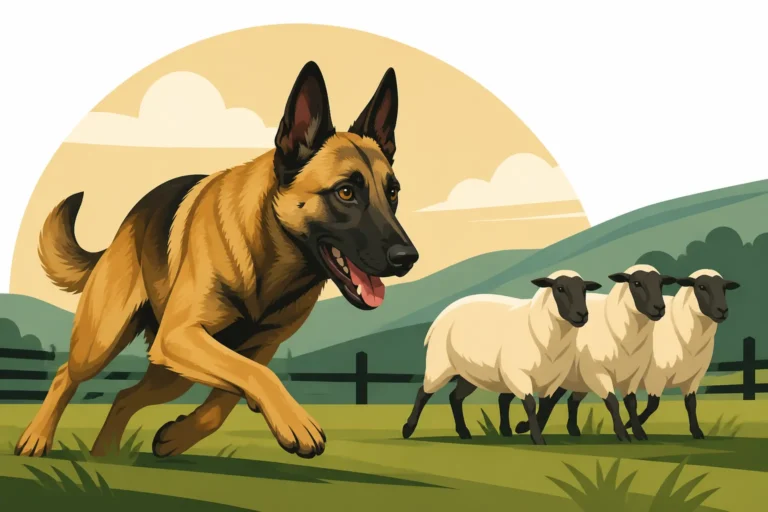
Belgian Malinois herding trials require controlled livestock movement, specific handler cues, and strict safety guidelines for all participating animals.

A Belgian Malinois can function as both show and working dog, depending on individual breeding, training, health, and event standards.

Belgian Malinois show dogs and working dogs differ in selection priorities, trait intensity, and what conformation titles establish.
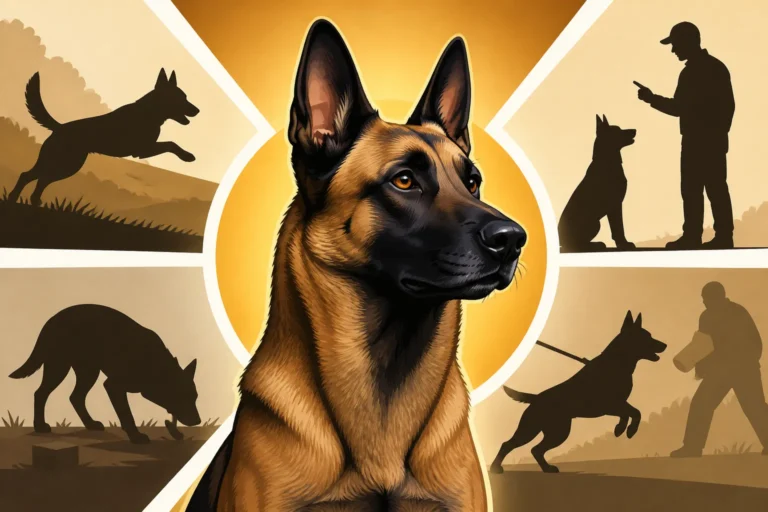
Belgian farm dogs originally developed for herding sheep and guarding property through trainability and hardiness.

The Belgian Malinois history explains how practical farm dogs became today’s intense police and service animals.
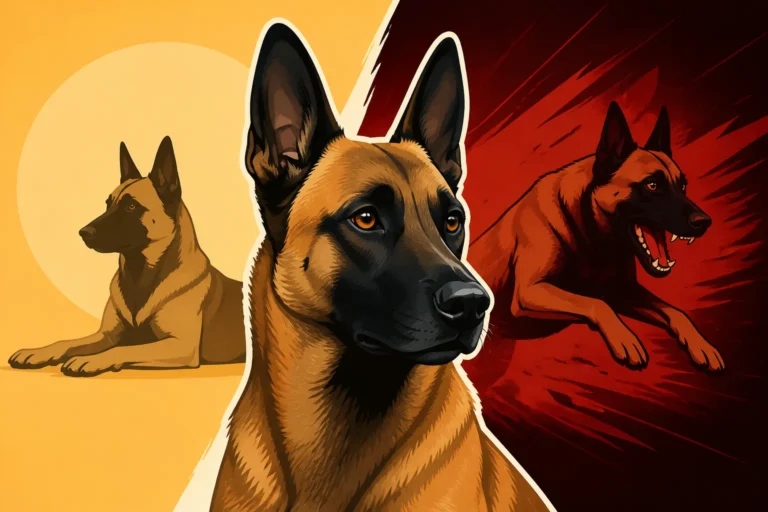
A Belgian Malinois temperament shows high everyday energy, fast reactions, and strong handler engagement during ordinary situations.
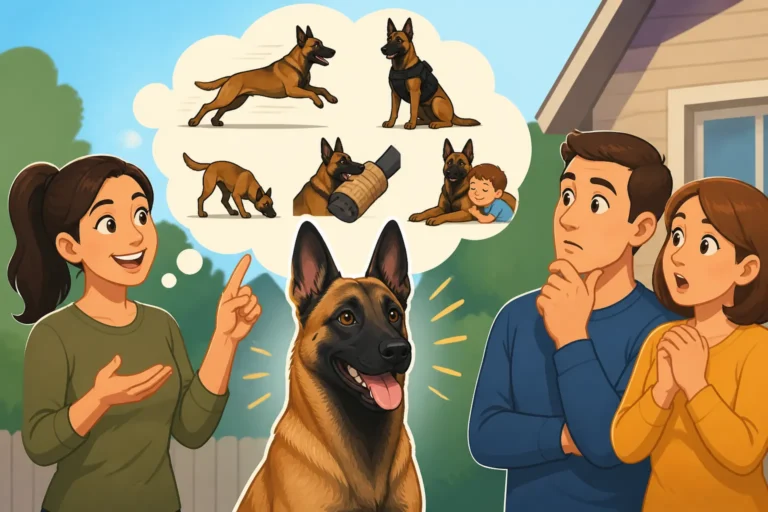
Belgian Malinois owners can explain the energetic breed, answer neighbor questions, and build trust using calm everyday actions.