The Lean Condition a Belgian Malinois Should Carry
It’s a common frustration among Belgian Malinois owners: everyone seems to have an opinion on their dog’s weight, often seeing a perfectly healthy, lean Malinois and exclaiming, "That dog is too skinny!" This guide is here to cut through the noise and explain exactly what an ideal body condition looks like for your athletic Belgian Malinois, why it’s so critical, and how to maintain it for their lifelong health and performance.
Understanding the Ideal Malinois Physique: It's Not Just About Weight
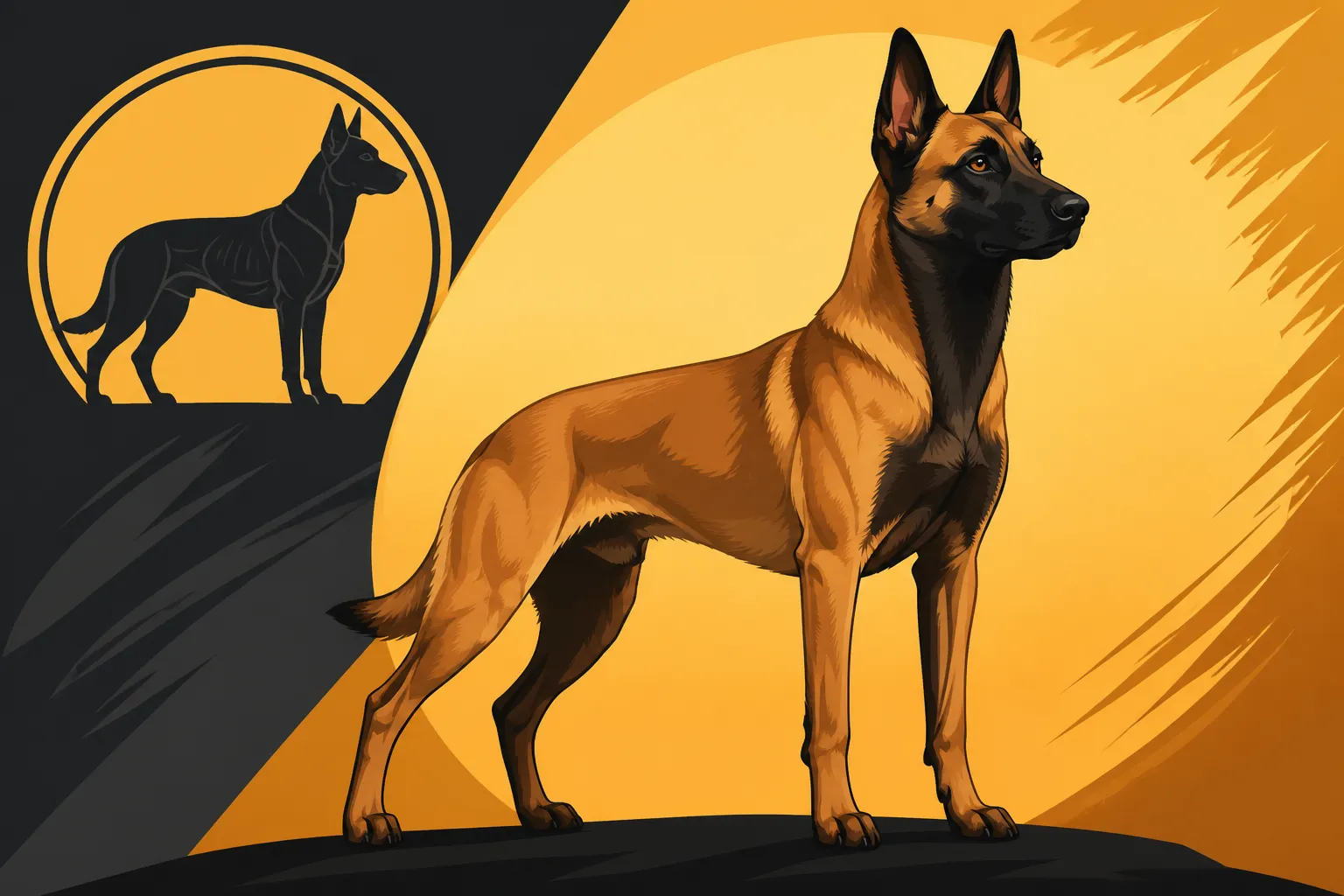
When you look at a Belgian Malinois, you're looking at a dog bred for explosive power, incredible agility, and sustained endurance. They are not built for bulk or softness. Their entire physiology is geared towards being lightweight yet powerful, capable of quick bursts of speed and precise movements. This translates to a naturally lean, muscular build, which can often look "thin" to someone accustomed to heavier, more sedentary breeds. However, for a Malinois, this leanness is their optimal state for movement and health.
The Foundation of an Athletic Build
Think of a top-tier human athlete – a marathon runner, a gymnast, or a sprinter. They are rarely bulky. Instead, they exhibit a lean, defined musculature designed for efficiency and performance. Your Belgian Malinois is no different. Every pound of excess weight they carry is an extra burden on their joints, heart, and respiratory system, directly impacting their ability to perform the work they were born to do. This athletic ideal isn't just for working dogs; even a well-exercised pet Malinois benefits immensely from maintaining this specific physique. It allows them to zoom around the yard, engage in rigorous play, and participate in dog sports without unnecessary strain.
Why "Lean" Differs from "Skinny"
This is where much of the confusion lies. People often equate "lean" with "skinny," but there's a crucial distinction, especially for a Belgian Malinois. A lean Malinois will have ribs that are easily palpable but not sharply visible, a distinct waist when viewed from above, and a noticeable abdominal tuck. Their muscles should be well-defined, not hidden under a layer of fat. A skinny Malinois, on the other hand, will have ribs, hip bones, and vertebrae that are prominently visible, often with a sunken-in appearance around the hips and face, and little to no muscle definition. This indicates a lack of adequate nutrition or an underlying health issue, which is definitely not the goal. The goal is power-to-weight ratio, not starvation.
The Role of Genetics and Breed Standard
The breed standard itself describes a dog that is strong, agile, and well-muscled without being heavy. This isn't just an aesthetic preference; it's a blueprint for function. When breeders select for specific traits, they are often looking for the structural integrity and body composition that support the Malinois's demanding job roles, whether in protection work, detection, or herding. Deviating too far from this lean, athletic build, either by letting them get overweight or allowing them to become emaciated, goes against the very essence of what a Belgian Malinois is meant to be. It's a testament to their heritage that they maintain such a distinct body type.
Assessing Your Malinois's Body Condition Score (BCS)
Understanding what to look for is the first step in ensuring your Belgian Malinois maintains its optimal lean condition. Instead of just focusing on a number on the scale, veterinarians and experienced handlers use a Body Condition Score (BCS) system. This is a visual and tactile assessment that gives a much more accurate picture of your dog’s overall health and fat reserves than weight alone, as individual Malinois can vary in frame size and muscle mass.
The Hand Test: Feel, Don't Just Look
The most important part of assessing your Malinois's body condition is using your hands. Start by gently running your hands along their sides. You should be able to feel their ribs easily, much like feeling the knuckles on your hand when your palm is open and flat. If you have to press firmly to feel the ribs, your dog is likely carrying too much weight. If the ribs are sharply defined and feel like the knuckles on a clenched fist, your Malinois might be too thin. This tactile assessment provides valuable insight that a quick glance might miss, especially under a denser coat, though Malinois typically have short, close-lying hair.
Visual Cues: From Above and From the Side
Beyond the hand test, visual cues are crucial. When you look down at your Malinois from above, they should have a clear, distinct waistline – an hourglass shape where their body tapers in behind the ribs and then widens slightly at the hips. If they look like a straight line or bulge out at the waist, they are likely overweight. From the side, your Malinois should exhibit an abdominal tuck, meaning their belly slopes upwards from their ribcage to their hind legs, not hanging low or forming a straight line. This tuck is a hallmark of a fit, athletic dog. These visual indicators, combined with the hand test, give you a comprehensive understanding of their current condition.
The Body Condition Score Scale
Most veterinary professionals use a 5-point or 9-point BCS scale. The 5-point scale is often easier for owners to grasp, with 3/5 being ideal for a Malinois. A 9-point scale would aim for a 4 or 5. Here’s a quick breakdown to help you assess:
| BCS (5-Point Scale) | Description | Malinois Appearance/Feel | Action Needed |
|---|---|---|---|
| 1/5 (Emaciated) | Ribs, vertebrae, pelvic bones, prominent from a distance; no discernible body fat; obvious loss of muscle mass. | Bones very sharp, visible at a distance; little to no muscle mass; sunken abdominal area; severe tuck. | Vet consultation, immediate dietary increase. |
| 2/5 (Underweight) | Ribs easily visible; no fat covering; tops of vertebrae visible; prominent pelvic bones; minimal abdominal fat; exaggerated tuck. | Ribs clearly visible but not jutting; hips and backbone visible; very strong tuck; minimal muscle covering. | Increase food, monitor, consider vet check. |
| 3/5 (Ideal) | Ribs easily palpable; waist easily noted when viewed from above; abdominal tuck present. | Ribs felt easily without pressure; clear waist and tuck; good muscle definition; firm, lean feel. | Maintain current diet and exercise. |
| 4/5 (Overweight) | Ribs palpable with slight excess fat covering; waist discernible but not prominent; abdominal tuck may be absent. | Ribs felt with some pressure; waist less defined, more straight; tuck less noticeable; slight padding over bones. | Reduce food, increase exercise, monitor. |
| 5/5 (Obese) | Ribs difficult to palpate; heavy fat deposits; no waist; abdominal tuck absent; distended abdomen. | Ribs hard to find; no waist or tuck; round appearance; obvious fat deposits over back, tail base, belly. | Vet consultation, significant diet/exercise changes. |
Remember, the goal for your Belgian Malinois is that solid 3/5. It means they are lean, strong, and ready for anything. Regular monitoring, perhaps once a month or more frequently during growth spurts or intense training periods, can help you catch any shifts early.
Why a Lean Body Condition is Crucial for Malinois Health
For a Belgian Malinois, maintaining that lean, athletic physique isn't just about looking good; it's a cornerstone of their long-term health and ability to perform their demanding roles. These dogs are finely tuned athletes, and every aspect of their physical condition impacts their overall well-being. Over-conditioning, even slightly, can lead to a cascade of problems that significantly reduce their quality of life and shorten their active years.
Protecting Precious Joints and Ligaments
One of the most immediate and impactful benefits of a lean body condition is the protection it offers to your Malinois's joints. Belgian Malinois are known for their incredible jumping ability, explosive turns, and relentless activity. All of this puts immense stress on their hips, elbows, knees, and spine. Even a few extra pounds can dramatically increase the load on these crucial structures. Imagine carrying a backpack with bricks in it every single day – that's what extra weight feels like to your dog's joints. This added strain accelerates wear and tear, exacerbating conditions like hip or elbow dysplasia, which some Malinois are predisposed to, even with proper clearances. It can also increase the risk of acute injuries like Torn Cruciates in a Jumping Belgian Malinois or simply lead to premature Arthritis in a Belgian Malinois at Nine. Keeping them lean helps distribute weight evenly and reduces the impact forces, allowing them to remain sound and agile for far longer.
Optimizing Cardiovascular and Respiratory Function
A Malinois's drive is legendary. They run, they jump, they bite, they track – often for extended periods. This level of activity requires an incredibly efficient cardiovascular and respiratory system. Excess body fat, particularly around the chest and abdomen, can impede lung expansion and put extra strain on the heart. It forces their heart to work harder to pump blood through a larger body mass, potentially leading to high blood pressure and other cardiac issues down the line. A lean body allows their lungs to expand fully, their heart to pump efficiently, and their blood to deliver oxygen and nutrients effectively to working muscles. This means better stamina, quicker recovery after intense sessions, and a reduced risk of heat-related illnesses, which can be a serious concern for a high-drive dog in warmer climates or during prolonged exercise. Why a Malinois Runs Itself Into Heat Exhaustion is a real concern, and extra weight only compounds the problem.
Enhancing Performance and Longevity
Ultimately, a lean body condition directly translates to superior performance and a longer, more active lifespan. A Malinois that isn't carrying excess weight is faster, more agile, and has better endurance. They can jump higher, turn sharper, and maintain focus for longer periods without becoming fatigued. This is critical for working dogs in law enforcement or military roles, where every fraction of a second and every ounce of energy counts. For sport dogs, it means better scores and a reduced risk of injury in trials. Even for a beloved family pet, a lean physique means more joyful years of chasing balls, going for long hikes, and engaging fully with their family. It postpones the onset of age-related mobility issues and keeps them mentally and physically sharper well into their senior years. Keeping a Belgian Malinois Sound Past Twelve often starts with maintaining optimal body condition from a young age.
The Risks of an Overweight Belgian Malinois
It's tempting to want to see our dogs a little "plumper," especially if we associate fullness with health or love. But for a Belgian Malinois, being overweight isn't just undesirable; it's genuinely detrimental to their unique physiology and active lifestyle. The risks go far beyond simply slowing them down and can severely impact their long-term health and happiness.
Increased Strain on Joints and Connective Tissues
This is perhaps the most immediate and visible consequence of an overweight Malinois. Their skeletal structure, while robust, is designed to support a lean, athletic body. When subjected to excessive weight, especially over time, the stress on their joints, ligaments, and tendons escalates dramatically. This can accelerate the degeneration of cartilage, worsen conditions like hip and elbow dysplasia, and significantly increase the risk of serious injuries such as cranial cruciate ligament (CCL) tears. A Malinois performing its characteristic jumps and quick changes of direction with extra pounds is essentially an athlete with added weights, leading to premature wear and tear. This is why Joint Supplements for a Working Belgian Malinois become even more critical when a dog is carrying too much weight, though they are no substitute for proper body condition.
Higher Risk of Metabolic and Chronic Diseases
Beyond joint issues, being overweight opens the door to a host of metabolic and chronic health problems that can severely impact a Malinois's lifespan and quality of life. Just like in humans, obesity in dogs is linked to diabetes, as excess fat can lead to insulin resistance. Overweight dogs are also more prone to certain types of cancer, kidney disease, and liver problems. Their internal organs, including the heart, have to work harder, leading to increased blood pressure and a higher risk of cardiac issues. Even conditions like hypothyroidism, where the thyroid gland is underactive, can be exacerbated or mimicked by obesity, making diagnosis and treatment more complicated.
Reduced Stamina, Heat Intolerance, and Poor Quality of Life
An overweight Malinois simply cannot perform at its peak, and this goes against their very nature. Their stamina will be significantly reduced, meaning they tire out faster during walks, training, or play. This reduced activity then creates a vicious cycle, leading to further weight gain. They also become much more susceptible to heat intolerance and heatstroke, as their body struggles to dissipate heat efficiently with an insulating layer of fat. Imagine a dog that lives for movement suddenly being too uncomfortable or tired to engage. This profoundly impacts their mental and emotional well-being, leading to frustration, boredom, and potentially behavioral issues. Ultimately, an overweight Malinois experiences a diminished quality of life, missing out on the joy and fulfillment that comes from being a fit, active, and capable dog. It’s a sad reality when a dog bred for Two Hours and a Job a Belgian Malinois Demands Daily can no longer fulfill that need.
Addressing an Underweight Belgian Malinois
While the emphasis for Malinois often leans towards avoiding excess weight, an underweight condition is equally concerning and requires prompt, careful attention. A Malinois that is too thin lacks the essential reserves and muscle mass needed for health, strength, and their characteristic high-energy lifestyle. It's crucial to distinguish between a healthy lean and an unhealthy thinness.
Identifying the Signs of Being Too Thin
As discussed with the BCS, an underweight Malinois will show more than just palpable ribs. Their ribs will be visibly prominent, almost sharply defined, even from a distance. You'll likely see their hip bones and vertebrae clearly protruding, sometimes with a hollow appearance around the flank and face. There will be little to no fat covering, and muscle mass may appear diminished. Their abdominal tuck might be extremely exaggerated, giving them a gaunt appearance. They may also show other symptoms like lethargy, a dull coat, or an increased susceptibility to illness, as their immune system might be compromised. If you notice these signs, it's time to investigate. Sometimes, Whether a Ribby Malinois Puppy Is Underfed is a genuine concern, and requires careful assessment.
Common Causes of Underweight Condition
Several factors can contribute to a Malinois becoming underweight. One of the most common, ironically, is simply not feeding enough calories to match their incredibly high metabolism and activity level. A working Malinois or even a highly active pet can burn through an enormous amount of energy, and many owners underestimate the sheer volume of high-quality food they require. Even feeding the recommended amount on a bag might not be enough for your specific dog. Other causes include:
- Parasites: Internal parasites can steal nutrients, leading to weight loss despite adequate food intake. Regular deworming and fecal checks are essential.
- Stress or Anxiety: A Malinois under chronic stress, perhaps due to a new environment, separation anxiety, or an unfulfilling routine, may not eat well or may burn through calories due to constant nervous energy. A Belgian Malinois That Refuses Food at a Trial or similar high-stress situations can be indicative.
- Dental Issues: Painful teeth or gums can make eating difficult and unpleasant, leading to reduced food intake.
- Underlying Medical Conditions: Various health issues, from digestive problems (like malabsorption) to kidney disease, hyperthyroidism, or even certain cancers, can cause unexplained weight loss. If your Malinois is losing weight despite eating well and being free of parasites, a veterinary check-up is absolutely critical to rule out serious underlying conditions.
- Pickiness or Food Aversion: Some Malinois can be picky eaters, or they might develop an aversion to their food, especially if it's consistently fed in a high-stress environment.
Strategies for Healthy Weight Gain
If your Malinois is confirmed to be underweight, the first step is always a vet visit to rule out any medical issues. Once cleared, you can focus on a strategic approach to healthy weight gain.
- Increase Caloric Intake Gradually: Don't just dump more food in the bowl. Slowly increase the amount of their current high-quality, high-protein kibble. You might need to feed multiple smaller meals throughout the day rather than two large ones to aid digestion and prevent stomach upset.
- Choose High-Quality, High-Performance Food: Look for foods specifically formulated for active or working dogs, which typically have higher protein and fat content. Brands like Purina Pro Plan Sport or Eukanuba Premium Performance are popular choices. You can often find a great selection of these on Chewy, which makes it easy to compare ingredients and reviews.
- Consider Caloric Supplements: If extra kibble isn't enough, you can add high-calorie supplements like canned pumpkin (plain, not pie filling), cooked lean meat, or even specific weight-gainer supplements from your vet. Some owners also find success with fresh food toppers or small amounts of a fresh-cooked diet from services like Ollie, which can be very palatable and nutrient-dense, helping to entice a picky eater.
- Manage Stress: Ensure your Malinois has a stable, predictable routine and is not subjected to undue stress. A calm environment and adequate mental stimulation can improve appetite.
- Monitor Progress: Weigh your Malinois weekly and adjust food amounts as needed. You want slow, steady weight gain, not a rapid increase, which can be unhealthy. Continue to do the BCS assessment to ensure they're gaining muscle and fat appropriately, not just becoming "pudgy."
Maintaining Optimal Condition: Diet and Exercise Strategies
Once you've identified your Malinois's ideal lean body condition, the real work begins: maintaining it consistently throughout their life. This isn't a one-time fix but an ongoing commitment to a balanced diet, appropriate exercise, and vigilant monitoring. For a Belgian Malinois, who are bundles of intense energy and high metabolism, this balance is often a delicate dance.
Tailoring Diet to Activity Level
A common mistake is feeding a Malinois based solely on the bag's recommendations. For these dogs, that's often just a starting point. Their caloric needs fluctuate wildly depending on their activity. A Malinois engaged in intense bite work or long tracking sessions will need significantly more fuel than one having a lighter week of walks and obedience.
- High-Performance Formulas: Invest in a high-quality kibble formulated for active or performance dogs. These typically have higher protein and fat content, providing dense nutrition in smaller volumes. Look for ingredients that support joint health and provide sustained energy. Many top brands are readily available on Chewy, making it easy to research and order.
- Portion Control and Meal Timing: Divide their daily ration into two or three meals to aid digestion and keep their metabolism humming. Feeding smaller meals around training sessions can optimize energy availability and recovery. For example, a meal a few hours before intense work, and another after recovery. This ties into Feeding a Belgian Malinois Around Training Sessions.
- Supplements as Needed: Depending on their age and activity, joint supplements (like glucosamine and chondroitin) can be beneficial. Omega-3 fatty acids are great for coat health, skin, and inflammation. Always consult your vet before adding supplements.
- Hydration: Ensure constant access to fresh water. Active dogs, especially, can dehydrate quickly, and sometimes they're too busy to drink if water isn't readily available and appealing. Consider adding a splash of broth to water to encourage intake during or after heavy work.
Remember, the goal isn't just to make them full, but to fuel their body efficiently. The Daily Ration a Working Belgian Malinois Eats will be significantly higher than a typical pet.
Structured Exercise and Mental Engagement
For a Malinois, exercise isn't just about physical exertion; it's about channeling their immense drive and providing mental stimulation. Simply letting them out in a yard, even a large one, is rarely enough. Why Walks Alone Do Nothing for a Belgian Malinois rings true for this breed.
- Variety is Key: Incorporate a mix of activities:
- High-Intensity Sprints: Fetch with a ball or flirt pole play to engage their prey drive and build explosive power.
- Endurance Work: Long hikes, runs (once joints are fully mature), or even swimming can build stamina.
- Strength and Agility: Jump drills, obstacle courses, or even just navigating varied terrain can build muscle and coordination.
- Mental Work: Obedience training, nose work, puzzle toys, and trick training are vital for tiring their minds. A mentally stimulated Malinois is a calmer Malinois.
- Consistency: Daily, structured exercise is non-negotiable. Aim for at least 60-90 minutes of vigorous activity, broken into multiple sessions, plus regular mental work. This helps them maintain muscle mass and prevent fat accumulation.
- Avoid Over-exercising Puppies: While they have boundless energy, a Malinois puppy's joints are still developing. When a Malinois Puppy's Joints Can Take Impact is a critical consideration. Avoid forced, repetitive high-impact exercise until they are at least 12-18 months old to prevent growth plate injuries. Controlled play and short, structured sessions are best.
- Monitoring Recovery: After intense exercise, observe your Malinois. Do they recover quickly, or do they seem excessively tired or sore? This can be a sign of overexertion or that their current conditioning needs adjustment.
Monitoring and Adjusting for Life Stages and Activity Levels
The ideal body condition for your Belgian Malinois isn't a static target; it's a moving one. What's perfect for a high-energy two-year-old engaged in intense sport might be too lean for a growing puppy or too much for a retired senior. Understanding how to monitor and adjust their diet and exercise throughout these different life stages and activity levels is key to their lifelong health.
Growing Pains: Puppyhood and Adolescence
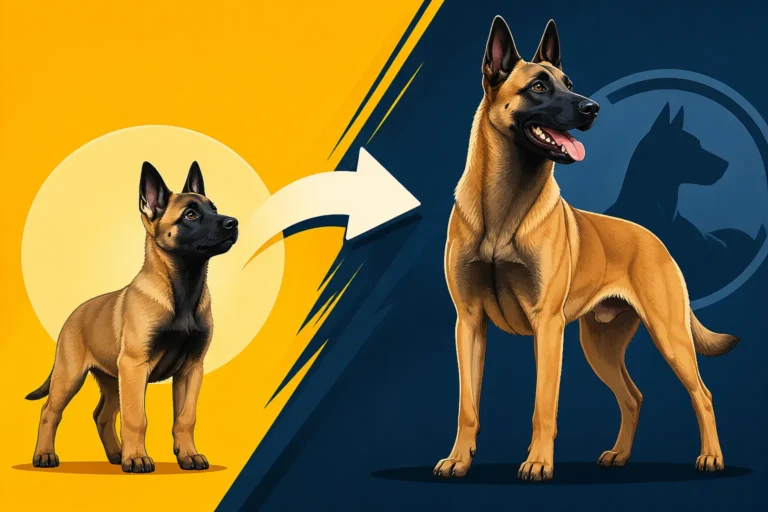
Puppyhood and adolescence are rapid growth phases, and getting their nutrition right is crucial. The goal isn't to make them grow as fast as possible, but rather to support slow, steady growth. Overfeeding a puppy, particularly with high-calorie adult food, can lead to accelerated growth, which puts undue stress on developing joints and can contribute to orthopedic issues later in life. This is why Why Pushing Growth Hurts a Malinois Puppy is a real concern.
- Puppy-Specific Formulas: Feed a high-quality, large-breed puppy formula designed for controlled growth. These foods have carefully balanced calcium and phosphorus levels.
- Regular BCS Checks: Assess your puppy's BCS weekly. You should feel their ribs easily, but not see them sharply. A slight waist and abdominal tuck are good. What a Belgian Malinois Puppy Weighs at Four Months is less important than its BCS, as weight varies by individual.
- Controlled Exercise: Limit high-impact activities like jumping and long, forced runs. Focus on free play, short walks, and mental games to prevent injury to their developing joints.
The Peak Years: Adult Working and Sport Dogs
This is when your Malinois is likely at its most active and demanding. Their caloric needs will be at their highest, and maintaining that lean, muscular condition is paramount for performance and preventing injury.
- High-Energy Diet: Continue with a high-performance adult kibble. You might need to adjust portion sizes daily based on their specific activity level. A day with an intense training session will require more food than a rest day.
- Frequent BCS Assessments: Weekly or bi-weekly BCS checks are crucial. A Malinois can drop weight quickly during intense work or gain it quickly if activity decreases without a dietary adjustment.
- Listen to Their Body: Pay attention to their energy levels, coat quality, and stool consistency. These are all indicators of how well their current diet is suiting their needs. Soft Stools in a Malinois Under Training Stress might indicate a need for dietary adjustment or a probiotic.
Slowing Down: The Senior Malinois
As your Malinois enters their senior years, typically around 7-9 years old, their metabolism may begin to slow, and their activity levels naturally decrease. This means their caloric needs will change, and maintaining a lean condition becomes just as important, if not more so, to manage age-related issues. The Age a Working Malinois Starts to Slow is often a good time to begin monitoring these changes closely.
- Calorie Reduction: You'll likely need to gradually reduce their food intake to prevent weight gain. Switching to a senior-specific formula can be beneficial, as these often have fewer calories and added joint support. Feeding a Malinois That Has Left the Job or Feeding a Retired Belgian Malinois will require careful recalibration of their diet.
- Focus on Lean Muscle: As they age, Malinois can lose muscle mass. Ensure their diet still provides adequate protein to support lean muscle, even as calories are reduced.
- Gentle Exercise: Adapt their exercise to their capabilities. Shorter, more frequent walks, swimming (which is low-impact), or gentle games can keep them moving without over-straining arthritic joints. Arthritis in a Belgian Malinois at Nine is a common concern that a lean body helps to manage.
- Address Dental Health: Older dogs are more prone to dental issues, which can affect their willingness to eat. Regular dental check-ups are vital. Sometimes, Whether an Old Belgian Malinois Needs Softer Food is a necessary adjustment.
By actively monitoring your Malinois's body condition and making thoughtful adjustments to their diet and exercise as they age and their activity levels change, you can help ensure they live the longest, healthiest, and happiest life possible, always in their optimal lean condition.
Practical Tools and Resources for Condition Management
Taking an informed approach to your Belgian Malinois's body condition means equipping yourself with the right tools and knowing where to turn for reliable resources. It's not just about what you feed or how much; it's also about having the right support system in place.
Precision Feeding Tools
Estimating food by eye can lead to inconsistencies. Investing in a quality digital kitchen scale to measure kibble by weight, rather than volume, is a game-changer for precision. Different kibbles have varying densities, meaning a "cup" of one brand might weigh significantly more or less than a "cup" of another, leading to inadvertent over or underfeeding. Measuring by weight ensures you're providing the exact caloric intake you've calculated.
For owners looking into fresh food options, whether as toppers or a full diet, services like Ollie provide pre-portioned meals based on your dog's specific caloric needs, taking a lot of the guesswork out of feeding. This can be particularly helpful for dogs that might need a palatable, nutrient-dense boost to achieve their ideal weight. Similarly, if you're exploring options for supplements or specific high-performance foods, a vast marketplace like Amazon offers a wide selection, though always cross-reference product claims with reputable sources.
Vet Visits and Expert Advice
Your veterinarian is your primary partner in managing your Malinois's health and body condition. Regular check-ups are essential, especially if you notice any significant changes in weight or appetite. They can help you calculate precise caloric needs, rule out underlying medical conditions causing weight loss or gain, and recommend appropriate dietary changes or supplements. Don't hesitate to ask your vet to perform a BCS assessment during each visit and discuss their findings with you. They can offer invaluable insights tailored to your individual dog's health profile.
Additionally, don't underestimate the power of connecting with experienced Belgian Malinois breeders and trainers. Many have years of practical experience managing the demanding nutritional needs of these athletes. They can offer real-world advice on everything from Whether a Sport Malinois Needs a Performance Formula to subtle signs of being out of condition in a high-drive dog.
Maintaining a Health Log
Keeping a simple log of your Malinois's weight (taken on the same scale, at the same time of day), weekly BCS, and daily food intake can provide valuable data. Note any changes in activity levels, training intensity, or even weather. Over time, this log will reveal patterns and help you understand how your dog's body responds to different inputs. For instance, you might see that a particular week of intense tracking causes a slight dip in weight, prompting a temporary increase in food, or that a few days of reduced activity necessitates a small decrease to avoid creeping weight gain. This proactive approach allows for small, timely adjustments, preventing minor issues from becoming major problems in maintaining their lean, athletic physique.
Disclaimer
This article is for general informational purposes only and does not constitute professional advice. Laws, prices and regulations vary by location and change over time. Consult a qualified professional for guidance on your specific situation.