A Belgian Malinois That Refuses Food at a Trial
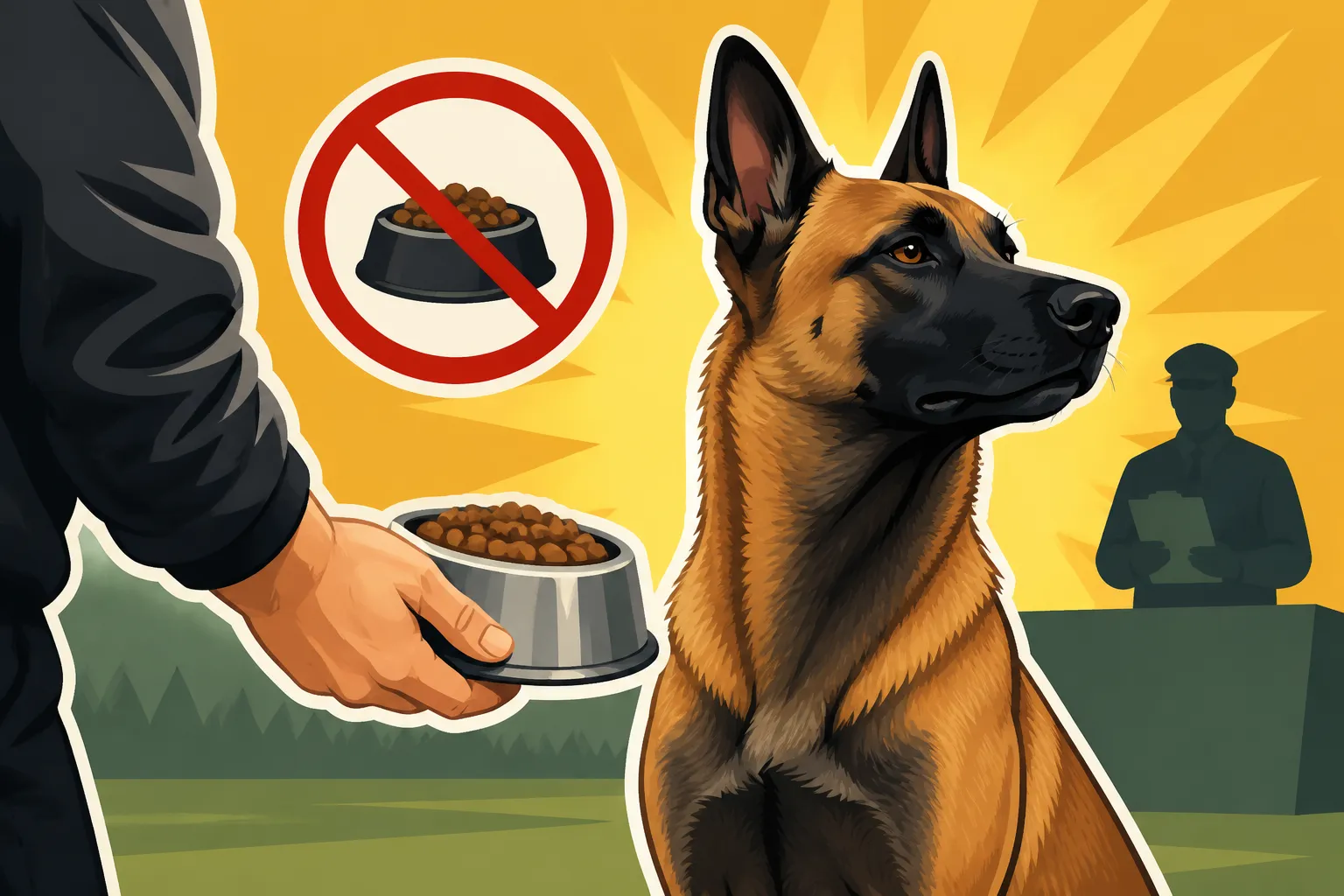
It’s an all too common scenario for handlers of high-drive working dogs like the Belgian Malinois: you’re at a trial, the pressure is on, and your dog, usually a food-devouring machine, suddenly turns up its nose at even the most enticing treat. This guide is dedicated to understanding why your Malinois might refuse food in these high-stakes environments and, more importantly, what you can do to support their nutritional needs and mental well-being when it matters most.
Understanding Why Your Malinois Refuses Food at a Trial
When your Belgian Malinois, who normally inhales their dinner in seconds, suddenly acts like you’ve offered them plain cardboard at a trial, it can be incredibly frustrating. You’ve got a performance coming up, you want them fueled and focused, and they’re completely uninterested. It’s important to remember that this isn't typically a sign of stubbornness; it's a deep-seated physiological and psychological response to the immense pressures of a trial environment. Your Malinois is telling you something important about their internal state.
The Overwhelming Environment and Sensory Overload
Imagine stepping into a bustling stadium, lights, noise, unfamiliar smells, hundreds of people, and other intensely focused dogs – that’s often what a trial feels like for your Malinois, but amplified tenfold. Their senses are constantly on high alert, processing every distant bark, every new scent carried on the breeze, the shifting shadows, and the constant movement of strangers. This sensory overload can be incredibly taxing for a breed as sensitive and hyper-vigilant as the Malinois.
In such a state, their brain is primarily focused on threat assessment and environmental scanning, not on the basic biological function of eating. They might be pacing their kennel, hyper-focused on the gate where other dogs are working, or constantly craning their neck to take in everything happening around them. When the environment demands such intense focus and constant vigilance, the act of leisurely consuming food feels completely irrelevant, or even like a vulnerability they can’t afford. It’s a very real form of overstimulation that pushes appetite to the bottom of their priority list.
Stress, Anxiety, and Adrenaline's Role
Beyond just sensory input, the trial environment also triggers a significant stress response. Your Malinois, keen to please and highly attuned to your energy, will pick up on your own nerves and the general atmosphere of anticipation and pressure. This can lead to an increase in adrenaline and cortisol, the body’s primary stress hormones. Physiologically, when these hormones surge, the body shifts into a "fight or flight" mode. Digestion literally slows down or stops as blood is diverted to muscles and vital organs, preparing the dog for action.
This is a primal survival mechanism. If an animal needs to run or defend itself, digesting a meal is the last thing it needs to be doing. So, when your Malinois is pumped with adrenaline, their stomach and digestive system effectively shut down. They might feel nauseous, or simply have no appetite because their body is convinced there are more pressing matters at hand. Some dogs might even develop soft stools or diarrhea under this kind of stress, further indicating their digestive system is out of whack. Soft Stools in a Malinois Under Training Stress is a good read if you've seen this symptom.
Handler Pressure and Unintentional Cues
It's tough to admit, but sometimes, we, the handlers, unintentionally contribute to our Malinois's refusal to eat. We want them to eat, we worry they’re not getting enough fuel, and this worry can manifest as pressure. We might hover, constantly offer food, try to coax them, or even get a little frustrated when they turn away. Our own stress and eagerness can be a powerful, negative cue for our dogs.
A Malinois is incredibly perceptive and can read our body language, tone of voice, and even our internal emotional state like an open book. If we're stressed about them eating, they'll pick up on that stress and associate it with the food itself, or with the act of eating at the trial. This can create a vicious cycle: you stress, they stress and don't eat, you stress more. They might even start to see eating in that specific context as a source of conflict or something they have to do, rather than a natural, pleasurable activity. It's crucial to remember that our calm demeanor is often the best medicine in these situations.
Strategies to Encourage Eating at a Trial
It might feel like an uphill battle, but there are definitely practical strategies you can employ to make your Malinois more comfortable with eating in a trial environment. The goal isn't just to force them to eat, but to reduce their overall stress and create an association between the trial and positive, relaxed experiences, including mealtime.
Prioritizing Comfort and Routine
One of the most powerful tools you have is consistency and creating a sense of normalcy in an otherwise chaotic environment. Your Malinois thrives on routine, and deviating too much from it can exacerbate their stress. Start by designating a "safe space" at the trial — typically their crate. This crate should be a familiar haven, perhaps draped with a blanket to reduce visual stimuli, and containing their favorite mat or bed that smells like home. This small, enclosed space can offer a much-needed mental break from the intensity of the venue. Crate Work With a Malinois Puppy That Screams touches on the importance of creating a positive crate association early on.
Try to stick as closely as possible to their regular feeding schedule, even if it means offering food at specific times rather than leaving it out indefinitely. Offer their meal in this quiet, low-stimulus "den." If possible, take them a little distance from the main hub of activity – perhaps to your car (with proper ventilation and heat safety in mind), or a quieter corner of the grounds. The objective is to remove them, even for a few minutes, from the overwhelming sensory input so they can mentally switch gears and feel safe enough to eat.
Tempting the Palate with High-Value Options
Let's face it, plain old kibble, no matter how nutritious, often doesn't stand a chance against the adrenaline and excitement of a trial. This is where you need to pull out the big guns in terms of food appeal. Think about what your Malinois absolutely adores – those special treats they'd normally do backflips for. These are your high-value options.
Consider cooked, plain chicken breast, lean ground beef, canned salmon, or even strong-smelling wet dog food. Many handlers find success with commercial fresh dog food brands like Ollie, or adding a palatable topper from a brand available on Chewy to their regular kibble. Some dogs respond well to small pieces of cheese, string cheese, or even lickable treats like peanut butter (xylitol-free, of course) smeared on a slow-feeder mat. The key is finding something so incredibly tempting that it can break through the barrier of stress and distraction. Even if they only eat a small amount, it’s better than nothing. You might also explore whether Raw Feeding Suits a Malinois in Training as a high-value option, but ensure it's handled safely at a trial.
Here's a quick comparison of some high-value options:
| Food Item | Pros | Cons | Portability & Storage |
|---|---|---|---|
| Cooked Chicken/Beef | Extremely palatable, high protein | Requires refrigeration, can be messy to prepare | Cooler with ice packs, air-tight containers |
| Wet Dog Food | Strong aroma, soft texture, easy to digest | Can be bulky, requires refrigeration once opened | Cans/pouches, small reusable containers |
| Cheese | Easy to carry, very palatable for many dogs | Can be high in fat/lactose for some dogs, watch portions | Ziploc bags, small containers |
| Salmon/Sardines | Very strong smell (appealing), rich in Omega-3s | Strong smell can be off-putting for handlers, messy | Small cans, sealed containers |
| Peanut Butter | Easy to apply to lick mats/toys, long-lasting | Must be xylitol-free, high in calories, can be sticky | Original jar, squeeze tubes |
| High-Value Treats | Specifically designed for appeal, convenient | Can be expensive, check ingredients for digestibility | Small bags, treat pouches |
Timing and Approach to Feeding
The when and how you offer food are just as important as what you offer. Avoid presenting food right before or immediately after a high-intensity activity. Their adrenaline will be too high, and their focus will be elsewhere. Instead, aim for quiet lulls in the schedule, perhaps first thing in the morning before the chaos begins, or during a long break between events when they've had a chance to decompress. Whether a Belgian Malinois Should Be Fed Before a Trial is a common question, and generally, a small, easily digestible meal a few hours before activity is best.
Approach mealtime with a calm, nonchalant attitude. Place the food down in their safe space and then walk away. Don't hover, don't stare, don't try to cajole them. Give them space and time to process the offering without feeling scrutinized. If they eat, great! If not, pick it up after a reasonable amount of time (10-15 minutes) and try again later. Making it a no-pressure situation is vital. Breaking meals into smaller, more frequent portions can also be beneficial, as it's less daunting than a large bowl of food, and provides consistent energy without overwhelming their system. You can also explore how Feeding a Belgian Malinois Around Training Sessions is handled typically, and adapt those principles for trial days.
Long-Term Training and Management for Trial Eating
While immediate strategies are crucial for handling food refusal at a specific trial, true success comes from long-term preparation and conditioning. Think of it as building a mental toolkit for your Malinois that helps them navigate stress and maintain their routines, no matter the environment.
Building Positive Associations with Trial Environments
The key to preventing food refusal is to change your Malinois's overall perception of trial venues from a high-stress, high-arousal place to one that also contains elements of calm and reward. This isn't something that happens overnight, but through consistent, low-pressure exposure. Start by taking your Malinois to the trial grounds on non-trial days, or to similar busy, dog-friendly locations like parks or outdoor markets, but with no expectation of performance. The goal is simply to be there and practice settling.
Work on fundamental relaxation exercises like "place" or "down-stay" in these varied environments. Reward calm, observant behavior with small, high-value treats (like those we discussed earlier) and praise. Don't just feed them when they're stressed; proactively offer food when they are showing signs of settling or neutral engagement with the environment. Over time, they'll begin to associate these places not just with work and excitement, but also with safety, comfort, and positive reinforcement, making eating a more natural response. Building a Malinois's Place Command is an excellent foundation for this.
Desensitizing to Stressful Stimuli
Your Malinois is incredibly sensitive to sounds, sights, and smells. Desensitizing them to the typical hustle and bustle of a trial environment can significantly reduce their stress load. This involves a gradual and controlled exposure to things they might find overwhelming. For example, play recordings of trial sounds (crowd noise, distant barking, announcer voices) at a low volume at home while your dog is relaxed and eating. Gradually increase the volume over weeks or months.
Similarly, expose them to novel sights and smells in a controlled manner. Take them on short field trips to places where they can observe other dogs, people, and unfamiliar objects from a safe distance, rewarding their calm responses. The more they encounter these stimuli without negative consequences and with positive reinforcement, the less novel and therefore less stressful they will become. Building this kind of resilience takes time and patience, but it’s invaluable for a working dog. It ties into concepts of Socializing a Belgian Malinois Puppy Safely by exposing them to varied environments in a positive way.
Consulting with Professionals
If, despite your best efforts, your Malinois consistently refuses food at trials, or if their stress manifests in other concerning ways (excessive panting, trembling, vocalizing, aggression, or chronic diarrhea), it might be time to seek professional help. A veterinary behaviorist or an experienced dog trainer specializing in working breeds can offer tailored strategies and identify any underlying issues. They can assess your dog's specific triggers, evaluate their overall stress levels, and help you develop a more robust training plan.
In some cases, there might be a subtle medical issue contributing to their discomfort or lack of appetite, which a vet can rule out. For severe anxiety, a veterinary behaviorist might even suggest temporary pharmacological support for trials to help your dog cope and learn new associations. Don't hesitate to reach out; these professionals have a wealth of knowledge and can provide guidance beyond what any general advice can offer. Understanding What a Behaviorist Charges to Assess a Malinois can help you plan for this important step.
Disclaimer
This article is for general informational purposes only and does not constitute professional advice. Laws, prices and regulations vary by location and change over time. Consult a qualified professional for guidance on your specific situation.