Keeping a Malinois Through a Southern Summer
That scorching Southern summer isn't just a nuisance for us; for a high-drive, double-coated breed like the Belgian Malinois, it presents a serious and often underestimated challenge. Many owners find themselves grappling with how to keep their incredibly active dogs safe, healthy, and happy when the mercury consistently hovers near triple digits, often with soul-sapping humidity. This guide aims to walk you through the realities of managing a Malinois in the intense heat, offering practical strategies to protect your companion from the dangers of a Southern summer.
Understanding the Malinois and Southern Heat
Let's be honest, our beloved Malinois aren't exactly built for the humid, sweltering conditions that dominate much of the Southern United States for months on end. Their ancestry points to a cooler, more temperate climate, and their physical attributes reflect that heritage. Ignoring this fundamental mismatch can lead to serious health consequences, and every Malinois owner in a hot climate needs to be acutely aware of the risks.
Why Malinois Struggle in Heat
First and foremost, a Malinois possesses a dense double coat. While this coat is fantastic for insulation in cooler weather, providing a barrier against both cold and rain, it becomes a significant disadvantage in extreme heat. The undercoat traps air, which is great for warmth but terrible for dissipating heat from the body. It's like wearing a heavy wool sweater in July. Compounding this, Malinois are incredibly high-energy dogs with an almost insatiable drive to work and move. Their metabolism is often higher than many other breeds, generating more internal body heat. They are simply not wired to "chill out" when it's hot; their instinct is to go, go, go, which rapidly increases their body temperature to dangerous levels. Why a Malinois Runs Itself Into Heat Exhaustion is a very real and present danger in these conditions.
Their physiology is designed for intense bursts of activity, but they rely primarily on panting to cool down. When the ambient air temperature and humidity are high, panting becomes far less effective because the air they're trying to exchange isn't significantly cooler than their body temperature, and the moisture in the air prevents efficient evaporative cooling. This means their internal thermostat can quickly spiral out of control. It's not just discomfort; it's a physiological struggle against conditions their bodies aren't optimized for, making them far more susceptible to overheating than, say, a short-coated breed with a lower drive.
Recognizing Heat Stress Signs
Spotting the subtle (and not so subtle) signs of heat stress early is absolutely critical. It can literally be the difference between a minor scare and a life-threatening emergency. Don't wait for your Malinois to collapse; by then, it might be too late. The initial signs can be as simple as more intense panting than usual, even when at rest, or an increased respiratory rate. You might notice their gums appear brighter red than normal, indicating increased blood flow trying to cool the body.
As heat stress progresses, the signs become more alarming. Your Malinois might start producing thick, ropy saliva as they become dehydrated. They may appear restless, unable to settle, or conversely, become lethargic and less responsive. Their gait might become wobbly or uncoordinated. Vomiting and diarrhea are also common indicators of a dog severely struggling with heat. It's a spectrum, and it can accelerate rapidly, especially with a dog that has such immense drive. If you're out training, and your Malinois typically has endless energy, but suddenly seems to hit a wall, that's a huge red flag. Never push through these signs; always err on the side of caution. Reading Heat Stress on a Malinois Mid Session is a skill every owner needs.
Practical Strategies for Heat Management
Living in the South with a Malinois means becoming a master of heat management. It’s not just about turning on the AC; it requires a complete shift in mindset regarding exercise, daily routines, and environmental control. Think of yourself as your dog's personal climate control specialist during these brutal months.
Adjusting Exercise Routines
This is perhaps the single most impactful change you can make. Those long, intense training sessions or runs in the park that your Malinois thrives on in cooler weather are simply off-limits during the heat of a Southern summer day. The prime windows for any outdoor activity become the very early morning, often before the sun fully rises, and late in the evening after sunset, once temperatures have dropped significantly and the pavement has cooled. Even then, you need to be cautious. Pay attention to humidity as much as temperature, as high humidity drastically reduces the effectiveness of panting.
Instead of lengthy physical exertion, focus on short, high-intensity bursts of activity. A quick retrieve in the shade or a brief session of obedience work that engages their mind can be more productive and safer than a 30-minute jog. On truly sweltering days, outdoor physical work might need to be almost entirely replaced by mental stimulation indoors. This is where Puzzle Work for a Belgian Malinois Indoors becomes invaluable. Scent detection games, complex obedience drills in air conditioning, or even learning new tricks can burn mental energy without overheating the body. Remember, a tired mind is often as effective as a tired body for a Malinois. It’s about working smarter, not harder, when it comes to summer exercise.
Hydration is Key
Constant, easy access to fresh, cool water is non-negotiable. This isn't just about having a bowl down; it's about actively encouraging water intake and making it as appealing as possible. Here are a few ways to ensure your Malinois stays hydrated:
- Multiple Water Sources: Have water bowls in every room your dog frequents, and always one outside in a shaded spot.
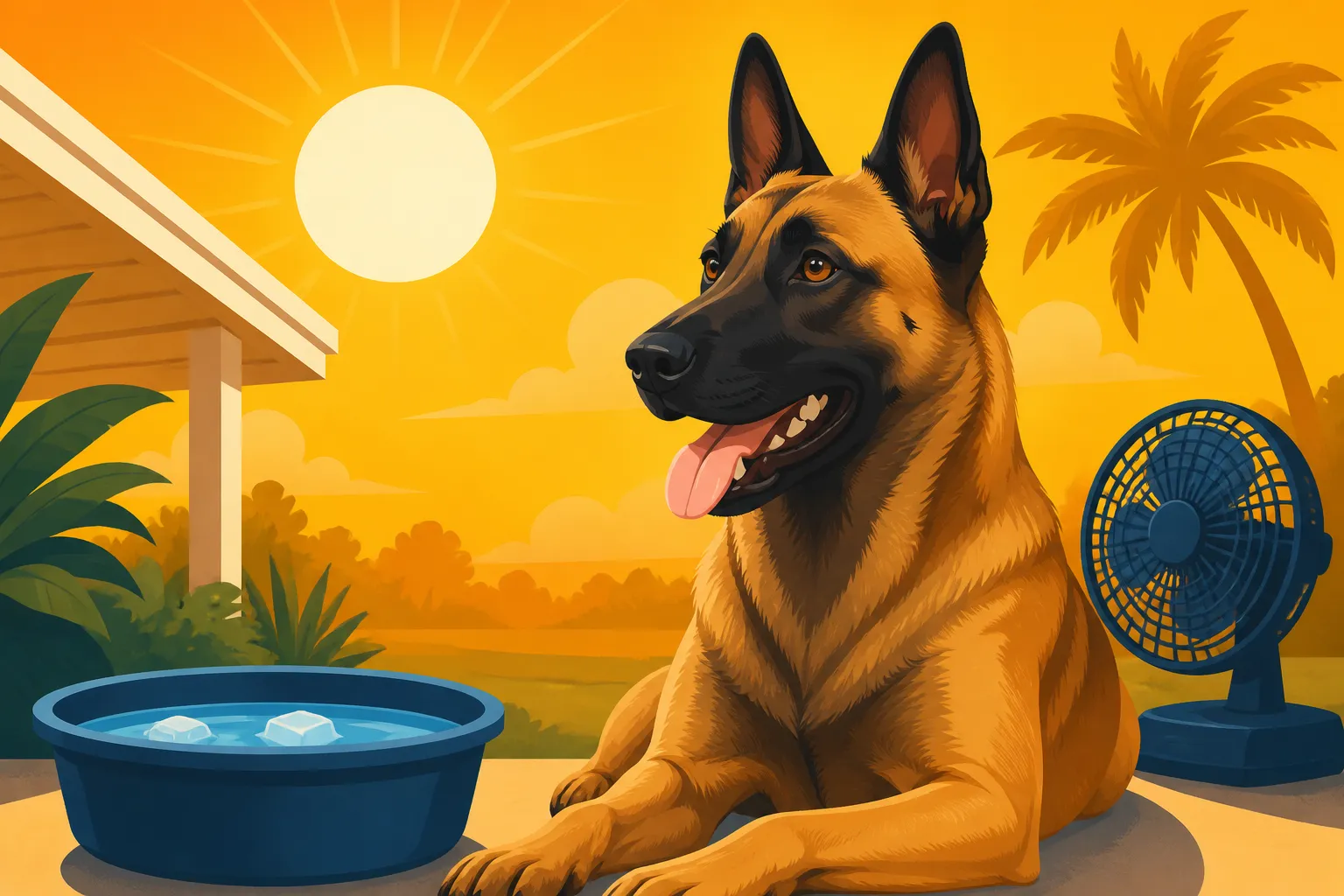
- Ice, Ice Baby: Add ice cubes to their water bowls. Many Malinois love to crunch on ice or simply enjoy the cooler water. You can even make large ice blocks with treats frozen inside for a longer-lasting, hydrating challenge.
- On-the-Go Hydration: Always carry water for your dog when you leave the house, even for short trips. Portable water bottles with attached bowls, available on platforms like Amazon, are lifesavers.
- Hydration Vests: For working dogs or those who simply must be outside for short periods, a cooling vest that you soak in water can help keep their core temperature down by promoting evaporative cooling.
- Kiddie Pools: A shallow kiddie pool filled with a few inches of water can be a fantastic way for your Malinois to cool off. Many enjoy splashing and lying down in the water. Just ensure the water is fresh and the pool is in the shade.
- Wet Food or Add-ins: If your Malinois isn't a big drinker, consider adding a little extra water to their kibble or incorporating wet food into their diet. Products from brands like Ollie offer higher moisture content, which can subtly increase their hydration.
Remember, Keeping a Belgian Malinois's Water Cold in a Kennel is a detail that makes a big difference. Water left out in the sun quickly becomes unappetizingly warm, discouraging intake.
Cooling Gear and Environments
Beyond adjusting exercise and ensuring hydration, creating a cool environment is paramount. Your home becomes their sanctuary from the heat.
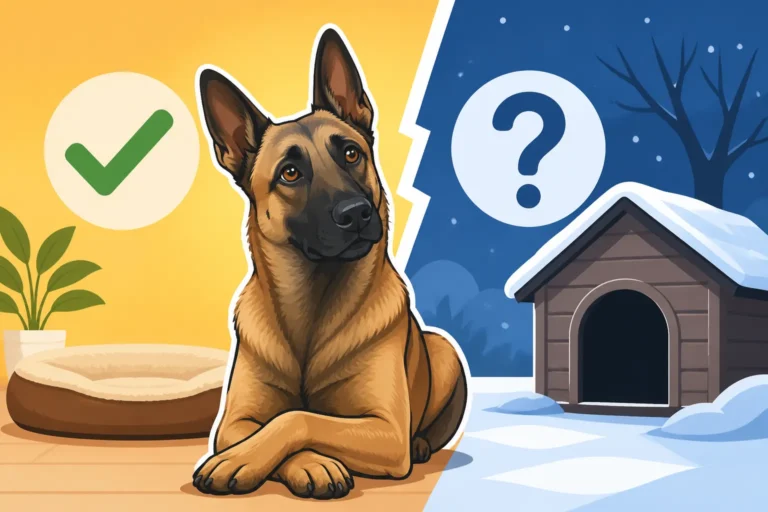
- Air Conditioning: This isn't a luxury; it's a necessity for a Malinois in the Southern summer. Keep your home cool, especially during the hottest parts of the day.
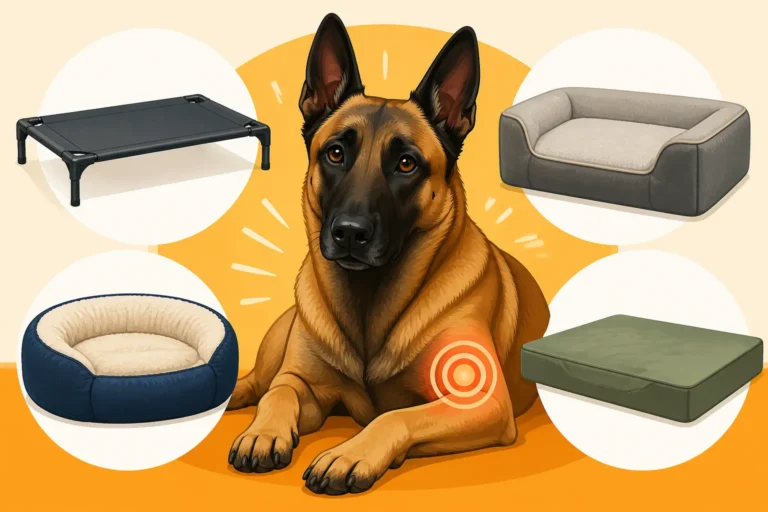
- Elevated Cooling Beds: These beds allow air to circulate underneath, preventing heat buildup that traditional flat beds can cause. Many options are available from retailers like Chewy.
- Cooling Mats: Gel-filled cooling mats can provide immediate relief when your dog lies on them. These don't require refrigeration and are activated by pressure.
- Shade Structures: If your Malinois has an outdoor run, ensure it has substantial, always-available shade. A simple tarp might not be enough; consider insulated roof structures or dense tree cover.
- Indoor Training: Focus on training indoors in an air-conditioned space. Many dog sports facilities offer climate-controlled environments for agility, obedience, or nose work.
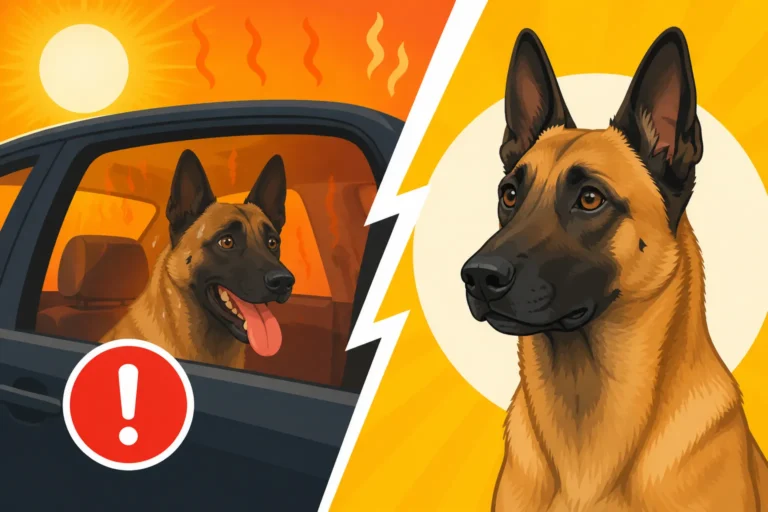
- Car Safety: Never, ever leave your Malinois in a car in the heat, even with windows cracked. Temperatures inside a vehicle can skyrocket in minutes, leading to fatal heatstroke. If you must transport your dog, consider Vehicle Heat Alarms for a Belgian Malinois in a Car for added peace of mind, but these should never replace common sense and good judgment. Always assess the external temperature and your dog's comfort before any car travel.
Nutritional Considerations for Summer
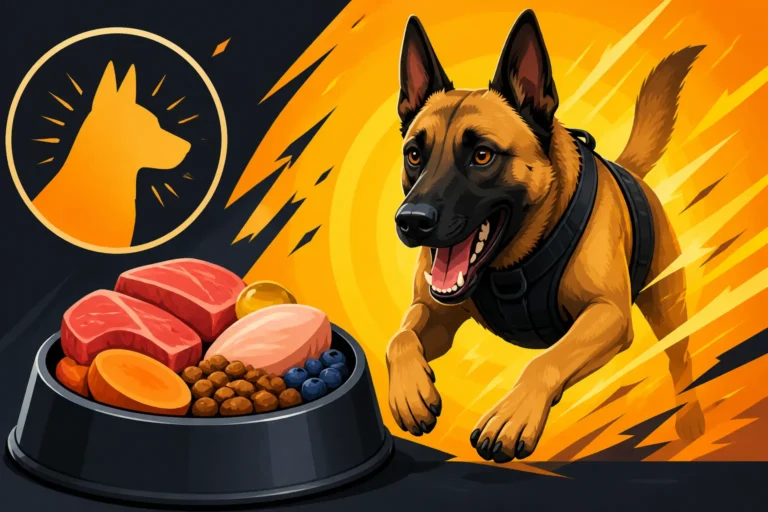
Just as our activity levels and thirst change in hot weather, so too can our Malinois's nutritional needs and eating habits. It's not uncommon for dogs to experience a dip in appetite when it's sweltering, yet working dogs still require adequate fuel.
Maintaining Appetite and Energy
Some Malinois might become pickier eaters in the heat. They might turn their nose up at their regular kibble when they're feeling warm and sluggish. To combat this:
- Feed During Cooler Hours: Offer meals during the coolest parts of the day – early morning and late evening. Avoid feeding a large meal right before or after a heat-related exercise session, as digestion generates heat.
- Add Palatability Boosters: A splash of low-sodium broth, a dollop of plain yogurt, or a cooked egg can make their regular food more enticing.
- Consider Wet or Fresh Food: Wet food often has a stronger aroma and is more palatable, and its higher moisture content contributes to hydration. Brands like Ollie deliver fresh, human-grade food that can be very appealing, even to a heat-stressed Malinois.
- Smaller, More Frequent Meals: Instead of one or two large meals, try offering smaller portions more frequently throughout the day. This can be easier on their digestive system and help maintain a consistent energy level without overwhelming them.
- Monitor Condition: Even if they're eating less, your Malinois still needs enough calories to maintain their lean, athletic build. Pay attention to their body condition; you should be able to feel their ribs easily but not see them prominently. If they start to lose too much weight, consult your vet.
Electrolytes and Supplements
For highly active or working Malinois in intense heat, maintaining electrolyte balance can be a concern, particularly if they are sweating (yes, dogs do sweat a little through their paw pads and nose) and panting excessively.
- When to Consider Electrolytes: Electrolyte supplements, often available from Chewy or specialized pet supply stores, can be beneficial for dogs undergoing heavy exercise in the heat, or for those recovering from an episode of heat stress with vomiting or diarrhea. They help replenish essential minerals like sodium, potassium, and chloride that are lost.
- Caution is Key: However, electrolytes should not be used indiscriminately. For the average pet Malinois with a well-balanced diet and adequate water intake, they are usually unnecessary. Over-supplementation can be harmful. Always consult your veterinarian before adding any supplements, especially electrolytes, to your dog's routine.
- Natural Sources: If your vet approves, you can sometimes offer small amounts of electrolyte-rich foods like plain cooked chicken broth (ensure it's very low sodium) or specific vet-approved rehydration solutions. Electrolytes for a Belgian Malinois in Summer is a topic to discuss with your vet, not a DIY project.
- Joint Support: While not directly heat-related, consistent training in any weather can put stress on joints. Ensuring your Malinois receives adequate joint support year-round can help maintain their mobility for those early morning sprint sessions.
When to Seek Veterinary Attention
Despite all your best efforts, sometimes heat can still catch us off guard. Knowing when a situation is beyond home care and requires immediate professional intervention is paramount for any Malinois owner, especially in a Southern summer. The distinction between heat exhaustion and heatstroke is critical.
Identifying Heatstroke vs. Heat Exhaustion
Think of heat exhaustion as the warning stage, and heatstroke as the full-blown medical emergency.
Heat Exhaustion Signs:
- Excessive panting, sometimes louder or more labored than usual.
- Bright red gums, indicating increased blood flow trying to cool the body.
- Increased heart rate.
- Thick, sticky saliva.
- Restlessness or agitation, inability to settle.
- Mild weakness or wobbliness.
If you observe these signs, you need to act immediately to cool your dog down (as described in the emergency protocols below) and monitor them closely. They might not need a vet visit if they recover quickly and fully, but it's always safest to call your vet for advice.
Heatstroke Signs:
This is far more serious and life-threatening. The body's temperature regulation system has failed, and the internal temperature has risen to dangerous levels (typically over 104°F or 40°C).
- Collapse or loss of consciousness.
- Severe mental dullness, unresponsiveness, or disorientation.
- Vomiting and/or diarrhea, potentially with blood.
- Seizures or tremors.
- Staggering gait or inability to stand.
- Dark red or purple gums, or sometimes pale gums if they are going into shock.
- Rapid, shallow breathing.
- Pinpoint hemorrhages on the gums or skin.
If your Malinois exhibits any signs of heatstroke, this is an immediate emergency. Every second counts.
Emergency Protocols
If you suspect your Malinois is suffering from heatstroke:
- Move to a Cooler Environment IMMEDIATELY: Get your dog into an air-conditioned car or building, or at least into the densest shade available.
- Start Cooling: Use cool (NOT ICE-COLD) water to wet down their body. Focus on areas with good blood flow, like the inner thighs, armpits, and neck. You can use a hose, wet towels, or even just splash water on them. Continue wetting them down and using a fan to aid evaporative cooling. Do not use ice water, as it can constrict blood vessels and hinder cooling, or even cause hypothermia.
- Offer Water: If they are conscious and able to swallow, offer small amounts of cool water. Do not force them to drink.
- Transport to Vet: As soon as you've initiated cooling, get your dog to the nearest emergency veterinary clinic. Call ahead if possible to let them know you're coming so they can prepare. Even if your dog seems to be recovering, internal damage from heatstroke can be significant and require professional assessment. Prompt veterinary care is absolutely essential for survival and recovery.
Remember, prevention is always the best medicine. Understanding The Temperature a Belgian Malinois Should Not Train In and adhering to those limits will save you and your Malinois a world of stress and potential tragedy.
Comparative Symptoms of Heat Stress
To help you quickly differentiate, here's a table summarizing the key symptoms of a normal, heat-stressed, and heatstroke-affected Malinois.
| Symptom | Normal Malinois | Heat Exhaustion | Heatstroke (Emergency!) |
|---|---|---|---|
| Panting | Moderate, calm, rhythmic | Heavy, persistent, sometimes louder | Extreme, labored, shallow, gasping, irregular |
| Gums | Pink, moist | Bright red, moist | Dark red/purple, or pale/bluish; tacky, dry |
| Saliva | Normal, clear | Thick, ropy, excessive | Very thick, sticky, foamy; sometimes bloody |
| Behavior | Alert, energetic, responsive | Restless, agitated, seeking cool spot; mild weakness | Collapse, unconsciousness, disorientation, seizures |
| Body Temp (Rectal) | 100-102.5°F (37.8-39.2°C) | 102.5-104°F (39.2-40°C) | Above 104°F (40°C) and rapidly rising |
| Coordination | Normal, agile | Slightly wobbly, hesitant | Staggering, uncoordinated, unable to stand |
| Gastrointestinal | Normal | May have mild nausea | Vomiting, severe diarrhea (potentially bloody) |
| Urgency | None | Monitor closely, initiate cooling, call vet for advice | IMMEDIATE VETERINARY EMERGENCY |
Living with a Belgian Malinois in the Southern summer is a commitment to vigilance and proactive management. It demands that you put their well-being first, even when it means sacrificing those beloved long walks or training sessions. By understanding their unique needs and implementing these strategies, you can help your extraordinary partner not just survive, but truly thrive, through the hottest months of the year.
Disclaimer
This article is for general informational purposes only and does not constitute professional advice. Laws, prices and regulations vary by location and change over time. Consult a qualified professional for guidance on your specific situation.