Reading Heat Stress on a Malinois Mid Session
One of the most concerning things for any Belgian Malinois owner, especially those involved in sport or working disciplines, is the constant worry about overheating. Our dogs are so driven, so intent on their task, that they'll often push themselves far past their limits, ignoring their body's desperate pleas for a break. It's a terrifying thought to be mid-session, watching your dog give their all, only to realize too late that they're in distress. This guide is here to help you recognize those critical signs of heat stress, both subtle and overt, so you can intervene effectively and keep your incredible partner safe.
The Subtle Early Warning Signs of Heat Stress in Your Malinois
It's easy to miss the initial indicators of heat stress in a Belgian Malinois because their drive is so immense. They are masters of disguise when it comes to discomfort, often continuing to work with gusto even when their bodies are screaming for relief. This is why you, as their handler, must become an expert observer, constantly monitoring their behavior and physical cues.
Changes in Demeanor and Focus
A Malinois operating at peak performance is a marvel of focus and intensity. They are locked onto their target, whether it's a decoy's sleeve, a scent article, or a jump. When heat stress begins to creep in, even before obvious physical signs, you might notice subtle shifts in their mental game. Perhaps they are a hair slower to respond to a command, or their retrieves aren't quite as enthusiastic. That laser focus might waver, and they might seem a bit more easily distracted by environmental stimuli that they would normally tune out.
Think about it: your Malinois, who normally hits the sleeve like a freight train, might suddenly take a fractional second longer to engage, or their grip might feel ever so slightly less full. They might break eye contact with you more frequently, or perhaps, after a sequence of commands, they seem to "drift" mentally for a moment before snapping back. These aren't signs of disobedience; they are often the first whispers of a body struggling to keep up with the demands being placed upon it. It's crucial to understand that even minor environmental factors like strong sunlight or high humidity can compound this issue. Ignoring these early behavioral changes can lead to more serious problems down the line, as your Malinois's incredible will to please can inadvertently push them into a dangerous situation. Always consider How Many Hours a Belgian Malinois Should Work Daily in conjunction with environmental factors, as even shorter sessions can become risky in the wrong conditions.
Respiratory and Physical Cues
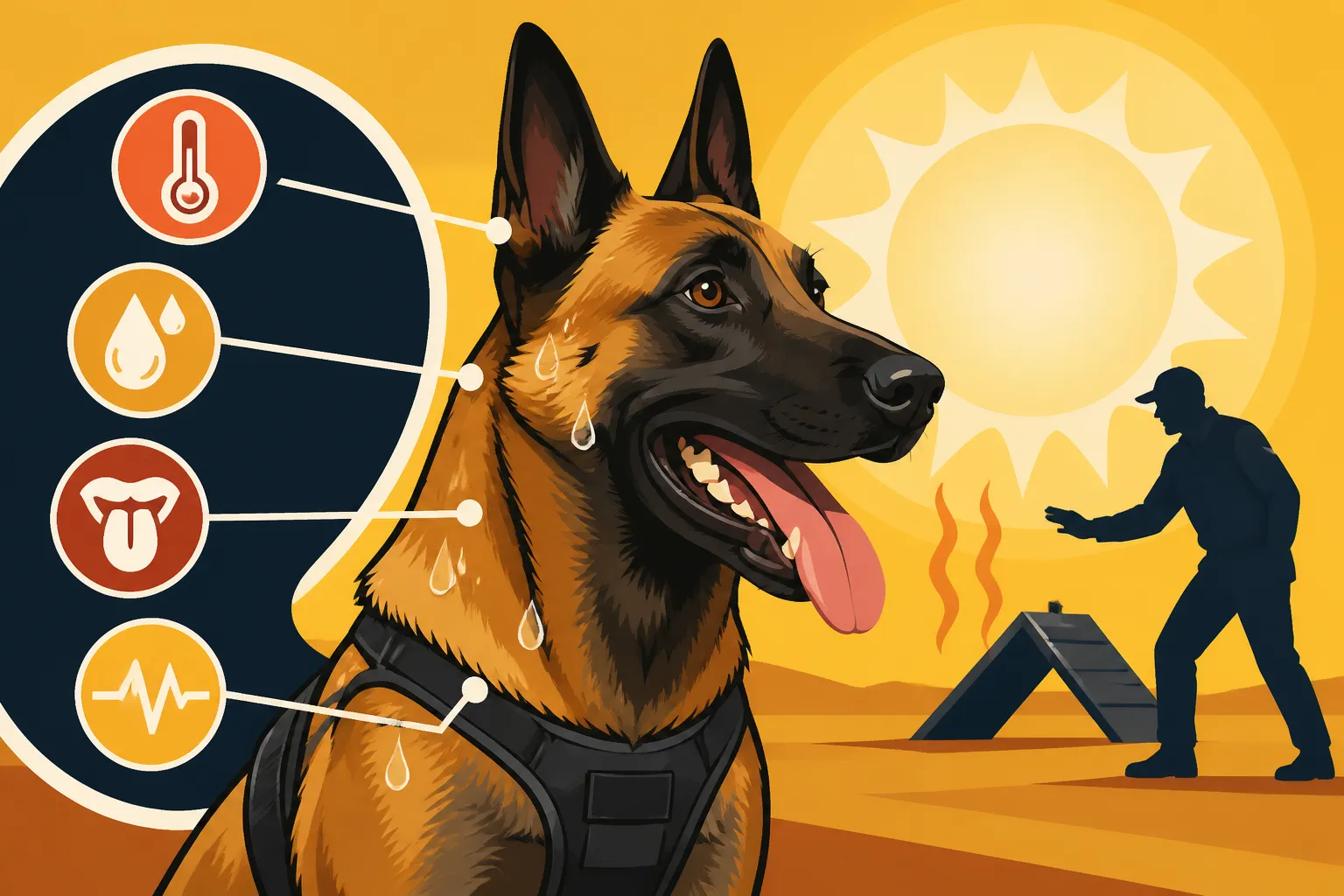
Beyond mental shifts, there are early physical cues that demand your attention. Panting is normal for a working dog, especially in warm weather, but you need to learn the difference between efficient, cooling panting and labored, stressed panting. A healthy Malinois pants rapidly but relatively smoothly, with a good exchange of air. When they're beginning to overheat, their panting might become more shallow, faster, and more frantic, sometimes accompanied by a change in the sound – a raspier or more distressed tone. Their tongue might appear wider, almost flattened, and more drool than usual might start to accumulate around their mouth.
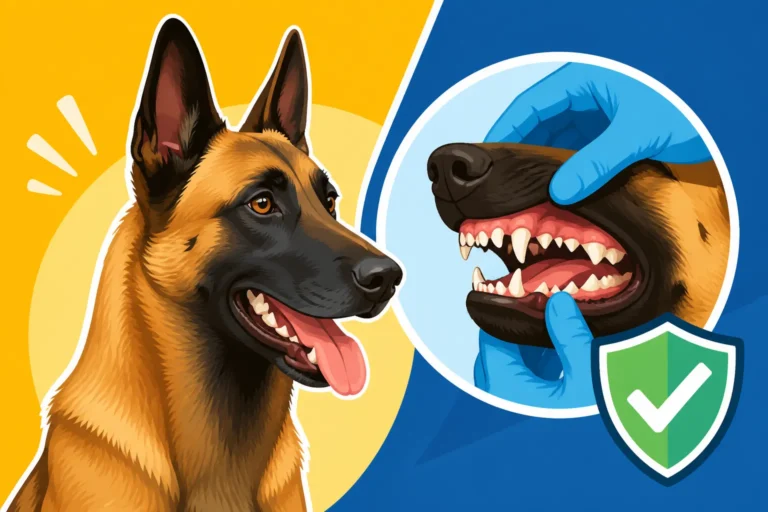
Check their gums: normally a healthy bubblegum pink, they might become a brighter, almost angry red as blood rushes to the surface in an attempt to cool. While you're at it, pay attention to their gait. A Malinois is typically fluid and powerful in their movement. If they start to seem a little stiff, less springy, or their stride shortens, it could be an early sign of muscle fatigue due to heat. They might even try to seek out puddles or any patch of shade for a brief moment of relief, a behavior that's very telling given their usual single-mindedness. These physical signs are your dog's primary way of communicating their escalating discomfort, and a quick, thorough check can make all the difference. The Temperature a Belgian Malinois Should Not Train In outlines more about the risks involved with various temperatures.
Overt Symptoms and Immediate Action
When the subtle signs are missed, or the heat exposure is too intense, your Malinois can quickly progress to dangerous levels of heat exhaustion or, worse, heatstroke. These are medical emergencies that require immediate and decisive action. There’s no time for hesitation; every second counts.
Recognizing Dangerous Levels of Heat Exhaustion
If you notice more pronounced symptoms, your dog is past the point of simple discomfort and is likely in an emergency situation. Watch for signs of ataxia, which is uncoordinated movement – stumbling, swaying, or even a sudden inability to stand. Their legs might give out, or they might collapse altogether. Vomiting and diarrhea are also common as the body's systems begin to fail under the stress. Their eyes might appear glazed, unfocused, or they might even roll back slightly. Their heart rate will be extremely rapid, almost a frantic flutter, and their breathing will be shallow, distressed, and ineffective at cooling.
You might also feel their skin is extremely hot to the touch, and their gums, which were red earlier, might now be brick red, purplish, or even pale as their circulation starts to struggle. This is a critical juncture. At this stage, brain damage, kidney failure, and other severe complications can occur rapidly. Do not delay in seeking veterinary attention. Your Malinois is incredibly tough, but heatstroke can overwhelm even the strongest canine athlete, often leading to What Most Belgian Malinois Die Of if not addressed quickly and aggressively. Understanding Why a Malinois Runs Itself Into Heat Exhaustion highlights how their drive can work against them in these situations.
First Aid Steps in the Field
If you suspect your Malinois is suffering from dangerous levels of heat stress, your immediate response is paramount. First, and most importantly, stop all activity immediately. Get your dog out of the sun and into the coolest, shadiest spot you can find. If there's a breeze, position them to benefit from it.
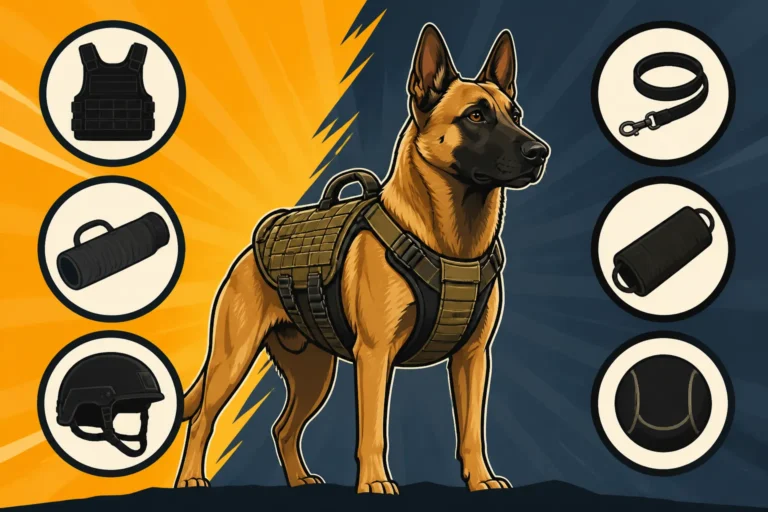
Next, focus on cooling. Start by wetting their entire body, especially their paw pads, belly, groin, armpits, and neck, with cool (not ice-cold) water. Ice-cold water can constrict blood vessels, trapping heat inside their core. If you have rubbing alcohol, a small amount on their paw pads can aid in cooling as it evaporates quickly. Many handlers carry collapsible water bowls and extra water on hand for this very reason; even a small amount of water to pour over them from a bottle bought from Amazon can make a difference. If you have a cooling vest or mat, deploy it immediately. Cooling Vest Helps a Malinois on a Trial Field provides more detailed information on these valuable tools. A robust portable fan, also readily available from retailers like Chewy or Amazon, can be incredibly beneficial in creating airflow.
Offer small amounts of water, but don't force them to chug it. If they vomit, stop offering water for a few minutes. Even if you manage to cool them down and they seem to recover, always seek veterinary attention immediately. Internal damage from heatstroke isn't always obvious, and a vet can assess organ function and prevent further complications. Call ahead to the nearest clinic so they can be prepared for your arrival. Every minute matters.
Preventing Heat Stress: Proactive Measures
The absolute best way to deal with heat stress is to prevent it from happening in the first place. With a Belgian Malinois, this isn't just about common sense; it requires careful planning and a deep understanding of your dog's physiology and unstoppable drive.
Environmental and Scheduling Adjustments
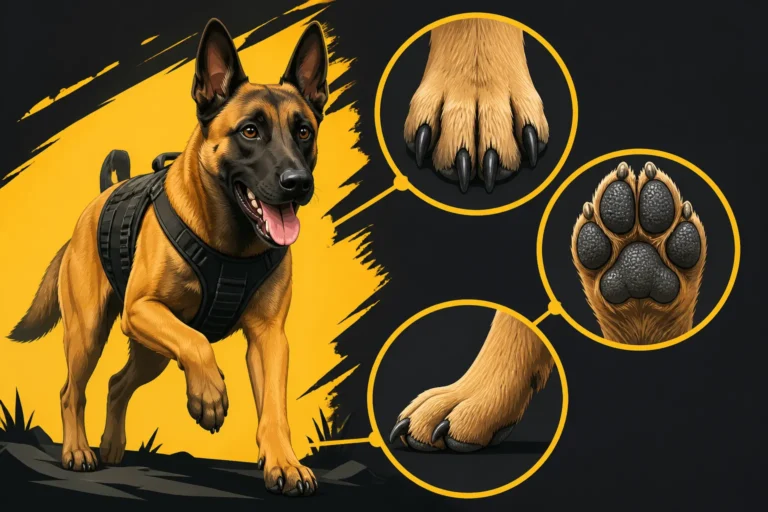
One of the easiest yet most overlooked ways to prevent heat stress is to be smart about when and where you train. During warmer months, shift your training sessions to the coolest parts of the day – typically early morning or late evening. Avoid the midday sun entirely. Remember, the air temperature isn't the only factor; the ground temperature can be significantly hotter, especially on asphalt or concrete. These surfaces can not only burn your dog's paw pads but also radiate heat directly back up to their body, exacerbating the problem. Always check the ground with the back of your hand; if it's too hot for your skin, it's too hot for their paws.
Ensure your training location always has ample shade and readily available water. If you're out in a field, bring a pop-up canopy or park your vehicle in a way that provides shade. Hydration is non-negotiable. Always have fresh, cool water accessible. Many handlers keep a cooler filled with ice and water, often with a large, durable water bowl (easily found on Chewy) that won't tip over during vigorous breaks. Understanding Keeping a Belgian Malinois's Water Cold in a Kennel offers insights into maintaining optimal water temperatures in various settings. Even if you're just doing some quick obedience drills in the yard, don't assume they don't need water. Every bit of exertion adds to their core temperature.
Conditioning and Hydration Strategies
Preventing heat stress also involves consistent conditioning and hydration practices. Your Malinois needs to be physically fit, but that fitness must be built gradually and safely, especially when conditions are warming up. Don't jump from cool weather training straight into intense summer sessions. Gradually acclimate them to warmer temperatures, paying close attention to their responses. This helps their body adapt its cooling mechanisms. Remember, The Age a Belgian Malinois Can Start Real Conditioning is important, but careful attention to environmental factors is critical throughout their life.
Proper hydration starts long before the training session even begins. Ensure your Malinois has access to fresh water throughout the entire day, not just during workouts. Some owners find that incorporating fresh food options, like those from Ollie, which often have higher moisture content than dry kibble, can contribute to overall hydration. While dry kibble from a brand like Purina Pro Plan Sport or Eukanuba Premium Performance is perfectly fine, just be extra mindful of water intake. Consider adding a splash of water to their kibble or offering a bit of plain broth to encourage drinking. On the road, particularly when attending trials, Feeding a Belgian Malinois on the Road should include strict hydration protocols to avoid issues. Electrolyte supplements, given appropriately and with veterinary guidance, can also be beneficial for working dogs in high-heat situations to replenish lost minerals and support hydration. Remember to always provide shade and fresh water during any breaks, even short ones, as Wiping a Belgian Malinois Down After Field Work can also assist in cooling them down.
Here's a quick reference table to help you differentiate between normal activity signs and concerning heat stress indicators:
| Sign / Symptom | Normal for Active Malinois | Early Heat Stress / Cautionary | Dangerous Heat Exhaustion / Emergency |
|---|---|---|---|
| Panting | Rapid, even, relaxed abdomen movement, rhythmic | Faster, more shallow, slightly more forced; often continuous | Frantic, labored, noisy, ineffective; deep chest heaving |
| Tongue | Normal size, light pink to red | Wider, flatter, possibly deeper red | Very wide, dark red, purple or blue, swollen |
| Gums | Pink, moist, good capillary refill time | Bright red, sticky, possibly longer capillary refill time | Brick red, purple, pale, or grey; very prolonged refill time |
| Energy/Focus | High drive, sharp focus, eager response | Slight dip in drive, occasional distraction, slower response | Stumbling, disoriented, wobbly, collapsing, unresponsive |
| Drooling | Minimal, occasional | Increased, stringy, thick | Excessive, thick, foamy saliva |
| Body Temperature | Warm to touch (internally 100-102.5°F) | Very warm to touch (internally 102.5-104°F) | Extremely hot to touch (internally >104°F) |
| Other | Alert, curious, ready for next task | Seeking shade, trying to lie down, less interest in toys | Vomiting, diarrhea, seizures, glazed eyes, unconsciousness |
Reading heat stress in your Belgian Malinois is a skill that comes with vigilant observation and experience. Their unwavering dedication means it falls squarely on your shoulders to be their advocate and protector in challenging environments. Never underestimate the heat, and always prioritize your dog's safety over completing a training session or trial. By understanding the signs and acting quickly, you can ensure many more years of working and living with your incredible canine partner. Checking a Belgian Malinois Over After a Session should always include a full body assessment for any lingering signs of fatigue or distress.
Disclaimer
This article is for general informational purposes only and does not constitute professional advice. Laws, prices and regulations vary by location and change over time. Consult a qualified professional for guidance on your specific situation.