Checking a Belgian Malinois Over After a Session
After a grueling training session or intense sport trial, our incredible Belgian Malinois often act like nothing happened, full of boundless energy even when their bodies might be quietly taking a toll. It’s on us, as their dedicated handlers and owners, to spot the subtle signs of discomfort, strain, or injury they're often too driven to show, and this guide is all about giving you the tools for that vital, systematic post-session check-up.
The Critical Cool-Down and Immediate Assessment
It’s tempting to just let your Malinois zoom off for a celebratory romp after a big session, but trust me, skipping a proper cool-down and initial assessment is a recipe for trouble. These dogs give 110% every single time, and their bodies need careful de-escalation to prevent injuries and help them recover properly.
Gradual De-escalation and Hydration Protocols
Imagine running a marathon and then immediately sitting down cold. That's essentially what we ask of our Malinois if we don't give them a chance to cool down. A proper cool-down isn't just about reducing their heart rate; it's about helping their muscles relax and preventing stiffness and cramping.
Start with a slow, controlled walk for 5-10 minutes. This allows their breathing to return to normal, their muscles to gradually cool, and their adrenaline to subside. During this time, observe their gait. Is there any new lameness or favoring of a limb? Are they holding their head differently? These initial observations are crucial.
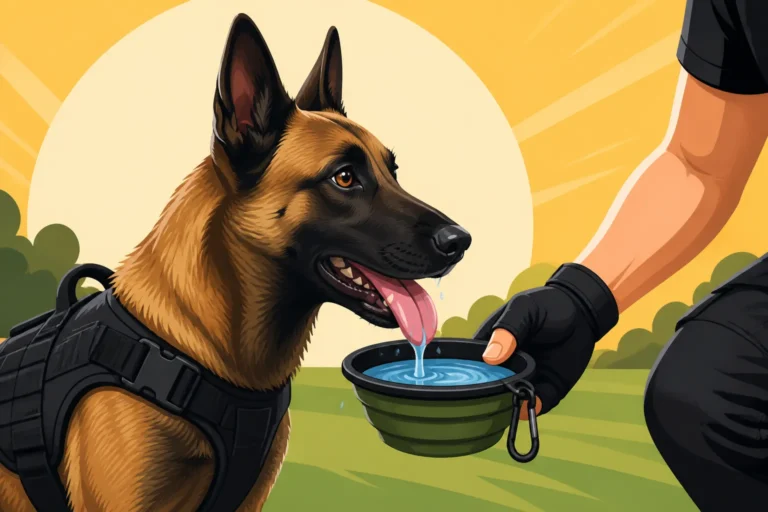
Next, offer water. Not a giant, unlimited bowl, especially if they've been working hard in warm weather, as this can sometimes lead to stomach upset or even bloat. Instead, offer small amounts frequently, perhaps 1/4 to 1/2 cup at a time, every few minutes, until they seem adequately hydrated. You can find excellent travel water bowls and hydration supplements on platforms like Chewy or Amazon that make this easier on the go. If it's been a particularly strenuous or hot session, consider adding an electrolyte solution formulated for dogs to their water, but always consult your vet first. Remember, Hydrating a Belgian Malinois During Training is paramount for their overall health and performance.
Observing Behavior for Red Flags
Even before you lay a hand on your Malinois, pay close attention to their behavior. They're masters at masking pain, but subtle shifts can speak volumes. After the initial cool-down walk, bring them to a quiet, calm space.
Are they lying down differently? Perhaps avoiding putting weight on one side, or shifting positions repeatedly to find comfort? Is their panting still excessive or labored long after the activity has ceased? This could be a sign of overheating or even a cardiac issue, and it's something you should never ignore. Watch for any tremors, excessive licking of a particular area, or a reluctance to move. A Malinois who typically jumps up on you for attention but is suddenly hesitant might be experiencing discomfort. They might also appear unusually restless, unable to settle, which can be another indicator of pain or muscle soreness. Contrast this with their usual post-work demeanor – are they their typical "tired but happy" self, or is something just off? Getting a sense of their normal helps you recognize abnormal. Bringing a Malinois Down After a Hard Session effectively combines physical and mental cool-down to promote recovery.
A Thorough Nose-to-Tail Physical Inspection
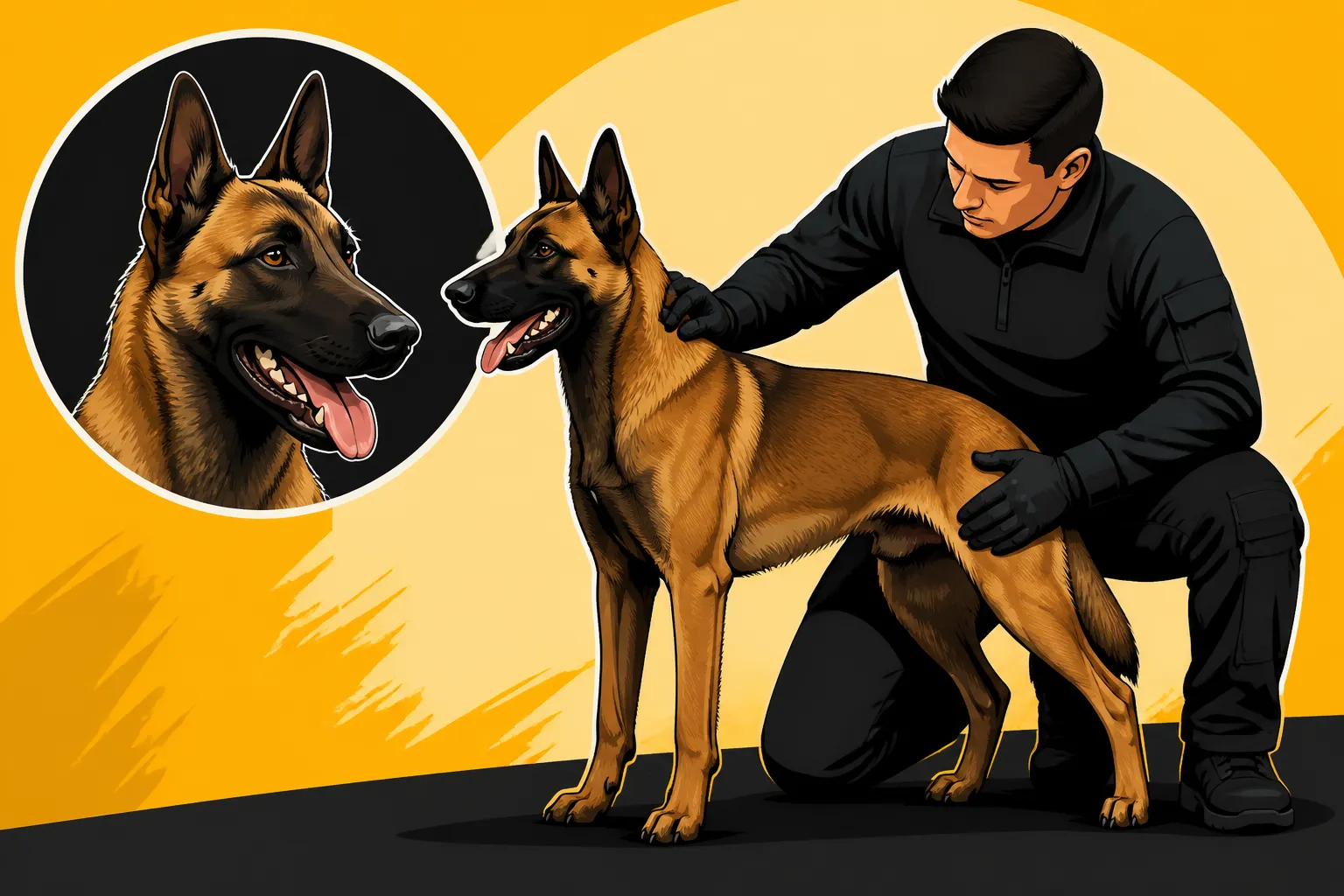
Once your Malinois is calm and somewhat cooled down, it's time for a hands-on physical inspection. This isn't just a quick pat; it's a systematic check, limb by limb, body part by body part. You're looking for anything new, unusual, or tender.
Paws and Lower Limbs: The Foundation Check
Our Malinois's paws and legs take an incredible beating during their work. This is often where the first signs of trouble appear. Start with their paws:
- Pads: Carefully examine each pad for cuts, scrapes, punctures from thorns or sharp objects, excessive wear, blisters, or embedded debris. Run your fingers over the entire surface. Even a tiny splinter can cause significant discomfort. Pad Injuries on a Belgian Malinois in Training are incredibly common, so diligence here is key. Consider investing in a good paw balm, available from Chewy, to help keep pads supple and less prone to cracking, especially in extreme weather conditions.
- Between Toes: Spread their toes apart and look deep into the webbing. Grass seeds, burrs, tiny pebbles, or ticks love to hide here and can cause irritation, infection, or painful cysts.
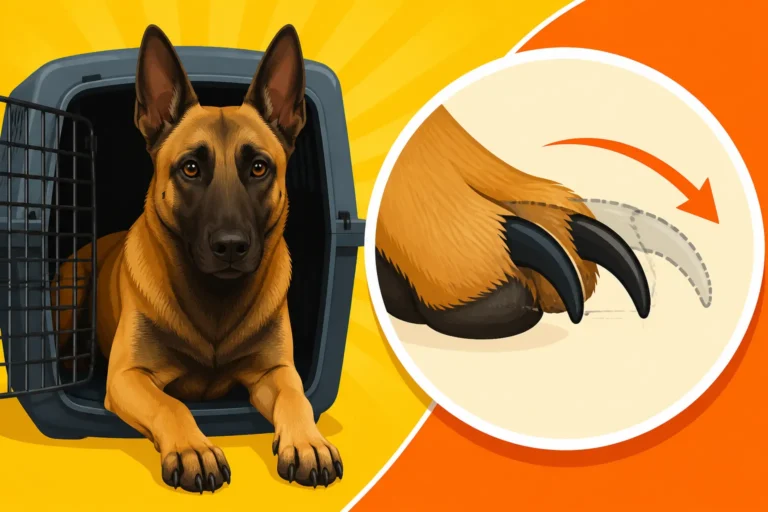
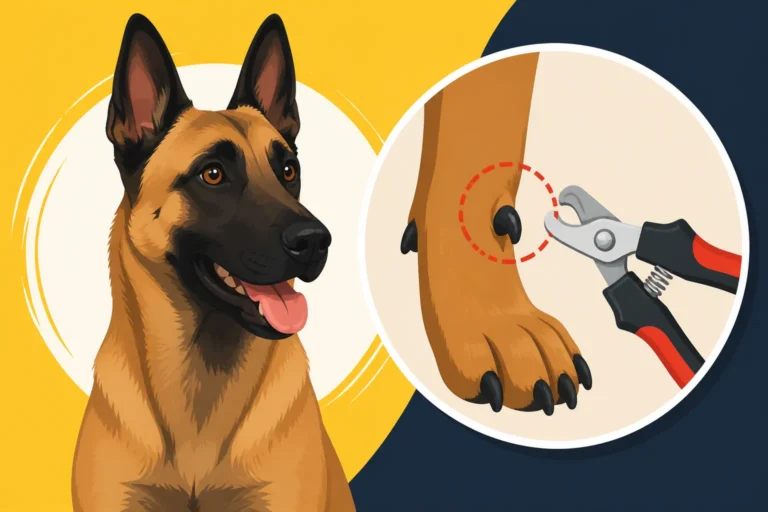
- Nails: Check all nails, including dewclaws (if present). Are any cracked, broken, or torn? A torn nail can be incredibly painful and bleed significantly. Torn Nails on a Malinois Working Hard Surfaces are a frequent injury, so pay close attention.
- Legs and Joints: Starting from the paw, gently run your hands up each leg, feeling for any swelling, heat, tenderness, or stiffness in the joints (carpus, elbow, hock, stifle). Flex and extend each joint gently within its normal range of motion, noting any resistance or pain. Palpate the muscles for any tightness, knots, or asymmetry. Watch your dog's face for any flinching or discomfort as you go.
Body, Torso, and Spine: Feeling for Trouble
Once you've thoroughly checked their lower limbs, move up to their body.
- Torso and Ribs: Systematically run your hands over their entire torso, from chest to belly. Feel for any new lumps, bumps, swellings, cuts, abrasions, or hot spots. Are there any areas where they flinch when you apply gentle pressure? Check for burrs or debris in their short coat, especially if they've been working in brush.
- Spine and Hips: Gently palpate along their spine, from neck to tail. Feel for any tenderness, heat, or abnormal alignment. Check their hips for any asymmetry, pain on movement, or grinding sensations. Muscle Strains in a Belgian Malinois can occur anywhere in the body, but the back and hindquarters are particularly vulnerable in active dogs.
- Abdomen: Gently feel their abdomen. It should be soft and non-painful. Any distension, hardness, or signs of pain warrant immediate veterinary attention, especially given the breed's activity level and potential for issues like bloat.
Head, Ears, and Mouth: Overlooked Areas
These areas are often forgotten but can reveal important clues about your Malinois's well-being.
- Head and Face: Check their head for any bumps, scrapes, or swelling. Gently feel around their jaw for any tenderness.
- Eyes: Look closely at their eyes. Are they clear and bright? Is there any redness, discharge, squinting, or cloudiness? Check the whites of their eyes for any yellowing or irritation. Gently pull down the lower eyelid to check the membrane. Wiping a Belgian Malinois Down After Field Work can help remove dust or irritants after outdoor sessions.
- Ears: Lift each ear and examine the ear canal. Look for any redness, swelling, discharge, or foul odor, which could indicate an ear infection. Check for ticks that might have latched on.
- Mouth and Teeth: Open their mouth and inspect their gums. They should be pink and moist. Pale or excessively red gums can indicate a problem. Check their teeth for any chips, fractures, or excessive wear, particularly the canines if they do bite work. Checking a Belgian Malinois's Canines After Training is essential, as these teeth are critical for their work and everyday function. A chipped tooth can lead to pain and infection.
Recognizing and Responding to Injuries and Issues
Knowing what to look for is one thing; knowing how to react is another. It's crucial to distinguish between minor issues you can manage at home and those that demand immediate professional veterinary care.
Minor Ailments vs. Emergency Situations
Let's be realistic: a Malinois that works hard will inevitably collect a few bumps and scrapes.
- Minor Ailments: Small cuts or abrasions can often be cleaned with a mild antiseptic solution (like diluted povidone-iodine) and monitored. Minor limping that resolves completely after a few minutes of rest might just be a temporary muscle cramp or stiffness. Keep an eye on it, ensure they rest, and recheck in a few hours. Muscle soreness can be addressed with gentle massage and rest. For a Belgian Malinois, a little downtime can often work wonders, but don't ignore persistent issues.
- Emergency Situations: This is where you need to act fast. Signs like severe or persistent lameness, an inability to bear weight on a limb, obvious broken bones, deep lacerations, uncontrolled bleeding, severe swelling, or signs of significant pain (vocalization, aggression, withdrawal) require an immediate trip to the vet.
- Heat Stress: This is a critical one for Malinois, especially given their drive. Excessive, non-resolving panting, dark red or purple gums, glassy eyes, disorientation, staggering, or collapse are all signs of heatstroke. Heat Stroke in a Belgian Malinois in a Patrol Car is a terrifying reality, and immediate cooling (cool water, wet towels, fan) and transport to emergency veterinary care are paramount. Always be mindful of The Temperature a Belgian Malinois Should Not Train In.
- Bloat (Gastric Dilatation-Volvulus): While not as prone as some deep-chested breeds, Malinois can still suffer from bloat. Signs include a distended abdomen, unproductive retching, restlessness, and signs of discomfort. This is a life-threatening emergency.
When to Consult a Professional
When in doubt, it’s always better to err on the side of caution and call your veterinarian. If you observe any of the following, make that call:
- Persistent Symptoms: A limp that doesn't resolve within 24 hours, or gets worse.
- Worsening Condition: A minor cut that becomes red, swollen, or develops discharge.
- Unexplainable Pain: Your dog is clearly uncomfortable, but you can't find an obvious injury. They might guard an area or cry out when touched.
- Behavioral Changes: Loss of appetite, lethargy, or extreme changes in temperament (e.g., unusual aggression or withdrawal) can all signal underlying pain or illness.
- Concerns about internal injury: If there's been a hard fall, collision, or awkward landing, even without external signs, internal injuries could be present.
It's wise to have an emergency vet contact number readily available, and a plan for how you'll get your Malinois there if needed. Consider having a discussion with your regular vet about specific concerns related to your dog's training and activity level. Also, remember that The Bloodwork a Working Malinois Should Have Annually can help detect issues before they become emergencies.
Proactive Care and Prevention for Future Sessions
An ounce of prevention is worth a pound of cure, especially with a dog as active and accident-prone as a Belgian Malinois. Building good habits around their care can significantly reduce the risk of injury and help them stay sound for longer.
Conditioning and Preparation are Key
You wouldn't run a marathon without training, and your Malinois shouldn't be asked to perform at high levels without proper conditioning.
- Gradual Increase in Intensity: Avoid sudden spikes in training intensity or duration. Build up their stamina and muscle strength gradually. This helps their bodies adapt and reduces the risk of strains and sprains.
- Warm-Up Routines: Just like human athletes, Malinois benefit from a warm-up. A 5-10 minute brisk walk or light jog before intense activity increases blood flow to muscles and prepares their joints for work.
- Pad Toughening: Regularly exposing your Malinois to varied surfaces and using paw balms can help toughen their pads. Pad Toughening for a Belgian Malinois is crucial, especially for dogs working on abrasive surfaces like concrete or gravel. Be mindful of extreme temperatures; hot pavement or icy, salted roads can cause significant pad damage. On slick surfaces like ice or rock salt, consider using protective booties or rinsing their paws thoroughly afterwards to prevent irritation. Ice and Salt on a Belgian Malinois's Feet can be a major issue.
Equipment and Environment Checks
The tools and environment you use for training play a huge role in safety.
- Safe Training Grounds: Always inspect your training area before a session. Look for uneven terrain, hidden holes, broken glass, sharp objects, or anything else that could cause injury. If you're working outdoors, be aware of natural hazards like thorny bushes or poison ivy.
- Appropriate and Maintained Equipment: Ensure all training equipment – leashes, harnesses, bite sleeves, tugs, jumps – are in good condition and correctly fitted. Worn-out gear can break mid-session, leading to unpredictable situations and potential injury. Regularly inspect bite sleeves and tugs for tears or loose stitching, and be prepared to replace them. You can easily find durable training gear on Amazon or Chewy.
- Nutritional Support: A working Malinois needs optimal nutrition. Consider discussing joint supplements with your vet, especially as your dog ages or for those with demanding schedules. Products like those offered by Ollie (if they have supplements) or various brands on Chewy can provide support for cartilage and joint fluid.
| Area of Check | What to Look For | Why it Matters |
|---|---|---|
| Paws & Nails | Cuts, scrapes, embedded debris, torn/broken nails, swelling | Directly exposed to ground hazards, crucial for mobility, painful if injured |
| Legs & Joints | Swelling, heat, tenderness, stiffness, lameness | High impact areas, prone to strains, sprains, and more serious joint issues |
| Torso & Spine | Lumps, bumps, cuts, abrasions, hot spots, tenderness | Indicates external injury, muscle soreness, or deeper issues |
| Head & Face | Swelling, cuts, eye irritation, ear discharge | Injuries here can affect senses or lead to infection |
| Mouth & Teeth | Chipped teeth, pale gums, any discomfort | Dental health is often overlooked, crucial for bite work and overall health |
| Overall Behavior | Persistent panting, limping, restlessness, guarding areas | Early indicators of pain, heat stress, or general discomfort |
Being proactive, observant, and prepared will allow you to continue enjoying your highly driven Belgian Malinois, ensuring they remain happy, healthy, and ready for their next adventure.
Disclaimer
This article is for general informational purposes only and does not constitute professional advice. Laws, prices and regulations vary by location and change over time. Consult a qualified professional for guidance on your specific situation.