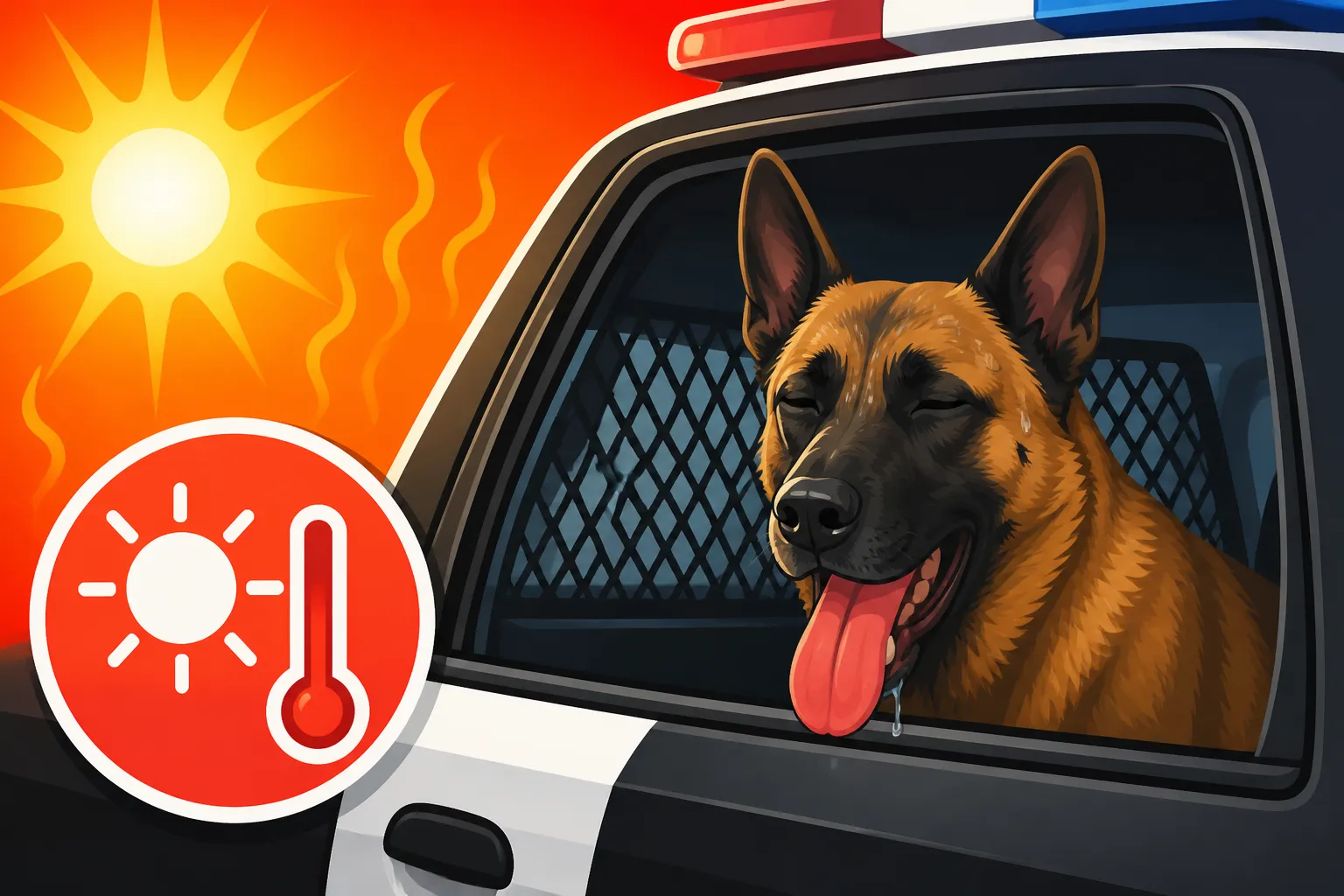
Heat Stroke in a Belgian Malinois in a Patrol Car
One of the most terrifying scenarios for anyone working with a high-drive Belgian Malinois, especially those serving in law enforcement or military roles, is the silent, swift onset of heat stroke. It's a genuine fear, and for good reason—these incredible working dogs push themselves to the limit, and their environments, particularly patrol vehicles, can become deathtraps if vigilance slips for even a moment. This guide is here to walk you through understanding why patrol cars pose such a threat, how to recognize the urgent signs of heat stroke, what immediate actions you must take, and most importantly, how to prevent this devastating condition from ever happening.
Understanding the Threat: Why Patrol Cars Are Risky for Malinois
You’ve got a dog that lives for the job, a creature of incredible athleticism and unwavering focus. But this very dedication, combined with their physiology and the unique challenges of a patrol vehicle, creates a perfect storm for heat stroke. It’s not just about a hot day; it's a complex interplay of factors that can turn a seemingly normal shift into a life-threatening emergency.
The Malinois's Physiology and Heat Tolerance
Belgian Malinois are built like finely tuned athletes, and their bodies are designed for explosive bursts of energy and sustained activity. They possess a dense double coat, even though it appears short, which provides insulation. In colder climates, this is a blessing, but in the heat, it can quickly become a hindrance. Unlike humans, dogs don't sweat efficiently across their skin; their primary cooling mechanism is panting. When the air they're breathing is already hot and humid, panting becomes less effective, and their core body temperature can skyrocket. Imagine trying to cool yourself by blowing hot air over your wet skin – it just doesn't work.
Furthermore, these dogs are often running on pure adrenaline. A Malinois working a scene, or even just anticipating work, generates a tremendous amount of internal heat. Their high metabolism, combined with their dense musculature, means their bodies are constantly producing heat. If they're confined in a space where they can't dissipate that heat efficiently, their internal systems quickly reach a critical point. This is why even a dog who seems fine one moment can crash dramatically the next. You know how easily a Malinois can run itself into heat exhaustion, and that's just in open air. Confine that energy, and the risk escalates.
The Unseen Dangers of Vehicle Interiors
It’s easy to underestimate just how quickly the interior of a vehicle, especially a patrol car, can become an oven. We've all heard the warnings about leaving kids or pets in cars, but for a working dog, the stakes are even higher. Sunlight streaming through windows, even on a mild 70-degree Fahrenheit day, can push interior temperatures past 100 degrees in mere minutes. On a 90-degree day, that interior can hit 120-140 degrees in under an hour. Think about the equipment in a patrol car – dark interiors, often no tinted windows in the rear, and various pieces of gear that absorb and radiate heat.
The critical factor isn't just the ambient air temperature, but the lack of air circulation and the "greenhouse effect." Even with windows cracked, the air exchange is minimal, and the car acts as a heat trap. When a Malinois is crated in the back, they might also be surrounded by metal, which can heat up quickly and transfer that heat directly to the dog's body. Some handlers try to mitigate this by covering the crate with a towel, but this can actually trap more heat, especially if the air isn't moving. It’s a constant battle, and one where even the most experienced handler can face unforeseen circumstances, like a sudden equipment malfunction or an extended call. Ensuring proper ventilation and understanding The Temperature a Belgian Malinois Should Not Train In is paramount for their safety, even when just waiting in a vehicle.
Recognizing the Signs: What Heat Stroke Looks Like
Detecting heat stroke early in a Malinois can be tricky because their drive often masks discomfort. They're bred to push through pain, to ignore physical cues that another dog might readily show. This means you need to be hyper-aware, constantly monitoring for subtle changes before they escalate into a full-blown crisis. Missing these early indicators can be the difference between a quick recovery and a devastating outcome.
Early Warning Signals: Subtle Indicators
Before full-blown collapse, your Malinois will likely exhibit more subtle signs that they are overheating. The first thing you'll often notice is excessive, frantic panting. This isn't just regular panting after a burst of activity; it's panting that seems labored, relentless, and disproportionate to their recent exertion. Their breathing might become shallow and rapid. You might also notice their gums appear much darker than usual, a deep red, or even purplish. This indicates poor circulation and oxygenation.
Another early sign is seeking shade or trying to get low to the ground. Your usually vibrant, focused Malinois might seem a bit dull or disoriented. They might not respond as sharply to commands, or their usual enthusiastic greetings might be subdued. They might also start drooling excessively, producing thick, ropey saliva. Don't dismiss these signs. If you're Reading Heat Stress on a Malinois Mid Session, these are the very first clues that their internal temperature is climbing. Sometimes, the only sign might be a lack of interest in food or water, which for a Malinois, is often a huge red flag given their usual appetite.
Advanced Stages: When It Becomes a Crisis
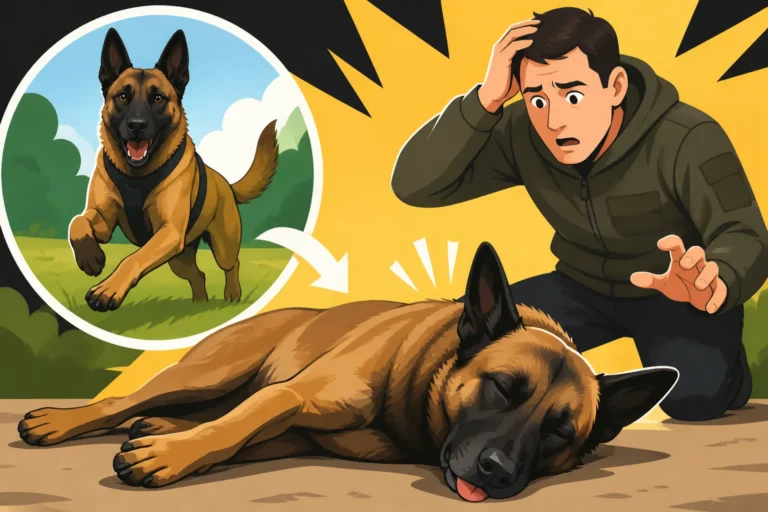
If those early warnings are missed, heat stroke can progress rapidly to a life-threatening emergency. At this stage, the signs become undeniable and alarming. The dog may stagger, lose coordination, or even collapse. Their gums can become pale or even blue (cyanotic) as their circulatory system struggles. Vomiting and diarrhea, sometimes bloody, are common as internal organs begin to shut down. Their eyes might appear sunken or glassy, and their movements become erratic or uncoordinated.
Seizures can occur as the brain swells and misfires due to extreme heat. The dog might enter a coma. The terrifying thing about these advanced stages is how quickly they can escalate. A Malinois can go from disoriented to unconscious in minutes. Their body temperature will be dangerously high, often exceeding 106°F (41°C). At this point, irreversible organ damage is a very real possibility, affecting the kidneys, liver, brain, and heart. This is when every second counts, and the situation demands immediate, decisive action.
Immediate Action: What to Do When Heat Stroke Strikes
Discovering your Malinois in an advanced state of heat stroke is a gut-wrenching moment, but panic won't help. You need to act fast and efficiently. The goal is to lower their core body temperature safely and quickly, then get them professional veterinary care. Remember, time is critical.
First Response: Getting Them Cool Fast
The very first step is to get your dog out of the hot environment immediately. Move them to the coolest spot available – ideally an air-conditioned vehicle or shaded area with a breeze. Do not use ice water directly on their skin or immerse them completely in very cold water. While counterintuitive, this can cause the blood vessels on the surface of the skin to constrict, trapping heat inside and potentially causing shock.
Instead, use cool (not freezing) water. Focus on saturating their paws, ears, groin, and armpits with cool water. These areas have major blood vessels close to the surface, allowing for more efficient heat exchange. You can use a hose, wet towels, or even bottled water. Continuously re-wet the towels as they absorb heat. If possible, place a fan near them to aid evaporative cooling. While cooling, gently massage their limbs to promote blood circulation. Do your best to Hydrate a Belgian Malinois During Training, or during any sign of overheating, by offering small amounts of cool water, but don't force it if they are unresponsive or vomiting, as it could lead to aspiration. The aim is to bring their temperature down gradually but purposefully, aiming for a rectal temperature of about 103°F (39.4°C) before stopping the active cooling to prevent hypothermia.
Veterinary Care: The Critical Next Steps
Once you've started active cooling, even if your dog seems to be improving, it is absolutely critical to get them to the nearest emergency veterinary clinic immediately. Heat stroke can cause internal damage that isn't immediately visible. Kidney failure, liver damage, disseminated intravascular coagulation (DIC), and brain swelling are all potential complications that require professional medical intervention. Explain to the veterinary staff what happened, the duration of exposure, the signs you observed, and the first aid measures you've already taken.
The vet will continue to monitor their temperature, administer IV fluids to combat dehydration and support organ function, and perform blood tests to assess for organ damage. They might also administer medications to control seizures, reduce brain swelling, or address other complications. Don't be surprised if your dog needs to stay for observation; these cases can be complex, and secondary issues can arise hours or even days later. This is where having pet insurance, like a policy from Healthy Paws, can be an absolute lifesaver. The vet bills for such an emergency can quickly climb into thousands of dollars, covering everything from diagnostics to hospitalization and specialized treatments. Prompt veterinary attention drastically improves the prognosis, but only if you get them there without delay. This kind of incident falls under the umbrella of needing Emergency Care After a Malinois Training Injury, even though it's not a physical wound, it's a critical medical emergency.
Prevention is Key: Safeguarding Your Malinois in the Vehicle
An ounce of prevention is worth a pound of cure, especially when it comes to heat stroke in working dogs. For Belgian Malinois in patrol cars, prevention isn't just a recommendation; it's a professional obligation. Integrating robust protocols and vigilant monitoring into daily routines can make all the difference, ensuring your partner stays safe and ready for duty.
Temperature Monitoring and Alarms
The absolute cornerstone of preventing heat stroke in a patrol car is a reliable, redundant heat alarm system. Modern police vehicles equipped for K9 units come with sophisticated systems designed specifically for this purpose. These systems monitor the interior temperature of the vehicle in real-time. If the temperature inside the K9 compartment rises above a pre-set threshold, the alarm will activate. Crucially, these systems aren't just an audible alarm. Many will automatically:
- Roll down the rear windows a few inches.
- Turn on additional fans.
- Activate the vehicle's air conditioning to maximum.
- Flash the vehicle's emergency lights.
- Honk the horn.
- Send an alert to the handler's pager or mobile device.
These systems are designed to give you precious minutes to respond before your dog is in critical danger. However, no system is foolproof. It’s vital to regularly test these systems to ensure they are functioning correctly. Handlers should also carry a backup, like a simple digital thermometer, to cross-reference readings, especially if a system feels "off." Always ensure these systems are active whenever your Malinois is in the vehicle, even for short periods. Investing in Vehicle Heat Alarms for a Belgian Malinois in a Car is not just a convenience, it’s a non-negotiable safety measure.
Strategic Planning and Best Practices
Beyond technology, proactive handler behavior is paramount. This starts with never underestimating the heat, even on overcast or seemingly mild days. Always consider the "feels like" temperature, not just the number on the thermometer, and account for humidity. Prioritize proper hydration for your Malinois throughout the day. Offer water frequently, especially before and after any strenuous activity or periods in the vehicle. It's not just about offering water, but ensuring they actually drink enough to stay well-hydrated. This means consistently bringing plenty of water and a bowl to your patrol car, making sure your Malinois has access even when crated. Consider adding electrolytes to their water during intense heat or long shifts to replace lost minerals.
When parking, always seek shade if available. Position the vehicle so the sun doesn't directly hit the K9 compartment. Plan your routes and stops to minimize the time your Malinois spends stationary in the heat. During administrative tasks or extended periods of waiting, consider removing your dog from the car and placing them in a shaded, ventilated outdoor kennel or other cool area if appropriate and safe. Regular vet check-ups, including annual bloodwork, are also important to ensure your Malinois is in peak physical condition and doesn't have any underlying health issues that could increase their susceptibility to heat stroke. Insurance providers like Healthy Paws can also offer resources or even cover preventative wellness exams, which often include discussions about breed-specific health concerns like heat management. Remember, your Malinois depends entirely on your vigilance and proactive measures.
Heat, Cold and a Belgian Malinois on the Job
Beyond the immediate threat of heat stroke, understanding a Belgian Malinois's overall temperature regulation is critical for their long-term health and performance, especially for working dogs. Their exceptional drive and physical capabilities mean they often push themselves to the brink, requiring their handlers to be acutely aware of environmental conditions.
Acclimating Your Malinois to Different Climates
A Belgian Malinois can work effectively in a wide range of climates, but they are not impervious to extremes. Proper acclimatization is key. If you're deploying a Malinois from a cooler region to a hot, humid environment, or vice versa, a gradual adjustment period is essential. This means starting with shorter, less intense work sessions in the new climate and slowly increasing duration and intensity over several weeks. Their bodies need time to adjust their physiological responses, like panting efficiency and sweat gland activity in their paw pads.
In hot climates, working during the coolest parts of the day – early mornings and late evenings – becomes standard practice. During peak heat, focus on mental stimulation and scent work in air-conditioned or shaded environments rather than demanding physical exertion. Conversely, in very cold environments, while their double coat offers good protection, prolonged exposure without shelter can still lead to hypothermia, especially during static periods. Supplemental gear like insulating vests or blankets in their kennel might be necessary, and ensuring Cold Tolerance in a Short Coated Belgian Malinois is understood is part of comprehensive care. It’s about balance: providing enough warmth without causing overheating when they are active.
Mitigating Environmental Risks Beyond the Car
While patrol cars are a major concern, the risk of heat-related illness extends to all aspects of a working Malinois's life. Training fields, demonstration areas, and active crime scenes can all present environmental challenges. Handlers must be diligent about identifying potential hazards. Always ensure ample access to fresh, cool water at all times. Strategically placed shade structures, cooling towels, and even portable misting fans can be invaluable on the training field.
Consider the surface your dog is working on. Asphalt and concrete can reach scorching temperatures, easily burning paw pads and radiating heat back up to the dog's body. If possible, opt for grassy areas or cooler surfaces. During active scenarios, monitor your dog for signs of fatigue or distress, even if it means interrupting an exercise. Knowing when to call a break, provide water, or simply let them cool down is crucial. This proactive mindset aligns with understanding Why a Malinois Runs Itself Into Heat Exhaustion and taking steps to prevent it, not just react to it. Sometimes, even simple things like a cooling vest can make a huge difference in performance and safety, so asking yourself Whether a Cooling Vest Helps a Malinois on a Trial Field is a valid question for any handler.
Table: Key Differences in Temperature Regulation & Warning Signs
| Feature | Human Response | Belgian Malinois Response | Implications for Heat Stroke |
|---|---|---|---|
| Primary Cooling | Sweating across skin | Panting (evaporation from respiratory tract) | Less efficient in hot, humid air; limited surface area |
| Core Temp Range | 97.7-99.5°F (36.5-37.5°C) | 100-102.5°F (37.8-39.2°C) | Higher baseline means less room for error before critical |
| Initial Signs | Sweating, flushed skin, thirst, fatigue | Excessive panting, bright red gums, seeking shade, drooling | Can be subtle, mistaken for normal exertion |
| Advanced Signs | Dizziness, nausea, headache, confusion, fainting | Staggering, pale/blue gums, vomiting, seizures, collapse | Rapid progression to life-threatening emergency |
| Vulnerability | Infants, elderly, those with certain medical conditions | High-drive, double-coated, crated in vehicles, unacclimated | All working Malinois are at risk if precautions aren't taken |
| Heat Dissipation | Large body surface area, direct sweat evaporation | Limited surface area for direct cooling, relies on airflow for panting | Requires constant airflow and lower ambient temps for effective cooling |
Disclaimer
The information provided in this article is for educational and informational purposes only and does not constitute veterinary advice. Always consult with a qualified veterinarian for any health concerns or before making any decisions about your Belgian Malinois's care. In case of a suspected heat stroke, seek immediate emergency veterinary attention.