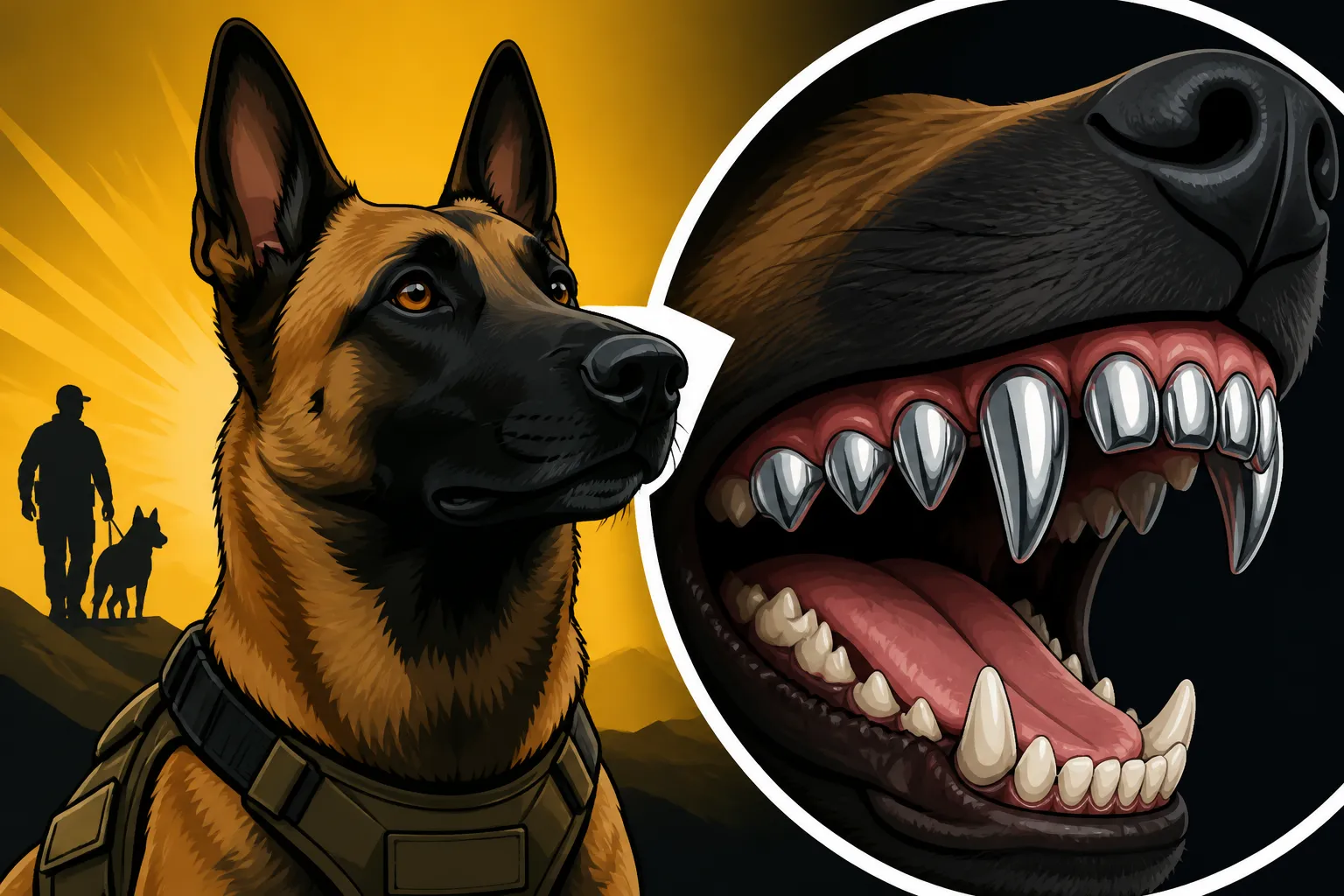
Titanium Crowns on a Working Malinois’s Teeth
It’s a heartbreaking sight for any dedicated Belgian Malinois handler: your powerhouse dog, known for its unstoppable drive and formidable bite, comes off the field or out of a scenario with a chipped, fractured, or even broken tooth. These dogs live to work, and their teeth are some of their most crucial tools. When a canine tooth is compromised, it’s not just about pain or discomfort; it can fundamentally impact their ability to do their job, whether that’s protection sport, detection, or patrol. This guide is all about understanding why this happens, what a titanium crown offers, and whether it’s the right solution to get your working Malinois back to full form.
The Unfortunate Reality of Damaged Canines in Working Malinois
Let's be real: a Belgian Malinois isn't a couch potato. These dogs are built for intense work, and that work often puts immense strain on their bodies, including their mouths. It's a harsh truth that the very activities that fulfill them can lead to injuries, and dental trauma is surprisingly common.
Why Working Malinois Teeth Take a Beating
Think about what we ask these incredible dogs to do. In bite work, they are slamming their jaws onto hard sleeves, bite suits, and sometimes even less forgiving surfaces if a grip goes awry. That immense pressure, combined with the sudden impact and twisting motions, can easily cause microfractures that eventually turn into full-blown chips or breaks. It’s not just the force; it’s the repeated, high-intensity impact that takes its toll over a working dog's career.
Beyond bite sports, even detection dogs, while seemingly not using their teeth as aggressively, can damage them. Imagine a dog enthusiastically digging into a hidden search area, rooting around concrete rubble, or gnawing on a hard training aid. A particularly vigorous chew on a tough toy or a bad landing can also contribute. These aren't accidents of clumsiness, but rather the inevitable wear and tear that comes from a life of purpose and unrelenting drive. We often focus on joint health, but dental health is just as critical for their overall function and comfort.
Identifying Tooth Damage and Its Immediate Impact
Sometimes, the damage is obvious – a visibly chipped canine or a missing piece of enamel. Other times, it's more subtle. You might notice your Malinois suddenly hesitating when taking a bite, showing a slight flinch, or dropping the sleeve more readily than usual. They might start pawing at their mouth, drooling excessively, or showing a decreased appetite, especially for harder foods. Some dogs become noticeably more irritable or withdrawn due to chronic pain.
A chipped tooth, even if it doesn't immediately expose the pulp, can lead to sensitivity. If the pulp is exposed, it's a direct pathway for bacteria into the tooth, leading to painful infections, abscesses, and potentially systemic health issues. This isn't just a minor inconvenience; it's a serious problem that needs prompt attention. A working Malinois relies on its full, strong bite to perform its duties, and any compromise can directly affect its effectiveness and, more importantly, its well-being. Regular check-ups, as outlined in a proper The Checkup Schedule a Sport Malinois Should Keep, are essential to catch these issues early.
Titanium Crowns as a Durable Solution for Compromised Teeth
When you’re dealing with a working Malinois, a simple filling often isn’t enough. These dogs demand more from their dental repairs, and that’s where titanium crowns come into play. They’re a significant investment, but for many, they're invaluable for preserving their dog's working capacity.
What Titanium Crowns Are and How They Protect
A titanium crown is essentially a highly durable cap custom-made to fit over a damaged tooth, typically a canine. Titanium is chosen for a reason: it’s incredibly strong, lightweight, and biocompatible, meaning the dog’s body tolerates it very well. It’s the same material often used in human medical implants, which tells you a lot about its reliability. The crown covers the entire visible portion of the natural tooth, protecting it from further wear, fractures, and bacterial invasion.
The process involves careful preparation of the existing tooth, similar to how a human tooth is prepared for a crown. The veterinary dentist will gently reshape the tooth, creating a stable base. Then, impressions are taken, which are sent to a specialized lab to create a perfectly fitting, custom titanium crown. Once fabricated, it's permanently bonded to the prepared tooth, effectively restoring its original shape, strength, and function. This isn't just about cosmetic appeal; it's about providing robust, long-lasting protection for teeth that are under constant stress. For a detailed discussion on repairing various dental issues, you might want to look at Whether a Belgian Malinois Needs a Root Canal.
The Ideal Candidates and When Crowns Are Recommended
Titanium crowns are usually recommended for working Malinois that have sustained significant damage to their canine teeth, especially if the fracture extends deep enough to expose the pulp chamber or if there's extensive wear that threatens the tooth's integrity. These are situations where a simple composite bonding might not hold up to the intense pressures of bite work or other demanding tasks. They are also considered when a tooth is cracked but salvageable, helping to prevent the crack from worsening and requiring extraction.
For a Malinois whose career depends on a sound bite, extraction is often a last resort because it significantly alters their bite mechanics and can hinder their ability to grip and hold. Bonding, while an option for minor chips, might not provide the long-term durability needed for truly impactful work. Titanium crowns offer that superior strength, ensuring the tooth can withstand the rigors of a working dog's life. This allows the dog to continue performing without pain and with maximum confidence. Given the specialized nature and cost, having pet insurance like Healthy Paws can be incredibly beneficial, as these types of advanced dental procedures are often covered, helping ease the financial burden on dedicated owners.
The Procedure Itself Anesthesia and Aftercare
Getting a titanium crown fitted is a serious veterinary dental procedure, requiring full general anesthesia. This is a critical point for Malinois owners, as their dogs are often lean, high-drive, and can sometimes react differently to sedation. It's crucial to discuss Anesthesia Protocols for a Lean Belgian Malinois and Why Anesthesia Needs Discussing Before a Malinois Goes Under thoroughly with your veterinary team beforehand. Pre-anesthetic bloodwork and careful monitoring are absolute musts.
The procedure itself typically spans two appointments. The first involves the initial exam, X-rays to assess the tooth's root health, preparing the tooth, and taking impressions. A temporary cap might be placed. During the second appointment, usually a few weeks later, the custom-made titanium crown is fitted and permanently bonded. Post-operatively, your Malinois will need a period of reduced activity and a soft diet for a few days to allow the bonding agent to fully cure and to minimize any discomfort. Pain management medication and possibly antibiotics will be prescribed. You'll also need to monitor for any signs of infection or complications and attend follow-up checks with your veterinary dentist.
Weighing the Pros, Cons, and Long-Term Considerations
Deciding whether to invest in a titanium crown for your working Malinois is a big decision, both emotionally and financially. It’s important to understand the full picture before committing.
Advantages of Titanium Crowns for a Working Dog
The primary advantage of a titanium crown is its incredible durability and strength. Unlike composite fillings or even metal fillings, titanium can withstand the extreme forces exerted by a Malinois’s bite during protection work or when interacting with hard objects during detection. This means your dog can often return to their full working capacity without fear of further damage to that specific tooth. It's not just about repair; it's about reinforcement.
Beyond durability, crowns offer significant pain relief. By fully encapsulating the damaged tooth, they protect exposed pulp and nerve endings, eliminating chronic discomfort or sensitivity. This allows your Malinois to focus on their job, not on tooth pain, which translates to a happier, more effective working partner. It also prevents more serious issues like infections that can arise from exposed tooth structures. For many handlers, this means an extended working career and a higher quality of life for their dog. Procedures like this can be costly, and this is where a reliable pet insurance provider like Healthy Paws can really make a difference, helping to cover a significant portion of the specialized veterinary bills. Understanding The Cost of Repairing a Malinois's Broken Canine can give you a clear picture.
Potential Drawbacks and What to Be Aware Of
Let’s not sugarcoat it: titanium crowns are an expensive procedure. The specialized materials, veterinary dental expertise, and multiple anesthesia sessions add up, often costing thousands of dollars per tooth. This can be a major hurdle for many owners, though pet insurance, as mentioned, can certainly help offset this. For example, if you're concerned about The Vet Bills a Bite Sport Belgian Malinois Runs Up, investing in a good policy early can provide peace of mind.
Another consideration is the need for general anesthesia. While veterinary anesthesia has become very safe, there's always an inherent risk, especially with a high-energy dog like a Malinois. It's why careful pre-screening and a skilled veterinary team are non-negotiable. While rare, there's also a minimal chance of a crown loosening or needing replacement over the dog's lifetime, particularly if the dog continues to engage in extremely abrasive activities. This is why strict adherence to post-procedure guidelines is vital.
| Dental Repair Option | Best For | Durability (Working Dog) | Cost Range | Anesthesia Needed | Preserves Tooth |
|---|---|---|---|---|---|
| Extraction | Severely damaged/infected, irreparable tooth | N/A (tooth removed) | Moderate | Yes | No |
| Composite Bonding | Minor chips, superficial enamel damage | Low to Moderate | Low | Sometimes (light) | Yes (partially) |
| Titanium Crown | Significant fractures, pulp exposure, severe wear | High | High | Yes | Yes |
Maintaining a Crowned Malinois and Maximizing Longevity
Once your Malinois has a titanium crown, maintaining it is key to its longevity. Regular professional dental cleanings, typically performed under sedation, are still necessary to prevent tartar buildup on the surrounding teeth and gums. Your veterinary dentist will also check the crown's integrity during these visits. While the crown itself is incredibly durable, the gum line and the natural tooth structure it protects still need care.
As the handler, you'll need to continue to be vigilant. Regularly inspect your dog's mouth for any signs of irritation around the crown, swelling, or changes in behavior. While the crown is strong, it's wise to consider whether certain training equipment or extreme chewing habits contributed to the original injury. Sometimes, small adjustments to your training routine or choice of bite objects can help prevent further dental trauma, both to the crowned tooth and others. Discuss with your decoy or trainer if specific types of engagement might need modification. Remember that even with a crown, Daily Tooth Brushing for a Malinois That Bites is still a good practice for overall oral hygiene. Even after recovery from Broken Teeth on a Malinois From Bite Work, ongoing care is critical. If any issues arise, quick veterinary attention is best, and a strong pet insurance plan from Healthy Paws can help cover these unexpected Emergency Care After a Malinois Training Injury.
Disclaimer
This article is intended for informational purposes only and does not constitute veterinary advice. Always consult with a qualified veterinary professional, especially a board-certified veterinary dentist, for any health concerns or before making decisions about your Belgian Malinois's dental care. Individual needs and circumstances may vary.