Whether a Malinois Can Get Exercise Induced Collapse
It’s a truly terrifying moment for any Belgian Malinois owner: watching your incredibly driven, high-energy dog suddenly falter, get wobbly, and even collapse during what seemed like a routine training session or intense play. When your Malinois, known for its endless stamina, suddenly can’t keep going, your mind races to the worst possibilities. This guide will dive deep into a specific concern for active dogs, Exercise Induced Collapse (EIC), exploring what it is, whether it truly affects Belgian Malinois, and what other critical issues might be at play if your dynamic canine companion experiences an exercise-related collapse.
Understanding Exercise Induced Collapse in Dogs
Exercise Induced Collapse, or EIC, is a condition that can strike highly athletic dogs, causing them to lose control of their hind limbs, stumble, and sometimes completely collapse after just a few minutes of intense exercise. For owners of these canine athletes, it’s a baffling and often frightening experience.
What EIC Looks Like
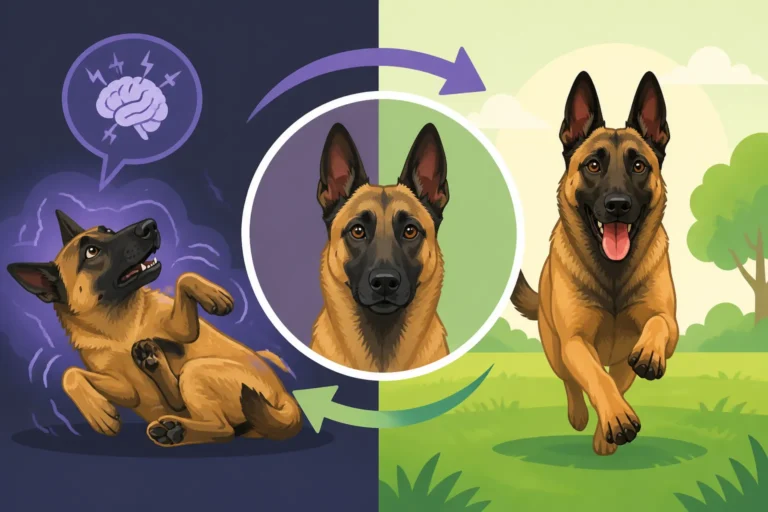
Imagine your Malinois, typically a whirlwind of energy, fetching a ball or working a decoy with incredible intensity. Suddenly, after 5 to 20 minutes of this high-octane activity, you notice something is off. The first signs usually involve a noticeable swaying or weakness in the rear legs. It might look like their back end just isn't keeping up with their front, leading to a wobbly, uncoordinated gait. They might drag their feet, or their hindquarters could just give out completely, causing them to collapse.
What's important to understand is that dogs affected by EIC typically remain conscious and aware throughout the episode. They might appear disoriented or confused by what's happening to their body, but they're not usually losing consciousness like in a seizure. Their muscles might feel stiff, and they might struggle to stand, but a key differentiator is that they usually recover fully within 5 to 30 minutes of rest. The whole event is startling, but the dog often bounces back to normal, though they might be tired. Unlike heatstroke, their body temperature usually isn't dangerously high, although it can be elevated temporarily due to the intense exercise itself.
The Genetic Link
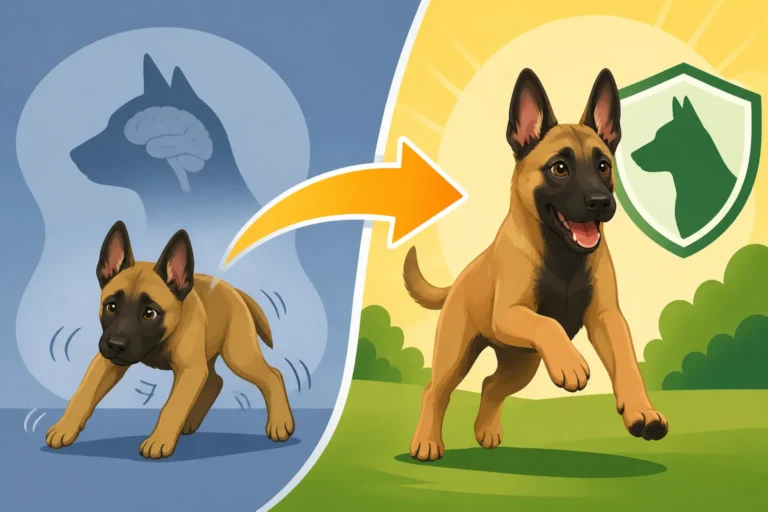
Here's where EIC distinguishes itself from many other exercise-related issues: it's primarily a genetic disorder. Scientists have identified a specific mutation in the DNM1 gene responsible for EIC. This mutation interferes with a protein crucial for nerve transmission, particularly in the muscles. When affected dogs engage in strenuous activity, their nervous system just can’t keep up, leading to the collapse.
While EIC can technically occur in any breed that carries the gene mutation, it’s far more prevalent in certain breeds. Labrador Retrievers are famously susceptible, especially those from field trial or hunting lines. Other breeds where EIC is more commonly identified include Chesapeake Bay Retrievers, Curly-Coated Retrievers, German Shorthaired Pointers, and Boykin Spaniels. This genetic basis means that responsible breeders in these at-risk breeds routinely test their breeding stock to avoid passing on the gene.
Triggers and Severity
The type of exercise that triggers an EIC episode is usually characterized by high excitement and extreme exertion. Think about scenarios like retrieving a ball repeatedly, chasing birds in a field, intense obedience drills, or any activity that pushes a dog's physical and mental limits while also ramping up their adrenaline. A leisurely walk around the block, even if it's long, is unlikely to cause an episode in an affected dog. It’s the combination of intense physical effort and high emotional arousal that seems to flip the switch for EIC.
The severity of EIC can vary. Some dogs might only show mild hind limb weakness, while others might experience a full body collapse where they can't move their limbs at all for a period. It's also possible for the same dog to have episodes that range in severity depending on the intensity and duration of the trigger. Fortunately, EIC is generally not a fatal condition, and dogs typically return to normal without lasting effects once they've rested. However, repeated or severe episodes can be distressing for both dog and owner, and managing the condition requires careful attention to the dog's activity levels and the types of exercise they engage in.
Is EIC a Concern for Belgian Malinois Owners?
This is the burning question for many Malinois enthusiasts, given their breed's reputation for relentless drive and athletic prowess. The good news is, generally speaking, Exercise Induced Collapse is not considered a common or significant health concern for Belgian Malinois.
The Low Incidence in Malinois
To directly answer the core query: whether a Malinois can get Exercise Induced Collapse – yes, theoretically, any dog could carry a rare, spontaneous mutation, but it is extremely rare and not typically associated with the breed's genetic profile for the specific DNM1 mutation. Unlike Labrador Retrievers, where EIC is a well-documented and genetically understood condition with routine testing, the Belgian Malinois is not among the breeds recognized as being predisposed to EIC. You won't find EIC on a standard health testing panel for a Malinois, nor will your breeder likely discuss EIC carriers when talking about genetic health clearances.
While it's not impossible for a unique case to arise, the vast majority of exercise-related collapse incidents in Malinois are attributable to other factors. If your Malinois collapses during exercise, your veterinarian will likely look at a host of more common causes long before suspecting EIC.
Distinguishing EIC from Other Collapse Causes
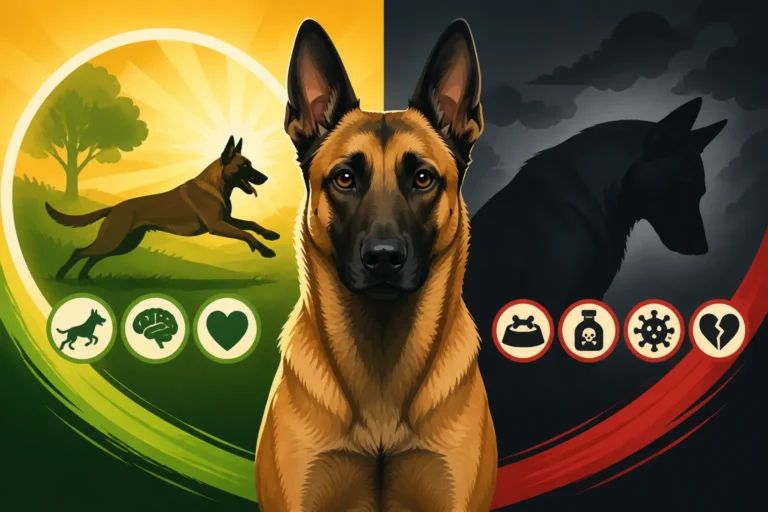
Given that EIC is so uncommon in Malinois, it becomes crucial for owners to understand what else might cause their incredibly driven dog to collapse during or after strenuous activity. These alternative causes are far more prevalent and often much more dangerous than EIC.
- Heatstroke: This is perhaps the most critical and common cause of collapse in a working Malinois. These dogs have such incredible drive that they will often push themselves past their physical limits, ignoring signs of overheating until it's too late. Unlike EIC, heatstroke is a life-threatening emergency. Signs include excessive panting, bright red gums, sticky saliva, disorientation, vomiting, diarrhea, and eventually collapse. Their body temperature will be significantly elevated. It's vital to recognize the signs of Why a Malinois Runs Itself Into Heat Exhaustion and to take immediate action, as unchecked heatstroke can lead to organ failure and death.
- Hypoglycemia (Low Blood Sugar): Intense, prolonged exercise, especially if the dog hasn't eaten properly or has an underlying metabolic issue, can lead to dangerously low blood sugar. This can cause weakness, disorientation, trembling, and collapse.
- Cardiac Issues: Undiagnosed heart conditions can manifest during periods of high exertion. Irregular heart rhythms or structural heart defects might not show symptoms during calm periods but can cause a dog to collapse when the heart is put under extreme stress. This is why some working lines advocate for Whether a Belgian Malinois Needs a Cardiac Screen as part of their health clearances.
- Respiratory Distress: Conditions affecting the lungs or airways, though less common in Malinois with their open muzzles and good structure, could lead to a lack of oxygen during intense exercise, causing collapse.
- Musculoskeletal Injuries/Pain: A sudden injury, like a torn ligament or a severe muscle strain, could cause a dog to suddenly refuse to bear weight or collapse from acute pain. While not a "collapse" in the EIC sense, it can look similar.
- Extreme Fatigue/Dehydration: Even the toughest Malinois can hit a wall. Pushing them too hard without adequate rest, water, or conditioning can simply lead to utter exhaustion and collapse, especially if they become severely dehydrated. This ties into why proper Hydrating a Belgian Malinois During Training is so vital.
- Other Neurological Conditions: While rare, other neurological conditions could potentially present with exercise-induced symptoms. For instance, you might be familiar with The Two Ataxia Genes Belgian Malinois Are Tested For, which cause a different type of neurological gait abnormality, but generally isn't triggered by exercise in the same way as EIC.
The Importance of Genetic Testing (and why it's different for Malinois)
Genetic testing has revolutionized canine health, allowing breeders and owners to screen for inherited diseases. For breeds known to be at risk for EIC, genetic testing for the DNM1 mutation is a simple, effective tool. A swab from the dog's cheek can determine if they are clear, a carrier, or affected by EIC. This helps breeders make informed decisions to eliminate the gene from their lines and allows owners of affected dogs to manage their exercise appropriately.
However, for Belgian Malinois, routine EIC genetic testing is not typically performed because the breed isn't considered at risk. If your Malinois experiences collapse, your vet will perform a thorough physical exam, blood work (which can uncover many things, and it's good to keep up with The Bloodwork a Working Malinois Should Have Annually), and potentially specialized cardiac or neurological diagnostics. It's important to discuss your concerns with your vet and not to self-diagnose based on information about other breeds. Genetic testing for Malinois focuses more on conditions like SDCA1 and SDCA2, which are far more relevant to the breed's health.
Managing and Preventing Exercise-Related Issues in Malinois
Since Exercise Induced Collapse is generally not a concern for Belgian Malinois, focusing on preventing other, more common exercise-related problems is paramount. Their drive is a double-edged sword: it makes them exceptional working dogs, but also means they’ll push themselves beyond safe limits if allowed.
Proper Conditioning and Acclimatization
You can't just take a Malinois that's been lounging around all winter and expect them to perform a full-out bite work session in July. These dogs need a carefully structured conditioning program that gradually builds their endurance, strength, and heat tolerance.
- Start Slow, Build Gradually: Whether it's running, fetching, or protection work, increase the intensity and duration of sessions incrementally. Don't rush it. This allows their cardiovascular system, muscles, and even their mental focus to adapt. A good rule of thumb is to increase workload by no more than 10-15% per week.
- Acclimatize to Weather: If you live in a region with varying seasons, your Malinois needs time to adjust to hotter or more humid weather. Start training sessions shorter and at cooler times of the day (early morning or late evening) during the warmer months. Never push a dog to work intensely in peak heat. It's crucial to understand how to prevent Heat Stroke in a Belgian Malinois in a Patrol Car or during intense training.
- Cross-Training: Incorporate a variety of activities. Instead of just endless retrieving, try structured walks, swimming, scent work, or even mental puzzles. This engages different muscle groups and provides mental stimulation without always pushing for peak physical output. Remember, The Mental Work That Finally Tires a Malinois Out is just as important as physical exertion.
Hydration and Nutrition for Peak Performance
Fueling a working Malinois properly is non-negotiable. Their bodies are high-performance machines, and they require the right input to prevent breakdowns.
- Constant Access to Fresh Water: This might seem obvious, but it's often overlooked. Always have fresh, cool water available, especially during and after exercise. Don't assume they'll drink enough on their own; actively encourage water breaks. On the field, consider bringing a separate water bowl and encouraging them to drink at every break. For longer sessions, electrolytes can sometimes be beneficial, but always consult your vet first.
- High-Quality Performance Diet: Feed a diet appropriate for highly active dogs. This means a good balance of protein, fats, and carbohydrates to support energy levels and recovery. Look for performance formulas designed for working or sporting breeds.
- Strategic Meal Timing: Avoid feeding a large meal right before or immediately after intense exercise. This can divert blood flow to the digestive system, potentially leading to issues like bloat (gastric dilatation-volvulus), though Malinois are not as prone as some deep-chested breeds, it's always a concern. Give them at least an hour or two to digest before intense work, and allow them to cool down thoroughly before offering a meal afterward. If your Malinois tends to refuse food under stress or at a trial, you might need to adapt your feeding schedule or find highly palatable, easily digestible options.
Recognizing Warning Signs
Your Malinois will rarely stop before they're completely spent. It's your job to be their advocate and to call it quits before they hit a critical point. Learning to read their subtle cues is vital.
- Excessive Panting: While panting is normal during exercise, look for changes. Is it more rapid, labored, or accompanied by an open-mouthed, "shark" look? Is the tongue extremely wide and dark red?
- Decreased Enthusiasm or Focus: A Malinois losing interest in their job, or showing decreased focus, can be a sign of fatigue. This is especially telling for a breed that usually maintains intense focus.
- Slowing Pace or Stumbling: If their usual lightning-fast speed starts to lag, or you see any stumbling, wobbly gait, or uncoordinated movements, it's time to stop immediately. This could be a precursor to collapse.
- Seeking Shade or Water: If your dog is actively trying to get away from the activity, seeking shade, or making repeated attempts to get water, listen to them. They're telling you they're uncomfortable.
- Gums and Capillary Refill Time: Healthy gums should be pink and moist. If they're pale, very dark red, or bluish, or if the capillary refill time (press on the gum, release, and count how long it takes for color to return) is slow, it's a sign of circulatory distress.
- Body Temperature: While not always feasible in the field, a rectal temperature over 104°F (40°C) is a serious indicator of overheating. Knowing how to quickly assess and cool your dog, even on the field, is crucial for Reading Heat Stress on a Malinois Mid Session.
By paying close attention to these signals and building an "off switch" into your Malinois, you can help prevent severe exercise-related incidents.
When to Seek Veterinary Attention
When your Malinois collapses, it's naturally alarming. Knowing when to rush to the vet immediately versus when to monitor can be life-saving.
Emergency Situations
Any time your Malinois collapses during or after exercise, it warrants immediate attention. However, certain symptoms indicate an emergency that requires prompt veterinary intervention. Do not wait to see if they recover. Get to the nearest emergency vet if your dog exhibits:
- Loss of Consciousness: If your dog is unresponsive, even briefly, it's an emergency.
- Non-Recovery or Worsening Symptoms: If your dog doesn't recover within a few minutes of stopping exercise and resting, or if their condition seems to be getting worse (e.g., increased panting, continued disorientation, vomiting), seek help.
- Extremely High Body Temperature: If you can take your dog's temperature rectally and it's 104°F (40°C) or higher, it's a sign of severe heatstroke. Start cooling measures immediately while en route to the vet.
- Difficulty Breathing: Labored breathing, gasping, or bluish gums are signs of a respiratory crisis.
- Severe Disorientation or Seizures: If your dog appears profoundly disoriented, stumbles erratically even after rest, or has a seizure, it's an emergency.
- Bleeding or Other Obvious Injury: While not a collapse cause, an obvious injury during an event needs urgent care.
If you suspect heatstroke, start active cooling (wetting them down, cool towel wraps, fan) while driving to the clinic. Time is of the essence in these situations.
Diagnostic Work-up
When your Malinois collapses, your veterinarian will act quickly to stabilize them and then begin a thorough diagnostic work-up to determine the cause. This isn't a one-size-fits-all process because so many conditions can mimic an exercise-induced collapse.
Here's what your vet might do:
- Complete Physical Examination: This includes checking vital signs, listening to the heart and lungs, and performing a neurological exam.
- Blood Work: A full blood panel (CBC and chemistry) is standard. This can reveal signs of dehydration, electrolyte imbalances, organ damage (especially relevant for heatstroke), low blood sugar (hypoglycemia), and other systemic issues.
- Urinalysis: This can provide additional insights into hydration status and kidney function.
- Cardiac Screening: If a heart issue is suspected, your vet might recommend an electrocardiogram (ECG) to check heart rhythm, and potentially an echocardiogram (ultrasound of the heart) to look for structural abnormalities.
- Neurological Examination: A detailed neurological assessment helps rule out or pinpoint conditions affecting the brain, spinal cord, or peripheral nerves.
- Imaging: In some cases, X-rays or more advanced imaging like MRI might be recommended if spinal or muscular issues are suspected, though this is less common for an initial collapse event unless other signs point to it.
- Genetic Testing: If, despite other diagnostics, the cause remains elusive, and your dog's symptoms strongly align with EIC (uncommon for Malinois, but not impossible), your vet might discuss specific genetic testing for DNM1 or other breed-specific conditions.
Navigating these unexpected vet bills can be overwhelming, especially when you’re dealing with a sudden emergency. Pet insurance providers like Healthy Paws can offer peace of mind by helping to cover the costs of diagnostic tests, emergency treatments, and ongoing care for unforeseen accidents and illnesses. Having a plan in place, like a policy from Healthy Paws, can allow you to focus on your dog’s recovery rather than financial strain during a crisis.
Living with a Dog Prone to Collapse (if not EIC)
If your Malinois does experience exercise-related collapses and a specific underlying cause is identified (e.g., a cardiac condition, chronic dehydration, or even a rare metabolic issue), your vet will work with you to develop a management plan.
This plan will almost certainly involve:
- Strict Exercise Modification: This might mean avoiding high-intensity activities, limiting duration, or only exercising during cooler parts of the day. You might need to learn The Year a Malinois Starts Working Shorter Sessions if the issue is age or condition-related.
- Medication: Depending on the diagnosis, your dog might require medication (e.g., for a heart condition, an electrolyte imbalance, or even if A Malinois Whose Thyroid Has Given Out is a factor).
- Dietary Adjustments: Special diets or supplements might be recommended to support their overall health or address specific deficiencies.
- Regular Monitoring: Follow-up vet visits and diagnostics will be essential to monitor their condition and adjust treatment as needed.
- Close Observation: You'll become even more attuned to your dog's energy levels and any subtle changes in behavior or physical ability, stopping activity at the first sign of trouble. This kind of vigilance is critical for conditions like Rhabdomyolysis in an Overworked Belgian Malinois as well.
It’s a different life than what you might have envisioned for your super-driven Malinois, but with careful management and veterinary guidance, many dogs can still live fulfilling lives, even if their exercise routine needs to be modified.
Disclaimer
The information provided in this article is for general educational purposes only and is not a substitute for professional veterinary advice. Always consult with a qualified veterinarian for any health concerns or before making any decisions related to your pet's health or medical care.