Whether a Malinois Outgrows Seizures
It’s an incredibly frightening and heartbreaking moment when you first witness your beloved Belgian Malinois suffer a seizure. Your mind races, questions flood in – what just happened? Is my dog okay? Will this happen again? And often, particularly if it's a younger dog or a puppy, there's a desperate hope that maybe, just maybe, they’ll somehow grow out of it. Unfortunately, for most Malinois diagnosed with true epilepsy, that hopeful idea doesn't align with reality. This guide will walk you through what to expect when a Malinois experiences seizures, why "outgrowing" them is a misconception in most cases, and how to best manage this lifelong condition.
The Difficult Truth About Malinois Seizures and "Outgrowing" Them
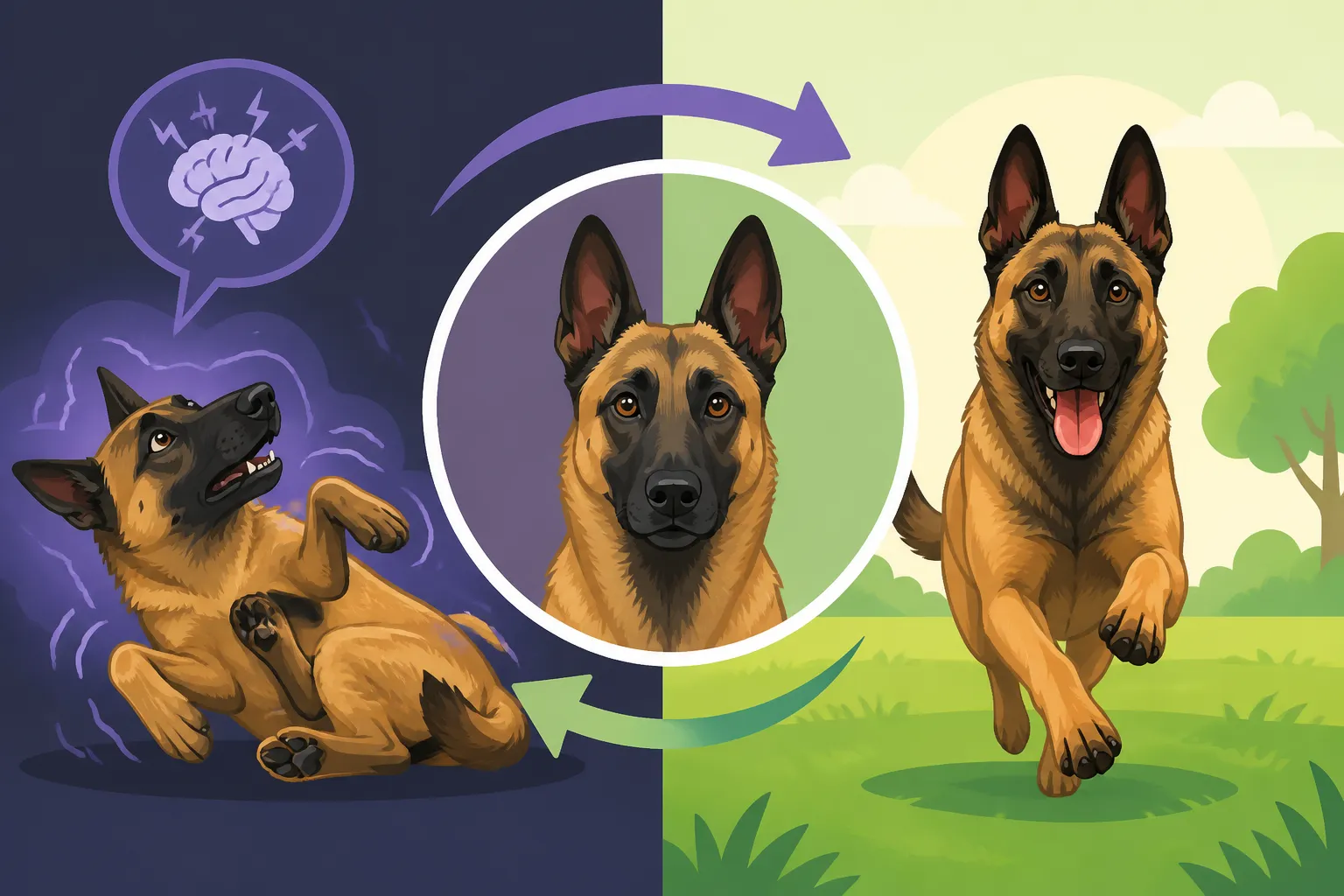
That gut-wrenching feeling when your usually vibrant, high-drive Malinois suddenly collapses, stiffens, paddles, or stares blankly into space is something no owner ever wants to experience. It's a moment of profound helplessness, and naturally, we search for any glimmer of hope, especially the idea that perhaps it's a phase.
When Seizures Typically Emerge in Young Malinois
For many Belgian Malinois, if they are predisposed to idiopathic epilepsy – meaning seizures with no identifiable cause – the first signs often appear during their younger years. It's not uncommon to see these episodes start between six months and five years of age, though it can certainly vary. You might have a perfectly healthy, boisterous Malinois puppy, then suddenly, one day, the first seizure strikes. This period, when they're still growing into their adult bodies and minds, can make the diagnosis feel even more bewildering.
Often, these initial seizures are sporadic. They might happen every few months, or there could be a significant gap between the first and second episode. This irregularity, coupled with a young dog's otherwise robust health, can sometimes fuel the mistaken belief that the dog is just "having an episode" or that it’s related to a temporary developmental stage. We want to believe our dogs are invincible, especially when they’re young and full of life, and the idea of a chronic condition can be hard to accept.
Why the Hope of "Outgrowing" Them Persists
The desire for a Malinois to "outgrow" seizures often stems from several places. Firstly, in humans, some forms of childhood epilepsy can resolve spontaneously, leading to a misconception that the same might apply to dogs. Secondly, a single seizure event in a puppy can sometimes be attributed to transient factors like a vaccine reaction, a fever, or even an accidental ingestion of something toxic that they do recover from. If a puppy has one isolated event and never another, it's easy to conclude they "outgrew" it, but this isn't true epilepsy.
For true idiopathic epilepsy, the wiring in the brain is such that it’s prone to these electrical storms. It’s not a phase they simply move past. Think of it less like a cold that runs its course and more like a predisposition in their nervous system. While the frequency and severity of seizures can sometimes fluctuate – they might even have long seizure-free periods – the underlying neurological condition that causes them is typically present for life. This is why getting an accurate diagnosis is so crucial, as it sets the stage for appropriate, long-term management rather than waiting for a resolution that won't come. Owners need to understand that this is a marathon, not a sprint, and preparing for When Epilepsy First Appears in a Malinois means preparing for ongoing care.
Unpacking Idiopathic Epilepsy in Belgian Malinois
Understanding what constitutes true epilepsy is the first step toward effective management and letting go of the hope that your Malinois will simply outgrow their seizures. It’s a complex neurological condition, and the Belgian Malinois breed does have a known predisposition to it.
Distinguishing True Epilepsy from Other Causes
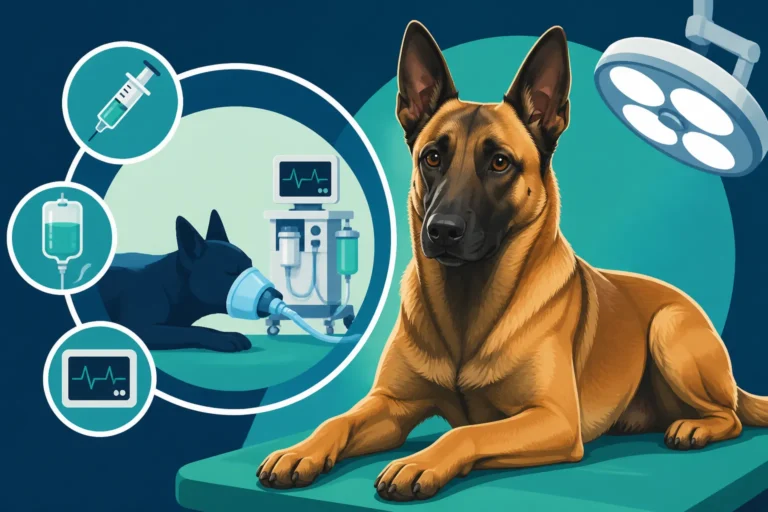
When your Malinois first experiences a seizure, the absolute priority for your veterinarian will be to rule out any other potential causes. This is where diagnostic work comes into play. A seizure is a symptom, not a diagnosis in itself, and it can be triggered by a wide range of issues. Your vet will likely perform thorough bloodwork to check for metabolic imbalances, organ dysfunction (like liver or kidney disease), or exposure to toxins. They might check blood sugar levels or rule out infections.
In some cases, especially if the seizures are atypical, severe, or occur outside the typical age range for idiopathic epilepsy, further diagnostics might be recommended. This could include imaging like an MRI of the brain to check for structural abnormalities such as tumors, inflammation, or prior head trauma. A cerebrospinal fluid tap might also be considered to look for inflammatory or infectious diseases of the central nervous system. Only once all other possible causes have been systematically eliminated can a diagnosis of idiopathic (meaning 'of unknown cause') epilepsy be definitively made. This process is vital because treating a brain tumor is very different from managing idiopathic epilepsy, and you want to ensure your Malinois is getting the right care. You might also ask your vet about Whether an MRI Is Worth Running on a Seizing Malinois if diagnostics become extensive.
The Lifelong Nature of a Seizure Diagnosis
Once your Malinois is diagnosed with idiopathic epilepsy, it’s important to accept that this is generally a lifelong condition. The brain's electrical activity is prone to these abnormal bursts, and while we can often control them with medication, we cannot "cure" the underlying predisposition. Thinking that a dog will outgrow these events can lead to delays in starting necessary treatment, which could result in more frequent, severe, or difficult-to-control seizures in the long run.
The good news is that "lifelong" doesn't mean a diminished quality of life. With diligent management, many Malinois with epilepsy can live full, active, and happy lives. The aim of treatment isn't to stop every single seizure, but rather to reduce their frequency, lessen their severity, and shorten their duration. It's about finding that delicate balance where your dog is comfortable, functional, and experiences as few disruptions as possible. This commitment to ongoing care is crucial for their well-being.
Genetic Factors and Breeding Responsibilities
It’s widely understood that epilepsy in Belgian Malinois often has a genetic component. This means that affected dogs have inherited a predisposition to the condition from their parents. While the exact genes responsible can be complex and sometimes polygenic (involving multiple genes), the heritability is a significant concern for responsible breeders.
Because of this genetic link, any Malinois diagnosed with idiopathic epilepsy should absolutely be removed from a breeding program. Breeding an epileptic dog, or even breeding two carriers, significantly increases the likelihood of producing more puppies who will develop seizures. This is a critical ethical responsibility for breeders aiming to improve the health and well-being of the breed. Discussions around Whether an Epileptic Malinois Should Be Bred are clear: for the health of future generations, affected individuals should not contribute to the gene pool. Understanding this genetic reality further reinforces that epilepsy is not something a dog simply "outgrows" but rather a condition passed down through generations.
A Proactive Approach to Managing Malinois Epilepsy
Managing epilepsy in a Belgian Malinois is an ongoing commitment that requires partnership with your veterinarian. It’s about more than just giving pills; it’s about understanding the condition, observing your dog closely, and being prepared for the journey ahead.
Navigating Lifelong Medication and Treatment Plans
For most Malinois with idiopathic epilepsy, medication becomes a cornerstone of their management. The decision to start medication is usually made if seizures are frequent (e.g., more than one every few months), severe, or cluster (multiple seizures in a short period). Common anti-epileptic drugs (AEDs) include phenobarbital, potassium bromide, and newer options like levetiracetam (Keppra) or zonisamide. Your vet will select the most appropriate drug or combination based on your Malinois's individual needs, seizure characteristics, and any other health considerations.
It's important to understand that these medications are designed to control, not cure. The goal is to reduce seizure frequency, severity, and duration to a manageable level, ideally striving for long seizure-free intervals. This often involves a process of titration – starting at a lower dose and slowly increasing it until the desired effect is achieved, all while monitoring for side effects. Regular blood tests are essential to monitor drug levels (ensuring therapeutic range) and to check the health of organs like the liver, especially with drugs like phenobarbital. This aspect of Managing an Epileptic Belgian Malinois on Medication is not just about daily pills, but a careful, monitored regimen.
Identifying and Minimizing Environmental Triggers
While medication works to raise the seizure threshold, lifestyle adjustments and trigger avoidance can play a significant supplementary role. Many epileptic dogs have specific triggers that can make them more susceptible to a seizure. These can be highly individual but often include:
- Stress or Excitement: High-arousal situations, intense training, visitors, or even vet visits can sometimes precipitate a seizure. Malinois are high-drive dogs, and managing their energy and stress levels is always important, but even more so for an epileptic dog.
- Sleep Deprivation: An inconsistent sleep schedule or lack of restful sleep can lower the seizure threshold for some dogs.
- Environmental Changes: Moving to a new home, changes in routine, or loud noises can sometimes be a factor.
- Hormonal Fluctuations: For intact females, seizures might be linked to their heat cycles.
- Certain Foods or Toxins: While not typically a direct cause of idiopathic epilepsy, specific food sensitivities or accidental ingestion of certain substances could potentially lower the seizure threshold in susceptible individuals.
Keeping a detailed seizure log – noting the date, time, duration, severity, and any preceding events – can be invaluable in identifying patterns and potential triggers. Once identified, efforts can be made to minimize exposure to these triggers, providing a more stable and predictable environment for your Malinois. This proactive approach to understanding What Triggers a Belgian Malinois Seizure can make a real difference in their overall well-being.
The Role of Pet Insurance in Chronic Care
Let's be realistic: managing a chronic condition like epilepsy in a Belgian Malinois can become a significant financial undertaking. From initial diagnostic tests – which could include costly blood panels, and potentially an MRI – to the lifelong expense of anti-epileptic medications, regular blood monitoring, and specialist consultations, the costs can quickly add up. This is where pet insurance can be an absolute lifesaver.
Having a robust pet insurance plan in place, ideally before any symptoms of chronic conditions appear, can provide immense peace of mind. Companies like Healthy Paws offer comprehensive coverage that can help offset the considerable expenses associated with managing lifelong conditions such as epilepsy. They can help cover the costs of vet visits, prescription medications, diagnostic tests, and even emergency care if a severe seizure warrants it. Without insurance, these recurring costs can place a heavy burden on owners, sometimes leading to difficult decisions regarding treatment. Investing in a good pet insurance policy when your Malinois is young and healthy can protect both your finances and your dog's future health needs. It’s worth looking into What Pet Insurance Runs on a Working Malinois to budget for this essential safety net.
Fostering a Fulfilling Life for an Epileptic Malinois
Receiving an epilepsy diagnosis for your Malinois can feel overwhelming, but it's important to remember that with proper care and support, they can continue to lead a vibrant, meaningful life. Your role as their advocate is paramount.
Prioritizing Quality of Life and Ongoing Support
The ultimate goal in managing your Malinois's epilepsy isn't just to reduce seizures, but to ensure they maintain an excellent quality of life. This means balancing medication efficacy with potential side effects. Some anti-epileptic drugs can cause sedation, increased appetite, thirst, or even behavioral changes. It's a fine line to walk, ensuring seizure control without making your dog feel constantly "drugged" or unwell. Your vet will work with you to find the lowest effective dose or the right combination of medications that minimizes side effects while providing adequate seizure control.
Beyond medication, consistent daily routines, a calm home environment, appropriate exercise (without over-stressing), and mental stimulation are all crucial. Regular vet check-ups, often including The Bloodwork a Working Malinois Should Have Annually, are vital to monitor overall health, track medication effectiveness, and adjust treatment as needed. It's also important for you, as the owner, to have a support system, whether that's your veterinary team, online forums, or other Malinois owners who have navigated similar challenges. Dealing with seizures can be emotionally draining, and remembering you're not alone is key.
Sustaining a Working Mindset Despite Epilepsy
Belgian Malinois are inherently driven dogs, bred for work and possessing an intense desire to have a job. The question often arises: Whether a Seizing Malinois Can Still Work? The answer often depends on the individual dog, the frequency and severity of their seizures, and the type of work they do. For some Malinois with well-controlled epilepsy, continuing with certain sports or activities, particularly those that are not high-risk, may be possible. Low-impact activities like scent work or tracking might be more suitable than high-adrenaline bite work or agility, where a seizure during an exercise could pose a significant danger.
However, if seizures are poorly controlled, unpredictable, or severe, it may be necessary to significantly modify or even cease certain working activities. Safety must always be the priority, both for the dog and for those around them. This doesn't mean your Malinois can't have a fulfilling life; it simply means their "job" might need to shift from high-stakes protection work to something equally engaging but lower risk, like complex puzzle toys, long sniff walks, or advanced obedience training at home. The mental stimulation is just as vital for a Malinois as physical exercise, and finding alternative outlets for their incredible drive is a testament to your dedication as an owner. The ongoing costs associated with managing their health, whether they continue to work or transition to a more relaxed life, highlight the enduring value of pet insurance from providers like Healthy Paws, helping ensure that financial constraints don't dictate your Malinois's care options.
Seizure Management Strategies for Belgian Malinois
Here’s a comparison of common strategies used to manage epilepsy in Belgian Malinois:
| Strategy | Description | Primary Goal | Considerations |
|---|---|---|---|
| Anti-Epileptic Drugs | Prescription medications (e.g., phenobarbital, levetiracetam, zonisamide, potassium bromide) given daily. | Reduce seizure frequency, severity, and duration. | Requires strict adherence to dosing schedule. Regular blood monitoring for drug levels and organ health is essential. Potential side effects (sedation, increased thirst/appetite). |
| Trigger Avoidance | Identifying and minimizing exposure to specific environmental or emotional factors that precipitate seizures. | Prevent seizures by reducing predisposing factors. | Requires diligent observation and a detailed seizure log. May involve adjusting routines, managing stress, or avoiding loud/overstimulating environments. |
| Consistent Routine | Maintaining predictable schedules for feeding, exercise, sleep, and medication administration. | Stabilize physiological and psychological states. | Helps maintain consistent drug levels and reduces stress. Malinois thrive on routine, which can be particularly beneficial for an epileptic dog. |
| Dietary Management | Exploring specialized diets (e.g., ketogenic diets, high-fat/low-carb options, specific supplements). | Support brain health; potentially reduce seizure activity. | Less scientifically proven for dogs than for humans, but some anecdotal evidence. Should always be pursued under veterinary guidance. Supplements like Omega-3s or CBD are sometimes explored but require careful discussion with your vet. |
| Emergency Protocols | Having rescue medications (e.g., rectal diazepam, intranasal midazolam) on hand for cluster seizures. | Stop prolonged or cluster seizures quickly. | Crucial for preventing status epilepticus (continuous seizure activity). Requires training from your vet on proper administration. Reduces the risk of brain damage from extended seizures. Knowing Handling a Seizing Malinois Safely is vital during these moments. |
Disclaimer
The information provided in this article is for educational purposes only and is not a substitute for professional veterinary advice. If your Belgian Malinois is experiencing seizures, please consult with a qualified veterinarian immediately for proper diagnosis and treatment.