Anesthesia Protocols for a Lean Belgian Malinois
The thought of your high-drive, incredibly lean Belgian Malinois going under anesthesia can be genuinely unsettling. You've heard stories, perhaps even experienced yourself, how these dogs seem to metabolize everything faster, making standard protocols feel like a gamble. This guide is here to walk you through the essential anesthesia protocols tailored specifically for a lean Belgian Malinois, giving you peace of mind and the tools to advocate for your dog's safest experience.
The Unique Physiology of a Lean Belgian Malinois Under Anesthesia
Belgian Malinois are incredible athletes, built for speed, agility, and endurance. Their lean, muscular physique, while ideal for their work, presents some distinct challenges when it comes to anesthesia. Understanding these physiological nuances is the first step in ensuring their safety.
Higher Metabolism and Drug Dosing Considerations
Anyone who owns a Malinois knows they run on a different clock. Their engines are always revving, and this intense energy translates directly into a higher metabolic rate compared to many other breeds. This isn't just about burning calories; it's about how quickly their body processes and eliminates drugs, including anesthetics. A standard drug dose calculated purely by weight, which might be perfectly adequate for a similarly sized but less athletic breed, could be metabolized so rapidly by a Malinois that it becomes ineffective, leading to insufficient sedation or the need for unexpectedly high top-ups during a procedure.
Imagine a scenario where your Malinois needs a simple dental cleaning. The vet administers a pre-medication dose based on their 60-pound weight. However, because of their high metabolism, that dose might only provide a mild sedative effect, leaving your dog still too aware or agitated. The veterinary team then has to adjust, potentially administering more drug or switching protocols mid-stream, which can increase overall drug exposure. Conversely, if a dose isn't carefully chosen, the rapid onset in a lean animal can lead to a sudden, deeper plane of anesthesia than intended. The key is that their rapid metabolic processing means there's a smaller window for error, requiring a vet team that is truly experienced with high-drive, lean breeds.
Minimal Body Fat for Insulation and Drug Distribution
One of the most striking features of a Belgian Malinois is their incredibly low body fat percentage. They are typically sculpted, with ribs easily felt and often visible, and minimal padding. While great for performance, this lack of adipose tissue has significant implications for anesthesia. Fat acts as an insulator, helping to regulate body temperature. Without much fat, Malinois lose heat rapidly during anesthesia, putting them at a much higher risk of hypothermia. Maintaining their core body temperature becomes a critical, active part of the anesthetic protocol.
Beyond insulation, body fat plays a role in how certain anesthetic drugs are distributed and stored in the body. Many anesthetic agents are lipid-soluble, meaning they tend to accumulate in fatty tissues. In a lean Malinois, with fewer fat reserves, these drugs have nowhere to "hide." This can lead to a more intense initial effect because the drug stays more concentrated in the bloodstream and brain. For longer procedures, it might also mean that the drug is eliminated more directly by the liver and kidneys, potentially leading to a faster wake-up. However, it also means there's less buffer, and the body's systems must handle the drug load without the slow release from fat. This metabolic processing is something to highlight to your vet, especially if they are not routinely handling these types of working dogs, as it directly impacts drug choices and dosages to prevent both under- and over-sedation.
Essential Pre-Anesthetic Preparations for Optimal Safety
Preparing your Belgian Malinois for anesthesia goes far beyond just withholding food. A thorough, proactive approach to pre-anesthetic care is paramount for minimizing risks and ensuring a smooth procedure and recovery.
Comprehensive Bloodwork and Health Screening
Before any anesthetic procedure, even a routine one, comprehensive pre-anesthetic bloodwork is non-negotiable for a Belgian Malinois. This isn't just a formality; it's a critical diagnostic step that provides a baseline of your dog's internal health and can uncover hidden issues that might complicate anesthesia. A full complete blood count (CBC) can reveal anemia, inflammation, or infection, all of which affect the body's ability to cope with stress and drugs. A comprehensive chemistry panel provides vital information about organ function, particularly the liver and kidneys, which are responsible for metabolizing and eliminating anesthetic agents. If these organs aren't functioning optimally, drug dosages may need significant adjustment to prevent toxicity or prolonged sedation.
For a Malinois, consider going beyond the basic panel. A thyroid check can be beneficial, as thyroid imbalances can affect metabolism and heart rate. A urinalysis offers insights into kidney function and can detect urinary tract infections that might indicate systemic inflammation. In breeds like the Malinois, who live such active lives, even a subtle underlying issue could be exacerbated by the physiological stress of anesthesia. Having these numbers in hand allows your veterinarian to make informed decisions about drug choices, dosages, and fluid therapy, tailoring the protocol precisely to your individual dog's health status. It also helps to track their health over time, forming a valuable part of their regular The Bloodwork a Working Malinois Should Have Annually.
Pre-Anesthetic Fasting and Hydration Protocols
The traditional advice for anesthesia is to fast your dog for a certain period to prevent aspiration pneumonia, a serious complication where stomach contents are inhaled into the lungs. For a Belgian Malinois, this fasting protocol needs careful consideration. While fasting is crucial, their high metabolism means they can become hypoglycemic (low blood sugar) faster than other breeds, especially if they are young, very lean, or have underlying metabolic conditions. Typically, an 8-12 hour fast from food is recommended, but water should ideally be available until 1-2 hours before the scheduled procedure.
It’s vital to discuss precise fasting instructions with your vet. For instance, if your Malinois is having an afternoon procedure, a very small, easily digestible meal early in the morning might be acceptable if cleared by the veterinary team, to prevent a dip in blood sugar. Furthermore, ensuring your dog is well-hydrated before the fast begins is important. Dehydration can lead to lower blood pressure, which is already a concern during anesthesia. Intravenous fluids are almost always administered during anesthesia to help maintain hydration, blood pressure, and support organ perfusion, but starting from a well-hydrated state makes the process smoother and safer. For a lean, high-energy dog, striking this delicate balance between preventing aspiration and maintaining metabolic stability is key.
Open Communication with Your Veterinarian
One of the most powerful tools in ensuring a safe anesthetic experience for your Malinois is open, detailed communication with your veterinary team. Do not assume they know everything about your specific dog, even if they're your regular clinic. Belgian Malinois are unique, and their "normal" can be quite different from other breeds. You need to explicitly convey your dog's typical energy levels, how they handle stress, any known sensitivities to medications (even over-the-counter ones), and their exercise routine.
For example, if your Malinois tends to become extremely stressed in a veterinary environment, this information allows the vet to consider a calming pre-medication or to administer sedatives more proactively to reduce anxiety before the procedure begins. Stress can elevate heart rate and blood pressure, complicating anesthesia. If you know your dog wakes up "wild" from previous sedations, this is crucial information for planning their recovery. Don't be shy about asking questions about the specific drugs they plan to use, how they will monitor your dog, and what their emergency protocols are. Discussing What to Tell a Vet Before a Malinois Is Sedated fully will empower both you and your vet. Your active participation in this dialogue makes you a vital part of your Malinois's care team.
Anesthesia Protocols and Monitoring Tailored for Malinois
Given their unique physiological makeup, a "one size fits all" approach to anesthesia simply won't cut it for a Belgian Malinois. A truly safe protocol involves careful drug selection, a multi-modal strategy, and meticulous monitoring.
Tailored Drug Choices and Multi-Modal Approach
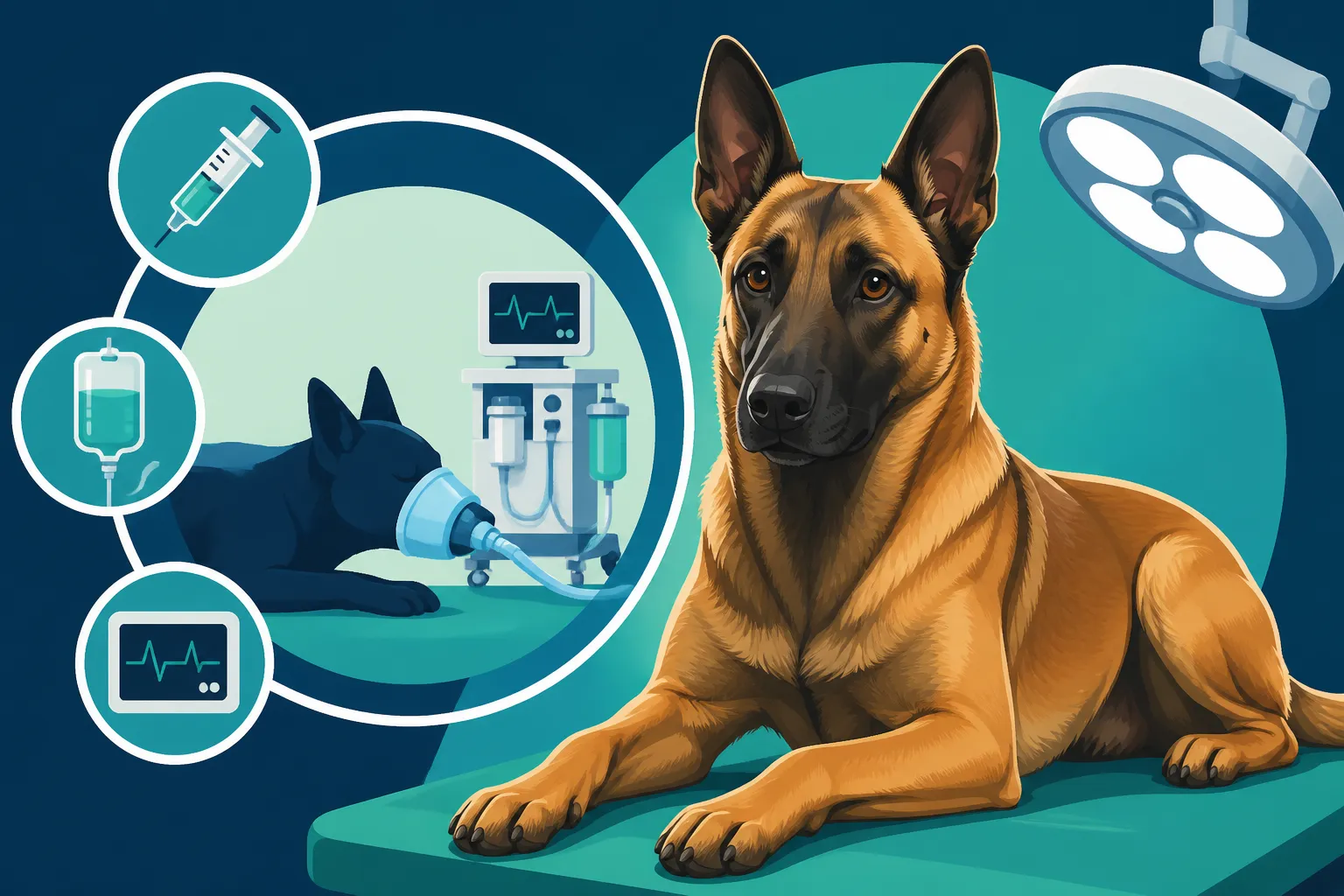
For a lean, high-metabolism dog like a Malinois, veterinarians often opt for a multi-modal anesthesia approach. This means using a combination of different drugs at lower doses, rather than relying on a single, high dose of one drug. This strategy often includes a sedative (to calm them before the procedure), an analgesic (for pain control), and then an induction agent (to put them to sleep) followed by an inhalant anesthetic to maintain anesthesia. The benefit is synergistic: the drugs work together, often allowing for lower doses of each, which reduces the overall metabolic burden and minimizes potential side effects.
Common drug choices might include alpha-2 agonists like dexmedetomidine for sedation (often reversible, which is a huge plus for a quick wake-up), opioids like fentanyl for potent pain relief, and propofol or alfaxalone for rapid, smooth induction. Maintenance is frequently achieved with isoflurane or sevoflurane gas, which allows for precise control over the anesthetic depth and quick adjustments. By carefully selecting agents that are short-acting and easily reversible, or those that have a wide safety margin, the veterinary team can better navigate the Malinois's rapid metabolism. The goal is to keep them safely under without over-sedating, and to allow for a controlled, predictable wake-up. This thoughtful drug selection is a cornerstone of effective Anesthesia Protocols for a Lean Belgian Malinois.
Advanced Monitoring Equipment and Practices
Monitoring during anesthesia for any dog is crucial, but for a Belgian Malinois, it's non-negotiable and needs to be exceptionally thorough. Their propensity for rapid temperature loss and unique drug metabolism means the veterinary team must be constantly vigilant and equipped with advanced monitoring tools. This typically includes:
- Electrocardiogram (ECG): Continuously tracks heart rate and rhythm, alerting to any arrhythmias that might develop.
- Pulse Oximetry: Measures the oxygen saturation in the blood, ensuring adequate oxygenation to tissues.
- Capnography: Monitors carbon dioxide levels in exhaled breath, giving real-time information about ventilation and circulation. This is especially vital for Malinois who can breath-hold or hyperventilate under stress.
- Blood Pressure Monitoring: Crucial for detecting hypotension (low blood pressure), a common complication of anesthesia that can compromise organ function. Malinois, with their leaner body mass, can sometimes experience more pronounced drops in blood pressure if not carefully managed.
- Temperature Monitoring: A rectal thermometer provides continuous core body temperature readings, allowing the team to intervene immediately with warming measures if hypothermia begins to set in.
- Respiratory Rate Monitoring: Manually and via equipment, ensures the dog is breathing adequately.
Beyond the machines, a dedicated veterinary technician should be assigned to monitor your Malinois throughout the entire procedure and into recovery. They are the eyes and ears, interpreting the data from the machines and observing subtle changes in the dog's reflexes, breathing, and gum color. This continuous human oversight, combined with technology, provides the highest level of safety.
Temperature Regulation During and After Surgery
As mentioned, the lean build of a Belgian Malinois makes them highly susceptible to hypothermia during anesthesia. Maintaining their core body temperature is therefore a critical and active component of their anesthetic care. The operating room itself might be kept warmer, and various external warming devices are employed:
- Circulating warm water blankets: These are placed under the dog to provide conductive heat.
- Forced-air warming blankets (e.g., Bair Hugger): These inflate with warm air and envelop the dog, providing convective heat.
- Heated IV fluid lines/warmers: Administering room-temperature intravenous fluids can quickly drop a dog's core temperature. Warming these fluids before they enter the dog's body helps counteract this.
- Warm packs and towels: Can be used around extremities or under the body.
The commitment to temperature regulation doesn't end when the procedure is over. During recovery, Malinois should be kept in a warm, quiet area, ideally with continued warming support, until their body temperature stabilizes. Hypothermia can delay drug metabolism, prolong recovery, and increase the risk of complications. Vigilant temperature monitoring and proactive warming strategies are essential to ensure a smooth transition out of anesthesia and prevent a chilling effect that could extend their recovery.
Managing Recovery for a High-Drive Malinois
The recovery phase is often just as critical, and sometimes more challenging, than the anesthetic procedure itself for a Belgian Malinois. Their inherent drive and rapid metabolism can lead to a unique set of post-anesthetic behaviors that require careful management.
Post-Anesthetic Agitation and Dysphoria
Many Malinois, due to their high drive and sensitivity, can experience what's known as "dysphoria" or agitation as they emerge from anesthesia. This isn't necessarily pain, though pain management is still crucial; it's often a disoriented, confused state where they might thrash, cry, pace, or even try to stand before they're fully capable. This can be alarming for owners and even dangerous for the dog if they injure themselves trying to get up too soon. Their rapid metabolism means they can go from deeply sedated to wide-eyed and thrashing very quickly. This is why discussing Whether a Malinois Wakes Badly From Anesthesia is so important with your vet.
To manage this, recovery should ideally occur in a quiet, dimly lit, secure area where external stimuli are minimized. Sometimes, the veterinary team might administer a very low dose of a calming agent or a partial reversal agent to gently ease them out of the deepest anesthetic plane, without completely eliminating the pain control. Close observation is key to differentiate agitation from actual pain, which would require additional analgesics. Having a trusted and calm human presence (a vet tech or even the owner, if the clinic allows and the dog isn't a risk) can also help soothe a disoriented Malinois, providing a sense of familiarity and security as they come back to full awareness.
Comprehensive Pain Management Strategies
While the agitation mentioned above might be dysphoria, pain is a very real component of any surgical procedure, and adequate pain management is vital for a smooth and comfortable recovery. For a Belgian Malinois, this needs to be proactive and multi-modal. Simply waiting for signs of pain means your dog is already uncomfortable. Effective pain protocols often start before the procedure, with pre-emptive analgesia, which actually reduces the overall amount of pain medication needed.
This strategy might involve a combination of:
- Opioids: Administered before, during, and after surgery for potent pain relief.
- Non-Steroidal Anti-Inflammatory Drugs (NSAIDs): Given once the dog is fully awake and has good kidney function, these reduce inflammation and pain.
- Local Anesthetic Blocks: For specific surgical sites (like a dental extraction or mass removal), a local nerve block can provide excellent pain control at the source, significantly reducing the amount of systemic medication needed.
- Adjunctive Therapies: Sometimes, gabapentin or other nerve pain medications might be included, especially for orthopedic procedures.
A well-managed pain protocol ensures your Malinois is comfortable enough to rest and recover, promoting healing and reducing stress. Being comfortable also prevents them from inadvertently harming their incision or surgical site due to discomfort.
Gradual Return to Activity and Feeding
Once your Malinois is awake and back home, the recovery isn't over. Their powerful drive means they often feel "fine" before their body is truly ready for full activity. This can be a huge challenge for owners. It's imperative to follow your veterinarian's instructions for a gradual return to activity, even if your dog seems to be bouncing off the walls. Over-exertion too soon can lead to complications like incision dehiscence (opening of the wound), swelling, or internal bruising.
For example, strict leash walks for short durations, confined to a crate or a small, safe area, and avoiding stairs or jumping might be recommended for a week or more, depending on the procedure. Mental stimulation, like puzzle toys or short, calm training sessions, can help channel their energy without physical strain. When it comes to feeding, typically a small, bland meal (like boiled chicken and rice) is offered a few hours after they are fully awake and alert, to ensure they can swallow properly and don't experience nausea. If they tolerate that, you can gradually transition back to their regular performance diet. Remember, even if they're acting like their usual self, their body needs time to heal. You might consider asking for specific instructions on Keeping an Old Belgian Malinois Mentally Busy even if they are not old, just to keep them from overdoing it while they recover.
Addressing Specific Concerns and Costs
Even with the best protocols in place, certain concerns are more prevalent with Belgian Malinois during and after anesthesia. Being prepared for these, and understanding the associated costs, is part of responsible ownership.
Addressing Hypothermia Risk in Lean Dogs
The risk of hypothermia in a lean Belgian Malinois is significant and needs continuous attention. As discussed, their lack of body fat means they don't have the natural insulation that other breeds possess. When placed under anesthesia, their body's thermoregulation system is suppressed, making them even more vulnerable to heat loss. This isn't just about feeling chilly; a drop in core body temperature can have serious consequences.
Hypothermia can:
- Slow metabolism: This means anesthetic drugs are processed and eliminated more slowly, leading to a prolonged and potentially complicated recovery.
- Impair blood clotting: Increasing the risk of bleeding during and after surgery.
- Decrease heart rate: Leading to bradycardia, which further reduces blood flow to vital organs.
- Weaken the immune system: Making them more susceptible to post-operative infections.
To proactively mitigate this, the veterinary team should use multiple warming techniques, such as heated surgical tables, forced-air warming blankets, and warmed intravenous fluids. You can help by discussing this concern explicitly with your vet beforehand and asking about their specific warming protocols. Post-operatively, ensure your Malinois is kept in a warm environment, and you might even consider bringing a favorite blanket from home that is clean and warm for their recovery crate.
Potential for Prolonged Recovery or Agitation
While Malinois often metabolize drugs quickly, sometimes the combination of drugs, the length of the procedure, or individual sensitivity can lead to a prolonged or agitated recovery. It's crucial for owners to understand that a slow or difficult wake-up isn't necessarily a sign of a mistake, but rather a potential variation in how an individual dog reacts. Some Malinois might take longer to shake off the effects, appearing groggy or uncoordinated for many hours. Others might experience significant dysphoria, leading to intense agitation.
If your Malinois is experiencing prolonged grogginess, ensure they are in a safe, confined space where they cannot injure themselves. Keep them warm and offer small amounts of water or ice chips if they are stable enough to drink. For agitation, it's best to contact your veterinarian immediately for advice. They might recommend bringing the dog back to the clinic for monitoring or administering a mild sedative at home. Never try to force an agitated Malinois to do something it doesn't want to, as you could get inadvertently bitten. Patience, a quiet environment, and adherence to vet instructions are paramount. You can also explore options for Sedating a Belgian Malinois That Will Not Settle in general, to prepare for potential future scenarios.
The Cost of Specialized Anesthesia Care
Let's be realistic: specialized anesthesia protocols, advanced monitoring, and highly trained veterinary staff come with a cost. You might find that the total bill for a procedure requiring anesthesia for your Malinois is higher than what you've paid for other, less demanding breeds. This isn't your vet trying to upsell you; it reflects the increased level of care, the more expensive drugs, the sophisticated equipment, and the dedicated personnel time required to ensure the safest possible outcome for a unique animal like a Belgian Malinois.
These costs cover things like:
- Pre-anesthetic bloodwork: As discussed, often more comprehensive for a Malinois.
- Expensive anesthetic agents: Often short-acting and highly controllable, which are more costly.
- IV fluids and fluid pump rental: Essential for maintaining hydration and blood pressure.
- Advanced monitoring equipment: ECG, capnography, blood pressure, pulse oximetry, temperature.
- Dedicated technician: A trained vet tech solely focused on monitoring your dog.
- Warming devices: Circulating water blankets, forced-air warmers.
While it can feel like a significant expense, viewing it as an investment in your Malinois's safety and well-being is important. Many owners find that pet insurance, such as a policy from Healthy Paws, can be incredibly beneficial in offsetting these unexpected veterinary expenses. Planning for these costs, either through a dedicated savings account or a robust pet insurance plan like those offered by Healthy Paws, is a smart move for any Malinois owner. It allows you to prioritize the best care without financial stress being the deciding factor. When considering what a Belgian Malinois owner should bank each month for vet care, factor in these specialized needs.
Anesthesia Considerations Summary Table
To help you visualize the differences and necessary considerations, here's a brief summary:
| Feature/Aspect | General Anesthesia Consideration | Belgian Malinois Specific Consideration |
|---|---|---|
| Metabolism | Varies by breed/individual | High metabolism, processes drugs quickly. |
| Body Fat | Insulation, drug storage | Very lean, minimal fat. High risk of hypothermia, different drug distribution. |
| Drug Dosing | Weight-based, adjusted as needed | Requires careful titration, multi-modal approach to avoid under/over-dosing. |
| Temperature Mgmt. | Routine warming measures | Aggressive and continuous warming essential during and after procedure. |
| Monitoring | Standard ECG, pulse ox, BP | Advanced, continuous monitoring (capnography, full vitals) with dedicated tech. |
| Recovery | Calm, gradual wake-up for many breeds | Prone to rapid, agitated, or dysphoric wake-up. Requires quiet, secure space. |
| Pre-Anesthetic Tests | Basic blood panel | Comprehensive bloodwork, potentially thyroid/urinalysis. |
| Pain Management | Post-operative meds | Multi-modal approach starting before procedure, local blocks helpful. |
Disclaimer
The information provided in this article is for educational purposes only and is not a substitute for professional veterinary advice. Always consult with a qualified veterinarian regarding your Belgian Malinois's specific health needs and before making any decisions related to their medical care or anesthesia protocols.