The Grayish Film Creeping Across a Malinois Eye
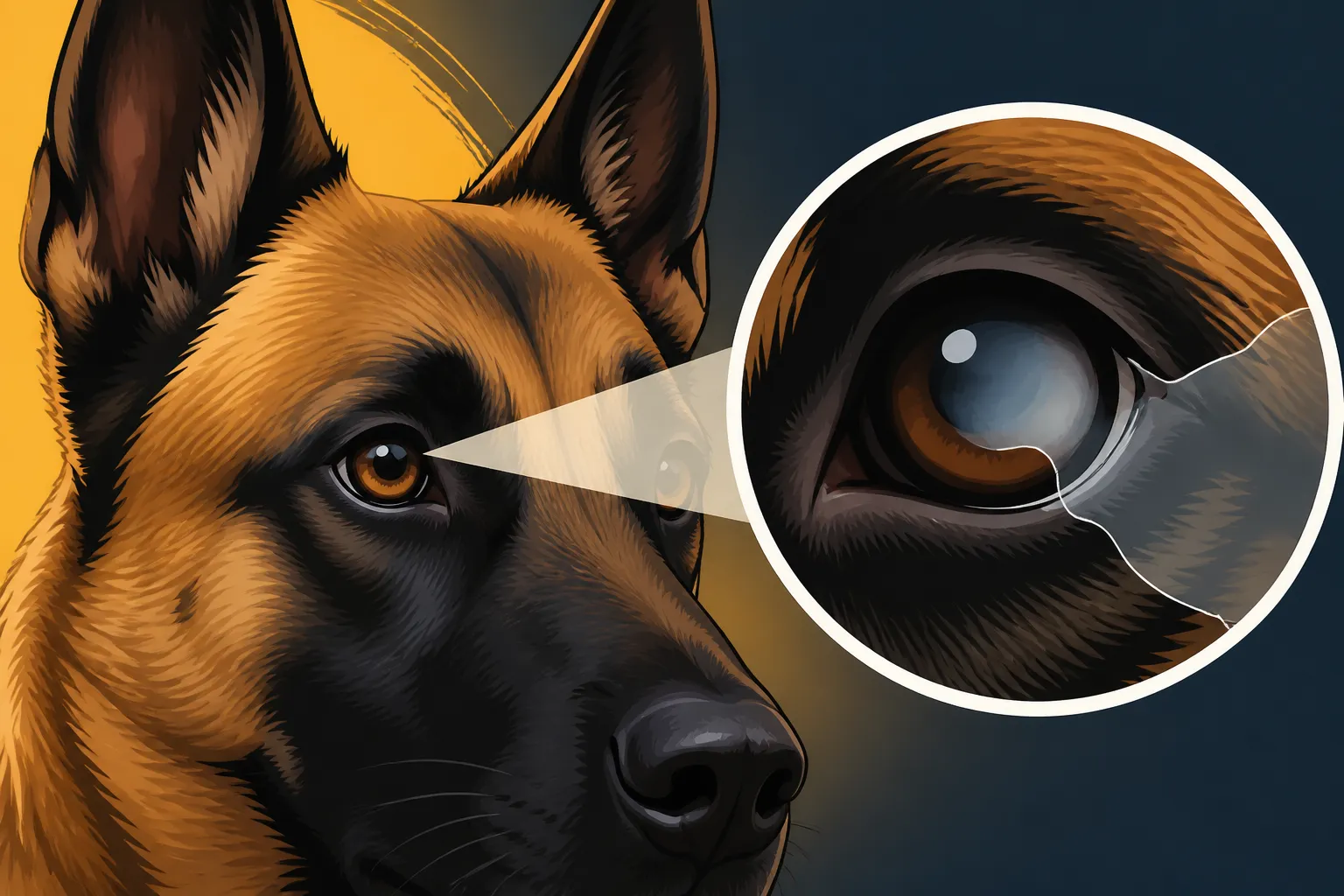
Discovering a grayish film clouding your Belgian Malinois's usually bright, intense eyes can be incredibly alarming. It instantly sparks worry about their vision, comfort, and overall health, feeling like a sudden, unwelcome change to their vibrant spirit. This guide is here to walk you through what that mysterious film might mean, delving into the potential causes, how veterinarians diagnose these conditions, and, most importantly, the treatment options available to help your devoted companion.
When You Notice a Gray Haze in Your Malinois's Eye
That moment when you catch a strange cloudiness in your Malinois's eye, perhaps as they look up at you for their next command, can send a jolt through you. It's not just a minor aesthetic change; for many Malinois owners, it's a profound concern for the health of an animal that gives so much. You might try rubbing it away, hoping it's just dust or sleep, only to realize it's something more persistent, something within the eye itself.
Initial Observations and Why They Matter
When you first spot this grayish film, take a deep breath and try to observe a few key details. Is it in one eye or both? Does it appear on the surface of the eye, or does it look like it's deeper inside the lens? Is the eye red, watery, or does your Malinois seem to be squinting or pawing at it? These aren't just idle observations; they're critical clues that you'll share with your vet, helping them narrow down the possibilities. For instance, a subtle, often bilateral, cloudy appearance that seems to be spreading from the outer corner inward might point to one common Malinois condition, while a more sudden, dense cloud in one eye could indicate something else entirely. Pay attention to when you notice it most – is it worse after time spent outdoors, or is it consistently present regardless of environmental factors?
The Immediate Panic and What It Means
It's completely normal to panic a little when you see something off with your dog's eyes. Our Malinois are so reliant on their sharp senses, especially their vision, for their work, play, and connection with us. The thought of them losing even a fraction of that ability is heartbreaking. That immediate rush of fear often comes from a place of love and responsibility; you want to protect them from discomfort and preserve their quality of life. Many of us have experienced that gut-wrenching feeling of noticing a health change and then falling down the rabbit hole of internet searches, which, while sometimes helpful, can also lead to more anxiety. This isn't the time for self-diagnosis, but rather a prompt call to your veterinarian. Early intervention is often key to managing eye conditions effectively and can make a huge difference in the long-term prognosis for your Malinois.
Demystifying the Gray: Common Causes of Ocular Cloudiness
When we talk about a grayish film in a Malinois's eye, several conditions often come to mind. These aren't always immediately obvious to the untrained eye, but understanding the potential culprits can empower you to ask informed questions at the vet. It's about being proactive and understanding what you might be up against, rather than feeling completely in the dark.
Pannus: The Malinois's Sun-Sensitive Scourge
One of the most common and concerning causes of a grayish, often reddish-pink, film on a Belgian Malinois's eye is a condition known as Chronic Superficial Keratitis, more commonly called Pannus. This is an autoimmune disease where the immune system mistakenly attacks the cornea and sometimes the third eyelid. It typically starts as a reddish-pink lesion, often at the outer or temporal edge of the cornea, and can spread inward, eventually developing a grayish, opaque appearance as blood vessels and pigment invade the clear corneal tissue. It's often worse in dogs exposed to high altitudes or strong UV light, which hits home for many active Malinois. I've heard countless stories from owners whose Malinois suddenly developed this after a summer of outdoor training or moving to a sunny, high-elevation area.
The frustration with Pannus isn't just the visual aspect, but the fact that it's a chronic, progressive condition. It doesn't just clear up on its own. If left untreated, the pigmentation and vascularization can cover the entire cornea, severely impairing or even completely blocking vision. It’s particularly prevalent in certain breeds like German Shepherds and, yes, our beloved Belgian Malinois. The initial signs can be subtle – a bit of redness, increased tearing, or a slight squint – but that tell-tale grayish or brownish-red creep across the cornea is usually what catches an owner's eye. Management is lifelong, and understanding how to effectively address it is crucial, which is why topics like Treating Pannus in a Belgian Malinois for Life are so important for Malinois owners to explore.
Cataracts: More Than Just Old Age
While often associated with aging, cataracts can appear in Malinois of various ages, and they certainly present as a grayish or milky film within the eye. Unlike Pannus, which affects the surface of the cornea, cataracts occur when the lens inside the eye becomes cloudy and opaque. Imagine looking through a frosty window – that's what a dog with cataracts experiences. They can be genetic, develop secondary to other diseases like diabetes, or even result from trauma to the eye. For a high-drive working dog like a Malinois, even slight vision impairment from cataracts can be incredibly debilitating, affecting their ability to perform tasks, navigate obstacles, and maintain their confidence.
The appearance of cataracts can range from small, localized opacities that barely affect vision to complete clouding of the lens, leading to blindness. You might notice your Malinois bumping into things in dim light, hesitating on stairs, or being less confident in unfamiliar environments. It’s important for your vet to determine if they are immature, mature, or hypermature, as this influences treatment recommendations. While not as common as Pannus in younger Malinois, when it does occur, it's a serious concern, and understanding conditions like Cataracts in an Older Belgian Malinois is vital for long-term planning for your companion.
Keratoconjunctivitis Sicca: Dry Eye Syndrome
Another potential cause for a dull, grayish appearance and overall unhealthy look to the eye is Keratoconjunctivitis Sicca, often shortened to KCS or simply "dry eye." In KCS, the tear glands don't produce enough watery tears, leading to a chronically dry eye. Without adequate lubrication, the cornea becomes irritated, inflamed, and susceptible to damage. Over time, this chronic irritation can lead to the cornea appearing dull, hazy, and sometimes even developing a brownish-gray pigment, mimicking other conditions. You might also see thick, stringy mucus accumulating in the corner of the eye, which is a hallmark sign.
Imagine how uncomfortable it would be if your eyes were constantly dry and scratchy – that's what your Malinois is dealing with. The lack of tears can also make the eye more vulnerable to bacterial infections, further complicating the picture. Diagnosis usually involves a Schirmer Tear Test, a simple paper strip placed in the eye to measure tear production. If your Malinois's eyes always seem a bit "off" or have a persistent discharge along with a hazy appearance, KCS needs to be on the radar. It's a condition that often requires lifelong management to keep the eyes comfortable and prevent vision loss, making proper care for things like Tear Production Failing in a Malinois a critical component of their well-being.
Corneal Dystrophies and Other Less Common Issues
While Pannus, cataracts, and dry eye are frequent offenders, there are other, less common corneal conditions that can also result in a grayish film. Corneal dystrophies, for example, are inherited conditions where abnormal deposits of lipids or minerals accumulate in the cornea, leading to varying degrees of cloudiness. These typically don't cause pain or inflammation but can affect vision. They can appear as subtle, often crystalline, gray-white opacities in one or both eyes. While they might sound daunting, many forms of corneal dystrophy do not severely impact vision and may not require treatment, though regular monitoring is important.
Then there are other possibilities like trauma to the eye, which can cause corneal edema (swelling) that presents as a bluish-gray haze, or even severe uveitis (inflammation inside the eye) which can lead to corneal changes and a cloudy appearance. Infections, though typically presenting with more obvious redness and discharge, can also cause corneal clouding. The key takeaway here is that "grayish film" isn't one singular problem; it's a symptom that requires careful investigation by a veterinary professional to pinpoint the exact underlying cause. This is why getting a comprehensive eye exam is crucial, potentially even including aspects covered by The Eye Diseases Behind a Malinois Eye Certificate if you're looking into breeding or just general health screening.
Navigating the Veterinary Diagnosis
Once you've noticed that troubling film, the next, and most crucial, step is a visit to your veterinarian. It’s not enough to simply observe; a professional eye exam is the only way to get an accurate diagnosis. This isn't just a quick peek; a thorough ocular exam involves several specific tests to evaluate all parts of the eye. Don't be surprised if your vet wants to gather a lot of information; they're piecing together a puzzle.
The Initial Exam and Essential Tests
When you bring your Malinois in, your vet will start with a comprehensive physical exam, including a detailed ophthalmic examination. This usually involves using an ophthalmoscope to look closely at the structures of the eye, much like a doctor would examine your eyes. They'll assess for redness, discharge, swelling, and any behavioral signs of pain or discomfort. Crucially, they’ll likely perform a series of standard eye tests:
- Schirmer Tear Test: As mentioned earlier for KCS, this test measures tear production. Small strips of paper are placed in the lower eyelid for one minute to see how much moisture they absorb. It's quick, simple, and gives vital information about tear film quality.
- Fluorescein Stain Test: This test involves placing an orange dye onto the surface of the eye. If there's any corneal ulceration or abrasion, the dye will stick to the damaged area and glow green under a special blue light. This helps rule out surface injuries that could cause cloudiness or mimic other conditions.
- Tonometry: This measures the intraocular pressure (IOP) of the eye. Elevated IOP can indicate glaucoma, while very low pressure might suggest uveitis. Both conditions can lead to corneal cloudiness. This is usually done with a small device that gently touches the cornea.
These initial tests provide a baseline understanding of what's happening. Your vet will combine these results with your observations and your Malinois's history to formulate a working diagnosis. Remember, this initial visit is vital, and having a good pet insurance plan like those offered by Healthy Paws can provide significant peace of mind, knowing that the costs of these diagnostic tests won't be an unexpected burden.
Specialist Referrals When Advanced Care Is Needed
Sometimes, the initial diagnostic tests aren't enough, or the condition is complex. In these cases, your general veterinarian might recommend a referral to a veterinary ophthalmologist. These are highly specialized vets who have undergone extensive additional training in eye diseases. Think of them as the "eye doctors" for animals. They have specialized equipment and expertise to perform more advanced diagnostics, such as:
- Slit Lamp Biomicroscopy: This allows for a magnified, three-dimensional view of the anterior structures of the eye, providing incredibly detailed information about the cornea, iris, and lens.
- Ocular Ultrasound: If the internal structures of the eye are obscured by severe cloudiness (like a dense cataract), an ultrasound can provide images of the retina and other posterior structures, helping to assess the overall health of the eye.
- Electroretinography (ERG): This test measures the electrical activity of the retina in response to light, assessing retinal function, which can be important if vision loss is significant.
Seeing a specialist might feel like an extra step, and frankly, an extra expense, but for complex or rapidly progressing eye conditions, it can be absolutely invaluable. An ophthalmologist can often provide a more precise diagnosis and outline the most effective, cutting-edge treatment plans. This level of care can become costly, and again, having a robust pet insurance plan can be a lifesaver, helping to cover the specialized diagnostics and treatments your Malinois might need. This is also where you might explore resources like What a Malinois Pannus Specialist Visit Costs to understand the financial implications.
Treatment Pathways for a Clearer Future
Once a diagnosis is made, the focus shifts to treatment. It’s important to understand that while some conditions can be cured, many eye diseases, particularly in Malinois, require ongoing management to preserve vision and comfort. Your veterinarian or ophthalmologist will work with you to develop a plan tailored to your dog's specific needs.
Lifelong Management of Pannus
For Pannus, the primary goal of treatment is to control the immune response that causes the corneal changes and prevent further progression. Since it's an autoimmune disease, it often requires lifelong medication. The cornerstone of treatment usually involves topical corticosteroids (like prednisone acetate or dexamethasone) and/or topical immune suppressants (like cyclosporine or tacrolimus). These medications are typically given as eye drops or ointments, often several times a day initially, and then tapered to a maintenance dose once the condition is under control.
Compliance with medication is absolutely critical. Missing doses can lead to flare-ups and disease progression. Many owners find it challenging to administer eye drops to their energetic Malinois, but with patience, positive reinforcement, and sometimes a second set of hands, it becomes part of the daily routine. Environmental management is also key: reducing exposure to UV light by keeping your Malinois indoors during peak sun hours or having them wear Doggles when outdoors can significantly help. This is where articles about Goggles for a Belgian Malinois With Pannus or even understanding Why Altitude Makes a Malinois's Pannus Worse become incredibly practical. Regular re-evaluation by your vet is essential to adjust medication as needed and monitor for any side effects. Remember, a condition like Pannus isn't cured, but it can be very well managed, allowing your Malinois to lead a full, happy life with clear vision. The ongoing nature of this treatment is why resources like Monthly Cyclosporine Costs for a Malinois With Pannus are important for owners to consider.
Addressing Cataracts: Surgical and Non-Surgical Options
The treatment for cataracts depends heavily on their maturity, their impact on vision, and the overall health of your Malinois. For small, immature cataracts that don't significantly impair vision, your vet might recommend simply monitoring them. There are some topical medications marketed to slow progression, but their efficacy is often debated and limited. Antioxidant supplements are sometimes suggested, but again, there's no magic bullet to reverse cataracts without surgery.
For mature cataracts that are causing significant vision loss, the only truly effective treatment is surgical removal. Phacoemulsification, the same technique used in human cataract surgery, involves using ultrasound waves to break up the cloudy lens, which is then removed and often replaced with an artificial intraocular lens (IOL). This is a specialized procedure performed by a veterinary ophthalmologist and can restore excellent vision. However, it's a significant surgery, requiring a careful pre-operative workup to ensure your Malinois is a good candidate and diligent post-operative care, including multiple eye drops for weeks or months. It’s also important to factor in the potential for other conditions, such as The Seizure Disorder Running in Malinois Lines, which could impact suitability for anesthesia, making discussions about Why Anesthesia Needs Discussing Before a Malinois Goes Under crucial. The cost can be substantial, reinforcing the value of pet insurance coverage for such complex interventions.
Replenishing Moisture for Dry Eye
Treating KCS, or dry eye, focuses on stimulating natural tear production and supplementing the tear film to maintain ocular lubrication. The most common treatment involves topical immune suppressants like cyclosporine (Optimmune) or tacrolimus, similar to some Pannus treatments. These medications work to suppress the immune attack on the tear glands, allowing them to produce more natural tears. They are usually given twice daily and can take several weeks to show full effect.
In addition to stimulating natural tear production, artificial tears or lubricating gels are often used to provide immediate comfort and protection to the cornea, especially during the initial treatment phase or if tear production doesn't fully normalize. For severe cases, or if medication is ineffective, a surgical procedure called parotid duct transposition can be considered, where a salivary duct is rerouted to deliver saliva to the eye, acting as a tear substitute. While it sounds drastic, for dogs suffering from chronic, debilitating dry eye, it can be life-changing. As with Pannus, consistent, lifelong medication is key to managing KCS and preventing complications.
Living With and Preventing Ocular Conditions
Receiving a diagnosis for an eye condition in your Malinois can feel overwhelming, but it's not the end of the world. With proper care and vigilance, many Malinois with conditions like Pannus, KCS, or even successfully treated cataracts, can continue to live fulfilling, active lives. The key is embracing a proactive approach to their eye health.
Environmental Protections and Proactive Care
Once your Malinois has an eye condition, especially one sensitive to environmental factors like Pannus, adjusting their routine and environment becomes paramount. For dogs with Pannus, minimizing UV exposure is crucial. This might mean:
- Restricting outdoor time during peak sun hours: Early mornings and late evenings are generally safer.
- Providing ample shade: Ensure your yard or training areas have shady spots for your Malinois to rest.
- Using protective eyewear: Specialized dog goggles (Doggles) can be a fantastic tool for working or active Malinois, shielding their eyes from harmful UV rays, wind, and debris. While it takes some conditioning to get them to accept the goggles, it’s a small investment for long-term eye health.
- Considering altitude changes: If you live in or frequently visit high-altitude areas, be extra diligent with protection, as higher altitudes mean increased UV radiation.
For KCS, keeping eyes clean and free of mucus is important, and ensuring good hydration can generally support tear production. For any eye condition, avoiding dusty or windy environments can reduce irritation. Proactive care also involves being incredibly diligent with prescribed medications. Consistency is the unsung hero of managing chronic eye conditions. Remember that a working Malinois puts a lot of stress on its body, and its eyes are no exception. The cumulative impact of exposure needs to be mitigated.
The Importance of Regular Eye Check-ups
Even after a diagnosis and establishing a treatment plan, regular follow-up visits with your veterinarian or ophthalmologist are non-negotiable. These check-ups allow the vet to:
- Monitor the progression of the disease: Are the medications working? Is the condition stable, or is it worsening?
- Adjust medication dosages: As the condition changes or your Malinois ages, medication dosages might need to be tweaked to maintain optimal control.
- Catch new issues early: Eye conditions can sometimes lead to secondary problems, or completely new issues can arise. Regular exams can identify these before they become severe.
- Assess overall eye health: Beyond the primary condition, a vet will ensure the rest of the eye structures are healthy and free from other problems.
For Malinois, who can be stoic about discomfort, these check-ups are even more vital, as they might not show obvious signs of pain until a condition is quite advanced. Establishing a good relationship with your vet, and perhaps a specialist, means you have a team dedicated to your Malinois’s long-term eye health. It’s also a good idea to consider what types of routine care are beneficial, perhaps even discussing options like the annual bloodwork recommended in The Bloodwork a Working Malinois Should Have Annually to ensure overall health supports ocular health. This consistent vigilance is a cornerstone of responsible Malinois ownership, allowing them to enjoy their vibrant lives with the best possible vision.
Disclaimer
This article is intended for informational purposes only and does not constitute veterinary advice. Always consult with a qualified veterinarian for any health concerns or before making any decisions about your pet's medical care.