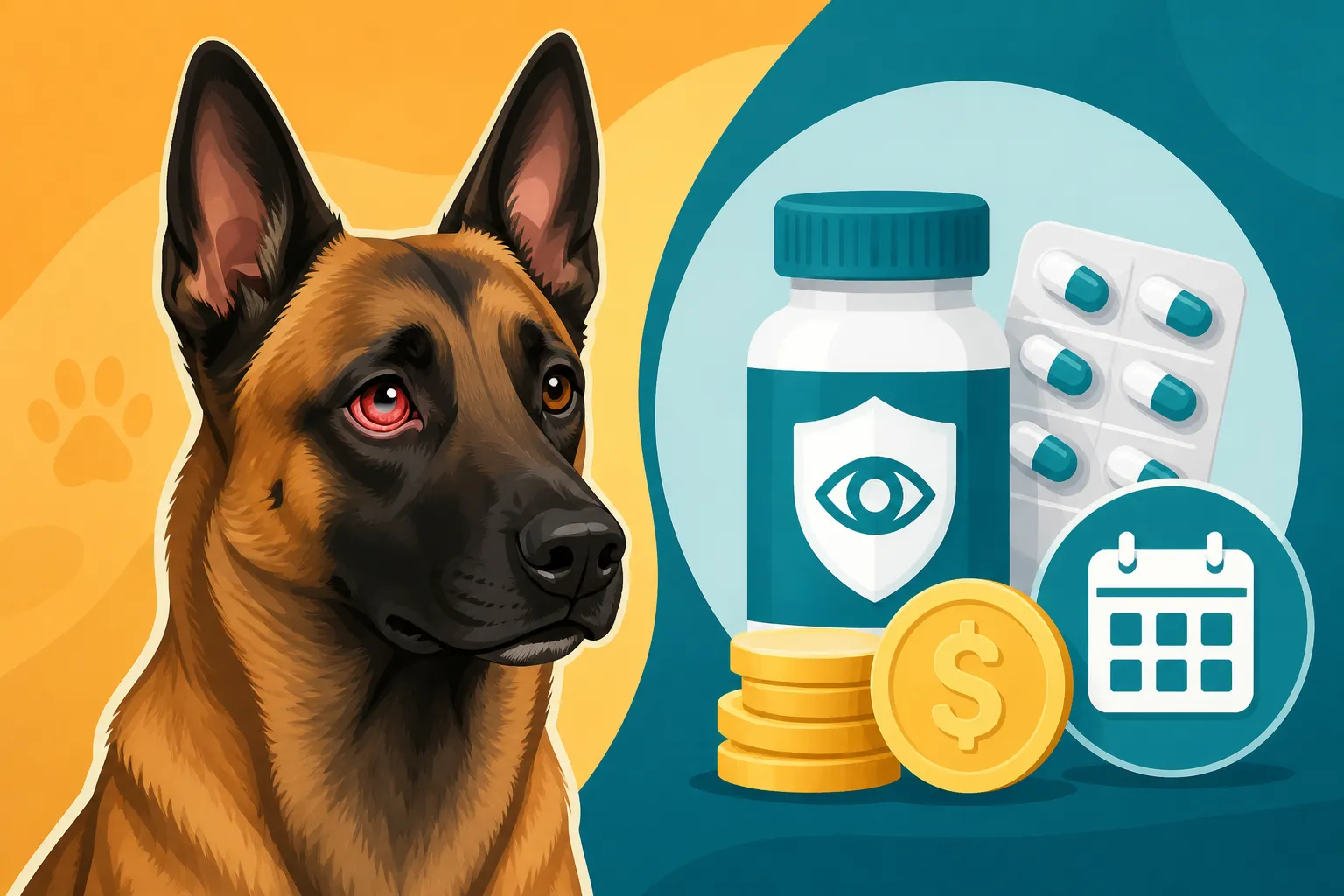
Monthly Cyclosporine Costs for a Malinois With Pannus
Living with a Belgian Malinois, especially one diagnosed with Pannus, can bring a unique set of challenges, not least of which is managing the ongoing cost of their care. When your vet recommends a medication like cyclosporine, it's natural to immediately wonder about the financial commitment involved month after month. This guide is here to break down the ins and outs of the monthly cyclosporine costs for a Malinois battling Pannus, helping you understand what influences the price tag and how you can best manage this crucial part of their health regimen.
Understanding Pannus and Its Lifelong Management in Belgian Malinois
Pannus, officially known as chronic superficial keratitis, is a progressive inflammatory condition affecting the cornea and sometimes the third eyelid of a dog's eye. While it can occur in any breed, Belgian Malinois are particularly predisposed to it, likely due to a genetic component and environmental triggers like UV light exposure. It presents as a reddish-pink, fleshy growth that starts at the outer edge of the cornea and slowly spreads across the eye. Left untreated, this condition can severely impair vision and, in advanced cases, lead to blindness.
The frustrating truth about Pannus is that it's a chronic condition, meaning there's no cure. Instead, it requires lifelong management to control the inflammation and prevent its progression. This means that once your Malinois is diagnosed, you're looking at a commitment to continuous treatment. It’s not a temporary fix; it’s a daily routine that becomes as ingrained as feeding them. This can feel daunting, both emotionally and financially, but with consistent care, many Malinois live comfortable lives with well-managed Pannus. You can learn more about the specifics of this condition by reading Pannus and the Sunlight That Drives It in Malinois.
Because it's a condition driven by sunlight, you'll often find that dogs living in higher altitudes or sunny regions might experience more severe symptoms or an earlier onset. This environmental factor adds another layer of complexity to managing the condition, often requiring not just medication but also protective measures like special goggles or limiting outdoor exposure during peak sunlight hours. Understanding these triggers is key to effective management, which often includes a combination of medication and preventative steps to keep the disease at bay. Our article Treating Pannus in a Belgian Malinois for Life goes into more detail about these strategies.
Cyclosporine: The Cornerstone of Pannus Treatment
When it comes to treating Pannus, cyclosporine is often the first-line defense prescribed by veterinarians. It's an immunosuppressant medication that works by reducing the inflammation and abnormal tissue growth on the cornea. It doesn't cure Pannus, but it effectively manages the symptoms and halts its progression, preserving your Malinois's vision. There are generally two primary forms of cyclosporine used for Pannus: topical eye drops or ointment, and oral medication.
The topical forms are usually preferred because they deliver the medication directly to the affected area with fewer systemic side effects. Your vet might prescribe a specific concentration, like 0.2% or 0.5% cyclosporine drops, or an ointment with a similar strength. Administering these drops daily, sometimes twice a day, becomes a ritual. It’s important to understand that the consistency of application is paramount for effectiveness; missing doses can allow the inflammation to flare up again. For hands-on tips, check out Daily Eye Drops for a Malinois With Pannus.
In more severe cases, or if topical treatments aren't sufficient, some veterinarians might consider oral cyclosporine. This is a more potent systemic treatment but comes with a higher risk of side effects, such as gastrointestinal upset or kidney issues, and typically a significantly higher cost. The decision to use oral cyclosporine is usually made after careful consideration and often involves more extensive monitoring. Most Malinois with Pannus will do well on topical treatments, but it's good to be aware of all options and discuss them thoroughly with your veterinary ophthalmologist.
Factors Influencing Monthly Cyclosporine Costs
The monthly cost of cyclosporine for your Belgian Malinois's Pannus can vary quite a bit, making it tough to pinpoint an exact figure without knowing your specific situation. However, we can look at the main factors that play a role in shaping these expenses. It's not just about the medication itself, but also where you get it and the specifics of your dog's prescription.
Dosage and Concentration
One of the biggest drivers of cost is the prescribed dosage and concentration of the cyclosporine. A Malinois might need 0.2% eye drops, while another could require 0.5% or even 1.0% to keep the Pannus under control. Higher concentrations generally mean higher prices per bottle. The frequency of application also matters; if your dog needs drops twice a day, you'll naturally go through the medication faster than if it's only once daily, meaning more frequent refills and thus a higher monthly outlay. Your vet will tailor this based on the severity of your dog's The Grayish Film Creeping Across a Malinois Eye and how well they respond to treatment.
For instance, a milder case might get by with a lower concentration applied once a day, potentially stretching a bottle for several weeks. A more aggressive case, or one that has progressed significantly, could demand a stronger formulation applied more frequently, leading to a bottle lasting only two weeks. This difference in usage directly impacts your monthly spend. It's not uncommon for vets to start with a standard dose and then adjust it during follow-up visits, which means your initial cost might not be your long-term cost.
Form of Medication: Drops, Ointment, or Oral
As we touched on, topical drops or ointments are the most common and generally more affordable option compared to oral cyclosporine. Topical eye drops are typically dispensed in small bottles, often 5ml or 10ml, and the price per milliliter can be significant. Ointments might come in tubes, offering a different texture and sometimes a slightly longer residual effect, but the cost profile is usually similar to drops.
Oral cyclosporine, if prescribed, represents a much higher cost tier. These are often capsules or liquid forms that are ingested, leading to systemic absorption. Because the entire body absorbs the medication, the dosage needs to be carefully calibrated to your dog's weight, and the amount of active ingredient per dose is much higher than what's needed for a topical application to the eye. This, combined with the manufacturing process for oral drugs, makes it a more expensive route. Thankfully, for most Malinois with Pannus, topical treatment suffices.
Pharmacy and Compounding Costs
Where you fill your prescription can also significantly influence the price. Your local veterinary clinic might stock the medication, offering convenience but sometimes at a premium. Online pet pharmacies, such as Chewy, often provide competitive pricing and the convenience of home delivery for your recurring prescriptions. It’s worth checking various sources to compare prices for your specific medication.
For unique concentrations or specific formulations not readily available, your vet might recommend a compounding pharmacy. These specialized pharmacies custom-make medications to meet individual patient needs. While compounding can be a lifesaver for dogs with specific requirements (e.g., a concentration not commercially available or a flavor for oral medication), compounded medications often carry a higher price tag than mass-produced versions. However, sometimes they can also be a way to get a larger quantity for less, especially if your Malinois requires a very high or unusual dose. Discuss this option with your vet and research local compounding pharmacies to understand their pricing structure.
Here's a simplified comparison of general cost factors:
| Factor | Topical Drops/Ointment | Oral Medication | Compounded Topical | Compounded Oral |
|---|---|---|---|---|
| Typical Cost Range | Moderate to High | Very High | Moderate to High (can vary) | Very High (can vary) |
| Administration | Direct to eye, typically easy | Oral (with food or directly) | Direct to eye, customized | Oral, customized flavor/dose |
| Frequency | 1-2 times daily | 1-2 times daily | 1-2 times daily (as needed) | 1-2 times daily (as needed) |
| Side Effects | Local irritation (rare) | Systemic (GI upset, kidney) | Local irritation (rare) | Systemic (GI upset, kidney) |
| Availability | Widely available | Prescription only, less common | Specialty pharmacy required | Specialty pharmacy required |
Strategies for Managing Cyclosporine Costs Long-Term
The ongoing nature of Pannus means those monthly medication costs can really add up over your Malinois’s lifespan. While you can't eliminate the need for cyclosporine, there are several strategies you can employ to help manage the financial burden and ensure your beloved companion gets the care they need.
Pet Insurance for Chronic Conditions
One of the most effective ways to mitigate the costs of chronic conditions like Pannus is through pet insurance. If your Malinois was enrolled before the diagnosis, many comprehensive pet insurance plans, like those offered by Healthy Paws, will cover a significant portion of prescription medication costs, including cyclosporine. It’s crucial to understand the terms of your policy, including deductibles, reimbursement percentages, and any per-incident or annual limits. Since Pannus is a lifelong condition, it’s considered chronic, and consistent coverage is key.
However, a critical point to remember is that pet insurance typically does not cover pre-existing conditions. So, if your Malinois is diagnosed with Pannus before you enroll in a policy, it’s unlikely that the cyclosporine costs will be covered. This underscores the importance of considering pet insurance when your dog is young and healthy. Still, even with an existing condition, a policy might cover other unrelated illnesses or accidents, which could still offer significant financial relief down the line. To dive deeper into how insurance might help, explore Whether Insurance Covers a Malinois's Pannus Drops and What Pet Insurance Runs on a Working Malinois.
Discount Programs and Online Pharmacies
Beyond traditional pharmacies, many online pet retailers and pharmacies offer competitive pricing on prescription medications. Services like Chewy often have an online pharmacy section where you can upload your vet's prescription and have medications delivered directly to your door. They sometimes offer auto-ship discounts or promotions that can further reduce your monthly expenses. Always ensure that any online pharmacy you use is reputable and requires a valid prescription from your veterinarian.
Another option to consider is whether human pharmacies in your area might carry veterinary-compounded medications or generic versions of cyclosporine at a lower cost, with your vet's approval. Some human pharmacies have pet-specific programs or are willing to fill veterinary prescriptions, which can sometimes be more cost-effective than solely relying on vet clinics. It always pays to ask your veterinarian if this is a viable option for your Malinois’s specific cyclosporine formulation.
Comprehensive Care and Preventative Measures
While cyclosporine is vital, a holistic approach to managing Pannus can indirectly help manage costs by preventing flare-ups and minimizing the need for stronger, more expensive interventions. This includes diligent use of UV-protective gear, such as dog goggles, especially if your Malinois spends a lot of time outdoors or in sunny environments. Protecting their eyes from the sun's harmful rays is a proactive step that can reduce inflammation and potentially keep dosages lower. We discuss protective measures in Goggles for a Belgian Malinois With Pannus.
Additionally, maintaining your Malinois's overall health through a high-quality diet and regular veterinary check-ups can support their immune system and general well-being. While a specific diet won't cure Pannus, ensuring good nutrition from a brand like Ollie, which focuses on fresh, whole ingredients, can contribute to their overall vitality. A healthy dog is often better equipped to manage chronic conditions, and robust health might mean fewer complications that could lead to additional vet visits or medication adjustments. Regular communication with your veterinarian and veterinary ophthalmologist about any changes in your dog's eyes or overall health is also crucial for early intervention and effective long-term management of Eye Care on a Malinois Prone to Pannus.
Long-Term Outlook and Continued Support
Managing Pannus in a Belgian Malinois is undeniably a long-term commitment, both in terms of time and finances. The monthly cyclosporine costs, while varying, are a permanent fixture in the budget for many Malinois owners. This can certainly be a source of stress, especially when unexpected expenses arise, but with proper planning and utilizing available resources, it’s a manageable challenge.
Remember, the goal is to keep your Malinois comfortable and seeing clearly for as long as possible. Consistency with their medication, regular follow-up appointments with your vet or a veterinary ophthalmologist to adjust dosages as needed, and proactive environmental management are all key components. Don't hesitate to openly discuss financial concerns with your vet; they might be able to suggest alternative formulations, offer payment plans, or direct you to assistance programs. The Malinois community is also a great source of support, with many owners sharing their experiences and tips for managing this common condition.
The most important thing is to prioritize your dog's quality of life. Even with chronic conditions, a Belgian Malinois can thrive and enjoy a full, active life when their needs are met. The dedication you put into managing their Pannus, including understanding and planning for the Lifelong Pannus Medication Costs for a Malinois, speaks volumes about the bond you share.
Disclaimer
This article is for general informational purposes only and does not constitute professional advice. Laws, prices and regulations vary by location and change over time. Consult a qualified professional for guidance on your specific situation.