What a Malinois Pannus Specialist Visit Costs
Seeing that cloudy, sometimes reddish film creeping across your beloved Belgian Malinois's eyes can be truly alarming, and it's natural for your mind to immediately jump to concerns about their vision and the specialized care they might need. When it comes to a condition like pannus, or Chronic Superficial Keratitis, understanding the potential costs involved in seeing a veterinary ophthalmologist is crucial. This guide will walk you through the various financial aspects of diagnosing and managing pannus in your Malinois, helping you prepare for what lies ahead.
Understanding Pannus in Your Malinois and Why Specialist Care is Essential
Pannus is a specific type of autoimmune eye disease that is unfortunately quite common in Belgian Malinois, among other shepherd breeds. It’s not just a simple irritation; it’s a progressive condition where the immune system attacks the cornea and sometimes the third eyelid. This leads to the growth of abnormal tissue – pigmented, vascular, and fibrous – that can spread across the eye, eventually impacting vision if left untreated. For many Malinois owners, the first signs can be subtle, perhaps a slight redness or a hazy area that seems to appear out of nowhere.
The frustrating part is that pannus is often exacerbated by ultraviolet (UV) light exposure, meaning that dogs living in sunny climates or spending a lot of time outdoors are often more susceptible or experience more rapid progression. This is particularly relevant for active Malinois involved in sport or working roles, who naturally spend considerable time outside. The disease itself isn't painful in its early stages, which can sometimes lull owners into a false sense of security, but the visual impairment that can result makes timely and specialized intervention incredibly important. You might notice a The Grayish Film Creeping Across a Malinois Eye and wonder what it is.
The Tell-Tale Signs of Pannus in Your Malinois
Recognizing the early signs of pannus can make a significant difference in management and prognosis. Initially, you might observe a grayish or pinkish film beginning at the outer edge (lateral limbus) of the cornea and slowly progressing inward. This film often comes with new blood vessels growing into the clear part of the eye, giving it a somewhat angry, inflamed appearance. Sometimes, you'll also notice pigmentation, which appears as dark brown or black spots, staining the cornea.
Another common manifestation is involvement of the third eyelid, where it can become thickened, reddened, and irregular in texture. This might not be immediately obvious, but a closer look, especially if your Malinois is squinting or rubbing its eyes more than usual, could reveal these changes. It’s important to remember that pannus usually affects both eyes, though one eye might appear worse than the other initially. These symptoms are often more pronounced after periods of intense sun exposure, especially during summer months or if you live at higher altitudes where UV radiation is stronger.
If you are seeing any of these changes, even subtle ones, it's worth a trip to your primary veterinarian. They can perform an initial examination and possibly some basic tests. However, given the nature of the disease and its genetic predisposition in Malinois, a referral to a specialist is often the best next step to confirm the diagnosis and establish a precise treatment plan. Understanding Pannus and the Sunlight That Drives It in Malinois can help you recognize the risk factors.
Why a General Vet Isn't Always Enough for This Condition
While your regular veterinarian is an invaluable partner in your Malinois’s overall health, certain conditions, especially those affecting specialized organs like the eyes, often benefit from the expertise of a board-certified veterinary ophthalmologist. Pannus, being an immune-mediated disease, requires a nuanced approach to diagnosis and a carefully tailored, often lifelong, treatment regimen. A general vet might suspect pannus, but an ophthalmologist has specialized equipment and in-depth knowledge to confirm the diagnosis, rule out other conditions that can mimic pannus, and formulate the most effective long-term strategy.
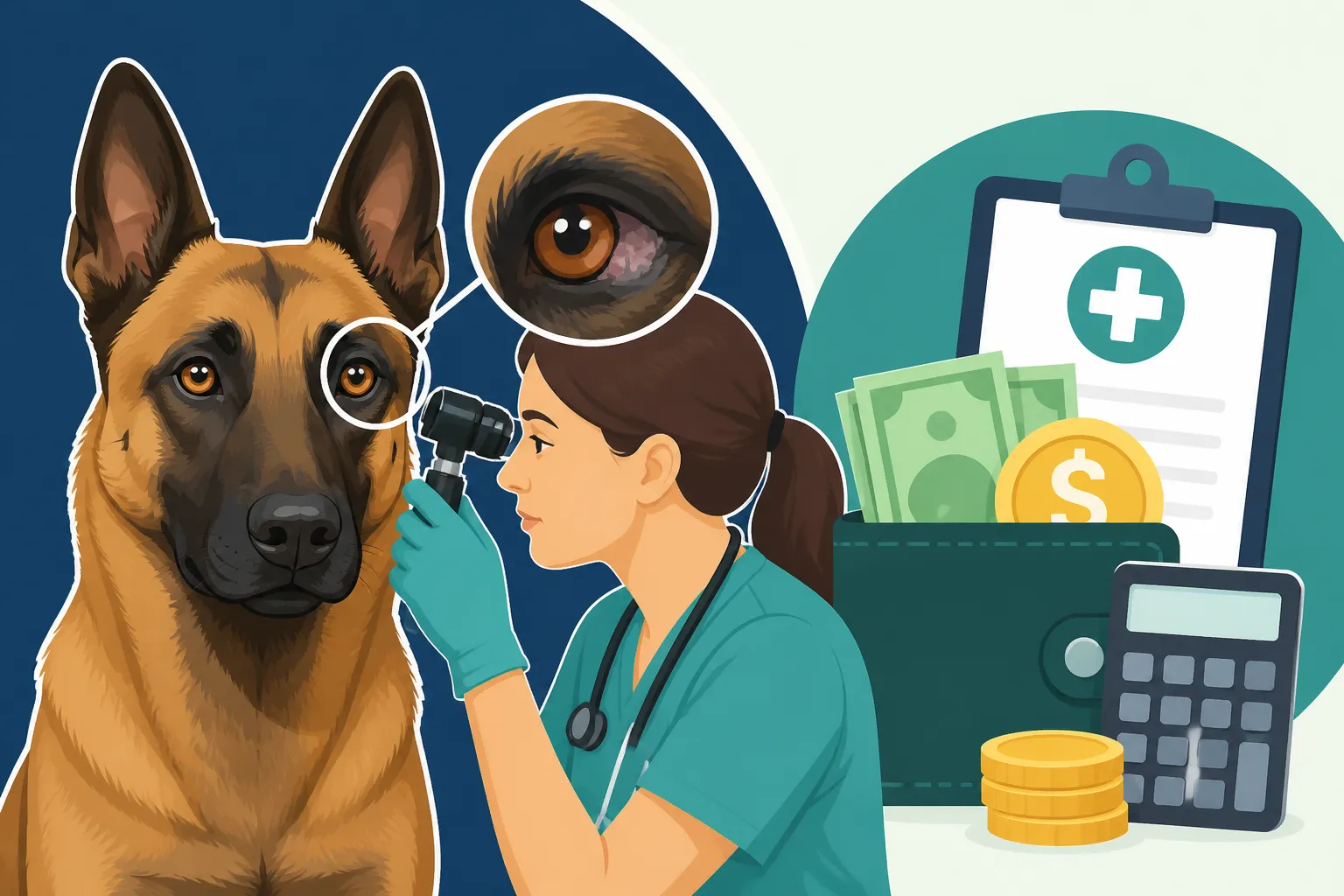
A veterinary ophthalmologist possesses advanced diagnostic tools, such as slit lamps for detailed corneal examination and tonometers to measure intraocular pressure accurately, which are not typically found in a general practice. Their extensive training allows them to differentiate pannus from other conditions like corneal ulcers, dry eye (keratoconjunctivitis sicca), or even early stages of cataracts, all of which require different treatments. Getting a precise diagnosis from a specialist means your Malinois will receive the most appropriate treatment from the outset, potentially saving you time, money, and your dog's vision in the long run.
The specialist can also advise on the nuances of Treating Pannus in a Belgian Malinois for Life, including specific medication dosages, frequency, and how to monitor for side effects or disease progression. They often have access to the latest research and treatment protocols, ensuring your Malinois benefits from the most current and effective care available. For a complex, chronic condition like pannus, their expertise is truly invaluable for maintaining your dog's quality of life and preserving their eyesight.
Breaking Down the Costs of a Veterinary Ophthalmology Consultation
When you consider a specialist visit, it's natural to anticipate a higher cost than a routine vet check-up, and for good reason. Veterinary ophthalmologists have undergone extensive post-doctoral training and internships, often taking years beyond veterinary school, to become experts in eye health. Their clinics are also equipped with highly specialized and expensive diagnostic tools. So, what exactly goes into the cost of that initial specialist visit for your Malinois’s pannus?
The Initial Consultation Fee for a Specialist
The first component you’ll encounter is the initial consultation fee. This fee covers the specialist’s time for a thorough review of your Malinois's medical history, a comprehensive discussion with you about the symptoms and progression, and the initial detailed eye examination. This isn't just a quick peek; it’s an exhaustive evaluation of every part of the eye and surrounding structures, often taking a significant amount of time. The ophthalmologist will assess both eyes, looking for signs of disease, measuring pupil responses, and observing overall eye health.
This initial consultation is critical for establishing a baseline and building the foundation of the treatment plan. The specialist isn't just looking at the obvious signs of pannus; they are also checking for any secondary issues or other underlying conditions that might complicate treatment or affect eye health. For instance, they might check for dry eye, which can sometimes coexist with pannus. The fee reflects this high level of expertise and the dedicated time spent ensuring an accurate diagnosis and a personalized approach to your Malinois's specific needs.
It's helpful to call ahead to the specialist's office to inquire about their current consultation fees. While specific numbers cannot be given, expect these fees to be considerably higher than a standard veterinary exam, reflecting the advanced training and specialized care involved. Some clinics might require a deposit to book the initial appointment, so always clarify those details when scheduling.
Specialized Diagnostic Tests and Their Contribution to Cost
Once the initial examination is complete, the ophthalmologist will likely recommend a series of diagnostic tests to confirm the pannus diagnosis, assess its severity, and rule out any other conditions. These tests are essential for creating an effective treatment plan and monitoring your Malinois’s response to therapy. Each test carries its own cost, contributing to the overall expense of the visit.
Common diagnostic tests for eye conditions include:
- Schirmer Tear Test: Measures tear production to check for dry eye. This is a quick and simple test but crucial, as dry eye can worsen pannus symptoms or require concurrent treatment.
- Tonometry: Measures the pressure inside the eye, which is vital for ruling out glaucoma, another serious eye condition.
- Corneal Staining: Uses a special dye to detect any scratches, ulcers, or other damage to the cornea's surface. While pannus isn't typically ulcerative, concurrent issues can arise.
- Slit Lamp Biomicroscopy: Allows the ophthalmologist to examine the front structures of the eye (cornea, iris, lens) in high magnification and detail, essential for visualizing the subtle changes of pannus.
- Indirect Ophthalmoscopy: Used to examine the back of the eye (retina and optic nerve), ensuring there are no other underlying issues affecting overall eye health.
These tests provide a comprehensive picture of your Malinois's eye health. For example, if your Malinois has a The Eye Diseases Behind a Malinois Eye Certificate, these tests would be part of that thorough screening. The cumulative cost of these specialized diagnostics can be a significant portion of the total bill for the initial specialist visit. Think of these as investments in truly understanding your dog's condition and ensuring the most targeted and effective treatment is implemented.
Hypothetical Breakdown of an Initial Pannus Specialist Visit
To help you visualize the potential costs, let’s consider a hypothetical initial visit. Remember, these are generalized descriptions of cost structures, not actual figures, as prices vary widely.
| Aspect of Visit | Description | Cost Structure Implication |
|---|---|---|
| Initial Exam Fee | Thorough physical and ophthalmic examination by a specialist. | Highest single fee for the visit, reflecting specialist expertise. |
| Schirmer Tear Test | Measures tear production. | Relatively minor additional fee per test. |
| Tonometry (IOP) | Measures intraocular pressure. | Another minor additional fee per eye. |
| Corneal Staining | Checks for corneal abrasions/ulcers. | Small additional fee. |
| Slit Lamp Exam | Detailed examination of eye structures. | Often bundled with the initial exam or a moderate additional fee. |
| Medication Dispensed | Initial supply of prescribed eye drops (e.g., cyclosporine, corticosteroid). | Moderate to significant recurring cost; first month's supply. |
| Follow-up Scheduling | Scheduling the next monitoring appointment. | No direct cost for scheduling, but future visit fees apply. |
This table illustrates that while the consultation fee is substantial, the battery of diagnostic tests and initial medications quickly add to the overall expense. It's not uncommon for an initial specialist visit, including diagnostics and starting medications, to represent a notable upfront investment. Planning for this initial expenditure is key to getting your Malinois the care they need without unnecessary delay.
Managing Ongoing Treatment Expenses and Financial Planning for Pannus
The diagnosis of pannus is often the beginning of a lifelong journey of management. This isn't a condition that typically goes away; it requires continuous vigilance and treatment. This means that the initial specialist visit is just the start of the financial commitment. Understanding and planning for these ongoing expenses is crucial for every Malinois owner.
The Lifelong Cost of Pannus Medications
The primary treatment for pannus involves topical medications, usually corticosteroids and/or cyclosporine eye drops. These medications work to suppress the immune response attacking the cornea and are typically required daily, for the rest of your Malinois’s life. Daily Eye Drops for a Malinois With Pannus become a part of your daily routine. The cost of these medications can be significant, especially over many years.
Cyclosporine eye drops, for instance, can be quite costly, and your Malinois might need them twice a day, every day. Steroid drops might be used in conjunction or during flare-ups. The quantities prescribed will depend on the severity of the condition and the size of your dog’s eyes. While a single bottle might seem manageable, multiply that by twelve months, and then by the potential The Fourteen to Sixteen Years a Belgian Malinois Lives, and you can see how quickly it adds up. It's often worth exploring options like ordering from reputable online pet pharmacies such as Chewy, which can sometimes offer competitive pricing or subscription services for recurring medications.
It's also important to factor in the potential for increased dosage or additional medications if the disease progresses or if your Malinois experiences a flare-up. Regular communication with your veterinary ophthalmologist is vital to ensure optimal medication management, and they might even suggest compounding pharmacies for more cost-effective solutions in some cases. Being prepared for these ongoing Monthly Cyclosporine Costs for a Malinois With Pannus is an essential part of responsible Malinois ownership.
The Role of Pet Insurance in Offsetting Specialist Bills
Given the chronic nature of pannus and the high cost of specialized care and lifelong medication, pet insurance can be an absolute lifesaver. Many pet insurance providers, including Healthy Paws, offer plans that can help reimburse a significant portion of eligible veterinary expenses, including specialist visits, diagnostic tests, and prescription medications for chronic conditions like pannus. The key is often to enroll your Malinois before any signs of pannus appear, as pre-existing conditions are typically not covered.
When researching pet insurance, pay close attention to the deductible, reimbursement percentage, and annual limits. For a chronic condition that requires lifelong management, a plan with a higher reimbursement rate (e.g., 80% or 90%) and a lower deductible can make a substantial difference in your out-of-pocket costs over time. Inquire specifically about coverage for specialist consultations and ongoing medication, like Whether Insurance Covers a Malinois's Pannus Drops.
Even if your Malinois has already been diagnosed with pannus, it's still worth investigating insurance options, although coverage for that specific condition might be limited or excluded. However, pet insurance can still provide peace of mind for future unrelated illnesses or accidents. Proactive enrollment when your Malinois is young and healthy is undoubtedly the best strategy to ensure coverage for unforeseen conditions or chronic issues like pannus.
Planning for Follow-Up Appointments and Potential Complications
Treating pannus isn't a "set it and forget it" situation. Your Malinois will require regular follow-up appointments with the veterinary ophthalmologist to monitor the disease's progression, assess the effectiveness of the medications, and adjust the treatment plan as needed. These follow-up visits are typically less expensive than the initial consultation, as fewer extensive diagnostics might be needed each time, but they are still specialist fees.
The frequency of these follow-ups will depend on the severity of your Malinois's pannus and how well it responds to treatment. Initially, they might be every few months, then possibly annually once the condition is well-controlled. These visits are critical to ensure the disease doesn't worsen silently and that the medications aren't causing any adverse effects. During these appointments, the specialist will likely perform quick tear tests, pressure checks, and a visual assessment.
Beyond routine follow-ups, there's always the possibility of complications or flare-ups. Factors like increased sun exposure or stress can cause the pannus to worsen, requiring additional medication or emergency visits. In rare cases, secondary infections or other eye problems could develop, leading to additional diagnostic tests and treatments. Having an emergency fund or robust pet insurance coverage can help mitigate the financial impact of these unexpected events. When considering The Vet Bills a Bite Sport Belgian Malinois Runs Up, ongoing chronic conditions like pannus should definitely be factored into your budget.
Beyond the Clinic: Long-Term Care and Support for Your Malinois's Eyes
Managing pannus in your Belgian Malinois extends far beyond just the vet visits and medications. It involves creating a supportive environment and making lifestyle adjustments that can help keep the disease under control and preserve their vision for as long as possible. This proactive approach can not only improve your Malinois's comfort but also potentially reduce the severity of flare-ups, which can translate into fewer urgent vet visits and lower overall costs.
Environmental Management and Protective Measures
As UV light is a known trigger and exacerbating factor for pannus, managing your Malinois's exposure to direct sunlight is paramount. This doesn't mean your active Malinois has to become an indoor couch potato, but it does require some thoughtful adjustments to their routine. Training sessions might need to be scheduled for earlier mornings or later evenings, avoiding the harshest midday sun. Providing ample shade in your yard or outdoor kennel is also crucial.
For working or sport Malinois who spend considerable time outdoors, investing in protective eyewear can be a game-changer. Specialized dog goggles, often called "doggles," are designed to block UV rays and can provide a physical barrier against dust and debris, which can irritate already compromised eyes. While an upfront cost, these goggles can be an invaluable tool in preventing flare-ups and protecting your Malinois's vision long-term. Look for durable, comfortable options, as acceptance can take some training. You can find more information about this in Goggles for a Belgian Malinois With Pannus.
Beyond direct sunlight, consider the environment where your Malinois rests and trains. Reflective surfaces like concrete, snow, or sand can bounce UV rays directly into their eyes. Planning outdoor activities strategically, providing shade, and utilizing protective gear are all key components of effective long-term pannus management. This proactive care complements the medical treatment, working hand-in-hand to maintain eye health.
Holistic Support and Overall Wellness
While pannus is primarily an eye condition managed with specific medications, supporting your Malinois's overall health and well-being can contribute to their resilience and potentially help manage chronic conditions. A high-quality diet, consistent exercise, and appropriate stress management all play a role in maintaining a robust immune system. While diet won't cure pannus, a well-nourished dog is generally better equipped to handle chronic health challenges.
Many owners explore diets rich in antioxidants and anti-inflammatory ingredients, though it's always best to discuss any significant dietary changes or supplements with your veterinary ophthalmologist. Brands like Ollie focus on fresh, human-grade ingredients which some owners believe contribute to overall vitality. While not a direct treatment for pannus, ensuring your Malinois is getting optimal nutrition can only support their journey. Similarly, ensuring they are not overweight and maintaining good physical condition can prevent additional stress on their body and immune system.
Routine general veterinary check-ups remain vital to monitor for any other health issues that could impact your Malinois's ability to cope with pannus. Staying on top of dental hygiene, regular parasite prevention, and general wellness can help ensure your Malinois remains as healthy as possible throughout their life. Remember, managing pannus is a marathon, not a sprint, and a holistic approach to care can make all the difference in your Malinois's long-term comfort and vision.
The Importance of Adherence and Long-Term Outlook
The most critical aspect of long-term pannus management is strict adherence to the veterinary ophthalmologist’s treatment plan. Missing doses of eye drops or discontinuing them prematurely can lead to a rapid worsening of the condition, potentially causing irreversible vision loss. It can be challenging to maintain a daily routine for years, but the stakes are high: consistent treatment is what prevents the disease from progressing to a point where Whether Pannus Blinds a Belgian Malinois becomes a real concern.
Your specialist will guide you on how to apply the drops effectively and will likely demonstrate the technique during your visits. Creating a consistent routine, perhaps tying it to meal times or morning/evening walks, can help ensure you don't miss doses. If you struggle with application, don't hesitate to reach out to the clinic for tips or a refresher demonstration. Many owners find that positive reinforcement and making it a calm, routine part of the day helps their Malinois accept the drops more readily.
With diligent treatment and proactive management, most Belgian Malinois with pannus can live full, happy lives with their vision largely preserved. It requires commitment and ongoing financial investment, but the ability to see clearly and continue participating in activities they love is priceless. Don't be afraid to ask your veterinary team questions, seek clarification, and explore all available resources to provide the best possible care for your dedicated companion.
Disclaimer
This article is for general informational purposes only and does not constitute professional advice. Laws, prices and regulations vary by location and change over time. Consult a qualified professional for guidance on your specific situation.