The Eye Diseases Behind a Malinois Eye Certificate
Bringing a Belgian Malinois into your life is an incredible commitment, and part of being a responsible owner means understanding the potential health challenges they might face. One area that often causes a bit of confusion, especially when looking at a puppy's health clearances or considering a breeding prospect, is the "eye certificate." It can feel like just another piece of paper to file away, but truly understanding what it means and the specific eye diseases it screens for is paramount to safeguarding your Malinois's vision and ensuring a long, healthy life free from preventable discomfort.
Understanding the Canine Eye Registry Foundation OFA Eye Exam
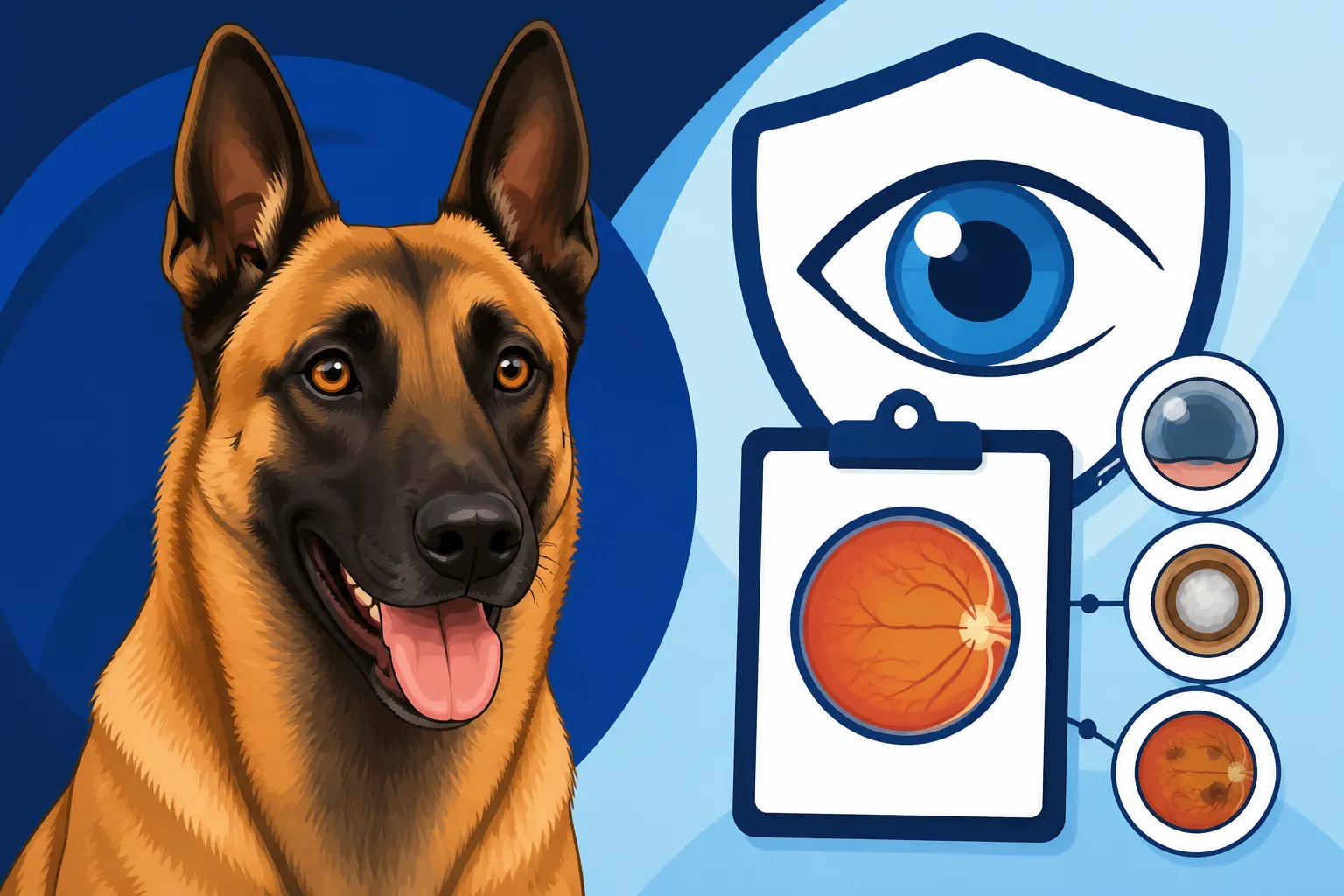
When you hear about an "eye certificate" for a Belgian Malinois, what breeders and knowledgeable owners are generally referring to is an examination performed by a board-certified veterinary ophthalmologist, often recorded with organizations like the Orthopedic Foundation for Animals (OFA) under their Eye Certification Registry (formerly CERF). This isn't just a standard vet check; it's a specialized, thorough evaluation designed to detect inherited eye conditions that can affect many breeds, including our beloved Malinois.
The Purpose of an Eye Certificate for Malinois
The primary purpose of an eye certificate is to identify hereditary eye diseases before they become debilitating or are passed on to future generations. Imagine the heartbreak of watching your energetic, intelligent Malinois start to struggle with vision, perhaps bumping into things or becoming hesitant in familiar environments, only to discover it was a condition that could have been identified much earlier. These certificates act as a crucial screening tool, giving both owners and breeders valuable information. For pet owners, it's peace of mind or, if an issue is found, a head start on management. For breeders, it's an ethical responsibility to ensure they are making informed decisions to improve the health of the breed, helping to prevent diseases from proliferating within bloodlines. A clean eye certificate signals that, at the time of examination, the dog appeared free of detectable inherited eye conditions, which is a fantastic start for any pup's future. This kind of proactive health screening, along with other essential clearances like The Hip and Elbow Numbers Behind a Malinois Clearance, forms the bedrock of responsible breeding and ownership.
What the Exam Itself Entails
The eye examination for a Malinois certificate is a comprehensive process that goes far beyond a quick peek with a flashlight. First, your dog will likely have dilating eye drops administered, similar to what humans get at an optometrist. This allows the ophthalmologist to get a full view of the retina and other posterior structures of the eye. While the drops take effect, the vet will meticulously examine the front of the eye (cornea, iris, lens) using specialized equipment like a slit lamp biomicroscope, looking for subtle abnormalities that aren't visible to the naked eye. Then, once the pupils are fully dilated, they'll use an indirect ophthalmoscope to examine the retina, optic nerve, and vitreous humor. They're looking for any signs of degeneration, inflammation, or structural anomalies. It's a detailed, systematic check of every part of the eye, from the outer lids to the deepest retinal layers, documenting everything they observe. This thoroughness is why it's considered the gold standard for screening inherited eye conditions, and it’s why a good pet insurance plan, like those offered by Healthy Paws, can be incredibly beneficial for covering these specialized vet visits, should a problem be detected.
Who Performs the Examination
This specialized eye examination must be performed by a board-certified veterinary ophthalmologist. These aren't just regular veterinarians; they are vets who have completed extensive additional training, including a residency, and passed rigorous examinations to become specialists in animal eye health. Their expertise is critical because many inherited eye conditions can be incredibly subtle in their early stages and require advanced diagnostic skills and equipment to detect. A general practitioner might be able to spot obvious problems, but identifying a tiny cataract or an early lesion on the retina requires the trained eye of a specialist. When you receive an eye certificate, it should always be signed by a diplomate of the American College of Veterinary Ophthalmologists (DACVO) or an equivalent international certification, ensuring you're getting an expert opinion. This also underlines why it's essential that these certificates are current, especially since conditions can develop over time, which is Why a Malinois Eye Certificate Must Be Renewed periodically.
Common Inherited Eye Conditions in Belgian Malinois
While Belgian Malinois are generally a robust breed, they, like all dogs, can be predisposed to certain inherited eye conditions. An eye certificate is specifically designed to catch these, offering a crucial layer of protection for their sight. Understanding these conditions helps you grasp the importance of those clearances and what a clean bill of health really means.
Progressive Retinal Atrophy PRA
Progressive Retinal Atrophy, or PRA, is a blanket term for a group of inherited degenerative diseases affecting the retina. The retina is the light-sensitive tissue at the back of the eye, akin to the film in a camera. In dogs with PRA, the photoreceptor cells (rods and cones) in the retina gradually break down over time. This typically starts with night blindness, as the rods, responsible for low-light vision, are affected first. You might notice your Malinois becoming more hesitant in dimly lit areas or bumping into furniture at dusk. As the disease progresses, daytime vision also deteriorates, eventually leading to complete blindness.
There are different forms of PRA, with some appearing in puppyhood (early-onset) and others developing later in life (late-onset). For Belgian Malinois, specific genetic tests are available for some forms of PRA, which can help breeders identify carriers and affected dogs. Unfortunately, there is no cure for PRA, but understanding its progression allows owners to prepare and adapt their dog's environment, ensuring they can still live a full life. Recognizing early indicators, such as your Malinois experiencing Night Blindness Setting In on a Malinois, is crucial for early intervention and management planning.
Hereditary Cataracts
Cataracts are another significant inherited eye condition found in Belgian Malinois, where the lens of the eye becomes cloudy, obstructing the passage of light and impairing vision. Unlike the normal age-related lens hardening (nuclear sclerosis) that older dogs experience, hereditary cataracts are genetic and can manifest at various ages, from puppyhood to middle age. The severity can range from small, localized opacities that have minimal impact on vision to complete clouding of the lens, causing total blindness.
Early detection is key, as cataracts can be surgically removed to restore vision, though this is a specialized and costly procedure. A board-certified veterinary ophthalmologist can diagnose the type and stage of cataract, distinguishing hereditary cataracts from those caused by injury, diabetes, or other factors. For breeding dogs, identifying hereditary cataracts is critical to prevent passing on the gene. If your Malinois is experiencing Cataracts in an Older Belgian Malinois, regular monitoring by a specialist is vital to determine if surgery is a viable option to improve their quality of life.
Persistent Pupillary Membranes PPM
Persistent Pupillary Membranes, or PPMs, are congenital abnormalities that occur when remnants of fetal tissue persist in the eye after birth. During fetal development, a vascular membrane called the pupillary membrane covers the pupil. Normally, this membrane completely atrophies and disappears by 4-5 weeks of age. In dogs with PPMs, strands of this tissue remain. These strands can attach from iris to iris, iris to cornea, or iris to the lens.
The clinical significance of PPMs varies widely depending on where the strands attach and their density. Many PPMs are benign and cause no vision impairment. However, if they attach to the cornea, they can cause corneal opacities (cloudiness); if they attach to the lens, they can lead to cataracts; and if they are dense enough to cover the pupil, they can interfere with vision. A veterinary ophthalmologist can grade the severity and location of PPMs during an eye exam. While most don't require treatment, severe cases might necessitate surgery or monitoring. Breeders should be transparent about PPM findings, as even mild cases indicate a genetic predisposition.
Less Common But Significant Eye Issues
Beyond the more frequently discussed conditions like PRA and cataracts, there are other inherited or breed-predisposed eye issues that a thorough ophthalmological examination might uncover in a Belgian Malinois. While these might not be as prevalent, their impact on a dog's vision and comfort can be just as significant, making the comprehensive eye certificate invaluable.
Retinal Dysplasia
Retinal dysplasia refers to an abnormal development of the retina. This condition can range in severity from mild folds in the retina that cause no vision problems (retinal folds) to more severe geographical lesions or even complete detachment of the retina, which can lead to blindness. Retinal dysplasia is typically congenital, meaning puppies are born with it, and it can be inherited. While some forms might be noticed early in puppyhood, others require a specialist's examination.
The good news is that mild retinal folds often don't progress or affect vision significantly. However, more severe forms, especially those involving geographical dysplasia or detachment, can cause significant visual impairment. There's no cure for retinal dysplasia, but diagnosis allows owners to understand their dog's visual capabilities and make appropriate adjustments to their environment. For breeders, identifying any form of retinal dysplasia is critical to avoid perpetuating the condition in future generations, as it's a structural defect present from birth.
Glaucoma Risk Factors
Glaucoma is a painful and potentially blinding condition characterized by increased pressure within the eye. While primary glaucoma (inherited) is not as common in Belgian Malinois as it is in some other breeds like Cocker Spaniels or Beagles, Malinois can still be at risk for secondary glaucoma, which arises from another underlying eye condition, such as advanced cataracts, inflammation (uveitis), or trauma. However, a comprehensive eye exam also looks for anatomical predispositions that could increase the risk of primary glaucoma, such as narrow drainage angles in the eye.
Early detection of increased intraocular pressure (IOP) is vital, as glaucoma is a medical emergency that can lead to irreversible blindness within hours or days if left untreated. Symptoms can include redness of the eye, a cloudy cornea, a dilated pupil, sensitivity to light, and obvious pain (pawing at the eye, squinting, lethargy). While the eye certificate primarily screens for inherited structural defects, the ophthalmologist will also assess eye pressure and look for any signs that could lead to glaucoma down the line. Managing these conditions early can be costly, highlighting the benefit of pet insurance such as Healthy Paws to help alleviate the financial burden of unexpected emergencies.
Distichiasis and Ectopic Cilia
These two conditions involve abnormally growing eyelashes that can irritate the eye.
- Distichiasis occurs when extra eyelashes grow from the meibomian glands along the eyelid margin. These lashes can be soft and harmless, or they can be stiff and rub against the cornea, causing irritation, pain, excessive tearing, corneal ulcers, or even pigmentation of the cornea over time.
- Ectopic cilia are similar but even more problematic. These lashes grow through the conjunctiva (the membrane lining the eyelid) and point directly inwards, rubbing on the cornea. Ectopic cilia are often more painful and cause more significant corneal damage because they are usually stiffer and directly contact the eye's surface.
Both conditions can be hereditary. A veterinary ophthalmologist can identify these errant lashes using specialized magnification. Treatment often involves surgically removing the offending lashes, usually through cryoepilation (freezing the hair follicle) or electroepilation. While not life-threatening, these conditions can significantly impact a Malinois's comfort and vision if left unaddressed, causing chronic irritation or severe corneal damage.
Pannus A Unique Malinois Eye Challenge
Among the various eye conditions that can affect Belgian Malinois, Pannus, also known as Chronic Superficial Keratitis, stands out as a particularly common and challenging one. It’s an immune-mediated disease, meaning the dog's own immune system mistakenly attacks the cornea and/or the nictitating membrane (third eyelid). It’s not just a minor irritation; without proper management, it can severely compromise a Malinois's vision.
How Pannus Develops and Progresses
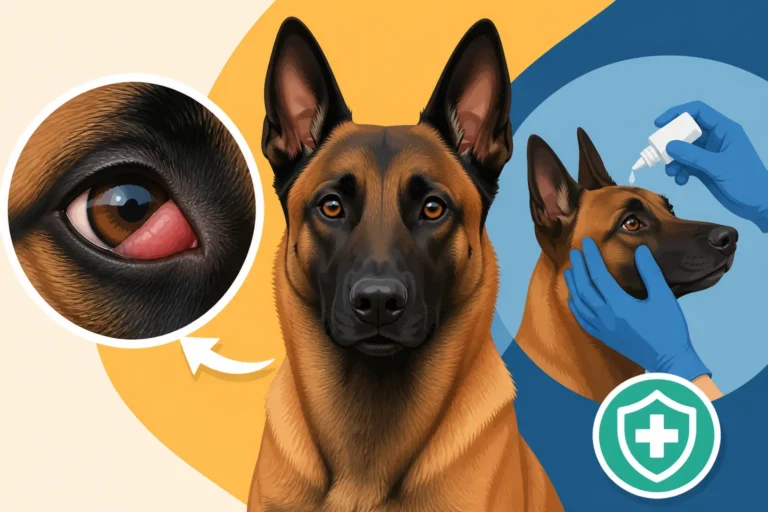
Pannus typically begins as a reddish-pink or gray film or lesion, usually starting from the outer (lateral) corner of the eye and slowly creeping across the surface of the cornea. You might initially notice a slight cloudiness or vascularization (blood vessels growing into the clear cornea), which then becomes more pronounced. If the third eyelid is affected, it can appear thickened, reddened, and irregular.
The progression is generally slow but relentless. As the pannus advances, it brings with it pigment deposition and scar tissue, forming a thick, opaque layer that eventually blocks light from entering the eye. This leads to impaired vision and, in severe, untreated cases, can result in complete blindness. It's a disease that doesn't just appear overnight, and noticing that The Grayish Film Creeping Across a Malinois Eye is a critical early warning sign. The chronic nature means that once diagnosed, it requires vigilant, lifelong management.
The Role of Environment and Genetics in Pannus
While Pannus is clearly an immune-mediated condition with a strong genetic predisposition, environmental factors play a significant role in its onset and severity. The most well-known trigger is ultraviolet (UV) light exposure. Dogs living at higher altitudes or spending a lot of time outdoors in sunny environments are often more severely affected, and their pannus can progress faster. This is why you'll often hear discussions about Pannus and the Sunlight That Drives It in Malinois.
Genetics are undoubtedly a major component; if a Malinois has a genetic predisposition, exposure to UV light acts as a catalyst, exacerbating the condition. Certain lines within the Belgian Malinois breed seem to be more prone to developing pannus than others, underscoring the importance of knowing a dog's lineage and the health history of its parents and grandparents. While you can't change genetics, understanding the environmental triggers allows owners to implement protective measures, like providing ample shade or even considering Goggles for a Belgian Malinois With Pannus during outdoor activities.
Lifelong Management and Prognosis
Unfortunately, there is no cure for Pannus. It is a chronic, lifelong condition that requires continuous management to control its progression and preserve vision. The cornerstone of treatment involves topical corticosteroids and/or cyclosporine eye drops, which work to suppress the immune response that is attacking the cornea. These medications are typically administered daily, sometimes multiple times a day, for the rest of the dog's life.
Consistency is key. Missing doses can lead to flare-ups and renewed progression of the disease. Regular re-evaluations by a veterinary ophthalmologist are also essential to monitor the condition, adjust medication dosages as needed, and ensure the treatments are effective. While it can be a frustrating and costly condition to manage, with diligent treatment, the prognosis for maintaining good vision is generally excellent. Neglecting treatment, however, will almost certainly lead to blindness. This continuous need for medication is a factor many owners consider when looking at pet insurance, as expenses for conditions like these can add up over a dog's lifetime. Treating Pannus in a Belgian Malinois for Life requires dedication, but it's entirely worth it to keep your companion seeing clearly.
Interpreting Your Malinois's Eye Certificate Results
Receiving your Malinois's eye certificate can feel like deciphering a foreign language if you're not familiar with the terminology. Beyond just a simple "pass" or "fail," these documents provide nuanced information that's crucial for both pet ownership and breeding decisions. Understanding what those classifications mean, why re-examinations are necessary, and how they factor into breeding is vital.
Understanding Normal vs. Affected Classifications
An eye certificate from the OFA Eye Certification Registry will typically classify your Malinois as "Normal" or "Affected."
- "Normal" means that, at the time of the examination, the board-certified veterinary ophthalmologist found no observable signs of inherited eye disease according to the current standards for the breed. This is the ideal outcome and offers a significant degree of reassurance regarding your dog's ocular health. It doesn't mean your dog will never develop an eye condition, as some conditions are late-onset, but it means they're currently clear of known inherited issues.
- "Affected" indicates that one or more inherited eye conditions were identified. The certificate will usually specify which condition was found (e.g., "Cataract – presumed hereditary," "PPM – iris to iris"). The severity might also be noted. An "Affected" status doesn't automatically mean a dog is blind or will go blind, but it does mean there's a diagnosed problem that may require monitoring or treatment, and crucially, it signals caution for breeding.
It's important to differentiate between "Affected" (meaning an inherited condition was diagnosed) and "Breeder Option." "Breeder Option" is sometimes used for conditions that are typically very mild, do not affect vision, and may have an uncertain mode of inheritance, allowing a breeder to make an informed decision. Always discuss any non-normal findings thoroughly with both the ophthalmologist and your breeder.
The Importance of Annual Re-examinations
An eye certificate is a snapshot in time, valid only for a specific period, usually one year. This is not because the ophthalmologist doubts their initial findings, but because many inherited eye conditions can be progressive or late-onset, meaning they might not be present or detectable in a young dog but can develop later in life. For example, some forms of cataracts or PRA may only begin to manifest in a Malinois as they approach middle age.
For breeding dogs, annual re-examinations are absolutely critical. A dog that was "Normal" at two years old might develop a hereditary condition by age five, and if bred without updated clearances, could unknowingly pass on that condition. For pet owners, while annual re-examinations might not be strictly necessary if your dog isn't being bred and shows no symptoms, it's still a recommended part of routine preventative care. Conditions like Pannus, once diagnosed, also require consistent monitoring, which highlights why How Far Pannus Progresses in an Untreated Malinois can be devastating, making yearly check-ups even more vital for early detection and continued management.
Using Eye Clearances in Breeding Decisions
Eye clearances are a cornerstone of ethical and responsible breeding. Breeders use these certificates, alongside other health clearances (like those for hips, elbows, and certain genetic diseases such as The Two Ataxia Genes Belgian Malinois Are Tested For), to make informed decisions about which dogs to include in their breeding programs. The goal is to minimize the incidence of inherited diseases and improve the overall health and quality of the breed.
A dog with a "Normal" eye certificate is generally considered suitable for breeding from an ocular health standpoint, assuming all other health clearances are also clear. Dogs diagnosed as "Affected" with an inherited eye disease should generally be removed from breeding programs, or at the very least, mated only with individuals that are proven clear and with careful consideration of the mode of inheritance and potential impact on offspring. Responsible breeders will share these certificates openly, explaining their significance and demonstrating their commitment to producing healthy puppies.
Here's a quick reference table for some common eye conditions in Malinois:
| Condition | Description | Typical Onset | Impact on Vision | Treatment/Management | Hereditary? |
|---|---|---|---|---|---|
| Progressive Retinal Atrophy | Degeneration of retinal photoreceptor cells, leading to night then day blindness. | Variable | Progressive vision loss, ultimately blindness | No cure; environmental adaptation | Yes |
| Hereditary Cataracts | Clouding of the eye's lens, obstructing light. | Variable | Mild to severe vision impairment, potentially blindness | Surgical removal (phacoemulsification) | Yes |
| Persistent Pupillary Membranes | Remnants of fetal blood vessels in the eye. | Congenital | Usually none, but can cause corneal/lens opacities | Often none; surgery for severe cases | Yes |
| Retinal Dysplasia | Abnormal retinal development (folds, detachments). | Congenital | Variable, from none to total blindness | No cure; management of vision impairment | Yes |
| Pannus (CSK) | Immune-mediated inflammation of cornea/third eyelid, with pigment/scar tissue. | Early-mid age | Progressive vision impairment, potentially blindness | Lifelong topical steroids/cyclosporine, UV protection | Yes |
| Distichiasis/Ectopic Cilia | Abnormally growing eyelashes irritating the cornea. | Early-mid age | Irritation, pain, corneal ulcers, tearing | Surgical removal of offending lashes (cryo/electroepilation) | Yes |
| Glaucoma | Increased intraocular pressure. | Variable | Pain, rapid irreversible blindness | Emergency medical/surgical; underlying cause treatment | Primary is Yes, Secondary is No |
Proactive Eye Health Beyond the Certificate
While an eye certificate is an essential baseline, maintaining your Malinois's eye health is an ongoing commitment. Just like we focus on their physical conditioning and mental stimulation, proactive care and vigilance regarding their eyes can prevent minor issues from becoming major problems. It's about being an attentive owner who understands their dog's subtle cues.
Recognizing Early Signs of Eye Trouble
Your Malinois can't tell you directly if their eyes hurt or if their vision is blurry, so it's up to you to be observant. Regular, quick visual checks can go a long way. Look for any changes in appearance:
- Redness: Is the white of their eye (sclera) suddenly pink or red? This can indicate inflammation, infection, or trauma.
- Discharge: Is there excessive tearing, thick mucus, or pus? Clear discharge can be allergies or irritation; thick, colored discharge often points to infection.
- Squinting or Excessive Blinking: This is a clear sign of pain or irritation.
- Cloudiness or Color Change: Any sudden cloudiness, blueness, or a new film over the cornea warrants investigation.
- Sensitivity to Light: If your Malinois is shying away from bright lights, they might be experiencing pain or inflammation (photophobia).
- Paw Swiping or Rubbing: If they're constantly pawing at their face or rubbing their eyes on furniture, something is bothering them.
- Behavioral Changes: Are they bumping into things, hesitant to jump, or startling more easily? This could indicate vision impairment.
If you notice any of these signs, don't delay. A prompt visit to your vet can often prevent a minor issue from escalating into something more serious.
Daily Eye Care and Protection for Your Malinois
Incorporating simple daily or weekly eye care into your routine can help keep your Malinois's eyes healthy.
- Gentle Cleaning: If your Malinois has a bit of clear discharge or "sleep" in their eyes, gently wipe it away with a soft, damp cloth or a sterile saline eye wash solution designed for dogs. Always wipe away from the eye, towards the nose, and use a fresh part of the cloth for each eye to prevent cross-contamination.
- Check for Irritants: Especially if your Malinois spends time training in dusty environments, tall grass, or dense brush, quickly check their eyes afterward for any foreign bodies like grass seeds, dust, or debris. Rinsing Dust From a Working Malinois's Eyes can be a simple preventative step.
- Protection from UV: As discussed with Pannus, protecting your Malinois from excessive UV exposure is crucial. Ensure they have access to shade during peak sunlight hours. For working dogs or those with a history of Pannus, dog goggles designed for UV protection can be a real game-changer when outdoors.
- Avoid Irritants: Keep their head clear of harsh chemicals, shampoos, or sprays. Always protect their eyes when bathing or applying flea/tick treatments near the head.
Nutritional Support for Vision Health
While nutrition alone won't prevent genetic eye diseases, a balanced, high-quality diet plays a supportive role in overall eye health. Certain nutrients are known to be beneficial for vision:
- Omega-3 Fatty Acids: EPA and DHA, found in fish oil, are important for retinal health and have anti-inflammatory properties that can be beneficial for conditions like Pannus.
- Antioxidants: Vitamins C and E, beta-carotene (Vitamin A precursor), lutein, and zeaxanthin help protect eye cells from oxidative damage. These are found in many fruits and vegetables, and some commercial dog foods include them.
- Zinc: Involved in many enzyme systems in the eye and crucial for overall eye function.
Discuss with your veterinarian if your Malinois could benefit from specific supplements, especially if they have a diagnosed eye condition or are getting older. Remember, a whole-food diet rich in variety often provides a broad spectrum of these beneficial nutrients.
When to Seek Veterinary Ophthalmic Consultation
Knowing when to see your regular veterinarian and when to seek the specialized expertise of a veterinary ophthalmologist can make a significant difference in the outcome of an eye condition. Don't hesitate to ask your primary vet for a referral if you suspect an issue beyond their scope.
Urgent Signs Requiring Immediate Attention
Some eye conditions in Belgian Malinois, and dogs in general, constitute a veterinary emergency. If you observe any of the following, seek immediate veterinary attention – either from your regular vet or an emergency clinic, who can then refer you to a specialist:
- Sudden Blindness: If your Malinois suddenly loses vision, appearing disoriented or bumping into objects, this is a severe emergency. Causes can include retinal detachment, sudden acute glaucoma, or optic nerve issues.
- Severe Pain: Intense squinting, holding the eye shut, constant pawing, or extreme sensitivity to touch around the eye. This could indicate a deep corneal ulcer, acute glaucoma, or severe trauma.
- Bulging Eye: If one eye suddenly appears to protrude more than the other, this is a critical sign of increased pressure or a mass behind the eye.
- New, Significant Cloudiness or Redness: While minor redness can be irritation, rapid onset of intense redness, especially combined with cloudiness of the cornea, indicates a serious problem.
- Visible Injury: Any puncture, laceration, or blunt trauma to the eye or eyelid.
In these urgent situations, time is often of the essence to save vision and alleviate pain. Don't wait; get your Malinois seen immediately.
Finding a Board-Certified Veterinary Ophthalmologist
If your general veterinarian suspects a complex eye condition, needs specialized diagnostic equipment, or recommends a consultation, they will typically refer you to a board-certified veterinary ophthalmologist.
You can also find one yourself by checking the directories of organizations like the American College of Veterinary Ophthalmologists (ACVO) if you are in North America, or equivalent bodies in other regions. Look for "DACVO" after their name, which signifies they are a Diplomate of the ACVO.
These specialists have the advanced training, experience, and equipment (like specialized ultrasonography, electroretinography, and surgical microscopes) to diagnose and treat a wide array of intricate eye diseases that a general practitioner might not. Choosing a specialist is always recommended for critical eye care and detailed genetic screenings, as their expertise is unparalleled. Having pet insurance, like Healthy Paws, can be incredibly helpful for managing the costs associated with these specialized consultations and treatments, which can be significantly more expensive than routine vet visits.
Preparing for Your Dog's Eye Exam
When you have an appointment with an ophthalmologist, whether for a routine certificate exam or a problem, a little preparation can make the visit smoother and more productive.
- Gather History: Be ready to provide a detailed history of any symptoms, when they started, how they've progressed, and any previous treatments. This includes information about your Malinois's lineage, if available, especially if you're there for an inherited disease screening.
- Medication List: Bring a list of all medications, supplements, and eye drops your Malinois is currently receiving.
- Previous Records: If you're seeing a new specialist, bring copies of any previous veterinary records related to your dog's eyes.
- Questions: Write down any questions or concerns you have beforehand. It's easy to forget things in the moment.
- Patience: Remember that specialized eye exams, especially those requiring dilation, can take time. Your Malinois might be a little uncomfortable or disoriented from the drops afterward, so plan for a calm ride home.
Disclaimer
The information provided in this guide is for general educational purposes only and should not be considered a substitute for professional veterinary advice. Always consult with a qualified veterinarian or a board-certified veterinary ophthalmologist for any health concerns or before making any decisions related to your Belgian Malinois's health or treatment plan.