Signs a Malinois’s Hips Are Failing Under Load
It's incredibly frustrating, isn't it? You pour your heart and soul into training your Belgian Malinois, seeing them excel in bite work, agility, or even just long, exhilarating hikes, and then you start to notice something's off. A little hesitation, a slight wobble, a drop in enthusiasm that just doesn't feel right for your usually relentless dog. When your Malinois starts showing signs of discomfort or decreased performance, especially when they're working hard, it's a huge red flag that their hips might be struggling under the very load they were bred to carry. This guide will walk you through the subtle and not-so-subtle indicators that your Malinois's hips are failing under load, helping you recognize these crucial signs early.
Understanding Hip Dysplasia and Malinois Mechanics
Belgian Malinois are incredible athletes, built for speed, agility, and powerful bursts of energy. Their lean, muscular frames are designed for intense work, but this high-impact lifestyle also places immense strain on their joints, particularly their hips. Unfortunately, like many large, active breeds, Malinois can be susceptible to hip dysplasia, a genetic condition where the hip joint doesn't form correctly. When a dysplastic hip is put under load – think jumping, hard stops, explosive starts, or even just sustained running – the ill-fitting joint components grind and wear, leading to pain, inflammation, and progressive deterioration.
The issue isn't always immediately obvious, which is part of the challenge. A Malinois is notorious for their high pain tolerance and incredible drive, often pushing through discomfort to complete a task or please their handler. This means the subtle signs of hip trouble can be easily missed or mistaken for other minor aches and pains. It requires a keen eye and deep understanding of your dog's normal movement and behavior to catch these early indicators before they escalate into more severe problems that impact their quality of life and working career.
The Unique Stress on a Working Malinois's Hips
Think about the specific demands placed on a working Malinois. In bite work, they launch themselves at a decoy, absorb impact, and twist their bodies fiercely. In agility, they weave, jump, and make tight turns at high speeds. Even a long day of tracking or herding involves repetitive motion, quick directional changes, and sustained exertion. All of these activities require optimal function of the hip joint, which is a ball-and-socket mechanism designed for smooth, frictionless movement. When the socket is too shallow, the ball isn't seated deeply enough, or there's excessive laxity, these high-impact forces cause micro-trauma, inflammation, and eventually, degenerative changes like arthritis.
This constant stress on an imperfect joint accelerates the progression of hip dysplasia. A Malinois might be able to compensate for a mildly dysplastic hip when they're young and their muscles are strong, masking the underlying issue. However, as they mature and training intensifies, or simply with age, the compensatory mechanisms begin to fail. The very activities that make them thrive—their "job"—become the source of their pain. Understanding The Hip and Elbow Numbers Behind a Malinois Clearance is crucial before you even bring a puppy home, as it can give you an insight into their genetic predisposition.
How Hip Dysplasia Progresses Under Activity
Initially, a Malinois with hip dysplasia might only feel discomfort during or immediately after a particularly strenuous session. You might notice a slightly altered gait when they cool down, or perhaps they're a bit stiff the next morning. However, as the condition progresses, the joint damage becomes more significant. The cartilage, which normally cushions the bones, starts to erode. Bone spurs (osteophytes) can develop around the joint, further limiting motion and causing pain. This is when the signs become more consistent and more apparent, even during routine activities.
The progression is often insidious, meaning it creeps up slowly. It's not usually a sudden collapse, but a gradual decline in function and comfort. The relentless nature of a Malinois means they will try to power through, but their body will eventually send clearer signals. This is why vigilance is paramount. Catching these signs early means you can implement management strategies that could slow the progression and improve their comfort, potentially allowing them to continue some level of activity, albeit modified. For instance, early intervention might include Joint Supplements for a Working Belgian Malinois, which can support joint health before more serious issues arise.
Early Warning Signs of Hip Issues in Working Malinois
Recognizing the subtle cues that your Malinois's hips are struggling under load requires you to be an astute observer of your dog's behavior and movement. These are often not dramatic limps, but rather nuanced changes that, when pieced together, tell a story of discomfort. It’s easy to dismiss these early signs as a momentary awkwardness or a minor muscle pull, especially in such a high-energy breed. However, ignoring them can lead to more significant problems down the line.
One of the first things you might notice is a slight shift in their overall demeanor or willingness to engage in certain activities. They might still be eager to train, but there's a fraction of a second's hesitation before they launch into a sprint, or they might not bring the same explosive power to a jump. Pay close attention to these small, almost imperceptible differences. They are your dog's way of telling you that something isn't quite right.
Subtle Behavioral Changes to Watch For
Your Malinois might start to show slight changes in their attitude towards activities they once loved. They might be less enthusiastic about retrieving a ball thrown far away, or perhaps they're slower to get up from a resting position after a hard session. You might observe them choosing to lie down more frequently during breaks, or taking longer to settle. These aren't necessarily signs of losing drive, but rather an indication that the physical toll is becoming too much.
Another behavioral cue could be an increased sensitivity to touch around their hips or hindquarters. If you usually give them a vigorous rub down after training, they might flinch or shift away when you touch certain areas. They might also start to groom their hindquarters more excessively, licking or chewing at their hips or flanks, which can be an attempt to self-soothe pain or discomfort. Sometimes, the change is incredibly subtle – a slight decrease in the wag of their tail during play, or a less exuberant greeting when you come home, because moving causes a twinge. It's about noticing deviations from your dog's normal, high-octane self.
Physical Cues During and After Activity
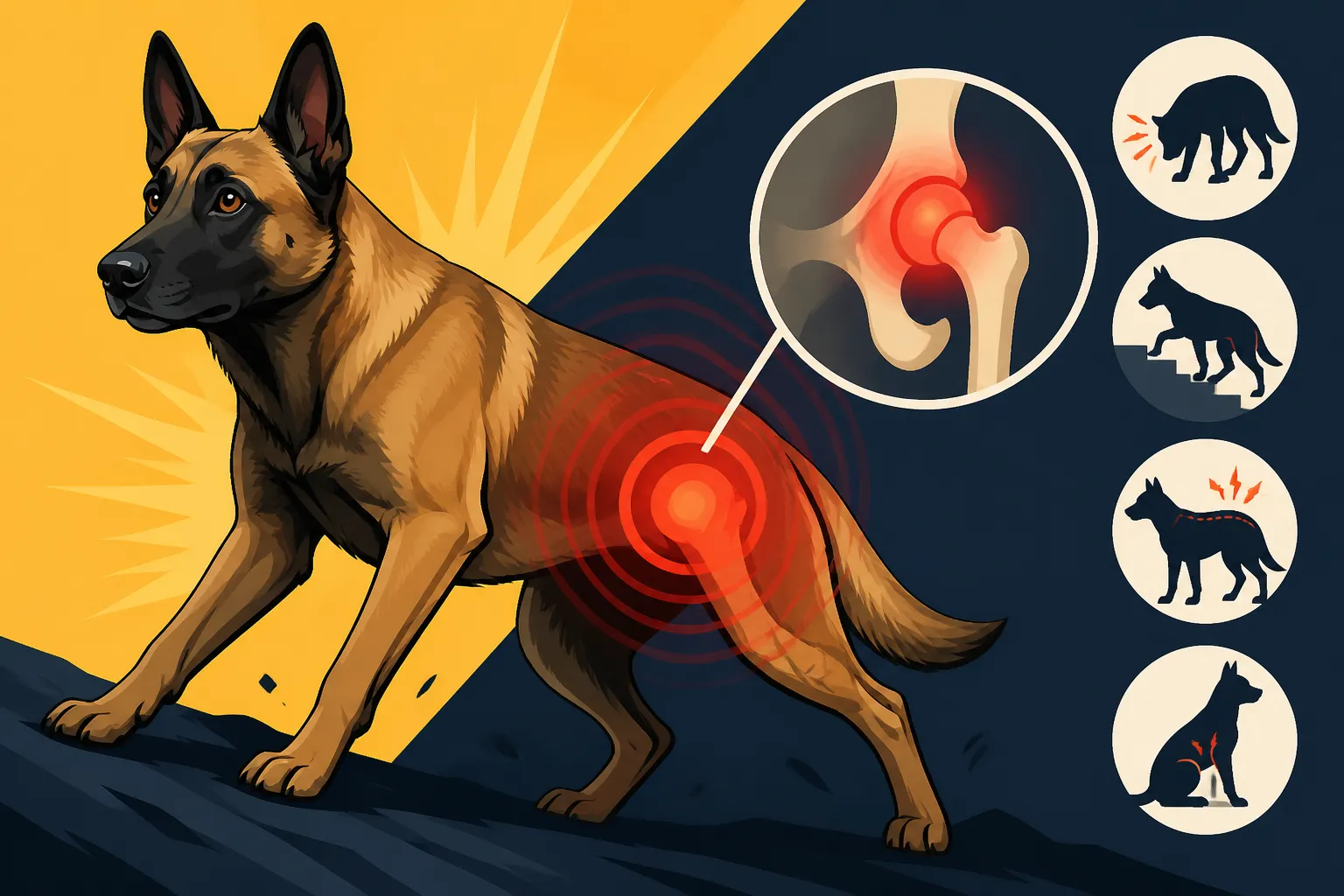
Beyond behavioral shifts, there are definite physical cues you can look for. During activity, a Malinois might display a "bunny hopping" gait when running at top speed, bringing both hind legs forward together rather than striding independently. This is a common compensatory mechanism to reduce stress on the hip joints. You might also notice a decrease in their usual powerful extension of their hind legs, leading to a less efficient stride. They might land awkwardly after jumps, or stumble slightly when making sharp turns.
After activity, stiffness is a significant indicator. They might be reluctant to climb stairs, jump into the car, or get onto furniture. When they do move, their hind end might appear stiff, and their stride shorter. A distinct waddle or swaying of the hips when walking, particularly after they've been lying down for a while, is another warning sign. Pay attention to how they position themselves when lying down – do they avoid lying on their side, preferring to keep their weight off one hip? Even subtle muscle loss in the hindquarters, making one hip look less muscular than the other, can indicate they're favoring one side. Observing The Age a Malinois Is Ready for Final Hip Films can help you understand when to get a definitive assessment of their joint health.
Observing Changes in Gait and Performance Under Load
When a Malinois's hips are starting to fail, the changes in their gait and overall performance during and after working sessions become more pronounced. These aren't just minor aches; they are mechanical deficiencies that directly impact their ability to perform the tasks they love, and that you rely on them for. It's heartbreaking to see a dog that lives for their job begin to struggle, but recognizing these signs is the first step toward getting them the help they need.
The key is to observe them not just walking around the house, but when they are truly pushing their limits. This means during a full-throttle sprint, a complex obedience routine, or a sustained tracking exercise. The "load" aspect is critical – a dog with early hip issues might appear perfectly sound on a leisurely walk but will break down when asked for maximal effort.
Analyzing Movement Patterns During Work
During actual work, pay close attention to the symmetry and fluidity of their movement. A sound Malinois moves with powerful, effortless grace. If their hips are failing, you might notice a less symmetrical gait, with one hind leg not extending as fully as the other. Their topline might seem to sway more excessively, or their tail carriage might change, held lower or stiffer than usual, indicating discomfort. They might also appear to be shifting more weight onto their front end, making their front legs work harder to compensate for the instability or pain in their hips.
Another tell-tale sign is a reluctance or inability to hold certain positions comfortably. For example, in a long down-stay, they might shift their weight frequently or adjust their hind legs, trying to find a pain-free position. When asked to perform a fast drop from a run, they might do so with less precision or a visible grimace. Over time, they may even start to refuse certain maneuvers altogether, not out of stubbornness, but because the physical demand is too great. This is different from The Shifting Limp in a Six Month Malinois, which can indicate other developmental issues.
Impact on Speed, Agility, and Endurance
The most apparent signs of hip issues under load often manifest as a noticeable decline in their performance metrics. That incredible burst of speed they once had might be slightly dulled. They might not be able to maintain high speeds for as long, tiring more quickly than usual. Their agility, which relies heavily on hindquarter power and quick shifts in weight, will likely suffer. You'll see them take wider turns, be slower to change direction, or struggle with jumps they once cleared with ease.
Endurance is also significantly impacted. A Malinois known for going strong for hours might start to flag sooner, requiring more frequent breaks. They might not be able to complete a full training session without showing clear signs of fatigue or discomfort. For a working dog, this decline in capability isn't just a minor inconvenience; it can mean the difference between success and failure in their job, or even their safety. It's a clear signal that their body is no longer able to keep up with the demands of their incredibly active life, and it's time for intervention. If you're seeing a decline in their ability to perform, considering Whether a Malinois Can Still Work is a hard but necessary conversation to have with your vet.
Veterinary Diagnosis and Management Strategies
Once you've observed these worrying signs, the next critical step is getting a professional diagnosis. Don't try to guess or self-diagnose; a qualified veterinarian is essential to confirm hip dysplasia or rule out other conditions that might present similarly, such as The Spinal Disease That Ends a Malinois's Mobility, muscle strains, or even neurological issues. Early and accurate diagnosis provides the best chance for effective management and maintaining your Malinois's quality of life.
Your vet will typically start with a thorough physical examination, palpating the hips, manipulating the joints to check for pain, laxity, and range of motion. They'll also observe your dog's gait and movement. Be prepared to provide a detailed history of your observations, including when symptoms started, what activities trigger them, and how they progress. This information is invaluable to your vet.
Diagnostic Tools Beyond X-Rays
While standard X-rays are the primary diagnostic tool for hip dysplasia, your vet might suggest additional imaging to get a clearer picture. OFA (Orthopedic Foundation for Animals) and PennHIP evaluations are common methods for assessing hip health. OFA involves positioning your dog for specific X-ray views to assess the congruence and depth of the hip joints. PennHIP, on the other hand, uses a specialized technique that measures the actual laxity or looseness of the hip joint, providing a more objective and often earlier assessment of a dog's predisposition to hip dysplasia. Understanding Reading a Belgian Malinois Hip Result can help you interpret these findings.
In some cases, especially if nerve issues are suspected or if the X-rays are inconclusive but symptoms persist, advanced imaging like CT scans or MRI might be recommended. These can provide incredibly detailed images of soft tissues, nerves, and subtle bone changes that might not be visible on standard radiographs. Your vet might also recommend blood tests to rule out inflammatory conditions or other systemic diseases that could be contributing to pain or lameness.
Conservative vs. Surgical Approaches for Active Dogs
The treatment approach for hip dysplasia in an active Malinois typically falls into two categories: conservative management or surgical intervention. Conservative management aims to reduce pain, inflammation, and slow the progression of arthritis without surgery. This often involves a multi-modal approach:
- Weight Management: Keeping your Malinois lean is paramount. Excess weight puts additional strain on already compromised joints. Your vet can help you determine the ideal body condition score for your dog.
- Controlled Exercise: While complete rest isn't usually ideal for an active Malinois, modifying their exercise routine to reduce high-impact activities is crucial. Swimming, underwater treadmill work, and leash walks on soft surfaces can maintain muscle mass without stressing the hips.
- Medications: Non-steroidal anti-inflammatory drugs (NSAIDs) are often prescribed to manage pain and inflammation. Other medications, like gabapentin or amantadine, might be used for neuropathic pain.
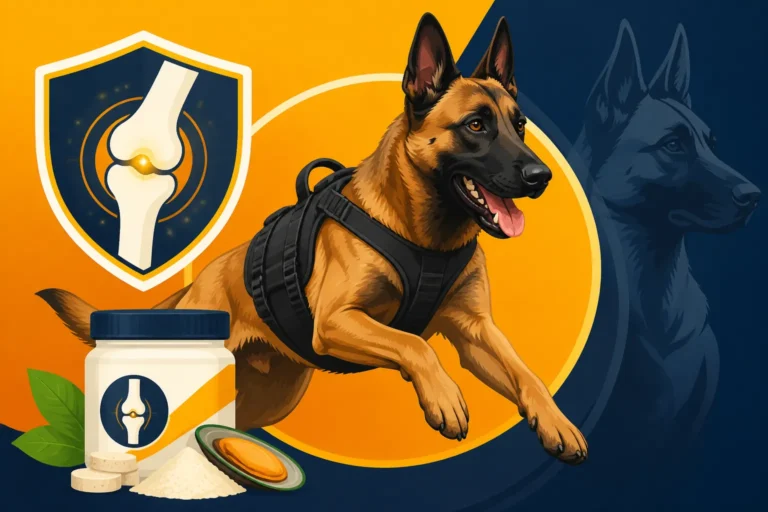
- Supplements: Joint supplements containing glucosamine, chondroitin, MSM, and Omega-3 fatty acids can help support cartilage health and reduce inflammation.
- Physical Therapy: This is incredibly beneficial. A certified canine rehabilitation therapist can develop a tailored program of exercises, massage, laser therapy, and hydrotherapy to strengthen supporting muscles, improve range of motion, and reduce pain. Rehabbing a Belgian Malinois After Knee Surgery can offer insights into the dedication required for similar joint recovery.
Surgical options are typically considered when conservative management is no longer effective or for severe cases. Procedures like Femoral Head Ostectomy (FHO) or Total Hip Replacement (THR) can offer significant relief. THR, replacing the damaged joint with prosthetic components, is often the gold standard for restoring function and eliminating pain in suitable candidates, allowing many dogs to return to a good quality of life, if not full working capacity.
Supporting Your Malinois's Hip Health
Beyond immediate treatment, ongoing support for your Malinois's hip health is essential. This includes regular veterinary check-ups to monitor progression, adjusting medications as needed, and continuing with a controlled exercise regimen. Investing in a good pet insurance plan like Healthy Paws can make a significant difference in your ability to afford diagnostic tests, medications, physical therapy, and even major surgeries. The costs associated with managing hip dysplasia can add up quickly, and having Healthy Paws coverage can provide invaluable peace of mind, allowing you to prioritize your dog's health without financial stress.
Consider working with a canine massage therapist or chiropractor to help maintain muscle balance and reduce secondary pain caused by compensating for hip discomfort. Ensure your Malinois has a comfortable, orthopedic bed to support their joints while resting. Simple modifications around the house, like ramps for cars or elevated food bowls, can also help reduce strain. Being proactive and consistent with these management strategies can greatly improve your Malinois's comfort and extend their active years, making the most of the Keeping a Belgian Malinois Sound Past Twelve challenge. Healthy Paws understands the unique needs of active breeds like the Malinois and can offer comprehensive coverage options that really benefit owners facing these kinds of challenges. It allows you to focus on care, not just cost.
Summary of Hip Dysplasia Signs in Malinois Under Load
To help consolidate the many subtle and overt signs of hip issues, here's a table outlining key indicators to watch for. Remember, your Malinois's immense drive can mask pain, so even minor changes warrant attention.
| Category | Subtle/Early Signs | Advanced/Later Signs |
|---|---|---|
| Movement & Gait | Slight hesitation before jumps/sprints; minor stiffness after rest; reduced hind leg extension. | "Bunny hopping" gait; noticeable limp or sway; reluctance to use stairs/jump into car; shifted weight to front. |
| Performance | Minor drop in speed/agility; slightly quicker to tire; less explosive power. | Significant decline in speed, endurance, agility; refusal of certain maneuvers; struggles with quick changes. |
| Behavioral Changes | Less enthusiasm for favorite activities; taking longer to settle; increased resting. | Increased sensitivity to touch around hips; excessive licking/chewing of hindquarters; apparent pain when moving. |
| Physical Appearance | No obvious changes; perhaps subtle uneven muscle development in hindquarters over time. | Visible muscle atrophy in hindquarters; altered posture; visible waddle. |
This table serves as a quick reference, but always remember that context is everything. What's normal for one Malinois might be a red flag for another. Trust your instincts as an owner; you know your dog best.
Disclaimer
This article is intended for informational purposes only and does not constitute veterinary advice. If you suspect your Belgian Malinois is experiencing hip pain or any other health issue, please consult with a qualified veterinarian immediately. They can provide an accurate diagnosis and recommend the most appropriate course of treatment for your individual dog.