The Shifting Limp in a Six Month Malinois
It's one of the most baffling and, frankly, worrying things to witness: your energetic six-month-old Belgian Malinois puppy suddenly develops a limp, only for it to disappear a few hours later, only to reappear in a different leg entirely. This guide will walk you through understanding what a "shifting limp" means, what common causes might be at play in your growing Malinois, and how to navigate diagnosis and management with your veterinarian.
The Elusive Nature of a Shifting Lameness
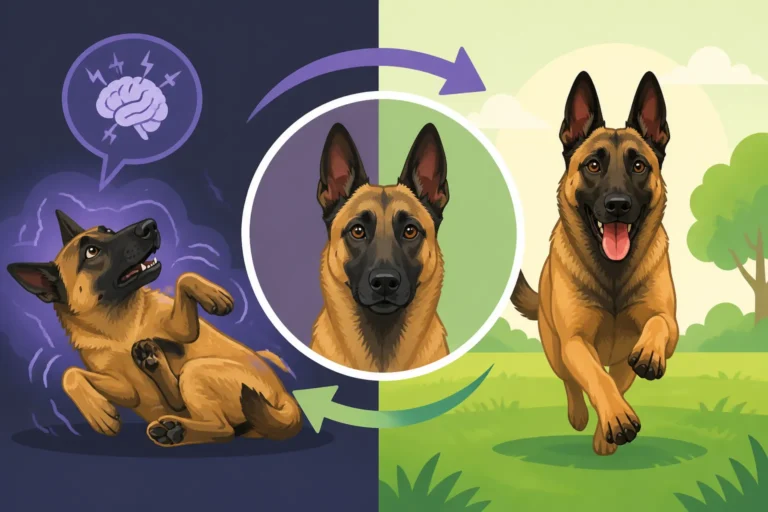
Seeing your high-drive Malinois, typically a whirlwind of motion, suddenly favor a leg can send a wave of panic through any owner. But when that limp seems to play hide-and-seek, moving from one limb to another, it’s even more perplexing. This phenomenon is what veterinarians often refer to as "shifting lameness" or "shifting leg lameness." It’s not just a minor inconvenience; it’s a red flag that something deeper might be going on, especially in a rapidly growing, athletic breed like the Belgian Malinois. The frustration often comes from not being able to pinpoint the problem, or even worse, having it "disappear" just as you get to the vet's office, making you feel like you imagined it all.
Why This Kind of Limp is So Hard to Pinpoint
Unlike a clear-cut injury where a dog might have a visible wound or a consistently sore leg, a shifting lameness means the discomfort isn't fixed to one spot. One day, your Malinois might be holding up a front paw; the next, they're stiff in a rear leg. This inconsistent presentation makes it incredibly challenging to observe, let alone diagnose. You might find yourself questioning if you're overreacting, or if your dog is simply "faking it"—a common thought when dealing with such an intelligent and stoic breed. The cyclical nature can be maddening, making it difficult to even explain properly to your vet because it’s never quite the same story twice.
For a Malinois puppy, who already has boundless energy and a high pain tolerance, these subtle, moving limps can be even harder to catch early. They might try to "work through" the discomfort, only showing obvious signs when the pain becomes significant or after intense exercise. This means owners often don't see the full picture until the issue has been progressing for a while, adding to the anxiety.
The Frustration for Owners and Veterinarians Alike
As an owner, you want clear answers and a path to making your beloved companion comfortable again. A shifting limp denies you both. It’s hard to watch your dog in pain, especially when you feel helpless to identify the source. For veterinarians, too, a shifting lameness presents a diagnostic puzzle. They can't always see what you've observed at home, and the lack of a consistent point of pain means they often need to rely heavily on your detailed observations and a series of diagnostic tests.
Think about it: you spend hours trying to get a video of the limp, only for your Malinois to trot happily into the exam room, looking perfectly sound. This can lead to multiple vet visits, different hypotheses, and a slow, methodical approach to diagnosis that can feel frustratingly protracted. Understanding that this isn't just "normal growing pains" or a simple sprain is the first step, and it often requires a deep dive into developmental orthopedic diseases common in active breeds.
Common Causes for a Shifting Limp in a Six-Month-Old Malinois
When a six-month-old Malinois exhibits a shifting limp, it's crucial to consider several potential underlying issues. Given their rapid growth rate, high energy levels, and genetic predispositions, developmental orthopedic diseases are often high on the list.
Panosteitis: The Classic "Growing Pains"
Panosteitis, often colloquially called "growing pains," is perhaps the most common cause of shifting leg lameness in large, fast-growing breeds like the Belgian Malinois. It typically affects puppies between 6 and 18 months of age, though it can occur earlier or later. Essentially, it's an inflammation of the outer surface of the long bones in the legs.
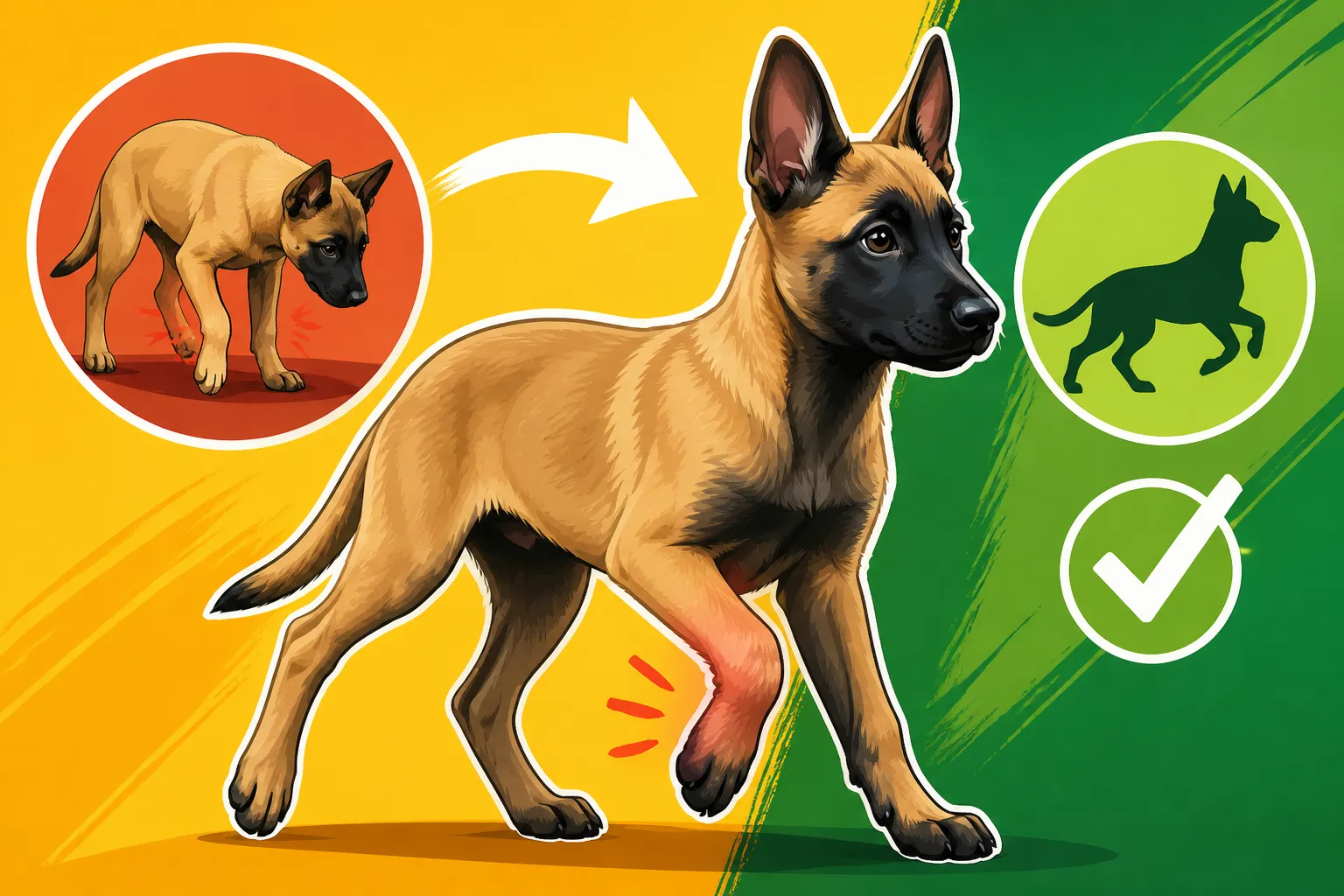
What makes panosteitis unique is its migratory nature. A puppy might limp on one leg for a few days, then appear perfectly fine, only to start limping on a different leg a week later. The severity can range from subtle stiffness to severe, non-weight-bearing lameness. You might notice your Malinois is sensitive to touch along their long bones, or seems reluctant to play as intensely. The good news is that panosteitis is generally self-limiting, meaning it resolves on its own as the dog matures. However, managing the pain and ensuring the pup stays comfortable during flare-ups is essential. Your vet might prescribe anti-inflammatory medications to help, and restricting strenuous exercise can also aid recovery. While it can be distressing, many Malinois puppies pass through this phase without lasting issues.
Osteochondritis Dissecans (OCD)
Osteochondritis Dissecans, or OCD, is another developmental orthopedic disease that can manifest as a shifting or intermittent limp. Unlike panosteitis, which is inflammation of the bone surface, OCD involves a defect in the cartilage lining the joints. Specifically, a piece of cartilage (and sometimes underlying bone) fails to properly integrate with the joint surface, often forming a flap or detaching entirely, leading to pain and inflammation.
Commonly affected joints include the shoulder, elbow, stifle (knee), and hock (ankle). While the shoulder is a frequent site, the lameness can appear to shift if multiple joints are affected or if the dog compensates for pain in one area by overusing another. A Malinois with OCD might show lameness that worsens after exercise or improves with rest, but it may not consistently be on the same limb if the disease is bilateral or if they're compensating. The severity of OCD varies, and some cases require surgical intervention to remove the cartilage flap and prevent further joint damage. Early diagnosis is key here to discuss potential treatment options and ensure the best long-term outcome.
Early Stages of Hip or Elbow Dysplasia
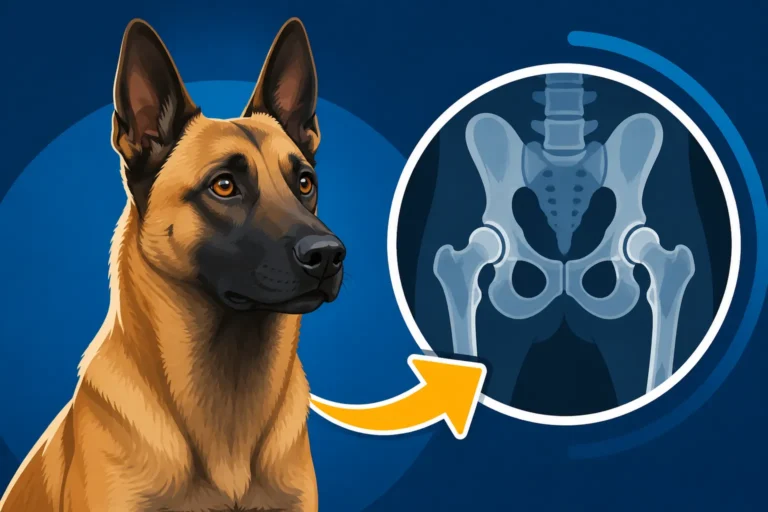
While official health clearances for hip and elbow dysplasia are usually performed once a dog is fully grown, around two years of age (see: The Age a Malinois Is Ready for Final Hip Films), the early stages of these conditions can absolutely cause discomfort and a shifting limp in a six-month-old Malinois. Hip and elbow dysplasia are complex genetic conditions where the joints don't develop correctly, leading to laxity, abnormal wear, and eventually arthritis.
In a young Malinois, hip dysplasia might present as a "bunny hop" gait, reluctance to jump, or difficulty rising. However, if the discomfort isn't severe or is bilateral, the dog might compensate, making it seem like the pain shifts from one rear leg to another, or even causing compensatory front leg lameness. Similarly, elbow dysplasia can cause front leg lameness, which might seem intermittent or shifting if both elbows are affected or if the dog is favoring one over the other at different times. Screening a Belgian Malinois Puppy for Hip Laxity can sometimes offer early indications, but definitive diagnosis often requires X-rays and a thorough orthopedic examination. Understanding Reading a Belgian Malinois Hip Result is crucial for future decisions.
Nutritional Imbalances and Rapid Growth
The "grow fast, grow big" mentality can be detrimental to a Malinois puppy's developing skeleton. Overfeeding, especially with diets too high in calories or calcium, can accelerate growth beyond what their bones and joints are ready for. This rapid growth is a known risk factor for various developmental orthopedic diseases, including panosteitis and OCD.
A diet that pushes a Malinois puppy to gain weight too quickly can put undue stress on immature joints and growth plates, leading to pain and lameness that might appear to shift as different areas become overloaded. For more details on this, you can check out Why Pushing Growth Hurts a Malinois Puppy. It's crucial to feed a high-quality, balanced diet specifically formulated for large-breed puppies, which supports a slower, more controlled growth rate. This isn't about underfeeding, but about avoiding excessive calories that encourage overly rapid growth. Choosing The Food a Malinois Puppy Should Grow On wisely can make a significant difference in their skeletal development and overall health.
Traumatic Injuries and Soft Tissue Strains
Even with their incredible athleticism and resilience, Malinois puppies are still puppies, and prone to minor bumps, twists, and strains. A hard landing from a jump, a slip on slick flooring, or an awkward twist during play can lead to muscle strains, sprains, or bruises. When these minor injuries occur, the lameness might initially be apparent in one limb. However, as the puppy tries to compensate or shifts weight, another area might become sore, creating the illusion of a shifting limp.
These types of injuries can be particularly tricky to diagnose without imaging, as the soft tissues (muscles, tendons, ligaments) don't always show up on standard X-rays. A careful physical examination by a veterinarian is essential to palpate for areas of pain and swelling. While many minor soft tissue injuries heal with rest and anti-inflammatory medication, some might require more specific rehabilitation or even specialist attention if they persist or recur. It's a fine line between a minor sprain and a more significant injury, especially when your Malinois is always on the go.
What to Do When Your Malinois Shows a Shifting Limp
Discovering that your six-month-old Malinois has a shifting limp can be unsettling. The good news is that by taking a methodical approach, you can significantly help your veterinarian diagnose the issue and get your pup on the road to recovery. Panic is a natural reaction, but calm, informed action is far more productive.
Documenting the Lameness and Your Observations
Before you even pick up the phone to call your vet, start documenting everything you can. This might feel obsessive, but it provides invaluable information for diagnosis.
- When did you first notice it? What was your Malinois doing before the limp appeared?
- Which leg (or legs) are affected? Try to be as specific as possible. Is it front left, back right, or does it seem to be all over the place?
- How long does the limp last in each leg? Does it resolve after a few hours, or a few days?
- What makes it worse or better? Does it get worse after play, or first thing in the morning? Does rest improve it?
- Any other symptoms? Is your Malinois eating normally? Are they less energetic overall? Do they seem sensitive to touch anywhere?
- Take videos! This is perhaps the most critical piece of evidence. A short video clip of your Malinois walking, trotting, or even just standing when they are limping can be incredibly helpful for your vet, especially if the limp "disappears" during the appointment. Film them from different angles, and try to get a clear shot of the affected limb if possible.
Keeping a small journal or using your phone's notes app to jot down these observations can be a game-changer. It helps you articulate the problem clearly and confidently to your vet, rather than relying on vague recollections.
Consulting Your Veterinarian for a Thorough Workup
Once you have your observations and videos ready, it's time to call your veterinarian. Be clear that you're observing a shifting lameness. This immediately signals to them that it's likely more than a simple paw injury.
Your vet will perform a comprehensive physical and orthopedic examination. This will involve palpating all the major joints and long bones, checking range of motion, and observing your Malinois's gait. Don't be surprised if they want to see your videos multiple times. Often, this initial exam will lead to recommendations for diagnostic imaging.
- Radiographs (X-rays): X-rays are usually the first step to look for bone or joint abnormalities. They can reveal signs of panosteitis (changes in bone density), OCD lesions (cartilage flaps), or early signs of hip or elbow dysplasia. Your vet might X-ray multiple joints, even if the limp only appears in one, given its shifting nature.
- Bloodwork: Sometimes, blood tests might be recommended to rule out other inflammatory conditions or nutritional deficiencies, although this is less common for primary shifting lameness.
- Advanced Imaging: In some complex cases, if X-rays are inconclusive and the lameness persists, your vet might recommend advanced imaging like CT scans or MRI, especially for intricate joint issues or soft tissue injuries not visible on X-rays. These generally require referral to a specialist.
Be prepared for the possibility that diagnosis might not be immediate. A shifting limp can be elusive, and it may take a combination of physical exams, imaging, and even a period of watchful waiting to pinpoint the exact cause. If you have pet insurance, like a plan from Healthy Paws, this is exactly the kind of situation where it can be a lifesaver, helping to cover the costs of multiple diagnostics and specialist referrals without breaking the bank.
Managing Activity During Diagnosis and Recovery
While you're working with your vet to diagnose the shifting limp, managing your Malinois's activity levels is paramount. It’s a tough ask for a six-month-old Malinois, who still has seemingly endless energy, but controlled exercise is key to preventing further injury and allowing any inflammation to subside.
- Strict Rest: Depending on the suspected cause and severity, your vet might recommend strict rest. This means no running, jumping, or rough play. Leash walks for potty breaks only, and even those might need to be short and controlled.
- Controlled Exercise: For less severe cases, or as part of a recovery plan, controlled exercise might be advised. This typically means short, leashed walks on soft surfaces, avoiding stairs, slippery floors, and high-impact activities. Forget the dog park or off-leash adventures for a while.
- Mental Stimulation: Since physical exercise will be limited, you'll need to double down on mental stimulation. Puzzle toys, training sessions with low-impact commands, and scent work can help burn off some of that Malinois brain power without stressing their joints. This is crucial for preventing frustration and destructive behaviors in such an intelligent and active breed.
For guidance on appropriate activity levels for a growing Malinois, you might find it helpful to read How Much Exercise a Belgian Malinois Puppy Should Get and When a Malinois Puppy's Joints Can Take Impact. Pushing them too hard during this sensitive developmental phase can exacerbate existing conditions or lead to new ones. Patience and consistency in adhering to activity restrictions will be vital for your Malinois's long-term joint health.
Prevention and Long-Term Management
Navigating a shifting limp in your young Malinois is undoubtedly challenging, but proactive steps and a solid long-term management plan can make a significant difference in their health and comfort. Prevention, where possible, is always better than cure.
Appropriate Diet and Exercise for Growing Joints
One of the most powerful tools in preventing developmental orthopedic issues in a Belgian Malinois is providing an appropriate diet and managing exercise correctly during their formative months. As we touched on earlier, feeding a diet specifically formulated for large-breed puppies is non-negotiable. These diets are designed to support a slow, steady growth rate, avoiding the sudden growth spurts that can stress developing bones and joints. Avoid supplementing with extra calcium or phosphorus unless specifically directed by your vet, as this can upset the delicate mineral balance needed for proper bone formation.
When it comes to exercise, remember that a six-month-old Malinois, despite their seemingly endless energy, is still a puppy with developing joints. High-impact activities like intense jumping, long runs on hard surfaces, or excessive force-fetching can put undue stress on growth plates and joints. Structured, controlled exercise is preferable to prolonged, uncontrolled play. Think short, regular walks, mental games, and gradually introducing more strenuous activity as they mature. You can find more insights on this in The Age a Belgian Malinois Can Start Real Conditioning. Until they are fully grown, moderation is your best friend when it comes to physical exertion.
Joint Support and Supplements
For Malinois puppies diagnosed with conditions like panosteitis, OCD, or early-stage dysplasia, or even just as a preventative measure for a highly active breed, your veterinarian might recommend joint supplements. These typically contain ingredients like glucosamine, chondroitin, and MSM, which are believed to support cartilage health and reduce inflammation. Omega-3 fatty acids, often found in fish oil, are also excellent natural anti-inflammatories.
While supplements are not a magic bullet and cannot reverse structural damage, they can play a supportive role in joint health and comfort. Always consult your vet before adding any supplements to your Malinois's diet to ensure they are appropriate and won't interfere with other medications or dietary needs. It's an investment in their future mobility and can be particularly beneficial for dogs whose joints are undergoing significant stress. For more information on supportive care, consider reading Joint Supplements for a Working Belgian Malinois. These proactive steps can make a real difference, and knowing you have a plan in place, possibly supported by a robust pet insurance policy like those from Healthy Paws, can offer peace of mind.
Responsible Breeding Practices
While this doesn't directly prevent issues in your current Malinois, understanding responsible breeding practices is vital for the future of the breed and for prospective owners. Reputable breeders screen their breeding dogs for genetic conditions like hip and elbow dysplasia. This involves obtaining certifications from organizations like the Orthopedic Foundation for Animals (OFA) or PennHIP. These clearances help reduce the likelihood of passing on genes for these debilitating conditions to offspring.
When looking for a Malinois puppy, always ask to see the health clearances of both parents. A breeder who is transparent about their dogs' health, genetic testing results (including for conditions like ataxia, which can also cause gait abnormalities), and takes care to raise puppies on appropriate diets is crucial. Choosing a puppy from well-screened parents significantly decreases the risk of encountering severe developmental orthopedic problems. Learning about The Hip and Elbow Numbers Behind a Malinois Clearance can empower you to make informed choices.
The Role of Pet Insurance
Let's be realistic: vet bills for diagnostic tests, potential surgeries, physical therapy, and long-term medication for orthopedic issues can quickly become substantial. This is where pet insurance, such as a plan from Healthy Paws, really shines. Dealing with a complex, shifting limp can lead to multiple specialist visits, X-rays, possibly CT scans, and even surgery. Having a good pet insurance policy in place before these issues arise can alleviate a significant financial burden.
Pet insurance often covers accidents, illnesses, and unforeseen conditions like developmental orthopedic diseases (provided they aren't pre-existing conditions before you enroll). This means you can make decisions about your Malinois's care based on what's best for their health, rather than being constrained by cost. It offers invaluable peace of mind, allowing you to focus on your dog's recovery without the added stress of crushing medical debt. Especially for a breed as active and prone to certain orthopedic issues as the Malinois, pet insurance is a wise investment in their long-term health and your financial stability.
Disclaimer
The information provided in this guide is for general educational purposes only and should not be considered a substitute for professional veterinary advice. Always consult with a qualified veterinarian for any health concerns or before making any decisions related to your Belgian Malinois's care.