The Hip and Elbow Numbers Behind a Malinois Clearance
The sheer intensity and athleticism of a Belgian Malinois are what draw so many of us to them, but that incredible drive and physical prowess also mean their joints are put through their paces every single day. One of the biggest worries for any Malinois owner or prospective owner is ensuring their dog's structural soundness, and that often boils down to understanding the hip and elbow numbers from health clearances. It can feel like decoding a secret language, full of acronyms and confusing grades, but this guide is here to break it all down, helping you understand exactly what those clearances mean for your beloved Malinois's health and future.
Understanding Canine Hip and Elbow Dysplasia
When you bring a Belgian Malinois into your life, whether for sport, work, or companionship, you're signing up for a dog that thrives on movement. This makes joint health not just important, but absolutely critical. Unfortunately, like many large, active breeds, Belgian Malinois can be prone to certain developmental orthopedic conditions, primarily hip and elbow dysplasia. These aren't just minor aches; they can be debilitating issues that significantly impact a dog's quality of life and career.
What is Hip Dysplasia?
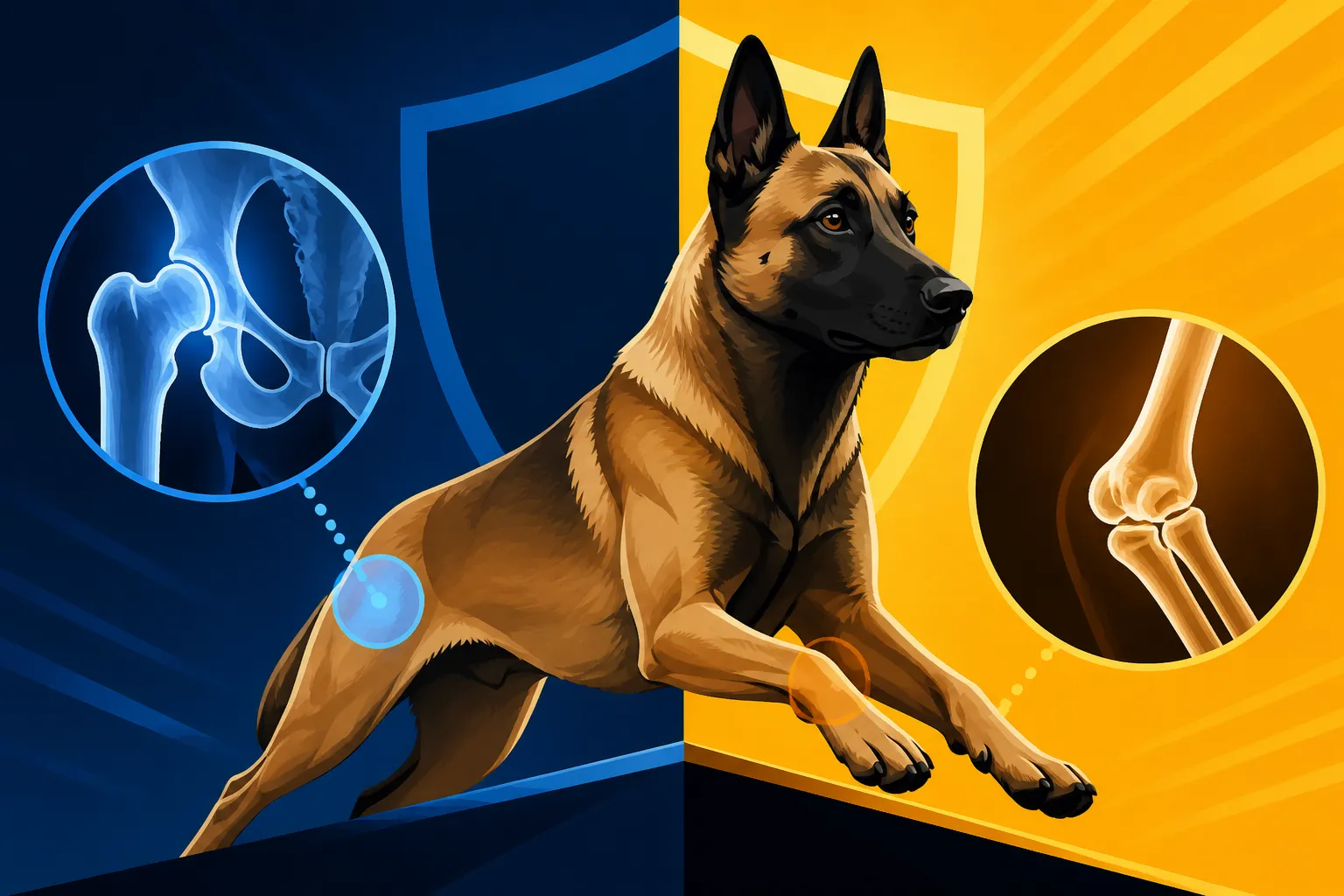
Hip dysplasia is a fancy term for a relatively common and painful condition where the hip joint doesn't form properly. Think of it like a ball and socket joint: the head of the femur (the ball) should fit snugly and deeply into the acetabulum (the socket) of the pelvis. With hip dysplasia, this fit is loose, causing friction and instability. Over time, this abnormal movement leads to degenerative joint disease, often referred to as osteoarthritis, which means chronic pain, lameness, and reduced mobility. It’s a condition influenced by a complex interplay of genetics, nutrition, exercise, and growth rate. You might see a Malinois puppy with a subtle "bunny hop" gait, or an older dog struggling to rise after a nap. This isn't just about breeding stock; it's about the everyday comfort of your active companion.
When a Malinois is affected, the initial looseness in the joint (called laxity) causes the bones to rub and grind against each other. This isn't how joints are meant to work, and the body tries to compensate by laying down new bone, leading to painful bone spurs and further degeneration. Symptoms can range from mild discomfort after exercise to severe lameness. Some dogs will show signs as early as six months, while others might not exhibit clinical signs until they're much older, despite having the condition for years. This latent presentation is why comprehensive screening is so vital.
What is Elbow Dysplasia?
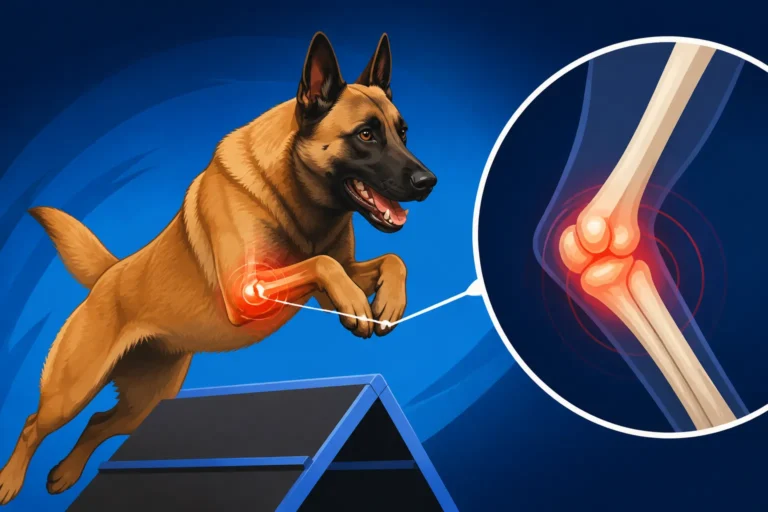
Elbow dysplasia is another developmental orthopedic condition that's actually a collection of four distinct, genetically influenced abnormalities that can occur during a dog's rapid growth phase. These include ununited anconeal process (UAP), fragmented coronoid process (FCP), osteochondrosis dissecans (OCD) of the humeral condyle, and elbow incongruity. All of these lead to abnormal development of the elbow joint, causing pain, inflammation, and eventually degenerative arthritis. Just like with hips, this can severely impact a Malinois's ability to perform, whether that's jumping over obstacles in an agility course or simply enjoying a long hike with their family.
An affected Malinois might show lameness, stiffness in the elbow, a reluctance to bend the elbow, or a visible swelling around the joint. You might notice them "pointing" their paw outwards when standing, or shifting their weight to one side to alleviate pressure on the affected limb. The pain can be particularly noticeable after rest or strenuous activity. Unlike hip dysplasia, which often presents with bilateral (both sides) involvement, elbow dysplasia can be unilateral, affecting just one elbow, though often both are genetically predisposed. The intricacies of the elbow joint mean that even a slight developmental abnormality can have profound consequences on a Malinois's comfort and performance.
Why Joint Health is Paramount for a Malinois
For a breed like the Belgian Malinois, whose very essence is tied to their incredible athleticism, intelligence, and working drive, sound joint health isn't a luxury; it's a necessity. These dogs are built for speed, agility, and endurance. They jump, they climb, they bite, and they run for miles. Imagine a police K9 with hip pain trying to scale a fence, or an IGP dog with elbow issues performing the send-out. It’s not just unfair; it’s impossible for them to do their job and live a full, enriching life. Without healthy joints, their immense mental and physical energy can quickly turn into frustration, leading to behavioral problems, or worse, a life of chronic pain and limited activity.
Beyond their working roles, even a pet Malinois needs robust joints to keep up with their daily demands. A simple game of fetch in the park, a jog with their owner, or a romp with another dog all rely on healthy, pain-free movement. A Malinois that can't move freely is a Malinois that can't be truly happy or fulfilled. Moreover, managing a dog with severe joint issues can be incredibly expensive and emotionally taxing, requiring ongoing veterinary care, medication, and possibly surgery. Proactive screening and understanding these clearances are crucial steps in ensuring a long, active, and comfortable life for these magnificent dogs. This is where organizations like Healthy Paws can truly make a difference, providing financial peace of mind if joint issues do arise despite all precautions.
The Gold Standard: OFA Clearances for Belgian Malinois
The Orthopedic Foundation for Animals (OFA) is perhaps the most widely recognized and utilized system for screening and grading canine joint health in North America. For Belgian Malinois owners and ethical breeders, obtaining OFA certifications for hips and elbows is a fundamental step in ensuring the structural soundness of their dogs and, by extension, the health of the breed. It provides a standardized method for evaluating radiographs, helping to reduce the incidence of debilitating conditions like hip and elbow dysplasia.
The OFA Hip Grading System
The OFA hip grading system is a seven-tier scale, ranging from "Excellent" to "Severe," based on evaluations of a single ventrodorsal (VD) radiograph of the dog's hips taken when the dog is at least 24 months old. Three independent board-certified veterinary radiologists assess the films, looking at specific criteria like conformation, joint laxity, and the presence of degenerative changes.
Here’s a breakdown:
- Excellent: Superior hip conformation compared to other dogs of the same breed and age. Deep-seated femoral heads, tight joint spaces. This is the ideal.
- Good: Well-formed hip joint conformation, with slightly less congruity than Excellent. Considered healthy and functional.
- Fair: Passable hip conformation, with some minor irregularities. Still considered within the normal range, but might have slightly shallower sockets or minor laxity. Many otherwise sound working dogs will grade Fair.
These top three grades (Excellent, Good, Fair) are all considered within the "normal" category and receive an OFA certification number. This means the dog is considered free of hip dysplasia at the time of the radiograph and is eligible for breeding if other health and temperament criteria are met.
Below these, we enter the dysplastic range:
- Borderline: These hips have some suspicious changes, but not enough to definitively diagnose dysplasia. The recommendation is usually to retake films in 6-8 months, as the changes might progress or resolve.
- Mild Dysplasia: Definite evidence of hip dysplasia, with noticeable subluxation of the femoral head and minor degenerative changes. The joint is clearly loose.
- Moderate Dysplasia: Significant subluxation, shallow acetabula, and noticeable degenerative changes. The dog likely experiences discomfort and limited function.
- Severe Dysplasia: Marked evidence of dysplasia, with severe subluxation, flattening of the femoral head and acetabulum, and extensive degenerative changes. These dogs are typically in chronic pain and severely lame.
Understanding these grades is crucial for breeders aiming to improve the breed and for buyers looking for puppies from healthy lines. A breeder who proudly shows you "Fair" hips is still presenting a healthy dog; anything below that, and you're entering risky territory.
Decoding OFA Elbow Grades
The OFA elbow grading system is much simpler, essentially a pass/fail system with degrees of failure. Again, radiographs are taken at 24 months of age or older and evaluated by three radiologists.
- Normal: This is the only passing grade. The elbow joints show no evidence of dysplasia or degenerative joint disease. These dogs receive an OFA certification number for their elbows. This is the goal for any breeding Malinois.
- Elbow Dysplasia Grade I: Mild degenerative changes or evidence of minimal bone spurs (osteophytes) of less than 2mm. This indicates early, mild elbow dysplasia.
- Elbow Dysplasia Grade II: Moderate degenerative changes, with osteophytes ranging from 2-5mm. The dysplasia is more evident and likely causes discomfort.
- Elbow Dysplasia Grade III: Severe degenerative changes, with osteophytes greater than 5mm, severe joint incongruity, or bone lysis. This indicates advanced and often painful elbow dysplasia.
Any grade from I to III means the dog has elbow dysplasia and should not be used for breeding. These grades also help owners understand the severity of the condition and guide treatment plans. If you're buying a Malinois puppy, asking for both parents' OFA hip and elbow clearances is a non-negotiable step. Seeing "Normal" for elbows on both sides gives you significant peace of mind that you're minimizing the genetic risk for your future companion.
The Importance of Parent Clearances
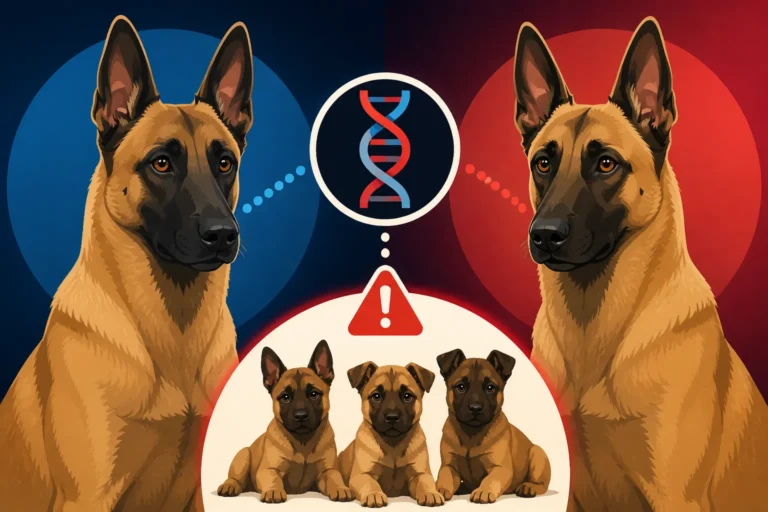
For any prospective Belgian Malinois owner, examining the health clearances of the puppy’s parents, and even grandparents, is absolutely paramount. It's the strongest indicator you have of the genetic predisposition for certain health issues. A responsible breeder will not only provide proof of OFA (or PennHIP) clearances for the sire and dam but will be transparent about the grades received. They understand that while good clearances don't guarantee a puppy will be free of all issues, they significantly stack the odds in your favor.
Think about it: if both parents have "Excellent" or "Good" hips and "Normal" elbows, the likelihood of their offspring inheriting severe dysplasia is greatly reduced compared to a pairing where one or both parents have lower grades or, worse, haven't been screened at all. Good breeders delve even deeper, looking at the entire pedigree – siblings, aunts, uncles – to get a clearer picture of the overall joint health within their lines. Don't be shy about asking to see these certificates; a reputable breeder will be proud to share them. This due diligence ensures that the effort and investment you put into a Belgian Malinois from a young age are built on a foundation of sound health.
Beyond OFA: Exploring PennHIP for Comprehensive Assessment
While OFA is widely recognized, another significant player in canine hip evaluation is PennHIP. Developed at the University of Pennsylvania Hip Improvement Program, PennHIP offers a different, and in many ways, more precise method for assessing hip joint laxity, even in younger dogs. It’s not just an alternative; it's a valuable complementary tool that provides a deeper understanding of a dog's hip health.
How PennHIP Works: Distraction Index
PennHIP’s approach is fundamentally different from OFA. Instead of a single VD view, PennHIP requires three specific radiographs, taken under sedation:
- Distraction View: This is the cornerstone of PennHIP. The dog's hips are gently pushed apart using a specialized device, measuring the maximum laxity or looseness of the hip joint. This measurement is called the Distraction Index (DI).
- Compression View: This view shows how tightly the hip joint components fit together when compressed.
- Hip Extended View: Similar to the OFA view, this radiograph shows the standard anatomical position of the hips.
The Distraction Index (DI) is the star of the show here. It's a numerical value, ranging from 0 to 1, with 0 indicating no laxity and 1 indicating extreme laxity. A lower DI number means tighter hips, which is desirable. What makes the DI so powerful is its ability to quantitatively measure hip laxity, which is a strong predictor for the development of hip dysplasia later in life. This allows veterinarians to assess hip quality even in puppies as young as 16 weeks, long before OFA's 24-month requirement. This early assessment can be incredibly valuable for breeders planning future litters or for owners wanting an early prognosis for their working prospect.
For example, a DI of 0.30 means the hip joint can be distracted by 30% of the radius of the femoral head. Generally, dogs with a DI of 0.30 or lower have a very low risk of developing hip dysplasia, while those with a DI over 0.70 are at high risk. PennHIP then compares your dog's DI to the average DI of other dogs within the same breed, giving you a percentile ranking. This percentile is key: a dog in the 70th percentile means its hips are tighter than 70% of other Belgian Malinois in the PennHIP database.
Interpreting PennHIP Scores
PennHIP scores are provided as a single Distraction Index for each hip (though usually, they are very similar), along with a percentile ranking relative to the breed. This percentile is critical for interpretation, as what might be considered a "tight" hip in one breed could be considered "average" in another.
Let's break down the percentile ranking:
- 90th – 100th percentile: These dogs have exceptionally tight hips, much better than the vast majority of their breed. These are highly desirable for breeding programs aiming to significantly improve hip health.
- 50th – 89th percentile: These dogs have hip laxity better than average for their breed. A dog in the 70th percentile, for instance, has tighter hips than 70% of Malinois tested. These are generally considered good candidates for breeding, especially if paired with a dog with even tighter hips.
- 0th – 49th percentile: These dogs have hip laxity that is average or worse than average for their breed. While a dog in the 30th percentile might not necessarily develop clinical hip dysplasia, breeding from such an animal is generally discouraged if the goal is to improve the breed's hip health.
The key advantage of PennHIP is its quantitative nature, offering objective data rather than subjective grading. It helps breeders make more informed decisions by identifying dogs with tighter hips that are less prone to developing dysplasia. For a Belgian Malinois owner, understanding this index means you can talk to your breeder about their specific PennHIP scores and what they mean for your puppy's lineage. It’s another layer of security for investing in a highly active companion, potentially saving you from future heartbreak and vet bills.
The Benefits of Combining OFA and PennHIP
While both OFA and PennHIP are excellent tools, they offer different pieces of the puzzle when it comes to assessing a Belgian Malinois's joint health. Many discerning breeders and veterinarians advocate for using both methods, especially for critical breeding stock, to get the most comprehensive picture possible.
- OFA provides a qualitative assessment of hip conformation and screens for elbow dysplasia. It's a widely accepted standard, familiar to most veterinarians and popular in breed registries. Its grading of "Excellent, Good, Fair" is easy to understand, and its elbow evaluation is straightforward.
- PennHIP provides a quantitative measurement of hip laxity, a direct indicator of hip dysplasia risk. Its ability to test younger dogs is a significant advantage, allowing for earlier breeding decisions and prognosis. However, PennHIP does not assess elbows, which is a crucial area for an active breed like the Malinois.
Combining both methods essentially gives you the best of both worlds. A breeder might get PennHIP scores for their young Malinois to make early decisions about their potential breeding stock, then follow up with OFA hips and elbows at 24 months for the official, widely recognized certifications. This dual approach covers all bases: measuring actual laxity (PennHIP) and thoroughly evaluating joint conformation and elbow health (OFA). For a breed that demands so much from its physical structure, like the Belgian Malinois, leaving no stone unturned in joint health assessment is simply good practice. It's a testament to a breeder's commitment to producing sound, healthy dogs. When considering the long-term health of your high-drive companion, especially with potential costs, it's reassuring to know there are insurance options like Healthy Paws that can help with unexpected joint issues.
| Feature | OFA Hip Evaluation | PennHIP Hip Evaluation |
|---|---|---|
| Minimum Age | 24 months for final certification | 16 weeks |
| Views Taken | 1 (Ventrodorsal Extended) | 3 (Distraction, Compression, Hip Extended) |
| Primary Metric | Subjective radiographic grade (Excellent, Good, Fair, etc.) | Objective Distraction Index (DI) and percentile ranking |
| Assessment Focus | Overall hip conformation, presence of degenerative disease | Quantifies hip joint laxity, predictor of DJD |
| Elbow Evaluation | Yes, specific elbow grading | No, focuses solely on hips |
| Anesthesia/Sedation | Usually recommended, sometimes required | Required |
| Cost | Generally lower per evaluation | Generally higher, due to specialized training and equipment |
| Predictive Power | Good for dogs 24+ months | Excellent, even in younger dogs |
Navigating the Screening Process
Getting your Belgian Malinois's hips and elbows officially screened is more involved than a regular vet check-up. It requires specific imaging techniques and careful preparation to ensure accurate results. Understanding this process will help you feel more prepared and ensure your Malinois has the best possible experience.
When to Get Your Malinois Screened
For final, official OFA certification, radiographs must be taken when your Belgian Malinois is at least 24 months old. This age is crucial because it's generally when a dog's growth plates have closed, and their joints have fully matured, providing the most accurate representation of their adult hip and elbow conformation. Submitting films before this age will result in a "preliminary" evaluation, which can be useful for breeders to get an early idea, but isn't considered final for official clearances.
If you're opting for PennHIP, the good news is you can get an evaluation much earlier – as young as 16 weeks. This early assessment can be invaluable for working dog prospects, allowing owners and trainers to make informed decisions about a puppy’s potential for high-impact activities before investing significant time and money in training. However, it's important to remember that PennHIP only assesses hips, so OFA elbows would still need to be done later. Discussing the timing with your breeder and veterinarian is key to mapping out the best screening schedule for your specific Malinois.
Finding a Qualified Veterinarian
Not all veterinarians are equally experienced or equipped to perform optimal OFA and PennHIP radiographs. These procedures require specific positioning, high-quality radiographic equipment, and often, deep sedation or light anesthesia. Improper positioning can lead to inaccurate grades, potentially misdiagnosing a good hip as dysplastic or vice-versa.
When seeking a vet for these clearances, look for one with:
- Experience in orthopedic radiography: Ask how often they perform OFA/PennHIP films.
- Digital radiography: Digital X-rays offer superior image quality and allow for easier submission to OFA/PennHIP for evaluation.
- A clear sedation/anesthesia protocol: Given that your Malinois will need to be perfectly still and positioned correctly, sedation is almost always necessary. A vet who takes this seriously and monitors your dog carefully is essential.
- Knowledge of breed-specific positioning: While standard, some breeds require nuanced positioning.
Don't hesitate to call around to different veterinary clinics, especially those known for working with breeders or sport dog enthusiasts in your area. They often have specific protocols in place and experienced staff dedicated to these types of procedures. For instance, in a city like Denver, you might find several specialty practices familiar with working dogs and their unique needs for precise joint imaging.
Preparing Your Malinois for X-Rays
Proper preparation ensures the safety and accuracy of the procedure. Since sedation or anesthesia is required, there are a few important steps you'll need to follow:
- Fasting: Your Malinois will need to fast for a certain period (usually 8-12 hours) before the appointment to prevent aspiration if they vomit under sedation. Water is typically allowed until an hour or two before. Your vet will give you specific instructions.
- Exercise Restriction: While not always mandatory, avoiding strenuous exercise on the day of the X-rays can help ensure your dog is calmer and more receptive to sedation.
- Bloodwork: Most vets will recommend pre-anesthetic bloodwork to ensure your Malinois's organs (liver and kidneys) are functioning properly and can safely metabolize the anesthetic drugs. This is a critical safety measure, especially for an athletic breed that might mask underlying issues.
- Open Communication: Be sure to discuss any health concerns, medications your Malinois is on, or past reactions to sedation with your vet. Given that Malinois can be very sensitive to certain medications, open communication is vital. Having a clear understanding of Anesthesia Protocols for a Lean Belgian Malinois is a conversation you absolutely need to have with your vet.
Taking these steps ensures that the X-ray session goes smoothly, your Malinois is safe, and the resulting images are high enough quality for accurate evaluation by OFA or PennHIP. It’s a small investment in time and effort that pays dividends in understanding your dog's long-term health prospects.
The Impact of Clearance Status on Breeding Decisions
For breeders, the hip and elbow clearance status of a Belgian Malinois isn't just a piece of paper; it's a fundamental pillar of ethical breeding practices. It directly influences breeding pairs, the reputation of a kennel, and most importantly, the health and future of the puppies produced. Responsible breeding means prioritizing health and longevity, especially for a breed as active and demanding as the Malinois.
Breeding Dogs with Less Than Optimal Scores
This is a really thorny issue in the breeding world. Ideally, every dog used for breeding would have "Excellent" or "Good" OFA hips and "Normal" elbows. In reality, it's not always that black and white. Sometimes, a dog might have a "Fair" hip rating but be exceptional in every other aspect – temperament, working ability, health clearances for other conditions, and correct structure. The decision to breed such a dog needs to be made with extreme caution and transparency.
An ethical breeder, if considering breeding a Malinois with "Fair" hips or a slightly higher PennHIP DI, would need to:
- Balance other qualities: The dog must be truly outstanding in all other breed-specific traits that contribute to the health and integrity of the breed. You wouldn't breed a "Fair" hipped dog if it also had temperament flaws or other health issues.
- Pair wisely: They would rigorously select a mate with exceptionally tight hips (e.g., "Excellent" OFA or a very low PennHIP DI in the 90th percentile) and a strong history of sound hips in their lineage. The goal is to "breed up" and dilute the genetic predisposition for hip laxity.
- Be transparent: Fully disclose the hip status to prospective puppy buyers, explaining the rationale behind the breeding decision and what steps they've taken to mitigate risk.
- Monitor offspring: Follow up on the hip health of the resulting litter to assess the impact of the pairing.
Breeding a Malinois with borderline or mild dysplasia for hips, or any degree of elbow dysplasia, is generally considered irresponsible by the vast majority of ethical breeders and breed clubs. The risk of producing affected offspring is simply too high, leading to pain and suffering for the puppies and significant financial and emotional burdens for their owners. This is where Breeding Two Ataxia Carrier Malinois conversations come into play, highlighting the similar ethical dilemmas faced when balancing genetic traits.
The Genetic Component and Responsible Breeding
Hip and elbow dysplasia are polygenic traits, meaning they are influenced by multiple genes, not just one. This makes eradicating them from a breed incredibly challenging. However, genetics play a significant role, and responsible breeders understand that they are stewards of the breed's health. Their goal is to continually improve the genetic health of their lines.
Responsible breeding programs for Belgian Malinois typically involve:
- Rigorous selection: Only breeding dogs that have passed their hip and elbow clearances with good to excellent scores.
- Pedigree analysis: Studying the health history of multiple generations to identify patterns of joint health, not just relying on the immediate parents' scores. If a dog comes from a line where most relatives consistently have "Excellent" hips, even a "Good" rating on that individual dog is viewed more favorably than a "Good" rating from a line with many "Fair" or "Borderline" dogs.
- Diversity in gene pool: While aiming for sound joints, responsible breeders also strive to maintain genetic diversity to prevent the accumulation of other undesirable genetic traits.
- Open reporting: Submitting all clearances to public databases like OFA, even if the results aren't perfect (though OFA does allow for non-public submissions). This transparency helps the breed as a whole.
The notion of "carrier" status, common in single-gene disorders, is more complex with polygenic conditions like dysplasia. However, the principle remains: by breeding only the soundest individuals and carefully analyzing pedigrees, breeders can gradually reduce the prevalence of these conditions over generations. This long-term commitment is what truly defines responsible breeding for the Belgian Malinois.
Avoiding Problem Pairings
One of the biggest pitfalls in breeding, especially for a breed gaining popularity like the Belgian Malinois, is unknowingly or knowingly making "problem pairings." A problem pairing is when two dogs are bred together without fully understanding the risks they might be passing on to their offspring, particularly regarding joint health.
Here are scenarios that often lead to problem pairings:
- Lack of clearances: Breeding dogs without any hip or elbow clearances is a gamble that no responsible breeder should take. It's a disservice to the breed and potential owners.
- Breeding two dogs with marginal scores: For example, breeding two dogs with "Fair" hips, or two dogs with PennHIP DIs that are merely average for the breed, increases the risk of producing puppies with worse hip quality. The goal should always be to improve, or at least maintain, the quality.
- Ignoring family history: Even if an individual dog has good clearances, if its siblings or parents consistently produced dogs with dysplasia, it suggests a strong genetic predisposition that might not be fully captured by that one dog's scores. A good breeder looks beyond the individual dog.
- Focusing solely on titles or appearance: While working titles and correct conformation are important, they should never overshadow fundamental health clearances. A dog can be a phenomenal working dog but still carry undesirable genetic traits for joint health.
Avoiding these problem pairings requires diligence, honesty, and a commitment to the health of the Belgian Malinois breed above all else. Puppy buyers have a role here too: by insisting on seeing comprehensive health clearances from multiple generations, they support ethical breeders and help drive demand for healthier dogs. It's an investment in the future well-being of the breed.
Living with a Malinois Who Has Joint Concerns
Despite the best efforts of responsible breeders and diligent owners, sometimes a Belgian Malinois might still develop hip or elbow dysplasia, or other joint issues. This can be devastating news, especially for a dog bred for high performance. However, a diagnosis isn't a death sentence for an active life; it simply means adjusting expectations and implementing a comprehensive management plan.
Managing Mild Dysplasia
If your Malinois receives a diagnosis of mild hip or elbow dysplasia, or even significant laxity detected early by PennHIP, there are many conservative management strategies that can help maintain their quality of life and minimize progression:
- Weight Management: This is arguably the most crucial step. Every extra pound puts additional stress on compromised joints. Keeping your Malinois lean and at a healthy weight is paramount. Consult your vet for an ideal target weight and feeding plan.
- Controlled Exercise: High-impact activities like intense ball chasing, agility, or sudden stops and starts should be minimized or modified. Instead, focus on low-impact, consistent exercise like swimming, leash walks, and structured jogging on soft surfaces. Consistent movement helps maintain muscle mass, which supports the joints, but without the damaging forces of impact.
- Joint Supplements: Many veterinarians recommend supplements containing glucosamine, chondroitin sulfate, MSM, and omega-3 fatty acids. While not a cure, these can help reduce inflammation and support cartilage health. Brands like Dasuquin or Cosequin are often recommended, but always discuss with your vet before starting any new supplement regimen.
- Physical Therapy and Conditioning: Working with a certified canine rehabilitation therapist can be incredibly beneficial. They can design a customized exercise program to strengthen core muscles, improve range of motion, and reduce pain. Underwater treadmills are particularly effective for building muscle without joint impact.
- Anti-inflammatory Medications: For flare-ups or persistent pain, your vet might prescribe non-steroidal anti-inflammatory drugs (NSAIDs) like Rimadyl or Galliprant. These manage pain and inflammation but come with potential side effects, so careful monitoring is necessary.
- Comfort and Environment: Provide soft, orthopedic bedding to ease pressure on joints. Use ramps or steps to help your Malinois get into vehicles or onto furniture, reducing jumping. Ensure good traction on floors to prevent slips.
Managing mild dysplasia is a lifelong commitment, focusing on proactive care to slow progression and keep your Malinois comfortable and active for as long as possible. If you have pet insurance like Healthy Paws, it could significantly offset the costs of long-term medications, supplements, and physical therapy sessions, making these management options more accessible.
Surgical Interventions and Their Costs
For more severe cases of hip or elbow dysplasia, or when conservative management is no longer sufficient to control pain and maintain function, surgical intervention might be the best option. These procedures can range from relatively straightforward to highly complex, with varying recovery times and costs.
For Hip Dysplasia:
- Juvenile Pubic Symphysiodesis (JPS): This procedure is performed on puppies typically between 16-20 weeks of age. It involves fusing a growth plate in the pelvis, which alters hip development as the puppy grows, ideally leading to tighter hips. It's a preventative measure.
- Double or Triple Pelvic Osteotomy (DPO/TPO): Suitable for young dogs (usually under 10-12 months) who have significant laxity but minimal existing arthritis. This surgery involves cutting the pelvic bone and rotating it to create a deeper socket for the femoral head. Recovery is intensive, but success rates can be very good.
- Femoral Head Ostectomy (FHO): This salvage procedure involves removing the head of the femur. The body then forms a "false joint" of scar tissue. It's less expensive than a total hip replacement and often used for smaller, lighter dogs or those with severe arthritis where THR isn't an option. It can be quite effective for pain relief, but results in some degree of limb shortening and altered gait.
- Total Hip Replacement (THR): The gold standard for severe, painful hip dysplasia in adult dogs. The damaged ball and socket are replaced with prosthetic components. This is a major surgery with a high success rate for restoring pain-free function but is also the most expensive and requires a lengthy, dedicated rehabilitation period.
For Elbow Dysplasia:
Surgical options for elbow dysplasia vary depending on the specific component causing the issue (FCP, UAP, OCD). They generally involve arthroscopic (minimally invasive) removal of fragmented bone or cartilage, or reattaching ununited bone segments. In advanced cases with severe arthritis, there are limited options, sometimes including a total elbow replacement, though this is less common and more challenging than hip replacement. Elbow Problems in a Jumping Belgian Malinois are unfortunately a common scenario that often leads to these discussions with veterinary surgeons.
The costs associated with these surgeries can be substantial, often ranging from several thousand dollars for less invasive procedures to upwards of $6,000-$10,000+ per hip for a total hip replacement, especially if performed by a board-certified veterinary orthopedic surgeon in a major metropolitan area like Los Angeles or New York. This doesn't include the extensive post-operative care, medications, and physical therapy that are crucial for successful recovery. This is precisely why considering pet insurance early in your Malinois's life is so important, as policies from providers like Healthy Paws can reimburse a significant portion of these life-changing veterinary expenses.
Supporting Your Malinois's Joint Health Long-Term
Beyond initial diagnosis and treatment, ensuring your Belgian Malinois's long-term joint health is an ongoing commitment. It's about creating a supportive environment and consistently implementing practices that promote comfort and mobility.
- Nutrition: Continue feeding a high-quality diet appropriate for their age and activity level, focusing on ingredients that support joint health. Some performance kibbles are fortified with joint-supporting nutrients.
- Controlled Exercise Routine: Even if your Malinois has had surgery or is managing chronic mild dysplasia, maintaining a consistent, low-impact exercise routine is vital for muscle strength and joint lubrication. This might mean daily leash walks, swimming, or carefully managed sessions on a water treadmill. Avoid weekend warrior syndrome, where bursts of intense activity follow periods of inactivity.
- Regular Veterinary Check-ups: Schedule regular check-ups with your vet to monitor their joint health, adjust medication as needed, and proactively address any new signs of discomfort. They might recommend periodic X-rays to track the progression of arthritis.
- Environmental Modifications: Continue to make your home "joint-friendly." Non-slip rugs on hard floors, ramps for cars and beds, and orthopedic beds are crucial. Keeping a consistent indoor temperature can also help, as some dogs with arthritis are more sensitive to cold and damp conditions.
- Pain Management Plan: Work with your vet to develop a multi-modal pain management plan. This could include a combination of NSAIDs, other pain relievers (like gabapentin), joint supplements, and complementary therapies such as acupuncture or cold laser therapy. The goal is to keep your Malinois as pain-free as possible without over-medicating.
- Pet Insurance: This bears repeating: having a robust pet insurance plan, especially from a provider known for covering chronic and orthopedic conditions like Healthy Paws, can be an absolute game-changer. It allows you to make treatment decisions based on what's best for your Malinois, not solely on what you can afford out-of-pocket, significantly reducing the financial stress associated with long-term joint care.
Caring for a Malinois with joint concerns is a marathon, not a sprint. It requires dedication, patience, and a willingness to adapt. But with the right approach, you can ensure your incredible companion continues to enjoy a high quality of life, even if their competitive working career needs to be re-evaluated.
Future Directions in Canine Joint Health
The field of veterinary medicine is constantly evolving, and the understanding and treatment of canine joint diseases are no exception. For breeds like the Belgian Malinois, which are predisposed to conditions like hip and elbow dysplasia, ongoing research and technological advancements offer hope for improved diagnostic tools, more effective treatments, and better preventative strategies.
Genetic Testing and Emerging Research
While hip and elbow dysplasia are polygenic and complex, scientists are continually working to identify the specific genes and genetic markers associated with these conditions. Current research focuses on:
- Quantitative Trait Loci (QTL) mapping: This involves identifying regions of DNA that are associated with quantitative traits, such as hip laxity or the presence of osteophytes. Pinpointing these regions could eventually lead to genetic tests that predict a dog's predisposition to dysplasia with greater accuracy, even before radiographs are taken.
- Genome-Wide Association Studies (GWAS): These studies look for statistical associations between genetic markers across the entire genome and a particular trait or disease. For dysplasia, this could uncover new genetic risk factors.
- Molecular diagnostics: The development of blood tests or cheek swabs that could provide an early, non-invasive assessment of hip and elbow health would revolutionize breeding decisions and early intervention strategies. Imagine knowing a puppy's genetic risk at a few weeks old!
These advancements hold the promise of moving beyond relying solely on radiographic evaluations at 24 months to incorporating genetic data that can further refine breeding programs. This means even more informed decisions for breeders, potentially reducing the incidence of dysplasia across the Belgian Malinois population over time. While not yet a reality for polygenic traits like dysplasia, the progress in identifying markers for other conditions, such as The Two Ataxia Genes Belgian Malinois Are Tested For, shows what is possible.
Advances in Treatment and Rehabilitation
Beyond diagnostics, the treatment and rehabilitation landscape for canine joint issues is also rapidly advancing. What was once a limited set of options is now a diverse array of innovative therapies:
- Regenerative Medicine: This is a particularly exciting area. Therapies like Platelet-Rich Plasma (PRP) and Stem Cell Therapy use a dog's own blood or fat cells to deliver growth factors and anti-inflammatory cells directly to damaged joints. These aim to reduce pain, improve healing, and potentially regenerate damaged cartilage. While still relatively new and often expensive, early results are promising for managing arthritis and slowing disease progression.
- Advanced Imaging Techniques: Beyond standard X-rays, technologies like CT (Computed Tomography) and MRI (Magnetic Resonance Imaging) are becoming more accessible in veterinary specialty hospitals. These provide incredibly detailed 3D images of joints, allowing for precise diagnosis of subtle bone fragments, cartilage damage, or soft tissue injuries that might be missed on conventional radiographs. This precision aids in surgical planning and targeted treatments.
- Pharmacological Innovations: New medications are constantly being developed to manage pain and inflammation with fewer side effects. This includes novel NSAIDs, disease-modifying osteoarthritis drugs (DMOADs) that aim to slow the progression of arthritis, and alternative pain relief options.
- Personalized Rehabilitation Plans: Canine physical therapy centers are becoming more sophisticated, offering tailored programs with specialized equipment like underwater treadmills, therapeutic lasers, and targeted exercises. These programs are essential for post-surgical recovery and for long-term management of chronic conditions, helping Malinois regain strength, balance, and mobility.
- Minimally Invasive Surgery: Techniques like arthroscopy allow for joint exploration and repair through tiny incisions, leading to less pain, faster recovery, and reduced scarring compared to traditional open surgery. This is particularly beneficial for diagnosing and treating elbow issues.
These ongoing advancements mean that a diagnosis of joint issues for your Belgian Malinois, while still challenging, no longer carries the same grim prognosis it once might have. There are more avenues than ever to explore for pain relief and quality of life improvement.
The Role of Owner Education and Advocacy
Ultimately, the future health of the Belgian Malinois breed, particularly concerning joint issues, hinges on informed and proactive owners. As the demand for Malinois continues to grow, it becomes even more critical for owners to be educated advocates for their dogs.
- Informed Puppy Buyers: This starts with prospective owners asking the right questions, insisting on seeing full health clearances (OFA, PennHIP, eye certifications, etc.) for both parents, and understanding the implications of those scores. By only supporting ethical breeders who prioritize health, buyers can help drive positive change within the breeding community. Understanding Asking a Breeder for Malinois Ataxia Results is another example of this critical due diligence.
- Lifelong Learning: Owners of Malinois must educate themselves on proper nutrition, appropriate exercise, and signs of discomfort. They need to understand that pushing a young Malinois too hard too soon can have lifelong consequences for their joints. The concept of Whether Jumping Damages a Young Malinois's Joints is a crucial piece of knowledge for any Malinois owner.
- Active Advocacy: Supporting breed-specific health research through donations, participating in health surveys, and becoming involved with responsible breed clubs can contribute to a larger pool of knowledge and resources. Sharing experiences (both positive and negative) with other Malinois owners can also build a stronger, more informed community.
- Partnership with Veterinarians: Developing a strong, open relationship with your veterinarian is vital. Be prepared to discuss complex health issues, ask for second opinions if needed, and actively participate in your Malinois's healthcare decisions. This collaborative approach ensures your dog receives the best possible care.
By being informed, responsible, and proactive, Belgian Malinois owners can play a pivotal role in promoting the health and longevity of this incredible breed, ensuring that future generations continue to embody the sound structure and athleticism that make them so exceptional.
Disclaimer
This guide is intended for informational purposes only and does not constitute professional veterinary advice. Always consult with a qualified veterinarian for any health concerns or before making any decisions related to your Belgian Malinois's care, diet, exercise, or medical treatment.