Whether Jumping Damages a Young Malinois’s Joints
It’s a common worry among Belgian Malinois owners: you see your young dog launch itself off the porch, scale a pile of firewood, or repeatedly leap for a frisbee, and a tiny voice in your head whispers, "Is this okay for their joints?" The sheer exuberance and seemingly endless energy of a Malinois puppy or adolescent can be a joy to behold, but it also brings a nagging concern about preventing injury. This guide is dedicated to answering that crucial question about jumping and joint health, offering realistic advice on how to protect your young Malinois from potential long-term damage.
The Energetic Nature of a Young Malinois
Let's face it, a young Belgian Malinois isn't built to be a couch potato. Their very essence screams movement, drive, and activity. This incredible energy is what makes them such effective working dogs, but it also means they don't always self-regulate in ways that are ideal for their developing bodies.
The Urge to Jump and Play
From the moment they're tiny fluffballs, Malinois puppies exhibit an impressive athleticism and an inherent drive to chase, pounce, and leap. This isn't just about fun; it’s deeply rooted in their prey drive and natural herding instincts. They see a squirrel, a ball, or even just another dog, and their instinct is to explode into action, which often involves impressive vertical or horizontal jumps. For many owners, it’s a constant battle to manage this high-octane behavior. You might find your youngster trying to hurdle the fence, spring off the furniture, or launch themselves into the air for a toy with an abandon that makes your heart skip a beat.
This boundless enthusiasm is endearing but comes with a caveat. Their bodies are still developing, and what seems like effortless agility now could, without proper management, contribute to problems down the line. It's not about stifling their natural drive but channeling it wisely, especially during these critical growth phases.
Growth Plate Development and Vulnerability
The real concern with jumping in young Malinois boils down to their growth plates. These are areas of soft, developing cartilage located near the ends of long bones in puppies and adolescents. They're where new bone tissue is generated, allowing the bones to lengthen and the dog to grow. Crucially, these growth plates are significantly softer and more susceptible to injury than mature bone.
Most growth plates in a Belgian Malinois, like other medium to large breeds, typically close and ossify (turn into solid bone) somewhere between 12 to 18 months of age, though some might linger slightly longer. Until they are fully closed, any excessive impact, twisting, or repetitive stress on these areas can cause damage. A fracture through a growth plate can disrupt normal bone growth, potentially leading to limb deformities, uneven limb lengths, and a predisposition to arthritis later in life. Imagine twisting a soft, flexible sapling versus a sturdy, mature tree – the sapling is much more vulnerable to permanent bending or breaking. This is why vigilance during this period is paramount.
Understanding the Risks of High-Impact Activities for Growing Dogs
It’s not just about if a Malinois jumps, but how and when. Certain types of jumping and high-impact activities pose a far greater risk to a young dog’s developing joints than others.
Specific Types of Damaging Jumps
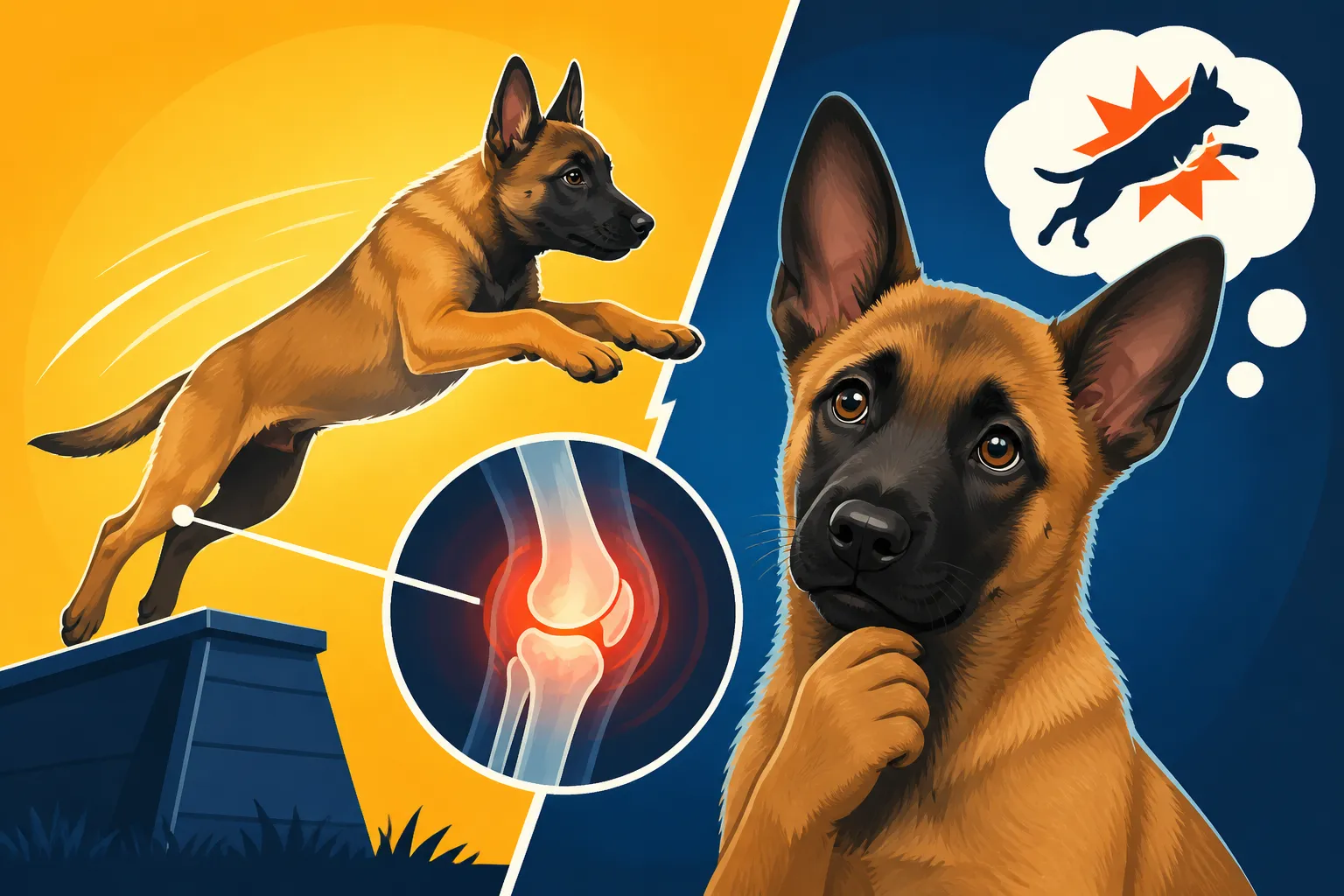
When we talk about "damaging jumps," we're not necessarily talking about a dog gently stepping over a low obstacle. The real culprits are high-impact, uncontrolled, or repetitive movements that put undue stress on immature joints. Think about your Malinois launching itself off a picnic table, bailing out of a truck bed, or repeatedly pogo-sticking for a ball directly overhead. These actions can compress growth plates, twist ligaments, and strain soft tissues.
For example, repeated vertical jumps, like those seen in intense frisbee or dock diving, can place immense force on the elbows, shoulders, and spine. Landing heavily, especially on hard surfaces like concrete, further exacerbates this impact. Jumping down from significant heights – say, from the back of an SUV onto the pavement, or off a bed or couch onto a hard floor – can create a sudden, jarring force that the developing joints simply aren't equipped to handle safely. While a Malinois can eventually excel in activities like agility, beginning such rigorous training too early, before their growth plates have fused, is a recipe for potential orthopedic disaster.
The Cumulative Effect and Long-Term Consequences
Often, owners look for a single, catastrophic injury, but the damage from inappropriate jumping is more commonly a cumulative effect. It's the repeated micro-traumas, the small stresses that add up over weeks and months, that silently lay the groundwork for future problems. Even if your young Malinois doesn't suddenly come up lame after a jumping session, those repeated impacts can contribute to microscopic damage within the joint cartilage, leading to inflammation and premature wear.
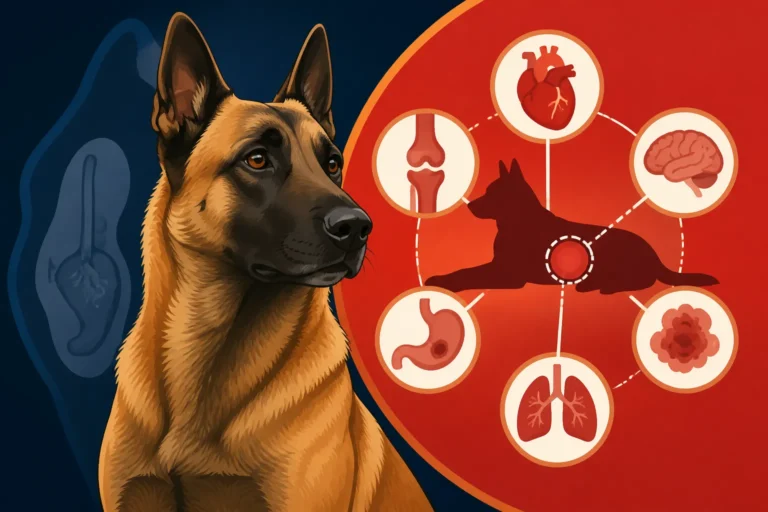
This cumulative damage can contribute to the development or exacerbation of conditions like hip and elbow dysplasia, even if these conditions have a strong genetic component. While jumping doesn't cause dysplasia, it can certainly worsen the symptoms and accelerate the progression of arthritis in an already compromised joint. Malinois are renowned for their robust health, but like all active breeds, they can be susceptible to these orthopedic issues. Understanding The Hip and Elbow Numbers Behind a Malinois Clearance and learning how to interpret results, like in Reading a Belgian Malinois Hip Result, can give you crucial insights into your dog’s genetic predispositions and help you make informed decisions about their activity levels. Ignoring these subtle stressors in youth means you could be setting your beloved Malinois up for pain and limited mobility in their prime or senior years.
Safe Practices and Gradual Conditioning for Joint Health
The good news is you don’t have to keep your Malinois in a bubble. It's about smart management and building strength gradually. You can absolutely enjoy an active life with your dog while protecting their developing joints.
Age-Appropriate Exercise and Training Guidelines
The key is progressive conditioning. Until your Malinois is at least 12-18 months old and their growth plates are confirmed closed by your vet, high-impact activities should be minimized or completely avoided. Focus on low-impact exercises that build muscle and cardiovascular fitness without jarring joints. This includes walking on varied soft terrains, swimming (which is excellent for building muscle without impact), and controlled retrieves on grass or dirt. Short, structured training sessions are far better than long, uncontrolled free play where your dog might jump excessively.
Instead of demanding leaps, practice obedience commands that strengthen core muscles, like precise heeling, long downs, and focused engagement games. Think about conditioning work that involves balance and body awareness, like walking over cavalettis (low ground poles) or using fitness equipment designed for dogs, but always supervised and with proper form. Remember that The Age a Belgian Malinois Can Start Real Conditioning is often later than many eager owners might think, prioritizing long-term soundness over early gains.
Managing the Environment and Training Habits
Controlling your Malinois's environment is crucial. This means using ramps for getting in and out of vehicles, blocking access to furniture if they tend to jump on and off it, and generally being proactive about preventing uncontrolled leaps. If you have slippery floors, consider rugs or runners to provide better traction, reducing the chance of slips that can strain joints.
Training plays a huge role here. Instead of constantly throwing a ball for vertical jumps, teach your Malinois to chase horizontally, keeping all four paws on the ground. Teach a strong "out" command and focus on channeling their immense drive into structured tasks rather than frantic, high-impact play. Building an "off switch" is incredibly beneficial for a high-drive Malinois, helping them learn to settle and conserve energy, which also benefits joint health. This can be achieved through dedicated training, as outlined in guides like Building an Off Switch Into a Belgian Malinois, and by establishing clear Tug Rules for a Belgian Malinois that emphasize control and proper engagement rather than uncontrolled biting and leaping. A balanced diet and maintaining a lean body condition are also vital. Every extra pound your Malinois carries puts additional stress on their joints, so follow guidelines like The Lean Condition a Belgian Malinois Should Carry to keep them at a healthy weight.
When to Seek Veterinary Advice and Preventative Measures
Even with the best intentions and management, issues can arise. Knowing when to call the vet and what proactive steps you can take is part of responsible Malinois ownership.
Recognizing Signs of Joint Discomfort
Malinois are incredibly stoic dogs, often pushing through pain. This trait, while admirable in a working capacity, can make it difficult for owners to spot early signs of joint discomfort. A subtle shift in gait, a slight reluctance to jump into the car, or a brief moment of stiffness after resting can be easily dismissed, but these are often the first clues. Look for more obvious signs like limping (especially a "shifting" lameness, as detailed in The Shifting Limp in a Six Month Malinois), favoring a limb, difficulty getting up or lying down, or unusual vocalizations during or after exercise. Any swelling around a joint, persistent licking of a particular area, or changes in your dog's willingness to engage in play or training are red flags. Don't assume they're just "tired" or "being lazy" – a Malinois is rarely truly lazy without a reason. Early detection of joint issues can significantly impact the success of treatment and long-term prognosis.
Proactive Care and Insurance Considerations
Beyond careful exercise, proactive veterinary care is your best friend. Regular check-ups allow your vet to assess your Malinois’s gait, palpate their joints, and catch subtle issues before they become major problems. Discuss preventative measures like appropriate joint supplements with your vet, especially if your dog is involved in any demanding activities. Products containing glucosamine, chondroitin, and MSM can support cartilage health, as explored in Joint Supplements for a Working Belgian Malinois.
Given the potential for orthopedic issues in active breeds, having robust pet insurance is a smart decision. Companies like Healthy Paws offer comprehensive coverage that can be a lifesaver when unexpected injuries or chronic joint conditions arise. Imagine facing thousands of dollars in diagnostics, medication, or even surgery for a torn cruciate ligament or severe arthritis – Healthy Paws can help shoulder that financial burden, allowing you to focus on your dog's recovery without added stress. Understanding What Pet Insurance Runs on a Working Malinois and knowing that a plan like Healthy Paws can cover a significant portion of The Vet Bills a Bite Sport Belgian Malinois Runs Up provides invaluable peace of mind. Investing in pet insurance with a provider like Healthy Paws means you’re prepared for the worst, giving your Malinois the best chance at a full and active life, no matter what challenges come their way.
Long-Term Joint Care for an Active Malinois
The work of caring for your Malinois’s joints doesn’t stop once they’re out of their puppy phase. In fact, for a breed as active and driven as the Malinois, joint care is a lifelong commitment that evolves as they age.
Continued Management into Adulthood
Even with closed growth plates, adult Malinois still need thoughtful joint management. Their high drive means they’ll push themselves to the limit, so it's up to us to ensure they do so safely and sustainably. Maintaining an ideal weight is critical; even a few extra pounds can add significant stress to joints over time. Continue to monitor their body condition closely. Regular, consistent exercise that builds and maintains strong muscles around their joints acts as natural support. This means incorporating a variety of activities, from structured leash walks and running on varied terrain to swimming, which is excellent for building muscle mass without impact.
As they mature and possibly enter working careers or intense sports, the focus shifts from preventing growth plate damage to preventing wear and tear, strains, and sprains. This proactive approach ensures your Malinois can continue doing what they love for as long as possible. The goal, after all, is not just a healthy dog today, but a sound one that's Keeping a Belgian Malinois Sound Past Twelve years old.
The Role of Controlled Exercise and Recovery
For an adult Malinois engaged in demanding activities, controlled exercise becomes even more sophisticated. It’s not just about what they do, but how they do it and how they recover. Always incorporate proper warm-ups before intense work and cool-downs afterward. A quick trot and some stretching can prepare muscles and joints for activity, while a gentle cool-down helps flush metabolic waste and prevent stiffness. Consider incorporating canine massage or even chiropractic care if your dog is particularly active, always under the guidance of a qualified professional.
Just as important as the training itself is the recovery. Ensure your Malinois has comfortable, supportive bedding and adequate rest between sessions. Nutrition continues to play a vital role, with joint-supporting supplements potentially increasing in importance as they age or if they show signs of stiffness. If an injury does occur, like a torn cruciate, dedicated rehabilitation is crucial. Treatments and careful guidance, as discussed in resources like Rehabbing a Belgian Malinois After Knee Surgery, can make a world of difference in their recovery and return to activity. Even a top-tier athlete needs downtime and proper support to prevent injury and extend their career, and your Malinois is no different.
Disclaimer
The information provided in this article is for educational purposes only and is not intended to be a substitute for professional veterinary advice, diagnosis, or treatment. Always seek the advice of your veterinarian or other qualified health provider with any questions you may have regarding a medical condition or the health and welfare of your pet.