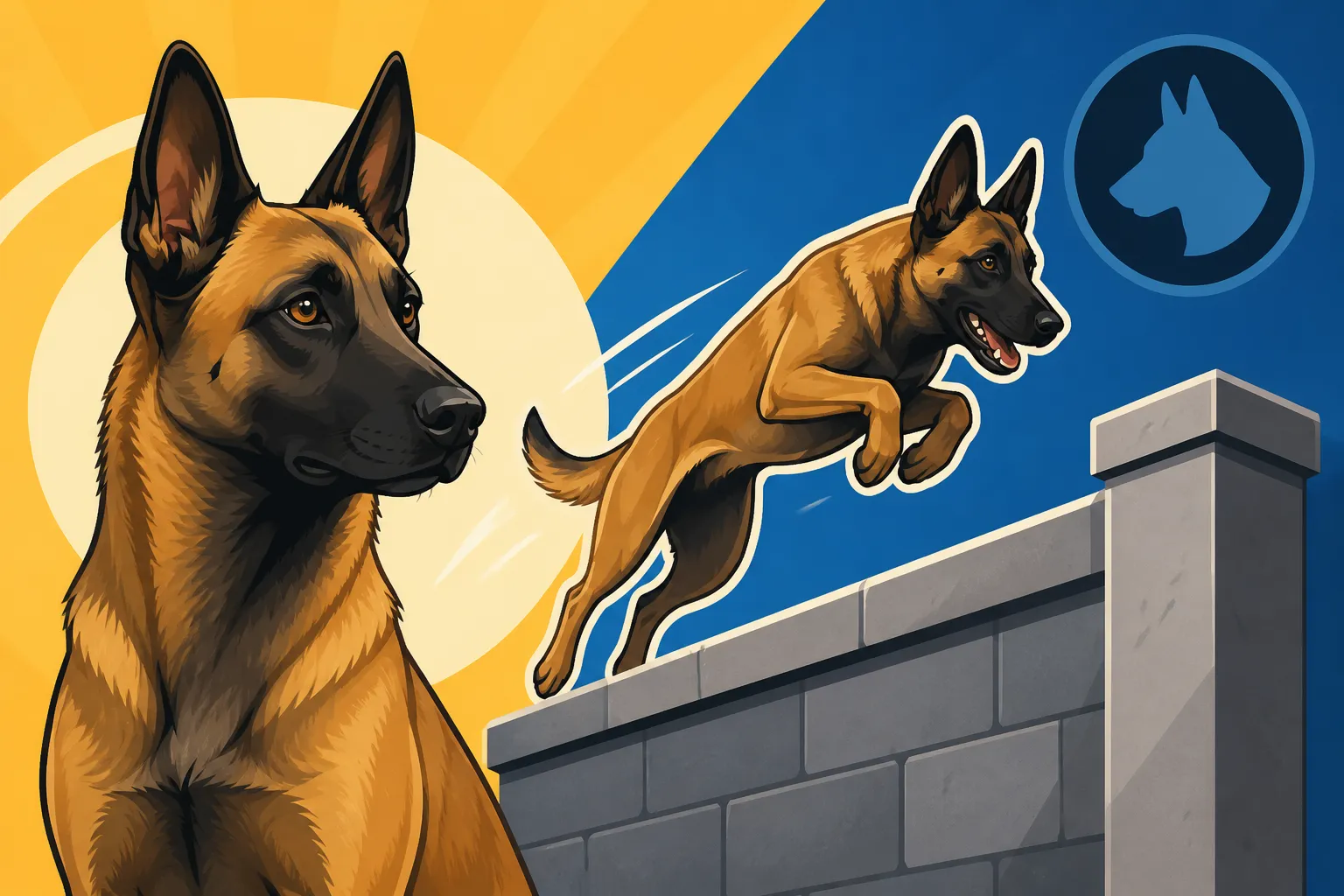
The Age a Belgian Malinois Can Start Jumping Walls
It's a common desire among Belgian Malinois owners to see their dogs soar over obstacles, whether for sport, personal protection, or just incredible backyard agility. We see those amazing videos of Malinois scaling walls with incredible power and grace, and it’s natural to wonder when your own furry superstar can safely begin such demanding activities. But pushing them too soon can have devastating, long-lasting consequences for their growing bodies, leading to expensive vet bills and a lifetime of pain. This guide will walk you through the crucial physical development stages of your Malinois and outline the safest, most responsible approach to introducing high-impact jumping, ensuring your dog stays healthy and strong for years to come.
Understanding Your Malinois's Physical Development
It’s easy to look at a six-month-old Malinois puppy, with all its boundless energy and gangly limbs, and think it’s ready for anything. They certainly act like they are! But beneath that enthusiastic exterior, their bodies are still very much under construction. Ignoring these critical developmental stages is one of the biggest mistakes owners make, often with irreversible damage.
The Critical Role of Growth Plates
Your Malinois puppy's bones aren't just smaller versions of adult bones; they have these incredibly important areas called "growth plates" at the ends of the long bones. Think of them as soft, cartilaginous areas where new bone tissue is constantly being produced, allowing the bones to lengthen and your puppy to grow. These plates are incredibly vulnerable to injury because they haven't yet calcified and hardened into solid bone. Any excessive stress, impact, or twisting motion can easily damage them, leading to uneven bone growth, deformities, or even premature closure of the plate, which can result in a limb that is shorter or misshapen than its counterpart. This isn't just a slight inconvenience; it can lead to lifelong lameness and significant pain.
Many owners are eager to get their Malinois involved in high-flying activities like jumping walls or steeplechase, but asking a dog with open growth plates to perform such high-impact maneuvers is akin to asking a child to lift weights heavy enough for an adult. Their skeletal system simply isn't ready for the forces involved. A hard landing from a jump, especially one performed incorrectly or without sufficient muscle support, can easily cause microfractures or outright damage to these delicate structures. The consequences often don't show up immediately, but rather as chronic issues months or even years down the line, catching owners completely off guard when their seemingly healthy young dog starts showing signs of lameness or discomfort.
It’s vital to understand that different bones have different growth plate closure times, but generally speaking, the most vulnerable period for major load-bearing joints extends until around 12 to 18 months of age, sometimes even later for larger breeds or individuals. While a Malinois isn't considered a giant breed, their athletic build and high drive mean they can generate significant force, making growth plate protection paramount. Regular, appropriate exercise is crucial for healthy bone and muscle development, but anything that involves repetitive, high-impact jumping, sudden stops, or sharp turns should be strictly avoided until a veterinarian confirms that the growth plates have closed. This isn't about stifling their drive; it's about safeguarding their future.
When Growth Really Slows Down
While those growth plates are key, a Malinois's overall skeletal maturity is a more nuanced process than just plate closure. They may appear "grown" in height and even weight by 12-18 months, but their bones are still strengthening, and their connective tissues – tendons and ligaments – are still developing their full tensile strength. Think of it like building a house: the frame might be up, but the walls still need to be properly reinforced and finished before it can withstand a storm. For a Malinois, this means waiting until they are closer to two years old before engaging in truly demanding, high-impact activities.
The phrase "finished growing" can be misleading. While height might largely be achieved by a year to eighteen months, the bones continue to solidify and become denser for a longer period. This process, known as ossification, is what gives adult bones their incredible strength and resilience. Jumping walls, especially at significant heights, puts immense pressure on every joint, from the toes to the spine. If these bones haven't reached their peak density, they are more susceptible to stress fractures or microtrauma that can accumulate over time. This is also the period when a veterinarian would typically recommend you consider The Age a Malinois Is Ready for Final Hip Films, as waiting until this maturity ensures the most accurate results for joint health.
Furthermore, the muscles, tendons, and ligaments that support the skeletal system are still maturing. A Malinois is a powerhouse of muscle and sinew, but these soft tissues need time to develop the strength, elasticity, and resilience required to absorb the shock of landings and propel them over obstacles. Starting too early can lead to chronic inflammation, strains, and tears that might otherwise be avoided. It’s not just about how high they can jump, but how well their body can handle the impact on the other side. This extended maturation period is a strong argument for gradual conditioning and patience.
Bone Density and Muscle Maturity
True physical maturity in a Belgian Malinois, where bone density and muscle mass have reached their peak and all growth plates are fully fused, typically occurs around 18-24 months of age. Some larger or later-maturing individuals might even need a bit longer. This is the stage where their skeletal system is robust enough to handle the significant forces involved in repeated, high-impact activities like jumping walls and complex agility courses.
Before this point, even if your dog seems incredibly athletic and capable, their body is still in a vulnerable state. Imagine a high-performance sports car built with components that aren't quite up to spec – it might look fast, but it's much more likely to break down under pressure. The same applies to your Malinois. While they have incredible natural drive and athleticism, their internal framework needs to be complete. Trying to force their body to do things it's not physically ready for is asking for trouble. This also ties into The First Year of a Belgian Malinois's Growth where nutrition and appropriate exercise for optimal development are key, rather than pushing limits.
Focusing on foundational strength, body awareness, and core stability during their younger months is far more beneficial than trying to achieve impressive jumps. This includes low-impact exercises, balance work, and building controlled muscle strength without excessive strain on developing joints. Waiting for full bone density and muscle maturity minimizes the risk of significant injuries like torn ligaments or chronic arthritis later in life. It's an investment in their long-term health and athletic career.
The Risks of Rushing High-Impact Work
The sheer intensity and drive of a Belgian Malinois can often lead owners to believe they are invincible. They have so much energy, so much willingness to please, that it’s easy to get caught up in the excitement and inadvertently push them too far, too fast. This is where real dangers lie, beyond just an immediate injury, but in setting them up for a future of pain and reduced capabilities.
Joint Health: Hips, Elbows, and Cruciates
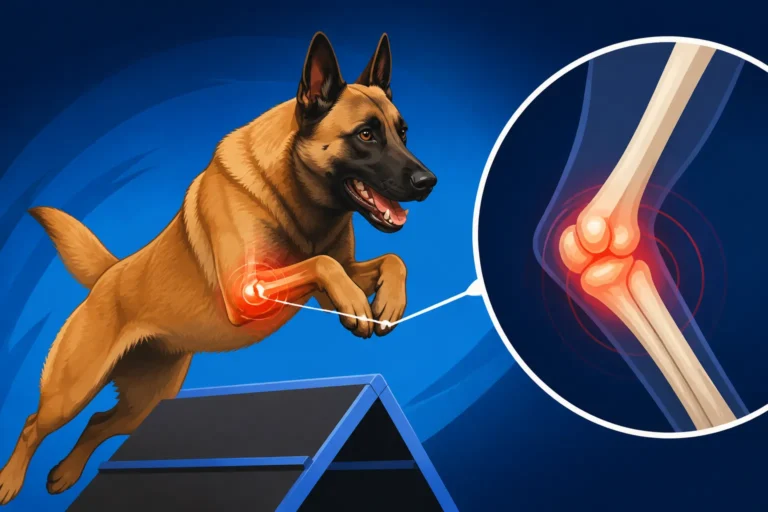
The joints are the most vulnerable points when it comes to high-impact activities, especially in a breed as athletic as the Malinois. Landing from a significant jump places tremendous stress on the hips, elbows, and knees (stifles). If these joints are still developing or have any underlying genetic predispositions, repetitive trauma can accelerate or exacerbate conditions like hip and elbow dysplasia. Many Malinois are screened for these conditions, but even with good clearances, undue stress on an immature joint is a recipe for disaster.
A common and devastating injury from high-impact landings or sharp twists is a torn cranial cruciate ligament (CCL) in the knee. This is the canine equivalent of an ACL tear in humans, and it requires expensive surgery and a long, difficult recovery. Torn Cruciates in a Jumping Belgian Malinois is a very real risk, especially if their joint structures aren't fully mature or adequately supported by strong, developed muscles. A puppy's ligaments are still elastic and not as robust as an adult dog's, making them more prone to stretching or tearing under sudden force. Early, intense jumping significantly increases this risk. This is why many owners opt for pet insurance, and a provider like Healthy Paws can be a lifesaver when these kinds of unexpected, costly injuries occur.
Beyond immediate tears, repeated concussive forces on immature joints can lead to chronic inflammation, microtrauma, and the early onset of arthritis. This isn't just about a single catastrophic injury; it's about the cumulative wear and tear on cartilage and joint surfaces that can prematurely age your dog's body. What seems like a fun exercise today could mean a hobbled, painful senior dog down the road. Patience, proper conditioning, and a clear understanding of Whether Jumping Damages a Young Malinois's Joints are essential.
Spinal Stress and Long-Term Damage
While often overshadowed by hip and elbow concerns, the spine is another area incredibly susceptible to damage from high-impact jumps, especially walls. The forceful push-off, the mid-air contortion, and especially the hard landing can compress the vertebral discs and stress the ligaments and muscles supporting the spinal column. For a young Malinois whose spine is still lengthening and strengthening, this can be extremely problematic.
Repetitive impact can lead to disc compression, herniation, or even conditions like spondylosis later in life. Imagine the spine as a stack of shock absorbers; if those absorbers aren't fully developed or are constantly being overloaded, they wear out quickly and cease to function properly. A Malinois using its powerful hindquarters to launch over a wall, then landing heavily, can send significant shockwaves through its entire vertebral column. This is not just a concern for the lower back; the neck and thoracic (mid-back) regions are also heavily involved in the balance and propulsion of such a jump.
Signs of spinal discomfort might not be as obvious as a limping leg. It could manifest as a reluctance to jump, a subtle change in gait, stiffness after exercise, or even behavioral changes due to chronic pain. Addressing these issues can involve expensive diagnostics like MRIs, pain management, and sometimes even surgery. It’s a stark reminder that while the Malinois appears incredibly robust, their internal architecture requires respect during development. Ensuring the dog is fully mature before asking for maximal effort in wall jumps is critical to prevent these often debilitating long-term spinal issues.
Psychological Impact and Burnout
It's not just the physical body that can be damaged by pushing a Malinois too hard, too fast. Their incredible drive and enthusiasm, while a strength, can also be a vulnerability. A young Malinois that is constantly pushed into demanding physical activities before it's mentally and physically ready can suffer from psychological burnout. They might start to associate the training with pain or discomfort, leading to a loss of enthusiasm, reluctance to work, or even anxiety around certain exercises.
Malinois thrive on success and positive reinforcement. If they are repeatedly put in situations where their bodies fail them, or where the physical demand is simply too high, it can chip away at their confidence and desire to engage. They are incredibly intelligent and sensitive dogs, despite their tough exterior. A young dog that experiences pain or a traumatic landing can develop an aversion to jumping, making future training much harder, if not impossible. This isn't just about preventing injury; it's about fostering a healthy, eager working partner.
Moreover, a rushed training schedule can often bypass crucial foundational skills. If a dog isn't properly conditioned, taught correct jumping form, or given sufficient rest, the training itself becomes counterproductive. Instead of building a well-rounded athlete, you risk creating a dog that performs out of sheer drive but at significant physical and mental cost. Giving your Malinois the time to mature, both physically and mentally, ensures that when they do start serious wall jumps, they approach it with joy, confidence, and a body that's truly prepared.
Building a Solid Foundation for Jumping Walls
So, if waiting is the name of the game, what do you do with all that Malinois energy in the interim? The answer isn't to do nothing, but to engage in smart, targeted training that builds strength, coordination, and body awareness without putting undue stress on growing joints. This foundational work is absolutely non-negotiable for any Malinois destined for high-level performance.
Gradual Conditioning and Foundational Strength
Instead of high jumps, focus on building core strength, proprioception (body awareness), and overall fitness through low-impact exercises. This means activities like controlled walks, swimming, hill work at a trot (not a gallop), and balance exercises on unstable surfaces. Think of it as preparing an athlete for their sport long before they step onto the field. These types of exercises build lean muscle, strengthen supporting structures around joints, and improve coordination without the harsh impact of jumping.
Consider incorporating cavaletti poles, set at very low heights (initially flat on the ground) to teach precise foot placement and develop hindquarter strength. Canine fitness programs, often led by certified canine rehabilitation practitioners or experienced sports vets, can provide tailored exercise plans. These professionals understand the biomechanics of dog movement and can guide you through appropriate exercises that are safe for a growing Malinois. This focus on controlled, strength-building activities before a Malinois puppy's joints can take impact is critical. It ensures that when you finally introduce vertical obstacles, your dog has the physical literacy and strength to execute them safely and efficiently.
It's also about building discipline and focus. A Malinois that can calmly perform a series of exercises, maintain balance, and engage mentally is far better prepared for the demands of complex protection sports or agility than one that simply runs full-tilt into everything. These foundational exercises aren't just physical; they are mental too, reinforcing the dog-handler bond and teaching your Malinois how to control its immense drive. Healthy Paws pet insurance, for example, is a good idea to have in place for any active dog, as even with careful conditioning, unforeseen accidents can happen.
Starting With Low-Impact Obstacles
Once your Malinois is approaching full maturity (closer to 18-24 months), and you've had that veterinary green light, you can begin introducing obstacles. But start low. We're talking about very short hurdles, no higher than your dog’s elbow initially, to teach proper form, takeoff, and landing mechanics. The goal here isn't height, but technique. You want to see a fluid, confident jump with a balanced landing. Gradually increase the height by very small increments, focusing on consistency and maintaining good form.
For wall jumps specifically, you might start with a very low platform or solid object that your dog can step over, then walk onto, and then eventually, a low "wall" that they can easily clear without exerting maximum effort. The idea is to build confidence and develop the muscle memory for the specific movements required for wall jumps – the gather, the explosive launch, the reaching with the front paws, and the powerful push-off with the hindquarters to clear the top. This progressive approach allows their body to adapt to increasing demands over time, rather than shocking the system with a sudden, high-stress event.
Remember, it’s not a race. Each successful, low-impact jump builds not only physical strength but also mental confidence. If your Malinois struggles or shows any signs of discomfort, stop and re-evaluate. It’s better to take a step back and reinforce easier obstacles than to push forward and risk injury or developing negative associations. Patience in this phase pays dividends in a healthy, confident, and long-lasting working partner.
Seeking Professional Veterinary Clearance
Before you even think about asking your Malinois to jump walls, it is absolutely essential to get a full veterinary clearance. This isn't just a regular check-up; it needs to be a comprehensive orthopedic examination by a veterinarian experienced in sports medicine or working dogs. They will assess your dog's joints, spine, and overall musculoskeletal health. This is particularly important around The Age a Malinois Is Ready for Final Hip Films and elbow clearances, usually around two years old.
The vet will be looking for any signs of underlying issues that might predispose your dog to injury. This could include subtle lameness, tenderness in joints, signs of early arthritis, or even just assessing their general conformation to ensure they are structurally sound for high-impact work. They can also confirm that growth plates have fully closed, which is a non-negotiable milestone before any serious jumping begins. Don't be afraid to ask for specific advice regarding conditioning and a safe progression schedule. A good vet will be a crucial partner in your dog's athletic journey.
If there are any concerns, they might recommend further diagnostics, such as X-rays, or even refer you to a canine rehabilitation specialist. These specialists can design a specific conditioning program to address any weaknesses or imbalances, ensuring your Malinois is as physically prepared as possible. Think of this vet check as the "pre-flight inspection" before your Malinois takes off on its jumping career. Investing in this thorough evaluation now can save you exponentially more in vet bills and heartache later on, a point that makes having comprehensive coverage from a company like Healthy Paws even more appealing.
Training Progression and Safe Practices
Once your Malinois has reached full physical maturity (generally 18-24 months) and has a clean bill of health from your veterinarian, you can begin the specific training for wall jumps. However, "starting" doesn't mean immediately going for maximum height. It's a carefully structured progression, focusing on technique, safety, and the long-term well-being of your canine athlete.
Introducing Wall Jumps Safely
When you finally introduce the actual wall jump, it's crucial to do it in a highly controlled environment with proper equipment. Start with a wall that is much lower than your dog's eventual goal. The focus should be on teaching the dog the proper mechanics: how to approach, how to take off with power, how to use their front paws to clear the top edge, and how to land smoothly on the other side. Many people use a "jump box" or a wall with a slightly angled face that allows the dog to scramble or gain purchase, rather than a completely sheer vertical surface, especially initially.
Decoys or trainers experienced in protection sports will often use a reward at the top of the wall or immediately after landing to encourage the dog. The surface on the landing side is also critically important; it should be soft and forgiving to absorb impact. Sand, wood chips, or specially designed mats are far better than concrete or hard-packed dirt. Gradually increase the height and difficulty of the wall as your dog gains confidence and strength, always prioritizing good form over height. Never force or scare your dog over an obstacle. This can lead to fear aggression or avoidance, which is counterproductive for a Malinois whose drive and confidence are paramount.
It's also important to vary the training and avoid repetitive, high-impact jumping every single session. Mix in obedience, tracking, and other forms of conditioning to keep your dog mentally fresh and physically balanced. Over-training one specific movement can lead to overuse injuries. Remember, even with full maturity, your Malinois’s body has limits, and respect for those limits is key to a long, successful career.
Maintaining Joint Health Throughout Their Career
The care for your Malinois’s joints doesn't stop once they start jumping walls; in fact, it becomes even more important. A working Malinois, especially one involved in high-impact sports, requires ongoing attention to joint health. This includes a high-quality diet, appropriate Joint Supplements for a Working Belgian Malinois, and regular veterinary check-ups to catch any issues early. Many vets recommend supplements containing glucosamine, chondroitin, and MSM, or even newer ingredients like green-lipped mussel, to support cartilage health and reduce inflammation.
Beyond supplements, warm-up and cool-down routines are essential before and after any intense training session. A good warm-up prepares the muscles and joints for activity, increasing blood flow and flexibility. A proper cool-down helps flush metabolic waste and allows the body to gradually return to a resting state, reducing stiffness and soreness. Think of it as a professional athlete's routine – they don't just sprint onto the field cold. This regimen is just as important for your Malinois. This continuous preventative care also aligns with The Checkup Schedule a Sport Malinois Should Keep.
If your Malinois ever shows signs of lameness, stiffness, or reluctance to perform, don’t ignore it. Get it checked by a vet immediately. Early intervention for issues like Elbow Problems in a Jumping Belgian Malinois or subtle lameness can often prevent minor problems from becoming major, career-ending injuries. This is another area where having pet insurance like Healthy Paws can truly alleviate the stress of unexpected veterinary costs, allowing you to prioritize your dog's health without financial worry.
Understanding Your Dog's Limits and Recovery
Even the most driven Malinois needs downtime. Recovery is just as important as the training itself. Intense physical activity, especially high-impact jumping, causes microtrauma to muscles and connective tissues, which then need time to repair and grow stronger. Without adequate rest, your dog will be perpetually fatigued, more prone to injury, and less enthusiastic about working. This means not just resting between training sessions, but also incorporating full "rest days" into their weekly schedule, or even longer breaks after trials or competitions.
Learn to read your dog’s body language. Signs of fatigue can include a decrease in drive, slower performance, sloppy form, excessive panting, or even a reluctance to engage. Pushing a tired dog is dangerous and can lead to serious injury like Muscle Cramping in a Belgian Malinois After a Trial or worse. Remember that a Malinois will often work themselves to exhaustion out of sheer desire to please, so it's your responsibility as the handler to know when to call it quits.
Consider incorporating modalities like massage, stretching, or even professional canine physical therapy to aid in recovery and prevent injuries. Just like human athletes, canine athletes benefit from these supportive therapies. If your dog does sustain an injury, a robust recovery plan, possibly including rehabilitation, is crucial. For instance, Rehabbing a Belgian Malinois After Knee Surgery requires immense dedication and financial resources. Understanding and respecting your Malinois’s physical and mental limits will not only prolong their working life but ensure they remain a happy, healthy companion for many years.
Disclaimer
This article is for general informational purposes only and does not constitute professional advice. Laws, prices and regulations vary by location and change over time. Consult a qualified professional for guidance on your specific situation.