How Many Years a Police Belgian Malinois Serves
One of the most common questions I hear about police K9s, especially highly driven breeds like the Belgian Malinois, is about their working life. People often wonder how long these incredible dogs can realistically serve before they hang up their tactical vest. It's a complex question, influenced by so many factors beyond just age, and this guide will delve into the nuances of a police Malinois's career length and what goes into keeping them at the top of their game, or knowing when it’s time to say goodbye to active duty.
The Demanding Role of a Police Belgian Malinois
When we talk about a police Belgian Malinois, we're not talking about your average family pet, even a very active one. These dogs are finely tuned athletes with an incredible drive and an intense job. Their daily routine is far from leisurely, involving rigorous training, intense physical demands, and often, high-stress, dangerous situations. This isn't just a physical strain; the mental and emotional toll of their work is significant, requiring constant focus, quick decision-making, and unwavering loyalty.
Daily Life and Training Intensity
A police Malinois’s day often starts early and can extend for many hours, blending patrol duties with specialized training. This isn't just about obedience; it's about refining skills in scent detection, apprehension work, tracking, and handler protection. Imagine the repetition, the explosive bursts of energy required for a pursuit, or the sustained focus needed to clear a building or track a suspect for miles. This constant high-level exertion means their bodies and minds are always under pressure. The dog might be in a police vehicle for hours, then instantly switch to high-speed pursuit, or carefully search for narcotics in a complex environment. Each task demands peak performance, and maintaining that level year after year is a testament to their genetics and training.
Unique Stressors of Police Work
Beyond the physical, police Malinois face stressors most dogs never encounter. Exposure to loud noises, chaotic environments, unpredictable scenarios, and potentially aggressive individuals are part of the job. They learn to ignore distractions that would overwhelm most dogs and maintain composure under fire, literally. This constant vigilance, while crucial for their role, can contribute to wear and tear. Imagine the sheer mental effort involved in being "on" for an entire shift, ready to respond at a moment's notice. It’s not just a canine partner; it’s a living, breathing piece of tactical equipment that requires meticulous care and observation.
Average Service Lifespan for a Police Malinois
So, with all that intensity, how long can these phenomenal dogs actually stay on the job? While the average lifespan of a Belgian Malinois is generally The Fourteen to Sixteen Years a Belgian Malinois Lives, their active service life in law enforcement is considerably shorter, though still impressive given the demands.
Typical Start and End Ages
Most police departments bring Malinois into service when they are between one and two years old. This age allows them to have completed their critical puppy development, matured sufficiently, and undergone initial foundational training. They're old enough to handle the rigors but young enough to have a good number of working years ahead.
The average retirement age for a police Belgian Malinois typically falls between 8 and 10 years old. This means a Malinois might serve anywhere from 6 to 9 years on average. Of course, this isn't a hard and fast rule; some exceptional dogs might work a little longer, while others, due to injury or health issues, might retire earlier. It's a balance between keeping a highly effective dog on the streets and ensuring their well-being and safety.
Comparison to Pet Malinois Lifespan
It might seem like a working Malinois would have a shorter overall lifespan due to the intense demands of their job. However, this isn't necessarily true for their overall life. While their working career is shorter than their potential lifespan as a pet, many police Malinois, once retired, go on to live full, happy lives well into their senior years. The key difference is the intensity and consistency of their work. A pet Malinois might engage in dog sports or strenuous exercise, but it's rarely as sustained, high-stakes, or physically demanding as daily police duties. However, police Malinois often receive top-tier veterinary care throughout their careers, which can help mitigate some of the physical tolls. Understanding Whether a Working Line Malinois Lives as Long as a pet Malinois often comes down to individual health, genetics, and the quality of their post-retirement care.
Why Law Enforcement Malinois Might Differ
The reason their working lifespan is shorter isn't primarily because they're "used up" and die younger. Rather, it's a pragmatic decision based on a combination of factors. As dogs age, even the most driven Malinois, their physical capabilities naturally decline. They might slow down, their recovery time might increase, and their joints might start to ache. Maintaining the split-second decision-making and explosive power required for apprehension or the sustained focus for detection can become harder. Departments need K9s that are consistently at their peak, and it's a disservice to the dog and potentially dangerous for the handler and public to keep a dog working past its prime. Furthermore, the financial investment in training and care is significant, and departments must weigh the cost-effectiveness of an aging dog versus a young, eager recruit.
Factors Influencing a Police Malinois's Career Length
The actual number of years a police Belgian Malinois serves is rarely predetermined. A multitude of factors, ranging from genetics to daily care, play a crucial role in how long these canine heroes can effectively perform their duties.
Health and Genetics
Just like human athletes, a Malinois's genetic predisposition to certain health conditions can significantly impact their career. Hip and elbow dysplasia are common concerns in many large, active breeds, and while responsible breeders screen for these, the intense physical work can exacerbate any underlying weaknesses. Many departments require a dog to have excellent health clearances, like those found by looking at The Hip and Elbow Numbers Behind a a Malinois Clearance, but even with the best genetics, injuries can occur. Spinal issues, like degenerative myelopathy or disc problems, can be career-ending, making a dog unable to perform its duties. Similarly, unforeseen illnesses or cancers, which can affect What Actually Ends a Belgian Malinois's Life, might lead to early retirement.
Consider a K9 named "Rico" from a department in Arizona. Rico was a powerhouse, excelling in narcotics detection. Around age seven, his handler noticed a slight stiffness after long shifts. X-rays revealed early signs of arthritis in his spine, likely exacerbated by years of jumping and high-impact work. While not immediately debilitating, the vet advised that continued high-level work would accelerate the progression, potentially leading to debilitating pain. Rico was retired early to ensure his comfort and quality of life.
Physical Injuries and Recovery
Police work is inherently dangerous and physically demanding. These dogs often jump fences, navigate rough terrain, engage in bite work, and can be exposed to dangerous situations. This increases their risk of injury. Common injuries can include torn ligaments (like a cruciate tear), muscle strains, broken teeth from bite work, or paw pad injuries. While many of these can be treated, some may require extensive rehabilitation or surgeries, like those with Cruciate Surgery Prices for a Belgian Malinois. A severe injury might mean a dog can no longer perform its duties to the required standard, even after recovery.
For instance, K9 "Echo" was involved in a suspect apprehension where she had to scale a tall fence. During the jump, she landed awkwardly, tearing a ligament in her shoulder. After surgery and months of rehabilitation, while she recovered well enough for a normal life, the veterinary and training staff determined she wouldn't regain the explosive power and agility needed for continued police work. The risk of re-injury was too high, and the department couldn't afford a less-than-peak performer in critical situations. This is why Emergency Care After a Malinois Training Injury can be a major factor in a K9's longevity.
Training and Conditioning Regimen
The quality and consistency of a Malinois's training and physical conditioning play a huge role. Dogs that are kept in peak physical condition through a balanced regimen of exercise, strength training, and proper nutrition are more resilient to injury and perform better for longer. However, overtraining or improper conditioning can also lead to injury and burnout. Departments often have dedicated K9 trainers who work closely with handlers to ensure dogs are trained appropriately for their age and physical capabilities.
Think about a K9 team in Florida where temperatures soar. A well-conditioned Malinois might handle the heat better than one less prepared, but even then, careful monitoring and hydration are crucial to prevent heatstroke. Regular, varied training that builds muscle and endurance without excessive repetitive stress is key. This proactive approach helps delay The Age a Working Malinois Starts to Slow and keeps them on the job.
Handler Changes and Team Dynamics
A strong bond between a Malinois and its handler is paramount in police work. These dogs are intensely loyal and thrive on working with their trusted human partner. A change in handler, especially if it happens multiple times, can be incredibly disruptive. While Malinois are adaptable, rebuilding that deep bond and working relationship takes time and can sometimes set a dog back in its training or emotional well-being. If a dog struggles to re-bond or perform effectively with a new handler, it might lead to early retirement, even if physically sound.
Department Needs and Budget
Sometimes, the decision to retire a Malinois isn't solely based on the dog's physical or mental state. Departmental budgets, changes in operational needs (e.g., shifting focus from patrol to detection), or the availability of new recruits can influence retirement timelines. Replacing a K9 is a significant financial investment, encompassing purchase, training, and ongoing care. Departments must constantly balance the capabilities of their current K9s with these practical considerations. This includes weighing the costs of ongoing medical care for an aging dog, even with services like Healthy Paws, against the cost of training a new, younger dog.
The Transition to Retirement for a Police Malinois
Retirement for a police Belgian Malinois isn't just about stopping work; it's a significant life change for both the dog and its handler. These dogs have been driven by purpose, structure, and intense engagement for years, and suddenly having that removed requires careful management.
Adoption by the Handler
In the vast majority of cases, when a police Malinois retires, it is adopted by its handler. This is often the most ideal outcome. The dog already has a profound bond with this individual and their family, is familiar with the home environment, and has a built-in support system for the transition. The handler understands the dog's personality, quirks, and needs better than anyone, making the adjustment smoother. This continuity provides the dog with stability and affection, which is crucial after a life of high-stress work. It’s a way for the handler to honor their partner's service and ensure they live out their golden years in comfort. Many handlers consider their K9 not just a partner, but a part of their family from day one. In these cases, the transition is less of an adoption and more of a shift from working partner to full-time family member. Whether a Retired Police Belgian Malinois Can Be Adopted by its handler is usually the first and most preferred option.
Adoption to Qualified Civilians
While less common, some retired police Malinois are adopted by qualified civilians. This usually happens if the handler cannot take the dog for various reasons (e.g., moving, health issues, or other personal circumstances). These dogs are not simply given away; they go through a rigorous screening process. Rescues specializing in working breeds, or the department itself, will meticulously vet potential adopters. These civilians must demonstrate a deep understanding of the breed's needs, often similar to what's required for understanding The Kind of Owner a Belgian Malinois Requires. They need experience with high-drive dogs, a secure home environment, and the financial ability to provide excellent care. These dogs may carry unique behavioral traits from their working life, such as being protective or having high prey drive, which needs to be managed responsibly in a civilian home.
Behavioral Adjustments in Retirement
Transitioning from a highly structured, purpose-driven life to retirement isn't always seamless for a Malinois. They might struggle with the sudden lack of a "job." Some dogs become restless, showing signs of boredom or anxiety if their mental and physical needs aren't met in their new routine. They might pace, bark more, or become destructive. Handlers, or new owners, need to understand that this isn't a sign of aggression, but rather a manifestation of their deeply ingrained drive.
A retired K9 might still react strongly to certain triggers, such as loud noises, sudden movements, or unfamiliar people, due to their training. It’s important for their new life to include continued mental engagement through puzzle toys, scent work, or appropriate recreational activities, and physical exercise that respects their aging body. The goal is to provide a fulfilling "second career" as a cherished companion. This requires patience, consistency, and a realistic understanding of their history.
Supporting a Police Malinois's Health Throughout Its Career
Keeping a police Malinois in peak condition throughout their demanding career, and ensuring a comfortable retirement, requires proactive and consistent health management. This isn't just about reacting to injuries but preventing them and maintaining overall wellness.
Regular Veterinary Check-ups and Preventative Care
Consistent veterinary care is non-negotiable for a working K9. These dogs typically receive more frequent and thorough check-ups than the average pet. This includes annual physicals, routine vaccinations, and parasite prevention. Vets specializing in working dogs are often attuned to subtle signs of wear and tear that might go unnoticed in a less active dog. Early detection of issues like dental problems, ear infections, or joint stiffness can prevent them from escalating into career-threatening conditions. Many police departments rely on specialized vets who understand the unique physiology and demands on a working Belgian Malinois.
It’s also crucial to have a comprehensive plan for unexpected medical emergencies. This is where options like pet insurance can be incredibly valuable. While many departments budget for K9 medical care, having a plan in place with providers like Healthy Paws can help cover significant costs for sudden injuries or illnesses, ensuring that the dog receives the best possible treatment without financial delays. This kind of coverage offers peace of mind, knowing that if a Malinois suffers an injury like those detailed in Injuries a Bite Sport Belgian Malinois Collects, the financial burden won't dictate the level of care.
Nutrition Tailored for High Performance
The diet of a police Malinois is critical to their performance and longevity. These dogs burn an immense amount of calories and require high-quality, nutrient-dense food. Their diet is often richer in protein and healthy fats than that of a sedentary dog, supporting muscle mass, energy levels, and recovery. Hydration is also paramount, especially during strenuous training or operations in hot climates. Handlers must carefully monitor their dog's weight and body condition, making adjustments to their diet based on activity levels, age, and any specific health needs.
For instance, a K9 on an active tracking assignment might need a small, easily digestible meal beforehand and plenty of water, while a dog recovering from an injury would have its diet adjusted to support healing. It’s not just about quantity but the quality and timing of their meals. Some departments even work with veterinary nutritionists to formulate ideal diets.
Joint Health and Mobility Support
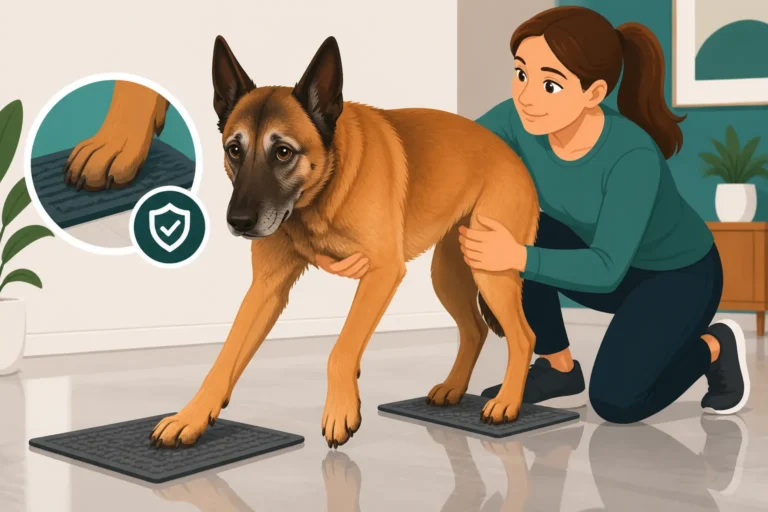
Given the high impact nature of police work, maintaining joint health is paramount. Many departments incorporate joint supplements into their K9s' diets from a relatively young age as a preventative measure. These supplements often contain glucosamine, chondroitin, and MSM, which can help support cartilage health and reduce inflammation. Regular physical therapy, massage, and hydrotherapy can also be employed to keep muscles strong, joints mobile, and aid in recovery after intense sessions.
Think of a police Malinois working in a city environment, constantly jumping in and out of patrol cars, running on concrete, and navigating stairs. This cumulative impact can take its toll. Proactive measures, combined with swift attention to any signs of lameness or discomfort, are essential to extend their active years and ensure their comfort into retirement. If an issue like The Spinal Disease That Ends a Malinois's Mobility is suspected, prompt diagnostic imaging and veterinary consultation become critical to preserving the dog's quality of life. Even in retirement, maintaining an appropriate exercise routine that avoids excessive strain, along with continued joint support, is vital for their long-term comfort.
Mental Stimulation and Stress Management
While their job provides immense mental stimulation, it's also a source of stress. Handlers are trained to recognize signs of stress or burnout in their K9s and provide opportunities for decompression. This might involve structured play, relaxing downtime, or even just quiet moments of bonding. The "off switch" is just as important as the "on switch" for these dogs. A balanced approach to training and rest helps prevent mental fatigue and keeps them engaged and eager to work.
Mental exercises, such as puzzle toys or advanced obedience tasks, can be incorporated into their routine to keep their minds sharp without adding physical strain. This helps ensure that even as their bodies begin to age, their minds remain agile and responsive. Throughout their career, mental well-being is intrinsically linked to physical health and overall effectiveness. Many handlers also appreciate the financial assistance that pet insurance like Healthy Paws can offer if their retired K9 needs specialized care, such as behavioral therapy or ongoing medication for age-related conditions.
Table: Factors Influencing Police Malinois Service Length
Here's a quick overview of how different factors can impact the career length of a police Belgian Malinois:
| Factor | Positive Impact (Extends Career) | Negative Impact (Shortens Career) |
|---|---|---|
| Genetics | Robust lines, clear health clearances | Predisposition to hip/elbow dysplasia, spinal issues |
| Health & Injuries | Proactive vet care, quick recovery from minor injuries | Severe injuries (e.g., cruciate tear), chronic conditions |
| Training Quality | Balanced, consistent, age-appropriate conditioning | Overtraining, improper technique, insufficient conditioning |
| Nutrition | High-quality, performance-focused diet, optimal weight | Poor diet, obesity, nutritional deficiencies |
| Handler Relationship | Strong bond, consistent handling, clear communication | Multiple handler changes, lack of bond, inconsistent training |
| Departmental Support | Adequate budget for vet care, appropriate workload, good gear | Budget cuts, excessive workload, outdated equipment |
| Mental Well-being | Adequate decompression, mental stimulation, "off switch" | Chronic stress, boredom, burnout, lack of mental engagement |
Disclaimer
The information provided in this article is for general informational purposes only and does not constitute veterinary or professional advice. Always consult with a qualified veterinarian or K9 professional for any health or training concerns specific to your Belgian Malinois.