Whether a Working Line Malinois Lives as Long
It’s a question that weighs heavily on the hearts of every dedicated Belgian Malinois owner, especially those with dogs bred for intense work: does a working line Malinois truly live as long as one bred for companionship or less demanding roles? The sheer drive, the incredible physical output, and the constant exposure to high-stress situations can make you wonder if you’re inadvertently shortening their precious time with you. It’s a valid concern, and navigating the complexities of their demanding lives requires understanding how genetics, lifestyle, and dedicated care intersect to shape their health and longevity.
Understanding the Genetic Predisposition and Breeding Practices
When we talk about a working line Belgian Malinois, we're often talking about dogs from generations of intensely selected parents. This isn't always a bad thing for longevity; in many ways, it can be a significant advantage.
Selective Breeding for Health and Durability
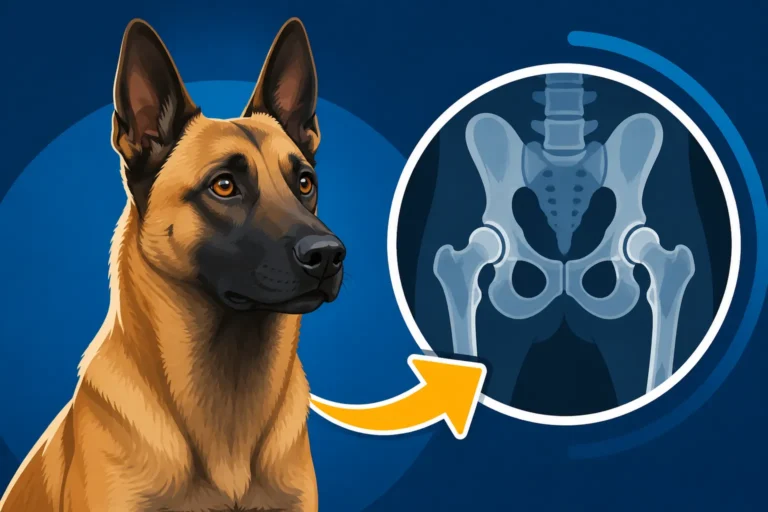
Reputable breeders of working line Malinois aren't just looking for raw drive and impressive bite work; they're also deeply invested in health. They understand that a dog can't perform at a high level if its body is breaking down. This means rigorous health clearances are typically paramount. You’ll find these breeders diligently screening for hip and elbow dysplasia, often going beyond basic OFA certifications to include more comprehensive assessments like PennHIP. They also test eyes, and increasingly, genetic tests for conditions like the ataxia genes, SDCA1 and SDCA2, are becoming standard. This intense focus on weeding out genetic predispositions to debilitating diseases aims to produce a dog that is structurally sound and genetically robust enough to handle the pressures of a working career.
For example, when a breeder chooses to breed a pair of Malinois, they’re not just looking at titles; they’re pouring over pedigrees and health certifications. They want to see generations of sound hips with good The Hip and Elbow Numbers Behind a Malinois Clearance, healthy elbows, and clear eyes. The goal is to produce puppies that have the best possible chance of avoiding common orthopedic issues that could prematurely end a working career or significantly reduce their quality of life. This level of proactive health screening, in many cases, can give working line dogs a genetic head start towards a longer, healthier life compared to dogs from less scrupulous breeding programs where health clearances might be an afterthought.
The Double-Edged Sword of Drive
While a high drive is the hallmark of a working Malinois and absolutely essential for success in police work, detection, or competitive bite sports, it’s a trait that needs careful management and responsible breeding. Extreme drive, if not properly channeled and managed, can lead to chronic stress or even accidental injuries. Some less ethical breeders might prioritize extreme "nerve" or "prey drive" above all else, sometimes overlooking more subtle health indicators or temperament traits that contribute to overall resilience.
A Malinois with an insatiable drive might push itself harder and longer, sometimes masking pain or fatigue in its eagerness to work. This makes the handler's job crucial in recognizing signs of overexertion. While the drive itself isn’t a direct threat to longevity, the choices made by breeders and handlers in managing that drive absolutely influence how long a dog remains sound. A dog constantly operating at its physical and mental limit without adequate recovery, or one suffering from chronic anxiety dueored to unchanneled drive, could potentially experience health issues that impact its lifespan. It’s a delicate balance: you want the fire, but you need it controlled, not burning out of control.
The Physical Toll and Injury Risks of a Working Career
There's no denying that the life of a working Malinois is physically demanding. From the explosive power of a bite to the agility of a detection dog, their bodies are put through immense stress daily.
High-Impact Activities and Injury Accumulation
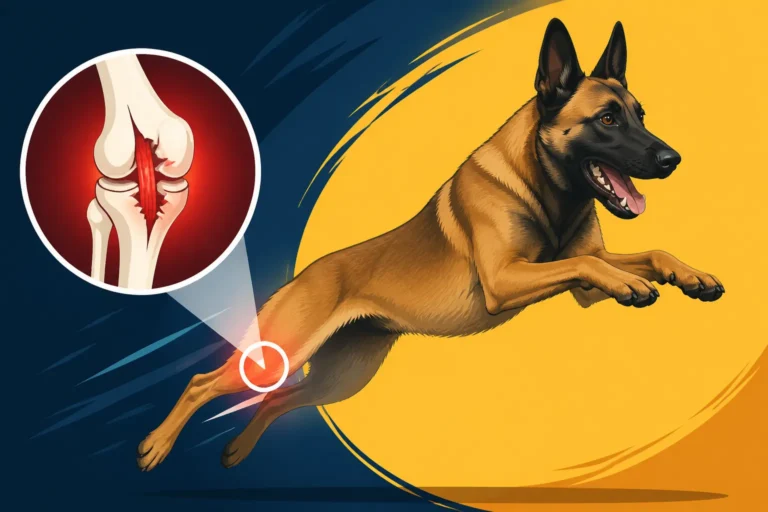
Think about the sheer athleticism involved in tasks like scaling walls, jumping into vehicles, taking hard hits from a decoy, or sprinting through varied terrain. These are not low-impact activities. Over a career, a working Malinois accumulates wear and tear. They are prone to Injuries a Bite Sport Belgian Malinois Collects, which can range from minor muscle strains to significant orthopedic issues like torn cruciate ligaments, shoulder injuries, or spinal problems. These injuries, whether acute or chronic, often require extensive veterinary intervention, rehabilitation, and can lead to long-term pain or compensatory issues that affect other parts of the body.
For instance, a police K9 might repeatedly jump fences or engage in apprehension work on unforgiving asphalt. A sport dog in IGP or Ring will endure numerous high-impact bites on sleeves and suits, often requiring them to pivot sharply or absorb significant force. Each of these events, while part of their "job," carries a risk. Even if treated, repeated injuries can lead to arthritis or degenerative joint disease earlier than might be seen in a less active dog. The goal, of course, is to manage these risks with proper conditioning, appropriate surfaces, and immediate medical attention. However, it's undeniable that the physical demands place a higher strain on their musculoskeletal system over time.
The "Burn Bright, Burn Fast" Mentality
There's a saying sometimes heard in working dog circles: "burn bright, burn fast." It implies that these highly driven, intensely focused dogs might, by their very nature, have shorter, more explosive careers. While some of this is anecdotal, there's a kernel of truth in the idea that an overworked or poorly conditioned dog will break down faster. Handlers have a massive responsibility to ensure their Malinois is properly conditioned, warmed up before work, and cooled down afterward. Skipping these crucial steps, or pushing a dog through fatigue or minor injury, can lead to more serious, career-ending problems.
The constant adrenaline and high cortisol levels inherent in their work, especially in high-stress environments, can also take a toll on their internal systems over time. While their bodies are built for this, chronic stress can suppress the immune system and potentially contribute to other health issues. It's a fine line to walk; you want them to be motivated and driven, but not perpetually stressed. Early signs of slowing down or subtle lameness might be ignored in the heat of training or competition, only to manifest as a serious issue later. A responsible handler knows when to rest their dog, when to modify training, and when to seek veterinary advice, recognizing that a long, healthy career is more valuable than pushing for one more rep.
Mitigating Factors: Specialized Care and Proactive Management
Despite the intense demands, working line Malinois often benefit from a level of care that can significantly extend their healthy working lives and overall longevity.
Superior Nutrition and Veterinary Care
One of the biggest advantages a working line Malinois often has is the investment in their well-being. Owners and agencies typically provide top-tier care, understanding that their dog is a high-performance athlete. This includes specialized nutrition—often a high-quality performance kibble or carefully balanced raw diets—tailored to meet the immense energy requirements of a dog that is Feeding a Malinois That Is Never Not in Drive. These diets are rich in protein, healthy fats, and often supplemented with joint support, omega fatty acids, and probiotics to optimize their physical health and aid in recovery.
Beyond diet, veterinary care for these dogs is usually proactive and comprehensive. They receive regular check-ups, often more frequently than a typical pet, and any injury, no matter how minor, is usually addressed immediately by veterinarians familiar with working dog physiology. This might include rehabilitation, sports medicine, chiropractic care, or other advanced therapies to keep them in peak condition. Many working dog owners also invest in robust pet insurance plans, such as Healthy Paws, to help cover the costs of these extensive medical needs, ensuring that financial constraints don't compromise their dog's health. For instance, an agency or dedicated sport handler wouldn't hesitate to get an MRI for a subtle lameness or consult a specialist for a nagging shoulder issue, leading to earlier diagnosis and intervention that can prevent minor problems from becoming major ones. This level of diligent care undeniably contributes to a longer, healthier existence.
Retirement and Continued Mental Stimulation
The transition from an active working career to retirement is a critical phase for a Malinois. Suddenly, a dog whose entire life has been built around a "job" can find itself without a clear purpose. This can be devastating for their mental and emotional well-being, potentially leading to anxiety, destructive behaviors, or even depression, all of which can indirectly impact physical health. Responsible owners understand that Retiring a Working Belgian Malinois From the Job doesn't mean retiring them from life entirely. These dogs still need a job, even if it's a modified one.
This might involve continued engagement in less physically demanding activities like advanced obedience, scent work, trick training, or even becoming a therapy dog. The key is to keep their brilliant minds engaged and their bodies moving at an appropriate level. For example, a retired police dog might switch to leisurely walks and advanced puzzle toys, or even participate in low-impact scent detection games in the house. This continued mental and appropriate physical stimulation helps prevent boredom, reduces stress, and allows them to maintain a sense of purpose, which is vital for their overall health and happiness into their senior years. The goal is to ensure that even after their intense working career ends, they can continue Keeping a Belgian Malinois Sound Past Twelve.
Lifespan Comparisons and Quality of Life
It's natural to try and quantify if all this effort truly translates to more years. However, a direct, scientific comparison of average lifespans between working line and purely pet line Malinois is challenging due to numerous variables.
Anecdotal Versus Data-Driven Insights
Statistically, the average lifespan for a Belgian Malinois is generally cited as 12 to 14 years, with many living to The Fourteen to Sixteen Years a Belgian Malinois Lives. When you ask working dog handlers, you’ll get varied anecdotal responses. Some will tell you their K9s retired at 8 and lived to 13, having been in incredible shape their whole lives. Others might point to a dog that suffered a career-ending injury early on but still lived a full life afterward. The challenges in gathering definitive data are immense:
- Variable Definitions: What exactly constitutes a "working line" versus a "pet line"? The lines often overlap, and dogs from working lines can end up in pet homes, just as some pet line dogs participate in demanding sports.
- Health and Retirement Data: While agencies track active service time, comprehensive health data and causes of death post-retirement aren't always systematically collected and published for comparison.
- Individual Variation: Just like people, individual dogs have genetic predispositions and varying responses to stress and activity.
What we can say with confidence is that What Actually Ends a Belgian Malinois's Life varies, but issues like cancer and organ failure are common across most dog breeds, regardless of working status. The belief that working dogs inherently die younger is often tied to the perceived wear and tear. However, the superior veterinary care, nutrition, and proactive management often afforded to these dogs could theoretically balance out some of the physical risks. The reality is likely a wash: some may live slightly shorter due to injury accumulation, while others may live longer due to impeccable care. The key is the dedication of their humans to maximize their health.
Defining "Quality" of Lifespan
Perhaps more important than the exact number of years is the quality of those years. For a Belgian Malinois, especially one from working lines, a life filled with purpose, challenge, and intense partnership is often considered a high-quality life. These dogs thrive on having a job, on pleasing their handler, and on channeling their incredible energy and intelligence into meaningful tasks. The satisfaction they derive from their work, whether it’s finding a missing person, protecting their handler, or acing a trial, is immeasurable. This deep fulfillment can contribute to their mental well-being, reducing stress and potentially having a positive effect on their physical health.
However, this quality can be severely compromised if the dog is constantly in pain, riddled with untreated injuries, or forced to work beyond its physical limits. The goal for any responsible owner or agency is to provide a life that is both long and high-quality. This means being vigilant about their health, recognizing The Age a Working Malinois Starts to Slow, managing their physical demands, and being prepared for the often significant The Vet Bills a Bite Sport Belgian Malinois Runs Up. It also means ensuring that when their working career ends, they transition gracefully into a comfortable and mentally stimulating retirement, allowing them to enjoy their golden years with dignity and comfort. It's a testament to the bond between these dogs and their handlers that such immense care is taken to ensure they live their best, fullest lives.
Disclaimer
This article is for general informational purposes only and does not constitute professional advice. Laws, prices and regulations vary by location and change over time. Consult a qualified professional for guidance on your specific situation.