What Actually Ends a Belgian Malinois’s Life
The moment we welcome a Belgian Malinois into our lives, a part of us braces for the day we’ll have to say goodbye. It’s a heart-wrenching reality, especially when these incredible dogs, known for their vigor and intense drive, face unforeseen health challenges or the inevitable march of old age. This guide aims to shed light on the most common causes that ultimately end a Belgian Malinois's life, helping you understand what to expect and how to best support your dedicated companion through every stage.
Understanding the Malinois Lifespan Baseline
It’s easy to look at a powerful, athletic Belgian Malinois and imagine them living forever, or at least for a very, very long time. They seem invincible, don't they? But like all breeds, they have an average lifespan, and understanding this baseline is the first step in preparing for their future, whatever it may hold. Knowing what influences their longevity can also help you make proactive choices as an owner.
Average Lifespan and Contributing Factors
Most Belgian Malinois live between 12 to 14 years, with some resilient individuals pushing past that. You might have heard about The Fourteen to Sixteen Years a Belgian Malinois Lives, which is certainly an achievable goal for many. This breed generally enjoys a good run compared to some other large, high-energy working dogs, thanks to a robust genetic makeup honed for utility rather than extreme aesthetics. However, this average is heavily influenced by a combination of genetics, nutrition, exercise, and preventative healthcare. A Malinois from a reputable breeder, fed a high-quality diet, given appropriate and consistent exercise, and receiving regular veterinary check-ups, is more likely to reach the upper end of this spectrum.
Consider a Malinois like "Kilo," a patrol dog in a busy metropolitan area. Kilo’s life is demanding, but also incredibly well-managed. He receives top-tier nutrition, daily conditioning tailored to his work, and regular veterinary evaluations, often covered by specialized departmental programs. This level of care, mirroring that of a dedicated sport or pet owner, contributes significantly to maximizing his healthy years. Conversely, a Malinois acquired without thorough health clearances, or one living a more sedentary life without proper mental and physical outlets, might face health challenges sooner, potentially shortening their overall time.
Why Some Malinois Live Longer Than Others
The variation in lifespan, even within the same breed, can be perplexing. It often boils down to a blend of nature and nurture. On the nature side, genetics play a critical role. Dogs bred from lines with a history of long-lived, healthy ancestors tend to inherit that longevity. This is why looking at the health testing and longevity of a puppy's parents and grandparents is so crucial when choosing a breeder. Unfortunately, sometimes genetic predispositions to certain diseases, like specific cancers or neurological conditions, can cut a life short unexpectedly.
On the nurture side, the daily environment and care make a profound difference. A Malinois that receives consistent mental stimulation, a balanced diet, and avoids chronic stress is better equipped to fight off illness and maintain vitality. For instance, a Malinois kept at a healthy, lean weight throughout its life experiences less strain on its joints, which can prevent or delay mobility issues that might otherwise necessitate early euthanasia. Furthermore, prompt veterinary attention for any concerning symptoms, as well as maintaining recommended vaccination schedules and parasite prevention, all add up to a protective shield for your dog, allowing them to thrive for as long as possible.
Common Health Issues Leading to End of Life
While Malinois are generally healthy, no dog breed is immune to serious health conditions. For these highly active and intelligent dogs, certain diseases can strike, leading to a significant decline in their quality of life and ultimately, their passing. It’s a hard truth, but understanding these common ailments can help owners be vigilant and prepared.
Cancers Prevalent in the Breed
Cancer is a devastating reality for many dog breeds, and the Belgian Malinois is no exception. It's often one of the primary answers to the question, What Most Belgian Malinois Die Of. While Malinois don't have a uniquely high predisposition to all types of cancer compared to some other breeds, they can still be affected by several aggressive forms, especially as they age. One of the most insidious is hemangiosarcoma, a fast-growing, highly metastatic cancer of the blood vessel lining. This cancer often affects the spleen, heart, or liver, and can lead to sudden internal bleeding and collapse, giving owners very little warning. An older Malinois might appear perfectly fine one day, then suddenly show signs of weakness or pale gums, which are often the first visible indicators of a ruptured tumor.
Osteosarcoma, a type of bone cancer, is another grave concern, especially in larger, athletic breeds. While perhaps less common than in, say, a Greyhound or a Rottweiler, it can still appear in Malinois, typically affecting the long bones of the limbs. The first sign is often a subtle lameness that progresses rapidly, leading to severe pain. Treatment options, such as amputation and chemotherapy, can extend life and improve comfort, but the prognosis generally remains guarded. Early detection, which is challenging with this silent killer, is absolutely key, but even then, owners face tough decisions about quality of life. For these costly treatments, having pet insurance like a comprehensive plan from Healthy Paws can be a lifesaver, allowing owners to pursue aggressive care without immediate financial burden.
Neurological Conditions and Their Impact
The Malinois brain is a powerful engine, but it can sometimes develop issues that severely compromise a dog's well-being. Epilepsy is one such concern, and for some lines, it's a condition that runs through their genetic fabric. The Seizure Disorder Running in Malinois Lines can manifest in varying degrees of severity. While many epileptic Malinois can be managed effectively with medication, allowing them to lead full, active lives, severe or refractory epilepsy (seizures that don't respond well to medication) can dramatically impact quality of life. Frequent, intense seizures can cause brain damage, leading to behavioral changes, loss of coordination, and a constant state of anxiety for both dog and owner.
Beyond epilepsy, other neurological conditions, though less common, can also be fatal. Degenerative myelopathy (DM), a progressive disease of the spinal cord that leads to hind limb weakness and paralysis, while more often associated with German Shepherds, can affect Malinois too. Initially, a dog might show a slight ataxia or weakness in the hindquarters, which then slowly progresses to complete paralysis. The dog remains mentally alert throughout, but the loss of mobility eventually impacts their ability to function and maintain hygiene, often leading to euthanasia when the quality of life becomes unmanageable. Such long-term progressive conditions can be incredibly taxing emotionally and financially, highlighting the value of robust pet insurance like the kind offered by Healthy Paws.
Joint and Mobility Challenges in Older Malinois
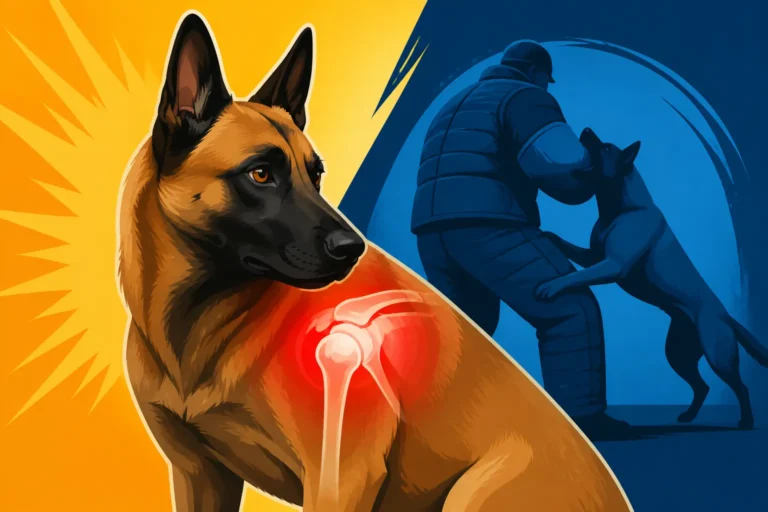
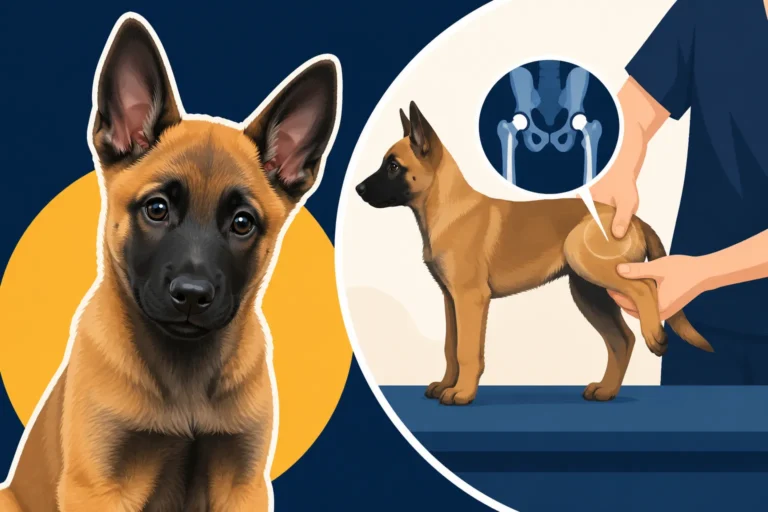
A lifetime of intense activity can take its toll on a Malinois's robust frame, and joint and mobility issues are common culprits in the decline of an older dog. While hip and elbow dysplasia are often screened for in breeding programs, even dogs with excellent clearances can develop arthritis or other degenerative joint diseases as they age. This isn't just about pain; it's about the fundamental ability to move, to play, to engage with their world – all things that define a Malinois. Severe arthritis, particularly in multiple joints, can make walking, standing, and even lying down comfortably excruciating.
A classic scenario involves a senior Malinois who starts to show Signs a Belgian Malinois Is Slowing Down. They might struggle to get up after lying down, hesitate before jumping into the car, or be reluctant to go for long walks. As the condition progresses, they may lose muscle mass, and their gait can become wobbly and uncertain. Conditions like a Torn Cruciates in a Jumping Belgian Malinois are common in their younger, more active years, but the long-term impact of surgery or even successful recovery can still predispose them to earlier onset arthritis. When mobility becomes so compromised that the dog can no longer move independently, maintain continence, or enjoy simple pleasures without severe pain, owners often face the heart-wrenching decision to prioritize their dog's comfort over their own desire to keep them longer.
Traumatic Injuries and Acute Incidents
Belgian Malinois are often involved in high-octane activities, whether it's police work, competitive bite sports like IGP or Mondioring, or simply being a high-drive family companion with an insatiable zest for life. This intensity, while admirable, unfortunately comes with an inherent risk of traumatic injuries and acute incidents that can lead to sudden and unexpected fatalities.
Risks in High-Drive Working Environments
For Malinois engaged in specialized working roles, the job itself carries significant risks. Police K9s, military working dogs, and sport dogs push their bodies to the absolute limit. They perform incredible feats of agility, strength, and endurance, often in challenging and unpredictable environments. A police K9 might be involved in apprehending a suspect, leading to severe bite wounds, fractures, or even fatal injuries in a confrontation. Similarly, sport dogs, while in a more controlled environment, still face high-impact scenarios. A dog performing a blind search at full speed could misjudge an obstacle, resulting in catastrophic injuries such as spinal trauma or a severe blunt force injury.
The dynamic nature of bite work itself, for instance, can lead to serious incidents. We often hear about Injuries a Bite Sport Belgian Malinois Collects, ranging from broken teeth to joint dislocations. While many of these are treatable, some can be career-ending or, in rare severe cases, life-threatening. A Malinois could suffer an internal injury during a powerful takedown, or sustain a fracture that, due to its severity or location, is untreatable or would lead to a severely compromised quality of life. These situations demand immediate, expert veterinary intervention, and even then, outcomes are not always positive. This is precisely where having pet insurance through a provider like Healthy Paws can alleviate the stress of exorbitant emergency vet bills, allowing owners to focus purely on their dog's care.
Unforeseen Accidents and Emergencies
Beyond structured working environments, even a well-managed Malinois can fall victim to unforeseen accidents in daily life. Their immense prey drive and speed can sometimes be a double-edged sword. Imagine a Malinois, usually impeccable on recall, spots a squirrel across a busy road. In that split second of intense focus, they might dart into traffic, leading to a fatal collision. Or consider a Malinois in a yard with insecure fencing; their athletic prowess allows them to clear heights many other dogs can't, potentially leading them into dangerous situations off-property.
Acute medical emergencies can also occur without warning. While generally not prone to bloat (gastric dilatation-volvulus) as much as deep-chested breeds, it can still happen and is a life-threatening condition requiring immediate surgery. A Malinois might ingest a toxic substance during an unsupervised moment, or suffer a severe allergic reaction to an insect sting. Even during seemingly innocuous activities like a spirited game of fetch, a sudden fall or twist could lead to a severe spinal injury, like The Spinal Disease That Ends a Malinois's Mobility, or a traumatic brain injury that leaves no room for recovery. These incidents are a stark reminder of how quickly life can change, underscoring the importance of vigilance and emergency preparedness.
Age-Related Decline and Quality of Life
As our Malinois age, their vibrant energy often begins to mellow. It's a natural progression, but for a breed known for its relentless drive, this transition can be particularly noticeable and, for many owners, heartbreaking. Understanding this decline and how to assess their quality of life is paramount to providing compassionate senior care.
When Senior Malinois Start to Slow Down
It's common for a Belgian Malinois to start showing signs of aging around 8 or 9 years old, though this can vary. For a working Malinois, this might mean that The Age a Working Malinois Starts to Slow involves shorter training sessions or less intensity in their protective work. For a pet Malinois, you might notice they're less enthusiastic about their once-favorite long hikes or that they prefer napping over a vigorous game of tug. Their once boundless energy might give way to more periods of rest, and their reactions might not be quite as lightning-fast.
Physically, you might observe a greying muzzle, perhaps some stiffness when getting up, especially after a long sleep. Their hearing or eyesight may diminish, which can sometimes lead to increased anxiety or confusion, particularly in new environments. Muscle mass can naturally decrease, even with continued exercise, making them appear a bit thinner or less powerful. Mentally, while still sharp, an older Malinois might experience cognitive decline, showing signs like disorientation, altered sleep-wake cycles, or changes in interaction with family members. These are all subtle indicators that your once-youthful companion is now truly entering their golden years.
Recognizing a Decline in Quality of Life
Recognizing when an older Malinois's quality of life has significantly declined is one of the most difficult parts of dog ownership. It's not always a single, dramatic event, but often a gradual erosion of joy and comfort. Key indicators include chronic, unmanageable pain despite medication, severe mobility loss that prevents them from engaging in basic activities like eating, drinking, or eliminating without struggle, and an inability to experience pleasure from things they once loved. A Malinois that once lived for a game of fetch might ignore the ball entirely, or one that thrived on interaction might withdraw and seem disengaged.
Consider a senior Malinois named "Echo" who developed severe, intractable arthritis in his spine and hips. Despite a regimen of anti-inflammatories, joint supplements, and even acupuncture, Echo's pain persisted. He struggled to stand, lost control of his bladder, and began to refuse food. The sparkle in his eyes was gone, replaced by a dull weariness. While his owners dearly loved him, they realized that Echo was no longer truly living; he was merely existing in discomfort. This difficult assessment, often aided by an honest conversation with a compassionate veterinarian, helps owners make the most humane decision for their beloved companion. It’s about ensuring their remaining time is spent in comfort and dignity, not prolonging suffering out of our own attachment.
| Cause of Death Category | Typical Age Range Affected | Key Characteristics |
|---|---|---|
| Cancer | Senior (8+ years) | Often sudden onset (e.g., splenic tumors like Splenic Tumors in an Older Belgian Malinois), rapid progression, internal bleeding, pain, weight loss. |
| Neurological Issues | Varies (Puppy to Senior) | Seizures, paralysis, cognitive decline, loss of coordination. Can be genetic (e.g., epilepsy) or age-related. |
| Traumatic Injury | All ages, especially active | Accidents (e.g., hit by car, falls), work-related injuries, severe fractures, internal organ damage. Often sudden. |
| Organ Failure | Senior (10+ years) | Kidney, liver, or heart disease; gradual decline, fatigue, vomiting, thirst, weight loss. |
| Severe Mobility Loss | Senior (9+ years) | Debilitating arthritis, spinal conditions, inability to stand/walk, chronic pain, loss of continence. |
The Difficult Decision: Euthanasia and Compassion
Eventually, for many Malinois owners, there comes a time when all avenues of treatment have been explored, and the loving, energetic dog they knew is struggling. This leads to perhaps the hardest decision a pet owner will ever make: euthanasia. It's a profound act of compassion, ending suffering when quality of life is irrecoverable.
Making the Call for a Suffering Malinois
The decision to euthanize is never easy, and it’s often fraught with guilt, doubt, and immense sadness. However, it's a final, selfless act of love when a Belgian Malinois is suffering without hope of recovery or a good quality of life. This usually occurs when chronic conditions, such as severe, untreatable pain from advanced cancer or unrelenting arthritis, make every day a struggle. It might also be prompted by a sudden, catastrophic injury where recovery is impossible or would involve prolonged, agonizing treatment with a poor prognosis. Vets often refer to the "Quality of Life Scale," which evaluates factors like pain, hunger, hydration, hygiene, happiness, mobility, and how many "good days" versus "bad days" your dog is experiencing.
It's absolutely vital to have open and honest conversations with your veterinarian. They can offer an objective assessment of your dog's condition, discussing all available options, their potential benefits, and their limitations. Sometimes, what we want for our dog – more time – isn't what's best for them, particularly if that time is filled with discomfort. Owners of retired working dogs, in particular, may find themselves facing this decision when their dog, who once epitomized strength and drive, can no longer engage with the world in a meaningful way. Making the Last Decision for a Malinois is perhaps the most profound way we can honor their unconditional love and loyalty.
Supporting Your Malinois Through Their Final Days
Once the difficult decision has been made, the focus shifts to ensuring your Malinois's final days are filled with comfort, love, and peace. This means creating an environment that is as stress-free and comforting as possible. Allow them to indulge in their favorite, safe treats (within reason) and spend quality time doing things they still enjoy, even if those activities are limited. If they love car rides, take them for a slow, gentle drive. If they adore cuddling, spend extra time grooming or simply holding them close.
Many owners choose to have the euthanasia performed at home, where their Malinois is most comfortable, surrounded by familiar sights, sounds, and smells, and with their loved ones present. This minimizes stress for the dog and provides a more private setting for the family to grieve. During the procedure itself, speak softly, pet them gently, and let them feel your presence. It's a moment of profound sadness, but also one of deep connection and final care. Remembering all the joy and purpose your Malinois brought to your life, perhaps as a working companion or a beloved family member, can help frame this ultimate act of kindness. Many consider it the final gift we can give to our loyal friends.
Disclaimer
This article is intended for informational purposes only and does not constitute veterinary advice. Always consult with a qualified veterinarian for any health concerns or before making any decisions about your Belgian Malinois's care.