What Most Belgian Malinois Die Of
It's an uncomfortable, often heartbreaking topic, but facing the realities of our beloved Belgian Malinois's health journey and eventual passing is part of responsible ownership. Understanding the common causes of death in these incredible dogs isn't about dwelling on the inevitable; it's about empowering ourselves to recognize signs, seek timely care, and, most importantly, provide the best possible quality of life for as long as we can. This guide will walk you through the primary health challenges and terminal conditions that Malinois often face, helping you prepare and advocate for your loyal companion.
Understanding the Malinois Lifespan and Its Factors
Belgian Malinois are renowned for their vigor, athleticism, and relentless drive. It often feels like they could live forever, but just like any living creature, they have a finite lifespan. Knowing what's typical, and what can influence that, is the first step in understanding their health trajectory.
Average Lifespan Expectations
When you welcome a Malinois into your home, whether as a working partner or a deeply cherished family member, you're usually looking at a commitment of around 10 to 14 years. Many robust individuals comfortably make it to the middle or end of that range. However, it's crucial to understand that this is an average. Some Malinois, sadly, succumb to health issues earlier, while others, particularly those with excellent genetics and proactive care, can surpass the 14-year mark, even working well into their tenth year. Generally, this breed tends to outlive many other large, active dogs, a testament to their inherent hardiness, but they are not immune to the challenges of aging.
Compared to some larger breeds, like certain Mastiff types or giant breeds, a Malinois often boasts a longer, more active twilight of life. However, they are not without their own vulnerabilities. The sheer intensity of their lives, especially for those in demanding roles, can sometimes lead to injuries or conditions that impact longevity. Even so, with careful management and attention to their unique needs, keeping a Belgian Malinois sound past twelve is an achievable goal for many dedicated owners.
Genetic Predispositions and Breeding
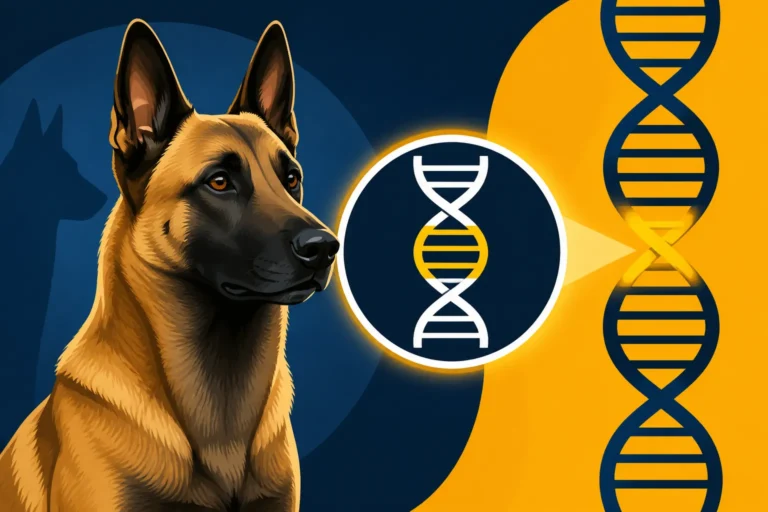
Genetics play an undeniable role in the health and lifespan of any dog, and the Belgian Malinois is no prime exception. Responsible breeding practices are paramount in mitigating the risk of hereditary diseases. A reputable breeder will go to great lengths to health-test their breeding stock, screening for conditions known to affect the breed. This isn't just a formality; it’s a commitment to the health of future generations.
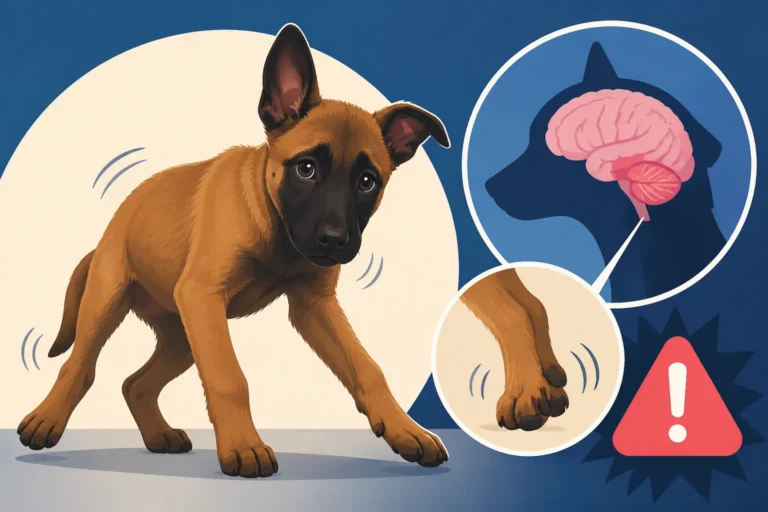
Among the common health concerns, orthopedic issues like hip and elbow dysplasia are often screened for, as well as certain eye diseases that can impact vision. Neurological conditions, such as epilepsy and spongy degeneration in puppies, are also areas where genetic screening is increasingly important. While no breeder can guarantee a dog will never face health challenges, choosing a puppy from parents with excellent health clearances significantly improves the odds. Understanding the genetic history can help owners anticipate potential issues and engage in preventative care earlier, potentially extending and improving their dog's life.
The Leading Causes of Death in Belgian Malinois
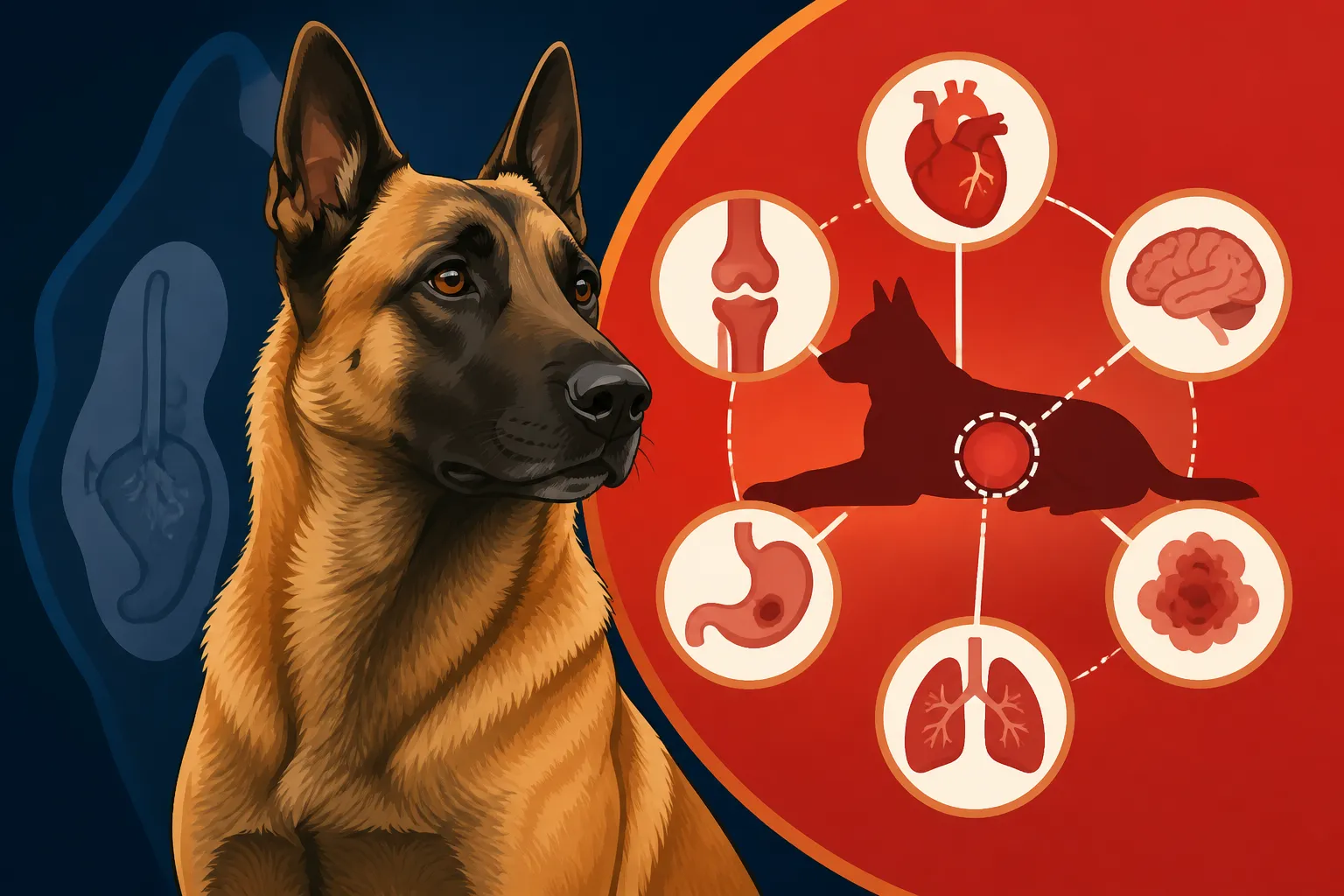
While Malinois are generally healthy, certain conditions commonly contribute to their passing. It's often not a single, sudden event, but a culmination of age, genetics, and environment that leads to the difficult decision or natural decline.
Cancer as a Major Threat
Cancer unfortunately stands as one of the leading causes of death across many dog breeds, and the Belgian Malinois is no exception. It's a cruel reality that as our dogs age, the risk of various forms of cancer increases significantly. The aggressive nature of some cancers means they can progress rapidly, even in seemingly healthy, active dogs.
One of the most insidious forms is hemangiosarcoma, a bleeding tumor that often affects the spleen or heart. It's known for its sudden, often catastrophic presentation, where a seemingly fine dog can collapse due to internal bleeding. The Bleeding Tumor That Kills an Older Malinois is often discovered too late, making it a particularly heartbreaking diagnosis. Other cancers frequently observed include lymphoma, which affects the lymphatic system, osteosarcoma (bone cancer), and various types of mast cell tumors that can appear on or under the skin. Early detection, though challenging for internal cancers, is critical for those visible externally. Regular veterinary check-ups, feeling for new lumps and bumps, and being observant of any changes in appetite, energy levels, or behavior are crucial. Rapid intervention can sometimes buy precious time, or even lead to remission, especially with certain types of cancer.
Cardiac and Organ Disease
Beyond cancer, failure of vital organs and cardiac conditions are significant factors in the decline of many Malinois. The heart, kidneys, and liver are all susceptible to age-related or congenital issues that can ultimately prove fatal.
Cardiac diseases, such as dilated cardiomyopathy (DCM) or other congenital heart defects, can reduce the heart's ability to pump blood effectively, leading to symptoms like lethargy, coughing, difficulty breathing, and eventually heart failure. While Malinois are not as prone to DCM as some giant breeds, it's still a concern, and regular cardiac screenings are recommended for breeding dogs. Kidney and liver failure can also slowly take their toll, often presenting with non-specific symptoms like increased thirst, changes in urination, loss of appetite, and weight loss. These conditions can often be managed with specialized diets and medications for a period, but progressive damage can lead to irreversible decline. Additionally, a serious and acute condition that can be fatal if not treated immediately is bloat, or Gastric Dilatation-Volvulus (GDV). While not strictly an "organ disease" in the chronic sense, it's a critical emergency involving the stomach that can lead to rapid death. Whether a Malinois is built for bloat is a question many owners ponder, and while it's less common than in deep-chested breeds, the risk is still present, making prompt veterinary attention essential if symptoms arise.
Neurological Conditions
The intricate nervous system of a Belgian Malinois can also be the source of life-limiting conditions. From seizure disorders to more progressive spinal diseases, neurological issues can severely impact a dog's quality of life and ultimately lead to their demise.
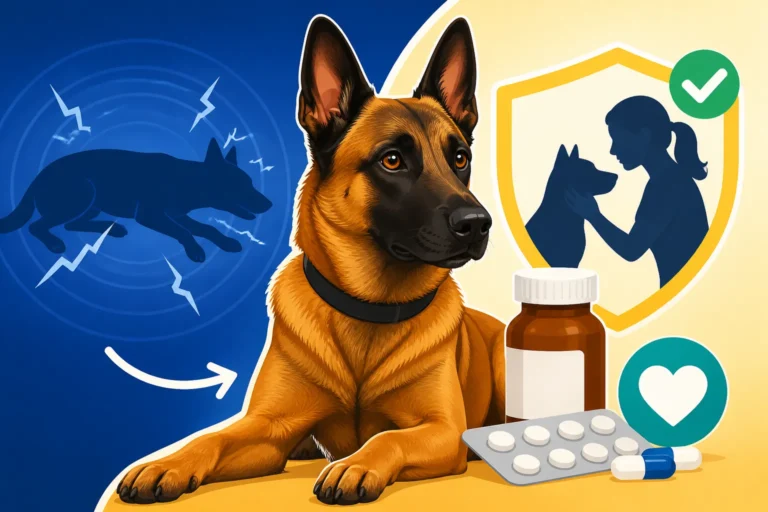
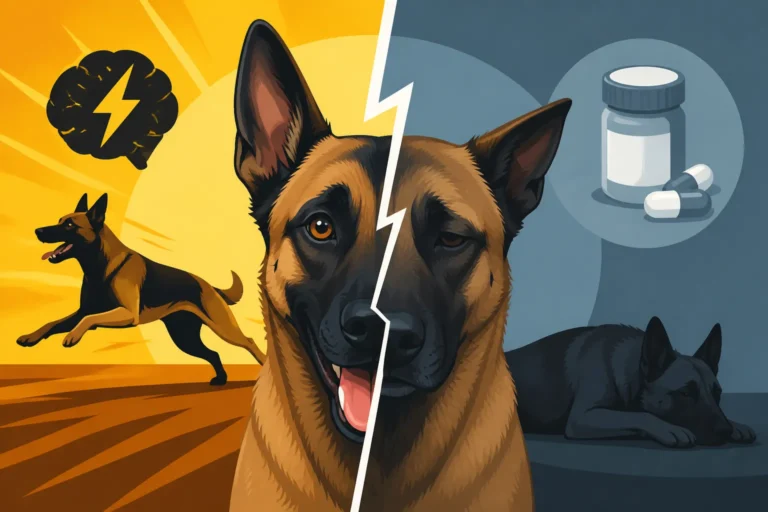
Epilepsy is one of the more common neurological challenges seen in the breed. The Seizure Disorder Running in Malinois Lines can manifest at various ages, from puppyhood to adulthood. While many epileptic Malinois can be successfully managed with medication, severe or uncontrolled seizures can lead to complications, brain damage, or even sudden death. The ongoing management of an epileptic Belgian Malinois on medication requires diligence and a close partnership with your veterinarian, and sometimes, despite best efforts, the seizures may prove intractable, necessitating difficult decisions about quality of life. Beyond epilepsy, other neurological conditions, including those affecting the brain or spinal cord, can also emerge. These might present as coordination issues, weakness, pain, or changes in behavior. Diagnosing these conditions can be complex, often requiring specialized imaging like MRIs, and treatment options vary widely.
Musculoskeletal Issues and Mobility Loss
For a breed defined by its athleticism, the loss of mobility due to musculoskeletal conditions can be devastating and, when severe, can ultimately lead to a dog's inability to live a comfortable, pain-free life.
Hip and elbow dysplasia, while often managed with medication, supplements, and physical therapy, can progress to severe, debilitating arthritis over time. The chronic pain and restricted movement can profoundly affect a Malinois's well-being, making even simple tasks like standing or walking unbearable. While not directly fatal, the inability to move comfortably can diminish their quality of life to a point where euthanasia becomes the most humane option. Then there's Degenerative Myelopathy (DM), a progressive disease of the spinal cord that is unfortunately terminal. The Spinal Disease That Ends a Malinois's Mobility slowly but relentlessly leads to weakness and paralysis in the hind limbs, eventually progressing to the front limbs and affecting vital functions. While some dogs can live for a period with DM with supportive care, it is ultimately a fatal condition with no cure. Injuries, particularly in highly active working dogs, can also lead to long-term mobility issues. A severe, irreparable injury might force an owner to consider quality of life decisions earlier than anticipated.
Accidents, Injuries, and Acute Events
Even the healthiest, most well-bred Belgian Malinois can fall victim to unforeseen circumstances. Their high drive, coupled with their environment, sometimes puts them at risk for accidents or sudden medical emergencies that can be fatal.
Traumatic Injuries in Active Dogs
Belgian Malinois are bundles of energy, often fearless and driven, which unfortunately makes them susceptible to traumatic injuries. Their zest for life and work can sometimes lead them into dangerous situations, both accidental and related to their training.
Car accidents, for example, are a tragic but preventable cause of death. A Malinois, with its prey drive, might dart after a squirrel or another animal, ignoring traffic, if not properly secured or trained. Falls from heights during agility or protection work, or even just missteps during intense play, can result in severe bone fractures, head trauma, or internal injuries that are too extensive to treat. In the context of their demanding careers, Injuries a Bite Sport Belgian Malinois Collects can range from broken teeth on a Malinois from sleeve work to torn cruciates in a jumping Belgian Malinois, or even shoulder injuries from decoy work. While many of these can be treated, some are severe enough to lead to permanent disability or, in the worst cases, be life-ending. The best defense against these traumatic incidents is meticulous management, secure containment, and diligent training that emphasizes safety and control, even in high-drive situations.
Unexpected Medical Emergencies
Beyond chronic diseases or obvious traumatic injuries, Malinois can also be felled by sudden, acute medical emergencies that strike without warning, often requiring immediate, life-saving intervention.
We've touched on bloat (GDV) earlier, but it bears repeating as a prime example of an acute, rapidly fatal condition. It can progress from mild discomfort to shock and death in a matter of hours if not surgically corrected. Symptoms like restlessness, unproductive retching, a distended abdomen, and pain warrant an emergency vet visit immediately. Other acute events can include severe allergic reactions, known as anaphylaxis, often triggered by insect stings or certain medications, leading to respiratory distress and collapse. Venomous bites from snakes or other creatures, particularly common in working dogs in rural environments, can also induce rapid, systemic shock and organ damage. Less common but still possible are acute bouts of pancreatitis, which can be triggered by dietary indiscretions and, if severe, can lead to multi-organ failure. These scenarios underscore the importance of having an emergency plan and access to rapid veterinary care, as minutes can literally mean the difference between life and death. Having pet insurance, like a policy from Healthy Paws, can certainly alleviate some of the financial stress during such critical moments, allowing owners to focus purely on their dog's care without hesitation.
Promoting a Long and Healthy Life for Your Malinois
While some causes of death are unavoidable, many can be influenced by proactive care and a deep understanding of your Malinois's needs. We can't guarantee endless years, but we can significantly increase their chances of a full, happy life.
Proactive Veterinary Care and Screenings
One of the most powerful tools in extending and enriching your Malinois's life is consistent, proactive veterinary care. This goes far beyond just getting their annual shots; it's about a comprehensive approach to health management.
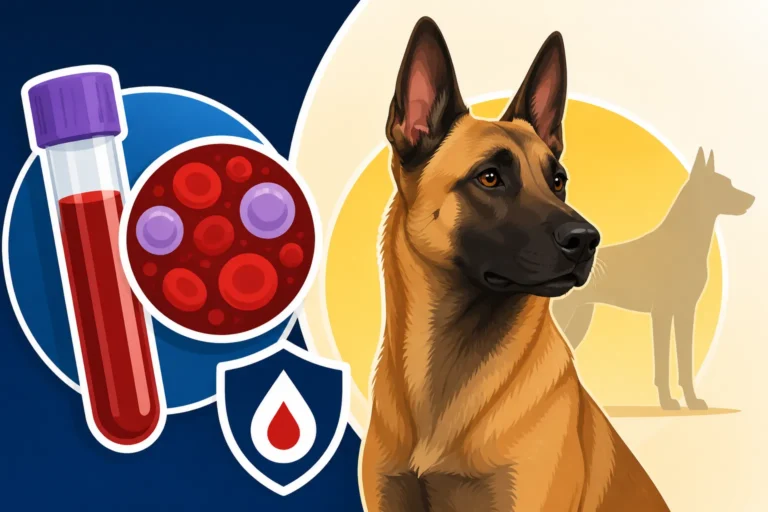
Regular annual or bi-annual wellness exams are crucial, as your vet can catch subtle changes or developing issues before they become major problems. These check-ups often include a thorough physical examination, dental checks, and discussions about nutrition and behavior. Vaccinations and year-round parasite prevention for fleas, ticks, and heartworm are non-negotiable for protecting your active dog. As your Malinois ages, the necessity for a complete bloodwork panel becomes even more apparent. The Bloodwork a Working Malinois Should Have Annually helps establish baselines and monitor organ function, allowing for early detection of conditions like thyroid issues or kidney disease. For breeds with known predispositions, like the Malinois, breed-specific screenings (such as hip and elbow evaluations, eye certificates, and cardiac screens) are vital, especially for breeding dogs, but can also inform pet owners about potential future challenges. Early detection and management, even for genetic conditions, can make a world of difference in your dog's comfort and longevity.
Nutrition, Exercise, and Mental Stimulation
A Belgian Malinois thrives when their fundamental needs for proper nutrition, ample exercise, and consistent mental stimulation are met. These aren't just luxuries; they are cornerstones of a long and healthy life.
Feeding a Malinois That Is Never Not in Drive means providing a high-quality, balanced diet appropriate for their age, activity level, and any specific health needs. Performance formulas are often recommended for working or highly active Malinois to support their intense energy demands and muscle mass. Maintaining a lean, healthy body condition is paramount, as excess weight puts undue strain on their joints and organs, exacerbating conditions like arthritis. Exercise, for a Malinois, isn't just a walk around the block. It needs to be structured, engaging, and physically demanding. This could involve running, cycling, swimming, or dedicated training sessions for sports like IGP or agility. Equally important is mental stimulation. These intelligent dogs need a "job" – whether it's obedience training, scent work, puzzle toys, or even just consistent daily training sessions – to keep their minds engaged and prevent boredom-induced stress or destructive behaviors that can lead to injury. A balanced approach to these three areas builds a resilient, healthy dog.
Recognizing Signs of Decline and Quality of Life
Perhaps the hardest part of owning a Malinois, or any dog, is recognizing when their quality of life has diminished to a point where intervention, or even making the last decision for a Malinois, becomes necessary. This is a deeply personal and often agonizing process.
It starts with observing your dog closely. Subtle changes in behavior, appetite, mobility, or energy levels can be early indicators of pain or underlying illness. Are they still eager to engage? Are they struggling to get up or lie down? Are their "good days" becoming fewer and farther between? Managing chronic pain, especially in an aging or arthritic Malinois, is crucial. Work closely with your veterinarian to explore pain medications, supplements, physical therapy, or other palliative care options to keep them comfortable for as long as possible. Open and honest conversations with your vet about your dog's overall well-being, their prognosis, and what constitutes a good quality of life for them are invaluable. There comes a point where our love for them means making choices that spare them suffering, even if it breaks our hearts. It's a testament to the incredible bond we share, and a final, loving act of compassion.
Common Causes of Death in Belgian Malinois
| Cause of Death | Common Age Range | Typical Progression | Key Warning Signs | Potential Mitigation / Management |
|---|---|---|---|---|
| Cancer | Middle to Senior (6-14+) | Can be rapid (hemangiosarcoma) or slower (lymphoma, mast cell) | Lumps, weight loss, lethargy, poor appetite, sudden collapse | Regular vet checks, prompt lump biopsy, early detection, treatment (surgery, chemo) |
| Cardiac Disease | Variable, often Senior | Gradual decline, sudden onset possible | Coughing, lethargy, exercise intolerance, difficulty breathing, collapse | Regular vet checks, cardiac screening, medication, diet management |
| Organ Failure | Senior (8-14+) | Gradual decline over months to years | Increased thirst/urination, lethargy, vomiting, weight loss, jaundice | Regular bloodwork, specialized diet, medication, fluid therapy |
| Neurological Issues (e.g., Epilepsy, DM) | Variable (epilepsy often younger, DM older) | Intermittent (epilepsy) or progressive (DM) | Seizures, weakness, coordination loss, paralysis, behavioral changes | Medication (epilepsy), supportive care (DM), genetic screening |
| Bloat (GDV) | Any age, often Middle-Senior | Extremely rapid (hours) | Restlessness, unproductive retching, distended abdomen, pain | Prophylactic gastropexy, avoiding exercise after eating, immediate vet care |
| Traumatic Injuries | Any age, especially active | Immediate | Limping, bleeding, pain, collapse, unresponsiveness | Secure containment, leash control, safe training environments, immediate vet care |
Disclaimer
The information provided in this article is for educational and informational purposes only and does not constitute veterinary advice. Always consult with a qualified veterinarian regarding any health concerns or before making any decisions about your Belgian Malinois's care.