The Third Ataxia Gene Found in Malinois Lines
It's incredibly unsettling to watch your usually agile and energetic Belgian Malinois suddenly struggle with coordination, their confident gait replaced by an alarming stumble. When you've already done your due diligence, testing for known genetic conditions, and the results come back clear, it leaves you feeling frustrated and desperate for answers. This guide aims to shed light on the ongoing search for other genetic causes of ataxia in Malinois, often informally referred to as a "third ataxia gene," and what it means for you and your beloved dog.
Understanding Ataxia and Its Known Genetic Forms in Malinois
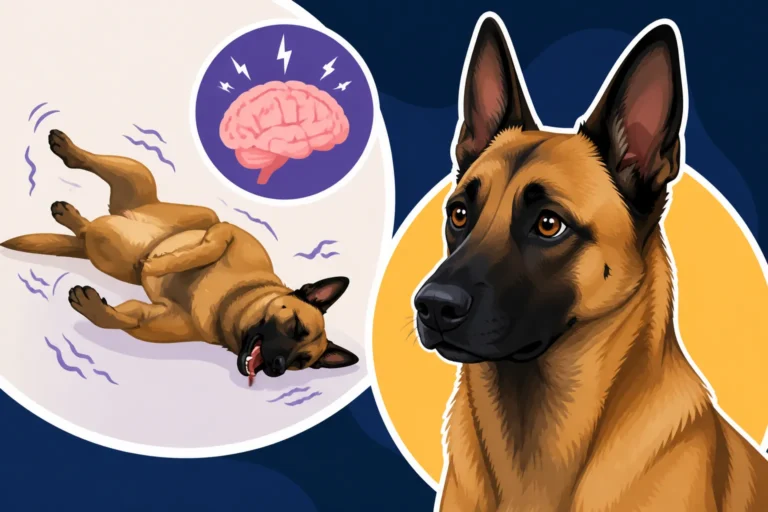
Ataxia in dogs isn't a disease itself, but rather a neurological symptom characterized by a lack of voluntary coordination of muscle movements. Essentially, it's a "wobble" or an uncoordinated movement that can affect the head, body, or limbs. For a breed as athletic and precise as the Belgian Malinois, signs of ataxia are particularly distressing and immediately noticeable. They're dogs built for supreme physical capability, so any compromise to that is a serious concern.
The Known Ataxia Genes SDCA1 and SDCA2
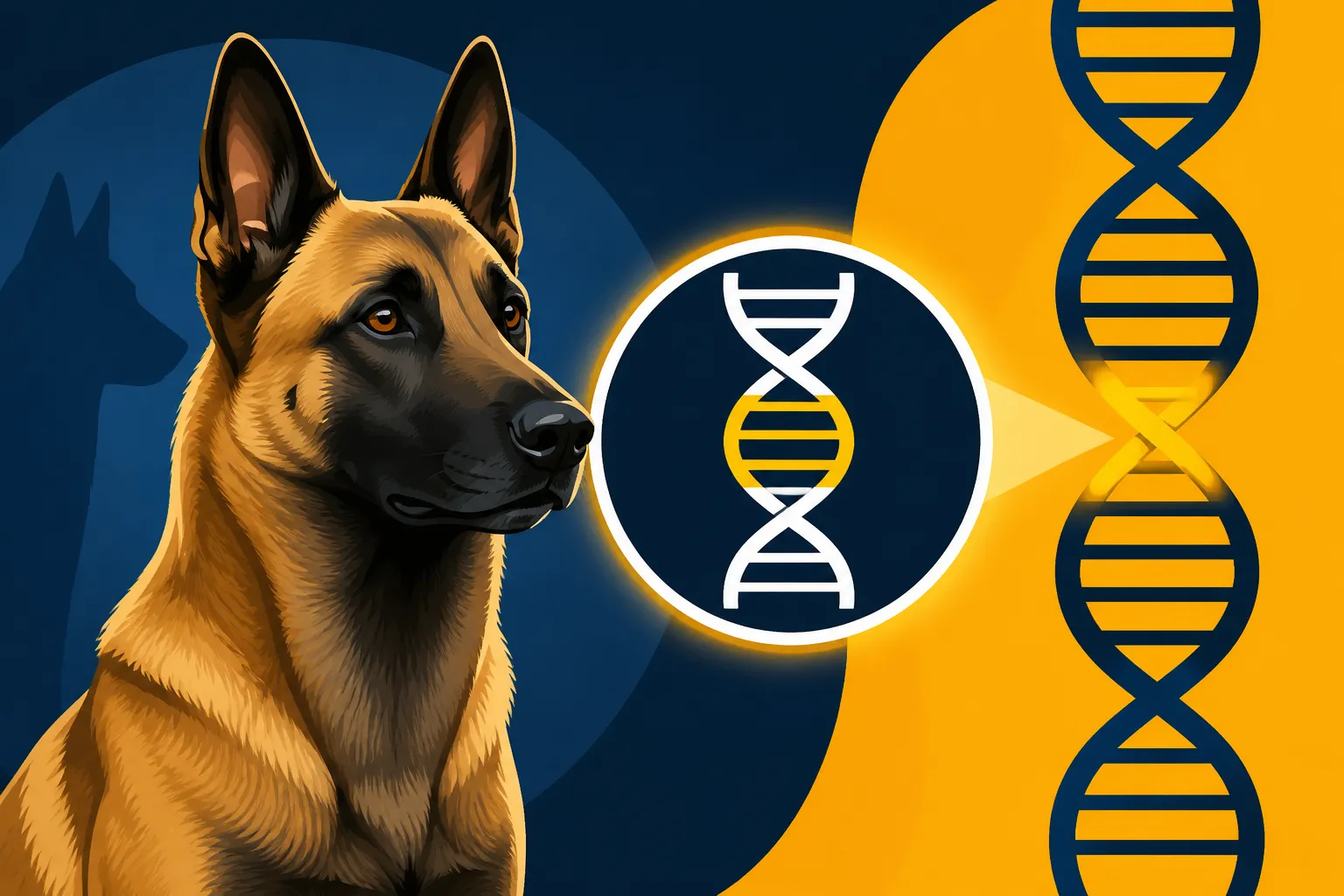
For years now, the Belgian Malinois community, alongside dedicated researchers, has identified two primary genetic mutations responsible for specific forms of Spongy Degeneration with Cerebellar Ataxia (SDCA) in the breed. These are commonly referred to as SDCA1 and SDCA2.
SDCA1, caused by a mutation in the KCNJ10 gene, typically presents in young puppies, often between 2 and 7 months of age. Affected puppies might show a subtle incoordination at first, struggling with balance, exhibiting a goose-stepping gait in their hind limbs, or having difficulty with stairs or uneven terrain. This can unfortunately progress, making even simple movements a significant challenge. Owners often describe The First Signs of Ataxia in a Malinois Puppy as a clumsiness that quickly escalates.
SDCA2, on the other hand, is associated with a mutation in the ATP1B2 gene and tends to manifest a bit later, usually between 4 and 18 months, though sometimes even younger. While the symptoms can overlap with SDCA1, dogs with SDCA2 might exhibit more pronounced generalized incoordination, head tremors, or difficulty judging distances. Both of these conditions are autosomal recessive, meaning a puppy must inherit a copy of the mutated gene from both parents to be affected. Dogs inheriting only one copy are carriers and typically show no symptoms, but can pass the gene to their offspring. This is why genetic testing is so crucial for responsible breeding. Understanding How SDCA1 and SDCA2 Differ in a Malinois can help owners and vets differentiate the presentation, although definitive diagnosis relies on genetic testing.
The Frustration of an Undiagnosed Wobble
Imagine this scenario: you acquire a beautiful, high-drive Malinois puppy from a reputable breeder. You've seen the health clearances, including the genetic tests for The Two Ataxia Genes Belgian Malinois Are Tested For, confirming both parents are clear or only carriers, and your puppy is genetically clear for SDCA1 and SDCA2. Yet, as your puppy grows, you start to notice that familiar, worrying wobble. They might have The Wobbly Gait a Malinois Puppy Shows at Six Weeks, or perhaps it develops later. They're struggling with stairs, tripping over their own feet, or showing a pronounced lack of coordination that simply isn't normal for such a typically agile breed.
This situation is incredibly frustrating and heartbreaking. You've done everything right, invested in a well-bred dog, and still, your Malinois is showing signs of ataxia. This is where the concept of a "third ataxia gene" or other as-yet-undiscovered genetic causes comes into play. If your dog tests clear for SDCA1 and SDCA2, but still exhibits classic ataxia symptoms, it strongly suggests there's another underlying genetic factor at play that current commercial tests don't cover. This is a difficult position for any owner, as it means navigating a diagnostic odyssey with potentially no clear answers, making it incredibly challenging to manage your dog's condition or plan for their future.
Pinpointing Other Genetic Ataxia Causes Beyond SDCA1 and SDCA2
The world of canine genetics is always evolving. While SDCA1 and SDCA2 are the two most well-characterized genetic forms of ataxia in Belgian Malinois, the reality is that "ataxia" is a broad term, and many different neurological issues can manifest with similar symptoms. The search for additional genetic culprits is an ongoing endeavor for researchers who understand the devastating impact these conditions have on affected dogs and their families.
The Challenges of Genetic Discovery
Finding a new disease-causing gene is a monumental task. It's not as simple as scanning a dog's DNA and immediately spotting a problem. Researchers typically start by observing clusters of affected dogs within certain bloodlines, even if they've tested clear for known mutations. They then collect DNA samples from these affected dogs, their healthy siblings, parents, and even grandparents. This extensive family tree approach helps them look for common genetic markers that are consistently present in affected individuals but absent in healthy ones.
Advanced genomic sequencing techniques are employed, generating massive amounts of data that then need to be painstakingly analyzed. It's like looking for a tiny typo in an encyclopedia with millions of pages. The goal is to identify single nucleotide polymorphisms (SNPs) or small insertions/deletions that correlate perfectly with the disease. Once a candidate gene region is identified, further studies are needed to confirm its role, understand the exact mutation, and determine the inheritance pattern. This process can take years, involving collaboration between universities, veterinary neurologists, and dedicated breed clubs. The financial investment and scientific expertise required are substantial, highlighting why new discoveries don't happen overnight.
Identifying Subtle Clinical Differences
One of the key ways researchers can begin to distinguish a potential new genetic ataxia from the already known SDCA1 and SDCA2 is by meticulously documenting the clinical presentation of affected dogs. While many ataxia symptoms overlap, there can be subtle differences in:
- Age of Onset: Does the ataxia consistently appear earlier or later than typically seen with SDCA1 or SDCA2? For example, if a Malinois puppy develops profound ataxia much younger than the average SDCA1 case, it might indicate a different genetic pathway.
- Specific Symptom Progression: Are there unique symptoms or patterns of muscle weakness, tremor, or gait abnormality that differ from the established types? Some ataxias might affect particular parts of the brain or spinal cord more severely, leading to distinctive clinical signs. For instance, some forms might be more severe in the forelimbs versus the hindlimbs, or include other neurological signs not typically seen with SDCA.
- Response to Treatment: While there's no cure for genetic ataxias, some supportive treatments might have slightly different effects depending on the underlying cause. Observing these differences, however minor, can provide clues.
- Associated Conditions: Does this "new" ataxia consistently appear with other seemingly unrelated health issues in affected dogs? This could point to a gene that has multiple functions in the body.
Veterinary neurologists play a critical role here, performing thorough examinations, MRI scans, cerebrospinal fluid analysis, and other diagnostic tests to rule out non-genetic causes of ataxia such as injuries – for example, Distinguishing Malinois Ataxia From an Injury – infections, toxins, or structural abnormalities in the brain or spine. The more detailed clinical data that can be gathered on affected dogs, the better equipped researchers are to narrow down their genetic search.
What This Means for Malinois Owners and Breeders
Discovering a potential "third ataxia gene" is both a challenge and an opportunity. For owners, it can provide an explanation for baffling symptoms. For breeders, it adds another layer of responsibility in ensuring the health of their lines.
Advocating for Comprehensive Testing
First and foremost, if you are considering bringing a Belgian Malinois into your home, especially a puppy, it is absolutely paramount to work with a reputable breeder who conducts comprehensive health testing. This includes genetic screening for both SDCA1 and SDCA2. Don't be shy about Asking a Breeder for Malinois Ataxia Results. A responsible breeder will not only provide these results for both sire and dam but will also explain them clearly and be transparent about their breeding philosophy regarding carriers. It's important to confirm Whether Both Malinois Parents Need DNA Testing – the answer is yes, ideally.
While the existing genetic tests are invaluable, the possibility of other undiscovered genes highlights the importance of staying informed. Keep an eye on research updates from veterinary universities, breed-specific health foundations, and reputable canine genetic testing laboratories. As science progresses, new tests may become available. Responsible breeders understand that the health landscape is always changing and are committed to adapting their practices accordingly, ensuring they produce the healthiest puppies possible.
Managing Suspected Ataxia in Your Dog
If your Malinois, despite being clear of known ataxia genes, begins to show signs of incoordination, the first step is always a prompt visit to your veterinarian. They will perform a full physical and neurological examination to rule out other potential causes. This might involve blood tests, X-rays, or even advanced imaging like MRI, especially if the symptoms are severe or rapidly progressing. Early diagnosis, even if the specific genetic cause isn't yet identified, can help manage symptoms and prevent secondary injuries.
While there's no cure for genetic ataxia, supportive care can significantly improve your dog's quality of life. This can include:
- Physical Therapy: Targeted exercises can help maintain muscle strength and improve balance.
- Mobility Aids: Harnesses, ramps, or even custom wheelchairs can assist dogs with severe mobility challenges.
- Environmental Adjustments: Non-slip rugs, gates to prevent stair access, and padded flooring can make your home safer.
- Medication: While not addressing the underlying genetic issue, some medications might help with secondary symptoms like muscle spasms or pain.
These treatments can be costly, and the financial burden of managing a dog with chronic neurological issues can be substantial. This is where pet insurance can be a literal lifesaver. Companies like Healthy Paws offer comprehensive plans that can cover a significant portion of diagnostic tests, veterinary consultations, specialist visits, and ongoing physical therapy. Having a plan like this in place from an early age can provide immense peace of mind, allowing you to focus on your dog's care without constant worry about mounting vet bills. For an old Belgian Malinois who might be slowing down, or a young one facing an unexpected challenge, Keeping an Old Belgian Malinois Mentally Busy becomes even more critical when physical activity is limited.
| Ataxia Type (Malinois) | Primary Gene/Cause | Typical Onset Age | Key Symptoms | Diagnostic Status |
|---|---|---|---|---|
| SDCA1 | KCNJ10 mutation | 2-7 months | Hind limb incoordination, goose-stepping gait, difficulty with stairs, progressive wobble | Commercial DNA test available |
| SDCA2 | ATP1B2 mutation | 4-18 months | Generalized incoordination, head tremors, difficulty judging distances, progressive wobble | Commercial DNA test available |
| "Third" / Novel Ataxia | Undetermined/Unknown | Variable | Ataxia despite clear SDCA1/2 tests, potentially subtle unique clinical signs | Research ongoing, no commercial test yet |
The Future of Ataxia Research and Your Role
The journey to fully understand and eradicate genetic diseases like ataxia in Belgian Malinois is a continuous one. It requires the dedication of scientists, veterinarians, and, crucially, committed owners like you.
Contributing to the Knowledge Base
If you own a Belgian Malinois displaying ataxia symptoms but testing negative for SDCA1 and SDCA2, your dog could be an invaluable part of advancing scientific understanding. Many veterinary research institutions and breed-specific health organizations actively seek out cases of undiagnosed neurological conditions. Contributing your dog's medical history and DNA samples (often a simple cheek swab) to these studies can provide the crucial data points needed to identify new disease-causing genes.
This participation isn't just about your dog; it's about helping the entire breed. Each case, each sample, and each detailed medical record helps researchers piece together the puzzle. Without owner participation, the discovery of a "third ataxia gene" would be impossible. Connect with your breed club, your veterinary neurologist, or major veterinary research hospitals (like those at UC Davis, Cornell, or UPenn) to inquire about ongoing studies. They can often guide you through the process and explain how your contribution can make a difference. These collective efforts are essential to ensuring the long-term health and vitality of the Belgian Malinois breed.
Responsible Breeding Practices
For breeders, the discovery of new genetic health concerns underscores the ongoing responsibility to practice ethical and informed breeding. It means never breeding dogs without full health clearances, including all currently available genetic tests. Even if a potential "third ataxia gene" is still in the research phase, avoiding breeding related individuals with a history of unexplained ataxia in their lineage is a wise, proactive measure.
Beyond genetic tests, responsible breeding involves meticulous record-keeping, open communication with puppy buyers, and a willingness to learn and adapt. Breeders should prioritize temperament, health, and working ability equally, striving to produce sound dogs in every sense of the word. They should be willing to discuss their screening process, what they do when they encounter a Spongy Degeneration in a Belgian Malinois Puppy, and how they choose their breeding pairs. The commitment to improving the breed extends beyond current knowledge, embracing the unknown and preparing for future discoveries to safeguard the health of future generations of Belgian Malinois.
Disclaimer
The information provided in this guide is for informational purposes only and does not constitute veterinary medical advice. Always consult with a qualified veterinarian or veterinary specialist for any health concerns or before making any decisions related to your pet's health and treatment. Genetic research is constantly evolving, and information may become outdated.