Whether Both Malinois Parents Need DNA Testing
Bringing a Belgian Malinois into your home is a huge commitment, and few things are more heartbreaking than discovering your energetic, intelligent companion is suffering from a devastating genetic disease. It’s a common frustration for prospective owners and even seasoned breeders to navigate the complex world of genetic testing, especially when questions arise about which parent dogs actually need to be tested. This guide is here to clear up that confusion, explaining why robust DNA testing for both Malinois parents isn’t just recommended, but absolutely essential for safeguarding the health and future of the breed.
Understanding Genetic Health in Belgian Malinois
The Belgian Malinois, a breed celebrated for its exceptional drive, intelligence, and athleticism, is generally considered robust. However, like all purebred dogs, they carry the potential for certain inherited health conditions. Understanding how these conditions are passed down is the first critical step in appreciating why comprehensive genetic screening of both parents is non-negotiable for responsible breeding.
The Importance of Proactive Testing
Imagine investing countless hours, resources, and emotional energy into a Malinois puppy, only to find out months or a year later that it's developing a debilitating genetic condition. It’s a gut-wrenching scenario that can often be prevented with proper foresight. Proactive genetic testing isn’t about being alarmist; it’s about being responsible. For a breed so intensely focused on performance and work, soundness is paramount. A Malinois isn't just a pet; for many, it's a working partner, a sport competitor, or a loyal family guardian. Any genetic issue that compromises its physical or neurological health can undermine its entire purpose and quality of life.
Responsible breeders are driven by a commitment to produce healthy, sound offspring. This means going beyond basic veterinary check-ups and delving into the genetic blueprint of their breeding stock. The future of the breed literally depends on making informed decisions today. Without knowing the genetic status of both sire and dam, even the most well-intentioned breeding can inadvertently propagate serious health problems, causing undue suffering for the dogs and immense heartache for their owners. It's about preventing problems before they even have a chance to take root in a litter.
Recessive Genes and Carrier Status
Many of the most serious genetic diseases in dogs are passed down through what we call "recessive inheritance." What does this mean in plain English? It means that a dog needs to inherit two copies of a specific "bad" gene – one from its mother and one from its father – to actually develop the disease. If a dog only inherits one copy of this bad gene and one normal copy, it won't show any symptoms of the disease itself. This dog is what we call a "carrier."
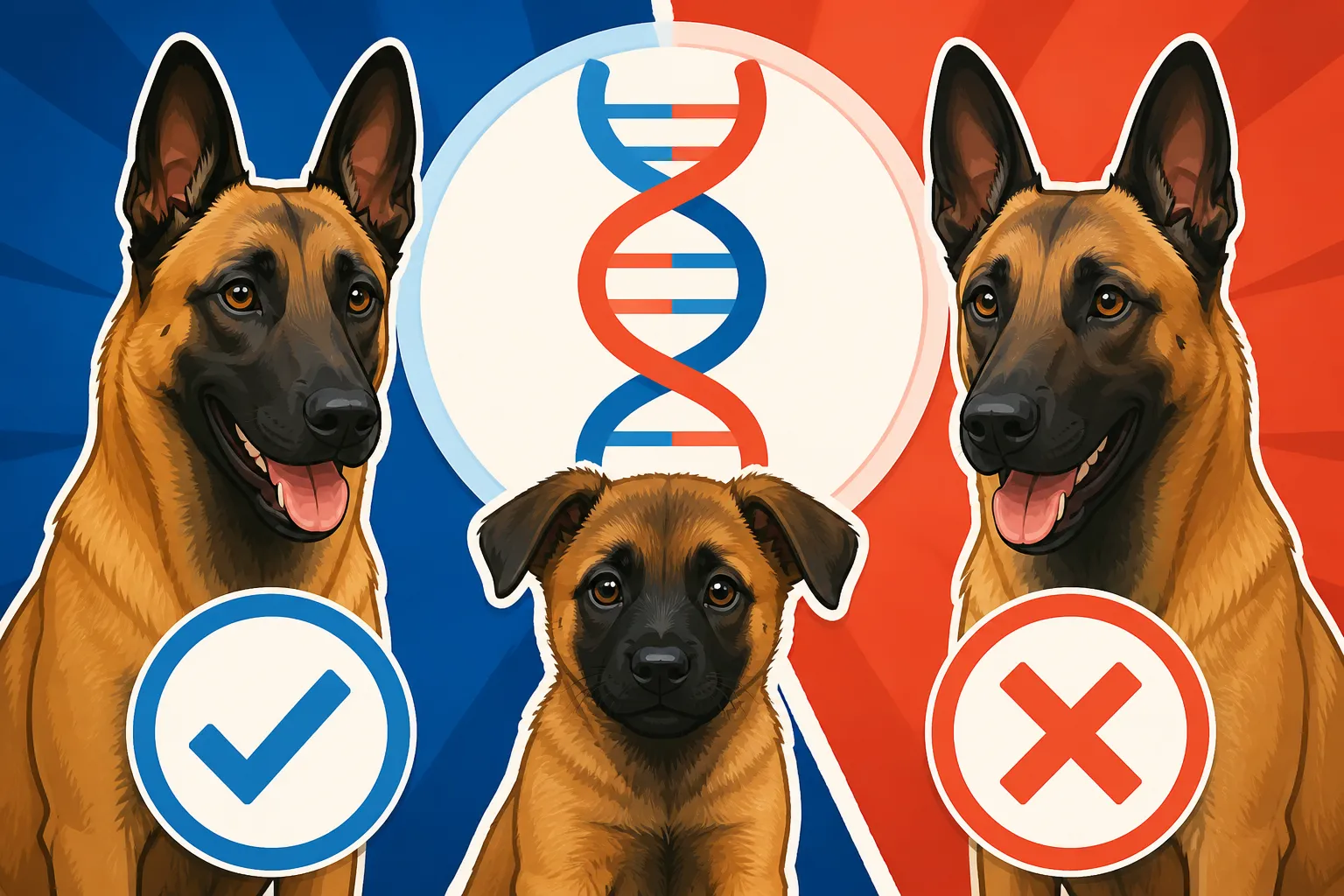
Carriers are often perfectly healthy animals, living full, active lives without any indication they harbor a potentially dangerous gene. This is precisely why testing both parents is so crucial. If you breed a "clear" dog (meaning it has two normal copies of the gene) with a "carrier" dog, none of the puppies will ever be affected by the disease. However, about half of the litter will likely be carriers themselves, meaning they could pass the gene on if they are later bred. The real danger arises when you unknowingly breed two "carrier" dogs together. In such a pairing, statistically, 25% of the puppies will be "clear," 50% will be "carriers," and a devastating 25% will inherit two copies of the "bad" gene and will therefore be "affected" – meaning they will develop the disease.
Without testing both parents, you're essentially gambling with the health of an entire litter. A carrier parent looks, acts, and performs just like a clear one, making it impossible to identify them without a DNA test. This fundamental understanding of recessive inheritance forms the bedrock of why dual-parent DNA testing is so vital for preventing avoidable suffering.
Key Genetic Conditions Requiring Dual Parent Testing
When it comes to the Belgian Malinois, there are specific genetic conditions where testing both parents is not just a suggestion, but a golden rule to ensure healthy progeny. These conditions, often devastating, highlight the critical need for genetic foresight.
Spinal Dysmyelination and Cerebellar Ataxia (SDCA1 and SDCA2)
One of the most talked-about and feared genetic conditions in Belgian Malinois is Spinal Dysmyelination and Cerebellar Ataxia, often abbreviated to SDCA. This isn't just one condition, but two distinct forms: SDCA1 and SDCA2, both of which are serious neurological disorders. SDCA1 typically manifests in Malinois puppies between three and six months of age, causing a progressive loss of coordination and balance. Imagine a puppy that suddenly struggles to walk in a straight line, stumbles frequently, or has a noticeable tremor. These are the kinds of heartbreaking early signs observed. The condition often progresses, leading to severe mobility issues and, sadly, often requiring euthanasia due to quality of life concerns.
SDCA2, while also an ataxia, often presents slightly differently and can have a more variable onset and progression. Both forms are inherited in an autosomal recessive manner, meaning a puppy needs to inherit a copy of the faulty gene from both its mother and its father to be affected. If a dog only has one copy, it's a healthy carrier. This is why it’s imperative for breeders to perform Testing a Belgian Malinois for SDCA1 and SDCA2 on all breeding stock. If one parent is a carrier, and the other is clear, no affected puppies will be produced. However, if both parents are carriers, approximately 25% of their puppies will be affected, and a further 50% will also be carriers. This scenario underscores why understanding the implications of Breeding Two Ataxia Carrier Malinois is so important and why it's a practice to be avoided entirely.
Other Inheritable Conditions and Screening
While SDCA is a prime example of a condition requiring specific DNA tests for recessive genes, other significant inheritable health issues in Belgian Malinois also demand careful parental screening, even if the primary method isn't always a simple "carrier/clear" DNA test. Hip and elbow dysplasia are unfortunately common in many active, large breeds, including the Malinois. These conditions involve abnormal development of the hip and elbow joints, leading to pain, arthritis, and compromised mobility. While there isn't a single DNA test to determine "clear" or "affected" status for dysplasia, responsible breeders conduct orthopedic evaluations, such as OFA or PennHIP, on both parents to assess their joint quality. These clearances provide a genetic predisposition score, helping to ensure that only dogs with sound joint structure are bred. Understanding The Hip and Elbow Numbers Behind a Malinois Clearance is crucial for evaluating a breeder's commitment to orthopedic health.
Eye diseases also warrant attention. Progressive Retinal Atrophy (PRA), cataracts, and other ocular issues can impact a Malinois's vision and quality of life. Many of these conditions also have a genetic component. Reputable breeders will have both parents undergo regular eye examinations by a board-certified veterinary ophthalmologist, often documented with an OFA Eye Certification. These certifications screen for a range of ocular disorders. For some specific eye conditions, DNA tests are available (e.g., for certain forms of PRA), and in those cases, dual-parent testing follows the same logic as SDCA. Learning about The Eye Diseases Behind a Malinois Eye Certificate can help you understand the breadth of screenings required. While these might not always be direct DNA tests for recessive genes, the principle remains: thoroughly screening both parents significantly reduces the risk of passing on debilitating conditions to their offspring.
The Mechanics and Benefits of Testing Both Parents
Once we understand the underlying genetics, the practical side of testing both parents becomes clearer. It’s a process that has become increasingly accessible and provides profound benefits for breeders, puppies, and future owners alike.
How DNA Testing Works for Breeders
The process for genetic DNA testing has become remarkably straightforward, making it easier than ever for responsible breeders to screen their Malinois. Typically, it involves collecting a DNA sample, most commonly through a simple cheek swab. A brush or swab is rubbed inside the dog's mouth against the cheek to collect epithelial cells. This non-invasive method is quick, stress-free for the dog, and can be done right at home or by a veterinarian. Once collected, the sample is securely packaged and sent to a specialized genetic testing laboratory. Companies like Embark Veterinary, Optimal Selection by Wisdom Panel, and Canine HealthCheck offer comprehensive panels that screen for dozens, sometimes hundreds, of genetic diseases relevant to specific breeds, including conditions like SDCA1 and SDCA2 in Malinois.
Within a few weeks, the breeder receives a detailed report for each dog. These reports clearly indicate whether the dog is "clear" (meaning it has two normal copies of the gene and cannot pass on the disease), a "carrier" (meaning it has one normal and one faulty copy, won't develop the disease but can pass on the faulty gene), or "affected" (meaning it has two faulty copies and will develop the disease). These clear, actionable results empower breeders to make informed pairing decisions, ensuring they don't unknowingly create litters where puppies are at high risk for inherited disorders. This commitment to transparency and health is a hallmark of truly ethical breeding.
Mitigating Risk and Ensuring Puppy Health
The primary benefit of testing both Malinois parents is the profound reduction in risk for the puppies. By knowing the genetic status of both the sire and dam for recessive conditions like SDCA, a breeder can strategically plan matings to avoid producing affected offspring. For example, if a breeder has a fantastic female who is a carrier for SDCA1, they can confidently breed her to a male who has tested clear for SDCA1. In this scenario, while some puppies may still be carriers, none will be affected by the disease. This allows breeders to utilize valuable genetic lines without compromising the health of the next generation. It’s a delicate balance that modern genetic testing allows us to achieve.
For prospective puppy owners, this translates into immense peace of mind. When you receive a puppy whose parents have both been thoroughly tested and screened, you can be far more confident that your future companion has the best possible genetic start in life. This isn't just about avoiding a devastating diagnosis; it’s about investing in a dog that is structurally sound and neurologically healthy, capable of living up to the Malinois's incredible potential. This due diligence by the breeder also demonstrates a commitment to transparency, which is a key indicator of a reputable source. When you’re making inquiries, don’t hesitate to ask a breeder for proof of Asking a Breeder for Malinois Ataxia Results and other health clearances. It's your right as a buyer to ensure the health of your future family member.
Financial and Ethical Considerations
The upfront cost of genetic testing for breeding dogs might seem like an extra expense, but when weighed against the potential financial and emotional toll of dealing with a genetically affected puppy, it becomes an incredibly wise investment. Diagnosing and managing a severe genetic condition like SDCA or debilitating dysplasia can involve countless veterinary visits, specialized diagnostics (MRIs, X-rays), medications, physical therapy, and potentially even euthanasia if the quality of life becomes too poor. These costs can quickly escalate into thousands of dollars, far exceeding the initial expense of parental DNA testing. Many owners, even with pet insurance like Healthy Paws, will face substantial out-of-pocket costs and significant stress.
Beyond the financial aspect, there's a huge ethical responsibility. As breeders, we have a duty to improve the breed, not inadvertently contribute to its health problems. Producing a litter of puppies with a high likelihood of suffering from an inheritable disease is not only irresponsible but causes immense heartache for the new owners and the puppies themselves. By investing in thorough parental testing, breeders uphold their ethical obligation, demonstrating a genuine care for the well-being of their dogs and the future of the Belgian Malinois breed. For puppy buyers, it's also worth considering that while a breeder's health testing is paramount, unexpected accidents or illnesses can still occur. Having comprehensive pet insurance from a provider like Healthy Paws in place from an early age can provide a crucial safety net for unforeseen veterinary expenses throughout your Malinois's life.
What to Do with the Results
Once DNA test results are in hand, understanding what they mean and how to act on them is crucial for both breeders and prospective puppy owners. These results aren't just data; they are tools for responsible decision-making.
Interpreting Test Outcomes
Genetic DNA test results typically fall into three clear categories for autosomal recessive conditions:
- Clear (or Normal): This means the dog has two normal copies of the gene and does not carry the mutation for the tested disease. A "clear" dog cannot develop the disease and cannot pass the disease-causing gene on to its offspring. This is the ideal status for both parents, as breeding two clear dogs guarantees a litter of all clear puppies.
- Carrier (or Heterozygous): This means the dog has one normal copy of the gene and one copy of the disease-causing mutation. A "carrier" dog will not develop the disease itself because it has a healthy copy of the gene to compensate. However, it can pass the disease-causing gene on to approximately 50% of its offspring. Carriers are important for maintaining genetic diversity, but their breeding partners must be carefully selected.
- Affected (or Homozygous Affected): This means the dog has two copies of the disease-causing mutation, one from each parent. An "affected" dog will develop the disease. Dogs in this category should never be bred, as they will pass one copy of the faulty gene to 100% of their offspring.
Understanding these distinctions is paramount. Simply knowing a dog is "tested" isn't enough; you need to know what the test results indicate for each specific condition. A dog might be clear for SDCA1 but a carrier for another condition, so a full panel breakdown is essential.
Responsible Breeding Practices
For breeders, the test results dictate breeding strategies. The golden rule for recessive genetic diseases is simple: never breed two carriers together for the same condition. This combination is the only way to produce affected puppies. Instead, responsible breeding practices dictate the following:
- Clear x Clear: This is the safest pairing. All offspring will be clear, ensuring no puppies are affected and none carry the gene.
- Clear x Carrier: This is an acceptable pairing if the carrier dog has other desirable traits (e.g., temperament, working ability, structure) that are valuable to the breeding program. In this case, 50% of the puppies will be clear, and 50% will be carriers. None will be affected. The breeder should test the offspring if they plan to keep any for future breeding, to identify which ones are carriers.
- Carrier x Carrier: This pairing must be avoided. It carries a 25% risk of producing affected puppies, 50% carriers, and 25% clear. This is an unnecessary risk that responsible breeders will never take.
Sometimes, a valuable breeding animal might be a carrier. This doesn't mean they can't be bred, but it means their mate must be tested clear for that specific condition. This thoughtful approach allows for the preservation of genetic diversity while systematically reducing the prevalence of genetic diseases in the breed. A breeder committed to this standard is often working with platforms like Embark or Optimal Selection to manage their genetic data.
For Prospective Puppy Owners
As a prospective Belgian Malinois owner, the parental health testing is one of the most crucial aspects to investigate when choosing a breeder. Do not shy away from asking direct questions and requesting to see official documentation of all genetic health clearances for both the sire and dam. A reputable breeder will be transparent and proud to share these results. If a breeder hesitates, makes excuses, or claims testing isn't necessary, consider that a major red flag.
Look for a breeder who has tested for, at minimum, SDCA1 and SDCA2, and has performed OFA or PennHIP evaluations for hips and elbows, along with current eye certifications. A good question to ask is, "Are both parents 'clear' for SDCA1 and SDCA2?" If one parent is a carrier for an autosomal recessive condition, ensure the other parent is unequivocally clear for that exact same condition. This diligence on your part helps ensure you are getting a puppy from parents who have been responsibly screened. Remember, a healthy puppy leads to a happy Malinois, and while a comprehensive pet insurance plan from a company like Healthy Paws can cover future unexpected health issues, starting with a genetically sound foundation is priceless.
Belgian Malinois Genetic Health Testing Summary
Here’s a quick overview of common genetic tests and screenings relevant for Belgian Malinois parents:
| Condition / Test | Type of Test | Why Both Parents are Tested | Implications of Results |
|---|---|---|---|
| SDCA1/SDCA2 Ataxia | DNA Test (Cheek Swab) | Autosomal Recessive: Puppy needs two copies (one from each parent) to be affected. | Clear x Clear: All clear puppies. Clear x Carrier: No affected puppies; 50% carriers. Carrier x Carrier: 25% affected, 50% carriers, 25% clear (AVOID). |
| Hip Dysplasia | Radiographic (OFA/PennHIP) | Polygenic: Assesses structural quality and genetic predisposition. Breeding sound dogs reduces risk. | Aim for "Good" or "Excellent" OFA/low DI PennHIP. Breeding two dysplastic dogs increases risk for offspring. |
| Elbow Dysplasia | Radiographic (OFA) | Polygenic: Assesses structural quality and genetic predisposition. | Aim for "Normal" OFA. Breeding two affected dogs increases risk. |
| Eye Certification (CERF/OFA Eye) | Ophthalmic Exam | Screens for inherited eye diseases (e.g., PRA, cataracts, distichiasis). | Breeders should only use dogs with current, clear eye certifications. Some specific conditions may have DNA tests. |
| Cardiac Exam (OFA Cardiac) | Veterinary Exam (Auscultation/Echo) | Screens for inherited heart conditions, though less common as a primary issue in Malinois. | Aim for "Normal" results. Essential for breeding stock. |
Disclaimer
The information provided in this article is intended for general informational purposes only and does not constitute veterinary advice. Always consult with a qualified veterinarian for any health concerns or before making any decisions related to your Belgian Malinois's care, treatment, or breeding. Genetic testing recommendations may evolve, and it is crucial to stay informed and work with your veterinarian and reputable breeders.