Breeding Two Ataxia Carrier Malinois
The decision to breed dogs is never one to take lightly, and when you’re dealing with a breed as genetically diverse and as intensely driven as the Belgian Malinois, the stakes feel even higher. It’s a gut-wrenching moment for any responsible breeder to discover that one of their beloved dogs, or perhaps even both, carries a genetic marker for a serious condition like Ataxia. The thought of breeding two Ataxia carrier Malinois together can stir up a storm of anxiety, ethical questions, and practical concerns, especially when you’ve poured your heart and soul into producing healthy, sound dogs. This guide is here to walk you through exactly what it means to breed two Ataxia carrier Belgian Malinois, the risks involved, and how to navigate these challenging decisions with the utmost responsibility and care for the breed’s future.
Understanding Canine Ataxia in Belgian Malinois
When we talk about Ataxia in Belgian Malinois, we're not just discussing a vague neurological issue; we're referring to specific, identifiable genetic conditions that can profoundly impact a dog's life. It's a heavy topic, but one that needs a clear, honest discussion for the sake of these incredible dogs.
What Ataxia Means for a Malinois
Ataxia is a neurological disorder characterized by a loss of coordination. In a breed renowned for its agility, precision, and boundless energy like the Belgian Malinois, this condition is particularly devastating. Imagine a dog that lives to work, jump, run, and problem-solve, suddenly unable to control its own movements. Affected dogs typically show symptoms ranging from a clumsy, uncoordinated gait to severe difficulty with balance and movement. They might stumble, fall over, or have trouble judging distances, making even simple tasks like walking across a room a struggle. This isn't just an inconvenience; it can severely diminish a Malinois's quality of life, preventing them from engaging in the activities that define their very being.
The progression of Ataxia can vary, but generally, it's a condition that worsens over time. A puppy might show The Wobbly Gait a Malinois Puppy Shows at Six Weeks, which may initially be mistaken for puppy clumsiness, but as they grow, the signs become more pronounced and debilitating. For a Malinois, whose physical prowess is so central to its purpose, whether in sport, work, or as a highly active companion, a diagnosis of Ataxia is heartbreaking. It’s a progressive loss of function that requires immense dedication and financial resources for supportive care, with no cure available.
The Genetics Behind Malinois Ataxia
Understanding the genetics of Ataxia in Malinois is crucial for any breeder. The most commonly recognized forms of Ataxia in Belgian Malinois, known as Spongy Degeneration with Cerebellar Ataxia (SDCA), are inherited in an autosomal recessive pattern. This means a dog must inherit two copies of the faulty gene – one from each parent – to be affected by the disease. Dogs that inherit only one copy of the faulty gene are considered carriers. They don't typically show any symptoms of the disease themselves, but they can pass the gene on to their offspring. This is why you might see a parent who appears perfectly healthy, but who can produce affected puppies if bred to another carrier. It's a silent threat until genetic testing brings it to light.
Currently, two main genetic variants, SDCA1 and SDCA2, have been identified and are routinely tested for. There's even discussion and research into The Potassium Channel Gene Behind Malinois Ataxia and potentially other genes that might play a role, highlighting the ongoing scientific efforts to better understand these complex conditions. The crucial takeaway here is that responsible breeders must utilize DNA testing to identify if their breeding dogs are clear, carriers, or affected for these specific Ataxia genes. This proactive step is the only way to avoid inadvertently producing affected puppies. Failing to do so is a disservice to the breed and the future owners who will bear the burden of caring for a dog with a debilitating genetic illness. You can learn more about The Two Ataxia Genes Belgian Malinois Are Tested For to get a deeper understanding of these specific mutations and How SDCA1 and SDCA2 Differ in a Malinois.
The Risky Math of Breeding Two Carriers
Once you know a dog is a carrier, the question of breeding becomes much more complicated. When both prospective parents are carriers for the same autosomal recessive genetic disease, the chances of producing affected puppies jump dramatically. This isn't just a theoretical possibility; it's a statistical reality that responsible breeders must confront.
Probability of Affected Puppies
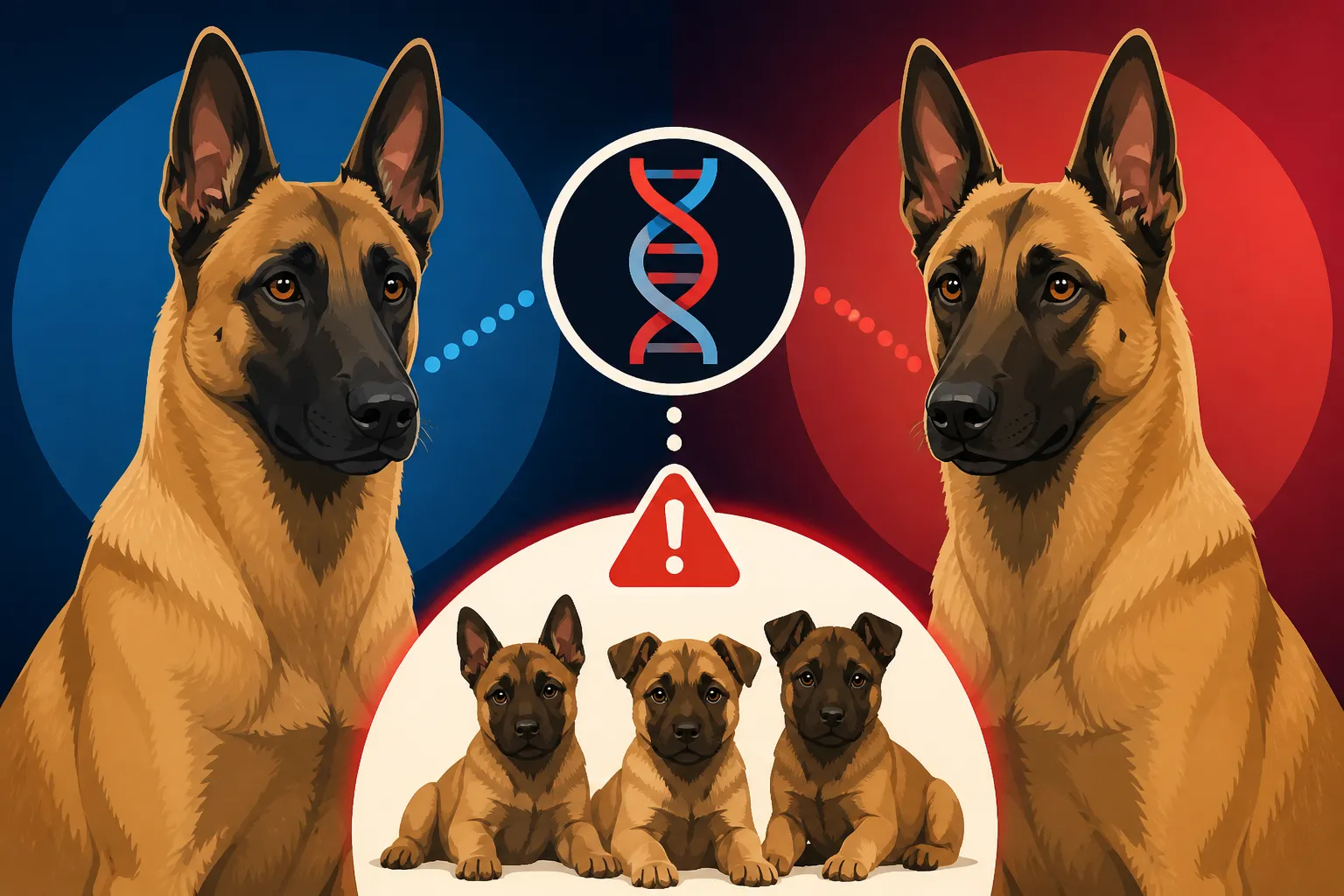
Let's talk about the cold, hard facts of genetics, often visualized through a Punnett square. When you breed two dogs that are both carriers (let's denote the normal gene as 'N' and the Ataxia gene as 'A', so a carrier is 'NA'), here's what the probabilities for each puppy in the litter look like:
- 25% chance of being "Clear" (NN): These puppies inherit two normal genes and will not be affected by Ataxia nor will they pass the gene on.
- 50% chance of being "Carrier" (NA): These puppies inherit one normal and one Ataxia gene. Like their parents, they will not show symptoms but can pass the gene to their own offspring if bred.
- 25% chance of being "Affected" (AA): These puppies inherit two copies of the Ataxia gene and will develop the disease.
It's vital to remember that these percentages apply to each individual puppy in the litter, not the litter as a whole. You could, theoretically, have a litter where every puppy is affected, or none are. However, over many litters, these probabilities tend to hold true. This means that if you breed two carriers, you are knowingly creating a situation where there is a very real, one-in-four chance for each puppy to suffer from a progressive, debilitating neurological disease. This isn't just a number; it's a potential life of struggle for a creature you intentionally brought into the world. It’s the kind of gamble that can haunt a breeder who prides themselves on their ethical standards.
The Ethical Dilemma for Breeders
This probability immediately brings up a significant ethical dilemma for breeders. Is it truly responsible to intentionally produce a litter with a 25% chance of being affected by a severe, incurable disease? Most ethical breeding guidelines and canine health organizations strongly advise against breeding carrier-to-carrier pairings precisely for this reason. The primary goal of responsible breeding should always be to improve the health and welfare of the breed, and knowingly producing affected puppies directly contradicts this principle.
Consider the potential fallout: the heartbreak for puppy buyers who purchase an Ataxia-affected Malinois, the immense financial burden of veterinary care (even with comprehensive pet insurance like Healthy Paws, some genetic conditions might be considered pre-existing if not disclosed or managed proactively), and the emotional toll on owners watching their once-vibrant dog decline. Beyond the individual puppies, there's the broader impact on the breed's reputation and genetic health pool. While carriers don't show symptoms, the potential for them to pass the gene on means the gene continues to exist within the population. It is a decision that impacts not just one litter, but potentially generations to come, and Whether an Ataxic Malinois Puppy Can Improve is sadly not a question with a positive answer, as the disease is progressive.
Navigating Genetic Testing and Responsible Breeding Practices
Facing the reality of carrier status in your breeding stock can be daunting, but it’s also an opportunity to make informed, responsible choices that benefit individual dogs and the Belgian Malinois breed as a whole. The key lies in leveraging modern genetic testing and adhering to sound breeding principles.
Pre-Breeding Health Clearances and DNA Testing
The absolute cornerstone of responsible breeding, especially when genetic diseases like Ataxia are a concern, is comprehensive health testing. Before any breeding pair is considered, both prospective parents should undergo a full battery of health clearances, which must include DNA testing for genetic diseases prevalent in Belgian Malinois. For Ataxia, this means testing for both SDCA1 and SDCA2 variants. These tests are readily available from reputable genetic testing laboratories. You should be looking for results that clearly state whether your dog is "Clear," "Carrier," or "Affected" for each specific Ataxia gene.
A responsible breeder won't just test; they'll use those results to guide their breeding decisions. This isn't just about identifying carriers; it's about understanding the genetic makeup of your entire breeding program. It's perfectly acceptable to own and even breed a carrier dog, provided you mate them with a dog that has been tested and confirmed to be clear of that specific gene. This strategy ensures that no affected puppies will be produced. When speaking with breeders, don't hesitate to ask for full transparency and documentation of these tests, asking a breeder for Asking a Breeder for Malinois Ataxia Results should be a standard practice for any prospective puppy buyer. Knowing Testing a Belgian Malinois for SDCA1 and SDCA2 is a non-negotiable step to protect the health of future litters.
Alternatives to Breeding Carrier-to-Carrier
If you discover you have a fantastic Malinois who is a carrier for Ataxia, it doesn't necessarily mean they can't be part of a responsible breeding program. It simply means you must be very strategic about their mate selection. The most crucial alternative to a carrier-to-carrier pairing is a carrier-to-clear breeding.
In a carrier-to-clear breeding:
- 0% chance of affected puppies: Because one parent is clear (NN) and cannot pass on the faulty gene, no puppy will ever inherit two copies of the Ataxia gene. This is the safest way to utilize a carrier in a breeding program.
- 50% chance of clear puppies (NN): These puppies will be free of the Ataxia gene.
- 50% chance of carrier puppies (NA): These puppies will be carriers, just like their carrier parent.
This approach allows you to retain valuable genetics, temperament, and working ability from your carrier dog, without risking the health of an entire litter. However, it's essential that any puppies produced from a carrier-to-clear breeding are themselves tested before being bred in the future. Those identified as carriers should then only be bred to clear mates. This methodical approach gradually reduces the prevalence of the Ataxia gene in the breed while maintaining genetic diversity, which is also critical for long-term breed health. Simply removing all carriers from the breeding pool might sound appealing on the surface, but it can severely limit the genetic diversity of a breed, potentially leading to other unforeseen health issues down the line. Responsible breeding is a delicate balance.
Counseling Puppy Buyers About Carrier Status
Transparency is paramount when placing puppies from a carrier-to-clear breeding. You, as the breeder, have a responsibility to fully disclose the carrier status of any puppy to its prospective owner. This means:
- Openly sharing the parents' genetic test results: Provide copies of the DNA reports for both the sire and the dam.
- Explaining the puppy's likely status: Based on the parentage, explain that the puppy might be a carrier and the implications of that (i.e., they won't be affected themselves, but should be tested before breeding).
- Recommending future testing: Advise new owners to test their dog for Ataxia if they ever consider breeding, even if it's unlikely for a pet home.
- Including clauses in puppy contracts: For puppies sold into pet homes, include a spay/neuter clause in the contract. For puppies sold with breeding potential, ensure the contract explicitly states the requirement for genetic testing before any breeding takes place and clear-to-carrier pairings if the puppy is a carrier.
This level of disclosure protects everyone involved. It ensures the new owner is fully informed, and it reinforces your commitment to ethical breeding practices. It also helps manage expectations regarding potential future health costs. For instance, if a dog later develops a condition and its carrier status wasn't disclosed, an insurer like Healthy Paws might consider it a pre-existing condition, complicating coverage. However, with full transparency and documented health checks from the breeder, owners are better equipped to make informed decisions about their dog's health and future. It's about empowering owners and safeguarding the breed.
The Impact on Ataxia-Affected Belgian Malinois
While the goal of responsible breeding is to prevent affected puppies, understanding what life is like for an Ataxia-affected Malinois is crucial for anyone involved with the breed, from breeders to owners and potential adopters. It underscores the profound responsibility we hold.
Signs and Progression of Ataxia
The earliest signs of Ataxia in a Belgian Malinois can be subtle, which is part of what makes it so insidious. Often, owners might first notice a slight clumsiness, a less-than-perfect gait, or a puppy that just seems a little "off" in its movements. This might manifest as The First Signs of Ataxia in a Malinois Puppy, perhaps a slight wobble or an inability to precisely place their feet. As the disease progresses, these signs become more pronounced and undeniable. Affected dogs will develop a distinctively uncoordinated gait, often described as drunken or wobbly. They may struggle with balance, falling frequently, especially when trying to turn quickly or navigate uneven terrain. Fine motor skills, essential for a Malinois's agility and working ability, deteriorate. They might have difficulty eating or drinking, or even holding their head steady.
The progression is heartbreaking because it strips away the very essence of a Malinois. These are dogs built for precision, speed, and complex tasks. To watch them lose control over their own bodies is profoundly distressing for their owners. While some individuals might have a slower progression, the disease is ultimately degenerative and irreversible, meaning there is no recovery. This is why prevention through responsible breeding is the only real solution, as it spares these dogs a life of increasing disability.
Management and Quality of Life
Currently, there is no cure for Ataxia in Belgian Malinois. The focus of care for an affected dog is entirely on supportive management and maintaining the best possible quality of life for as long as possible. This often involves a multi-faceted approach:
- Environmental modifications: Making the home safe is paramount. This can mean laying down non-slip rugs on slick floors, blocking access to stairs, providing ramps for access to furniture or vehicles, and padding sharp corners. Helping an old Belgian Malinois off slick floors is something that applies to Ataxia-affected dogs as well, even young ones.
- Physical therapy and exercise: Gentle physical therapy can help maintain muscle mass and range of motion, but it must be carefully managed to avoid falls or injury. Short, controlled walks on soft, even surfaces might be possible for a time.
- Nutritional support: Ensuring proper nutrition is important, especially if eating becomes difficult. Raised food and water bowls can help.
- Regular veterinary care: Frequent check-ups are essential to monitor progression and manage any secondary issues, such as pressure sores from lying down more or infections. This can lead to significant vet bills over the dog's lifetime, something new owners might not fully anticipate.
- Emotional support for owners: Caring for a dog with a progressive neurological disease is emotionally and financially draining. Owners need to be prepared for the long-term commitment and the eventual difficult decision regarding their dog's quality of life. Even with something like pet insurance from Healthy Paws, understanding what ongoing conditions entail is key, as the cumulative cost of managing a chronic, incurable disease can be substantial.
Ultimately, the quality of life for an Ataxia-affected Malinois declines as the disease progresses. While owners can provide immense love and comfort, the physical limitations become increasingly severe. It's a profound reminder of why breeders must prioritize genetic health to prevent this suffering in the first place.
Ethical Considerations and Long-Term Breed Health
The decisions breeders make today resonate far into the future of the Belgian Malinois breed. Breeding two Ataxia carriers isn't just about a single litter; it's about the legacy we leave for this magnificent breed.
The Breeder's Moral Compass
At the heart of every breeding decision should be a strong moral compass guided by a commitment to the health, welfare, and integrity of the Belgian Malinois. For a breeder, this means acknowledging that personal attachments to individual dogs must, at times, yield to the greater good of the breed. When faced with the knowledge that two potential parents are Ataxia carriers, the ethical choice is overwhelmingly clear: do not breed them together. To do so would be to knowingly risk bringing affected puppies into the world, puppies that will suffer from a debilitating, incurable condition. This is a burden no responsible breeder should knowingly place on their puppies or their future owners.
Responsible breeding isn't a get-rich-quick scheme; it's a dedicated effort to preserve and improve the traits that make a Malinois exceptional, which fundamentally includes sound health. It's about striving for excellence in temperament, working ability, and physical soundness, underpinned by strong genetic health. Genetic health testing, especially for conditions like Ataxia, is not merely a recommendation; it's a non-negotiable step for anyone claiming to be a responsible steward of the breed. It shows a commitment to transparency and a profound respect for the animals we breed.
The Role of Registries and Genetic Databases
To effectively manage and eventually reduce the incidence of genetic diseases like Ataxia, breeders must actively participate in and utilize established health registries and genetic databases. Organizations like the Orthopedic Foundation for Animals (OFA) and the Canine Health Information Center (CHIC) provide centralized databases for health testing results, including DNA tests. By submitting results to these registries, breeders contribute to a larger pool of data that helps track the prevalence of genetic conditions, identify healthy lines, and make more informed breeding decisions.
These databases allow for transparency, enabling potential puppy buyers to research the health clearances of parent dogs. A CHIC number, for example, indicates that a dog has had all the recommended health screenings for its breed. While the data includes results, it doesn't necessarily mean the dog is "clear" of everything, but rather that the testing has been done and the results are publicly accessible. Such transparency builds trust and empowers both breeders and buyers to make better choices. Even pet insurance companies like Healthy Paws often look for detailed health records when assessing claims, and a comprehensive history of genetic testing demonstrates a commitment to health that benefits everyone in the long run.
Supporting Research and Awareness
The fight against genetic diseases like Ataxia is an ongoing one, and breeders and owners have a vital role to play in supporting continued research and raising awareness. This can take several forms:
- Participation in research studies: If a dog is diagnosed with Ataxia or is a known carrier, participating in genetic studies (if available) can provide invaluable data to researchers. This helps scientists better understand the disease, identify new genetic markers, and potentially develop therapies in the future.
- Financial contributions: Supporting breed-specific health foundations or university research programs is another way to contribute. These funds fuel the scientific investigations that lead to breakthroughs.
- Education and advocacy: Sharing knowledge within the Malinois community, advocating for mandatory genetic testing, and encouraging responsible breeding practices helps to raise the overall standard of breed health. The more informed the community is, the better decisions can be made.
- Open dialogue: Discussing genetic health openly and honestly, rather than hiding carrier statuses, is crucial for collective progress. It's only through shared knowledge and a commitment to transparency that we can truly safeguard the future health of the Belgian Malinois.
By actively engaging in these efforts, the Malinois community can collectively move towards a future where debilitating genetic diseases like Ataxia are significantly reduced, ensuring that these remarkable dogs can live the full, healthy lives they deserve.
Breeding Outcome Comparison for Belgian Malinois Ataxia (SDCA1/SDCA2)
To help visualize the genetic probabilities involved when breeding Belgian Malinois with known Ataxia carrier status, here's a quick comparison of potential outcomes. This table assumes testing is for a single autosomal recessive gene (like SDCA1 or SDCA2), and the same principle applies if both parents are carriers for both genes simultaneously (increasing complexity but retaining the 25% affected probability per gene).
| Breeding Pair Type | Chance of Clear Puppies (NN) | Chance of Carrier Puppies (NA) | Chance of Affected Puppies (AA) | Ethical Recommendation |
|---|---|---|---|---|
| Clear x Clear | 100% | 0% | 0% | Highly Recommended |
| Clear x Carrier | 50% | 50% | 0% | Recommended |
| Carrier x Carrier | 25% | 50% | 25% | Strongly Discouraged |
| Clear x Affected | 100% | 0% | 0% | Discouraged (unless for specific, managed research) |
| Carrier x Affected | 0% | 50% | 50% | Strongly Discouraged |
| Affected x Affected | 0% | 0% | 100% | Never Recommended |
Note: 'N' represents the normal gene, 'A' represents the Ataxia gene. This table simplifies for clarity and does not account for the complexities of polygenic inheritance or other genetic conditions.
Disclaimer
The information provided in this article is for educational purposes only and should not be considered a substitute for professional veterinary advice. Always consult with a qualified veterinarian or a certified veterinary geneticist for specific advice regarding your Belgian Malinois's health, breeding decisions, or genetic testing results.