Whether a Belgian Malinois Recovers From a Torn Toe
There's nothing quite like the heart-stopping moment you realize your incredible, high-drive Belgian Malinois, a dog built for speed and agility, has suffered an injury to one of its precious paws. A torn toe or nail can bring even the most relentless Malinois to a sudden, painful halt, leaving you, the devoted owner, worried sick about their recovery and whether they'll ever get back to their full, magnificent working capacity. This comprehensive guide will walk you through understanding toe injuries in Malinois, the recovery process, and how to best support your dog back to full health and potentially, back to work.
Understanding the Anatomy of a Malinois Toe Injury
When your Malinois tears a toe, it’s rarely just a simple scrape. These are complex injuries that can involve bone, ligaments, tendons, and the nail bed itself, all working in concert to provide the explosive power and quick directional changes these dogs are famous for. Understanding the various ways these injuries manifest is the first step toward effective treatment and a smooth recovery.
Common Types of Toe Injuries in Active Malinois
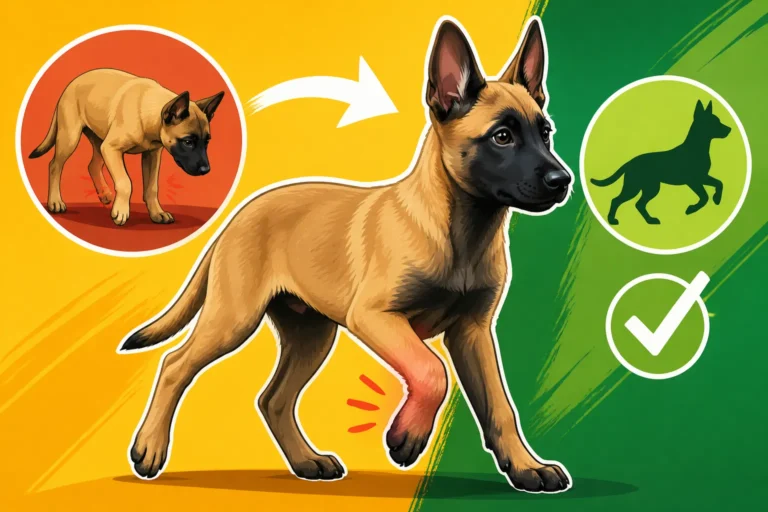
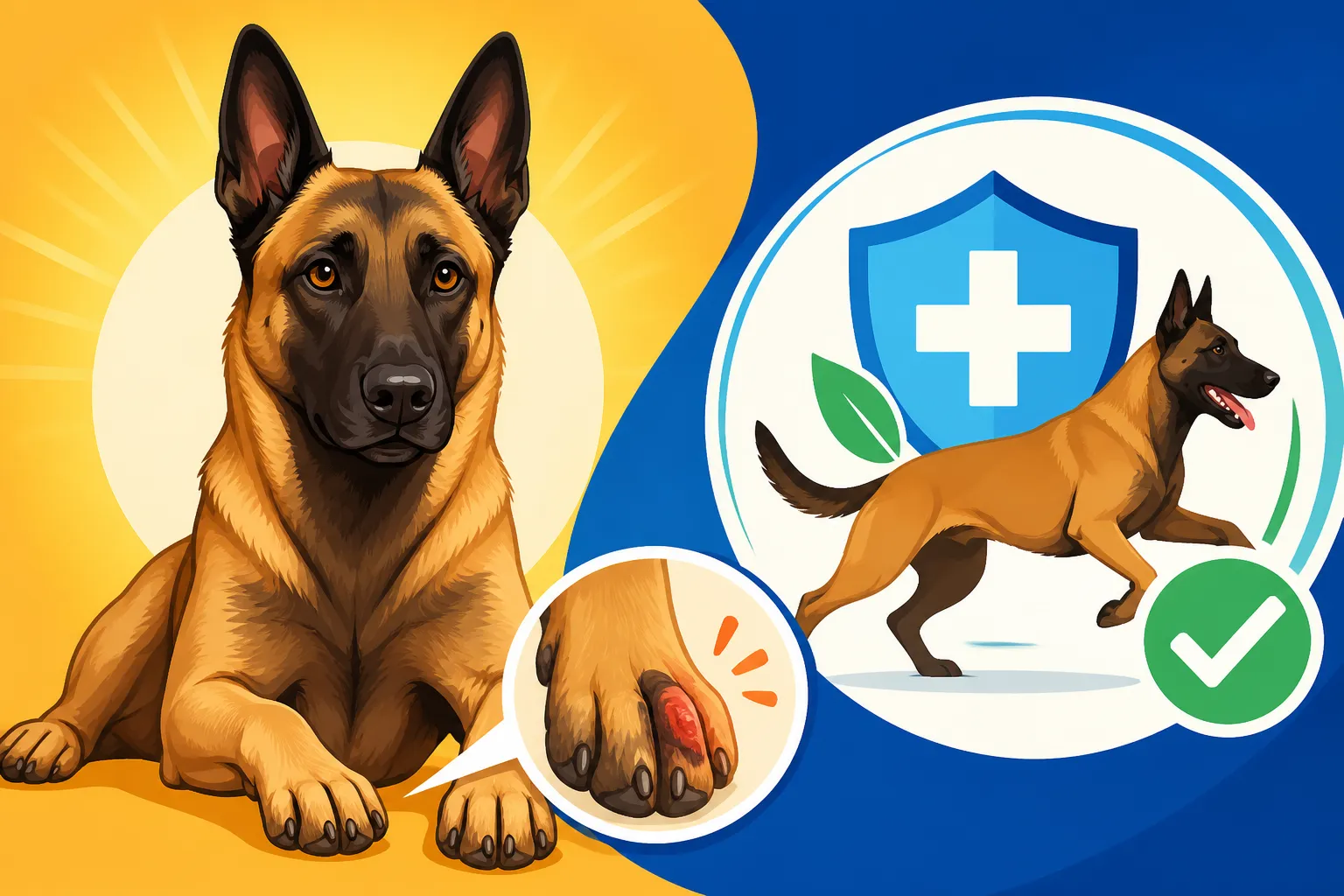
A torn toe isn't a single injury; it's a umbrella term for several painful conditions that can plague the highly active Belgian Malinois. The most frequent culprits involve the nails. You might encounter a partially torn nail, where the nail plate is still attached but has lifted from the quick, causing immense pain and often bleeding. Then there's the dreaded complete nail avulsion, where the entire nail is ripped clean off, exposing the sensitive quick and leaving a raw, open wound. This isn't just cosmetic; it's a gateway for infection and incredibly debilitating.
Beyond the nails, the soft tissues and bones are also vulnerable. We often see pad lacerations, deep cuts to the tough paw pads that can happen from running over sharp debris. These cuts are tricky because the pads bear so much weight and flex with every step. Ligament sprains and tears within the toe joints themselves can also occur, leading to lameness and discomfort that mimics a fracture. In more severe cases, a Malinois might suffer a phalangeal fracture, a broken bone within one of the toe digits. These require careful diagnosis and often more intensive intervention. Each type of injury, while distinct, demands immediate attention to prevent further damage and ensure the best possible outcome for your athletic companion.
Why Malinois Are Prone to Toe Trauma
It’s almost ironic how the very traits that make Belgian Malinois so exceptional also predispose them to these painful toe injuries. Their incredible drive means they often work at full throttle, regardless of terrain or fatigue. Picture a Malinois flying across an uneven field during a protection routine or making a lightning-fast pivot in agility – these explosive movements put immense stress on their paws. The sudden stops, rapid accelerations, and sharp turns inherent in sports like IGP, KNPV, and even intense fetch sessions create incredible shearing and twisting forces on their digits.
Their lean, athletic build, coupled with their unyielding nature, means they're often pushing their physical limits without regard for minor discomfort that might slow a less driven dog. They'll run on hard concrete, rough gravel, or uneven natural ground, all of which present opportunities for nails to snag or pads to tear. Even something as simple as a misplaced step during a tracking exercise can result in a significant toe injury. Their dedication to the job, while admirable, means we, as their handlers, must be extra vigilant in protecting their feet, as they rarely protect themselves.
Initial Steps and Veterinary Assessment for a Torn Toe
When a toe injury strikes, the immediate aftermath can be chaotic, especially if there's bleeding or your Malinois is in obvious distress. Knowing what to do in the first moments can make a significant difference in comfort and outcome.
First Aid at Home and When to See the Vet Immediately
The moment you notice your Malinois limping, licking a paw incessantly, or see blood, your first instinct is often panic. Take a deep breath. For a minor tear or bleeding nail, immediate action involves controlling the bleeding. Apply direct pressure with a clean cloth or gauze. A styptic powder (like Kwik Stop) can be incredibly effective if the quick is exposed. Once the bleeding is somewhat managed, gently clean the area with a mild antiseptic solution, like diluted povidone-iodine or chlorhexidine, to prevent contamination. If you can, cover the paw with a clean bandage to protect it until you can get to the vet.
However, many toe injuries, particularly in a high-drive dog like a Malinois, warrant immediate veterinary attention. If the nail is completely avulsed, if there's a deep laceration to the pad, if the toe appears misshapen, swollen, or bent at an unnatural angle, or if your dog is non-weight bearing, don't delay. These situations require professional assessment to rule out fractures, severe soft tissue damage, or deep infections. Even a seemingly simple torn nail can be excruciatingly painful and prone to serious infection if not properly cleaned and managed by a veterinarian. Remember, your Malinois will try to hide pain, but a sudden limp or refusal to work is a clear sign something is truly wrong.
The Diagnostic Process and Treatment Options
Once you're at the vet, they’ll systematically evaluate the injury. This typically starts with a thorough physical examination of the paw, gently palpating each toe and joint to pinpoint the source of pain and assess stability. They’ll likely perform a pain assessment, observing how your Malinois reacts to touch and movement. To get a clearer picture and rule out more serious issues, X-rays are almost always recommended. These radiographs will help determine if there’s a fracture in any of the small bones (phalanges), if there's joint luxation, or if there's any foreign material embedded in the soft tissue. For a dog as stoic as a Malinois, sometimes mild sedation is necessary just to get good, diagnostic images without causing undue stress or pain. This is also where understanding your dog's specific needs, like in Anesthesia Protocols for a Lean Belgian Malinois, becomes crucial, as their lean body composition can affect how they metabolize sedatives.
Treatment options will vary depending on the diagnosis. For a simply torn nail, the vet might trim the remaining jagged edge, clean the exposed quick, and apply a protective bandage, along with pain medication and antibiotics to prevent infection. For deeper pad lacerations, sutures might be necessary to close the wound, followed by strict bandage changes. If a fracture is confirmed, treatment can range from simple splinting and restricted activity to more complex surgical repair, especially if the fracture is unstable or involves a joint. In cases where significant soft tissue damage or joint capsule injury has occurred, surgical exploration and repair may be the best course of action to ensure proper healing and long-term function. It's a journey, not a quick fix, and often requires several follow-up visits to monitor healing. Having pet insurance, like a policy from Healthy Paws, can be a huge relief, covering a significant portion of these diagnostic tests, procedures, and medications without adding financial stress to an already difficult situation.
The Recovery Journey and Rehabilitation
The path to recovery for a Belgian Malinois with a torn toe is often longer and more challenging than many owners anticipate, not just due to the physical healing, but also the mental and emotional toll it takes on such a driven animal.
Managing Pain and Preventing Infection
Post-injury, managing your Malinois's pain is paramount. Your vet will prescribe appropriate pain medication, which might include NSAIDs (non-steroidal anti-inflammatory drugs) to reduce swelling and discomfort, and possibly even a neuropathic pain medication like gabapentin if nerve pain is suspected. Consistent administration of these medications is critical, even if your dog seems to be improving, as breakthrough pain can lead to increased activity and re-injury. Concurrent with pain management, antibiotics are almost always prescribed to stave off infection, especially with open wounds or exposed nail beds. These paws are constantly on the ground, making them ripe for bacterial contamination. Adhere strictly to the antibiotic regimen, even if the wound looks clean, to ensure no hidden bugs take hold.
Proper wound care is equally vital. This typically involves daily cleaning of the affected area with an antiseptic solution and regular bandage changes. The challenge, of course, is convincing a high-drive Malinois to leave their paw alone and to tolerate bandage changes. Elizabethan collars (e-collars) or soft collars are often necessary to prevent licking and chewing, which can undo healing, introduce infection, or remove protective bandages. This period of restricted activity and meticulous care can be incredibly frustrating for both dog and owner. They’re used to constant movement and mental stimulation, and being confined can lead to behavioral issues. But pushing through this phase is non-negotiable for a successful recovery. The financial burden of these medications, follow-up vet visits, and special bandages can add up quickly, which is why many owners appreciate having pet insurance from a reliable provider like Healthy Paws to help manage these unexpected costs.
Restricted Activity and Gradual Return to Work
This is perhaps the hardest part for any Malinois owner: enforced rest. Your vet will outline a strict protocol for restricted activity, which typically means weeks, if not months, of crate rest and only short, leashed potty breaks. No running, no jumping, no bite work, no agility – nothing that puts stress on the healing toe. For a Belgian Malinois, this isn’t just physical deprivation; it’s mental torture. They thrive on having a job and being active. You'll need to get creative with mental stimulation: puzzle toys, short scent games (that don't involve much movement), or quiet training sessions focusing on foundational obedience can help keep their minds engaged without stressing the injury.
As healing progresses, your vet will guide you through a gradual return to activity. This isn't a race; it's a marathon. You’ll likely start with slightly longer, controlled leash walks on soft surfaces, slowly increasing duration and intensity over time. Observing your dog for any signs of discomfort or lameness is crucial. Pushing too hard, too fast, can easily lead to a re-injury or chronic issues. This carefully structured rehabilitation mirrors the dedication required for more significant orthopedic issues, much like Rehabbing a Belgian Malinois After Knee Surgery. It’s about building confidence and strength back into the limb, often incorporating targeted exercises if recommended by a rehabilitation specialist. For some, especially older or retired dogs, the goal might be comfortable daily living, rather than a full return to high-impact work, which ties into the considerations made for The Year a Malinois Starts Working Shorter Sessions.
Long-Term Outlook and Potential Complications
The good news is that most Belgian Malinois do recover from torn toes, often returning to their previous level of activity, especially with proper care and patience. However, the long-term outlook can vary greatly depending on the severity and type of initial injury. Simple nail tears, when managed correctly, typically heal without lasting issues. Deeper pad lacerations can sometimes result in scar tissue that might be less pliable, potentially making the paw slightly more sensitive or prone to cracks in the future. Fractures, especially those involving joints, carry a higher risk of developing arthritis later in life, which might necessitate ongoing joint supplements or pain management as the dog ages.
Recurring injuries are also a concern, particularly if the initial injury wasn't fully rehabilitated or if the underlying causes (like long nails or rough terrain exposure) aren't addressed. Nail bed damage, in particular, can lead to abnormal nail growth, making the nail weaker or more prone to tearing again. Vigilant observation and consistent preventative care become even more important after an injury. Regular follow-ups with your vet, adhering to a comprehensive The Checkup Schedule a Sport Malinois Should Keep, and being proactive with foot care are key to minimizing future problems. While a torn toe rarely dictates What Actually Ends a Belgian Malinois's Life, managing chronic issues like recurring pain or arthritis can certainly impact their quality of life if not carefully maintained.
Proactive Measures and Prevention
For an active Belgian Malinois, preventing toe injuries is always better than treating them. Their intense drive means they'll often ignore minor discomfort until an injury becomes severe. As their owners, we must be their advocates and take proactive steps to protect their valuable paws.
Comprehensive Foot Care Routine for Working Malinois
A diligent foot care routine is the cornerstone of preventing toe injuries in working Malinois. First and foremost, nail maintenance is critical. Long nails are far more susceptible to snagging, tearing, and even affecting proper foot conformation. Regular trimming or grinding, often weekly or bi-weekly for a Malinois, is essential to keep the nails short enough that they don't touch the ground when your dog is standing naturally. Invest in good quality clippers or a dremel-style grinder and teach your dog to tolerate the process from a young age.
Beyond nails, pad care cannot be overlooked. The tough pads on a Malinois's feet are their first line of defense against rough surfaces, but they can still become dry, cracked, or injured. Regularly inspect their pads for cuts, abrasions, or embedded debris. Using a paw balm can help keep pads supple and less prone to cracking, especially in extreme weather conditions. After every training session, particularly those on varied or challenging terrain, make it a habit to thoroughly examine your dog's paws. This immediate post-session check can catch minor issues like Pad Injuries on a Belgian Malinois in Training or notice a nail that's just starting to chip before it becomes a full-blown Torn Nails on a Malinois Working Hard Surfaces. Early detection can prevent a small problem from escalating into a serious, debilitating injury.
Training Modifications and Environmental Awareness
Smart training practices and an awareness of your environment play a huge role in injury prevention. While your Malinois is built to work hard, you can minimize unnecessary risks. Wherever possible, opt for training surfaces that are forgiving yet provide good traction, like well-maintained turf or softer natural ground, rather than asphalt or concrete for high-impact activities. Always incorporate a proper warm-up before intense sessions to get blood flowing to muscles and ligaments, and a cool-down afterward to aid recovery. This helps prevent not only toe injuries but also other common issues like Muscle Strains in a Belgian Malinois.
Consider the impact of certain exercises on young, still-developing dogs. High-impact activities like repeated jumping or hard turns should be introduced gradually and thoughtfully, as Whether Jumping Damages a Young Malinois's Joints is a valid concern for long-term soundness. Incorporating conditioning exercises that strengthen the muscles and ligaments supporting the toes and entire limb can also build resilience. Moreover, supplementing your Malinois's diet with high-quality joint support, as discussed in Joint Supplements for a Working Belgian Malinois, can contribute to overall joint health and flexibility, indirectly making the feet more robust. Thinking strategically about how and where your Malinois trains can significantly reduce the risk of a debilitating toe injury.
Equipping Your Malinois for Protection and Sport
For a Belgian Malinois actively involved in protection work or other strenuous dog sports, selecting the right equipment and making informed decisions can further safeguard their paws. While not every dog needs boots for every activity, consider using protective paw wear for specific situations. If you're training on extremely rough, rocky, or icy terrain, or if your dog has recently recovered from a paw injury and needs extra protection during reintroduction to activity, a good quality set of dog boots can prevent lacerations, abrasions, and impact damage. Brands like Ruffwear or Muttluks offer durable options that stay on well during high-intensity movement.
Furthermore, being mindful of how various training props and surfaces might impact their feet is crucial. Ensure bite sleeves, tugs, and other equipment are used in a way that minimizes awkward landings or twists. Consider your dog's overall physical condition and avoid pushing them to extremes when they might be fatigued or compromised. Having a solid plan for managing the financial aspects of unforeseen medical issues can also bring great peace of mind. Investing in a comprehensive pet insurance plan from a provider like Healthy Paws can cover a significant portion of veterinary expenses for accidents and illnesses, ensuring that cost doesn't become a barrier to providing the best possible care if your Malinois does suffer an injury.
| Type of Toe Injury | Typical Recovery Time (Weeks) | Key Management Strategies | Potential Long-Term Complications |
|---|---|---|---|
| Torn Nail (Partial) | 2-4 | Pain meds, antibiotics, protective bandage, limited activity | Abnormal nail regrowth, re-injury |
| Nail Avulsion (Complete) | 4-8 | Pain meds, antibiotics, meticulous wound care, E-collar, strict rest | Chronic lameness, arthritis, infection |
| Pad Laceration | 3-6 | Sutures (if deep), antibiotics, daily cleaning, protective boot, limited activity | Scar tissue, decreased flexibility |
| Ligament Sprain/Tear | 6-12 | Pain meds, anti-inflammatories, splinting (sometimes), structured rehab, strict rest | Chronic instability, arthritis |
| Phalangeal Fracture | 8-16 | Immobilization (splint/cast), surgery (sometimes), extensive rehab, strict rest | Arthritis, chronic pain, non-union |
Disclaimer
The information provided in this article is for general educational purposes only and should not be considered a substitute for professional veterinary advice. Always consult with a qualified veterinarian for any health concerns or before making any decisions related to your Belgian Malinois's medical care.