Vestibular Episodes in an Old Belgian Malinois
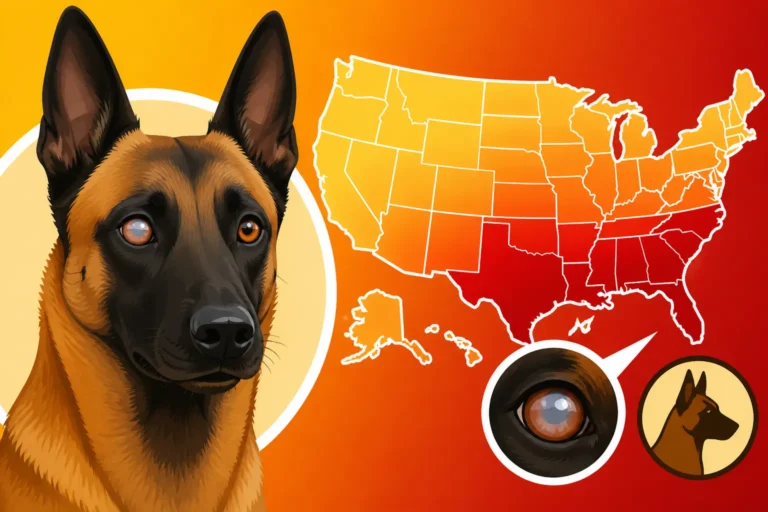
It’s truly startling when your usually agile, confident Belgian Malinois, especially one who’s seen many years of loyal companionship, suddenly loses their footing, starts tilting their head, or seems utterly disoriented. These "vestibular episodes" can strike without much warning in our older dogs, leaving us feeling helpless and worried sick about what’s happening. This guide is here to walk you through understanding what vestibular syndrome is, how to recognize its signs, what might cause it in your senior Malinois, and crucially, how you can best support them through these disorienting experiences.
Understanding Vestibular Syndrome in Older Malinois
When we talk about vestibular episodes, we're really talking about a sudden disturbance in your dog's balance system. This system, a complex network involving parts of the inner ear, a specific nerve, and areas of the brain, is what tells your Malinois where their body is in space, whether they're moving, and in what direction. When it goes awry, it creates a profound sense of disorientation, akin to severe vertigo in humans. It's a condition that often catches owners off guard, particularly because it can appear so suddenly and dramatically in an otherwise seemingly healthy senior dog.
What the Vestibular System Does
Imagine your Malinois, even in their golden years, expertly navigating their environment, whether it's trotting across the yard or carefully stepping around furniture. This fluid motion, this innate sense of where up is and where down is, is all thanks to their vestibular system. It's constantly sending signals to the brain about head position, gravity, and acceleration. This information is then used to coordinate eye movements, maintain posture, and allow for stable, confident movement. In a breed as athletic and intelligent as the Belgian Malinois, who thrive on knowing their place and purpose, a disruption to this fundamental system can be particularly distressing for them, and heartbreaking for us to witness.
Differentiating Peripheral Versus Central Vestibular Issues
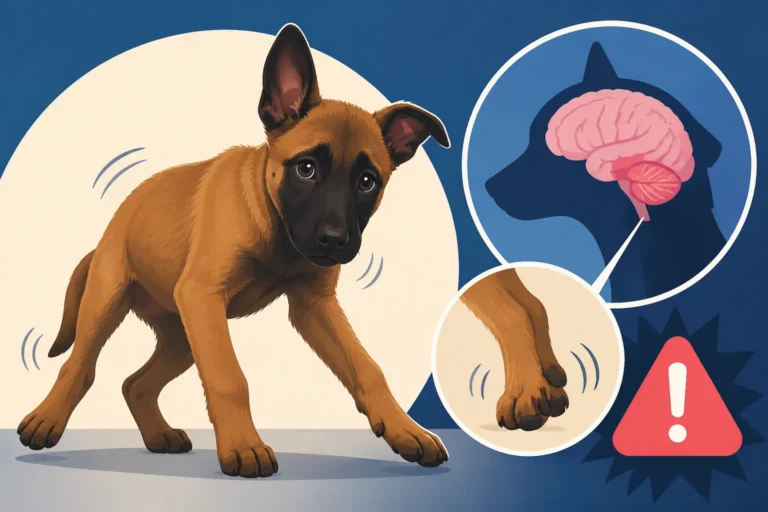
When a vestibular episode occurs, vets often categorize it as either peripheral or central. This distinction is vital because it points to different causes and often different prognoses. Peripheral vestibular syndrome, the more common form, affects the inner ear and the nerve connecting it to the brain. This is often what we see in what's termed "idiopathic vestibular disease," meaning the cause isn't known. Central vestibular syndrome, on the other hand, involves issues within the brain itself, specifically the brainstem or cerebellum. This is generally more serious and can be caused by things like tumors, inflammation, or strokes. The signs can sometimes overlap, but central issues might also present with other neurological deficits, like weakness in limbs or changes in mental status, which would be unusual for a purely peripheral problem. Getting a precise diagnosis from your vet is paramount to ensure the correct course of action.
Recognizing the Signs of Vestibular Syndrome in Older Malinois
The onset of a vestibular episode can be truly alarming, often making owners fear the worst, like a stroke. Your once spry senior Malinois might suddenly seem like a completely different dog. They might stagger, fall over, and struggle to stand, leading to immense distress for both of you. It’s important to stay calm and observe these signs carefully, as your detailed description will be invaluable to your veterinarian.
Sudden Onset of Imbalance and Disorientation
One of the most characteristic signs of a vestibular episode is its sudden onset. You might go out for a few minutes and come back to find your Malinois struggling to walk, veering sharply to one side, or even circling compulsively. They might look at you with wide, confused eyes, unable to comprehend why their world has turned upside down. This disorientation can lead to anxiety and panic, as they cannot control their own movements. It’s not uncommon for them to vocalize in distress or look for comfort, even if they can't quite reach you. This dramatic shift can be particularly upsetting when you're used to a dog with the precise movements of a working Belgian Malinois.
Head Tilt and Nystagmus
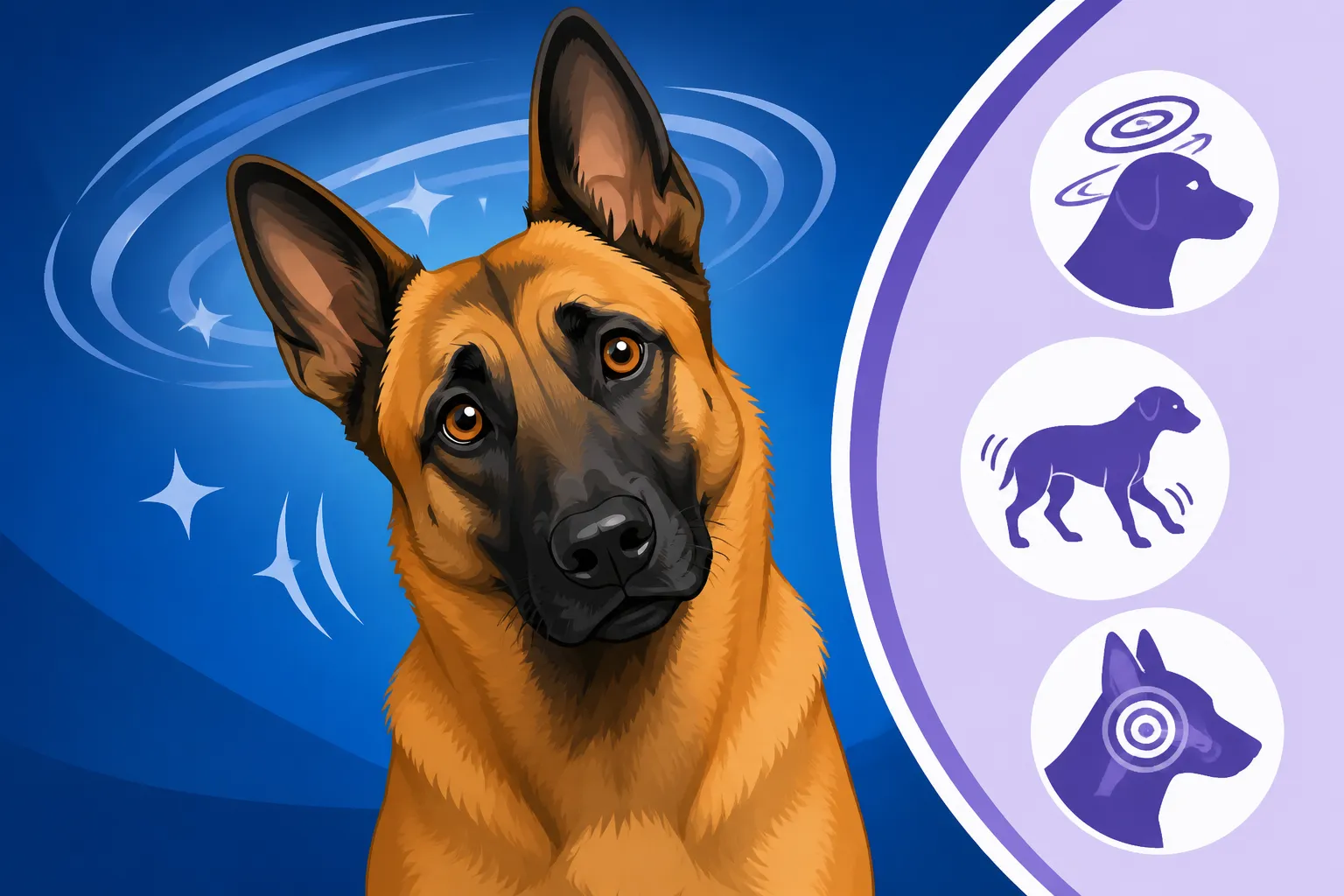
Another hallmark symptom is a pronounced head tilt. Your Malinois's head will consistently be angled to one side, often quite dramatically, as if they're trying to reorient themselves. This isn't just a quirky pose; it's a direct reflection of the vestibular system trying, and failing, to correct its sense of equilibrium. Coupled with this, you might observe nystagmus, which is an involuntary, rapid flicking of the eyes. Their eyes might dart back and forth horizontally, vertically, or even rotate. This eye movement often coincides with the direction of the head tilt or circling, and it’s a clear indicator that their inner balance mechanisms are severely disrupted. These signs are often what differentiates a vestibular episode from other forms of sudden weakness or pain.
Nausea, Vomiting, and Loss of Appetite
Because the vestibular system is closely linked to the brain's vomit center, it's very common for dogs experiencing an episode to feel incredibly nauseous. They might drool excessively, try to lick the air, or even vomit. This motion sickness, combined with profound disorientation and anxiety, often leads to a complete loss of appetite. Your Malinois, who usually devours their meals with gusto, might turn their nose up at even their favorite treats. Staying hydrated and getting some nutrients in them during this time can be a real challenge, and you might need to consult your vet about supportive care, such as anti-nausea medication. This is a critical period where keeping them comfortable and safe, especially on slick floors, is paramount. You can find more tips on Helping an Old Belgian Malinois Off Slick Floors in our other resources.
Causes and Triggers for Vestibular Episodes
While the term "idiopathic" means we often don't know the exact cause of peripheral vestibular syndrome, especially in older dogs, it doesn't mean we can't explore potential triggers or rule out more serious underlying conditions. Understanding these possibilities is crucial for managing your senior Malinois's health, particularly as they age and may experience Signs a Belgian Malinois Is Slowing Down.
Idiopathic (Geriatric) Vestibular Syndrome
This is the most common form of vestibular syndrome seen in older dogs, often referred to as "old dog vestibular disease." The term "idiopathic" means there's no identifiable cause. It’s a bit like us waking up with a bad case of vertigo for no apparent reason. While it can be incredibly severe and frightening to witness, the good news is that most dogs, including robust breeds like the Belgian Malinois, recover significantly within a few days to a few weeks, even without specific treatment. The initial symptoms are typically at their worst for the first 24-72 hours, then gradually improve. It’s a diagnosis of exclusion, meaning your vet will rule out other potential causes before settling on idiopathic vestibular syndrome. This often involves careful physical exams, neurological assessments, and sometimes additional diagnostics.
Ear Infections and Other Peripheral Causes
While idiopathic cases are frequent, infections of the inner or middle ear can also trigger vestibular signs. A severe ear infection can inflame the delicate structures of the inner ear, directly disrupting the balance signals. These infections might not always be obvious from the outside, especially if they are deep within the ear canal or behind the eardrum. Your vet will perform a thorough ear exam, possibly using an otoscope to look deep inside, and might take swabs for culture. Other less common peripheral causes can include polyps or tumors within the ear canal, or even trauma to the head that affects the inner ear structures. It's a good reminder that regular vet check-ups, part of The Checkup Schedule a Sport Malinois Should Keep, are important for catching issues before they become emergencies.
Neurological Conditions Affecting the Brain
When the vestibular signs are severe, worsen, or are accompanied by other neurological deficits, your vet might suspect a central vestibular issue, meaning the problem lies within the brain itself. These are typically more serious and can be caused by a range of conditions. For instance, a stroke affecting the brainstem or cerebellum can mimic vestibular disease. Brain tumors, either primary or metastatic (spread from elsewhere), can also put pressure on these vital areas. Inflammatory diseases of the brain (meningoencephalitis) or certain toxic exposures are also possibilities.
Unfortunately, in a high-drive breed like the Malinois, some genetic predispositions or even the wear and tear of a hard-working life could potentially contribute to such issues, though vestibular syndrome itself isn't typically tied to the breed specifically. Diagnostic imaging like an MRI is often needed to properly diagnose central vestibular conditions, which can be costly. This is where having pet insurance, such as a comprehensive plan from Healthy Paws, can be a huge relief, helping to cover the often significant expenses associated with advanced diagnostics and specialist care for complex neurological issues.
Veterinary Diagnosis and Treatment Options
When your senior Malinois exhibits signs of a vestibular episode, your immediate reaction is probably to rush them to the vet. This is absolutely the right thing to do. While many cases are benign, it's crucial for a veterinarian to differentiate between idiopathic geriatric vestibular syndrome and more serious underlying conditions. A thorough diagnostic workup is key to ensuring the best outcome for your beloved companion.
The Initial Veterinary Examination
Upon arrival at the vet, they'll perform a comprehensive physical and neurological examination. This isn't just a quick once-over; it's a meticulous process designed to pinpoint the source of the problem. The vet will look for the hallmark signs like head tilt, nystagmus (involuntary eye movements), and ataxia (incoordination). They'll test reflexes, observe your Malinois's gait, and check for any other neurological deficits like weakness or changes in mental alertness. An ear exam will be crucial to rule out an obvious infection or foreign body in the ear canal. During this initial assessment, they will also likely want to run The Bloodwork a Working Malinois Should Have Annually to get a baseline on internal organ function and rule out metabolic causes. This detailed examination helps the vet determine if the problem is peripheral (inner ear) or central (brain), which guides further diagnostic and treatment decisions.
Diagnostic Imaging and Advanced Testing
If the initial examination points towards a central vestibular issue, or if your Malinois isn't improving as expected with supportive care, your vet might recommend advanced diagnostics. This could include X-rays of the skull to look for changes in the bone around the middle ear, though these are often not definitive for soft tissue issues. A CT scan or, more commonly, an MRI of the brain is often the gold standard for diagnosing central vestibular disease. An MRI can reveal brain tumors, strokes, inflammation, or other structural abnormalities that X-rays simply can't. These advanced imaging techniques require general anesthesia, so Pre-Anesthetic Bloodwork on a Belgian Malinois would be necessary to ensure your senior dog is a good candidate for the procedure. While these tests can be expensive, they provide invaluable information that guides targeted treatment and gives you a clearer understanding of your Malinois's prognosis.
Supportive Care and Medications
For cases diagnosed as idiopathic geriatric vestibular syndrome, the primary treatment is supportive care. This means making your Malinois as comfortable as possible while their body recovers. Anti-nausea medications, like maropitant (Cerenia), are often prescribed to combat the severe motion sickness and encourage appetite. Some vets may also prescribe sedatives or anti-anxiety medications to help calm your dog, as the disorientation can be very distressing. Steroids are sometimes used, particularly if inflammation is suspected, although their efficacy for idiopathic cases is debated.
If an ear infection is diagnosed, antibiotics or antifungal medications will be prescribed, often for an extended period, to clear up the infection. For central causes, treatment will depend entirely on the underlying condition – for instance, anti-inflammatory drugs for brain inflammation, or radiation/chemotherapy for brain tumors. Regardless of the cause, creating a safe, quiet, and comfortable environment for your Malinois is paramount during recovery. Keep food and water bowls easily accessible, and help them to go outside for potty breaks.
Caring for Your Malinois During and After an Episode
Witnessing your strong, resilient Belgian Malinois struggle with a vestibular episode can be incredibly distressing. Your primary role shifts to providing intensive care, comfort, and patience as they navigate this disorienting experience. Recovery can be a journey, not a sprint, and your consistent support will make all the difference.
Creating a Safe and Comfortable Environment
During a vestibular episode, your Malinois will be severely disoriented and uncoordinated. This means their usual environment can suddenly become a hazard. Imagine trying to walk on ice while dizzy; that's what it feels like for them. You need to create a safe, padded, and easily accessible space. Soft bedding on the floor, away from stairs or sharp furniture corners, is ideal. If your dog typically sleeps elevated, consider moving their bed to floor level temporarily.
Ensure their food and water bowls are within easy reach, perhaps even bringing them to your dog rather than making them walk. If your home has hard, slippery floors, consider laying down rugs or non-slip mats to give them better traction and prevent falls. This also ties into advice on Helping an Old Belgian Malinois Off Slick Floors which is relevant for many aging dogs. You might even need to block off certain areas of the house to prevent them from wandering into dangerous spots. A quiet, calm environment, away from loud noises or excessive activity, will also help minimize their anxiety and overstimulation.
Assisting With Mobility and Basic Needs
Your Malinois will likely need significant assistance with basic tasks during the acute phase of an episode. Potty breaks can become a major challenge. You may need to support them using a towel sling under their abdomen or a specialized harness designed for mobility assistance. Carry them outside if they're small enough, or guide them slowly, keeping them close to your body for support. Be prepared for accidents inside, as their control and awareness may be compromised.
Feeding can also be tricky due to nausea and disorientation. Offer small, frequent meals of bland food, like boiled chicken and rice, if they are able to keep anything down. Ensure fresh water is always available, and you might even need to help them drink. Patience is key here; don't force them, but gently encourage. Remember, this isn't normal behavior for your Malinois, and they are likely as confused and frustrated as you are.
Monitoring for Improvement or Worsening
The good news with idiopathic geriatric vestibular syndrome is that most dogs start to show improvement within 72 hours, with significant recovery often seen within 1-2 weeks. You’ll typically notice the head tilt lessen, the nystagmus resolve, and their coordination gradually return. However, it's crucial to diligently monitor your Malinois for any signs of worsening symptoms or the development of new neurological issues. If their condition deteriorates, if the head tilt becomes more severe, if they develop weakness in their limbs, or if they seem to become more mentally dull, contact your vet immediately. These could be indicators of a central vestibular problem or another underlying issue that requires urgent attention. Keep a log of their symptoms, including intensity, frequency, and any changes, as this information will be invaluable for your vet.
Preventative Measures and Long-Term Management
While idiopathic vestibular syndrome can't always be prevented, especially in older dogs, proactive health management can certainly reduce risks and improve outcomes. Maintaining your senior Belgian Malinois's overall health and being vigilant about potential issues can make a significant difference.
Regular Health Check-ups and Ear Care
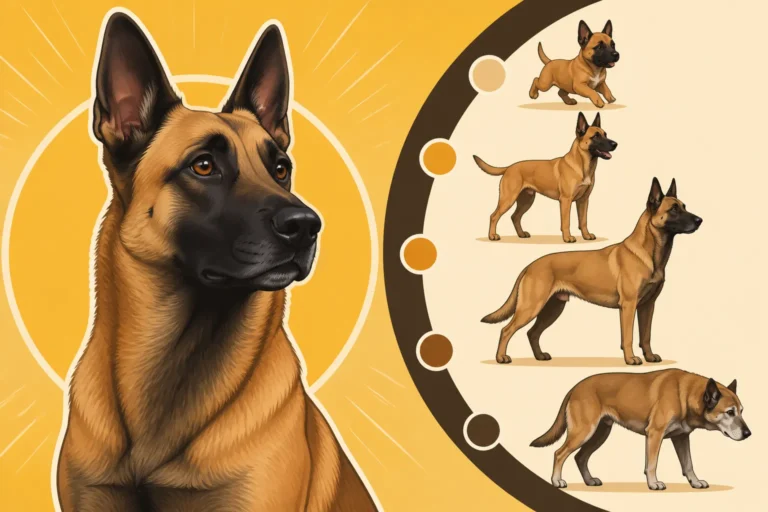
One of the best "preventative" measures is simply consistent, thorough veterinary care. As your Malinois enters their senior years, which can start around the age you might consider When a Malinois Is Considered Old, regular check-ups become even more critical. These appointments allow your vet to catch subtle changes that you might miss, such as the beginnings of an ear infection or other health issues. For example, a routine check-up might include inspecting their ears more closely, especially if your Malinois has a history of allergies or ear problems. Early detection and treatment of ear infections can prevent them from becoming severe enough to impact the vestibular system. Your vet can also assess their general neurological health as part of their The Checkup Schedule a Sport Malinois Should Keep, noting any early signs of decline.
Nutritional Support and Overall Well-being
A balanced diet tailored to a senior dog's needs is fundamental for overall health, which indirectly supports all body systems, including neurological function. High-quality dog food, potentially supplemented with Omega-3 fatty acids, can help support brain health and reduce inflammation. Some owners also consider joint supplements, which can be particularly beneficial for an older Malinois who might already be dealing with Arthritis in a Belgian Malinois at Nine.
Beyond diet, maintaining a healthy weight for your senior Malinois is important. Obesity can exacerbate many age-related health issues and put extra strain on their body. Regular, appropriate exercise—even if it's gentler walks or mentally stimulating games like Keeping an Old Belgian Malinois Mentally Busy—helps maintain muscle tone and circulation. A strong, healthy body is generally better equipped to recover from health challenges.
Understanding Prognosis and Managing Expectations
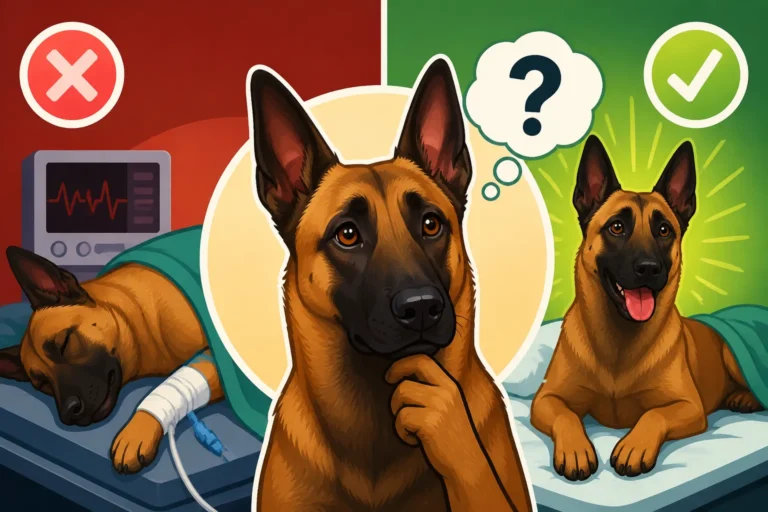
For most senior Malinois experiencing idiopathic geriatric vestibular syndrome, the prognosis is excellent for recovery, often within a few weeks. The acute phase is the worst, and then gradual improvement follows. Some dogs may retain a slight head tilt indefinitely, particularly when tired or stressed, but this usually doesn't impact their quality of life. Recurrences can happen, but they are not the norm.
However, if a central cause like a brain tumor or a severe stroke is diagnosed, the prognosis becomes much more guarded and depends heavily on the specific condition and its treatability. This is a difficult conversation to have with your vet, but understanding the realities of such diagnoses is important for making informed decisions about your Malinois's future care. Throughout this process, remember that pet insurance, like plans offered by Healthy Paws, can significantly ease the financial burden of unexpected serious diagnoses, allowing you to focus on your dog's care without added stress.
It's also worth noting that some vestibular signs can sometimes be mistaken for other neurological conditions, such as seizures. While a full-blown seizure in a Malinois is quite distinct, subtle seizure activity could sometimes lead to disorientation. If your Malinois has a history of The Seizure Disorder Running in Malinois Lines, your vet will factor this into their diagnostic process and differentiate between a vestibular episode and, for instance, issues related to Managing an Epileptic Belgian Malinois on Medication.
| Symptom | Idiopathic Vestibular Syndrome (Peripheral) | Central Vestibular Syndrome (Brain) | Other Conditions (e.g., Arthritis, Spinal Disease) |
|---|---|---|---|
| Onset | Sudden, dramatic | Can be sudden or gradual | Usually gradual worsening (arthritis) or sudden (spinal injury) |
| Head Tilt | Common, often pronounced | Common, can be variable | Rare (unless severe neck pain) |
| Nystagmus | Common (horizontal/rotary), usually consistent | Common (can be vertical, changing direction), often inconsistent/severe | Not present |
| Circling/Rolling | Common, typically to one side | Common, can be to either side, or more generalized disorientation | May walk in circles due to pain/weakness, but not disoriented rolling |
| Nausea/Vomiting | Common | Less common unless severe, may have difficulty eating for other reasons | Not directly caused, but pain can reduce appetite |
| Consciousness | Alert but disoriented | Can be depressed, dull, or show other mental status changes | Alert |
| Coordination | Severe ataxia, falling | Severe ataxia, falling, may have limb weakness/paralysis, altered reflexes | Stiff gait, limping, weakness, but usually not profound disorientation |
| Pain | Typically absent | Absent or mild | Often present (e.g., The Spinal Disease That Ends a Malinois's Mobility) |
| Recovery | Often improves significantly within days/weeks | Variable, depends on cause (e.g., stroke, tumor) | Variable, progressive without intervention |
Disclaimer
This article is intended for informational purposes only and does not constitute medical advice. Always consult with a qualified veterinarian for any health concerns or before making any decisions about your Belgian Malinois's care.