The Seizure Disorder Running in Malinois Lines
Few things are as utterly terrifying for a Belgian Malinois owner as watching their high-drive, seemingly invincible dog suddenly collapse into a seizure. One moment they're full of life, focused, perhaps even bouncing off the walls, and the next they're convulsing uncontrollably, unaware of their surroundings. This distressing experience can leave you feeling helpless, confused, and desperate for answers. This comprehensive guide aims to demystify seizure disorders in Belgian Malinois, helping you understand the causes, symptoms, diagnosis, and long-term management strategies, so you can better support your incredible companion.
Understanding Seizure Disorders in Belgian Malinois
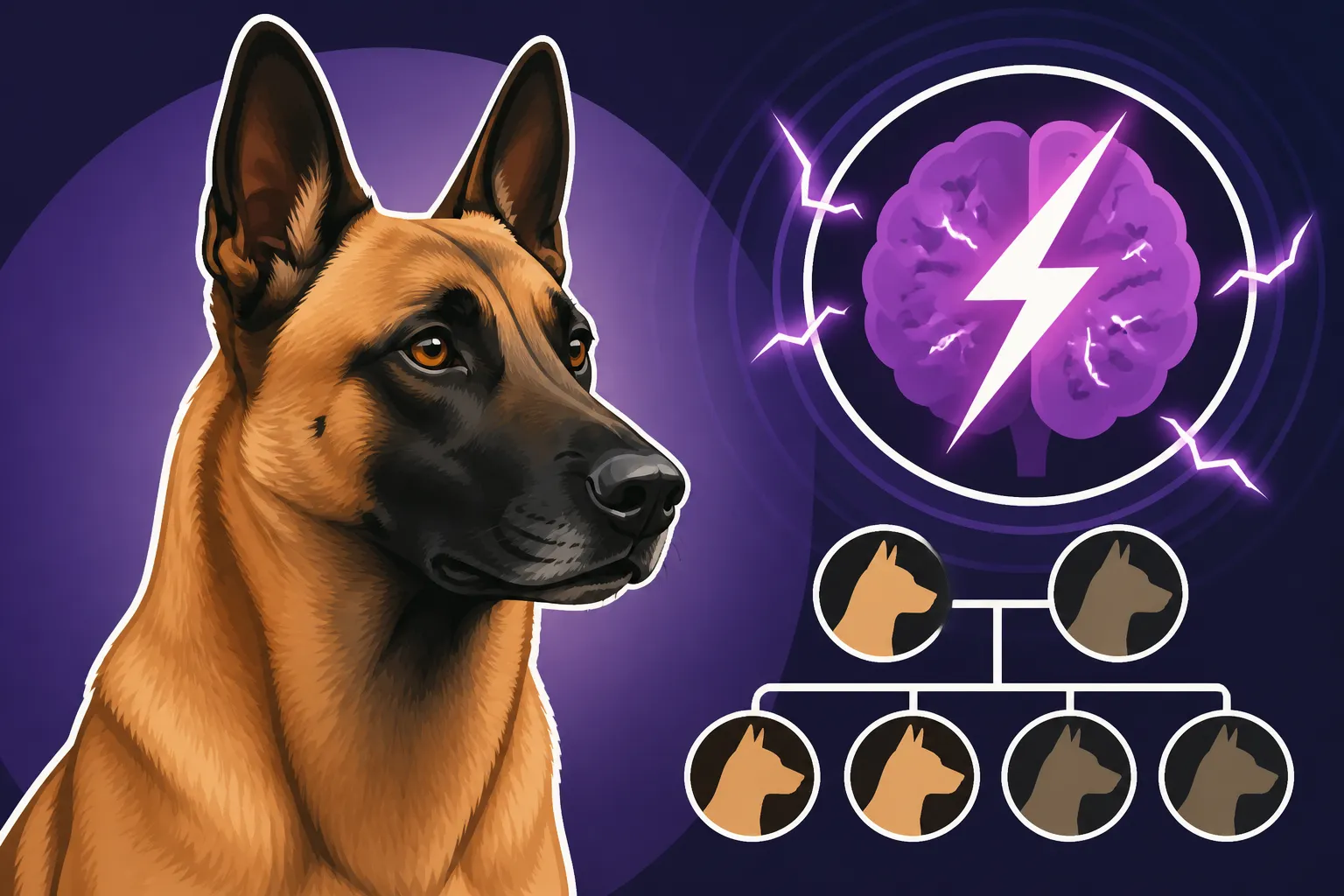
When we talk about seizures, we're really talking about a sudden, uncontrolled electrical disturbance in the brain. Think of it like a short circuit. These events can manifest in many ways, from subtle twitching to dramatic full-body convulsions. For a breed as intense and sensitive as the Belgian Malinois, understanding this phenomenon is crucial, as the impact on both dog and owner can be profound.
What is Canine Epilepsy?
Epilepsy in dogs is essentially a recurrent seizure disorder for which no underlying cause can be identified. This is often referred to as idiopathic epilepsy. It's not a single disease but rather a collection of neurological conditions characterized by unprovoked, recurring seizures. For many Malinois owners, hearing this diagnosis can be a relief in one sense – at least you know what you're dealing with – but also incredibly daunting. It means this is a chronic condition, something that will need careful management for the rest of your dog's life. It's a journey, not a sprint, and preparing yourself mentally for that is half the battle.
These seizures originate from abnormal electrical activity in the brain. Normally, brain cells communicate via electrical impulses in a highly organized fashion. During a seizure, this normal communication breaks down, leading to a sudden, excessive discharge of electrical activity. This surge overpowers the brain's normal function, resulting in the various physical symptoms we observe during a seizure. It's important to remember that a seizure itself is a symptom, not a disease. When we diagnose epilepsy, we're essentially saying we've ruled out other potential causes and determined that the brain itself is predisposed to these electrical disturbances.
Why Malinois Seem Prone
It’s a heartbreaking reality that certain breeds, including our beloved Belgian Malinois, seem to have a higher genetic predisposition to epilepsy. While it's not present in every line, and certainly not every Malinois will experience it, there's a strong enough pattern to warrant concern and careful breeding practices. This genetic link suggests that some Malinois inherit genes that make their brains more susceptible to these electrical "short circuits."
The exact genetic mechanisms are still being actively researched, but it's believed to be complex, involving multiple genes rather than a single simple inheritance pattern. This makes breeding away from the condition particularly challenging for responsible breeders. They are often navigating a landscape where carriers might not show symptoms themselves but can pass on the predisposition to their offspring. This is why when considering a Malinois puppy, asking about the health history of the parents and their siblings is absolutely paramount. Knowing When Epilepsy First Appears in a Malinois in a specific line can provide valuable insight into potential risks. Owners of working line Malinois often worry about this, given the intensity of their training and daily activities, which can sometimes bring underlying conditions to the forefront.
Some theories also suggest that the high-drive, sensitive nature of the Malinois might play a role, not necessarily in causing the epilepsy, but perhaps in exacerbating or making seizures more noticeable. A dog that is constantly "on," highly vigilant, and deeply attuned to its environment might show more dramatic responses when its brain experiences these disruptions. It's not that their drive causes epilepsy, but perhaps the way their nervous system is wired can sometimes interact with a genetic predisposition in ways we don't yet fully understand.
Identifying the Types of Seizures in Malinois
Seizures aren't a one-size-fits-all event. They can present in various ways, from subtle, almost imperceptible changes to dramatic, full-body convulsions. Recognizing the type of seizure your Malinois is experiencing is crucial for accurate diagnosis and effective management. It also helps your vet understand the severity and potential origin of the brain activity.
Generalized Seizures Grand Mal
When most people think of a seizure, they're picturing a "grand mal" or generalized tonic-clonic seizure. These are the most common and often the most distressing to witness. Your Malinois might suddenly lose consciousness, fall to its side, and begin to paddle its limbs stiffly or rhythmically. Their body might become rigid, their jaws might clamp shut, and they might even salivate excessively, foam at the mouth, or lose bladder and bowel control.
These seizures usually last from a few seconds to a few minutes. While it feels like an eternity when you're watching it, anything over five minutes is considered a medical emergency. After the active seizure, your Malinois will enter what's called the "post-ictal" phase. This period can last minutes to hours, or even days, and is characterized by confusion, disorientation, temporary blindness, aimless wandering, excessive hunger or thirst, or extreme exhaustion. Your usually sharp Malinois might not recognize you, seem dazed, or bump into furniture. This post-ictal period can sometimes be more prolonged and disorienting than the seizure itself, and it's important to give your dog space and comfort during this time, avoiding sudden movements or loud noises that could further stress them.
Focal Seizures Partial
Focal or partial seizures are often much harder to identify because they only affect a specific part of the brain and, consequently, a specific part of the body. These can be very subtle, sometimes mimicking behavioral quirks or minor muscle spasms. For a Malinois, with their incredible energy and sometimes quirky behaviors, these can be especially easy to miss. You might notice an isolated twitching of a facial muscle, an ear, or a limb. Perhaps a brief, odd head tilt, staring into space, excessive licking, or snapping at imaginary flies.
Sometimes, a focal seizure can "generalize," meaning it starts in one area but then spreads to involve the entire brain, becoming a grand mal seizure. This makes detailed observation so important. If you suspect your Malinois is having focal seizures, try to capture it on video. This footage is invaluable for your veterinarian, as it provides objective evidence of the event and helps them differentiate it from other conditions, like pain responses, behavioral issues, or even a sudden muscle cramp. The subtle nature of these events can be frustrating because it’s difficult to know if what you’re seeing is truly a seizure or just your Malinois being a Malinois.
Cluster Seizures and Status Epilepticus
These are the more serious manifestations of seizure disorders and require immediate veterinary attention. Cluster seizures are defined as two or more seizures within a 24-hour period, with the dog regaining consciousness between episodes. This can be incredibly taxing on your Malinois's body and brain. Seeing your dog go through one seizure is bad enough, but then to have another, and another, within a short span is truly frightening.
Status epilepticus, on the other hand, is a single, continuous seizure lasting five minutes or longer, or multiple seizures without a return to consciousness in between. This is a life-threatening emergency. Prolonged seizure activity can lead to hyperthermia (dangerously high body temperature), brain damage, and even death. If your Malinois enters status epilepticus, you need to get them to an emergency veterinary clinic immediately. Don't wait to see if it stops. Every minute counts. Knowing Handling a Seizing Malinois Safely in such a critical situation can be the difference between life and death.
A critical aspect of managing cluster seizures and status epilepticus is having an emergency plan in place. This often involves a "rescue" medication, such as rectal diazepam or intranasal midazolam, prescribed by your vet, which you can administer at home to try and stop the seizure before it progresses to an emergency situation. Discussing such a plan with your veterinarian is essential when your Malinois has a seizure diagnosis.
What Triggers a Belgian Malinois Seizure
While epilepsy is often idiopathic, meaning without a known cause, certain internal and external factors can act as triggers, making a seizure more likely in a susceptible Malinois. Understanding these potential triggers can help you minimize their occurrence and provide a more stable environment for your dog.
Environmental and Physiological Factors
Many factors can lower a seizure threshold or directly trigger an event. For a high-drive breed like the Belgian Malinois, who is constantly processing and reacting to its environment, this can be a complex puzzle. Stress, excitement, and even extreme fatigue can play a role. Think about a Malinois who's been pushing hard in a training session, then comes home to a chaotic household. This combination of physical and mental stress could potentially lead to an event. Some dogs are more prone to seizures when they are overly tired, while others might have them during periods of intense excitement, such as before a meal or a training session. The exact impact of What Triggers a Belgian Malinois Seizure can vary greatly from dog to dog.
Changes in routine can also be a factor. Travel, boarding, or even guests in the house can disrupt the stable environment a Malinois thrives on, potentially inducing stress that lowers their seizure threshold. Other physiological triggers include changes in sleep patterns, hormonal fluctuations (especially in intact females during their heat cycle), and certain medications or vaccinations, though this is rare and usually anecdotal. Extreme heat or dehydration can also contribute, particularly in active dogs like Malinois, so maintaining proper hydration and avoiding overheating during exercise is crucial, especially in warmer climates.
Even subtle sensory inputs can be triggers for some dogs. Flashing lights, loud noises, or specific sounds have been anecdotally reported to trigger seizures in a very small percentage of epileptic dogs. Observing your Malinois closely and keeping a detailed log of events leading up to a seizure can help you identify any patterns specific to your dog.
The Role of Stress and Excitement
It's almost impossible to completely eliminate stress and excitement from a Malinois's life – frankly, we wouldn't want to, as these are integral to their vibrant personalities and working drive. However, managing extreme peaks and valleys can be beneficial. A Malinois often lives in a heightened state of awareness and excitement, which can be both a blessing and a curse when dealing with a neurological condition. The adrenaline rush of a training session, the anticipation of a walk, or the intense focus during bite work can all create a physiological state that, for a genetically predisposed dog, might push them over the edge.
It's a delicate balance. You want your Malinois to lead a fulfilling, active life, but you also need to be mindful of pushing them too far. Learning to recognize the subtle signs that your Malinois is becoming overstimulated or overly stressed is key. This might manifest as excessive panting, increased vocalization, incessant pacing, or even a sudden disengagement. Building an "off switch" through careful training and establishing clear periods of rest and relaxation is vital. Teaching your Malinois to settle calmly in their crate or on a "place" command, even amidst activity, can help regulate their nervous system and potentially reduce the risk of stress-induced seizures. For many Malinois, having a predictable schedule and a clear understanding of expectations helps manage their internal state.
Consider incorporating calming activities into their routine, like slow sniff walks, puzzle toys, or even just quiet time spent grooming. These can help counteract the high-intensity moments and promote a more balanced physiological state. It's about finding that sweet spot where they are challenged and engaged but not constantly on the brink of overstimulation.
Diagnosing Seizure Activity in Your Malinois
Getting a definitive diagnosis for seizure disorders in a Belgian Malinois is a process, and it often begins with you, the owner, providing as much detail as possible. Because a seizure is a symptom and not a disease in itself, the veterinary team’s first goal is to rule out all other potential causes before settling on a diagnosis of idiopathic epilepsy.
The Importance of a Detailed History
When your Malinois has its first suspected seizure, the first thing your vet will want is a thorough, detailed history from you. This is where your keen observation skills become paramount. Write down everything you can recall:
- Date and Time: When did the seizure occur?
- Duration: How long did each phase (pre-ictal, ictal, post-ictal) last? Use a timer if possible.
- Description of Event: What exactly happened? Did they fall? Paddle? Foam? Lose control of bladder/bowel? What limbs were involved? Were their eyes open or closed?
- Pre-Seizure Behavior (Pre-Ictal): Did you notice any changes before the seizure? Restlessness, anxiety, seeking attention, staring?
- Post-Seizure Behavior (Post-Ictal): What was your Malinois like immediately after? Confused, disoriented, tired, hungry, blind?
- Potential Triggers: What was happening right before the seizure? Were they excited, stressed, just exercised, sleeping?
- Frequency: Is this the first seizure, or have there been others? How often do they occur?
Even better, if you can safely do so, record a video of the seizure. This is gold for your vet, as it allows them to observe the specific movements and duration without relying solely on your potentially stressed recollection. Don't worry about getting perfect footage; just capture what you can. This information, combined with a full physical and neurological exam, forms the foundation of the diagnostic process.
Ruling Out Other Causes
Once you've provided a detailed history, your veterinarian will begin to systematically rule out other conditions that can cause seizures, often referred to as "symptomatic seizures." This step is crucial because treating the underlying cause, if one is found, is often more effective than simply managing the seizures. This process usually involves several diagnostic tests:
- Bloodwork and Urinalysis: Comprehensive blood panels (The Bloodwork a Working Malinois Should Have Annually is good general practice anyway) can identify metabolic issues like liver disease (portosystemic shunts, liver failure), kidney disease, low blood sugar (hypoglycemia), electrolyte imbalances, or infections that can trigger seizures. A urinalysis might reveal kidney issues or certain types of infections.
- Thyroid Testing: Hypothyroidism, a common condition in dogs, can sometimes be associated with seizure activity, so a full thyroid panel may be recommended.
- Infectious Disease Testing: Depending on your geographic location and your dog's lifestyle, your vet might test for tick-borne diseases like Lyme disease, ehrlichiosis, or Rocky Mountain spotted fever, which can affect the brain and cause seizures. Fungal diseases or certain viral infections can also be causes.
- Toxin Screening: If there's any suspicion of exposure, testing for toxins, poisons, or heavy metals might be considered, though this is less common for recurrent, unprovoked seizures.
Only after these initial tests come back normal, and no other systemic illness is found, will your vet start leaning towards a primary neurological cause.
Advanced Diagnostics
If the initial bloodwork and physical exam don't reveal a cause, your vet might recommend advanced imaging and neurological consultations. These steps are more invasive and costly but are often necessary to get a full picture of what's happening inside your Malinois's brain.
- MRI or CT Scan of the Brain: This is often the gold standard for looking for structural abnormalities in the brain. Whether an MRI Is Worth Running on a Seizing Malinois is a question many owners grapple with due to cost, but it can identify tumors, strokes, inflammation, brain malformations, hydrocephalus (fluid on the brain), or traumatic injuries that could be causing the seizures. For a Malinois, this procedure requires general anesthesia, so Anesthesia Protocols for a Lean Belgian Malinois and Pre-Anesthetic Bloodwork on a Belgian Malinois become important considerations to discuss with your vet.
- Cerebrospinal Fluid (CSF) Analysis: During an MRI or CT, a CSF tap might be performed. Analyzing the fluid surrounding the brain and spinal cord can detect inflammation, infection, or certain autoimmune diseases affecting the central nervous system.
- EEG Electroencephalogram: While less commonly performed in veterinary medicine compared to human medicine, an EEG measures the electrical activity of the brain. It can help confirm seizure activity and sometimes pinpoint the area of the brain where the seizures originate.
If all these tests come back normal, and your Malinois continues to experience recurrent seizures, then a diagnosis of idiopathic epilepsy is typically made. This means we know what is happening (seizures) but not why at a structural level. It’s important to understand that a normal MRI doesn’t mean there’s nothing wrong with the brain; it just means there are no visible structural lesions causing the seizures. The issue is likely at a microscopic, electrical level.
Managing an Epileptic Belgian Malinois on Medication
Once your Malinois receives an epilepsy diagnosis, the next critical step is managing the condition, which almost always involves medication. This is a commitment for life, and it requires diligence, patience, and close collaboration with your veterinarian.
First-Line Seizure Medications and Their Effects
The goal of antiepileptic drugs (AEDs) is not to cure epilepsy but to reduce the frequency, severity, and duration of seizures. It's about finding the right balance between seizure control and minimizing side effects. The choice of medication often depends on the individual dog, their seizure frequency and severity, and any concurrent health issues. Here are some common first-line options:
- Phenobarbital: This is one of the oldest and most commonly used AEDs. It's effective but can have significant side effects, especially initially. Dogs often become sedated, drowsy, and may experience increased hunger and thirst. Long-term use requires careful monitoring of liver enzymes, as it can be taxing on the liver. Your vet will regularly check blood levels to ensure therapeutic doses are maintained.
- Potassium Bromide KBr: Often used in conjunction with phenobarbital or as a standalone drug for dogs who cannot tolerate phenobarbital. It has a longer half-life, meaning it takes longer to reach therapeutic levels, but it can be very effective. Side effects can include sedation, hind limb weakness, increased hunger, thirst, and urination. It is primarily excreted by the kidneys, so kidney function needs to be monitored.
- Levetiracetam Keppra: This is a newer AED that is often favored for its relatively few side effects and rapid onset of action. It can be used as a primary drug or as an add-on. It's generally well-tolerated, though some dogs might experience mild sedation or gastrointestinal upset. It's typically given two or three times a day.
- Zonisamide: Another newer AED, often used as an add-on drug, or sometimes alone. It's usually well-tolerated, with potential side effects including sedation, loss of appetite, and ataxia (wobbliness).
It’s not uncommon for a Malinois to be on a combination of these medications, especially if one drug alone isn't sufficient to control the seizures. Finding the right medication or combination is often a trial-and-error process, which can be frustrating but is essential for your dog's well-being. Keeping track of Monthly Medication for an Epileptic Belgian Malinois costs is also a serious consideration for owners, as these are lifelong expenses. Many owners find value in pet insurance plans like Healthy Paws to help manage these ongoing costs.
Adjusting Dosages and Monitoring Side Effects
Once your Malinois starts on medication, regular follow-up appointments and blood tests are crucial. Your vet will typically want to recheck blood levels of the medication and liver/kidney function after a few weeks to ensure the dose is therapeutic and not causing adverse effects. This monitoring continues throughout your dog's life, usually every 6-12 months, or more frequently if seizures are not well-controlled or side effects are noted.
It's common for owners to notice side effects, particularly in the first few weeks after starting a new medication or dose. Sedation, increased appetite, thirst, and urination are frequent complaints, especially with phenobarbital and potassium bromide. You might also notice a slight change in your Malinois's overall demeanor or energy levels. This is where the concern about Whether Seizure Medication Dulls a Working Malinois truly hits home for many owners. It’s a delicate balance: you want to control the seizures, but you don't want to completely lose the vibrant personality and drive that makes your Malinois who they are.
Communication with your vet is key. Report any changes you observe. Sometimes, side effects can be managed by adjusting the dose or switching to a different medication. Never stop or change your dog's medication without consulting your vet, as this can lead to severe rebound seizures or status epilepticus, which is incredibly dangerous. It takes time for the body to adjust to these drugs, and abrupt changes can throw their system into chaos.
Alternative and Adjunctive Therapies
Beyond conventional medications, some alternative and adjunctive therapies are being explored to help manage epilepsy in dogs, often used in combination with traditional AEDs rather than as standalone treatments.
- Dietary Management: A growing area of interest is the use of medium-chain triglyceride (MCT) oil or specialized ketogenic diets. Studies suggest that some dogs with epilepsy may benefit from these diets, which provide an alternative energy source for the brain that may help stabilize neuronal activity. Purina Pro Plan Veterinary Diets Neurocare is one such diet specifically formulated for canine cognitive health and epilepsy support. While not a cure, it can be a valuable addition to a seizure management plan.
- CBD Oil Cannabidiol: The use of CBD oil for canine epilepsy has gained significant attention. While anecdotal reports are plentiful, scientific research is still emerging. Some studies have shown a reduction in seizure frequency in some dogs, but more large-scale, controlled trials are needed. If you're considering CBD, it's vital to discuss it with your veterinarian, ensure you're using a high-quality, reputable product, and understand that it should be used in addition to prescribed AEDs, not as a replacement.
- Acupuncture: Some owners have reported success with acupuncture in reducing seizure frequency or severity in their dogs. This traditional Chinese veterinary medicine approach aims to balance the body's energy flow and may help modulate neurological function.
- Supplements: Omega-3 fatty acids, antioxidants, and certain B vitamins are sometimes recommended for their general brain health benefits, although direct evidence for their efficacy in seizure control is limited. Always consult your vet before adding any supplements, as some can interact with medications.
It's important to approach alternative therapies with realistic expectations and always under veterinary guidance. They are rarely a magic bullet, but for some dogs, they can offer an additional layer of support, potentially allowing for lower doses of conventional medications or better seizure control overall.
Living with a Malinois Prone to Seizures Daily Management
An epilepsy diagnosis transforms the dynamic of your household. It adds a layer of vigilance and careful management to your daily routine, but it certainly doesn't mean your Malinois can't live a full, happy life. It simply means you'll need to be more intentional about their environment and your interactions.
Creating a Safe Environment
During a seizure, your Malinois is completely unaware of their surroundings, which makes them vulnerable to injury. Your primary goal is to make their immediate environment as safe as possible to prevent them from hurting themselves during an episode.
- Padded Areas: If you know your Malinois often has seizures in a particular spot, consider placing soft blankets or padding around that area.
- Remove Hazards: Clear away any sharp objects, hard furniture edges, or anything they could hit their head on. If they typically seize in their crate, ensure it's free of anything that could injure them. A well-padded, soft bed is ideal.
- Supervision: While you can't be with your Malinois 24/7, try to supervise them, especially during known trigger times or if they show pre-ictal signs. Never leave an epileptic Malinois unsupervised near water, like a pool, as they could drown during a seizure.
- Secure Spaces: For dogs prone to post-ictal wandering or disorientation, ensuring gates are latched and yard fencing is secure is crucial to prevent them from accidentally escaping or getting lost while confused. A solid kennel run can be invaluable.
Remember, a Malinois can have a seizure anywhere, anytime. While you can't completely child-proof your entire home, being mindful of potential dangers can help reduce the risk of injury during an episode.
Handling a Seizing Malinois Safely
Witnessing your Malinois in the throes of a seizure can be incredibly distressing, and your instinct might be to hold or comfort them. However, it's vital to prioritize both your safety and theirs.
- Stay Calm: Easier said than done, I know, but panicking won't help. Take a deep breath.
- Do Not Restrain: Never try to hold your Malinois down or restrain their movements. You could inadvertently injure them or yourself. They are not aware of what's happening and could lash out unintentionally with a powerful bite.
- Clear the Area: Gently move any nearby objects that could cause harm. If they are near stairs or furniture, try to cushion the area or gently guide them away if it's safe to do so, without putting your hands near their mouth.
- Time the Seizure: Start a timer the moment the seizure begins. This information is crucial for your vet.
- Protect Their Head: If they are thrashing, try to gently place a folded blanket or pillow under their head to prevent injury, without putting your hands near their mouth.
- Do Not Put Anything in Their Mouth: A common misconception is that a dog will swallow their tongue. This is not true. Putting your fingers or any object in their mouth will likely result in a severe bite and offer no benefit to your dog.
- Speak Softly: Once the active seizure stops, stay with your Malinois and speak in a calm, reassuring voice. Offer comfort as they slowly regain awareness. They will likely be confused and disoriented. Handling a Seizing Malinois Safely is about being prepared and knowing what not to do as much as what to do.
After the seizure, ensure they have access to water, as they might be very thirsty. If they are very disoriented or prone to wandering, keep them in a safe, enclosed space until they are fully recovered.
Tracking and Recording Seizure Activity
One of the most powerful tools in managing canine epilepsy is diligent record-keeping. A detailed seizure log provides invaluable data for your veterinarian to assess the effectiveness of medication, identify triggers, and make informed decisions about treatment adjustments.
Your seizure log should include:
- Date and Time of Seizure: Precise timing is essential.
- Duration of Seizure: From start to finish.
- Type of Seizure: Generalized, focal, cluster?
- Severity: Rate it on a scale (e.g., 1-5) or describe its intensity.
- Pre-Ictal and Post-Ictal Symptoms: Any changes before or after the event.
- Potential Triggers: What was your Malinois doing or exposed to just before?
- Medication Given: What medications, doses, and times were given?
- Notes: Anything else you observed or found relevant.
Many smartphone apps are available to help with this, or a simple notebook works just as well. Consistent tracking allows you and your vet to spot patterns, evaluate medication efficacy, and determine if an adjustment is needed. For example, if you notice seizures always occurring a few hours after a particularly intense training session, that might suggest a need to temper their activity slightly. This data-driven approach is critical for effective, long-term management of this condition.
Prognosis and Long-Term Outlook for Malinois with Seizures
Receiving an epilepsy diagnosis for your Belgian Malinois is undeniably a challenging moment, but it's important to understand that it's not a death sentence. Many epileptic Malinois live long, happy, and productive lives with proper management. The long-term outlook, however, can vary significantly depending on several factors.
Factors Influencing Outcomes
The prognosis for an epileptic Malinois isn't a single, fixed answer; it's a spectrum. Several elements play a crucial role in determining the long-term quality of life and seizure control:
- Age of Onset: Generally, Malinois who start seizing at a younger age (under one year) or older age (over five years) may have a more challenging prognosis than those who develop epilepsy in their prime (1-5 years old). Earlier onset can sometimes indicate a more severe genetic predisposition or underlying issue.
- Seizure Frequency and Severity: Dogs with infrequent, mild seizures often have a better prognosis than those experiencing frequent, severe, or cluster seizures. If your Malinois regularly has cluster seizures or episodes of status epilepticus, it's a red flag that aggressive management is needed, and the long-term outlook might be more guarded due to the increased risk of brain damage.
- Response to Medication: This is a major factor. Some Malinois respond incredibly well to a single medication, achieving excellent seizure control with minimal side effects. Others may require multiple drugs, frequent dose adjustments, or still experience breakthrough seizures. Finding the "right" medication regimen takes time and patience, but consistent control is key to a good prognosis.
- Underlying Cause: If a symptomatic cause for seizures is found (e.g., a brain tumor that can be removed, an infection that can be treated), the prognosis often depends on the treatability of that specific condition. For idiopathic epilepsy, where no underlying cause is identified, the prognosis is often focused on managing the condition, not curing it.
- Owner Compliance and Diligence: Your commitment to administering medication consistently, monitoring for side effects, tracking seizures, and maintaining regular veterinary check-ups directly impacts the success of management. A diligent owner can significantly improve their Malinois's quality of life and control over the condition.
It’s important to have honest conversations with your veterinarian about your Malinois’s specific situation and what you can realistically expect. While Whether a Malinois Outgrows Seizures is a common question, for idiopathic epilepsy, the answer is generally no; it's a lifelong condition that requires ongoing management.
Maintaining Quality of Life
Despite the challenges, the goal is always to provide your Malinois with the best possible quality of life. This means balancing seizure control with their overall well-being and ability to engage in activities they love.
- Continued Activity (with caution): For a Malinois, activity is life. Whether a Seizing Malinois Can Still Work depends heavily on their seizure control and type. Many epileptic Malinois, once their seizures are well-managed, can continue to participate in training, sports, or work, albeit perhaps with modifications. If their seizures are frequent or severe, or if medication causes significant sedation, certain high-risk activities like agility or protection work might need to be reconsidered for safety. Always consult your vet and trainer about appropriate activities. The key is to avoid triggers and prevent injury.
- Consistent Routine: Malinois thrive on routine, and for an epileptic dog, consistency is even more crucial. Predictable meal times, medication schedules, exercise, and rest periods can help stabilize their system and reduce stress, which can be a trigger.
- Mental Stimulation: Don't forget their incredible minds! Even if physical activity needs to be slightly modified, mental stimulation through puzzle toys, scent work, obedience refreshers, or trick training is vital for their happiness and cognitive health. Keeping an old Belgian Malinois Mentally Busy is important even if they slow down.
- Support System: You are not alone. Connect with other Malinois owners who have dogs with epilepsy. Online forums and local breed clubs can offer emotional support, practical tips, and a sense of community. Organizations like the Canine Epilepsy Network also provide valuable resources.
Ultimately, living with an epileptic Malinois means accepting a new normal. It involves vigilance, adjustment, and a deep commitment, but the bond you share with your resilient Malinois will likely only strengthen as you navigate this journey together. With good management and a dedicated owner, an epileptic Malinois can continue to be the extraordinary companion they were always meant to be.
Breeding Considerations for Belgian Malinois with Seizure History
When epilepsy is a concern in a breed like the Belgian Malinois, responsible breeding practices become paramount. The goal is to minimize the transmission of genetic predispositions while maintaining the breed's incredible working traits. This is a complex and often emotionally charged topic for breeders and prospective puppy buyers alike.
Genetic Factors and Testing
As mentioned earlier, epilepsy in dogs, particularly idiopathic epilepsy, is believed to have a strong genetic component in many breeds, including the Malinois. It's thought to be polygenic, meaning multiple genes contribute to the susceptibility rather than a single gene. This complexity makes genetic testing for epilepsy incredibly challenging. Unlike some other genetic diseases where a simple DNA test can identify carriers or affected individuals, there isn't a single, universally available DNA test for idiopathic epilepsy in Malinois.
Breeders rely on comprehensive health clearances and, crucially, a deep understanding of their dogs' pedigrees and the health history of relatives. This means looking beyond just the immediate parents to grandparents, siblings, and offspring for any history of seizure disorders. A responsible breeder will be transparent about any known cases of epilepsy in their lines, even if it’s distant. They understand that Whether an Epileptic Malinois Should Be Bred is a serious ethical question. They will often keep detailed health records and track the outcomes of their puppies over generations to identify patterns.
The ongoing research into the genetics of canine epilepsy is vital. As science advances, we may eventually see more specific genetic markers identified, which would be a game-changer for breeders. Until then, a combination of careful pedigree research, open communication, and responsible decision-making remains the best defense against propagating this distressing condition. Prospective puppy buyers should always ask about the history of seizures in the lineage of any potential puppy.
Ethical Breeding Practices
For breeders dedicated to the health and future of the Belgian Malinois, dealing with epilepsy requires a strong ethical compass. The general consensus among veterinary geneticists and responsible breeders is that dogs diagnosed with idiopathic epilepsy should not be bred. This applies to both males and females. The risk of passing on the predisposition is too high, even if the exact mode of inheritance isn't fully understood.
Furthermore, parents who have produced epileptic offspring, even if they themselves are unaffected, should be considered very carefully for future breeding. The ethical choice often involves limiting or ceasing their breeding career, or at least only breeding them to mates with exceptionally clear pedigrees for epilepsy. It's a tough decision, as a dog might possess many other desirable traits, but health must always take precedence.
The commitment to ethical breeding also extends to educating puppy buyers about the potential risks in the breed and the importance of full disclosure. A reputable breeder will always be willing to discuss health concerns, provide full health clearances for their breeding stock (hips, elbows, eyes, etc.), and stand by their puppies with health guarantees. They will also be the first to advise against breeding an affected dog. Protecting the breed from genetic diseases like epilepsy is a collective responsibility, and it starts with transparent, ethical choices at the breeding level.
Disclaimer
The information provided in this article is for general informational purposes only and does not constitute veterinary medical advice. Always consult with a qualified veterinarian for any health concerns or before making any decisions related to your Belgian Malinois's health and treatment. This content is not intended to be a substitute for professional veterinary care.