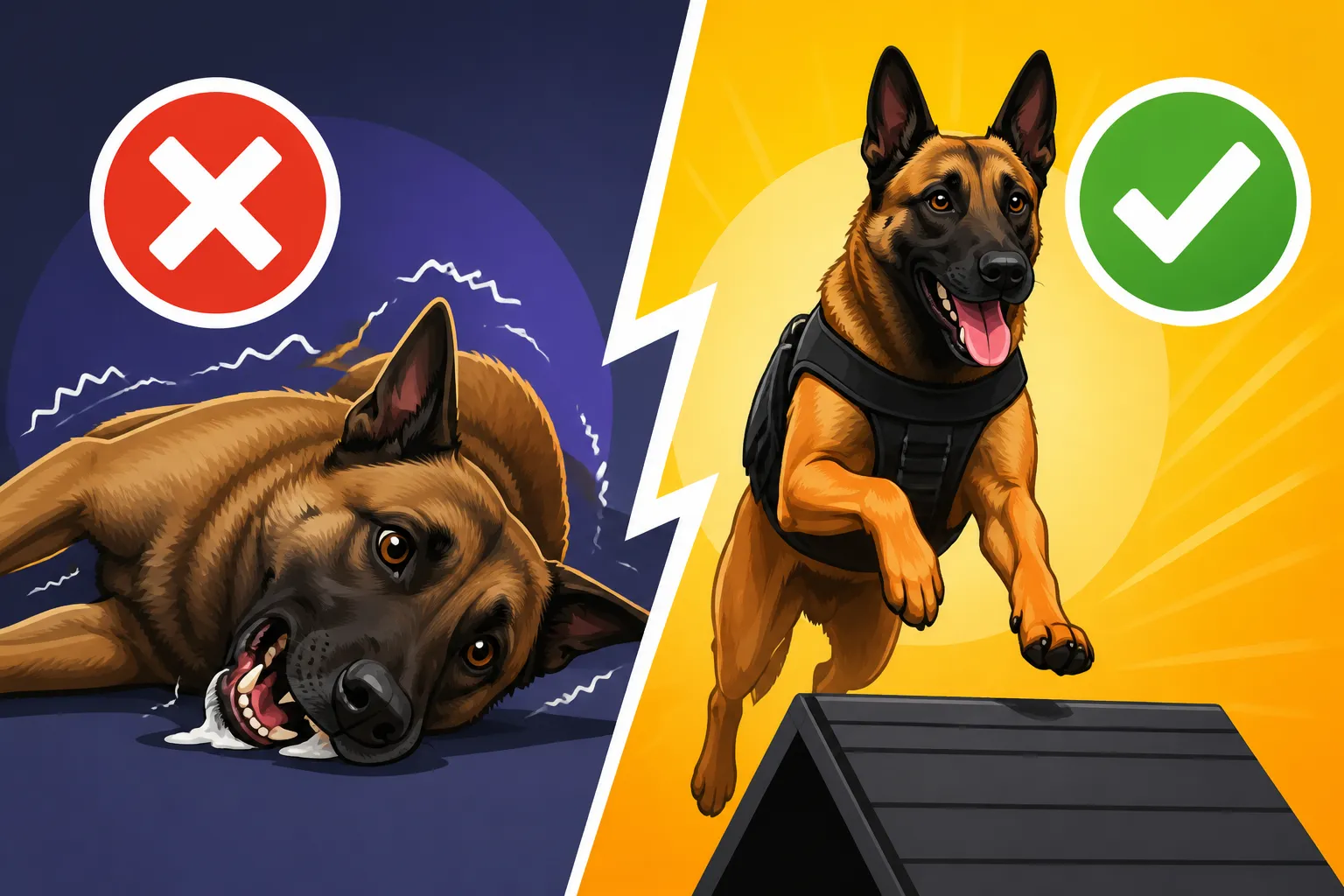
Whether a Seizing Malinois Can Still Work
It's absolutely heartbreaking when your driven, athletic Belgian Malinois, the dog you've poured your heart and soul into training for work or sport, suddenly experiences a seizure. One moment they're vibrant, the next they're disoriented, collapsing, or exhibiting strange behaviors, leaving you utterly bewildered and scared. The biggest question that often races through a working dog owner's mind, amidst the fear and uncertainty, is: "Can my seizing Malinois still do the job they love, the job they were bred for?" This guide aims to tackle that complex question head-on, delving into the realities, the difficult decisions, and the path forward for you and your incredible canine partner.
Understanding Canine Epilepsy in Belgian Malinois
When you have a Belgian Malinois, especially one bred for working ability, you’re dealing with a canine athlete, a finely tuned machine of intelligence and drive. So, when that machine starts to misfire, it’s not just alarming; it’s devastating. Seizures in these dogs aren’t just a fleeting moment; they’re a significant disruption to their entire system and can signal an underlying condition that demands careful attention.
The Nature of Seizures in Working Breeds
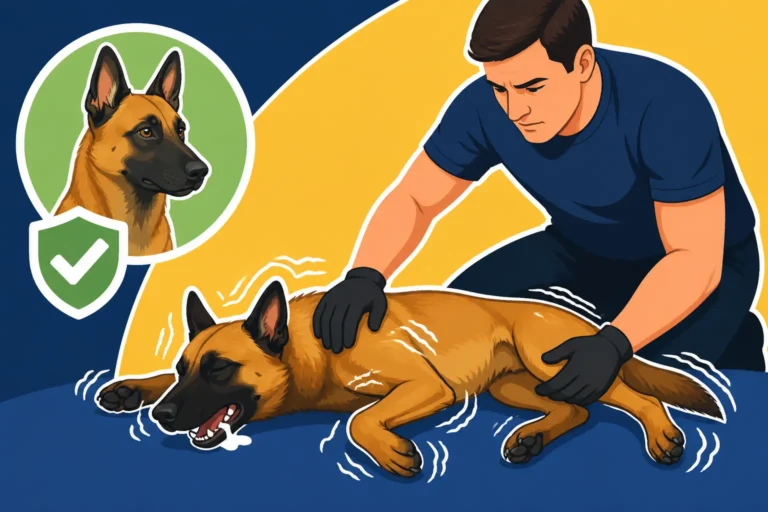
A seizure isn't just one thing; it can manifest in several ways, from the dramatic "grand mal" seizure where your dog collapses, paddles its legs, salivates heavily, and loses consciousness, to more subtle "focal" seizures that might just involve twitching a single limb, staring blankly, or showing unusual behaviors like snapping at imaginary flies. Then there's the terrifying "status epilepticus," a prolonged seizure or a series of seizures without recovery in between, which is a life-threatening emergency.
For a working Malinois, any seizure, no matter how brief, is particularly devastating. Their jobs often require split-second decisions, incredible agility, unwavering focus, and a clear head. Imagine a police K9 experiencing even a focal seizure mid-search, or an agility dog having a moment of disorientation on course. It not only compromises their performance but, more critically, it puts them, their handler, and the public at significant risk. The sudden loss of motor control or cognitive function in a dog trained for protection or detection could have dire consequences. Many Malinois owners report that these dogs, known for their intensity, seem to internalize stress and changes more acutely, which can sometimes play a role in seizure activity. It's a cruel irony that a breed so celebrated for its mental fortitude and physical prowess can be struck down by such an invisible assailant. We know that there is The Seizure Disorder Running in Malinois Lines, which means it's not an uncommon issue in the breed.
Observing these events for the first time, many owners might initially dismiss subtle signs. Perhaps your Malinois was just a bit wobbly, or seemed to zone out for a few seconds. But these can be partial seizures. Keeping a meticulous log of anything out of the ordinary, no matter how minor, can be incredibly helpful for your vet in piecing together the full picture. Details like the duration, what your dog was doing beforehand, and how long it took them to recover are all crucial pieces of information.
Diagnosing Epilepsy and Its Underlying Causes
When your Malinois has its first seizure, your vet’s first priority will be to rule out every other possible cause before landing on a diagnosis of idiopathic epilepsy. This is a critical step because seizures can be a symptom of a wide array of conditions, some treatable, others more serious. It's not just about what you see externally; it's about what's happening internally.
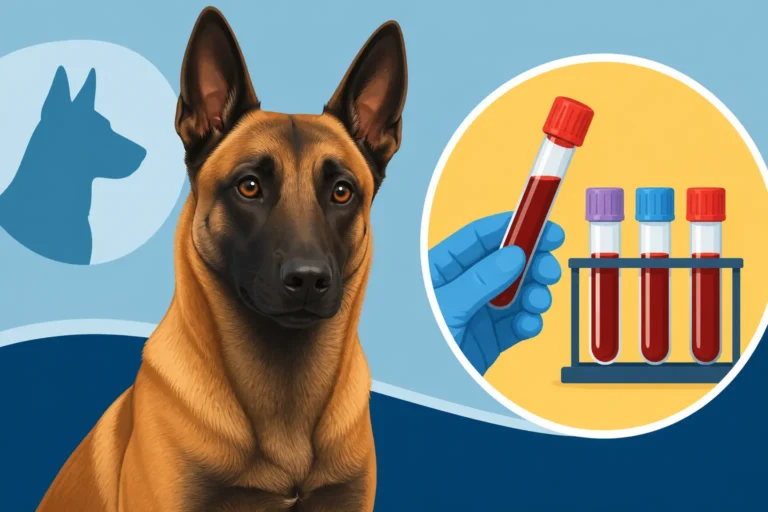
Your veterinarian will likely start with a full physical exam and comprehensive blood work. They’re looking for metabolic issues like liver or kidney disease, low blood sugar, electrolyte imbalances, or even exposure to certain toxins, all of which can trigger seizures. Sometimes, thyroid problems or certain infections can also play a role. If these initial tests come back clean, the next step often involves more advanced diagnostics. This might mean cerebrospinal fluid analysis or, more commonly, an MRI of the brain. An MRI can detect structural abnormalities like brain tumors, inflammation, strokes, or congenital malformations, which would lead to a diagnosis of structural epilepsy rather than idiopathic (cause unknown) epilepsy. This diagnostic journey can be lengthy and expensive, adding to the stress of an already difficult situation. Many owners find themselves navigating tough choices, wondering if an MRI is "worth it" given the cost, but for a working dog, understanding the root cause is paramount to making informed decisions about their future. It's important to know When Epilepsy First Appears in a Malinois, as this can sometimes offer clues. For example, if seizures begin very early or very late in life, it might suggest a different underlying cause than classic idiopathic epilepsy, which often manifests between 6 months and 5 years of age.
The Impact of Seizures on Working Capabilities
The sheer power and precision of a working Belgian Malinois are things to behold. Their ability to track, detect, protect, and perform complex tasks relies on an intricate balance of physical prowess and mental acuity. When seizures enter the picture, this balance is fundamentally disrupted, often forcing owners to confront a harsh reality about their dog's future in the working world.
Physical Limitations and Safety Concerns
The most obvious impact of seizures on a working Malinois is the sudden, uncontrollable loss of physical function. During a grand mal seizure, a dog collapses, loses consciousness, and can thrash violently. This not only makes them utterly incapable of performing any task but also puts them at significant risk of self-injury. Imagine a dog seizing on a hard surface, slamming its head, or injuring limbs. In a protection sport context, a seizure could occur during a bite, posing a severe danger to the decoy. In police or military work, it could happen in a high-stakes environment, compromising an operation or putting the handler and others in peril. The unpredictable nature of seizures is arguably the greatest physical limitation. While some dogs might have auras (pre-seizure signs), many seizures strike without warning. This unpredictability makes it impossible to guarantee safety in a working scenario, especially one where precision and immediate responsiveness are critical.
Even focal seizures, which might seem less dramatic, can have profound physical implications for a working dog. A sudden, involuntary twitching of a leg or face, a momentary loss of balance, or a brief period of disorientation can be enough to cause a misstep in agility, a missed scent during detection, or a failure to respond to a command in a critical situation. This isn't just about performance; it's about the inherent dangers involved when an animal relied upon for a specific, often dangerous, task suddenly loses control. The physical demands of most Malinois jobs are immense, placing stress on their bodies. A seizing dog might also have impaired post-seizure recovery, leading to weakness or incoordination for a longer period, making immediate return to duty impossible or unsafe. The thought of your highly-trained partner being vulnerable in such a way is a constant, gnawing concern for any handler.
Cognitive and Behavioral Changes
Beyond the immediate physical effects, seizures can introduce a host of cognitive and behavioral changes that are just as, if not more, impactful on a Malinois's ability to work. The "post-ictal" phase, the period immediately following a seizure, can last minutes to hours, or even days. During this time, your dog might be disoriented, temporarily blind, anxious, restless, or even aggressive. This isn't the clear-headed, confident partner you know. They might wander aimlessly, bump into objects, or fail to recognize familiar people or surroundings. For a breed that thrives on structure, clarity, and precision, this mental fog is incredibly debilitating. A Malinois relies heavily on its ability to process information rapidly and make sound judgments, whether it’s reading a decoy’s movements, navigating an obstacle course, or pinpointing a scent source.
Frequent or severe seizures can also lead to long-term cognitive decline. This might manifest as decreased learning ability, memory problems, or a general dulling of their sharp intellect. Imagine trying to teach new skills or maintain existing ones with a dog whose brain is being intermittently "rebooted" and potentially damaged. The drive that makes Malinois exceptional can also be affected; while some dogs remain driven, others may show a noticeable decrease in their desire or ability to engage in work. This isn't laziness; it's a neurological impairment. Handlers also report increased anxiety or fearfulness in some epileptic Malinois, potentially stemming from the terrifying and confusing experience of a seizure. This can make them less predictable and less reliable in high-pressure working environments, fundamentally altering their temperament and fitness for duty.
Managing Epilepsy with Medication and Lifestyle Adjustments
Once a diagnosis of idiopathic epilepsy is reached, or a cause identified and deemed manageable, the next crucial step is managing the condition. This is often a lifelong journey of medication, careful observation, and adjusting routines to give your Malinois the best possible quality of life, hopefully allowing some form of continued engagement with purpose.
Navigating Anti-Seizure Medications
The cornerstone of epilepsy management in dogs is typically anti-seizure medication. There isn't a one-size-fits-all solution; what works for one dog might not for another. Common medications include phenobarbital, potassium bromide, Levetiracetam (Keppra), and Zonisamide. The goal of these medications isn't necessarily to eliminate seizures entirely, which is often an unrealistic expectation, but rather to reduce their frequency, severity, and duration to a tolerable level. It's about finding that sweet spot where the dog has fewer, less intense seizures, with minimal side effects from the medication itself.
This process involves careful titration—starting with a low dose and gradually increasing it until seizures are controlled or side effects become unacceptable. It's a delicate balance. Phenobarbital, while effective, can cause sedation, ataxia (wobbliness), increased thirst and urination, and liver damage over time. Potassium bromide can also cause sedation and gastric upset. Newer drugs like Levetiracetam tend to have fewer side effects but might be less potent in some cases. All these side effects can significantly impact a working Malinois's performance. A dog that is constantly drowsy, uncoordinated, or experiencing liver issues is not going to be at its best. This is exactly why the question of Whether Seizure Medication Dulls a Working Malinois is so critical. Owners must work closely with their vet, and ideally a veterinary neurologist, to find the right medication or combination of medications that effectively control seizures while preserving as much of the dog’s mental sharpness and physical capabilities as possible. Regular blood tests are essential to monitor drug levels and check organ function, especially with medications like phenobarbital that are metabolized by the liver. It's an ongoing challenge, and you'll become very familiar with the process of Managing an Epileptic Belgian Malinois on Medication.
Lifestyle Adaptations for an Epileptic Malinois
Beyond medication, making thoughtful lifestyle adjustments can play a significant role in managing epilepsy and potentially reducing seizure frequency. One of the most important aspects is stress reduction. Just like in humans, stress can be a significant trigger for seizures in dogs. For a high-drive Malinois, this might mean carefully identifying and minimizing exposure to known stressors: loud noises, chaotic environments, excessive excitement, or even certain training scenarios that might push them over threshold. Some Malinois might be triggered by extreme temperatures, intense exercise, or even specific patterns of light. Keeping a detailed seizure log that includes environmental factors or activities prior to a seizure can help pinpoint these individual triggers. Understanding What Triggers a Belgian Malinois Seizure is paramount to implementing effective lifestyle changes.
Consistency and routine are also incredibly beneficial. Dogs, especially Malinois, thrive on predictability. Maintaining regular feeding times, exercise schedules, and bedtimes can provide a sense of security and stability that helps regulate their system. While a working Malinois typically has a very active life, for an epileptic dog, finding a balance in exercise is crucial. Overexertion could potentially be a trigger, but too little exercise could lead to pent-up energy and stress. Focus on structured, moderate exercise that is mentally engaging, rather than physically exhausting. Nutrition is another area to consider; while there's no magic bullet diet for epilepsy, ensuring a high-quality, balanced diet and discussing supplements like Omega-3 fatty acids or MCT oil with your vet might be beneficial. Regular vet check-ups, as part of The Checkup Schedule a Sport Malinois Should Keep, are non-negotiable for monitoring the condition, adjusting medications, and generally ensuring your Malinois's overall health and well-being. This comprehensive approach gives your Malinois the best chance at a stable and happy life, even if that life looks a little different than originally planned.
Evaluating the Potential for Continued Work
This is often the hardest part of the journey: looking your incredible, driven Belgian Malinois in the eye and honestly assessing if they can, or should, continue their working career. It's a decision fraught with emotion, guilt, and deep concern for your dog's welfare and safety. There's no universal answer, as each dog and each case of epilepsy is unique.
Assessing Risk vs. Reward for Different Work Types
For high-risk working roles, such as police K9 work, military service, or advanced protection sports (like IGP or French Ring), the reality is often grim. These jobs demand unwavering reliability, split-second decision-making, and consistent physical and mental performance in potentially dangerous situations. A single seizure, or even the side effects of anti-seizure medication, can compromise these requirements. The risk isn't just to the dog; it extends to the handler, other team members, and the public. Imagine a police K9 experiencing a seizure during a critical apprehension or a detection dog losing focus during an explosives search. The potential for catastrophic failure is too high. Ethical considerations also weigh heavily: is it fair to ask a dog with a known neurological condition to perform tasks that could result in serious injury or even death, either for themselves or others? In most professional working dog organizations, a diagnosis of epilepsy, even well-managed, will lead to medical retirement from these high-stakes roles.
However, for lower-risk jobs, or those where tasks can be adapted, there might be more room for evaluation. Scent detection work, for instance, in a controlled environment, might still be feasible if the dog's cognitive function isn't severely impacted and seizures are infrequent and mild. Therapy work, with careful screening and supervision, could be an option for a dog whose temperament remains stable and whose seizures are rare. Some forms of light herding or advanced obedience might also be possible. The key here is a thorough, honest assessment of the dog's individual case. How frequent are the seizures? How severe are they? What is the recovery period like? Do the medications dull their drive or cognition significantly? These are the hard questions that need to be asked. It's not about what you want your Malinois to do, but what they can safely and effectively do, prioritizing their health and well-being above all else. This brings us back to the core question of Whether a Seizing Malinois Can Still Work, and the answer is nuanced: for some, it might mean adapting their job; for many, especially those in intense roles, it will mean a new path.
The Importance of Vet and Trainer Consultation
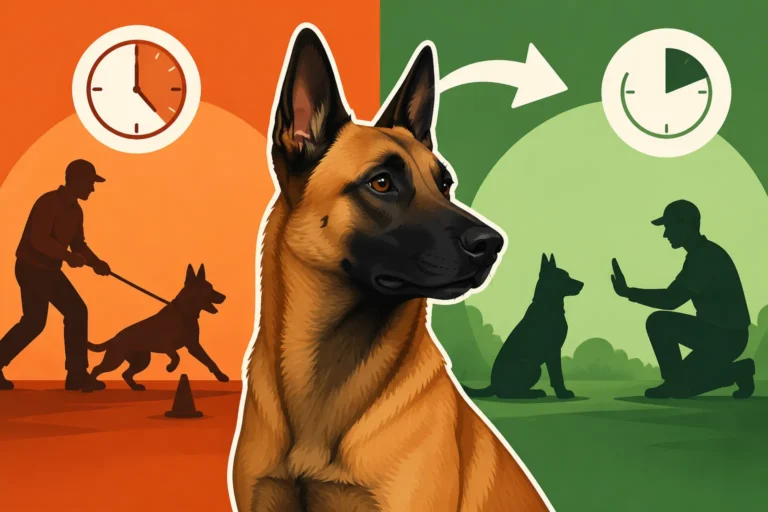
Making these critical decisions about a seizing Malinois's working future absolutely requires a collaborative approach involving your veterinarian, and often, a specialized veterinary neurologist and an experienced working dog trainer or behaviorist. You, as the owner and handler, are the primary observer of your dog's daily life and capabilities, but you need expert medical and behavioral guidance to navigate this complex terrain.
Your veterinarian will provide the medical assessment, including seizure frequency, severity, medication effectiveness, and any adverse side effects. A veterinary neurologist, if accessible, offers an even deeper level of expertise in diagnosing and managing neurological conditions, often having access to cutting-edge treatments and a more nuanced understanding of how epilepsy affects canine cognition and performance. They can help you understand the prognosis, the potential for long-term complications, and the impact of continued physical or mental stress on your dog's brain health. Simultaneously, an experienced working dog trainer who understands the specific demands of your Malinois's discipline can offer invaluable insight into whether your dog can still meet those demands safely and effectively. They can help you objectively assess any loss of drive, focus, or physical coordination that might be subtle to an untrained eye. They can also help identify if Whether Seizure Medication Dulls a Working Malinois to the point where they are no longer suitable for their former duties. This team approach allows for a holistic evaluation, balancing medical facts with practical working experience. The goal is to set realistic expectations and, most importantly, prioritize the dog's long-term quality of life. Sometimes, the most loving and responsible decision is to transition your Malinois to a different role, or even full retirement, allowing them to live out their days with comfort and dignity.
Alternative Pathways and Retirement for a Working Malinois
The decision to retire a working Malinois from their career, whether due to seizures or other health issues, is profoundly difficult. These dogs are built for purpose, and their identity, and often ours, is intertwined with their work. However, retirement doesn't have to mean an end to their joy or engagement; it simply means a shift in focus.
Finding New Purpose in Retirement
When a Belgian Malinois can no longer safely perform its job due to seizures, the transition can be challenging for both dog and handler. These dogs are hardwired for activity and mental stimulation, and simply "doing nothing" can lead to behavioral issues and unhappiness. The key is to help them find a new purpose, one that respects their cognitive and physical limitations while still engaging their brilliant minds. This often means embracing mental stimulation over intense physical exertion. Puzzle toys, snuffle mats, and slow feeders can turn mealtime into a mental game. Short, structured training sessions focusing on foundational obedience, tricks, or even very low-impact nose work (if their cognition allows) can provide that crucial sense of accomplishment without risking seizure triggers. You might find that teaching new, simple tricks can be incredibly rewarding.
Enrichment activities become paramount. Instead of high-impact agility, consider slow sniff walks in varied environments, allowing them to explore and use their incredible sense of smell. These walks are less about covering distance and more about mental engagement. For a Malinois that's spent its life in a demanding role, this shift can be significant. It's not just about managing their seizures, but managing their highly intelligent and driven personality in a new, calmer context. The emotional toll on the handler cannot be understated either; watching your once unstoppable partner slow down or be forced to retire can be heartbreaking. Seeking support from other working dog handlers who have gone through similar transitions can be incredibly validating and helpful. Ultimately, the goal is to define "work" differently, finding safe, enriching activities that allow your Malinois to feel valued and engaged, ensuring they can still experience joy. This is a crucial aspect of Retiring a Working Belgian Malinois From the Job.
Supporting Your Malinois's Well-being
Beyond finding new purposes, the ongoing support for an epileptic Malinois's general well-being is critical. This includes consistent vet care, a healthy diet, and a loving, stable home environment. Your regular veterinarian will continue to be your main partner, monitoring medication efficacy, checking for side effects, and generally overseeing your dog's health. Pet insurance, like a plan from Healthy Paws, can be an absolute lifeline here. The costs associated with diagnosing epilepsy, ongoing medication, regular blood work, and potential emergency vet visits for breakthrough seizures can quickly add up, creating a significant financial burden. A good pet insurance policy can help offset these expenses, ensuring you can always make decisions based on your Malinois's health needs rather than your wallet.
Maintaining a strong bond through affection, gentle interaction, and predictable routines helps immensely. Many Malinois thrive on connection with their handler, and this connection can become even more important as they navigate their health challenges. Continue with regular grooming, dental care, and nail trims, keeping them comfortable and healthy. Keep a close eye on their overall condition. Even in retirement, regular health checks, perhaps tailored to older or less active dogs, are essential for managing epilepsy and catching any other age-related issues early. The financial relief that a good pet insurance plan, such as those offered by Healthy Paws, can provide when dealing with a chronic condition like epilepsy cannot be overstated. It offers peace of mind during an already stressful time, allowing you to focus on caring for your cherished companion without the added strain of overwhelming veterinary bills.
Making the Difficult Decisions
Facing a chronic, unpredictable condition like epilepsy in your Belgian Malinois often leads to incredibly difficult decisions, sometimes even the hardest ones a pet owner will ever make. It's not just about medication and lifestyle changes; it's about continuously evaluating quality of life and understanding when it's time to let go.
Quality of Life Considerations
The most paramount consideration for any dog, but especially a working Malinois whose quality of life has always been tied to their vitality, is their overall well-being. When seizures are frequent, severe, or difficult to control, and the side effects of medication significantly diminish their joy or cognitive function, it forces a hard look at their true quality of life. Is your Malinois still enjoying their food? Do they greet you with enthusiasm? Can they still engage in even simple, adapted activities without confusion or distress? Are they experiencing chronic pain or anxiety because of their condition or the medications? Sometimes, despite all efforts, the seizures become too overwhelming, or the dog spends too much time in a post-ictal state, disoriented and suffering.
These are deeply personal and emotional questions, and there's no right or wrong answer that applies to every dog. It requires honest, ongoing conversations with your family and, most critically, with your veterinarian. They can provide an objective assessment of physical health and neurological status, helping you gauge if your dog is truly living a life worth living, or merely existing. It's about recognizing when the difficult moments — the seizures themselves, the extended recovery, the side effects, the confusion — start to outweigh the good moments. This agonizing process often culminates in the discussion about euthanasia, a decision nobody ever wants to make but one that, in some cases, becomes the ultimate act of love to prevent further suffering. This is a heart-wrenching consideration, but understanding Making the Last Decision for a Malinois is part of responsible ownership when a chronic condition progresses.
Financial Realities and Support Systems
The financial burden of managing epilepsy in a Belgian Malinois is significant and can last for years. This includes the initial diagnostic workup, which can involve expensive MRIs and specialist consultations. Then there are the ongoing costs of anti-seizure medications, which often need to be replenished monthly. Beyond that, regular blood work is essential to monitor drug levels and check for potential side effects on organs like the liver, adding another recurring expense. Emergency vet visits for breakthrough seizures or status epilepticus can result in thousands of dollars in a single event. Without proper planning, these costs can quickly become overwhelming, forcing owners to make incredibly tough choices based on financial constraints rather than what's best for their beloved dog.
This is precisely where pet insurance becomes an invaluable support system. Companies like Healthy Paws offer robust pet insurance plans that can cover a significant portion of these recurring veterinary expenses. Having a plan in place before a chronic condition like epilepsy develops can provide immense peace of mind, allowing you to pursue the best possible care without the constant worry of cost. For example, if your Malinois requires expensive anti-convulsant medication for life, or needs multiple specialist visits, a policy from Healthy Paws can greatly reduce your out-of-pocket costs, ensuring continuity of care. Beyond financial support, don't underestimate the power of emotional support systems. Connecting with online forums or local groups for owners of epileptic dogs can provide a community of understanding, shared experiences, and practical advice. Knowing you're not alone in navigating these challenges can make a world of difference. The financial relief that a good pet insurance plan, such as those offered by Healthy Paws, can provide when dealing with a chronic condition like epilepsy is a game-changer for many owners, helping them focus on their dog's comfort and care.
Disclaimer
This article is intended for informational purposes only and does not constitute veterinary advice. Always consult with a qualified veterinarian or veterinary specialist for any health concerns or before making any decisions regarding your Belgian Malinois's care, treatment, or working status. Individual circumstances vary, and professional guidance is essential.