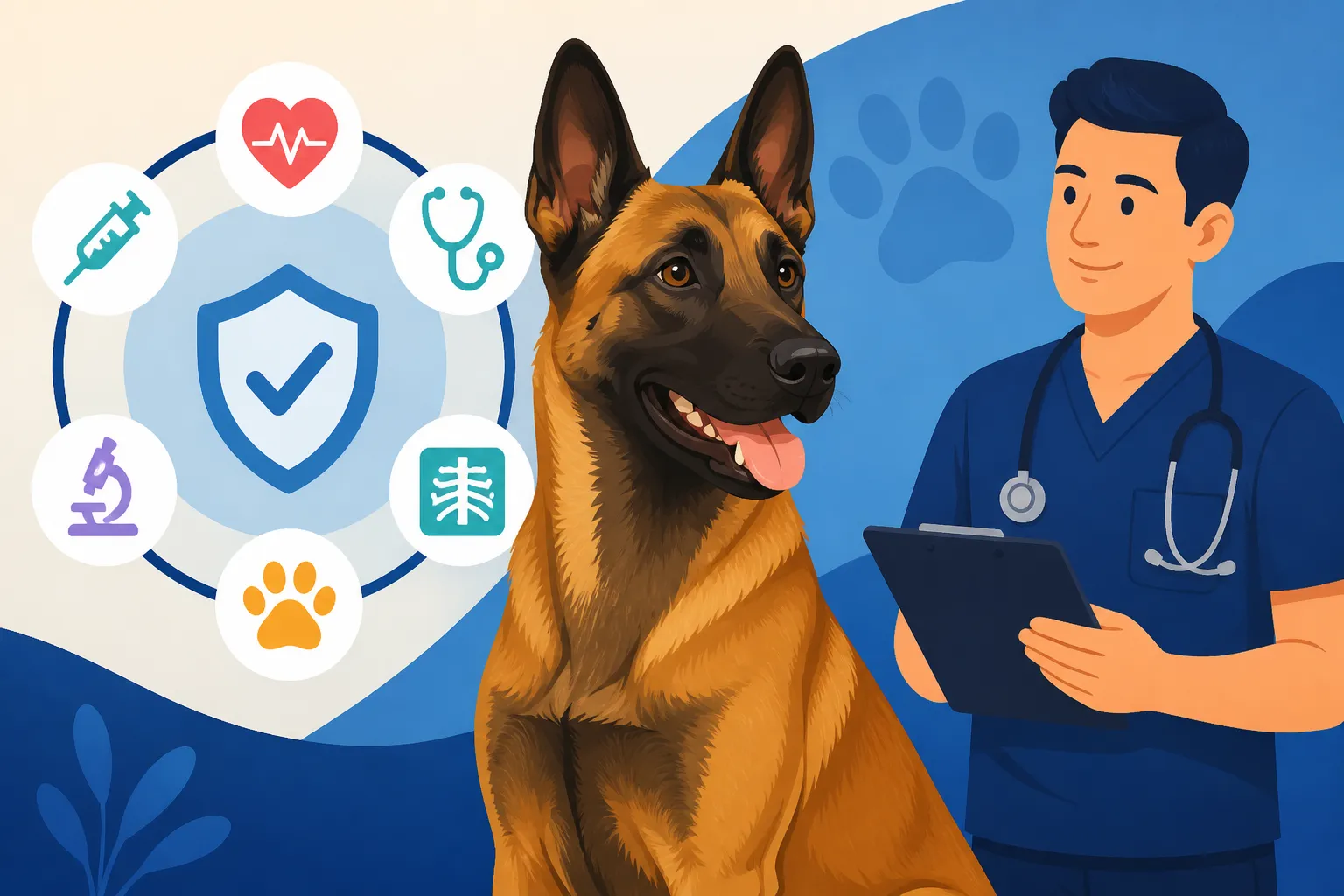
The Checkup Schedule a Sport Malinois Should Keep
As a Belgian Malinois owner, especially one involved in sport, you know the relentless drive and athleticism these dogs possess. Keeping that high-octane machine finely tuned requires more than just consistent training; it demands a rigorous and thoughtful veterinary checkup schedule. It's incredibly frustrating to invest so much into their training, only to have a preventable health issue derail their performance. This guide aims to demystify the ideal checkup schedule for a sport Malinois, ensuring they remain at peak physical and mental health throughout their dynamic lives.
The Foundation Years: Puppy and Juvenile Checkups
The early stages of a Malinois's life are absolutely critical for setting the stage for a healthy, athletic future. Unlike a casual pet, a sport Malinois puppy needs its health rigorously monitored from day one to ensure proper development and to catch any potential issues before they become performance-limiting problems.
Initial Puppy Vet Visits and Vaccinations
When you first bring home your Belgian Malinois puppy, whether it's at eight weeks or a bit older, your primary goal is to establish a relationship with a veterinarian who understands working breeds. The initial series of vet visits is foundational. Typically, puppies start their vaccine series between 6-8 weeks, followed by boosters every 3-4 weeks until they are around 16 weeks old. These appointments aren't just for shots; they're comprehensive physical exams where the vet checks everything from their heart and lungs to their developing joints and teeth. This is where you discuss things like The Vaccines a Working Belgian Malinois Needs and ensure your pup is on the right schedule to build robust immunity without over-stressing their system.
Beyond vaccines, these early visits involve deworming protocols, discussions about flea and tick prevention, and a baseline check for common puppy ailments. You'll want to talk about nutrition, ensuring your pup is on a diet appropriate for large breed development, avoiding rapid growth that can put undue strain on their still-forming joints. Any early signs of a cough, diarrhea, or lethargy should be taken seriously and discussed immediately. Remember, catching something like Coccidia or Giardia early can save your puppy from significant dehydration and discomfort, which in turn prevents setbacks in their physical conditioning. These initial visits are also a prime opportunity to sign up for pet insurance, as many policies like those from Healthy Paws cover a significant portion of unexpected vet costs, which can certainly arise with an active puppy.
Monitoring Growth and Orthopedic Development
For a sport Malinois, monitoring orthopedic development is paramount. We're talking about a dog that will be jumping, running, biting, and performing complex maneuvers at high speed. Weak or improperly developed joints are a career-ender. During each puppy visit, your vet should be palpating joints, checking for any signs of pain, laxity, or abnormal gait. Pay close attention to how your puppy moves, even during play. Are they showing a The Wobbly Gait a Malinois Puppy Shows at Six Weeks? Do they seem reluctant to use a limb after a burst of energy? These are all flags.
Around 16 weeks, many vets will start discussing preliminary hip and elbow evaluations, especially if there's any concern. While final certifications usually wait until 12-24 months of age, early radiographs can give an indication of potential issues, allowing you to adjust exercise protocols and possibly intervene with supplements or physical therapy. This proactive approach helps mitigate risks later on. You should also be discussing appropriate exercise levels; a common mistake is over-exercising a young Malinois, thinking it will tire them out. Instead, it can damage their growth plates. Structured, controlled exercise is key, not endless free-running. Proper nutrition and avoiding high-impact activities until growth plates are closed are crucial for giving your Malinois the best chance at sound joints.
Spay/Neuter Considerations and Timing
The decision of when, or even if, to spay or neuter a sport Malinois is a topic with much debate, and it significantly impacts their overall checkup schedule. Traditionally, many pet owners opted for spay/neuter around 6 months of age. However, for working and sport dogs, more recent research suggests potential orthopedic and behavioral benefits to waiting until the dog is more mature, closer to 18-24 months, or even later. Early spay/neuter can affect growth plate closure, potentially leading to longer limbs and altered joint angles, which some argue might increase the risk of certain orthopedic issues like ACL tears.
Your vet visits during the juvenile period (roughly 6 months to 18 months) should involve ongoing discussions about this timing. Factors to consider include your dog's specific sport, their genetic predisposition to certain conditions, and your ability to manage an intact dog. If you do opt for spay/neuter, discuss Why Anesthesia Needs Discussing Before a Malinois Goes Under with your vet, especially given the breed's lean body mass. These operations are not just routine; they're major surgeries. The choice of timing should be a shared decision between you and your veterinarian, based on the latest scientific understanding and your individual Malinois's needs and future aspirations in sport.
Maintaining Peak Performance: Adult Sport Malinois Checkups
Once your Malinois hits adulthood (typically around 18-24 months), the focus shifts from growth and development to maintaining peak physical condition and proactively addressing the demands of their rigorous lifestyle. These dogs live to work, and their bodies are put under immense strain.
Annual Wellness Exams and Preventive Care
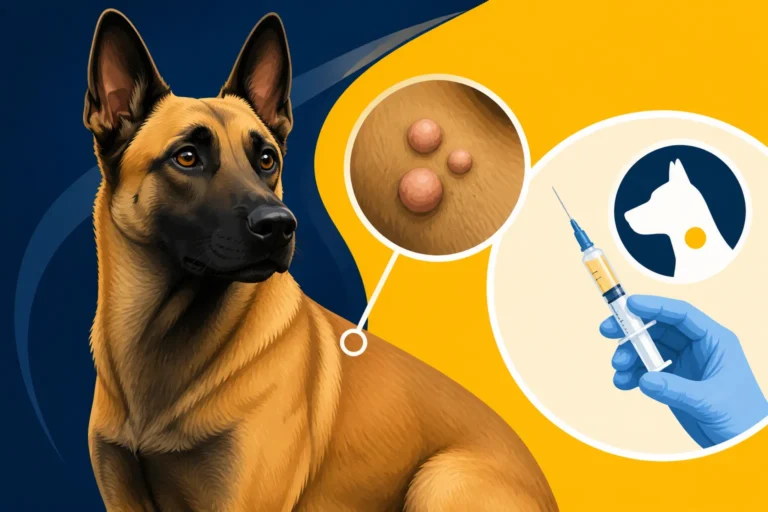
For an adult sport Malinois, an annual wellness exam is non-negotiable, though some high-intensity handlers opt for bi-annual checks. These aren't just quick weigh-ins; they're comprehensive assessments of your dog's entire system. The vet will perform a thorough physical, checking teeth, ears, eyes, skin, and coat, as well as listening to heart and lungs. They'll also palpate lymph nodes, abdomen, and all major joints. This annual check is also the time for routine vaccinations (boosters as needed), parasite screenings (fecal exams for intestinal parasites, heartworm testing), and discussions about year-round prevention.
Bloodwork is a vital component of these annual exams for a working dog. The Bloodwork a Working Malinois Should Have Annually includes a complete blood count (CBC) to check for anemia, infection, or inflammation, and a chemistry panel to assess organ function (kidneys, liver, pancreas). Thyroid panels are also often recommended, as hypothyroidism can subtly impact energy levels and coat health, which can affect performance. Catching these changes early, even if subtle, can allow for intervention before they manifest as overt illness or impact your dog's ability to train and compete. Discussing your dog's diet and any supplements, like Joint Supplements for a Working Belgian Malinois, is also critical to ensure their nutritional needs are being met for their high energy output.
Addressing Sport-Specific Strains and Injuries
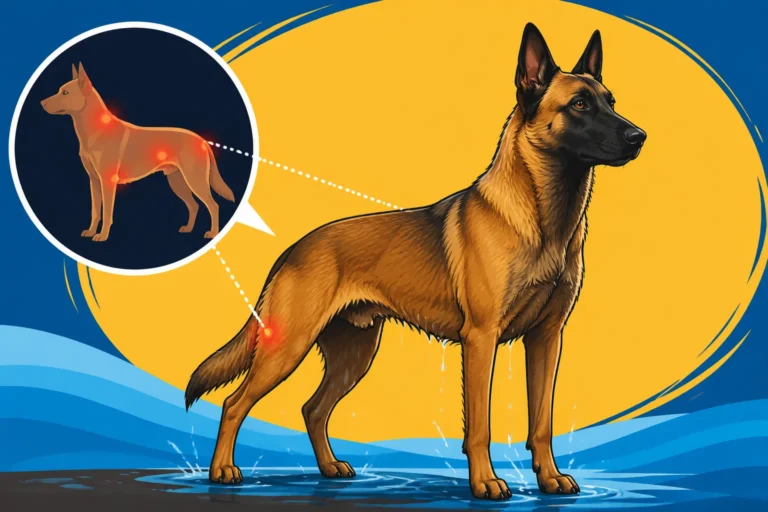
The life of a sport Malinois is full of explosive movements, high jumps, hard bites, and demanding physical challenges. Consequently, injuries are not a matter of if, but when. Regular checkups offer an opportunity to identify and address minor strains before they escalate. You should be discussing any limping, stiffness, reluctance to perform certain tasks, or changes in gait with your vet. Minor lameness could indicate anything from a pulled muscle to a developing ligament issue.
Your vet needs to be familiar with the common Injuries a Bite Sport Belgian Malinois Collects, such as torn cruciates, shoulder injuries from decoy work, pad abrasions, or even broken teeth from bite work. They can then guide you on preventative measures, like proper warm-up and cool-down routines, appropriate conditioning exercises, and even specific protective gear. If an injury does occur, having a pre-established relationship with your vet, who understands your dog's sport and your goals, is invaluable for swift and effective treatment, from conservative management to surgical options and rehabilitation. This proactive monitoring helps keep your Malinois in the game longer and safer.
Proactive Screening for Genetic and Breed-Specific Issues
Belgian Malinois are generally a healthy breed, but like all purebreds, they have predispositions to certain genetic and breed-specific health issues. Regular checkups, especially in adulthood, are crucial for proactive screening. Beyond the standard orthopedic clearances like OFA or PennHIP for hips and elbows (which you would have done in the juvenile stage, paying close attention to The Hip and Elbow Numbers Behind a a Malinois Clearance and Reading a Belgian Malinois Hip Result), yearly eye exams by a veterinary ophthalmologist are highly recommended. This is particularly important because The Eye Diseases Behind a Malinois Eye Certificate can be subtle at first but severely impact vision over time, affecting performance and quality of life. Conditions like Pannus, for example, are common in Malinois and can be managed effectively with early detection and lifelong treatment.
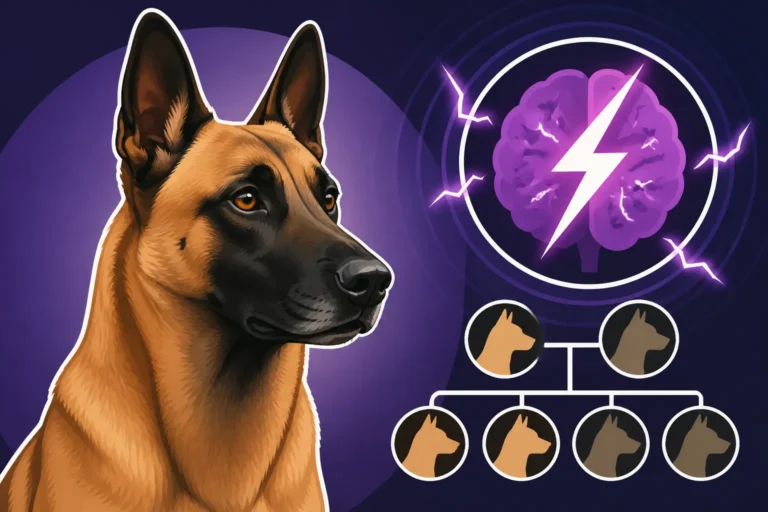
Another key area is genetic testing for conditions like Canine Ataxia (SDCA1 and SDCA2). If your dog wasn't tested as a puppy, or if you acquired them later, confirming their status is important for their own health management and any potential breeding considerations. A good vet will help you understand the genetic risks associated with the breed and advise on appropriate screenings, even if your dog isn't meant for breeding. This vigilance helps ensure that potential issues are identified and managed before they can seriously impact your sport Malinois’s career or well-being.
Adapting Care for Longevity: Senior Sport Malinois Checkups
As your Belgian Malinois transitions into their senior years (typically around 7-8 years old for a working breed), their checkup schedule needs to become even more diligent. While they might still have drive, their bodies are experiencing natural wear and tear, and age-related conditions become more prevalent. The goal shifts from peak performance to maximizing comfort, mobility, and quality of life for Retiring a Working Belgian Malinois From the Job.
Bi-Annual Exams and Comprehensive Diagnostics
For senior sport Malinois, switching to bi-annual (every six months) vet exams is highly recommended. Changes can happen rapidly in older dogs, and catching issues early is even more critical when their systems are less resilient. These exams will be even more thorough, with a keen focus on subtle shifts in weight, muscle mass, joint mobility, and organ function. Comprehensive diagnostic bloodwork, including a full chemistry panel, CBC, and thyroid panel, should be performed at each bi-annual visit. Urinalysis is also vital to monitor kidney function, which can decline with age.
Regular blood pressure monitoring is also important in older dogs, as hypertension can lead to kidney disease, heart disease, and blindness. Your vet will also pay close attention to dental health, as dental disease can cause pain, make eating difficult, and introduce bacteria into the bloodstream, impacting vital organs. For an older Malinois, especially one who may have had Broken Teeth on a Malinois From Bite Work during their career, dental care becomes a critical part of their overall health. Remember, a senior Malinois might mask pain or discomfort, so these regular, detailed checkups are your best defense against silent progression of disease. Companies like Healthy Paws can be a real lifesaver for senior dogs, as ongoing chronic conditions often require more frequent and specialized veterinary attention, which can add up quickly.
Managing Arthritis and Age-Related Decline
Arthritis and other degenerative joint diseases are almost inevitable in a high-drive, high-impact sport dog like a Belgian Malinois. Regular checkups for a senior Malinois will heavily focus on assessing mobility, identifying painful joints, and developing a comprehensive pain management plan. This might include anti-inflammatory medications, joint supplements, physical therapy, acupuncture, or even therapeutic laser treatments. The goal is to keep them as comfortable and mobile as possible, allowing them to enjoy their golden years without debilitating pain.
Beyond joint health, your vet will also monitor for signs of other age-related declines. Muscle atrophy is common, and maintaining a healthy weight and appropriate exercise (modified for their age and condition) is key. We'll discuss things like managing their diet to support aging bodies, providing proper bedding, and potentially making home modifications to aid their mobility. Recognizing Signs a Belgian Malinois Is Slowing Down is crucial for adapting their care appropriately. Sometimes, a subtle change in how they get up, or a slight reluctance to climb stairs, can be the first indicator that their body is starting to ache.
Cognitive and Sensory Health in Older Malinois
As Malinois age, like all dogs, they can experience cognitive decline, similar to Alzheimer's in humans. Your vet checkups should include discussions about any changes in behavior: increased anxiety, disorientation, changes in sleep-wake cycles, or a decrease in interaction. These can be signs of Canine Cognitive Dysfunction (CCD). Early recognition allows for interventions like specific diets, supplements, and medications that can slow its progression and improve quality of life.
Sensory decline is also common. Your vet will check for Cataracts in an Older Belgian Malinois and other eye conditions, as well as test hearing. While these changes can be frustrating, especially for a dog so reliant on its senses for work, early detection allows you to adapt your communication and environment to support your dog. For example, if hearing loss is significant, you might transition to more hand signals. These checkups help ensure that even as their bodies and minds change, your Malinois still feels secure, loved, and engaged in their world.
Specialty Consultations and Proactive Health Strategies
Beyond routine veterinary care, a sport Malinois often benefits from specialized consultations and a proactive approach to overall health management. These are the extra layers of care that truly distinguish the care for an elite canine athlete.
Orthopedic and Sports Medicine Specialists
For a sport Malinois, having access to an orthopedic or sports medicine specialist can be invaluable. These vets have advanced training in musculoskeletal health, rehabilitation, and performance optimization. If your Malinois develops a persistent lameness, a complex injury, or simply isn't performing at their peak, a specialist can provide a more in-depth diagnosis and treatment plan than a general practitioner might. They can offer advanced imaging (MRI, CT scans), specialized surgeries, and tailored rehabilitation programs. For example, if you're dealing with Elbow Problems in a Jumping Belgian Malinois that aren't responding to conventional treatment, a specialist can delve deeper into the root cause.
These specialists often work with you to create injury prevention programs, focusing on conditioning, strength training, and flexibility specific to your dog's sport. They understand the biomechanics of a working dog and can identify subtle imbalances or weaknesses before they lead to serious injury. Building a relationship with such a specialist, even for an annual consultation, can be a game-changer for extending your Malinois's working career and ensuring their comfort.
Dental Care and Nutrition Consults
While basic dental checks are part of annual exams, sport Malinois often benefit from more focused dental care. Their intense bite work can lead to chipped teeth, fractures, or excessive wear. Regular professional dental cleanings under anesthesia are essential to prevent plaque and tartar buildup, which can lead to gum disease and tooth loss. Your vet or a veterinary dentist can also assess the integrity of their working teeth and recommend solutions like bondings or titanium crowns if serious damage occurs. It's not just about aesthetics; good dental health is crucial for a dog's overall well-being and ability to engage in bite work comfortably.
Similarly, consulting with a veterinary nutritionist can be incredibly beneficial. Feeding a high-drive, high-energy sport Malinois isn't the same as feeding a couch potato. Their caloric and nutrient needs are immense and can fluctuate with training intensity, environmental conditions, and age. A nutritionist can help tailor a diet that optimizes performance, supports muscle recovery, maintains a healthy weight, and provides all the necessary micronutrients. This ensures your dog is getting the right fuel for their demanding lifestyle, potentially preventing issues like Whether Torsion Happens in Belgian Malinois or poor recovery.
Emergency Preparedness and Financial Planning
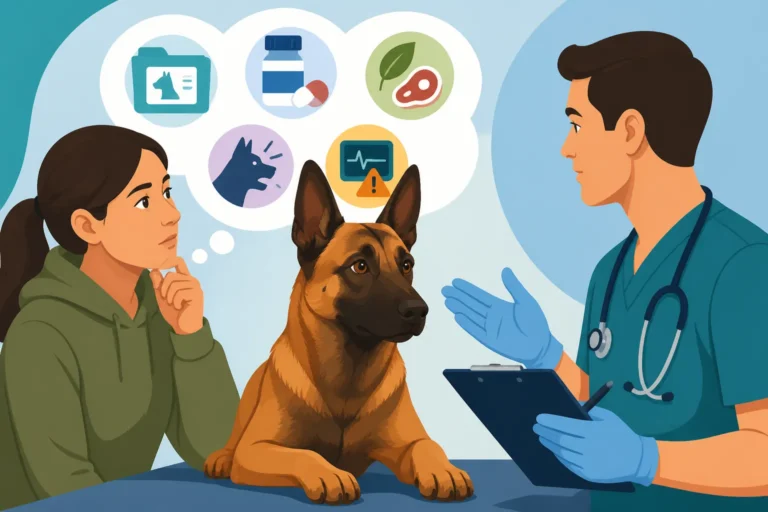
Let's be real, owning a sport Malinois comes with potential for unexpected medical emergencies. Whether it's a sudden injury during training, an acute illness, or an accident, being prepared is key. Your regular vet checkups are a good time to discuss an emergency plan: knowing the nearest 24-hour emergency vet, understanding their capabilities, and having their contact information readily available. Make sure your emergency vet has access to your Malinois's records, or carry a summary with you.
Financially, these emergencies can be devastating. This is where comprehensive pet insurance truly shines. Companies like Healthy Paws offer robust plans that can cover a significant portion of emergency care, specialist visits, and ongoing treatments. It's not just about covering big accidents; it's about giving you the peace of mind to make the best medical decisions for your dog without financial constraints hanging over your head. Setting aside an emergency fund, even if you have insurance, is also a smart move. Thinking about these things before an emergency strikes ensures you can act swiftly and decisively when your Malinois needs you most.
| Malinois Life Stage | Frequency of Vet Visits | Key Focus Areas | Typical Screenings/Tests | Proactive Measures |
|---|---|---|---|---|
| Puppy (8-16 weeks) | Every 3-4 weeks | Growth, vaccination, socialization, parasite control | Full physical, fecal, initial vaccines | Proper nutrition, controlled exercise, early handler engagement |
| Juvenile (4-18 months) | Every 3-6 months | Growth plate closure, joint development, behavioral assessment | Physical, fecal, follow-up vaccines, preliminary orthopedic checks | Balanced exercise, training, nutrition for sound growth, Whether Spay Timing Changes a Malinois's Joints discussion |
| Adult (18 months – 7 years) | Annually | Peak performance maintenance, injury prevention, overall wellness | Physical, bloodwork (The Bloodwork a Working Malinois Should Have Annually), heartworm test, fecal, dental check, The Eye Diseases Behind a Malinois Eye Certificate | Sport-specific conditioning, regular dental care, genetic screenings, nutrition |
| Senior (7+ years) | Bi-annually (every 6 months) | Comfort, mobility, early detection of age-related diseases | Physical, comprehensive bloodwork, urinalysis, blood pressure, dental, arthritis assessment, cognitive evaluation | Pain management, modified exercise, senior diet, environmental adjustments, behavioral support |
Disclaimer
This guide provides general information and recommendations. Every Belgian Malinois is an individual, and their specific health needs may vary based on genetics, lifestyle, and environment. Always consult with your veterinarian to develop a personalized checkup schedule and health plan that is appropriate for your dog. This information is not a substitute for professional veterinary advice, diagnosis, or treatment.