Cold Tolerance in a Short Coated Belgian Malinois
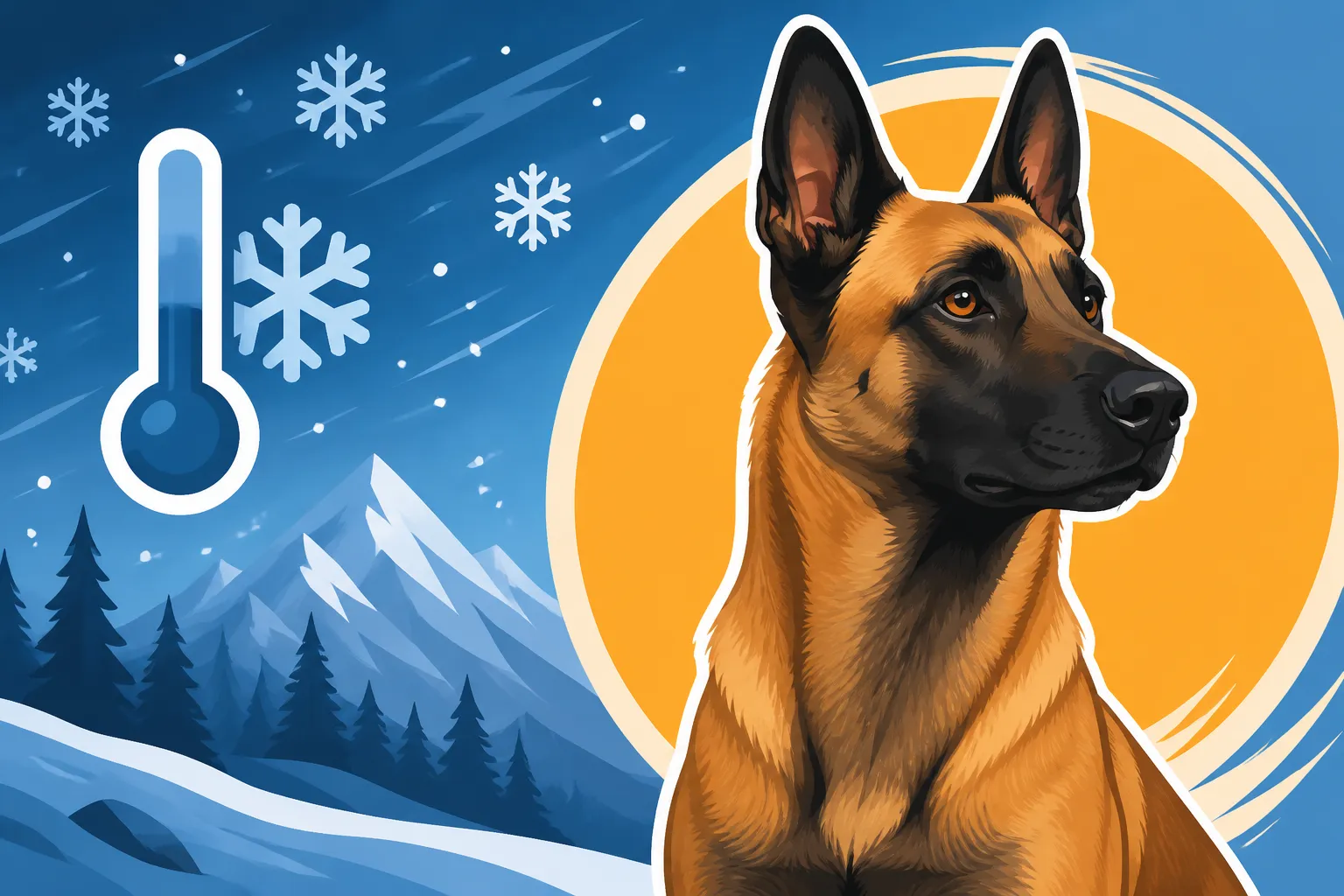
It's a common dilemma for Belgian Malinois owners: you've got this incredible dog, bred for demanding work, with seemingly endless energy, but then winter rolls around. You look at their sleek, short coat and wonder, "Are they really built for this frigid air, or am I asking too much of them?" It's not just about comfort; it's about their health and ability to perform. This guide is going to dive deep into how well a short-coated Belgian Malinois truly handles the cold, what to watch out for, and all the practical steps you can take to keep your high-drive companion safe and thriving, even when the temperatures plummet.
Understanding the Malinois's Natural Coat and Physiology
When you first lay eyes on a Belgian Malinois, their coat is one of the striking features. It's short, dense, and streamlined, which might make you think it's not much protection against biting winds and icy temperatures. But there's more to it than meets the eye, and their overall physiology plays a huge role in how they manage the cold.
The Short, Double Coat
While it might not look like the plush fur of a Siberian Husky or a Malamute, the Malinois actually boasts a double coat. This is a crucial detail that often gets overlooked. They have a short, stiff outer coat, which acts like a protective barrier, shedding water and dirt. Beneath that, especially in colder climates or during winter months, they develop a denser, softer undercoat. This undercoat is what truly provides insulation, trapping a layer of warm air close to their skin.
However, it's important to be realistic. This undercoat is not as thick or extensive as what you'd find on a German Shepherd, for instance, a breed often confused with the Malinois. The Malinois was originally bred for herding in the relatively mild climate of Belgium, where extreme, prolonged sub-zero temperatures aren't the norm. This means their natural insulation has its limits. They might handle a quick dash out in the snow, or a vigorous training session in chilly weather, much better than a greyhound, but they're not equipped for hours of exposure in freezing conditions without additional protection. Think of it this way: their coat is like a good, light technical jacket; it's effective for certain conditions, but it's not a heavy-duty parka. Understanding how much a Malinois's short coat actually sheds is also key, as seasonal changes affect this undercoat density.
Metabolism and Body Fat
Another significant factor in a Malinois's cold tolerance is their incredibly lean and athletic build, coupled with a sky-high metabolism. These are dogs that are rarely still, constantly burning calories, which generates internal body heat. This high-octane engine helps them stay warm, but it also means they have very little in the way of insulating body fat. Unlike some breeds that carry a thicker layer of subcutaneous fat to help ward off the cold, a Malinois maintains a lean condition that allows them to be agile and fast.
This means that while their active nature helps them generate heat, they can also deplete their energy reserves quickly in extreme cold. If they stop moving, or if their activity isn't enough to counteract the cold, they can cool down rapidly. This is particularly true for working dogs that are burning through a lot of calories daily. Owners often worry about feeding a Malinois that is never not in drive, and in cold weather, this caloric demand can increase slightly. They need a consistent source of high-quality fuel to maintain their core temperature. A dog that is too lean might struggle even more, which is why judging a Malinois's condition by hand is always recommended. They might look "thin" to an untrained eye, but they should always feel solid and muscled, not emaciated.
Recognizing Signs of Cold Stress in Your Malinois
It's easy to assume your tough working dog can handle anything, but ignoring the signs of cold stress can lead to serious health issues. Malinois are stoic and driven, sometimes to their detriment, meaning they might try to push through discomfort. It's our job as their handlers to be vigilant and recognize when they're struggling.
Behavioral Indicators
A Malinois might not come right out and tell you they're cold, but they'll show you. The most obvious sign is shivering. This isn't just a nervous tremor; it's an involuntary muscular contraction designed to generate heat. If you see your Malinois shivering, especially if they're not wet, it's a clear signal they're too cold. Another common behavior is seeking shelter. They might try to huddle close to you, burrow into blankets, or find a sunny spot even on a cold day. If they're outdoors, they might try to curl up in a tight ball, tucking their paws and tail close to their body to conserve heat.
Lethargy or a sudden drop in their usual exuberance can also be a red flag. A Malinois that suddenly seems less interested in playing, or is moving slower than usual, especially after being outside in the cold, might be experiencing the early stages of hypothermia. Some dogs might even vocalize more, whining or barking, trying to communicate their discomfort. If your dog is usually eager for walks but seems hesitant or reluctant to go out when it's cold, pay attention. This isn't laziness; it's often a sign they're not comfortable with the temperature. Knowing the signs a Belgian Malinois is slowing down can be crucial as they age, making them more susceptible to cold.
Physical Symptoms and Health Risks
Beyond behavioral cues, there are critical physical symptoms of cold stress that demand immediate attention. Hypothermia, a dangerously low body temperature, is the most severe risk. Signs include intense shivering that eventually stops as their body shuts down, cold skin to the touch, pale gums, shallow breathing, and a weak pulse. In extreme cases, they might become disoriented, stumble, or collapse. This is an emergency, and your dog needs immediate veterinary care.
Frostbite is another serious concern, especially on extremities like their paw pads, ear tips, and tail. These areas have less fur and are further from the core body, making them vulnerable. Signs of frostbite can be subtle at first: pale, waxy, or grayish skin. As the tissue warms, it might become red, swollen, and painful. Blisters can form, and in severe cases, the affected area can turn black and die. Always check your dog's paws and ears after cold weather exposure, particularly after activities where they might get wet. Remember, injuries a bite sport Belgian Malinois collects often involve their feet and pads, making them even more vulnerable to cold damage if not properly cared for. Ensuring good Nails, Pads and Feet on a Working Belgian Malinois is critical year-round, but especially in winter.
It’s also worth noting that some high-drive Malinois might not show these signs until it's quite advanced. Their sheer drive to work or play can override their discomfort, pushing them past their limits. This means you, as their handler, need to be extra vigilant, proactive, and attuned to the environmental conditions and their baseline behavior.
Practical Strategies for Protecting Your Malinois in Winter
Protecting your Malinois in winter isn't just about keeping them indoors; it's about making smart choices regarding their attire, activity, and housing. With a bit of planning, you can ensure your dog stays warm, healthy, and happy, even when the mercury drops.
Layering Up
Just like us, a Malinois can benefit from extra layers when it's cold. A good quality dog coat or sweater can make a world of difference, especially for those in northern climates or dogs with particularly thin coats. Look for materials that are waterproof or water-resistant on the outside to keep them dry, and insulated on the inside. Many brands offer excellent options, from simple fleeces to heavy-duty winter parkas. When choosing a coat, ensure it fits well – snug enough to retain heat but not so tight that it restricts movement. It should cover their back and chest adequately.
Don't forget their paws! Paw pads are incredibly susceptible to cold, ice, and chemical de-icers. Dog booties can provide a protective barrier against these hazards. They also offer crucial traction on icy surfaces, which can prevent slips and injuries. It might take some time to get your Malinois accustomed to wearing booties, but it's well worth the effort. Start with short durations indoors, offering lots of praise and treats. You might even find that specific types of paw balm helps a Malinois on hot decks, but they also protect against cold ground.
Adapting Exercise and Routine
You can't just stop exercising a Malinois because it's cold; that's a recipe for disaster! However, you absolutely need to adjust how and when they get their exercise. Shorter, more frequent outings might be better than one long session. On truly bitter days, focus on high-intensity, shorter bursts of activity. A quick game of fetch in a protected area, or a rigorous obedience session, can burn energy without prolonged exposure.
Indoor activities become incredibly important. This is where mental stimulation shines. Engage them with puzzle toys, scent work games, or advanced obedience drills indoors. Running a Belgian Malinois beside a bike might be great in summer, but it's too risky on icy roads. A treadmill can be a fantastic tool for controlled exercise, or you can leverage flirt poles for intense bursts of mental and physical exertion. The goal is to keep their minds and bodies busy without risking hypothermia or frostbite. You want to avoid the situation where a Malinois that never stops moving simply runs itself into heat exhaustion, but in this case, cold exhaustion. Remember, The Mental Work That Finally Tires a Malinois Out is just as important as physical exertion, especially when outdoor options are limited.
Housing and Shelter Considerations
A Belgian Malinois is a dog that thrives on being part of the family, and that means they belong inside the house, especially in cold weather. While some robust breeds might tolerate well-insulated outdoor kennels, a short-coated Malinois is generally not one of them for prolonged periods. If, for specific working purposes, a Malinois must spend time in an outdoor kennel, it needs to be exceptionally well-insulated, protected from wind and precipitation, and have warm, dry bedding that's changed regularly. Heated water bowls are also essential to prevent dehydration.
Even inside, consider where your dog rests. Hard, cold floors can draw heat away from their body. Provide warm, comfortable bedding, preferably elevated off the floor. Beds an arthritic Malinois can get out of are a good choice, even for younger dogs, as they keep them off cold surfaces. Drafts from windows or doors can also chill them, so assess their favorite sleeping spots for any sneaky breezes. For working dogs transported in crates, particularly in colder climates, a crash tested transport crates for a Malinois might need additional insulation or even a heated pad for comfort and safety. Monitoring for things like Whether a Belgian Malinois Overheats in a Car is crucial in summer, but the inverse concern applies in winter.
Nutritional Adjustments and Hydration in Colder Climates
Just as we might crave hearty, warm meals when it's cold, our Malinois's bodies are also working harder to maintain core temperature, which often means their nutritional needs shift.
Fueling for Warmth
For a highly active, working Belgian Malinois, cold weather can mean a slight increase in caloric needs. Their bodies burn more energy just to stay warm, even when at rest, and even more so during exercise. If your Malinois is losing condition or seems to be struggling with energy levels despite adequate food, a small adjustment to their daily ration might be necessary. This doesn't mean free-feeding or overfeeding; it means being mindful of their energy expenditure.
Consult with your vet or an experienced canine nutritionist. They can help you determine if a modest increase in their high-quality performance formula is warranted. Sometimes, adding a highly digestible fat source can provide extra calories without significantly increasing the volume of food. It's about smart adjustments, not drastic changes. For example, knowing How Many Cups a Seventy Pound Belgian Malinois Eats on a typical day helps establish a baseline before making any cold-weather modifications. Maintaining a lean condition is still paramount, but not at the expense of their well-being in challenging weather.
Ensuring Adequate Hydration
It's easy to assume dogs need less water in cold weather because they're not panting as much from heat. However, this is a dangerous misconception. Hydration is just as vital in winter, if not more so. Dry winter air, combined with the body's increased effort to stay warm, can actually lead to dehydration. If your Malinois is working hard, they're still sweating a little through their paw pads and losing moisture through respiration.
Always ensure your Malinois has access to fresh, unfrozen water, both indoors and outdoors. If they spend any time outside, use heated water bowls to prevent ice from forming. Check their water multiple times a day. If you're out training, bring insulated water bottles and a portable bowl. A Malinois that is too busy to drink might still get dehydrated, so active encouragement for water intake is key. You might notice your dog is getting water into a Malinois that is too busy more frequently if you offer smaller amounts. Maintaining proper hydration is fundamental to all their bodily functions, including their ability to regulate temperature effectively.
Regional Considerations for Malinois Owners
The severity of winter varies drastically across different regions, and what works in one climate might be insufficient in another. As a Malinois owner, understanding your local conditions is paramount for keeping your dog safe and comfortable.
Varying Climates and Their Impact
Someone living in the chilly, damp Pacific Northwest will face different challenges than an owner in the dry, bitter cold of the Midwest, or the short, sharp winters of the Northeast. In areas with high humidity, cold can feel much more penetrating, even if the thermometer doesn't read extreme lows. Dampness can wick away body heat faster, making a dog more susceptible to chilling. For a Malinois, this means their short coat might not shed moisture as effectively as a water-repellent breed, leading to a quicker drop in core temperature if they get wet.
Conversely, in extremely dry, cold climates, frostbite risk can be higher due to the lack of insulating moisture in the air and the more rapid cooling of exposed skin. Sun exposure, even in winter, can also be a factor, particularly for dogs with sensitive skin or conditions like pannus, which is driven by UV light. Where in the Country Malinois Pannus Is Worst often correlates with higher UV exposure, but cold, reflective snow can exacerbate issues. Always consider your specific local weather patterns – wind chill, precipitation, and duration of cold spells – when planning your Malinois's outdoor time.
Specific Winter Hazards
Beyond just the temperature, winter brings a host of environmental hazards that Malinois owners need to be aware of.
- Ice Melt and Chemicals: Sidewalks and roads are often treated with rock salt and chemical de-icers, which can be highly irritating and even toxic if ingested. These can cause painful burns and cracks on paw pads. Dog booties are the best defense against these substances. If booties aren't an option, diligently clean your Malinois's paws after every walk with warm water and a towel.
- Frozen Water Bodies: Frozen ponds, lakes, and rivers can look deceptively solid. A high-drive Malinois, particularly one with strong prey drive, might not hesitate to chase an animal onto thin ice, risking falling through. Always keep your dog leashed near frozen water, or avoid these areas entirely. Even a quick dip in icy water can lead to rapid hypothermia.
- Slick Surfaces: Ice and packed snow create extremely slick surfaces that can lead to slips, falls, and serious injuries. A powerful, agile Malinois can still lose its footing, potentially resulting in strains, sprains, or even fractures. Be particularly cautious on stairs, driveways, and sidewalks. Consider limiting high-impact activities on these surfaces. Remember, Torn Cruciates in a Jumping Belgian Malinois or elbow problems in a jumping Belgian Malinois are already a concern for the breed, and slick surfaces dramatically increase the risk of such injuries.
- Reduced Visibility: Shorter daylight hours, snow, and fog can significantly reduce visibility. This is especially dangerous when walking near roads or in areas where your Malinois might be off-leash. Consider reflective gear for yourself and your dog, and ensure they have a strong, reliable recall, as a Malinois that runs itself into heat exhaustion can also run too far in poor visibility conditions.
Being prepared for these hazards is just as important as protecting them from the cold itself.
| Cold Tolerance Factor | Malinois Trait | Impact on Cold Tolerance | Mitigation Strategy |
|---|---|---|---|
| Coat Type | Short, dense double coat | Moderate | Dog coats/sweaters, especially in extreme cold or for prolonged exposure |
| Body Fat | Lean, athletic build with minimal fat | Low | Ensure adequate nutrition, monitor condition |
| Metabolism/Activity | High drive, high metabolism | High (when active) | Adjust exercise intensity/duration, incorporate indoor mental work |
| Paw Protection | Exposed paw pads | Low | Booties for ice/chemicals, regular paw checks, balm |
| Ear/Tail Protection | Exposed ear tips, tail | Low | Monitor for signs of frostbite, limit prolonged exposure |
| Overall Health | Generally robust, but can mask discomfort | Varies | Vigilant observation, immediate action on signs of stress |
This table helps illustrate the specific considerations for a short-coated Belgian Malinois in cold weather. It's a breed that offers incredible performance, but that doesn't mean they're immune to the elements. Healthy Paws pet insurance is an option many owners look into, especially when considering the potential for injuries or illnesses that can arise from cold exposure.
Disclaimer
Please remember that the information provided in this guide is for general educational purposes only and should not be considered a substitute for professional veterinary advice. Every Belgian Malinois is an individual, and their specific needs may vary. Always consult with a qualified veterinarian regarding any health concerns or before making significant changes to your dog's diet, exercise routine, or winter care plan.