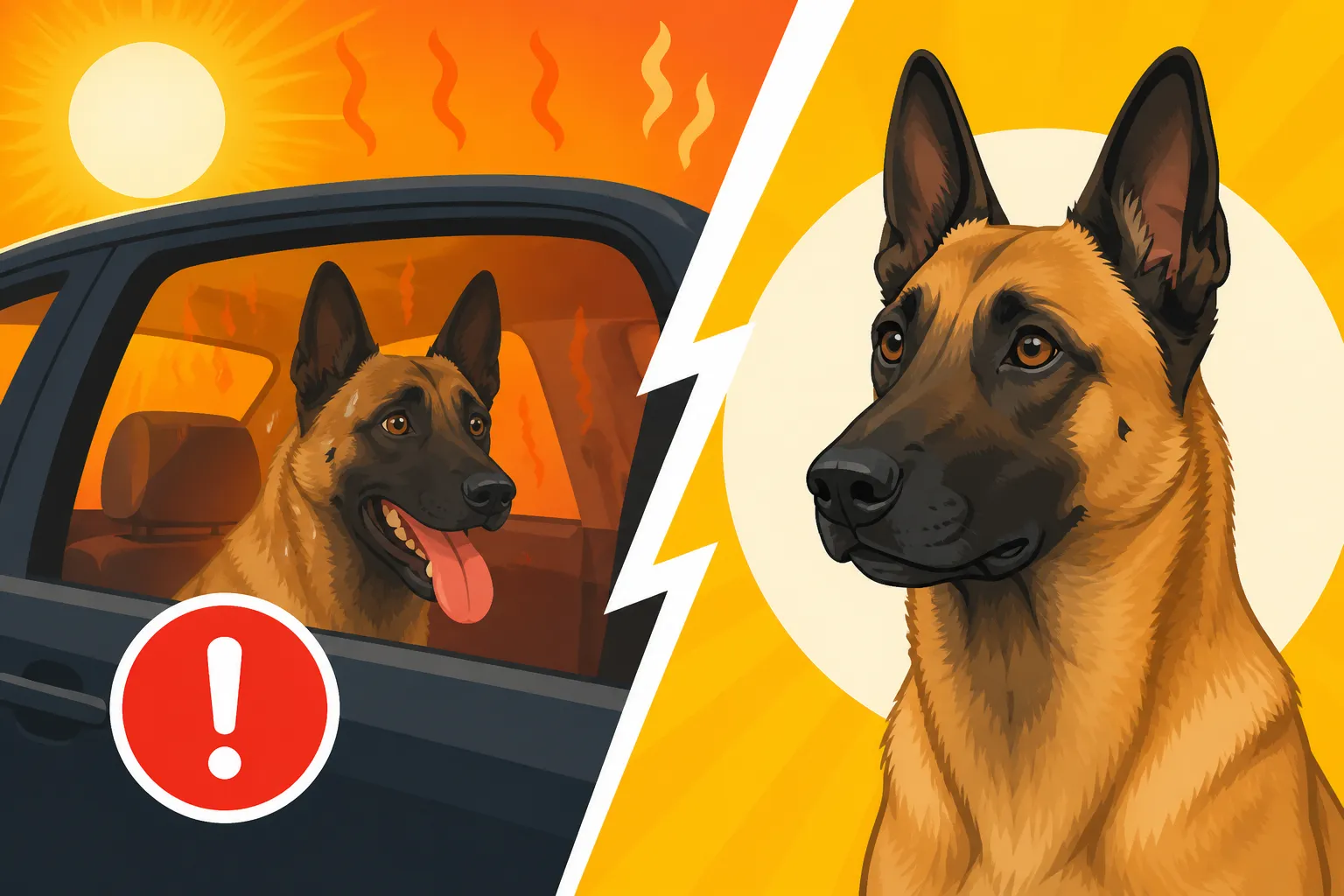
Whether a Belgian Malinois Overheats in a Car
The fear of your high-drive Belgian Malinois succumbing to the heat in a car is a genuine and pressing concern for many dedicated owners. These remarkable dogs, bred for intense work and possessing an unparalleled zest for life, are unfortunately also highly susceptible to the dangers of overheating when confined in a vehicle. It's not just a minor inconvenience; it can quickly become a life-threatening emergency. This comprehensive guide will explain exactly why your Malinois is at particular risk, help you identify the critical signs of heat stress, and, most importantly, provide you with practical, actionable strategies to keep your athletic companion safe, cool, and comfortable during any car journey.
The Unique Vulnerability of the Belgian Malinois to Car Heat
Let's be real, a Belgian Malinois isn't your average couch potato. These dogs are built for speed, agility, and relentless work, and that very physiology makes them more prone to overheating than many other breeds. Understanding these inherent traits is the first step in ensuring their safety in a car.
High Metabolism and Drive
One of the defining characteristics of a Belgian Malinois is their incredibly high metabolism and relentless drive. They are often described as having an "always on" switch, even when seemingly at rest. This constant state of readiness and inherent energy means their bodies are generating more internal heat than a dog with a more sedate temperament. Think about a high-performance engine: it runs hotter, right? The same principle applies here.
When a Malinois is anticipating an event, like a training session, a walk, or even just seeing their owner prepare for a trip, their excitement levels surge. This mental and emotional arousal ramps up their internal temperature even before they've done any physical exercise. Imagine your Malinois on the way to a bite work session; they're already panting heavily, eyes gleaming with anticipation, even before the car has had a chance to warm up significantly. Their body is buzzing with adrenaline and energy, making them a ticking time bomb for heat accumulation in a confined space. This baseline internal heat production is a significant factor in their vulnerability.
Body Composition and Coat Considerations
Despite their seemingly short coat, Belgian Malinois often possess a dense double coat, especially those from working lines. This undercoat, while excellent for insulation in cold weather, can trap heat close to their body in warm conditions. Couple this with their lean, muscular build, which offers less surface area relative to their body mass for heat dissipation, and you have a recipe for rapid heat retention. They don't have a lot of excess fat to help with thermal regulation, relying heavily on panting.
Consider a scenario where the sun is beating down directly on the roof and windows of your parked car. Even with the windows cracked a bit, that dark coat on your Malinois acts like a solar panel, absorbing the heat. The interior of the car quickly turns into an oven, and their coat, rather than protecting them, becomes an insulating blanket that holds that heat against their skin. This is why you might feel the outside of your dog is warm, but their core temperature is dangerously high, leading to rapid onset of issues. For more on managing their coat, you might find How Much a Malinois's Short Coat Actually Sheds insightful, as a healthy coat is part of overall health.
Limited Cooling Mechanisms in a Vehicle
Dogs primarily cool themselves through panting. This process involves evaporating moisture from their tongue, mouth, and respiratory tract. For this evaporative cooling to be effective, there needs to be sufficient airflow. A car, by its very nature, is a confined space, and even with windows down or air conditioning blasting, the airflow around your Malinois, especially if they are crated, can be severely restricted.
When airflow is poor, the moist, warm air they exhale doesn't move away efficiently, reducing the rate of evaporation and making their panting less effective at cooling. Think about trying to cool down in a humid room with no breeze – it's tough! Even if your car's AC is working diligently in the front, the back of the vehicle, particularly inside a crate, can be a completely different environment. The air might not circulate effectively, creating pockets of stagnant, hot air around your dog. This is especially true if you're stuck in traffic, where external airflow is minimal, and the AC might struggle to keep the entire cabin cool. Recognizing these limitations is crucial for proactive prevention.
Recognizing the Critical Signs of Heat Stress in Your Malinois
It's vital for any Belgian Malinois owner to be acutely aware of the signs of heat stress. Their high pain tolerance and drive can sometimes mask early symptoms, meaning you need to be extra vigilant. What might seem like normal panting could quickly escalate into a life-threatening situation.
Early Warning Signals: Heat Exhaustion
Heat exhaustion is the precursor to heatstroke and signals that your Malinois's body is struggling to regulate its temperature. These signs are your crucial first alert. You might notice your dog's panting becoming more excessive, louder, and faster than usual, even for a Malinois. Their gums may appear a darker red than their normal healthy pink, and they might start drooling profusely, creating puddles around them.
A dog experiencing heat exhaustion will often become restless, shifting uncomfortably, and may appear to have glazed or worried eyes. They might actively seek out cooler spots in the car, trying to press their body against a vent or cooler surface. Imagine your typically eager Malinois, usually bouncing with excitement to jump out of the car at your destination, but today they seem hesitant, panting relentlessly, and drooling more than you've ever seen. This is a red flag. Pay close attention to Reading Heat Stress on a Malinois Mid Session as these early signs are often subtle.
Advancing to Heatstroke: Emergency Signs
If heat exhaustion isn't addressed promptly, it can quickly progress to heatstroke, a severe and often fatal condition. At this stage, your Malinois's body temperature has risen to critical levels, and organ damage is beginning. The signs become much more alarming and indicate an immediate emergency. You might observe vomiting or diarrhea, which can sometimes be bloody. The dog may become weak, stumble, or even collapse outright. Seizures are a terrifying but possible symptom of severe heatstroke, as are blue or purple gums, indicating a lack of oxygen. Their mental state will also change dramatically, becoming dull, lethargic, or unresponsive.
Picture this harrowing scenario: your Malinois, who was just panting heavily, suddenly goes down in the back of the car, unresponsive to your calls. Its gums have turned a ghastly purplish hue, and its breathing is shallow and erratic. This is not a moment for hesitation; immediate and aggressive intervention is required. This level of overheating demands urgent veterinary attention. For a full picture of the gravitas, consider Heat Stroke in a Belgian Malinois in a Patrol Car, which details just how quickly this can become critical.
The Danger of Internal Temperature Rise
One of the most insidious aspects of overheating in dogs is how rapidly their internal core temperature can climb. Unlike humans who sweat across their skin, dogs rely almost entirely on panting, which, as we discussed, is less efficient in restricted environments like a car. This means their core temperature can reach dangerous thresholds very quickly, even before the external signs become overtly severe.
By the time you see profound symptoms like collapse or seizures, their internal organs—brain, kidneys, liver—may already be suffering significant and irreversible damage. A Malinois that seems "fine" one moment might suddenly collapse the next because its core temperature has silently rocketed upwards. There's no gradual ascent when it comes to internal organ damage from extreme heat; it can be a sudden, catastrophic event. This is why prevention and early recognition are paramount, as every minute counts.
Proactive Strategies for Keeping Your Malinois Cool During Car Travel
Given the unique vulnerabilities of the Belgian Malinois, proactive measures are not just advisable, they are absolutely essential for their safety. You can't just hope for the best; you have to plan for it.
Essential Vehicle Preparations
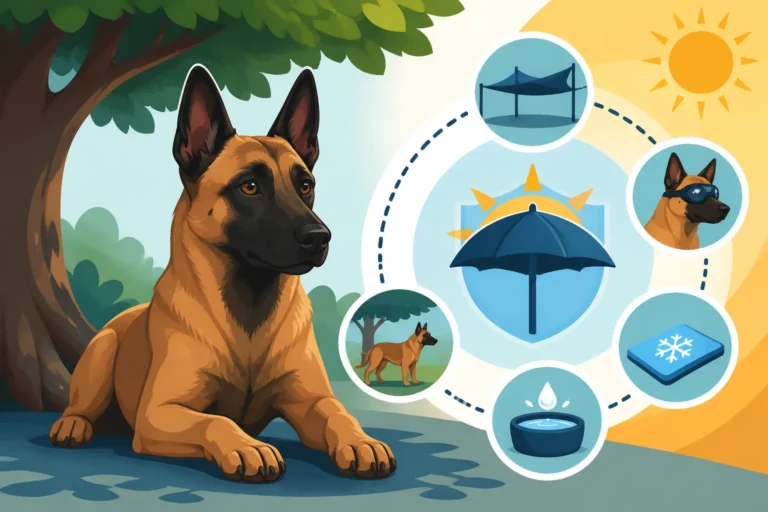
Before your Malinois even sets paw in the car, you should have a strategy in place. Reflective window shades are your first line of defense against direct sunlight, especially for rear windows where your dog might be crated. These simple, inexpensive additions can dramatically reduce the interior temperature build-up. Consider investing in battery-operated fans that can be clipped directly onto a crate or nearby. Brands available on Amazon or Chewy offer a variety of quiet, powerful options designed for pet travel, creating crucial airflow right where your dog needs it most.
Furthermore, a vehicle heat alarm system is not a luxury, but a necessity for any Malinois owner, especially those who travel with their dogs frequently. These alarms monitor the internal temperature and will alert you via an app or alarm if conditions become unsafe. Even removing dark-colored bedding from crates can help, as dark materials absorb and retain more heat. By implementing these measures, you're not just hoping the car stays cool; you're actively creating a safer microclimate for your dog. For more on this, check out Vehicle Heat Alarms for a Belgian Malinois in a Car.
Optimizing Airflow and Temperature Regulation
Once on the road, active temperature management is key. Always use your car's air conditioning, ensuring that vents are directed towards the back of the vehicle or, even better, directly towards your Malinois's crate. If your car has rear-seat vents, make sure they are open and functioning. While open windows can help with airflow, be mindful of debris and wind noise, and ensure your dog is safely secured within a crate or harness to prevent jumping out. Crash Tested Transport Crates for a Malinois are excellent for both safety and often allow for better airflow.
For an extra layer of cooling, consider a cooling vest or a simple wet towel. A cooling vest, when soaked in water, can provide sustained evaporative cooling against your dog's chest and back. You can find excellent options on Chewy or Amazon. If you don't have a vest, a regularly re-wet towel placed over your dog (ensuring it doesn't restrict airflow) or even wiped over their paws and belly can make a huge difference. On longer drives, periodically re-wetting these items or offering a refresh can be a lifesaver. This active cooling, especially when combined with good air circulation, significantly reduces the risk. You may find Whether a Cooling Vest Helps a Malinois on a Trial Field useful for practical application.
Hydration and Pre-Trip Management
Hydration is absolutely critical. Always ensure your Malinois has access to fresh, cool water before, during, and after car travel. Portable water bowls and a good supply of water should be standard equipment for every trip. Offer water frequently, even if it means pulling over for a few minutes. Some dogs, especially high-drive Malinois, can get so focused or anxious in the car that they might not drink on their own, so offering it directly can be important.
Avoid over-exercising your Malinois right before car travel, especially if it's going to be a warm day. A dog that is already tired and hot from a strenuous workout will be at a much higher risk of overheating in the car. Plan your travel around cooler times of the day—early mornings or late evenings—to minimize exposure to peak heat hours. A brief potty break and a chance to drink water are essential before loading up. For more on ensuring your dog drinks enough, consider Hydrating a Belgian Malinois During Training. You can find excellent portable water solutions and high-energy treats for pre-trip fueling on Ollie or Chewy.
Emergency Response: What to Do If Your Malinois Overheats
Despite all best efforts, emergencies can happen. Knowing exactly what to do if your Malinois shows severe signs of overheating could be the difference between life and death. Time is absolutely critical.
Immediate First Aid Steps
If you observe your Malinois exhibiting signs of severe heat stress, such as weakness, stumbling, vomiting, or collapse, you must act immediately. Pull over to a safe location as quickly as possible. Get your dog out of the hot car and into the coolest available spot, preferably in shade. The most crucial step is to start cooling your dog down. Douse them thoroughly with cool (but not ice-cold) water. Focus on areas where major blood vessels are close to the surface: their paws, belly, inner thighs, and armpits. Avoid using ice water or immersing them in very cold water, as this can cause the blood vessels to constrict, actually trapping heat inside their body, and can induce shock.
Use a fan, if available (even a small battery-operated one), or simply fan them with your hand or a piece of cardboard to aid evaporative cooling. Offer small amounts of cool water if they are conscious and willing to drink, but don't force it if they are lethargic or unresponsive, as they could aspirate it. Your goal is to gently and steadily bring their core temperature down. This is your immediate priority, more important than anything else.
Seeking Veterinary Care
Even if your Malinois appears to recover quickly after initial cooling, an urgent trip to the veterinary emergency room is non-negotiable. Overheating can cause significant internal damage to organs like the kidneys, liver, and brain, which may not be immediately apparent. A veterinarian will be able to assess the extent of any internal damage, monitor for secondary complications, and provide supportive care such as IV fluids or medications to protect organs.
When you call ahead to the emergency vet or arrive, clearly state that your dog is suffering from suspected heatstroke. This allows the staff to be ready for immediate treatment upon your arrival. Be prepared to provide details about how long your dog was in the heat, what symptoms you observed, and what first aid measures you took. Remember, even if they seem to perk up, this is a serious medical emergency that requires professional attention. For situations requiring vet intervention, understanding What to Tell a Vet Before a Malinois Is Sedated is always helpful, although in a heatstroke emergency, time is the primary factor.
Preventing Car Overheating: A Quick Reference Guide
| Condition | Key Symptoms | Immediate Action | Prevention Strategies |
|---|---|---|---|
| Heat Exhaustion | Excessive panting, dark red gums, profuse drooling, restlessness, glazed eyes, seeking cool spots. | Get out of heat, offer water, cool with wet towels (paws, belly), monitor closely. | Adequate ventilation, cooling aids, pre-hydration, avoid peak heat, proper car setup. |
| Heatstroke | Vomiting, diarrhea, weakness, stumbling, collapse, seizures, blue/purple gums, mental dullness. | EMERGENCY! Move to shade, douse with cool water, fan, offer water if conscious, transport to vet immediately. | All prevention for heat exhaustion, plus vehicle heat alarm, never leave unattended, limit travel in extreme heat. |
Disclaimer
This article is for general informational purposes only and does not constitute professional advice. Laws, prices and regulations vary by location and change over time. Consult a qualified professional for guidance on your specific situation.