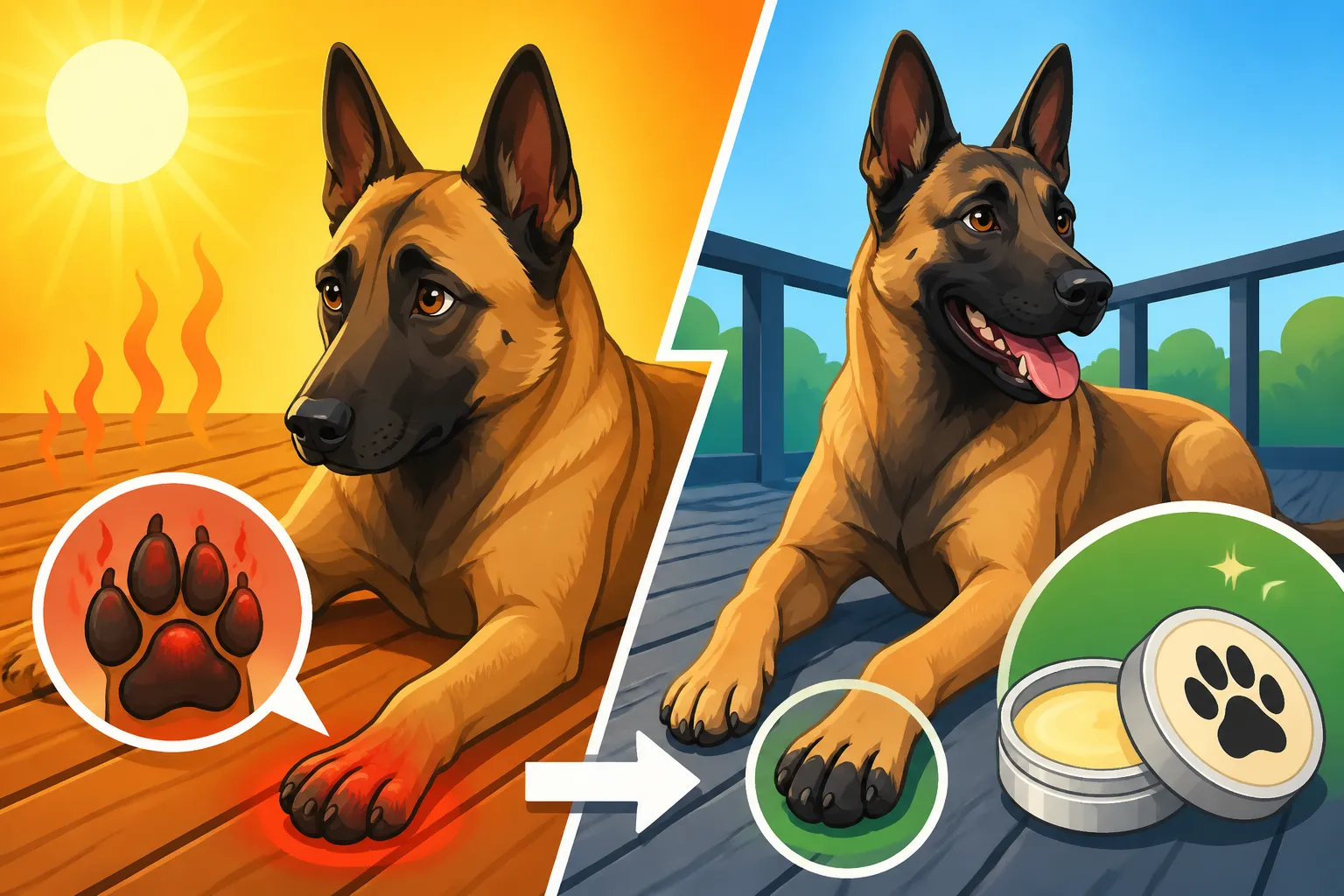
Whether Paw Balm Helps a Malinois on Hot Decks
The searing heat radiating from concrete, asphalt, and even those sun-baked backyard decks can feel like walking across hot coals for your Belgian Malinois, leading to painful burns and serious injuries before you even realize what’s happening. This guide is all about tackling that very real frustration, exploring how paw balm can offer some relief, but more importantly, empowering you with a full arsenal of strategies to keep your Malinois's hardworking paws safe and sound, even when the thermometer climbs.
The Unseen Danger: Why Hot Surfaces Threaten Your Malinois's Paws
It’s easy for us, with our shoes and sandals, to overlook just how hot surfaces can get. But for our Malinois, their paw pads are their direct connection to the ground, taking the brunt of every step. That scorching heat isn't just uncomfortable; it's a real and present danger that can cause significant damage.
Understanding Your Malinois's Vulnerable Paw Pads
Your Malinois's paw pads are incredible structures. They're designed for traction, shock absorption, and protection against rough terrain. They have a thick, fatty layer and a tough, keratinized outer skin, which gives them a natural resilience. However, this resilience has its limits. Unlike the rest of their body, paw pads don't have sweat glands (except between the toes, which primarily helps with grip, not cooling). This means they can't effectively cool themselves when in direct contact with a hot surface.
Imagine walking barefoot on a black asphalt parking lot in the middle of a summer afternoon. You wouldn't last long, right? Your Malinois feels the same intense heat, but often their incredible drive and desire to please might push them to ignore the discomfort until it's too late. The pads are essentially being cooked, leading to blistering, peeling, and severe pain. This isn't just a minor inconvenience; it's a legitimate injury that can sideline your working dog for weeks and be incredibly painful to heal.
Common Hot Culprits: Pavement, Asphalt, and Those Decks
We tend to think of asphalt as the main culprit, and for good reason – black asphalt can absorb and retain an incredible amount of heat, often reaching temperatures significantly higher than the ambient air temperature. On an 85-degree Fahrenheit day, asphalt can hit 135 degrees! That’s hot enough to cook an egg in minutes, and certainly hot enough to cause second-degree burns on your Malinois’s pads within a minute.
But it’s not just asphalt. Concrete sidewalks, which many of us walk our dogs on daily, also get dangerously hot. Even wooden decks, especially those exposed to direct sunlight, can become searingly hot. Think about those dark composite deck materials—they’re notorious for trapping heat. Sand on a beach or even artificial turf can also reach extreme temperatures. Many of us have experienced a quick burn from grabbing a car door handle that's been in the sun; imagine that heat on sensitive paw pads for an extended period. It’s crucial to remember that if a surface is too hot for your bare hand for five seconds, it’s too hot for your Malinois’s paws. This "five-second rule" is a lifesaver.
Paw Balms: A Closer Look at What They Offer (and Don't)
You've likely seen an array of paw balms on the market, promising everything from protection to healing. They definitely have their place in a Malinois owner's toolkit, but it’s important to understand their true capabilities and, perhaps more critically, their limitations, especially when it comes to extreme heat.
The Science Behind Paw Balms and Their Role
Most paw balms are formulated with natural waxes, oils, and sometimes vitamins to create a protective barrier and provide intense moisturization. Ingredients like beeswax, shea butter, coconut oil, and vitamin E are common. When applied, these balms aim to achieve a few things:
- Moisturize and Soften: Regular application helps keep paw pads supple, preventing dryness and cracking, which can make them more susceptible to injury in general. Healthy, hydrated pads are naturally more resilient.
- Create a Barrier: The waxy and oily components form a thin, protective layer on the surface of the paw. This barrier can help shield the pads from irritants, harsh chemicals, and minor abrasive surfaces.
- Slight Insulation: While not a miracle shield, this barrier can offer a minimal degree of insulation from heat or cold. Think of it like a very thin glove – it helps a little, but it's far from full protection.
For a Malinois, whose paws are constantly in action, maintaining pad health is paramount. Balms can absolutely contribute to this by preventing issues like dry, cracked pads that can lead to deeper fissures and pain. Pad Toughening for a Belgian Malinois is a related topic that emphasizes overall paw health, and balms play a part in that routine.
When Paw Balm is Your Best Friend (and When It's Not Enough)
Paw balm truly shines as a preventative measure for general paw health and for protection against mild irritants or slightly less-than-ideal surfaces. It's fantastic for:
- Preventing Dryness and Cracking: This is its primary superpower. Regular use, especially in dry climates or after exposure to harsh elements, keeps pads soft and prevents painful cracks.
- Minor Abrasions: If your Malinois is walking on slightly rougher ground, the balm can offer a light buffer against minor scrapes.
- Protection from Winter Elements: Balms can protect against ice, salt, and snow, acting as a barrier to caustic de-icers. Ice and Salt on a Belgian Malinois's Feet details this specific benefit.
- Post-Recovery Care: After a minor paw injury, balm can aid in moisturizing the healing skin and preventing scar tissue from becoming too stiff.
However, and this is critical, paw balm is NOT a substitute for avoiding dangerously hot surfaces. It does not provide significant thermal protection against surfaces hot enough to burn human skin. Applying balm and then walking your Malinois across a 130-degree asphalt parking lot is still going to result in burns. The thin layer of balm simply cannot dissipate or block that level of heat. Thinking of it as sunblock for paws isn't quite right; it's more like a really good moisturizer with a very light, almost negligible, SPF.
Choosing the Right Balm for Your High-Drive Dog
When selecting a paw balm, look for natural, non-toxic ingredients, as your Malinois will inevitably lick their paws. Fragrance-free options are usually best to avoid potential irritation. Some popular and well-regarded brands are readily available. You can find a wide variety of paw balms from reputable brands on retailers like Chewy or Amazon. When considering options, look for balms that are specifically designed for dogs and mention ingredients like beeswax for durability and natural oils for conditioning.
It’s not just about the product itself, but how you apply it. For a Malinois, who might view anything new on their paws as an invitation for a vigorous grooming session, consistent, calm application is key. Start with short sessions, make it a positive experience with treats, and apply it before bed or when your dog is settled to allow it to absorb. A good quality balm used regularly can greatly contribute to overall paw health, making them more resilient to the general wear and tear of a Malinois's active life.
Beyond Balm: Comprehensive Strategies for Paw Protection
While paw balm has its place in maintaining healthy pads, relying solely on it to protect your Malinois from scorching surfaces is a recipe for disaster. A truly comprehensive approach involves smart planning, appropriate gear, and consistent preventative care.
The "Five-Second Rule" and Smart Scheduling
This is arguably the single most important piece of advice: test the surface yourself. Place the back of your hand or your bare foot on the pavement, asphalt, or deck for five seconds. If it's too hot for you to comfortably keep it there, it's definitely too hot for your Malinois. No amount of paw balm will make that surface safe.
Armed with the "five-second rule," you can implement smart scheduling:
- Walk During Cooler Hours: This means early mornings or late evenings, especially during summer months. Avoid midday and early afternoon walks when the sun is at its peak and surfaces have had hours to bake.
- Choose Cooler Surfaces: Opt for grassy areas, shaded trails, or indoor facilities when outdoor temperatures are high. Even a short walk across a hot parking lot to get to a grassy park can cause burns. Plan your routes to minimize exposure to hot pavement.
- Short Breaks: If you absolutely must traverse a hot surface for a short distance, take frequent breaks in shaded, grassy areas to allow your Malinois's paws to cool down.
- Car Temperature: Remember that a vehicle can become a dangerous oven very quickly. Never leave your Malinois in a hot car. Even with windows cracked, temperatures can skyrocket. Heat Stroke in a Belgian Malinois in a Patrol Car is a critical read on this topic.
This proactive approach of avoiding hot surfaces altogether is far more effective than any product you can apply. It's about exercising common sense and prioritizing your dog's well-being over your routine.
Considering Protective Footwear for Extreme Conditions
For situations where avoiding hot surfaces isn't possible, or for working dogs whose jobs require them to be out regardless of surface temperature, protective footwear is the most reliable solution. Dog boots provide a physical barrier that insulates the paws from extreme heat.
- When Boots are Essential: If you're planning a long walk on pavement in warm weather, engaging in urban tracking on hot days, or if your Malinois has a known sensitivity or previous paw injury, boots are highly recommended. They are especially crucial for police or military Malinois who don't always get to choose their terrain or working hours. Whether a Belgian Malinois Needs Boots on Hot Ground delves deeper into this.
- Choosing the Right Boots: Not all dog boots are created equal. For a Malinois, you need something durable, well-fitting, and comfortable enough not to interfere with their gait or cause chafing. Look for boots with rugged soles, good ventilation, and secure fastening mechanisms that won't slip off easily during high-intensity activities. Many dedicated dog supply stores and online retailers like Chewy offer a great selection of boot styles, from lightweight options to heavy-duty performance boots. You can also explore options on Amazon for a wide range of brands and reviews to guide your choice.
- Conditioning to Boots: Don't just slap boots on your Malinois and expect them to be thrilled. Many dogs react comically or awkwardly at first. Start with short periods indoors, making it a positive experience with treats and praise. Gradually increase wear time and introduce them during actual walks or training sessions. Patience is key.
- Boot Maintenance: Check boots regularly for wear and tear, and ensure they are clean and dry before each use to prevent bacterial growth or skin irritation.
Everyday Paw Health: Maintenance for Resilience
Beyond specific heat protection, a consistent paw care routine contributes significantly to your Malinois's overall paw health and resilience, making them less prone to injury in general.
- Regular Inspections: Make it a habit to check your Malinois's paws daily, especially after walks or training sessions. Look for redness, swelling, cuts, cracks, blisters, or foreign objects like thorns or glass. Early detection of minor issues prevents them from escalating. Checking a Belgian Malinois Over After a Session outlines this comprehensive post-activity check.
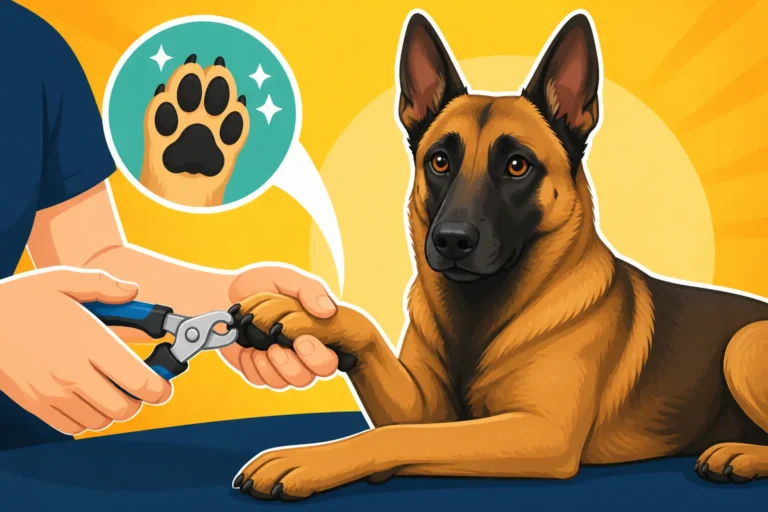
- Keep Nails Trimmed: Overgrown nails can alter your Malinois's gait, put stress on their paw joints, and make them more susceptible to injury. Regular nail trims are non-negotiable.
- Hair Trimming (Between Pads): For some Malinois, the hair between their paw pads can grow long enough to trap debris, collect moisture, or reduce traction. Carefully trimming this hair can improve hygiene and comfort.
- Proper Hydration and Nutrition: A well-balanced diet and adequate hydration contribute to healthy skin and coat, including the paw pads. While not a direct solution to hot surfaces, overall health improves resilience. Hydrating a Belgian Malinois During Training is crucial for active dogs.
By combining smart avoidance tactics, appropriate protective gear when necessary, and diligent daily paw care, you can ensure your Malinois’s feet stay healthy, enabling them to continue their demanding work and enjoy their active lives safely.
When Things Go Wrong: Recognizing and Responding to Paw Burns
Even with the best intentions and preventative measures, accidents can happen. It’s vital to know how to recognize the signs of a paw burn and what steps to take immediately to alleviate pain and prevent further complications.
Spotting the Subtle (and Obvious) Signs of Injury
A Malinois’s high pain tolerance and drive can sometimes mask injuries, but paw burns are usually quite apparent if you know what to look for.
Early and Subtle Signs:
- Limping or Favoring a Paw: This might be very subtle at first, perhaps just a slight hesitation or shifting of weight.
- Excessive Licking or Chewing: Your Malinois might repeatedly lick or chew at their paws, indicating discomfort or pain.
- Reluctance to Walk: They might resist going for a walk, or try to stay on cooler surfaces like grass.
- Pad Color Change: The pads might appear redder than usual.
Obvious Signs of More Severe Burns:
- Blistering: Small or large fluid-filled blisters on the pads.
- Redness and Swelling: Pronounced inflammation around the paw pads.
- Peeling or Torn Pads: The outer layer of skin might peel away, exposing raw, sensitive tissue underneath. This is a clear sign of a significant burn.
- Darkened or Charred Areas: In very severe cases, the pads might appear discolored, almost black, indicating tissue death.
- Pain on Touch: Your dog will likely react strongly if you try to touch the injured paw.
It’s crucial not to dismiss these signs. A burned paw can quickly become infected if not properly cared for, leading to a much longer and more complicated recovery.
Immediate First Aid and Veterinary Care
If you suspect your Malinois has burned paws, immediate action can make a big difference.
1. Get Off the Hot Surface Immediately: The very first step is to move your dog to a cool, shaded area. Carry them if necessary to prevent further damage.
2. Cool the Paws: Gently rinse or soak the affected paws in cool (not ice cold) water for about 10-15 minutes. You can use a hose on a low setting, a cool damp cloth, or a shallow basin. This helps to stop the burning process and provides some pain relief.
3. Assess the Damage: Carefully examine the paw pads. Note the severity: are there just red areas, or are there blisters, peeling skin, or open wounds?
4. Protect the Paws: If the skin is broken or there are blisters, gently cover the paws with loose, non-stick bandages or clean cloths. Do not apply any creams, ointments, or home remedies without veterinary guidance, as some products can trap heat or worsen the injury.
5. Contact Your Veterinarian: Even for what appear to be minor burns, it's always best to contact your vet. Paw pad burns are often more serious than they look, and infection is a significant risk. Your vet can properly assess the burn, clean the wound, prescribe pain relief, and potentially antibiotics to prevent infection. They can also provide specific instructions for at-home care and wound management.
6. Follow-Up Care: Healing from paw burns can be a lengthy process. Your vet might recommend regular bandage changes, specific topical medications, and limiting activity to allow the pads to heal. Be prepared for your Malinois to need reduced activity for a period, which can be challenging for such a high-drive dog. Patience and strict adherence to veterinary advice are essential for a full recovery. Ignoring paw injuries can lead to chronic pain or even permanent damage, impacting your Malinois's ability to work or even enjoy their daily life.
Disclaimer
This article is for general informational purposes only and does not constitute professional advice. Laws, prices and regulations vary by location and change over time. Consult a qualified professional for guidance on your specific situation.