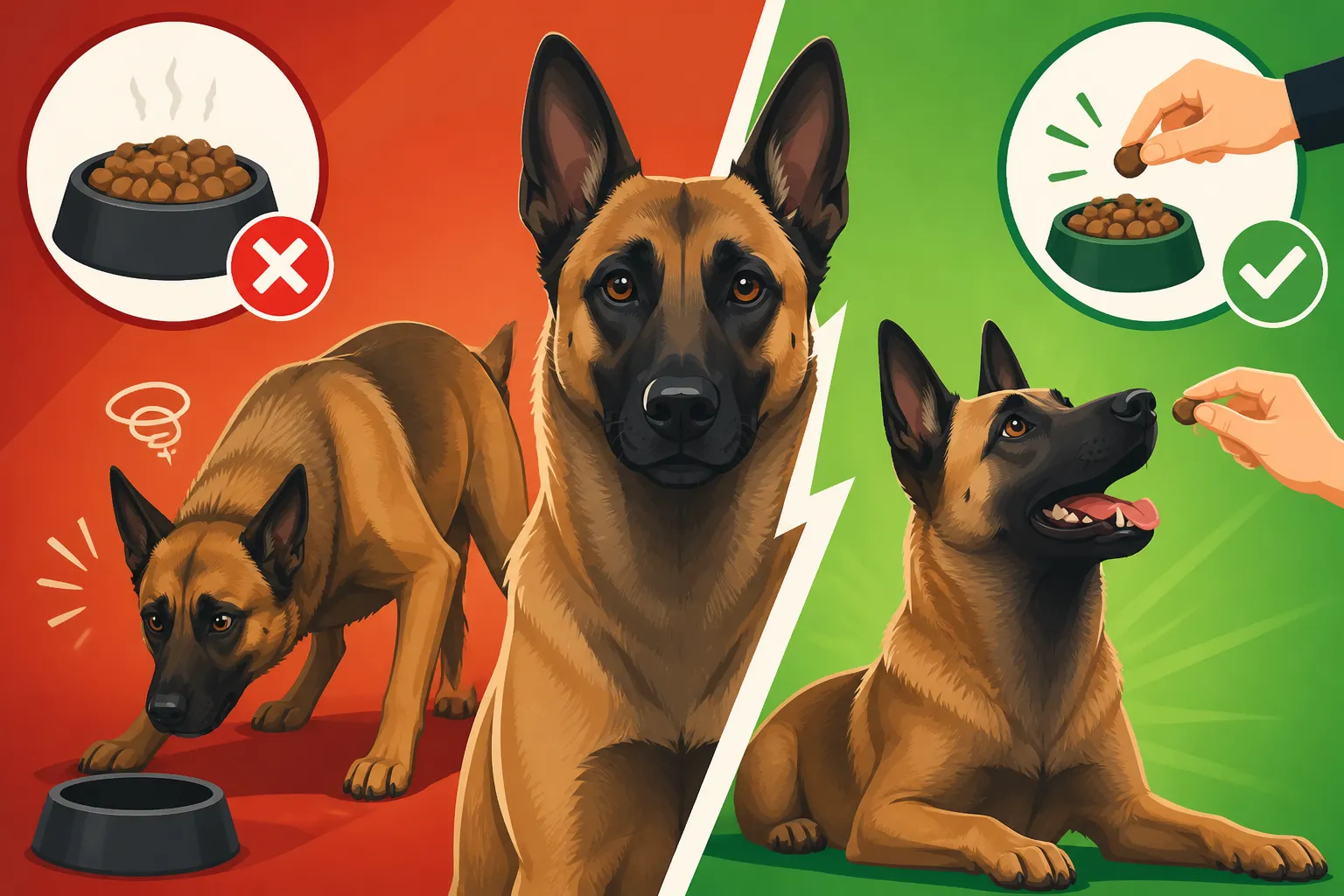
Whether to Train a Belgian Malinois Hungry
It's a question almost every dedicated Belgian Malinois owner has pondered: do I feed my dog before training, or do I use a hungry dog to my advantage? We all want our Mals to be focused, driven, and responsive, but navigating the line between optimal motivation and potential health issues or distraction can feel like a tightrope walk. This guide is here to help you understand the nuances of pre-training fueling and how it impacts your highly driven Belgian Malinois.
Understanding the Malinois Metabolism and Drive
When you live with a Belgian Malinois, you quickly learn that they aren't just dogs; they're finely tuned athletes with an incredible engine. This unique physiology and relentless drive play a huge role in how they respond to food, training, and everything in between. Ignoring their biological predispositions when planning a training session can lead to frustration for both you and your dog.
The Malinois as a High-Performance Athlete
Your Belgian Malinois operates at a completely different energy level than many other breeds. They were literally bred for tireless work, whether that was herding sheep across vast fields or, as is more common today, excelling in demanding protection sports or police work. This means their bodies are constantly burning fuel, and their minds are always seeking an outlet for their immense drive. Thinking of your Malinois as a canine equivalent of an Olympic athlete isn't far off the mark. They require sustained energy, quick recovery, and meticulous nutritional support to perform at their best. Just like a human athlete wouldn't run a marathon on an empty stomach or immediately after a huge meal, your Malinois has specific needs around their activity schedule. A slight adjustment in feeding can make a world of difference in their performance and overall well-being.
Consider a Malinois engaged in an intense session of IGP bite work or a long tracking exercise. This isn't just a casual stroll in the park; these activities demand explosive power, endurance, and intense mental focus. Their muscles are working hard, their brain is firing, and all of these processes consume energy. If their energy stores are too low, you might see a dip in drive or a decrease in stamina. Conversely, if they're too full, that energy might be diverted to digestion, making them sluggish or even uncomfortable. It's a delicate balance, and understanding their physical demands is the first step to optimizing their training. You might also want to consider Whether a Sport Malinois Needs a Performance Formula to support these energy demands year-round.
How Energy Levels Impact Training Focus
A Malinois with balanced energy levels is a dream to train: sharp, responsive, and completely engaged. However, either too little or too much energy can actually hinder their focus. A dog that's utterly ravenous might be too distracted by hunger pangs, constantly sniffing for dropped crumbs, or fixating on your bait bag rather than the task at hand. This isn't true engagement; it's a frantic obsession that can derail a session faster than you can say "sit." Their drive to eat might override their drive to learn or perform specific behaviors. It's like trying to focus on a complex task when your stomach is growling so loudly you can't hear yourself think.
On the other hand, a Malinois that has just consumed a large, heavy meal might be experiencing a "food coma." Their body is busy digesting, and blood flow is directed away from the brain and muscles. This can lead to lethargy, reduced enthusiasm, and a general lack of sparkle in their work. They might be slow to respond, less agile, and simply not as sharp as you know they can be. The ideal state is one where they are neither ravenously hungry nor overly full, but rather "ready to work" – alert, energetic, and motivated by the prospect of a reward, whether that's food, a toy, or praise. Finding that sweet spot often requires some trial and error, observing your dog closely, and making incremental adjustments to their feeding schedule.
The "Hunger Drive" Training Philosophy
Many trainers, particularly those working with high-drive breeds like the Malinois, lean into the concept of using hunger as a primary motivator. The idea is simple: a hungry dog is a motivated dog, especially when food is the reward. This approach isn't about starving your dog, but rather strategically timing meals to maximize the value of food during training sessions.
The Theory Behind Training Hungry
The core theory behind training a Malinois when they are on the hungrier side is rooted in basic behavioral psychology. When a dog has a strong unmet need, like hunger, the reward that satisfies that need becomes incredibly powerful. If your Malinois isn't particularly hungry, that piece of kibble or small treat might not hold enough value to motivate them through a difficult exercise or a high-distraction environment. However, if their stomach is relatively empty, that same piece of kibble suddenly becomes a high-value reward, capable of eliciting enthusiastic responses and sustained effort. This isn't about making your dog suffer; it's about making your training currency more impactful.
Many handlers find that their Malinois is far more attentive and eager to please when there's a tangible, desirable reward that truly resonates with them. Food, when hunger is present, does exactly that. It taps into their primal drive. This is especially true for complex tasks or when introducing new concepts where the dog needs clear, immediate reinforcement to understand what's being asked of them. Think about teaching a challenging obedience chain or proofing a recall in a busy park; a dog that genuinely desires the food in your hand is much more likely to ignore distractions and focus on you. The stronger the motivation, the quicker and more reliably they often learn.
Maximizing Food Motivation and Engagement
When you train a Belgian Malinois using food as a primary motivator, and they are genuinely motivated by it, you'll often see an incredible level of engagement. The dog's eyes will be glued to you, their body language will be eager, and their responses will be quick and sharp. This isn't just about giving them treats; it's about building a strong association between working with you and receiving highly valued resources. This means that you become the gatekeeper of something incredibly desirable, strengthening your bond and their desire to engage in training.
One common strategy is to use a portion of their daily kibble as training treats, rather than feeding it all in a bowl. This ensures they're not getting extra calories and keeps their hunger levels managed throughout the day. You can carry their kibble in a treat pouch, making sure it's readily accessible. Many owners find that even just half of their normal breakfast ration can make for an excellent, highly motivating training session later in the morning. When selecting treats, think about their preferences and the intensity of the training. High-value treats, perhaps something from brands like Ollie or even small bits of cooked meat, can be reserved for particularly challenging exercises or high-distraction environments. Using a variety of rewards, including different types of food, can keep your Malinois guessing and perpetually engaged.
The Risks and Downsides of Training a Hungry Malinois
While the "hunger drive" philosophy has its merits, it's not without potential drawbacks. Pushing a Malinois too far into hunger or misunderstanding their physiological needs can lead to more problems than it solves, ranging from serious health concerns to behavioral setbacks. It’s crucial to approach this strategy with caution and a deep understanding of your individual dog.
Gastrointestinal Issues and Bloat Concerns
One of the most significant concerns when training a Malinois on an empty stomach, particularly during or immediately after strenuous exercise, is the risk of gastrointestinal issues. Gastric dilatation-volvulus (GDV), commonly known as bloat, is a life-threatening condition where the stomach twists, trapping gas and food. While Malinois are generally less prone to bloat than some deeper-chested breeds, the risk is never zero, and intense activity combined with a hungry stomach, followed by rapid eating or drinking, can potentially increase the danger. It’s a terrifying prospect, and something every Malinois owner needs to be aware of. Whether Torsion Happens in Belgian Malinois is a very real question, and managing feeding times around activity is a critical preventative measure.
Furthermore, a dog that is overly hungry and then fed quickly can gulp down air, leading to discomfort, gas, and an increased risk of bloat. This is particularly true if they are working up a high level of excitement during training and then rewarded with a large quantity of food immediately afterward. Even less severe issues like indigestion, stomach upset, or vomiting can occur if a dog is too hungry and then consumes food, especially if they are also stressed or highly stimulated from training. To mitigate these risks, many owners offer a small, easily digestible snack before training or ensure that a significant meal is given at least 1-2 hours before or after intense exercise.
Impact on Focus, Stress, and Hyperactivity
While some hunger can enhance motivation, excessive hunger can actually be counterproductive to focus and training. A Malinois that is truly starving might become hyper-focused on the food itself, to the exclusion of the actual command or behavior being taught. They might stare at your treat pouch, mouth at your hands, or even become pushy, rather than truly engaging their brain to solve the task. This isn't the focused, calm attention we strive for; it's a frantic, often stressed response driven solely by a basic physiological need. This can manifest as an inability to hold a stay, breaking position early, or even becoming "snarky" if the food isn't delivered fast enough.
Moreover, prolonged hunger can elevate stress hormones in some dogs, leading to increased anxiety or hyperactivity rather than calm, directed energy. A stressed Malinois is not an optimal learning machine. They might become easily frustrated, less tolerant of mistakes, or display displacement behaviors. The goal of training is to build positive associations and reinforce desired behaviors, not to create a state of deprivation that leads to stress and frantic attempts to get food. For some sensitive Mals, an overly hungry state can even trigger Diarrhea in a Stressed Belgian Malinois, making training unpleasant for everyone. It's vital to observe your dog's individual temperament and adjust your approach accordingly, always prioritizing their comfort and well-being.
Nutritional Needs and Sustained Energy
Training a high-drive Belgian Malinois on too little food over time can also lead to inadequate nutritional intake, impacting their overall health and ability to sustain high-level performance. While using kibble as treats is fine, if the total caloric intake for the day is consistently too low, your Malinois will start to lose condition, energy, and even muscle mass. They need proper fuel for their intense activity levels, and prolonged underfeeding can lead to deficiencies. This is especially true for working dogs who might have The Daily Ration a Working Belgian Malinois Eats to sustain.
A healthy Malinois needs a steady supply of energy throughout the day, not just bursts during training sessions. Their cognitive function, immune system, and physical stamina all rely on consistent, quality nutrition. If they are consistently running on fumes, their body will start to prioritize basic survival functions, potentially at the expense of mental acuity, coat health, or even recovery from exercise. It's a fine line between using hunger as a motivator and creating a nutritional deficit. Owners should regularly assess their Malinois's body condition and consult with their vet or a canine nutritionist to ensure they are meeting their dog's demanding caloric and nutrient requirements, even when utilizing a hunger-driven training approach. Brands like Chewy offer a wide variety of performance foods and supplements that can help ensure your Malinois is getting everything they need.
Finding the Right Balance: Pre-Training Fueling Strategies
So, how do you harness food motivation without risking health or hindering focus? The key lies in finding the right balance – understanding what and when to feed your Malinois before a training session. It’s not a one-size-fits-all answer, as every dog is an individual, but there are some excellent strategies that can guide you.
Small, Digestible Snacks vs. Full Meals
When it comes to feeding before training, think "snack" rather than "feast." A full meal requires significant digestive effort, which can divert energy and blood flow from muscles and brain, leading to a sluggish and less focused dog. Instead, opt for a small, easily digestible snack. This could be a handful of their regular high-quality kibble, a few pieces of boiled chicken, or a specialized training treat. The goal is to take the edge off their hunger without filling them up or causing digestive distress.
Many handlers will use a portion of their Malinois’s daily food allowance for training throughout the day. For example, if your dog gets two cups of kibble in the morning, you might give them half a cup in their bowl and save the remaining cup and a half for training sessions. This way, they are still consuming their full caloric needs, but that food is being earned and used as a powerful motivator. Avoid rich, fatty, or novel foods right before intense activity, as these are more likely to cause an upset stomach. Stick to what you know your dog tolerates well. You could even consider a fresh food option like Ollie, broken into small, digestible pieces, for a high-value pre-training boost.
Timing is Everything: When to Feed
The timing of that pre-training snack or meal is just as critical as its size. As a general rule, you want to avoid feeding a large meal immediately before or after intense exercise due to bloat risk and digestive interference. For most Malinois, a small snack can be given anywhere from 30 minutes to an hour before a moderate training session. This allows enough time for the initial hunger pangs to subside and for the food to begin digestion without causing a "food coma."
For very intense or prolonged sessions, or if your Malinois is particularly sensitive, you might want to extend that window. A good rule of thumb for a full meal is at least 1-2 hours before vigorous activity and 30-60 minutes after. This ensures their stomach has had time to process the food, minimizing bloat risk and allowing their body to dedicate its energy to the task at hand. Some trainers even opt for morning training before breakfast for maximum food drive, then feed the main meal after the session is complete and the dog has settled. This strategy can be highly effective, but again, listen to your dog and watch for signs of genuine hunger versus stressed franticness. Feeding a Belgian Malinois Around Training Sessions is a topic that requires careful consideration for every owner.
Hydration as a Critical Factor
Often overlooked in the pre-training discussion, hydration plays an immense role in your Malinois's performance and overall well-being. A dehydrated dog will not only perform poorly but is also at higher risk for heat stress and other health issues, especially during strenuous activities. Dehydration can lead to reduced focus, lethargy, and a general lack of enthusiasm, regardless of their hunger levels.
Always ensure your Malinois has access to fresh, clean water before, during (with breaks), and after training. You might offer a small amount of water along with their pre-training snack. During longer sessions, bring water with you and offer it periodically, especially in warmer weather. Some dogs are so driven that they won't stop to drink, so it's up to you to enforce water breaks. A small amount of water mixed with a tiny bit of wet food or a low-sodium broth can sometimes entice reluctant drinkers. Proper hydration helps with nutrient transport, regulates body temperature, and supports optimal muscle and cognitive function, all of which are essential for a top-performing Belgian Malinois.
Alternative Motivators Beyond Food
While food is an incredibly powerful tool for training a Belgian Malinois, it shouldn't be your only tool. Relying solely on food can create a dog that works only for food, potentially leading to issues if you need them to perform when food isn't available or if their drive for food isn't strong enough in a particular scenario. A well-rounded Malinois thrives on a variety of motivators, leveraging their innate drives.
Leveraging Prey Drive with Toys
The Belgian Malinois is famous for its intense prey drive, and this is a goldmine for training motivation. For many Mals, a squeaky ball, a tough bite tug, or a flirt pole can be even more motivating than food, especially when they are in full drive. Engaging their prey drive through play not only rewards them but also provides an outlet for their natural instincts, making training feel less like work and more like a game. This is where you really start to build serious engagement. Channeling a Belgian Malinois's Prey Drive Into a Tug is a skill every Malinois owner benefits from learning.
When using toys as rewards, make sure they are high-value to your dog. Some Mals love a specific brand of rubber ball from Chewy or a jute tug from Amazon. Use these special toys only for training. Don't leave them lying around the house, as that diminishes their value. After a successful command or a good sequence of behaviors, bring out the toy for a brief, energetic play session – a few tugs, a quick retrieve, then the toy disappears again. This creates anticipation and keeps the toy highly desirable. This kind of reward also helps to build focus and confidence, encouraging your Malinois to work hard for the opportunity to engage in their favorite game.
The Power of Praise and Handler Engagement
Never underestimate the power of your own voice and presence. For a Malinois, who often forms an incredibly strong bond with their handler, genuine praise, an excited tone, and physical affection can be incredibly motivating. A sharp "Yes!" followed by enthusiastic petting or a quick, happy dance can mean the world to your dog, especially if you've put in the work to build that relationship. This isn't just about being "nice"; it's about being clear, consistent, and genuinely thrilled with their efforts.
Handler engagement means being fully present and interactive during training. This might involve running with your dog, getting down on their level, or making eye contact and using encouraging words. For a Malinois, who craves interaction and a job to do with their person, this connection is a reward in itself. Over time, as your bond strengthens, your approval alone can become a powerful secondary reinforcer, bridging the gap between primary rewards like food and toys and the intrinsic satisfaction of working alongside you. This builds resilience and a dog that is motivated to please you, even in the absence of tangible rewards. Finding ways to consistently build Building Engagement With a Belgian Malinois is key to a harmonious working relationship.
Varying Rewards for Optimal Performance
The most effective training programs for Belgian Malinois utilize a diverse reward system. This means sometimes using food, sometimes toys, sometimes praise, and often a combination of all three. Varying your rewards keeps your dog guessing, prevents them from becoming complacent, and ensures that you always have a high-value motivator at your disposal, regardless of the situation. For instance, a simple "sit" might get a quick verbal "good" and a piece of kibble, while a flawless recall off a deer might earn an ecstatic play session with their absolute favorite tug toy.
Think of your reward strategy as a toolbox. Different jobs require different tools. For basic obedience in a low-distraction environment, kibble might be perfect. For proofing a difficult behavior amidst heavy distractions, you might pull out the high-value food and a quick game of tug. By understanding your Malinois's different drives – food drive, prey drive, social drive – and strategically using them, you can maintain peak motivation and engagement. This layered approach ensures your Malinois is always challenged, always rewarded appropriately, and always eager to work. It helps in developing a dog that doesn't just perform for a single stimulus but understands the value of working with you in a holistic sense. This balanced approach not only supports their training but also their overall mental well-being and happiness. The Mental Work That Finally Tires a Malinois Out isn't just about physical exertion; it's about this kind of thoughtful, engaging interaction.
| Training Approach | Description | Pros | Cons | Best Use Case |
|---|---|---|---|---|
| Training Hungry | Dog is on a relatively empty stomach; food is the primary high-value reward. | Maximizes food drive; strong motivation for new or difficult behaviors; clear reinforcement. | Can lead to frantic focus on food, not task; increased stress; risk of bloat if fed too quickly post-exercise. | Initial teaching of commands, proofing in low-distraction, building engagement when food is the highest value. |
| Small Pre-Training Snack | A small, easily digestible snack given 30-60 minutes before training. | Takes edge off hunger; reduces franticness; stabilizes blood sugar; safer for stomach than full meal. | May reduce extreme food drive slightly; still requires careful timing. | Regular training sessions, moderate intensity work, maintaining focus without extreme hunger. |
| Post-Training Meal | Full meal given after the training session, once the dog has settled down. | Eliminates bloat risk during exercise; dog is motivated to "earn" their meal. | Dog might be overly hungry and distracted during training; can't use food as high-value reward during the session. | Sessions where primary reward is toy/praise, or when managing bloat risk is paramount. |
| Varying Rewards | Using a mix of food, toys, and praise based on situation and dog's current motivation. | Keeps dog engaged; prevents complacency; provides options in different scenarios; builds strong bond. | Requires handler awareness and quick decision-making; potentially more equipment to carry. | All types of training, especially advanced work, maintaining drive, and building a well-rounded working relationship. |
Disclaimer
This article is for general informational purposes only and does not constitute professional advice. Laws, prices and regulations vary by location and change over time. Consult a qualified professional for guidance on your specific situation.