Transitioning a Malinois to a Different Kibble
One of the most common frustrations Malinois owners face is when their high-drive, sometimes sensitive companion suddenly needs a diet change. Whether it's due to new health concerns, a shift in activity level, or simply a brand becoming unavailable, transitioning your Belgian Malinois to a different kibble can feel like navigating a minefield. You worry about upset stomachs, hunger strikes, or even a dip in their relentless energy. This comprehensive guide is here to walk you through every step of making that switch smoothly, ensuring your Malinois remains happy, healthy, and ready for action.
Why the Kibble Change? Understanding the 'Why' Behind the Switch
Before you even open a new bag of food, it’s crucial to understand why you're making this dietary shift. For a breed as particular and physically demanding as the Belgian Malinois, the reasoning behind the change often dictates the urgency and the specific considerations you'll need to keep in mind. It's rarely a casual decision; usually, there's a compelling reason pushing you to explore new options.
Health Concerns and Dietary Needs
Sometimes, a kibble change isn't a choice, but a necessity dictated by your Malinois's health. Like any breed, Malinois can develop various health issues that require specific dietary adjustments. For instance, you might notice your dog frequently scratching or experiencing skin irritation, leading you to suspect Food Sensitivities in a Belgian Malinois. A veterinarian might recommend a limited ingredient diet or a novel protein source to identify and alleviate these issues. This could involve trying kibble with duck, venison, or fish instead of more common proteins like chicken or beef.
Beyond allergies, other conditions can necessitate a change. A Malinois diagnosed with pancreatitis, for example, would require a low-fat diet to prevent flare-ups, while those with certain kidney conditions might need food with restricted phosphorus and protein levels. Joint issues, which can be a concern in active breeds, might prompt a switch to a formula fortified with glucosamine and chondroitin, or even just a higher quality base diet to support overall skeletal health. It's a journey of discovery, often guided by your vet, to find the perfect nutritional balance for their specific needs.
Performance and Energy Requirements
The Belgian Malinois is not your average couch potato; they are athletes through and through. Their dietary needs are directly tied to their activity level, and these levels can fluctuate dramatically throughout their lives. A young Malinois puppy, for example, needs a diet formulated for controlled growth, not overly high in calcium, to support healthy bone development without pushing too rapid growth, which can cause issues. You'll want to choose The Food a Malinois Puppy Should Grow On carefully to avoid future problems.
As they mature and dive into demanding sports like IGP, KNPV, or detection work, their energy requirements skyrocket. A Malinois working several hours a day, performing intense physical tasks, will burn through calories at an incredible rate. Their food needs to be dense in calories and packed with high-quality protein and fats to sustain that output. This is where a performance formula truly shines, as discussed in Whether a Sport Malinois Needs a Performance Formula. Conversely, if your Malinois is retiring from active duty or slowing down in their golden years, their caloric needs will decrease. Continuing to feed a high-performance diet to a less active, older dog can quickly lead to unwanted weight gain, putting strain on their joints and overall health. Adapting their diet ensures they maintain The Lean Condition a Belgian Malinois Should Carry throughout their life stages, preventing them from becoming soft or overweight.
Cost, Availability, or Brand Loyalty
Sometimes, the reasons for changing kibble are purely practical. Perhaps your current brand has become difficult to find consistently at your local pet store, or maybe the price has simply risen beyond your budget. It's a valid concern for any dog owner, especially when you're feeding a large, active breed. You might find yourself exploring options on larger online retailers like Chewy or Amazon, where a wider variety of brands and prices are available, and subscription services can sometimes offer better value and convenience.
Conversely, you might be driven by a desire to explore new, potentially better options. Perhaps a friend at your training club raves about a particular brand, or you've been reading up on the latest in canine nutrition and want to try a formula with different ingredients or a specific philosophy, like a fresh food delivery service such as Ollie (though that's a bigger jump than just kibble!). Brand loyalty is strong among Malinois owners, but sometimes, a change is warranted to find something that performs even better for your dog, or simply aligns more with your personal values concerning pet nutrition.
The Pitfalls of a Hasty Switch: Why Slow and Steady Wins the Race
For a breed often described as a "Ferrari," with finely tuned systems, making sudden changes to their diet can be like putting cheap fuel into a high-performance engine. While it might seem convenient to just swap out one bag for another, the consequences of a hasty kibble transition can range from mildly inconvenient to severely disruptive for both you and your Malinois.
Gastrointestinal Upset and Behavioral Fallout
This is perhaps the most common and immediate pitfall of switching kibble too quickly. A Belgian Malinois's digestive system, while robust for handling stress, can be quite sensitive to abrupt changes in diet. Their gut microbiome – the complex ecosystem of bacteria in their intestines – is accustomed to breaking down a specific formulation of ingredients. Introduce a completely different food overnight, and you're essentially blindsiding that system.
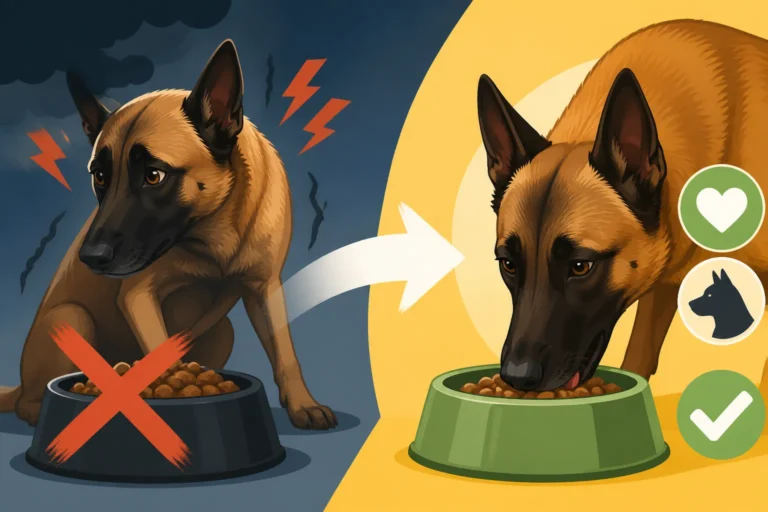
The result? Often, it's diarrhea, vomiting, excessive gas, or general stomach discomfort. Imagine how you feel after eating something completely new and rich; your Malinois experiences something similar, but often more intensely. Beyond the mess and the worry, this physical discomfort can lead to behavioral fallout. A dog with an upset stomach might become restless, pant at night, or even have accidents in the house, which can be incredibly frustrating after all the hard work you've put into house training. This discomfort can also manifest as anxiety, making them less focused during training sessions or generally more agitated, compounding the problem in an already high-energy breed.
Picky Eaters and Hunger Strikes
It might seem counterintuitive for a dog known for its drive to sometimes be a picky eater, but a bad experience with a new food can quickly turn a Malinois off. If you swap kibble cold turkey and it results in immediate stomach upset, your dog might develop an aversion to the new food itself. They associate the discomfort with the taste or smell of the new kibble. This can lead to a hunger strike, where they refuse to eat the new food, even if they're hungry.
This isn't just a matter of inconvenience; for a working Malinois, consistent calorie intake is critical for maintaining performance and muscle mass. A day or two of not eating can significantly impact their energy levels and physical condition. It becomes a battle of wills, and often, the dog, with its strong opinions, wins. You end up with a full bowl of expensive new kibble and a dog who looks at you like you've offered them poison. This can be especially challenging with a Malinois known to sometimes refuse food at a trial when under stress, adding another layer to their already particular eating habits.
Stress and a Malinois's Sensitive System
We often talk about physical health, but a Malinois's mental state is deeply intertwined with their physical well-being. Digestive upset isn't just a physical annoyance; it's a source of stress. For a breed that can already be prone to anxiety or environmental stress, adding physical discomfort to the mix can amplify these tendencies. A Malinois experiencing chronic stomach upset might become more withdrawn, less engaged, or even display increased reactivity due to feeling unwell.
Their sensitive system also means they can be more susceptible to secondary issues. Prolonged diarrhea can lead to dehydration, electrolyte imbalances, and malabsorption of vital nutrients, affecting their coat, energy, and immune system. It can make them more vulnerable to stress-induced conditions like Soft Stools in a Malinois Under Training Stress. Taking the time to transition properly minimizes this stress, allowing their system to gradually adapt and ensuring that their physical and mental health remain in top form, which is paramount for a dog that demands so much of itself every single day.
The Gold Standard: A Step-by-Step Transition Plan
You’ve decided on a new food for your Belgian Malinois, and you understand the risks of rushing. Now, let’s talk about how to do it right. The key here is patience and observation, two qualities that sometimes feel like a challenge when you own a Malinois, but are absolutely essential for a smooth dietary change.
The Seven to Ten Day Rule (and When to Extend It)
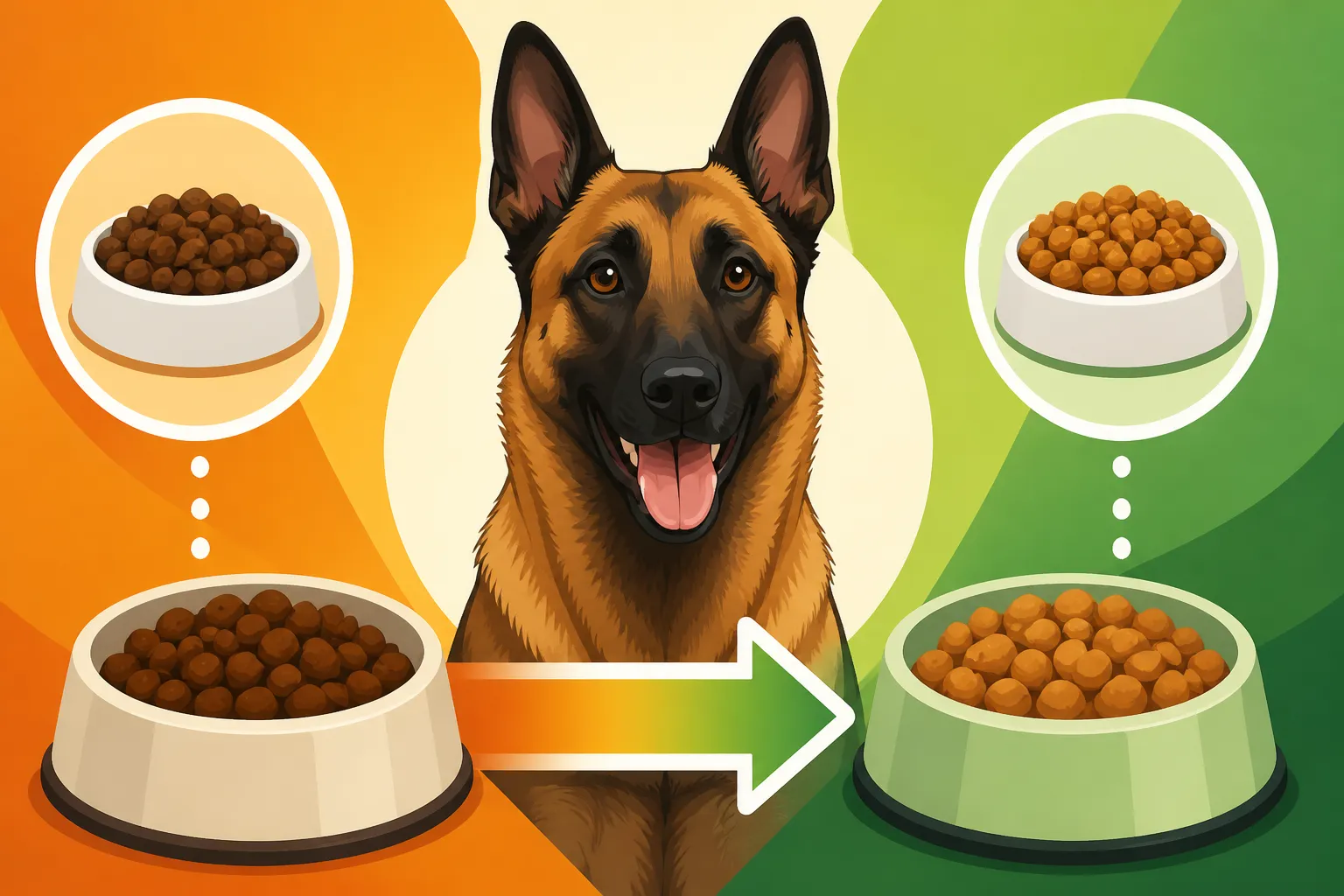
The "seven to ten day rule" is the golden standard for transitioning dog food, and it's a minimum, not a maximum. For a Malinois, especially one with a known sensitive stomach, or if you're making a drastic change (like from a grain-inclusive to a grain-free, or a very different protein source), you might need to extend this to two or even three weeks. The principle is simple: gradually introduce the new food by mixing it with the old food, slowly increasing the proportion of the new kibble over time.
Here's a general guideline, but be prepared to slow down if needed:
| Day | Old Kibble | New Kibble |
|---|---|---|
| 1-2 | 75% | 25% |
| 3-4 | 50% | 50% |
| 5-6 | 25% | 75% |
| 7+ | 0% | 100% |
During the first couple of days, your Malinois should still be primarily eating their old, familiar food, with just a small amount of the new kibble mixed in. If everything looks good – normal stools, good appetite, no excessive gas – you can move to the next stage. If you notice any soft stools, mild digestive upset, or hesitation to eat, hit the brakes! Stay at that current ratio for another day or two until things normalize before attempting to increase the new food again. This slow and steady approach gives their digestive enzymes and gut bacteria time to adjust to the new ingredients without being overwhelmed. Remember, even a single meal of too much new food can reset your progress, so err on the side of caution.
Monitoring Stool, Appetite, and Behavior
Throughout this transition, you need to become a detective. Your Malinois can’t verbally tell you how they’re feeling, so you have to rely on observable cues.
- Stool Quality: This is your primary indicator. Aim for firm, well-formed stools. Any sign of looseness, diarrhea, or excessive mucus means you’re moving too fast. If stools become too hard or dry, that’s also a sign of imbalance. Keep an eye on the color too; while some slight variation is normal with different kibble colors, anything drastically off, or dark/tarry stools, warrants a call to the vet.
- Appetite: Is your Malinois eating with their usual gusto? A Malinois that won’t eat under stress might be particularly sensitive to food changes. If they’re turning their nose up at the food bowl, or eating significantly less than usual, it’s a red flag. It could mean they don't like the new food, or their stomach is uncomfortable.
- Behavior: Beyond eating and pooping, observe their general demeanor. Are they still their usual energetic, focused self? Or are they lethargic, gassy, restless, or showing signs of discomfort? Excessive lip-licking, pacing, or whining after meals can indicate stomach pain. If you notice a drop in their typically relentless drive or focus, it could be related to digestive upset, impacting their performance and overall happiness. Monitoring these subtle changes helps you gauge their overall acceptance of the new diet.
Enhancing Palatability and Encouraging Acceptance
Some Malinois can be a bit finicky, especially if they’ve previously had a bad experience with food or are just particular about new textures and smells. If your dog is hesitating with the new mix, there are a few tricks you can try to make the food more appealing:
- Warm Water or Broth: Adding a bit of warm water or low-sodium chicken/beef broth (ensure no onion or garlic!) can soften the kibble, release its aroma, and make it more enticing. Just be sure not to drench it so much that it becomes a soupy mess, which some dogs dislike.
- Safe Toppers: A small dollop of plain yogurt (ensure it’s plain and sugar-free), a spoonful of pumpkin puree (canned, unsweetened, 100% pumpkin), or a scrambled egg can make the meal irresistible. These can also have digestive benefits; pumpkin is great for firming up stools, and yogurt can introduce beneficial probiotics. Just introduce any toppers slowly too, to avoid creating new digestive issues.
- Small Portions More Frequently: If your Malinois seems overwhelmed by a large bowl of new food, try feeding smaller meals more frequently throughout the day. This can make the transition less daunting for their system and their palate.
- Make it a Game: For a Malinois, everything can be a game! Instead of just setting down a bowl, use some of their daily food ration in a puzzle toy or scatter it in the yard for them to sniff out. This engages their brain and makes mealtime an enriching activity rather than just a chore, often encouraging them to eat more readily. Just be mindful of introducing too many new things at once.
Common Roadblocks and Troubleshooting During the Switch
Even with the best intentions and a meticulous plan, sometimes things don't go perfectly. Your Belgian Malinois, with their unique quirks and sensitivities, might throw you a curveball. It’s important to recognize these roadblocks and know how to troubleshoot them effectively without panicking.
The Malinois Who Refuses the New Food Entirely
This is perhaps one of the most frustrating scenarios. You’ve got a perfectly good, often expensive, new bag of kibble, and your Malinois just looks at it with disdain. This can happen for a few reasons: they genuinely don’t like the taste or texture, or they’ve associated it with past discomfort.
First, rule out any underlying health issues. A dog refusing food could simply be feeling unwell, rather than being picky. If they seem otherwise healthy, it’s likely a preference issue. You can try making the food more appealing with the methods mentioned above (warm water, broth, toppers). If that doesn't work, consider a temporary "bland diet" reset. This usually involves cooked, plain white rice and boiled chicken (no seasoning). Feed this for 1-2 days until their stomach settles, then slowly reintroduce the old kibble. Once they're back to eating the old food reliably, start the transition to the new kibble again, but even more slowly than before.
Another strategy is the "tough love" approach – offer the food for 15-20 minutes, then pick it up. No other food or treats until the next mealtime. A healthy Malinois won't starve itself, but you must be consistent. This method only works if you're certain they are healthy and not refusing due to pain or discomfort. If your Malinois is extremely high-drive, they might refuse food under stress (Feeding a Belgian Malinois That Will Not Eat Under Stress) during major life changes or travel, so consider if there are other environmental factors at play before concluding it's just pickiness. Sometimes, a tiny amount of high-value fresh food mixed in, like a spoonful of the Ollie fresh food option, can entice them to start eating the kibble, then you gradually reduce the fresh food.
Lingering Diarrhea or Vomiting
If diarrhea or vomiting persists despite slowing down the transition, or if it's severe, it's a sign that something more serious might be going on. This is where veterinary consultation becomes critical.
- Pause and Revert: If you're seeing persistent loose stools, immediately pause the transition and revert your Malinois entirely back to their old kibble. If even the old kibble now causes issues, it indicates a more significant problem.
- Bland Diet: A temporary bland diet (boiled chicken and rice) can help settle the stomach and give the gut a chance to recover. Feed small, frequent meals.
- Probiotics: Your vet might recommend a probiotic supplement to help rebalance the gut flora. Many Malinois owners find that Whether a Probiotic Settles a Malinois's Gut can be very helpful during times of stress or dietary change. You can often find these at pet stores or online at places like Chewy.
- Veterinary Care: If vomiting is frequent, if there’s blood in the stool or vomit, or if your Malinois becomes lethargic, dehydrated, or develops a fever, do not hesitate to contact your veterinarian. These symptoms can indicate a more serious underlying issue that requires immediate medical attention. Remember that a Malinois can be stoic, so even subtle signs of illness should be taken seriously.
Allergic Reactions and Sensitivities
While digestive upset is common, sometimes a new food triggers a full-blown allergic reaction or a persistent sensitivity. This goes beyond a temporary bout of loose stools.
Signs of an allergic reaction might include:
- Intense itching and scratching: Especially around the face, ears, paws, and hindquarters.
- Skin redness, rashes, or hot spots.
- Chronic ear infections.
- Swelling: While rare, severe facial swelling can occur.
- Chronic diarrhea or vomiting that doesn't resolve.
If you suspect an allergy, the first step is to contact your vet. They might recommend a prescription hypoallergenic diet or a strict elimination diet, which involves feeding a novel protein and carbohydrate source for several weeks to identify the allergen. This often means Running a Food Trial on an Itchy Malinois under strict guidance. It's a lengthy process but crucial for their long-term comfort. Pay close attention to the ingredients in the new food; common allergens often include chicken, beef, dairy, wheat, and soy. Sometimes, even seemingly benign ingredients can be the culprit. Knowing Food Sensitivities in a Belgian Malinois is a lifelong journey of observation and careful dietary management.
Selecting the Right Kibble for Your Malinois's Needs
Choosing a new kibble for your Belgian Malinois isn’t just about picking the prettiest bag on the shelf. It requires careful consideration of ingredients, nutritional balance, and how it aligns with your dog’s specific life stage, activity level, and health profile. Making an informed decision here is just as important as the transition process itself.
Decoding Ingredient Labels: What to Look For (and Avoid)
The ingredient list on a bag of kibble can be overwhelming, but understanding the basics will help you make a better choice for your Malinois. Think of it like reading the label on your own food – quality matters.
- High-Quality Protein Sources: Look for a named meat source as the first ingredient, such as "chicken meal," "lamb," "salmon," or "beef." "Meal" forms (e.g., chicken meal) are often more concentrated sources of protein than whole meats, as much of the water has been removed. Avoid generic terms like "meat meal" or "animal by-products" without specific identification, as these can be inconsistent in quality and source. For a high-drive Malinois, adequate protein is crucial for muscle maintenance and repair.
- Healthy Fats: Fats provide concentrated energy, which is vital for an active Malinois. Look for named animal fats (e.g., chicken fat) and healthy plant-based oils like flaxseed oil or sunflower oil. Omega-3 fatty acids (from fish oil, flaxseed) are beneficial for skin, coat, and cognitive function.
- Beneficial Carbohydrates: Whole grains like brown rice, oats, barley, or sweet potatoes are good sources of complex carbohydrates, providing sustained energy. Some Malinois might thrive on grain-free diets, while others do perfectly fine with grains. The key is quality. Avoid excessive amounts of simple carbohydrates like corn, wheat, or soy fillers, which offer little nutritional value and can sometimes be allergenic.
- Fruits, Vegetables, and Supplements: These provide vitamins, minerals, and antioxidants. Look for ingredients like apples, carrots, spinach, and blueberries. Additionally, look for added probiotics, prebiotics, glucosamine, and chondroitin, especially if you have an older Malinois or one engaged in intense physical activity, as these can support gut health and joint function.
What to Potentially Avoid (or use with caution):
- Artificial colors, flavors, and preservatives: These offer no nutritional benefit and can sometimes trigger sensitivities. Natural preservatives like mixed tocopherols (Vitamin E) are preferable.
- Excessive fillers: Ingredients high on the list that offer little nutritional value.
- By-products (unnamed): While not all by-products are bad, unnamed ones are a red flag for inconsistent quality.
Tailoring to Age, Activity Level, and Health
Your Malinois's life stage and lifestyle are paramount in food selection. What’s perfect for a puppy won’t sustain a working adult, and what fuels an adult might be too rich for a senior.
- Puppy Formulas: These are specifically designed for controlled growth in large breeds, with appropriate calcium-to-phosphorus ratios to prevent developmental orthopedic issues. You'll want to be mindful of Why Pushing Growth Hurts a Malinois Puppy.
- Adult Maintenance: For the average, active adult Malinois (which is still a highly active dog!), a balanced adult formula is suitable. However, if your dog is actively training in bite sports or detection, they might fall into the "working" category.
- Performance Diets: As we discussed in The Daily Ration a Working Belgian Malinois Eats and Feeding a Malinois That Is Never Not in Drive, these diets are calorically dense and higher in protein and fat to support extreme energy demands and aid in muscle recovery. They are essential for Malinois in demanding jobs or competitive sports.
- Senior Formulas: As Malinois age, their metabolism slows, and they might become less active. Senior diets are typically lower in calories but often higher in joint support supplements. You'll want to pay close attention to Weighing a Belgian Malinois Through a Training Year to adjust as needed.
- Prescription/Therapeutic Diets: These are formulated by veterinarians for specific medical conditions, such as kidney disease, urinary issues, severe allergies, or gastrointestinal sensitivities. They should only be fed under veterinary guidance.
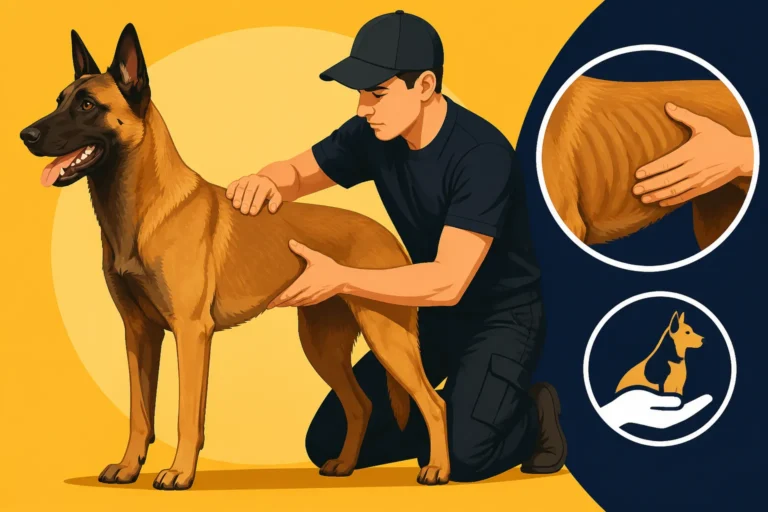
Remember, a Malinois’s body condition is your best guide. You should be able to easily feel their ribs but not see them prominently (unless they are a very lean working dog).
Researching Brands and Reputations
With countless dog food brands on the market, choosing a reputable one can be daunting. Not all brands are created equal, and some invest more in research, quality control, and safety than others.
- Company Research: Look for brands that conduct their own feeding trials (not just formulate to AAFCO standards), employ veterinary nutritionists, and have strict quality control measures.
- Transparency: Reputable brands are transparent about where their ingredients come from and how their food is manufactured.
- Recall History: While no brand is immune to recalls, a history of frequent or serious recalls can be a red flag. You can often find this information from consumer protection agencies.
- Customer Reviews and Community Feedback: While anecdotal, reviews from other Malinois owners or working dog handlers can offer insights into how a particular food performs for similar dogs. Online communities and forums are often a good place to gather this type of feedback.
- Availability: Consider where you'll be purchasing the food. Brands widely available on platforms like Chewy or Amazon often have a consistent supply, which can be important when you've found a food that works. For specialized diets or smaller brands, you might need to order directly or rely on specialty pet stores.
Ultimately, the best food for your Malinois is one that keeps them healthy, energetic, maintains a good body condition, and produces healthy, firm stools. It’s a journey of discovery, but with careful research and a patient transition, you’ll find the perfect diet to fuel your extraordinary companion.
Disclaimer
This article is for general informational purposes only and does not constitute professional advice. Laws, prices and regulations vary by location and change over time. Consult a qualified professional for guidance on your specific situation.