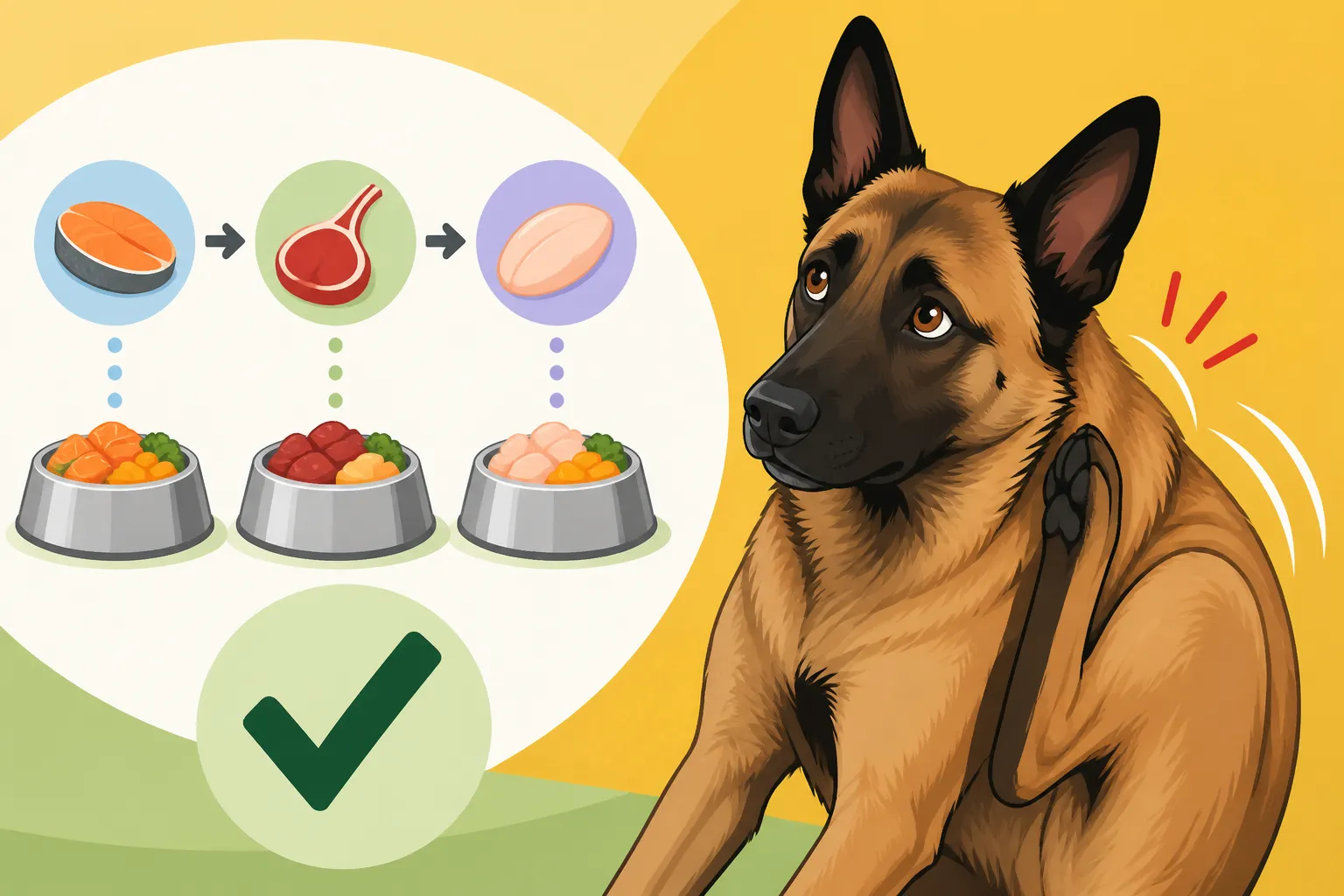
Running a Food Trial on an Itchy Malinois
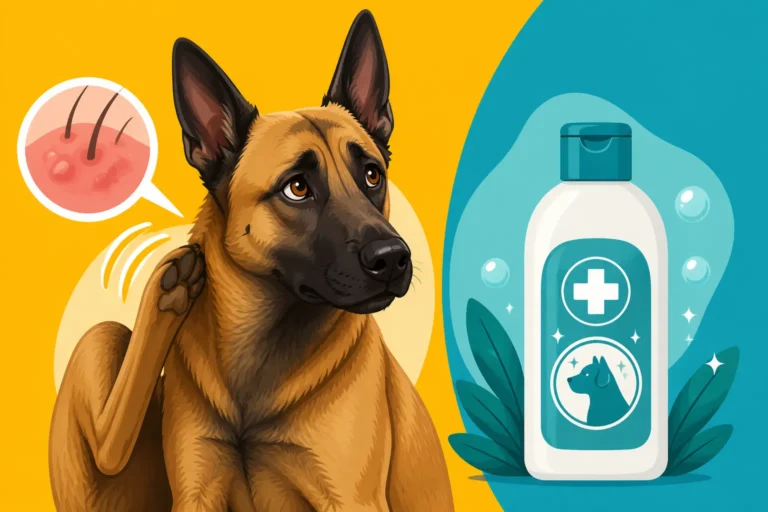
It's absolutely heartbreaking to watch your incredible Belgian Malinois scratch and chew at themselves constantly. That persistent itch isn't just a minor annoyance; it can make them miserable, disrupt their sleep, and even lead to painful skin infections. You try everything you can think of – different shampoos, supplements, even changing their environment – and still, that relentless discomfort persists. When you suspect their food might be the culprit, embarking on a food trial can feel overwhelming, a huge commitment, but it's often the most direct path to relief. This guide is here to walk you through the often-frustrating, but ultimately empowering, process of conducting a thorough food trial for your itchy Malinois, helping you identify potential dietary triggers and bring them much-needed comfort.
Understanding Why Your Malinois Might Be Itchy
When your Malinois starts itching, it's easy to jump to conclusions, and often, we start with the most visible culprits like fleas or environmental irritants. But sometimes, despite our best efforts, the itching persists, leaving us feeling helpless. This is often the point where food sensitivities come into play, and it's a common, albeit often misunderstood, issue in many breeds, including our driven Malinois.
Beyond the Obvious: Environmental vs. Food Allergies
First off, let's acknowledge that differentiating between environmental allergies (atopy) and food allergies can feel like detective work worthy of your Malinois's keen nose. Environmental allergies, or atopy, are extremely common and can cause similar symptoms to food allergies: itching, licking paws, ear infections, and skin irritation. These can be triggered by things like pollen, dust mites, or molds – things that are notoriously hard to avoid. Your Malinois might be fine indoors but turn into a scratching machine after a romp in a grassy field.
Food allergies, on the other hand, are an adverse immune reaction to specific proteins in their diet. It's not just a sensitive stomach; it's the immune system overreacting to an otherwise harmless food component. Symptoms can appear very similar to environmental allergies, which is why it’s so tricky to tell them apart without a structured approach. Sometimes, a Malinois might suffer from both, compounding the challenge. It’s also important to distinguish a true food allergy from a food intolerance, which typically presents as gastrointestinal upset rather than skin issues. However, both can contribute to overall discomfort and impact your dog's well-being. Knowing the difference between these types of irritants is the first step in creating an effective strategy. When considering possible culprits, it can be helpful to review Atopy in a Belgian Malinois.
The Frustration of Persistent Itching
You’ve probably already tried changing laundry detergents, vacuuming more often, and diligently applying topical treatments. When those don't work, the frustration can build, especially with a breed as sensitive and intelligent as a Malinois. They pick up on your stress, and their discomfort can manifest in behavioral changes, like increased anxiety or even redirected frustration. Imagine trying to focus on a training session when your entire body is tingling and itching! It can break your heart to see their usually bright, focused eyes clouded with discomfort. This persistent itching isn't just physical; it's a mental drain on both you and your dog, making it difficult for them to relax or engage fully in their work or play. That's why taking a methodical approach, even if it feels like a big undertaking, is so crucial for their long-term health and your peace of mind.
Preparing for the Food Trial: Getting Started Right
A food trial is not a casual experiment; it’s a rigorous, focused elimination diet that requires strict adherence to be effective. Think of it as a scientific endeavor where consistency is paramount. Before you even open a new bag of food, there's some critical groundwork to lay to ensure your efforts aren't undermined by accidental exposures.
Choosing the Right Novel Protein and Carbohydrate
The cornerstone of a successful food trial is selecting a "novel" protein and carbohydrate source. "Novel" simply means ingredients your Malinois has never eaten before. This is where it can get a bit challenging, as many commercial dog foods use common proteins like chicken, beef, or lamb, and carbs like corn or wheat. For a Malinois, who might have been exposed to various diets or treats, finding truly novel ingredients can require some thought.
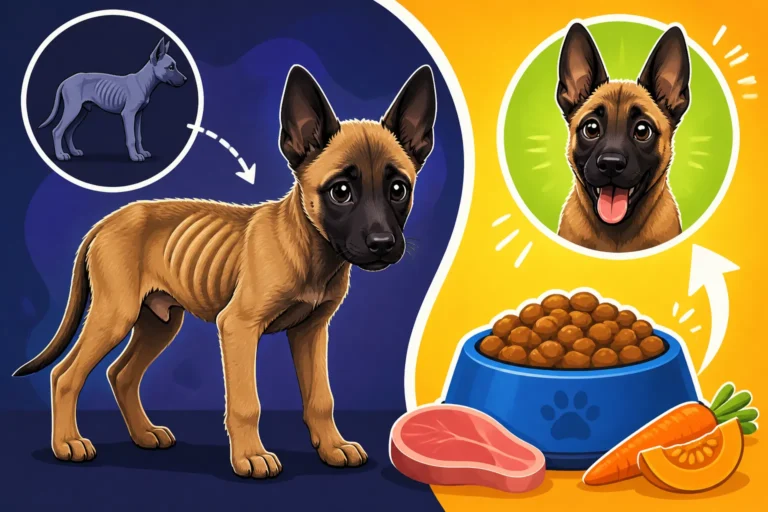
Common novel proteins include venison, duck, rabbit, or kangaroo. For carbohydrates, options like sweet potato, potato, or peas are often used. The goal is to strip back the diet to the absolute basics, minimizing the chance of an allergic reaction. You'll need to find a limited-ingredient diet that contains only these chosen novel sources, with no other added proteins, fillers, or artificial ingredients. Many specialty pet food retailers, like Chewy or Amazon, offer a wide selection of these limited ingredient formulas. Read labels meticulously – even "hypoallergenic" foods can sometimes contain hidden ingredients or cross-contaminants if not manufactured carefully. Some owners opt for a home-cooked diet using human-grade novel ingredients, which offers maximum control but demands careful nutritional balancing, usually with veterinary guidance.
Clearing Your Home of Contaminants
This is often the hardest part, especially if your Malinois is used to a varied diet of treats and table scraps. For the duration of the exclusion phase, absolutely nothing can enter your dog's mouth except the novel diet and water. This means:
- No treats: Even seemingly innocuous treats can contain hidden allergens. If you need training rewards, use small pieces of the novel food, cooked and cooled.
- No flavored medications or supplements: Discuss alternatives with your vet.
- No dental chews, rawhides, or pig ears.
- No shared human food: This is a big one. No dropping crumbs, no sharing bites of your sandwich. Your Malinois is a master of detecting even the smallest morsel.
- No licking other pets' food bowls: If you have other pets, ensure your Malinois cannot access their food.
- No foraging outdoors: Try to supervise them closely to prevent them from eating things off the ground.
This period requires immense discipline from every member of the household. One slip-up, even a tiny one, can contaminate the trial and set you back weeks. It's truly an all-or-nothing commitment. Consider buying all new toys or thoroughly washing existing ones to remove any lingering food residues.
Consulting Your Vet: A Crucial First Step
Before you embark on any food trial, a thorough discussion with your veterinarian is non-negotiable. They can help rule out other causes for itching, such as parasites, bacterial infections, or fungal issues, which often mimic allergy symptoms. They can also advise on appropriate novel protein and carbohydrate sources based on your Malinois's history and help you select a nutritionally complete diet, whether commercial or home-cooked. Your vet might recommend running tests for Food Sensitivities in a Belgian Malinois, or they might suggest a prescription hydrolyzed protein diet, where the proteins are broken down into such small components that the immune system doesn't recognize them as allergens. This can be a highly effective, though often more expensive, option. This initial consultation will ensure you're starting on the right foot and have professional guidance throughout what can be a challenging process.
Executing the Food Trial: The Methodical Approach
Once you've chosen your novel diet and prepped your environment, it's time to put the plan into action. This phase requires unwavering discipline and a keen eye for detail. Remember, you're not just feeding your dog; you're running a diagnostic test.
The Strict Exclusion Phase: What It Looks Like
This is the core of the food trial, typically lasting 8 to 12 weeks. During this period, your Malinois eats only the chosen novel diet. No exceptions, no cheating. This strictness is vital because it takes time for existing allergens to clear from their system and for their immune response to calm down.
You'll need to closely monitor your Malinois for changes in their itching, licking, chewing, and any other skin or gastrointestinal symptoms. Keep a detailed journal! Note down the date you started, the food you're using, and daily observations. When do they scratch? How intensely? Are there any new hot spots? Improvements are often gradual, so don't get discouraged if you don't see immediate results. Some Malinois might show improvement within a few weeks, while others take the full 12 weeks or even longer. Consistency is the name of the game. If you're finding your Malinois is stressed by the sudden diet change or reduced treats, this might also impact their gut health, leading to issues like Soft Stools in a Malinois Under Training Stress. It's a delicate balance to manage their mental state alongside their physical symptoms during this demanding period.
The Reintroduction Phase: Carefully Testing Triggers
If, after the exclusion phase, your Malinois's symptoms have significantly improved or completely resolved, congratulations! You've likely identified a food allergy. Now comes the reintroduction phase, where you systematically try to identify which specific ingredient was causing the problem.
This phase involves reintroducing single, common food ingredients, one at a time, for about 7-14 days. For example, you might introduce a small amount of chicken breast for a week, observing for any return of symptoms. If no symptoms appear, that ingredient is likely safe. If symptoms return, you've found a culprit! Immediately remove that ingredient and allow your dog to clear for a few days before trying the next one. This process is slow and requires patience, but it’s the only way to get a clear picture of what your Malinois can and cannot tolerate.
Here's a sample reintroduction schedule, but always consult your vet for specific advice:
| Week | Days | Ingredient to Reintroduce | What to Look For | Action if Symptoms Return |
|---|---|---|---|---|
| 1-2 | 7-14 | Cooked Chicken Breast | Itching, redness, licking | Remove chicken, wait for symptoms to resolve |
| 3-4 | 7-14 | Cooked Beef Patty | Itching, redness, licking | Remove beef, wait for symptoms to resolve |
| 5-6 | 7-14 | Cooked Whole Egg | Itching, redness, licking | Remove egg, wait for symptoms to resolve |
| 7-8 | 7-14 | Small Amount of Wheat Pasta | Itching, redness, licking | Remove wheat, wait for symptoms to resolve |
Remember, only introduce one new ingredient at a time. If you introduce chicken and beef simultaneously and your dog reacts, you won't know which one caused the issue. This phase can sometimes be even more frustrating than the exclusion phase, especially if your Malinois reacts to several common ingredients. However, it's the key to understanding how to manage their diet long-term.
What to Expect and How to Troubleshoot
Running a food trial is rarely a perfectly smooth journey. There will be moments of doubt, frustration, and perhaps even accidental setbacks. Understanding what to expect and how to troubleshoot common issues can help you stay on track and ultimately succeed in helping your Malinois.
Patience is Key: Timelines and Setbacks
The biggest hurdle for many Malinois owners is the sheer length and strictness of the food trial. We're used to quick fixes, but allergies don't work that way. It takes time for the body to heal and for allergens to clear. Don't expect miraculous overnight changes. You might see subtle improvements first, like less intense scratching or fewer ear infections, before full resolution.
Accidental slip-ups are common, especially in multi-pet households or homes with children. If your Malinois snags a dropped piece of toast or a rogue kibble from another dog's bowl, you might have to reset the clock for the exclusion phase. It’s disheartening, but it's crucial not to give up. Each setback is a learning opportunity to tighten your controls. Remember, your Malinois deserves this effort, and their comfort is worth the meticulous work involved. After all, a happy, comfortable Malinois is a far more effective and enjoyable companion.
When the Food Trial Doesn't Work: Next Steps
What happens if you complete a strict 8-12 week food trial and your Malinois is still itchy? Don't despair! This outcome is actually valuable information. It strongly suggests that food is not the primary cause of their itching. This points you back towards environmental allergies (atopy) or other underlying medical conditions.
In this scenario, it's time to go back to your veterinarian or seek a referral to a veterinary dermatologist. They can explore other diagnostic avenues such as allergy testing for environmental allergens (intradermal skin testing or blood tests), further skin biopsies, or explore novel therapies. Sometimes, persistent itching is due to a combination of factors, including secondary bacterial or yeast infections that need to be addressed simultaneously. While a food trial can be exhausting, it rules out a major piece of the puzzle, allowing you and your vet to pursue other, more targeted diagnostic and treatment options. They might recommend Whether Omega Oils Calm a Malinois's Skin or other supplements, or discuss long-term medication strategies.
No matter the outcome, simply going through the food trial process provides invaluable insight into your Malinois's health, paving the way for a more effective and comfortable future for your dedicated companion.
Disclaimer
This article is for general informational purposes only and does not constitute professional advice. Laws, prices and regulations vary by location and change over time. Consult a qualified professional for guidance on your specific situation.