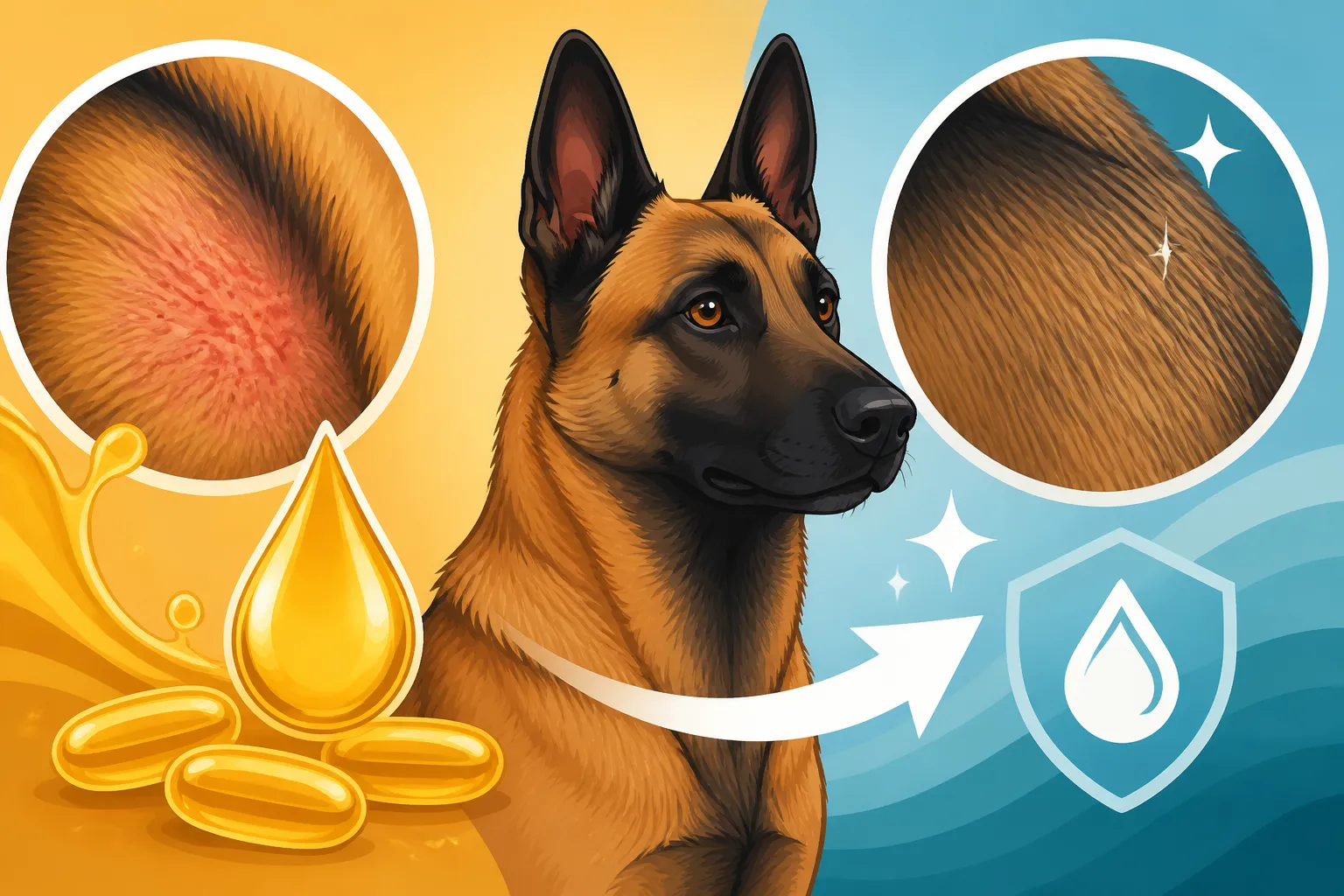
Whether Omega Oils Calm a Malinois’s Skin
Many Belgian Malinois owners grapple with frustrating skin issues – persistent itching, dry flakes, or even dull, brittle coats that just don't seem to respond to typical care. It can be heartbreaking to watch your high-drive companion constantly scratching or nibbling at themselves, and you're probably wondering if there's something more you can do. This guide dives deep into whether supplementing with omega oils can actually help calm your Malinois's irritated skin and contribute to a healthier, happier pup from the inside out.
Understanding Persistent Malinois Skin Challenges
It's no secret that our Belgian Malinois are incredible athletes with minds to match, but sometimes their physical resilience doesn't extend to their skin. Many Malinois, despite their robust appearance, can suffer from various dermatological issues that leave owners feeling helpless. You might notice your dog scratching incessantly, developing hot spots, or even having a coat that just doesn't shine the way it should. This isn't just an annoyance; it's a sign that something deeper is going on.
Common Malinois Skin Irritations
Our Malinois are often exposed to diverse environments, from dusty training fields to urban parks, and these settings can introduce a host of irritants. Environmental allergies, or atopy, are a huge culprit for many itchy dogs, including Malinois. Pollen, dust mites, and molds can trigger an immune response that manifests as inflamed, itchy skin. You might observe redness, excessive licking of paws, or even ear infections. It’s a frustrating cycle, because the more they scratch, the more damage they do to their skin barrier, making them even more susceptible. This is often where owners begin looking for ways to support their dog's immune system and skin health from within. Atopy in a Belgian Malinois is a very common discussion point among owners.
Beyond environmental factors, diet can play a surprisingly significant role. Some Malinois develop sensitivities to certain ingredients in their food, which can present as skin problems. This isn't always a dramatic, immediate allergic reaction, but a slow, chronic irritation that gradually wears down their skin's defenses. Even stress, something our highly sensitive Malinois are prone to, can exacerbate skin conditions. A Malinois under constant mental pressure or lacking adequate outlets for their drive might develop stress-related skin issues, as their body releases hormones that can impact overall inflammation. Identifying these triggers is the first step, but often, we need to provide internal support to help their bodies cope.
Why Skin Health Matters for a Working Dog
For a Belgian Malinois, especially one involved in sport, protection work, or any demanding activity, good skin health isn't just about aesthetics; it's crucial for their overall performance and well-being. Imagine your Malinois trying to focus on a complex task while constantly bothered by an itch. Their concentration will suffer, their drive might diminish, and their ability to perform at their peak will be compromised. A healthy skin barrier is also the first line of defense against infections. Scratches, raw patches, and irritated skin are open invitations for bacteria and yeast, leading to secondary infections that require veterinary intervention and often strong medications.
Moreover, a well-nourished coat acts as insulation against extreme temperatures and protection against minor scrapes and abrasions that can occur during vigorous training or outdoor adventures. A dull, flaky coat could be a sign of nutritional deficiencies, indicating that their body isn't receiving all the building blocks it needs to maintain optimal health. Keeping your Malinois in The Lean Condition a Belgian Malinois Should Carry involves not just exercise but also comprehensive nutrition that supports every system, including the skin. Overlooking skin issues can lead to a cascade of problems that affect not just their comfort, but their ability to live their full, active life.
The Science Behind Omega Oils and Skin Health
When we talk about omega oils, we're primarily referring to a group of polyunsaturated fatty acids that are absolutely essential for canine health, meaning your dog's body can't produce them on its own; they must come from their diet. The two main players in skin health are Omega-3 and Omega-6 fatty acids, and understanding their roles and the balance between them is key to seeing real improvements in your Malinois's skin.
Omega-3 vs. Omega-6: Finding the Balance
Both omega-3 and omega-6 fatty acids are crucial, but it's their balance that really makes a difference for skin health. Omega-6 fatty acids are generally more abundant in many commercial dog foods, especially those using vegetable oils like corn, soy, or sunflower oil. They play a vital role in normal growth, reproduction, and maintaining a healthy skin barrier. However, in excessive amounts relative to omega-3s, omega-6s can contribute to inflammatory responses in the body. It’s like having too much fuel for a fire; necessary for a small flame, but too much can rage out of control.
Omega-3 fatty acids, on the other hand, are renowned for their anti-inflammatory properties. The most beneficial omega-3s for dogs are eicosapentaenoic acid (EPA) and docosahexaenoic acid (DHA), primarily found in marine sources like fish oil and krill oil. These fantastic fatty acids work by integrating into cell membranes, altering the production of inflammatory mediators and essentially turning down the volume on your dog's immune response to irritants. By providing a better balance, with sufficient omega-3s, we can help shift the body from a pro-inflammatory state to one that promotes healing and reduces irritation. This can be particularly beneficial for conditions like Atopy in a Belgian Malinois where chronic inflammation is a core issue.
How Omega Oils Support the Skin Barrier
Think of your Malinois's skin as a protective wall, and the cells within that wall are held together by mortar. Omega oils, especially EPA and DHA, help create stronger, more resilient "mortar." They are incorporated into the phospholipid bilayer of skin cells, improving their integrity and flexibility. This means a stronger, healthier skin barrier that is better at locking moisture in and keeping environmental irritants, allergens, and pathogens out. When the skin barrier is compromised, water escapes, leading to dryness, flakiness, and increased susceptibility to allergens penetrating the skin, triggering that dreaded itch cycle.
Beyond just structural integrity, omega oils also support the healthy production of sebum, the natural oils that keep skin moisturized and supple. A Malinois with a well-functioning skin barrier, supported by adequate omega oils, will typically have a softer, shinier coat and less dryness, redness, and itching. This protective layer is vital for How Much Dander a Malinois Double Coat Puts Out and can reduce the severity of reactions to allergens that might settle on the coat. It’s about building a robust defense system from the inside out, allowing their skin to do its job effectively rather than constantly being on the defensive.
Integrating Omega Oils into Your Malinois's Diet
Now that we understand why omega oils are so beneficial, the next step is figuring out how to best incorporate them into your Malinois's diet. It’s not as simple as just grabbing any bottle off the shelf; quality, source, and consistency all matter when it comes to seeing real results.
Sourcing Quality Omega Supplements
When choosing an omega oil supplement for your Malinois, quality and source are paramount. Not all omega products are created equal. You want to look for supplements that specifically list EPA and DHA content, as these are the most biologically active forms for dogs.
Here are a few common sources:
- Fish Oil: This is probably the most widely available and popular choice. Look for fish oils derived from small, cold-water fish like sardines, anchovies, and mackerel, as these typically have lower levels of mercury and other contaminants compared to larger, longer-lived fish. Brands often offer pure fish oil in liquid or capsule form.
- Krill Oil: Krill oil is another excellent marine source, offering EPA and DHA in a phospholipid form, which some research suggests may be more bioavailable. It’s often touted for its sustainability and lower risk of contamination.
- Algal Oil: For those looking for a plant-based, vegan option, algal oil provides DHA (and sometimes EPA) directly from algae, bypassing the fish altogether. This is great for sustainability concerns or if your dog has sensitivities to fish.
- Flaxseed Oil: While flaxseed oil is rich in alpha-linolenic acid (ALA), a plant-based omega-3, dogs are not very efficient at converting ALA into the more beneficial EPA and DHA. So, while it has benefits, it's not the primary go-to for anti-inflammatory support compared to marine sources.
When shopping, read labels carefully. Reputable brands will often state third-party testing for purity and potency. You can often find a wide variety of these supplements available on platforms like Chewy or Amazon, making it convenient to compare options and read reviews from other pet owners. You might also find some higher-end fresh food services, like Ollie, incorporate specific omega-rich ingredients, but always check their ingredient lists and nutritional breakdowns if this is your primary source of omegas. Remember, a cheap supplement that doesn't deliver the right forms or quality won't provide the benefits you're hoping for.
Dosage and Administration Tips
Determining the right dosage of omega oils for your Malinois isn't a one-size-fits-all situation, and it's always best to consult your veterinarian for specific guidance, especially if your dog has existing health conditions or is on other medications. Generally, dosages are based on your dog's weight and the concentration of EPA and DHA in the supplement.
A common recommendation for therapeutic doses to address skin inflammation might be around 100-150 mg combined EPA and DHA per 10 pounds of body weight daily. However, this can vary significantly. Start with a lower dose and gradually increase it, observing your Malinois for any digestive upset, such as Diarrhea in a Stressed Belgian Malinois. Omega oils are typically very safe, but too much too fast can sometimes cause loose stools.
Liquid fish oil can be easily drizzled over your Malinois’s kibble or mixed into their wet food. If using capsules, you can either hide them in a treat or, if your Malinois is amenable, administer them directly. Consistency is key; omega oils work cumulatively, so don't expect immediate results. It can take several weeks, sometimes even 6-8 weeks, of consistent supplementation to see noticeable improvements in skin and coat quality. Store liquid oils in the refrigerator to prevent rancidity, and always check the expiration date.
Omega Oil Sources Comparison
Here's a quick look at common omega oil sources for dogs:
| Source | Primary Omega-3s | Key Benefits | Considerations |
|---|---|---|---|
| Fish Oil | EPA, DHA | Strong anti-inflammatory, widely available | Potential for mercury/contaminants (choose reputable brands), fishy breath/odor |
| Krill Oil | EPA, DHA (phospholipid form) | High bioavailability, antioxidants, sustainable | Can be more expensive than fish oil |
| Algal Oil | DHA (some EPA) | Plant-based, vegan, good for fish allergies | Less common, potentially more expensive |
| Flaxseed Oil | ALA | Some general health benefits, plant-based | Poor conversion to EPA/DHA in dogs, less effective for direct anti-inflammatory skin support |
Realistic Expectations and Holistic Approaches
While omega oils are fantastic allies in the fight against itchy, irritated skin, it’s crucial to approach their use with realistic expectations. They are powerful supportive tools, but rarely a magic bullet on their own. For many Malinois, skin health is a complex puzzle, and true improvement often comes from a multi-faceted, holistic approach.
Omega Oils as Part of a Larger Strategy
Think of omega oil supplementation as one important piece of a much larger wellness puzzle for your Malinois. If your dog is struggling with chronic skin issues, omega oils can reduce inflammation and strengthen the skin barrier, but they won't necessarily fix the root cause. For example, if your Malinois has Food Sensitivities in a Belgian Malinois, simply adding omega oils won't solve the underlying reaction to a problematic ingredient in their food. In such cases, a dietary trial might be necessary, potentially using novel protein or hydrolyzed diets, which is often discussed in detail when Running a Food Trial on an Itchy Malinois.
Similarly, if environmental allergens are the primary trigger, simply supplementing with omegas won't make the pollen disappear. You'll still need strategies like regular bathing with appropriate shampoos, wiping down paws after outdoor excursions, and managing indoor allergens. Omega oils can make your dog more comfortable and reduce the severity of their reactions, but they work best when combined with efforts to identify and minimize exposure to triggers. Your veterinarian can help you develop a comprehensive plan that includes dietary changes, environmental management, and potentially other medications or therapies.
Complementary Care for Optimal Skin Health
Achieving and maintaining optimal skin health for your Malinois involves looking at the bigger picture of their daily care. Beyond omega oils, several other factors contribute significantly:
- High-Quality Diet: Ensure your Malinois is on a balanced, high-quality diet that meets all their nutritional needs. What Performance Kibble Costs for a Malinois might seem high, but the investment often pays off in better overall health, including skin. If you’re considering alternatives, Whether Raw Feeding Suits a Malinois in Training or looking into Fresh Food Costs for a Belgian Malinois could offer additional benefits, often including naturally higher omega content.
- Regular Grooming: Consistent grooming helps remove allergens, loose hair, and dander from their coat, preventing buildup that can irritate the skin. While Malinois have short coats, a good brush can do wonders, and occasional baths with a gentle, Medicated Shampoo for an Itchy Malinois (if prescribed) can be very beneficial.
- Environmental Management: For allergic Malinois, reducing exposure to known triggers is vital. This might mean frequent vacuuming, air purifiers, or even protective gear like dog boots during walks in grassy areas.
- Probiotics and Gut Health: Emerging research highlights the strong connection between gut health and skin health. A healthy gut microbiome can support a robust immune system, which in turn benefits the skin. Whether a Probiotic Settles a Malinois's Gut is a relevant question for many owners tackling skin issues, as a balanced gut can help reduce systemic inflammation.
- Regular Veterinary Check-ups: Don't underestimate the importance of your vet. Regular check-ups, including The Bloodwork a Working Malinois Should Have Annually, can catch underlying health issues that might manifest as skin problems. If you're struggling, a veterinary dermatologist can offer specialized advice and diagnostic testing to pinpoint exact causes.
By combining the powerful anti-inflammatory and skin-strengthening benefits of omega oils with these other proactive care strategies, you stand a much better chance of calming your Malinois's skin and restoring their comfort and vibrant health. It's a journey, not a sprint, but your dedicated Malinois deserves every effort you make to keep them feeling their absolute best.
Disclaimer
This article is for general informational purposes only and does not constitute professional advice. Laws, prices and regulations vary by location and change over time. Consult a qualified professional for guidance on your specific situation.