Diarrhea in a Stressed Belgian Malinois
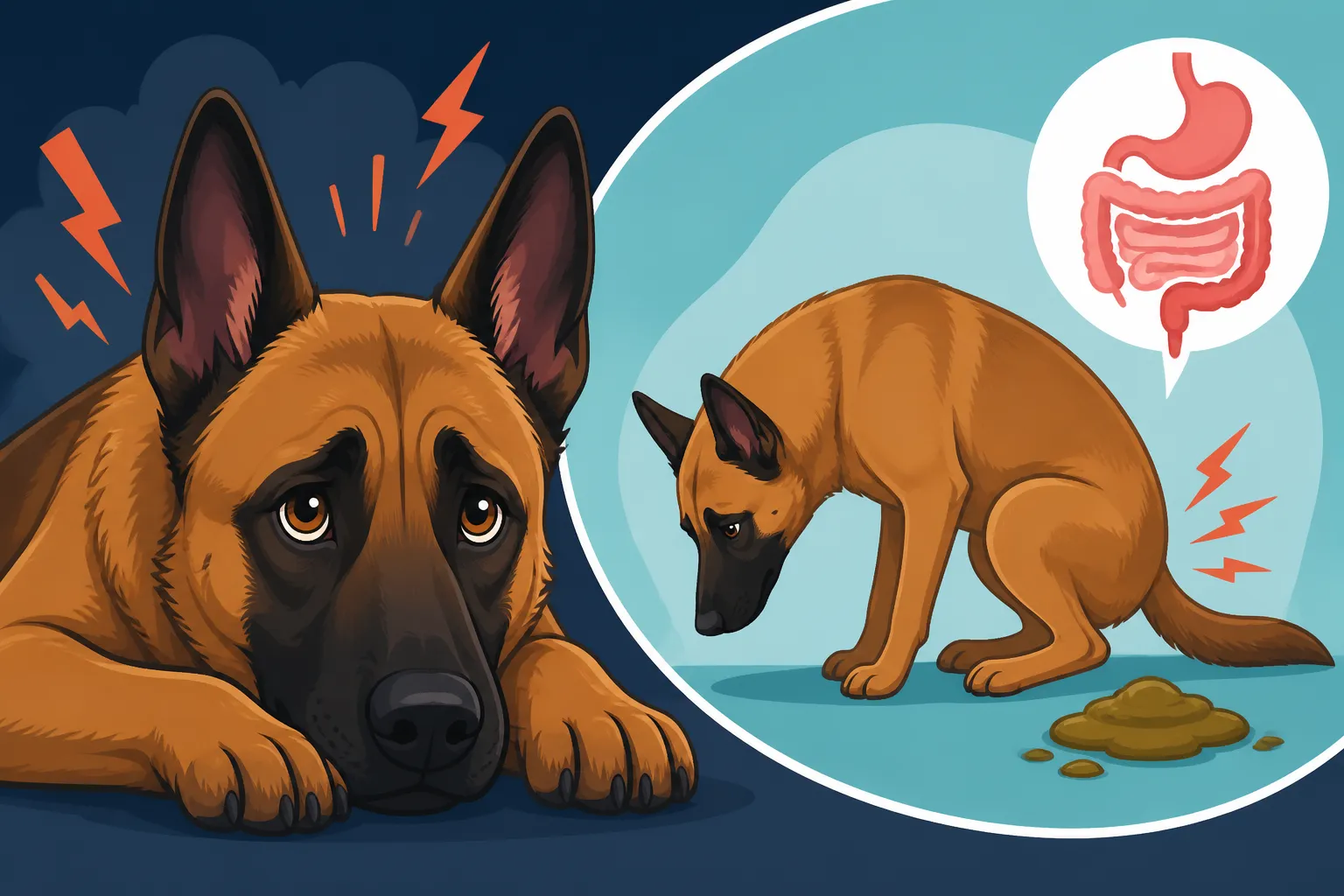
It's incredibly frustrating, and let's be honest, often messy, when your high-drive Belgian Malinois starts having soft stools or full-blown diarrhea. You know something's off, and more often than not, it points back to stress. This guide will walk you through why stress affects your Malinois's gut, how to spot the signs, proactive steps to keep their system calm, and what to do when that dreaded diarrhea hits.
Understanding Why Stress Hits a Malinois's Gut So Hard
For a breed as sensitive and intelligent as the Belgian Malinois, stress isn't just a mental state; it's a full-body experience that can wreak havoc on their digestive system. These dogs live life at a thousand miles an hour, and their physiological responses are often equally intense.
The Fight or Flight Response and Digestive Upset
Think about it: when you're incredibly stressed, what happens to your stomach? Many of us feel that knot, the sudden urge to use the restroom, or a complete loss of appetite. Dogs, especially high-octane breeds like the Malinois, experience a very similar cascade of events, often even more pronounced. When a Malinois perceives a threat or faces an overwhelming situation, their sympathetic nervous system kicks into overdrive. This "fight or flight" response releases stress hormones like cortisol and adrenaline. These hormones divert blood flow away from non-essential functions, like digestion, to vital organs needed for immediate survival – muscles, heart, lungs.
The gut, deprived of its usual blood supply and under the influence of these powerful hormones, simply can't function optimally. Peristalsis, the muscular contractions that move food through the digestive tract, can become erratic, either slowing down or speeding up dramatically. This can lead to food being rushed through the system, insufficient nutrient absorption, and ultimately, diarrhea. On top of that, chronic stress can even alter the gut microbiome, making the intestine more permeable and prone to inflammation, creating a vicious cycle of discomfort and digestive issues. For a breed that already runs lean and typically has a finely tuned system, this internal disruption is particularly impactful.
Common Stressors That Trigger Diarrhea
Identifying the source of stress is the first critical step in addressing stress-induced diarrhea in your Malinois. Unlike a casual pet dog, a Malinois often finds stress in situations that might seem mundane to others, or even to their human handlers. Their high intelligence, drive, and need for control can make them prone to anxiety if their world isn't structured and predictable.
One of the most frequent triggers is environmental changes. Moving to a new home, even if it's an upgrade, can be incredibly unsettling. New smells, new routines, new sounds – it's an overload for their senses. Traveling, whether by car, plane, or even just frequent visits to unfamiliar places, can also be highly stressful. Imagine being trapped in a crate, bombarded by new stimuli, unable to exert control. This can quickly manifest as digestive upset. A dramatic shift in their routine, like your work schedule changing, or a new person moving in, can also throw them off balance.
Training intensity and pressure are another huge factor. While Malinois thrive on work, too much pressure, confusing commands, or an environment with too many distractions can lead to significant stress. A dog preparing for a major trial, like IGP or Ring Sport, might experience pre-trial jitters that present as diarrhea. Even new or challenging decoy work, where the dog is driven to perform but might feel overwhelmed, can trigger gut issues. Sometimes, the stress isn't about the work itself, but about the expectation of work that isn't delivered, leading to pent-up energy and frustration that boils over into stress.
Finally, social stress can be a major culprit. Introducing a new dog into the household, or even just frequent, uncontrolled interactions with strange dogs at a park, can be overwhelming for a breed known for its discerning nature. Separation anxiety, even mild forms, can manifest as destructive behavior, excessive vocalization (like a Malinois that screams rather than settles), and stomach upset. A busy household with young, unpredictable children, or frequent visitors, can also be a constant source of low-level stress for a Malinois who prefers order and predictability. It's often not a single dramatic event, but an accumulation of these seemingly small stressors that eventually pushes their sensitive system over the edge.
Recognizing the Signs of Stress and Subsequent Diarrhea
Before diarrhea even makes its appearance, your Malinois will likely be broadcasting signals that they are feeling stressed. Learning to read these often subtle cues is paramount to intervening early and supporting their well-being.
Behavioral Indicators of Stress in a Malinois
A stressed Malinois often displays a range of behavioral changes that can be easy to miss if you're not intimately familiar with your dog's normal demeanor. Pay close attention to subtle shifts. One common sign is pacing or restless behavior. Instead of settling calmly, they might wander from room to room, unable to relax. Excessive panting, even when not hot or exercising, is another clear indicator, often accompanied by lip licking or yawning. These aren't signs of tiredness; they're calming signals in dogs trying to cope with internal discomfort.
You might also notice an increase in destructive behavior. A stressed Malinois might chew inappropriately, suddenly destroying items they previously ignored, or even engaging in compulsive behaviors like tail chasing or excessive licking of their paws or flanks. Their focus in training might diminish, or they might become more reactive to stimuli that wouldn't normally bother them, such as other dogs, sudden noises, or even shadows. Some Malinois will vocalize more, whining or barking without an obvious trigger. Others might withdraw, seeking solitude or avoiding interaction, which is unusual for such a social and handler-focused breed. A sudden increase in shedding, or dandruff, can also be a physical manifestation of prolonged stress. In some cases, you might notice that a Malinois that steals off the counter, despite consistent training, is doing so out of anxiety.
The Spectrum of Diarrhea and What It Tells You
Once stress begins to impact their digestive system, the diarrhea itself can vary in presentation, and understanding these differences can give you clues about the severity and potential underlying causes. It's not always a clear-cut case of liquid stool.
Often, the first sign will be soft stools, perhaps losing their shape, appearing "cow-pattied," or having a gelatinous texture due to mucus. This can quickly progress to more liquid forms, ranging from soft blobs to completely watery explosions. The frequency of bowel movements will likely increase dramatically, and your dog might show urgency, struggling to hold it until they get outside. This is a common and distressing symptom when a Malinois is under stress.
The presence of mucus in the stool is a strong indicator of inflammation or irritation in the colon, often a direct result of stress. If you see bright red blood (hematochezia) in the stool, especially streaks on the outside of soft or watery feces, this also points to irritation in the lower digestive tract. While alarming, it's often associated with inflammation. However, if the stool appears very dark or black and tarry (melena), this suggests digested blood from higher up in the digestive tract and warrants immediate veterinary attention. The color of the stool itself can also be telling; unusual colors like green or yellow can indicate rapid transit or issues with bile. Finally, consider whether the diarrhea is acute (sudden onset) or chronic (persisting for more than a few days or recurring frequently). Acute diarrhea linked to a specific stressor might resolve quickly with intervention, whereas chronic issues might point to ongoing stress or an underlying condition that stress exacerbates, potentially requiring more in-depth investigation by your vet.
Practical Strategies to Manage Stress and Prevent Gut Issues
Managing stress in a Belgian Malinois is an ongoing commitment, not a one-time fix. It requires a holistic approach that addresses their environment, diet, and training. The good news is that by proactively managing stress, you can significantly reduce the incidence of stress-induced diarrhea.
Creating a Stable and Predictable Environment
Belgian Malinois thrive on routine and structure. This isn't just about discipline; it's about providing a framework that makes their world predictable and less anxiety-provoking. A consistent daily schedule for feeding, exercise, training, and rest goes a long way. Your Malinois should know when to expect things, which reduces uncertainty – a major stressor for this breed. This includes consistent mealtimes; suddenly changing when they eat can contribute to a Malinois that refuses food at a trial or even just at home when stressed.
Equally important is providing a designated safe space where your Malinois can retreat and truly relax without interruption. This might be a comfortable crate, a quiet corner, or a specific dog bed. Teach them to "place" or go to their bed, reinforcing the idea that this is their calm zone. This place command can be an invaluable tool for Teaching a Belgian Malinois to Lie Down and Do Nothing, giving them a clear directive for relaxation. Avoid over-stimulation, especially indoors. While they need mental engagement, constant demands or high-energy play can prevent them from truly decompressing. Instead, offer calming enrichment activities like puzzle toys, long-lasting chews, or a stuffed Kong when you want them to settle. Remember, The Structure a Belgian Malinois Needs Every Day is not just about physical exercise, but also mental and emotional stability.
Dietary Considerations to Support Gut Health
What goes into your Malinois's body directly impacts its ability to cope with stress, especially when it comes to digestive health. A consistent, high-quality diet is fundamental. Sudden changes in food can be a significant gastrointestinal stressor in itself, so if you need to switch foods, do so gradually over several days. For a Malinois that is never not in drive, a performance formula can be beneficial, but ensure it's a brand known for consistency and quality ingredients.
Consider incorporating prebiotics and probiotics into their diet. Probiotics introduce beneficial bacteria to the gut, which can improve digestion and help create a robust gut microbiome, making the digestive system more resilient to stress. You might wonder Whether a Probiotic Settles a Malinois's Gut, and the answer is often a resounding yes. Prebiotics, often fiber-based, feed these beneficial bacteria, further supporting gut health. Many high-quality dog foods now include these, or you can add them as supplements. When it comes to Feeding a Belgian Malinois That Will Not Eat Under Stress, bland, easily digestible food like plain boiled chicken and rice might be necessary to settle their stomach, but for daily health, focus on a well-balanced, consistent diet. Always ensure access to fresh water, as dehydration can quickly exacerbate any digestive upset.
Proactive Training for Desensitization and Counter-Conditioning
One of the most powerful tools in your arsenal for managing a stressed Malinois, and preventing stress-induced diarrhea, is smart training. It's about building resilience and teaching them how to cope with challenging situations rather than reacting impulsively. This includes consistent, positive reinforcement training for basic and advanced obedience, which builds confidence and strengthens your bond.
Desensitization and counter-conditioning are key. If your Malinois gets stressed by specific triggers – say, crowded environments or other dogs – gradually expose them to these situations at a low intensity, pairing the exposure with positive experiences. For example, if they're reactive to other dogs, start observing dogs from a distance where your Malinois remains calm, rewarding them heavily for their relaxed demeanor. Slowly, over time, decrease the distance. This teaches them that these triggers are not inherently bad and that calm behavior leads to good things. This is also how you start Building Focus on a Belgian Malinois in a Crowd, training them to tune out distractions rather than be overwhelmed by them.
Another critical component is teaching your Malinois to truly relax and "turn off" their intense drive. The concept of Building an Off Switch Into a Belgian Malinois is vital. This isn't about crushing their spirit; it's about teaching them an alternate state of being. Commands like "settle" or "relax," practiced in calm environments first, can be incredibly empowering for both you and your dog. Practice relaxation protocols where they learn to lie calmly for extended periods, ignoring distractions. This mental discipline not only reduces stress but also strengthens their self-control, making them less prone to overreacting to stimuli that might otherwise upset their stomach.
When Diarrhea Strikes: Home Care and Knowing When to Call the Vet
Despite all your best efforts, sometimes stress-induced diarrhea will still occur. Knowing how to react in the moment, and when to escalate to professional help, is crucial for your Malinois's health and comfort.
Initial Home Management Steps
When your Malinois presents with mild, acute diarrhea (meaning it's sudden and not accompanied by other severe symptoms), there are several steps you can take at home to help settle their stomach. The first and most important is a short fast. Withhold food for 12 to 24 hours (for adults; consult your vet for puppies or very small/old dogs), but always ensure constant access to fresh water. This allows their digestive system to rest and clear itself out. You might also consider offering electrolyte solutions if the diarrhea is frequent, to prevent dehydration.
After the fast, gradually introduce a bland diet. The go-to is typically plain, boiled white rice mixed with plain, boiled, skinless chicken breast. Start with very small portions every few hours. If your Malinois tolerates this well, slowly increase the portion size over a few days. You want to see stool consistency improve before transitioning them back to their regular food, which should also be done gradually over another few days by mixing small amounts of their regular kibble into the bland diet. Avoid giving them any treats, table scraps, or rich foods during this recovery period, as this can easily trigger a relapse. Continuous monitoring of their demeanor, hydration levels, and stool quality is critical during these initial home care steps.
Red Flags: When to Seek Veterinary Attention Immediately
While mild stress-induced diarrhea often resolves with home care, there are definite red flags that indicate a more serious issue requiring immediate veterinary intervention. Ignoring these signs can lead to severe complications for your Malinois.
One of the most critical indicators is dehydration. Pinch the skin on your Malinois's neck or back; if it doesn't snap back quickly, they could be dehydrated. Other signs include tacky gums, sunken eyes, and lethargy. If your Malinois becomes unusually tired, weak, or unresponsive, that's a serious concern. Persistent vomiting in conjunction with diarrhea, especially if they can't keep water down, increases the risk of dehydration and electrolyte imbalance. Bloody diarrhea, particularly large amounts of bright red blood or dark, tarry stools (melena), is always a reason to call the vet. Fever (a rectal temperature above 102.5°F or 39.2°C) also signals a potential infection or serious inflammatory process.
It’s especially important to be cautious with puppies, elderly Malinois, or those with known underlying health conditions, as they are much more vulnerable to the effects of fluid loss and can decline rapidly. Don't delay in seeking help if you see these signs. Your veterinarian will be able to perform The Bloodwork a Working Malinois Should Have Annually if needed, and assess the situation thoroughly. When dealing with unexpected vet visits, especially emergencies like Emergency Care After a Malinois Training Injury or severe gastrointestinal distress, having robust pet insurance like Healthy Paws can be an absolute lifesaver, helping to cover the often significant costs associated with diagnosis and treatment.
Working with Your Veterinarian for Diagnosis and Treatment
When you do need to visit the vet for diarrhea, be prepared to provide as much information as possible. Details about the onset of symptoms, frequency, consistency, color, and any other associated signs like vomiting or lethargy are extremely helpful. Mention any recent stressors, dietary changes, or if they possibly ingested something they shouldn't have, like a stolen counter snack.
Your vet will likely start with a thorough physical examination, checking for dehydration, abdominal pain, and overall condition. They may recommend diagnostic tests, such as fecal tests to check for parasites (like Giardia or Coccidia), bacterial overgrowth, or other infections. Bloodwork might also be suggested to assess overall organ function, electrolyte levels, and signs of inflammation or infection. In some cases, imaging like X-rays or ultrasound might be necessary to rule out foreign bodies or other structural issues.
Treatment will depend on the diagnosis. It could range from prescription anti-diarrheal medications, antibiotics if a bacterial infection is suspected, or dewormers for parasites. In cases of severe dehydration, intravenous fluids might be administered. Your vet can also guide you on dietary management and discuss strategies for managing your Malinois's stress, potentially recommending specific supplements or even behavioral modification plans if the stress is a recurring factor. Remember that dealing with a high-drive breed means being proactive about their health. Pet insurance providers like Healthy Paws can often alleviate the financial burden of these essential diagnostic and treatment plans, allowing you to focus on your Malinois's recovery.
| Symptom Severity | Diarrhea Description | Other Symptoms | Recommended Action |
|---|---|---|---|
| Mild | Soft, formless, occasional mucus | Normal energy, good appetite, no vomiting | 12-24 hr fast (adults), bland diet, ensure hydration. |
| Moderate | Watery, frequent, with mucus | Reduced energy, decreased appetite, occasional vomit | Bland diet, monitor closely, consider vet call if persistent. |
| Severe | Explosive, watery, with blood/tar | Lethargy, repeated vomiting, fever, abdominal pain | IMMEDIATE VETERINARY EMERGENCY. |
Disclaimer
The information provided in this article is for educational purposes only and is not intended to be a substitute for professional veterinary advice, diagnosis, or treatment. Always seek the advice of your veterinarian or other qualified animal health provider with any questions you may have regarding a medical condition.