Building Focus on a Belgian Malinois in a Crowd
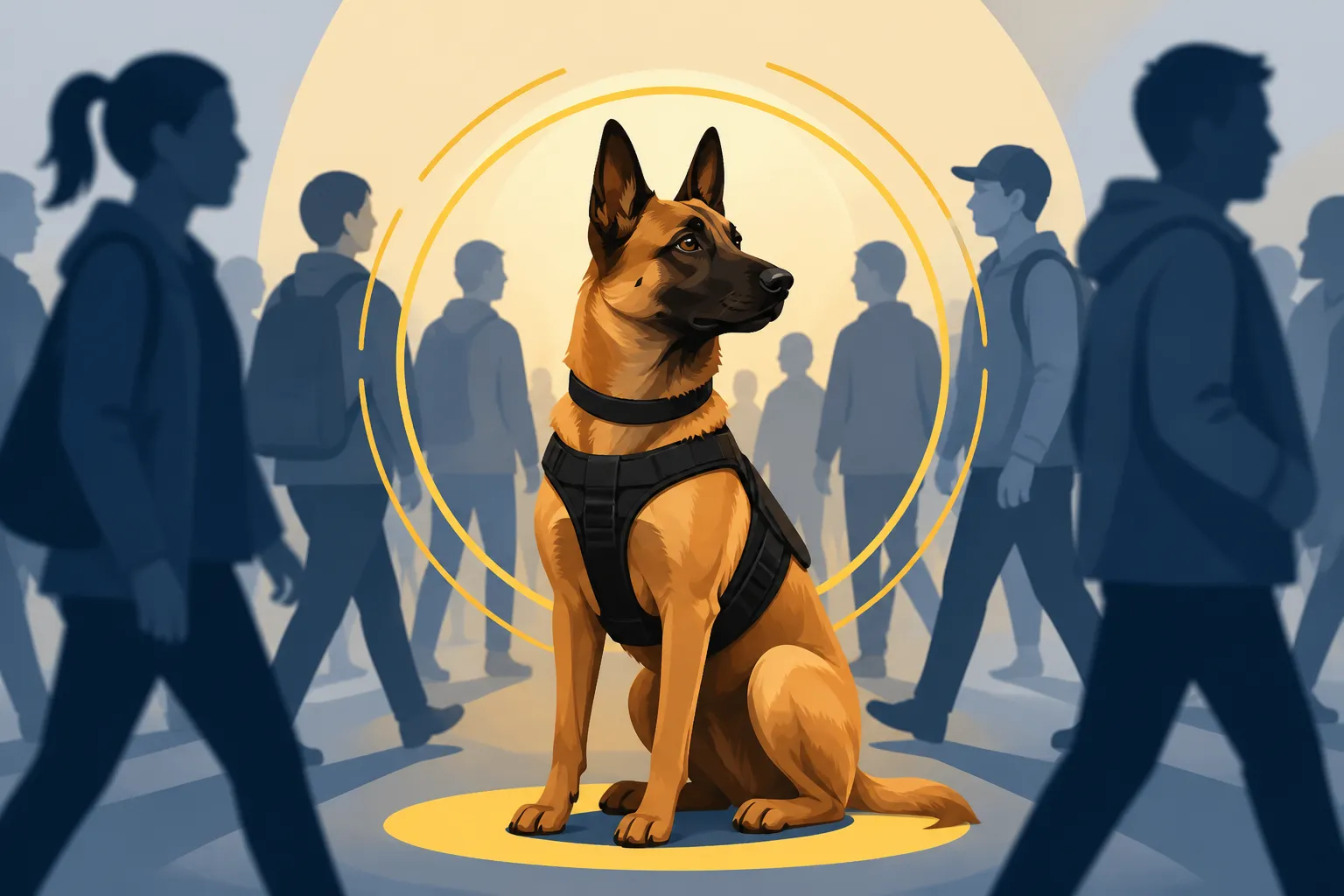
Oh, the sheer chaos of trying to navigate a bustling park, a street fair, or even just a busy Saturday morning at the pet store with a Belgian Malinois on the end of your leash. It feels less like a pleasant outing and more like attempting to pilot a fighter jet through a hailstorm. Their hyper-awareness and intense focus, which make them so incredible in their working roles, can turn everyday crowded environments into a minefield of overstimulation, leading to lunging, barking, or just plain shutting down. This guide is here to help you understand why your Malinois reacts this way and, more importantly, how to systematically build their focus so you can both enjoy being out in the world, even when it's packed with people and distractions.
Understanding the Malinois Mindset in Distracting Environments
Let's be honest, walking a Belgian Malinois in a quiet field is often a dream – they're attentive, responsive, and a joy. But introduce a crowd, and suddenly it feels like you're walking a completely different dog. This isn't just "bad behavior"; it's a profound reaction rooted in their genetics and purpose. Understanding this is the first step toward compassion and effective training.
Why Crowds Are a Challenge for Belgian Malinois
Belgian Malinois are, at their core, working dogs bred for vigilance, drive, and intense focus on a task. They were developed to be alert, to notice every change in their environment, and to react swiftly. When you put such a dog into a crowded human environment – think of a street festival with music, strange smells from food vendors, countless moving legs, sudden noises, and an endless stream of novel faces – their system can go into overdrive. It's not that they're trying to be disobedient; they're trying to process an overwhelming amount of information, often struggling to filter out what's irrelevant to you, their handler.
Their inherent prey drive also plays a significant role. A quick movement from a child, a dropped item, or even a sudden gust of wind rustling a bag can trigger their instinct to observe, chase, or investigate. In a crowd, these triggers are constant and unpredictable, making it nearly impossible for them to relax or shift their attention away from the environment and back to you. This heightened state of alert, while invaluable in a working scenario, is simply too much for a pet Malinois to manage without specific training and careful guidance.
Moreover, many Malinois have a certain environmental sensitivity. They notice everything, and unlike some other breeds that might brush off a loud bang or a strange texture underfoot, a Malinois might log it as a potential concern. In a chaotic public setting, this translates into a dog constantly scanning, tensing, and reacting to stimuli that other dogs might ignore. They're trying to make sense of the world, and a crowd presents a complex puzzle they're not naturally equipped to solve calmly without your consistent direction.
The Difference Between Engagement and Overstimulation
It's crucial for any Malinois owner to be able to distinguish between a dog that is engaged with its environment in a healthy, curious way and one that is teetering on the edge of, or has fully plunged into, overstimulation. A truly engaged Malinois might prick its ears at a sound, take a quick sniff of an interesting scent, or glance at a passerby, but then its focus should easily return to you, especially when cued. Their body language will remain fluid and relaxed, with a soft mouth, a slightly wagging tail, and eyes that move freely.
An overstimulated Malinois, on the other hand, will often exhibit a range of stress signals. This could be anything from a stiff body, tight lips, dilated pupils, excessive panting when not hot, whale eye (showing the whites of their eyes), or a tail tucked low. They might pull relentlessly on the leash, bark incessantly, lunge, spin, or even refuse treats they'd normally devour. Some Malinois might also shut down, becoming unresponsive to commands, trying to hide, or appearing lethargic, which is also a sign of being overwhelmed. Understanding these cues, and knowing your dog's personal thresholds, is paramount to successful training in crowded settings. If you see signs of stress, it's time to create distance or end the session.
Foundational Training: Building Focus Before the Crowds
Before you even think about tackling a busy downtown square, your Malinois needs to have an ironclad foundation of focus and obedience in low-distraction environments. Trying to jump straight into a crowded scenario without this groundwork is like trying to build a skyscraper without laying a proper foundation – it's destined to crumble under pressure.
Mastering Engagement in Low-Distraction Settings
The absolute cornerstone of building focus is teaching your Malinois to choose to engage with you, even when there are other interesting things around. This starts in the quietest possible environment, like your living room or a secluded backyard. Begin with simple "look" or "watch me" commands, rewarding generously with high-value treats or a favorite tug toy the instant their eyes meet yours. Think about what your Malinois truly values – is it a super stinky piece of cheese, a squeaky ball, or a durable retrieve toy you found on Amazon? Whatever it is, use it! Building Engagement With a Belgian Malinois
As they master this in solitude, gradually introduce very minor distractions. Perhaps a family member walks by, or a television is on low in the background. The key is to set them up for success, ensuring the distractions are minimal enough that they can still choose you. Keep sessions short, fun, and always end on a positive note. This isn't just about obedience; it's about building a positive association with focusing on you, making you the most exciting and rewarding thing in their world. A strong, reliable recall is also part of this foundation, as it gives you control even if they do become momentarily distracted. Recalling a Belgian Malinois Off a Moving Target
Crate and Place Work for Mental Calmness
Many Malinois owners overlook the power of crate training and the "place" command in building mental fortitude and an "off switch" – abilities that are indispensable in crowded environments. A crate, when introduced correctly and positively, becomes your dog's safe haven, a quiet den where they can truly relax and decompress. This is invaluable after a stimulating training session or when they just need a break from household activity. Teaching them to settle calmly in their crate, even with some background noise, builds their ability to self-regulate and find peace amidst commotion.
The "place" command takes this concept out of the crate and into various rooms or even outdoors. By teaching your Malinois to go to a designated mat or bed and stay there until released, you are actively teaching impulse control and the ability to be still and calm despite distractions. This command is a superpower in a busy house or when guests are over, and it lays the groundwork for them to eventually hold focus in more challenging public settings. It directly addresses the breed's tendency to be constantly "on," helping them learn to relax and disengage when appropriate. Building a Malinois's Place Command and Building an Off Switch Into a Belgian Malinois are critical to preventing an endlessly frantic dog.
Gradual Exposure and Desensitization Strategies
Once your Malinois is a rockstar at focusing on you in quiet environments and has a solid "place" command, it's time to slowly, very slowly, introduce them to the world's complexities. This isn't about throwing them into the deep end; it's about carefully measured steps that build confidence and generalize their learned behaviors.
Strategic Introduction to Minor Distractions
The path to building focus in a crowd is a marathon, not a sprint. Start by identifying locations with minimal public activity. Think of an empty parking lot near a store, a quiet corner of a large park during off-peak hours, or a residential street with occasional pedestrian traffic. The goal is to find a spot where you can introduce one or two mild distractions at a time, allowing your Malinois to practice focusing on you before they become overwhelmed.
Begin with simple obedience exercises: heel, sit, down, and of course, your "watch me" cue. Reward heavily for any successful focus on you. If your Malinois struggles, you've gone too far too fast. Increase the distance from the distraction or find an even quieter spot. Use a long line in open areas to ensure safety and allow for practicing recall at a distance while maintaining control. These short, successful sessions are far more valuable than one long, frustrating one. Over time, you can gradually increase the intensity of the environment – maybe moving to a park with more people, or sitting further away from a bustling cafe. Remember, the objective is to expose them to distractions without pushing them over their threshold.
Tools and Techniques for Managing High-Stimulus Areas
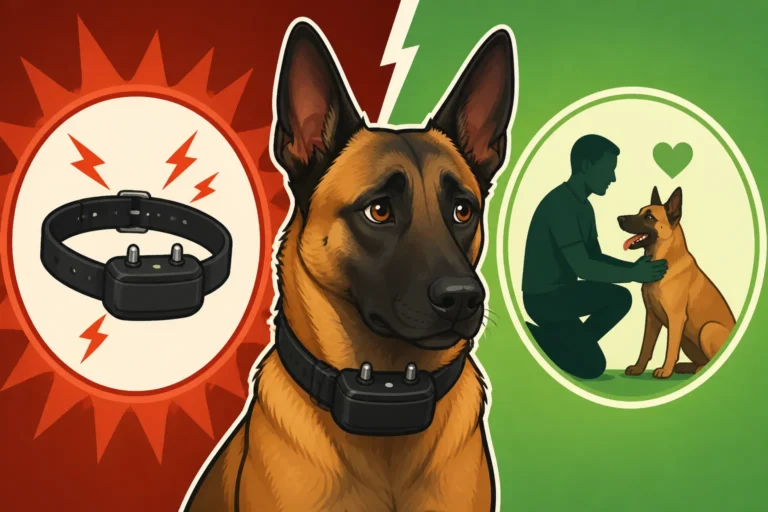
When you venture into busier environments, having the right tools and employing smart handling techniques can make all the difference. A sturdy, reliable leash and a well-fitting collar or harness are non-negotiable. For many Malinois, a flat buckle collar used with a comfortable, secure harness can provide good control without putting undue pressure on their throat, especially if they are prone to pulling. For further guidance on positive training methods and how to choose appropriate gear, resources like BAXTER & Bella offer fantastic online programs and advice that can complement your journey.
Your own demeanor is another powerful tool. If you're tense, anxious, or frustrated, your Malinois will pick up on it immediately and mirror that stress. Strive to be calm, confident, and consistent. Your voice should be even, and your movements deliberate. Use environmental blocking to your advantage; if a particularly busy area is ahead, try to position yourself so your body shields your dog's view somewhat, or find a wall or bench to create a physical barrier. This gives them a visual break and reduces the influx of stimuli.
For some Malinois, especially those with high drive or a history of reactivity, muzzle conditioning can be an incredibly useful management tool. This isn't about expecting bites, but rather about providing a safety net for both your dog and the public, while also giving you, the handler, greater peace of mind in very crowded or unpredictable situations. A well-fitted muzzle allows your dog to pant, drink, and take treats, making it a comfortable experience. Muzzle Conditioning Before a Malinois Ever Needs One is a vital step in responsible ownership, regardless of how stable your dog might seem. And of course, always focus on teaching them to walk politely by your side, even with distractions. Teaching a Malinois to Walk Without Dragging You is foundational.
Advanced Strategies and Troubleshooting
As your Malinois becomes more comfortable and proficient in moderately distracting environments, you can start to incorporate more dynamic training and be better equipped to troubleshoot challenges. This is where you truly start to refine their focus and make it an ingrained habit.
Maintaining Focus with Active Engagement Exercises
To truly solidify focus in busy areas, you need to make you more interesting than the environment. This means actively engaging your Malinois with various exercises and games, not just passively walking. Interweave short bursts of obedience work into your walks: ask for a quick sit-stay while people pass, do a few steps of focused heeling, or practice a down-stay on a bench. Each successful moment of focus, especially when rewarded, reinforces the idea that paying attention to you is highly valuable, no matter what else is happening.
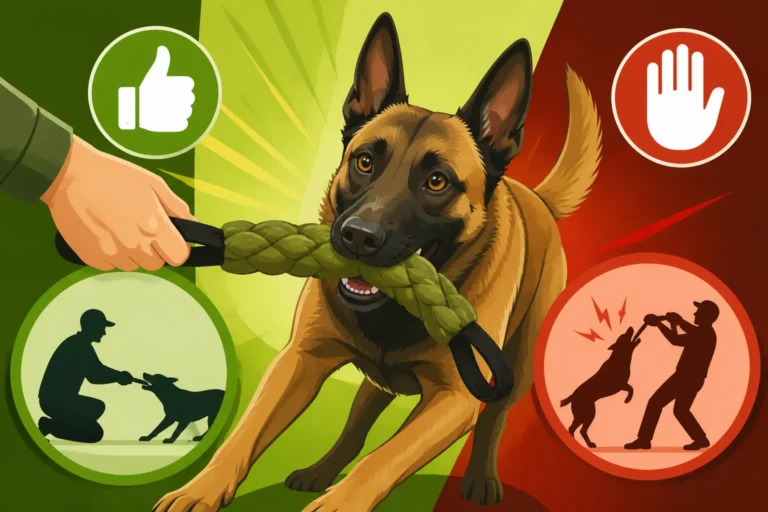
Scent work can be a fantastic way to redirect an overwhelmed or distracted Malinois. Even a simple "find it" game with a few treats scattered near you can pull their nose to the ground and shift their mental energy from hyper-vigilance to problem-solving. It grounds them in the present moment and uses a different part of their brain. Carry a small pouch of high-value treats and be ready to deploy them at any moment. Starting Scent Detection With a Belgian Malinois can be a calm and rewarding activity. Similarly, short, enthusiastic tug sessions can be used as a high-octane reward for good focus, but always ensure you have clear rules for engagement and release to maintain control. Tug Rules for a Belgian Malinois
When to Seek Professional Guidance
There will inevitably be moments when you feel like you've hit a wall, or your Malinois's reactions in crowded environments are escalating beyond your ability to manage. This is not a failure on your part, but rather a sign that it's time to bring in professional expertise. Recognizing when to seek help is a mark of a responsible dog owner. If your Malinois exhibits persistent lunging, snapping, growling, excessive barking, or severe anxiety in public, a qualified professional trainer or certified canine behaviorist is indispensable.
A good professional can assess your dog's individual triggers, body language, and temperament, then help you develop a tailored training plan. They can provide hands-on guidance, teach you advanced handling techniques, and help you identify underlying causes for your dog's behavior that you might be missing. Sometimes, what looks like a training problem might be rooted in anxiety or even a physical discomfort that needs veterinary attention. Don't hesitate to reach out to someone who specializes in working breeds or behavior modification. The investment in professional guidance can dramatically improve your Malinois's quality of life and your own, allowing both of you to navigate the world with greater confidence and peace of mind. What a Behaviorist Charges to Assess a Malinois can often save you much frustration and lead to quicker progress.
It's important to remember that every Malinois is an individual. What works perfectly for one might not be ideal for another. Be patient, be consistent, and always prioritize your dog's comfort and emotional well-being above all else. With dedication and the right approach, building focus in a crowd is an achievable goal, transforming those challenging outings into enjoyable shared experiences.
| Environment Type | Initial Approach Strategy | Key Considerations for Malinois |
|---|---|---|
| Quiet Park (Off-Peak) | Start with short, structured obedience sessions. Focus on "watch me" and engagement games. | Monitor for distant movement (joggers, cyclists). Maintain distance from other dogs. |
| Edge of a Farmer's Market | Observe from a distance. Sit and reward for calm observation. Gradually decrease distance if dog maintains focus. | Be mindful of food smells and sudden noises. Keep sessions very short. |
| Busy Sidewalk (City Street) | Practice loose leash walking and heeling. Use body blocking to create visual breaks. | High foot traffic, sudden sounds, diverse smells. Focus on handler engagement and quick rewards. |
| Outdoor Event (Festival, Fair) | Avoid initially. If attempting, go during low-attendance times (opening, closing). Limit exposure. | Intense sensory overload (music, crowds, food, flashing lights). Use this as a final test, not an early training ground. |
| Pet Store (Leashed) | Go during quiet hours. Focus on quick "in and out" missions. Practice ignoring other dogs/people. | Novel scents, other animals, limited space. High potential for overstimulation. |
| Home (With Guests) | Practice "place" command. Manage introductions carefully. Use gates/crates for decompression. | Can be overwhelming for dogs not used to guests. Reinforce calm behavior in a controlled setting. |
Disclaimer
This article is for general informational purposes only and does not constitute professional advice. Laws, prices and regulations vary by location and change over time. Consult a qualified professional for guidance on your specific situation.