Whether Kennel Stress Ruins a Belgian Malinois
It’s a heartbreaking sight to see a Belgian Malinois, a breed renowned for its boundless energy and sharp mind, trapped in a state of chronic stress due to prolonged or improper kenneling. Many owners, sometimes out of necessity or lack of understanding, find themselves grappling with the profound impact confinement can have on these highly sensitive and intelligent dogs. This guide dives deep into what kennel stress looks like in a Malinois, how it can develop, and most importantly, how we can prevent and mitigate its damaging effects to ensure our incredible companions thrive.
Understanding the Malinois Psyche and Kennel Environment
Let's be real, a Belgian Malinois isn't your average couch potato dog. These dogs were literally bred to work, to think, to move, and to engage with their environment and handler. Shoving that kind of intense drive and intelligence into a small, sterile space for long periods without proper preparation or outlet is, frankly, a recipe for disaster. It’s like trying to keep a Formula 1 race car idling in a garage day in and day out; it might be functional, but it's not fulfilling its purpose and will eventually break down.
The High-Drive Malinois and Confinement
The core of the issue lies in the Malinois's inherent nature. They possess an incredible prey drive, a relentless work ethic, and a deep need for mental and physical stimulation. They are thinkers, problem-solvers, and collaborators. When these fundamental needs are unmet, especially in an environment as restrictive as a kennel, their natural instincts can turn inward or outward in destructive ways. Think about it: a dog that's hardwired to herd, search, and protect suddenly has no outlet. This isn't just boredom; it's a deep psychological frustration that can manifest in various challenging behaviors. The Two Hours and a Job a Belgian Malinois Demands Daily isn't just a suggestion; it's a critical component of their well-being.
Confinement itself isn't inherently bad if used appropriately as a management or training tool. Crates can be a secure den, a safe space, and an aid for house training. The problem arises when the kennel becomes a dumping ground for an owner's lack of time or understanding, leaving the Malinois to languish. For a breed that thrives on interaction and purpose, isolation within a kennel can be profoundly detrimental, leading to a breakdown in their typically robust mental fortitude.
Common Signs of Stress in a Kenneled Malinois
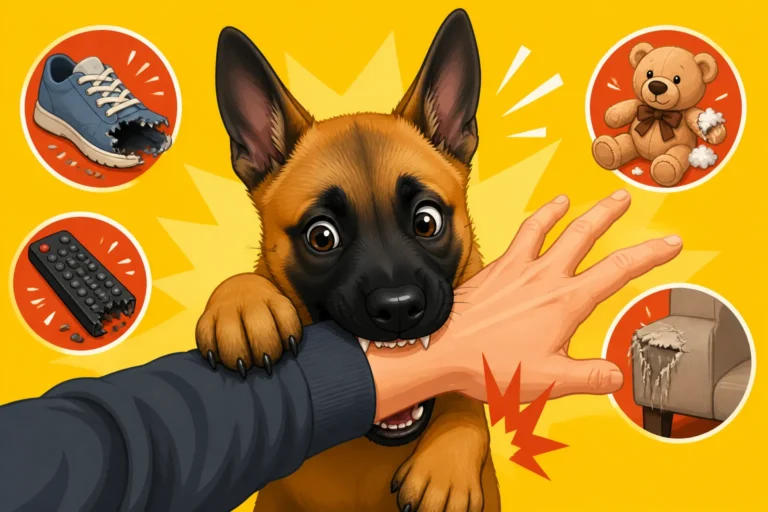
Spotting stress in a Malinois might not always look like overt aggression. Often, it's a slow burn, manifesting in subtle cues that escalate over time. Early signs can include excessive drooling, panting even when not hot, pacing, or frantic attempts to escape the kennel, often accompanied by digging or chewing at the bars. You might notice your dog developing obsessive behaviors like tail chasing, licking paws excessively, or repetitive barking or whining that doesn't subside.
As stress intensifies, you could see changes in appetite, refusal to eat in the kennel, or even gastrointestinal upset like diarrhea. Diarrhea in a Stressed Belgian Malinois is a common symptom. More concerning behaviors include self-mutilation, such as chewing on their own body, or developing extreme reactivity once they are finally out of the kennel, lunging at every stimulus. A Malinois under severe kennel stress might also exhibit classic signs of learned helplessness, becoming withdrawn, dull-eyed, and unresponsive, almost as if their spirit has been broken. It’s vital to recognize these signs early, as they are not just "bad behaviors" but clear indicators of a dog in distress.
Factors Influencing Kennel Stress and Its Impact
The degree to which a kennel environment "ruins" a Malinois isn't uniform; it depends heavily on a confluence of factors, including the dog's individual temperament, its early life experiences, and, critically, how the kennel is managed. It's not just the box itself, but everything that surrounds its use.
Duration and Consistency of Confinement
One of the most significant factors is simply how long and how often a Malinois is confined. A few hours a day, broken up with intense work and interaction, is vastly different from 8-10 hours every weekday, plus nights, with minimal meaningful engagement. A young Malinois puppy, particularly, needs frequent potty breaks and stimulation, and forcing them to hold it too long can create both physical and behavioral issues. Crate Work With a Malinois Puppy That Screams often highlights the immediate distress, but the cumulative effect of long, lonely hours is far more insidious.
Inconsistency can also be a problem. If the dog is sometimes crated for short periods and other times for extended durations without predictability, it can increase anxiety. Malinois thrive on routine and knowing what to expect. A dog that never knows when it will be let out or when it will next get a job to do will experience heightened anticipatory stress. This prolonged, low-level anxiety can wear down even the most resilient Malinois over time, impacting their ability to settle and relax even when not confined.
Environmental Enrichment and Stimulation
A barren kennel with nothing to do is a sensory deprivation tank for a Malinois. These dogs need mental challenges. Think about interactive toys, puzzle feeders, or long-lasting chews. Brands like Kong and other durable chew manufacturers available on Amazon offer a range of products that can provide mental engagement. Simply tossing in a regular toy that's destroyed in minutes does little to alleviate sustained boredom.
Beyond toys, the environment outside the kennel also matters immensely. Is the Malinois getting sufficient mental and physical exercise before and after confinement? Are they performing detection work, protection work, or advanced obedience that truly engages their brains? The Mental Work That Finally Tires a Malinois Out is just as important, if not more so, than physical exertion. Without adequate enrichment, the kennel quickly becomes a symbol of deprivation, fostering frustration and potentially leading to destructive behaviors like excessive barking, chewing, or even self-harm when eventually released.
The Role of Early Socialization and Training
A well-socialized and properly trained Malinois is better equipped to handle novel situations, including temporary confinement. If a Malinois puppy is introduced to the kennel in a positive way, gradually, with high-value rewards, and experiences it as a safe, comfortable den, they are far less likely to develop negative associations. Crate Work With a Malinois Puppy That Screams can often be avoided with careful, positive conditioning from day one.
Conversely, a Malinois that lacks proper socialization, exposure to different environments, and foundational obedience training will find confinement far more stressful. If they haven't learned to cope with boredom, frustration, or being left alone in other contexts, the kennel will magnify these deficiencies. A dog that is constantly over-aroused or undersocialized may struggle disproportionately with the isolation and lack of control that kenneling implies, making it more prone to developing behavioral issues. Platforms like BAXTER & Bella offer online resources for puppy training and socialization that can help build a strong foundation, making future management tools like kennels less stressful.
Here’s a look at how different levels of kennel management can impact a Malinois:
| Factor | Low Stress Kenneling | Moderate Stress Kenneling | High Stress Kenneling |
|---|---|---|---|
| Duration | Short, predictable intervals (1-4 hours) | Moderate, semi-predictable intervals (4-6 hours) | Long, unpredictable intervals (8+ hours daily) |
| Enrichment | Interactive toys, puzzle feeders, chews, comfort items | Some chews, occasional puzzle toys | Barren, no toys or stimulation |
| Pre/Post Activity | High-quality physical & mental work, consistent routine | Moderate exercise, some training, inconsistent routine | Little to no structured exercise or mental engagement |
| Emotional Impact | Safe den, rest, predictability, contentment | Mild frustration, boredom, occasional anxiety | Chronic anxiety, frantic attempts to escape, withdrawal |
| Potential Behaviors | Calm settling, quiet rest | Whining, pacing, some destructive chewing on kennel | Excessive barking, self-mutilation, aggression/fear |
Strategies to Mitigate Kennel Stress and Promote Well-being
Preventing kennel stress isn't about avoiding kennels altogether, but about using them intelligently and empathetically. For a Belgian Malinois, management is key, and that often means a multi-faceted approach to their daily lives and their relationship with the kennel.
Structured Routine and Predictability
Malinois thrive on routine. They are creatures of habit, and knowing what to expect can significantly reduce anxiety. Establish a consistent schedule for feeding, exercise, training, and kennel time. If your Malinois knows that after a demanding session of Tracking Training Involves for a Belgian Malinois, they get a high-value chew in their crate for a set period, they are far more likely to settle. This predictability builds trust and reduces the guesswork that can cause stress.
When you bring your Malinois home, especially a puppy, gradually increase crate time. Never just shut them in and leave them for hours. Start with minutes, then short periods, always associating the crate with positive things like special treats or meals. Make sure their kennel is a comfortable, inviting space, not a punishment zone. Provide comfortable bedding (though be mindful of chewers!), fresh water access if appropriate, and maintain a quiet, calm area for their confinement. Consistency in daily structure helps them understand their role and expectations, both inside and outside the kennel.
Enrichment Activities and Mental Engagement
This cannot be stressed enough: a tired Malinois is a good Malinois, and mental work is just as, if not more, tiring than physical work. Before kenneling, ensure your dog has had ample physical exercise appropriate for their age and condition, like a long run, a challenging bike ride where they run beside you, or a vigorous game of fetch. More importantly, engage their minds. This could be obedience drills, scent work, or a focused training session on Building Focus on a Belgian Malinois in a Crowd.
Inside the kennel, provide engaging toys that last. This isn't just a simple rubber toy; think about things that require effort. Fill a Kong with frozen peanut butter or plain yogurt, or invest in puzzle feeders. Many durable chew toys can be found on Amazon that are designed to stand up to a Malinois's powerful jaws and intelligent mind. These tools can transform kennel time from a period of frustrating boredom into a rewarding mental challenge, helping to build a positive association with their space.
Professional Guidance and Behavioral Modification
If you're already seeing signs of significant kennel stress, don't try to go it alone. This is where professional help becomes invaluable. A certified professional dog trainer or a veterinary behaviorist can help you assess the root cause of the stress and develop a tailored behavioral modification plan. They can guide you through desensitization and counter-conditioning protocols to help your Malinois build a more positive association with their kennel.
For severe cases, a veterinary behaviorist might even suggest medication to help manage anxiety while behavioral interventions are put in place. It's not a magic bullet, but it can lower the dog's overall stress threshold enough for them to be receptive to training. Remember, a Malinois’s drive and intelligence mean they often benefit immensely from nuanced training methods, and a professional can help you navigate these complexities. Sometimes, a board and train program might be considered, but ensure it's reputable and understands the unique needs of a Malinois, focusing on positive reinforcement and structured work rather than just prolonged kenneling. Whether a Board and Train Ruins a Belgian Malinois is a valid concern, so choose wisely.
Long-Term Effects and Recovery from Prolonged Kennel Stress
The impact of prolonged kennel stress can indeed be far-reaching, potentially "ruining" certain aspects of a Malinois's behavior and personality. However, it's also important to remember that these dogs are incredibly resilient, and with dedicated effort, significant recovery and improvement are often possible.
Potential Behavioral Fallout
A Malinois that has endured chronic kennel stress can develop a range of challenging behaviors that extend far beyond the kennel itself. You might see heightened reactivity or aggression towards other dogs or people, as their threshold for stress has been lowered. They may become resource guarders, fiercely protecting their food, toys, or even their space, stemming from a deep-seated fear of deprivation. Potty training might regress, leading to accidents even in otherwise house-trained dogs.
Obsessive-compulsive behaviors like incessant spinning, flank sucking, or excessive licking can become ingrained habits that are difficult to break. Some Malinois might develop "kennel craziness," where they become extremely vocal and agitated whenever approached while confined, creating a dangerous cycle where approaching the kennel triggers a frantic outburst. These behaviors aren't just annoying; they signify a deeply troubled dog whose mental well-being has been severely compromised. A Malinois That Screams Rather Than Settles can be a manifestation of this.
Rehabilitation and Rebuilding Trust
The good news is that a Malinois, with its incredible drive and desire to work with its handler, can often be rehabilitated. It takes immense patience, consistency, and a deep understanding of their needs. The first step is often to drastically reduce or eliminate stressful kennel time, replacing it with a carefully managed environment and a rich schedule of activity. This means a serious commitment to providing sufficient physical exercise, rigorous mental stimulation, and consistent, fair training.
Rebuilding trust involves gentle, positive reinforcement methods, focusing on rewarding calm behavior and building confidence. For instance, instead of forcing them into a kennel, start practicing short "place" commands in a dog bed outside the kennel, rewarding heavily for duration and calm. Slowly reintroduce positive associations with the kennel, such as feeding meals inside with the door open, eventually progressing to very short, rewarded periods of confinement. It's about showing them that the world, and specifically their crate, can be a safe and predictable place once more. For a rescue Malinois that has experienced such stress, Rehabilitating a Belgian Malinois That Was Kenneled is a journey, not a quick fix, but one that can yield incredibly rewarding results, revealing the intelligent, loyal companion beneath the layers of stress.
Disclaimer
This article is for general informational purposes only and does not constitute professional advice. Laws, prices and regulations vary by location and change over time. Consult a qualified professional for guidance on your specific situation.