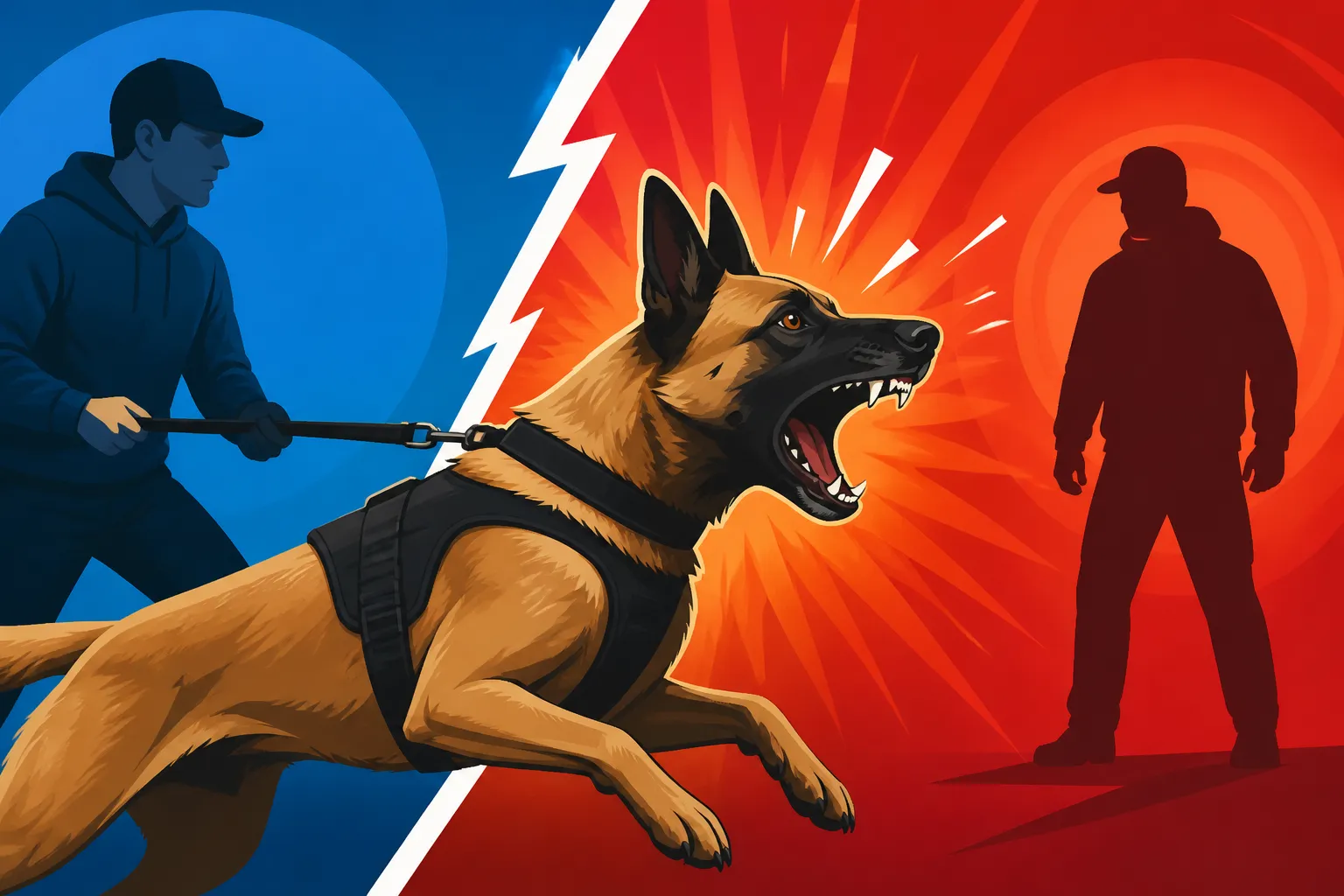
Spotting the Moment a Malinois Goes Over Threshold
It's incredibly frustrating, and honestly, a little scary, when your high-drive Belgian Malinois suddenly switches from focused partner to a wild, thrashing, barking mess. One moment they're fine, the next they've completely lost their marbles over a squirrel, another dog, or a distant sound. This guide is here to help you understand the subtle cues your Malinois is giving you before they blow past their limit, offering real, actionable ways to intervene and prevent those overwhelming "over threshold" moments.
Understanding "Over Threshold" in the Belgian Malinois Context
For any dog owner, understanding when your dog is "over threshold" is crucial, but for Belgian Malinois owners, it's an absolute game-changer. These incredible dogs operate at such a high level of intensity, drive, and sensitivity that their threshold for stress or over-arousal can be surprisingly low or quickly reached compared to other breeds. It's not about them being "bad" dogs; it's about their inherent wiring and how they process the world around them.
Why Malinois Have a Unique Threshold Challenge
Belgian Malinois are bred for demanding jobs – protection, detection, herding, and high-level sport. This means they possess an exceptional prey drive, an intense focus, lightning-fast reflexes, and an incredible capacity for work. While these traits make them phenomenal partners in the right hands, they also contribute to their unique threshold challenges. Their nervous systems are often highly reactive; they notice everything, and they react to everything with a level of enthusiasm or intensity that can quickly become overwhelming for both dog and handler. The world is a very exciting, stimulating, and sometimes confusing place for a Malinois who isn't being given adequate outlets for their natural drives or the proper guidance to navigate it calmly.
Many owners find themselves constantly battling a dog that never seems to have an "off switch." This isn't just an anecdotal observation; it's a genuine characteristic of the breed. They can go from zero to sixty in a heartbeat, and once they're "on," it can be incredibly difficult to bring them back down. Factors like genetics, insufficient physical and mental exercise (beyond just walks, your Malinois needs a job like those discussed in Two Hours and a Job a Belgian Malinois Demands Daily or The Mental Work That Finally Tires a Malinois Out), lack of clear structure, or exposure to too many overwhelming stimuli can all contribute to a Malinois having a very low or easily breached threshold. When they hit that point, their thinking brain takes a backseat to instinct, and all that amazing drive turns into frantic, unproductive energy.
The Impact of an Over-Threshold Malinois
When a Malinois goes over threshold, it's not just an inconvenience; it can be detrimental to their learning, their well-being, and your relationship. From the dog's perspective, being over threshold is a deeply stressful experience. Their body is flooded with cortisol and adrenaline, making it impossible for them to learn, listen, or even process simple commands. They are essentially in a survival state, whether that's fight, flight, or freeze. Repeatedly allowing your Malinois to go over threshold can lead to chronic stress, anxiety, and even physical health issues over time. It can also hardwire those reactive behaviors, making them more difficult to manage in the future.
For the owner, dealing with an over-threshold Malinois can be exhausting, embarrassing, and frankly, dangerous. A lunging, barking, screaming Malinois can be mistaken for aggression, leading to public fear or even legal repercussions. It damages your confidence as a handler and can erode the bond you share with your dog, turning daily walks or outings into dreaded events. Furthermore, it prevents your dog from being a truly balanced and happy companion, as they're constantly teetering on the edge of emotional meltdown. Understanding how to avoid this state is paramount for both your peace of mind and your Malinois's overall quality of life.
Reading the Early Warning Signs: The Subtleties Before the Storm
The key to managing a Malinois's threshold is to catch them before they cross it. This means becoming an expert in your dog's subtle body language and behavioral cues. Malinois, like all dogs, communicate constantly, and often, the biggest outbursts are preceded by a cascade of smaller, less obvious signals that we might miss if we're not paying close attention. Learning to read these signals is like having a superpower—it gives you the chance to intervene calmly and effectively.
Body Language Cues: What Your Malinois is Really Saying
Think of these as your Malinois's quiet whispers before they start shouting. These cues often indicate rising stress, anxiety, or over-arousal.
- Stiffening or Freezing: Your dog's body language might become rigid, their tail might stop wagging or hold very stiffly, either high or low. They might suddenly halt and fixate on something, refusing to move. This is often a precursor to a strong reaction, indicating intense focus or apprehension.
- Lip Licking and Yawning (Out of Context): If your Malinois is repeatedly licking their lips when no food is present, or yawning when they haven't just woken up or are tired, these are classic signs of stress and an attempt to self-soothe.
- Whale Eye: This is when you can see the whites of your dog's eyes, usually on the inner or outer corners, because they are turning their head but keeping their eyes fixed on something. It signals unease or a desire to keep a wary watch.
- Tense Mouth and Furrowed Brow: A tightly closed mouth, sometimes with lips pulled back, or a brow that looks worried or intensely focused, indicates tension. Their ears might be pulled back or swiveling rapidly, hyper-alert.
- Displacement Behaviors: These are behaviors that seem out of place for the situation, like sudden excessive sniffing the ground, scratching vigorously when not itchy, or sudden frantic grooming. Your Malinois is trying to cope with an internal conflict or stress by redirecting their energy.
- Piloerection: The hair on your dog's back (hackles) standing up is a clear sign of arousal, which can be fear, excitement, or aggression. It's an involuntary response, like goosebumps, and signifies a heightened emotional state.
Imagine you're on a walk, and your Malinois suddenly stiffens, turning their head slightly away but keeping their eyes glued on a distant dog, all while subtly lip-licking. This isn't just "interest"; this is a red-flag combination telling you they're teetering on the edge. You have precious seconds to create distance or redirect before they might escalate to barking and lunging, a common issue for A Belgian Malinois That Reacts to Other Dogs.
Vocalizations and Energy Shifts: More Than Just a Bark
Beyond body language, listen to what your Malinois is saying with their voice and observe shifts in their overall energy.
- Changes in Bark Tone/Frequency: A low, guttural growl, or a sudden burst of high-pitched, frantic barking, are much different from an excited "play bark." Pay attention to the quality of the bark. Is it sharp and insistent, or more of a warning? A string of insistent barks without a break indicates sustained arousal.
- Whining: Excessive, repetitive whining that isn't for attention or a potty break often signals anxiety, frustration, or a desperate attempt to communicate discomfort or desire for something they can't have.
- Sudden Frantic Pacing or Hypervigilance: A shift from calm walking to agitated pacing, sniffing wildly, or constantly scanning the environment with intense focus, indicates that their internal arousal is increasing rapidly. They can't settle, and they're looking for an outlet for that energy.
- Sudden Stillness: Sometimes, an over-aroused Malinois will suddenly become completely still, a stark contrast to their usual bustling energy. This "freeze" is often a prelude to a reactive outburst, as they gather themselves before responding to a perceived threat or overwhelming stimulus. This is different from the calm "place" command state you might be working on with Building a Malinois's Place Command.
By understanding these subtle signals, you can step in early. This might mean simply turning around and walking away from a trigger, creating more distance, or engaging your Malinois in a calming activity before they feel the need to escalate.
| Body Language Cue | Interpretation (Rising Stress/Arousal) | Action to Consider |
|---|---|---|
| Stiffening/Freezing | Intense focus, apprehension, preparing for reaction | Create distance, break focus, interrupt before escalation |
| Lip Licking/Yawning | Self-soothing, mild stress, internal conflict | Observe, reduce pressure, assess environment |
| Whale Eye | Unease, wary watch, feeling threatened or uncertain | Increase distance, reassure, change direction |
| Tense Mouth/Furrowed Brow | Tension, worry, intense concentration, potential discomfort | Address source of tension, offer a known calm cue |
| Displacement Behaviors | Coping mechanism for stress (e.g., sudden sniffing, scratching) | Redirect, remove from situation, engage with easy task |
| Piloerection | Involuntary arousal (fear, excitement, anger) | Assess context, give space, manage trigger |
| Rapid Sniffing | Seeking information, anxiety, attempting to de-stress | Allow for appropriate sniffing, but monitor for escalation |
| Rapid Panting (no heat) | Stress, anxiety, over-exertion (even if not physical) | Find cooler, calmer spot, offer water, take a break |
The Escalation Ladder: When Early Warnings Are Missed
When those subtle cues are missed or ignored, a Malinois will inevitably climb the escalation ladder. This isn't a willful act of disobedience; it's a breakdown in their ability to cope, driven by instinct and an overwhelmed nervous system. Understanding this progression helps us appreciate the urgency of early intervention and the challenges of bringing a dog back down once they've reached the top.
From Agitation to Reactivity: The Point of No Return
Once a Malinois moves beyond the subtle signs, they enter a phase where their actions become more overt and often harder to control. They're no longer simply feeling stressed; they're showing it in a much more pronounced way.
- Barking and Lunging: This is perhaps the most obvious sign that a Malinois is well past their comfortable threshold. They might pull with incredible force on the leash, often in a fit of barking, growling, and snapping towards a trigger (another dog, a person, a moving object). This isn't usually an attempt to make contact, but rather a desperate plea for the trigger to go away, born out of fear, frustration, or over-excitement. For a breed that excels at pulling you around as explored in A Belgian Malinois That Pulls Toward Every Distraction, this can become extremely challenging.
- Snapping or Air Bites: In extreme cases, or if cornered, an over-threshold Malinois might snap or air bite. This is a clear warning shot, indicating they feel profoundly threatened or overwhelmed and are attempting to create space or deter the stimulus. This is a serious sign that their emotional cup has overflowed.
- Frantic Spinning or Zoomies: While zoomies can be a sign of happy exuberance, when they occur in a high-stress environment or immediately after an agitating event, they can signify an inability to cope and a desperate attempt to release pent-up nervous energy. The dog isn't "playing"; they're trying to discharge extreme arousal.
- Inability to Focus or Take Cues: At this stage, your Malinois will likely be completely deaf to your voice. Their attention is entirely consumed by the trigger or their internal state. Commands they know perfectly well, like "sit" or "stay," will be ignored, not because they're being stubborn, but because their cognitive function has been overridden by their emotional response. Attempting to apply heavy corrections at this point, as discussed in Whether Corrections Work on a High Drive Malinois, can often backfire, making the dog more stressed or shutting them down completely.
It’s crucial to recognize that at this stage, your Malinois isn't choosing to be reactive. They are reacting instinctually because their stress bucket is full, and they don't have the coping mechanisms to deal with the situation. Their high drive, which usually makes them so trainable, can make these reactive moments incredibly powerful and difficult to interrupt.
The "Fight or Flight" Response and Its Aftermath
Once a Malinois has truly gone over threshold into full-blown reactivity, they are deep in their "fight or flight" response. This is a physiological state where their sympathetic nervous system is fully engaged.
- Adrenaline Dump: Their body is flooded with adrenaline and cortisol. Their heart rate, respiration, and blood pressure all increase. Their senses become hyper-tuned to threats, and their pain threshold might even increase. This is why a Malinois in full drive might seem impervious to physical discomfort or even minor injuries.
- Limited Cognitive Function: As mentioned, their thinking brain is offline. They are operating on primal instinct. Learning is impossible. This is why trying to train or punish a dog in this state is not only ineffective but can be damaging to your relationship and their future behavior.
- Prolonged Recovery: The effects of an adrenaline dump are not fleeting. It can take a considerable amount of time for the stress hormones to clear from a dog's system—sometimes hours or even days. This means that even after the immediate reactive event is over, your Malinois might remain on edge, more easily triggered, and generally more sensitive for a significant period. Repeated exposure to over-threshold experiences can lead to chronic stress and a perpetually lower threshold, making it harder to manage them in the long run.
Recognizing the full impact of an over-threshold event underscores the importance of preventing them in the first place. Every time your Malinois "loses it," it sets back your training and contributes to a dog who is less resilient and harder to handle.
Proactive Management and De-escalation Techniques
The good news is that with understanding, consistency, and the right approach, you can significantly help your Malinois manage their thresholds and lead a calmer, more balanced life. It's about proactive management and teaching them better coping skills, rather than constantly reacting to their outbursts.
Prevention is Key: Managing the Environment
The best way to deal with an over-threshold Malinois is to prevent them from getting there in the first place. This requires careful observation and strategic planning.
- Avoidance and Distance Management: Initially, the simplest strategy is to avoid known triggers or maintain enough distance that your Malinois notices them but doesn't react. This might mean crossing the street when you see another dog, choosing quieter walking routes, or avoiding dog parks altogether. It's not about sheltering your dog forever, but about giving them space to learn and build confidence without being constantly overwhelmed.
- Controlled Exposure: Once your Malinois is comfortable at a distance, you can gradually, slowly, and systematically decrease that distance, always staying under their threshold. This is often called "desensitization and counter-conditioning." The goal is to change their emotional response to the trigger from negative (fear, frustration) to neutral or positive.
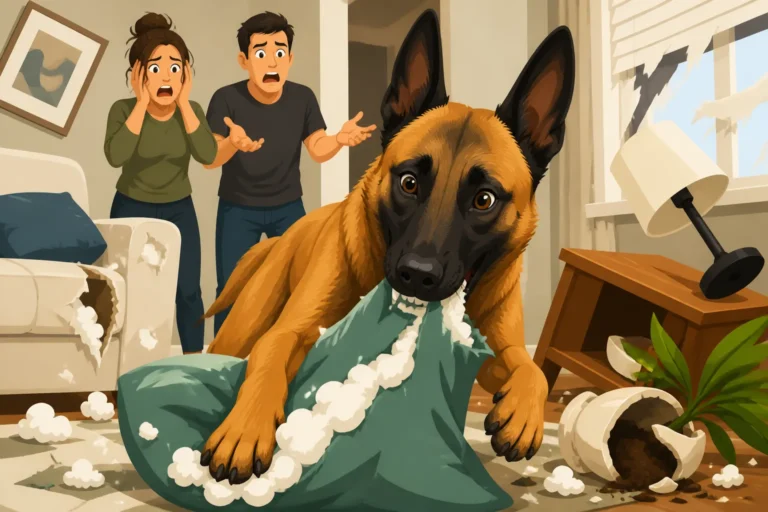
- Appropriate Exercise and Enrichment: A physically and mentally under-stimulated Malinois is a ticking time bomb. Remember, a walk around the block does not cut it for this breed. They need intense physical exercise combined with demanding mental work. This could be structured training sessions, scent work, obedience practice, or sport work. An unemployed Malinois, as explored in What Happens to an Unemployed Belgian Malinois, often creates their own "jobs," which are usually destructive or problematic. Ensure they are getting ample opportunities to burn off that drive constructively.
- Structured Downtime: Just as crucial as work is teaching your Malinois how to relax. Many Malinois struggle with an "off switch." Incorporate clear times for rest and relaxation into their daily routine. This means calm crate time, working on a "place" command, or providing appropriate chew toys that encourage settling. Building an Off Switch Into a Belgian Malinois is a critical skill for their overall well-being.
Building an "Off Switch" and Self-Regulation
Teaching your Malinois to settle and self-regulate is perhaps one of the most invaluable skills you can impart.
- Place Command Training: A solid "place" command is a lifesaver. It teaches your dog to go to a designated spot (a mat, a bed) and stay there until released, regardless of distractions. This gives them a clear boundary and an expectation of calm. You can start simply with a mat in a quiet room and gradually introduce minor distractions. As mentioned in Building a Malinois's Place Command, consistency is key.
- Crate Training: A well-executed crate training program provides a safe, quiet den where your Malinois can decompress and relax without external stimuli. It's not punishment; it's their personal sanctuary. This is especially helpful after high-intensity training sessions or when guests are over.
- Relaxation Protocols: There are specific training protocols designed to teach dogs to relax in various situations. These often involve rewarding calm behavior heavily and progressively increasing distractions while maintaining a relaxed state. Think of it as actively teaching your dog how to be calm, rather than just expecting it.
- Chew Therapy: Providing appropriate, durable chew items can be incredibly therapeutic for a high-drive dog. Chewing is a natural stress reliever and can help your Malinois unwind and settle. Look for sturdy chew toys on platforms like Amazon that can withstand a Malinois's powerful jaws.
Intervention Strategies: When You See the Signs
Even with the best prevention, there will be times when you spot those early warning signs. This is your cue to intervene calmly and decisively.
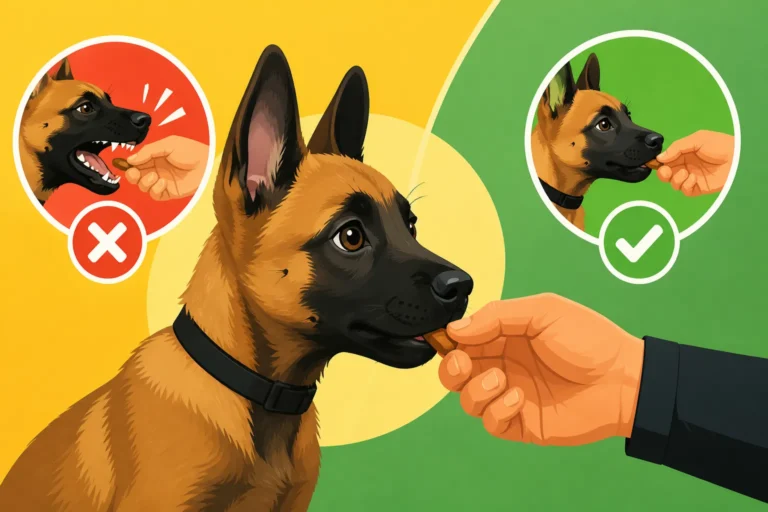
- Redirection and Engagement: Before your Malinois goes over threshold, try to redirect their attention to you with a highly valued reward (a special treat, a favorite tug toy). Engage them in a known obedience exercise they can succeed at. The goal is to change their focus from the trigger to you and a positive interaction.
- Increase Distance: The simplest and often most effective intervention is to create more distance from the trigger. Turn around, duck behind a car, or find a visual barrier. Give your dog space to breathe and come back down.
- Use Your Tools Effectively: If your Malinois is on a leash, a properly fitted and used training collar (like a prong collar or a head halter) can help you communicate and guide them away from a trigger with minimal force. However, it's critical that these tools are used as communication devices, not for punishment, especially not when the dog is already over threshold. Whether an E-Collar Damages a Soft Malinois discusses the nuances of using such tools; it's always recommended to learn proper technique from a certified professional.
- Handler Calmness: Your emotional state directly influences your dog's. If you become stressed or anxious, your Malinois will pick up on it and likely escalate. Practice staying calm, breathing deeply, and speaking in a low, even tone. Be your dog's anchor in a chaotic world.
Professional Guidance: Knowing When to Call for Help
Sometimes, despite your best efforts, you might feel overwhelmed, or your Malinois's reactivity might be too severe to handle on your own. This is not a failure; it's a sign that you need specialized support, and it's perfectly okay to seek it.
- Certified Professional Dog Trainers (CPDT-KA) or Certified Dog Behavior Consultants (CDBC): These professionals have the knowledge and experience to assess your Malinois's specific triggers, behavior patterns, and underlying motivations. They can help you develop a tailored training plan using positive reinforcement and science-based methods. They can also guide you through safe and effective desensitization and counter-conditioning protocols.
- Veterinary Behaviorists (DACVB): For more severe cases of reactivity, anxiety, or aggression, a veterinary behaviorist might be necessary. These are veterinarians with specialized training in animal behavior who can consider both behavioral and medical factors. They can prescribe medication if appropriate, alongside behavior modification, to help your Malinois cope.
There are also excellent online resources, such as BAXTER & Bella, which offer structured programs and support for new puppy owners and those looking to build strong foundational behaviors. While not a substitute for in-person professional help for severe issues, these can provide valuable knowledge and community. Never hesitate to reach out. Investing in professional help is an investment in your Malinois's happiness and your shared future. Muzzle Conditioning Before a Malinois Ever Needs One is also a crucial step for any dog with reactivity concerns, ensuring safety for all.
Disclaimer
This article is for general informational purposes only and does not constitute professional advice. Laws, prices and regulations vary by location and change over time. Consult a qualified professional for guidance on your specific situation.