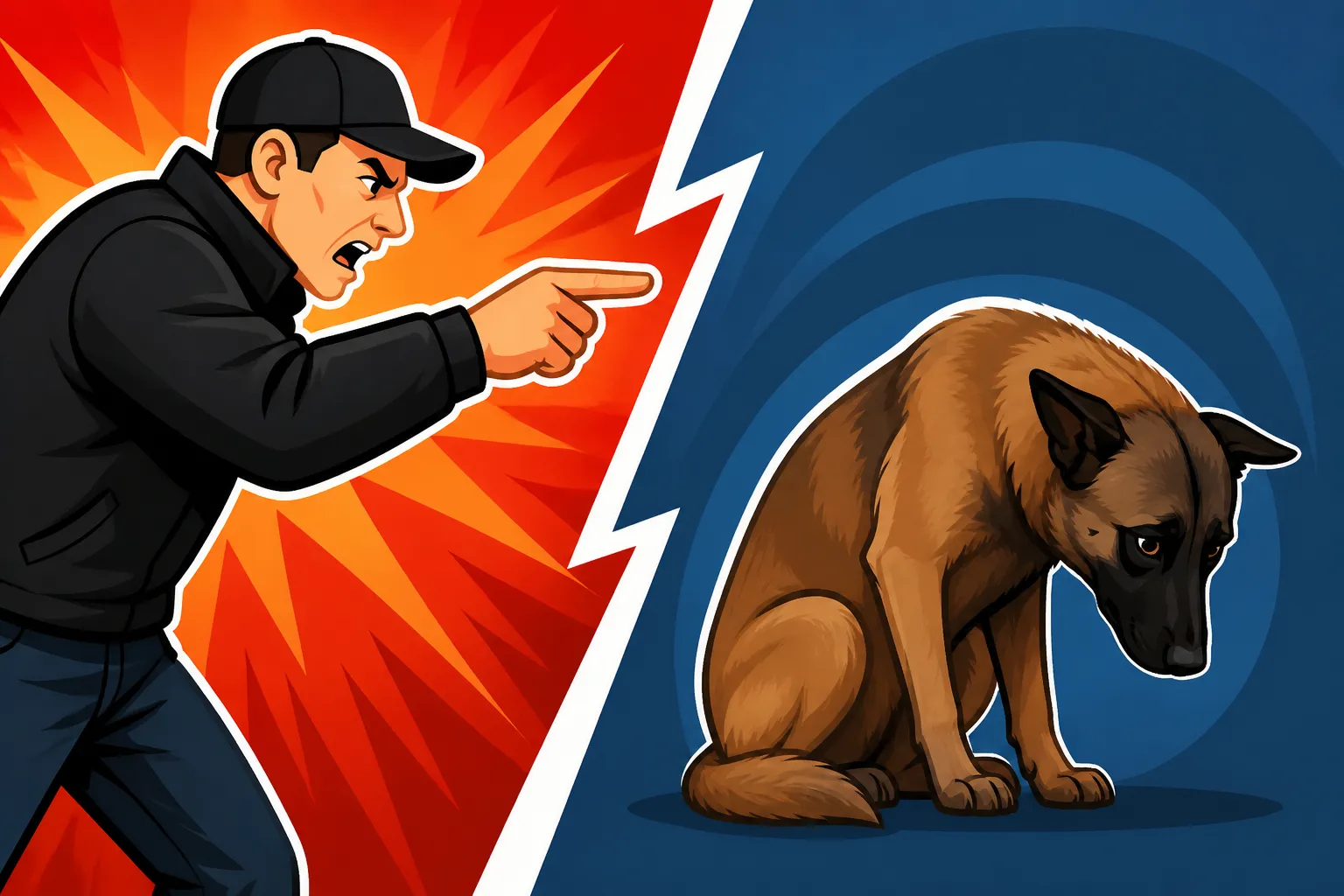
A Belgian Malinois That Shuts Down Under Correction
It’s a heartbreaking sight for any dedicated owner: your normally vibrant, intensely driven Belgian Malinois, the dog renowned for its boundless energy and unbreakable focus, suddenly shrinks into itself, avoids eye contact, or even freezes entirely when faced with a correction. This "shutdown" isn't defiance; it's often a sign of overwhelming stress and a profound disconnect in communication. This guide is here to help you understand why your Malinois might be reacting this way, how to identify the subtle signs of shutdown, and, most importantly, how to adjust your training approach to rebuild trust, confidence, and that eager willingness to work together without crushing their spirit.
Understanding the "Shutdown" Behavior in a Malinois
Belgian Malinois are incredibly intelligent and sensitive dogs, despite their tough exterior and high drive. They live to work alongside their handler, and when that bond feels threatened or their understanding of what's expected breaks down, they can react in ways that seem counterintuitive to their breed reputation. A shutdown isn't laziness; it's a coping mechanism when they feel cornered, confused, or excessively pressured. It's their way of saying, "I don't understand, and I'm scared to try."
This behavior is particularly jarring in a Malinois because we expect them to push through challenges, to have an unyielding drive. When they don't, it’s a clear signal that something in our approach is fundamentally out of sync with their needs. It's easy to misinterpret this as stubbornness or outright refusal, leading to even more frustration for both dog and handler. But a Malinois that shuts down is a dog in distress, not a dog trying to be difficult. They are often highly attuned to their handler's emotions and body language, which can make them even more susceptible to feeling the weight of perceived disappointment or anger.
Identifying the Signs of a Malinois Shutting Down
Recognizing the signs of shutdown is crucial because early intervention can prevent the behavior from becoming deeply ingrained. It’s not always dramatic; sometimes, it’s a subtle shift that you might miss if you're not looking closely. These are the quiet cries for help from a dog that usually shouts its enthusiasm.
A Malinois who is shutting down might display a range of subtle to overt behaviors. Initially, you might notice a sudden drop in their usual exuberance. Their tail, typically held high or wagging with intensity, might drop low or even tuck between their legs. Their body language might become stiff, or conversely, overly compliant in a way that feels unnatural – they're not engaging, they're just trying to disappear. They might stop offering behaviors, even ones they know well, looking away from you or avoiding eye contact entirely. Sometimes, they might even freeze in place, refusing to move forward or backward, or try to escape the training situation by pulling away or trying to hide. This isn't defiance; it's a coping mechanism, a way to minimize perceived threat. Imagine a child who covers their ears and closes their eyes when they are overwhelmed; it’s a similar instinct. It's a desperate attempt to disengage from what they perceive as an unbearable pressure or confusion.
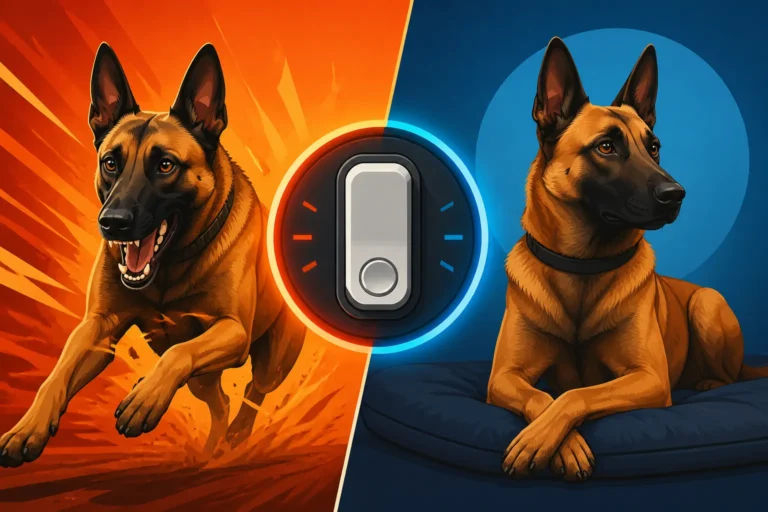
Beyond these physical cues, pay attention to their mental state. A Malinois that shuts down often appears confused, worried, or even defeated. Their eyes might look glassy or dart around anxiously. They might yawn excessively, lick their lips, or suddenly start sniffing the ground intensely, all common displacement behaviors indicating stress. This is often an "off switch" being triggered by too much pressure rather than a deliberate choice. You want to be able to Spotting the Moment a Malinois Goes Over Threshold to prevent this from happening in the first place, but if it does, recognizing it immediately is key.
Common Causes: Why Traditional Corrections Fail
Many traditional correction methods, especially those relying on harsh physical or verbal reprimands, can be particularly detrimental to a sensitive, high-drive breed like the Malinois. While some Malinois might seem to "take" a strong correction, for others, it can be deeply counterproductive, leading directly to shutdown. The breed is often misunderstood as being "hard" and capable of handling anything, but that's a generalization that can do real harm.
One primary reason these methods fail is that they often create an environment of fear rather than understanding. A Malinois thrives on clear communication and a strong partnership. When corrections are too strong, too frequent, or poorly timed, the dog doesn't learn what to do; it only learns what not to do under threat. This can lead to a dog that is hesitant, lacks initiative, and eventually, shuts down completely to avoid making any mistake that might trigger a negative response. They become afraid to try, afraid to offer behavior, because the consequences of being wrong are too high. This is especially true for Malinois who might be labeled as "soft" or "sensitive" by trainers, even if they possess incredible drive.
Another factor is the Malinois's intense desire to please and their sensitivity to their handler's emotional state. If your frustration levels rise, a sensitive Malinois can pick up on that immediately. This perception of your displeasure can be incredibly distressing for them, far more so than the physical sensation of a correction itself. It damages the bond you've worked so hard to build and replaces their enthusiastic drive with anxiety. What might be an acceptable correction for one breed, or even one individual Malinois, could be completely overwhelming for another. The idea that Whether Corrections Work on a High Drive Malinois isn't a simple yes or no; it depends entirely on the dog, the correction, and the relationship. The goal is always to guide, not to intimidate, your dog into the desired behavior.
Rethinking Your Correction Approach
When your Malinois shuts down, it's a clear signal that your current approach to corrections is not working for them. It's time to re-evaluate and focus on building a stronger foundation of trust, clear communication, and positive reinforcement. This doesn't mean you can't have expectations or boundaries; it means you're finding more effective, humane ways to establish them. Remember, the goal is a willing partner, not a robot operating out of fear.
The beautiful thing about a Malinois is their desire to be engaged with you. If they're shutting down, it's often a breakdown in that engagement, not a lack of it. It’s about channeling their incredible drive and intelligence into productive, confident work. Think about how you can make learning a rewarding puzzle for them, rather than a minefield of potential errors. This shift in perspective is often the most challenging part for handlers but yields the most profound results.
Building a Foundation of Trust and Engagement First
Before you even think about corrections, you need a strong foundation of trust and engagement. For a Belgian Malinois, this means being their world, their source of all good things, and their clear, consistent leader. This relationship building starts from the moment they come home, whether as a puppy or an older rescue. It’s about being predictable, fair, and incredibly rewarding for desired behaviors. Building Engagement With a Belgian Malinois should be your absolute top priority.
Spend ample time building positive associations with you and the training environment. This means lots of play, high-value rewards, and praise for any effort. Instead of focusing on what they're doing wrong, actively seek out and reward what they're doing right. Use games and puzzles to teach concepts, making learning fun and engaging. A Malinois that sees you as the gateway to all things wonderful—fun, food, play, and adventure—is far less likely to shut down when faced with a moment of confusion. This strong bond ensures that when you do need to guide them away from an undesired behavior, they trust that you have their best interest at heart, and they'll be more resilient to minor setbacks. Start with low-pressure obedience, where success is guaranteed, and gradually introduce complexity as their confidence grows.
Consider using positive reinforcement techniques from the start, especially for a puppy. Programs like BAXTER & Bella offer online resources that focus on building these foundational skills in a positive, confidence-boosting way, which can be invaluable for a sensitive Malinois. These methods teach them to think and problem-solve, rather than just react. Establishing this positive learning history early on can prevent the development of a shutdown response later in life.
The Art of Timing and Fair Consequences
Even with a strong foundation, there will be times when you need to redirect or interrupt unwanted behaviors. The key, particularly with a sensitive Malinois, lies in impeccable timing and fair, consistent consequences that are understood by the dog, not just by you. A correction delivered too late or too harshly is merely punishing, not teaching.
Effective corrections are about providing immediate, clear information to your dog about what behavior is not desired, and then quickly guiding them to an alternative, desired behavior that can be rewarded. This means intervening the moment the undesirable behavior begins, or even better, before it escalates. For instance, if your Malinois is about to lunge at a squirrel, a sharp "No!" or a quick, firm leash pop (if you use one) should happen the instant they shift their weight or tense up, not after they've already launched themselves. Follow this immediately by redirecting their focus back to you with a treat or a toy, then reward them for focusing. This clear sequence helps them understand the cause and effect without feeling overwhelmed.
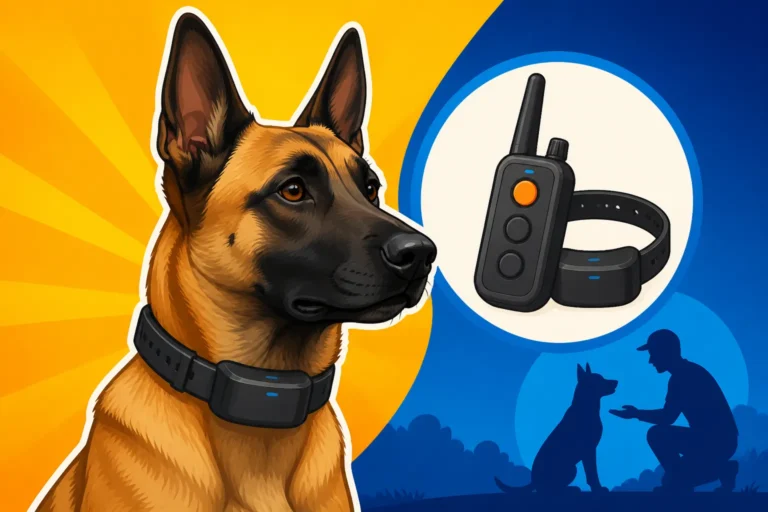
The nature of the consequence also matters greatly. Instead of harsh physical corrections, often simply removing the reward or the opportunity for the undesired behavior can be enough. If they pull on the leash, you stop walking. If they jump, you turn your back. These are clear, consistent, and fair consequences that don't involve pain or fear, but rather communicate that the undesirable behavior doesn't get them what they want. For some Malinois, even a stern voice can be a strong enough correction. Observe your dog; their reaction will tell you if your chosen consequence is appropriate. When considering tools like e-collars, it's vital to understand E-Collar Timing on a Belgian Malinois and Whether an E-Collar Damages a Soft Malinois. Any tool, if misused, can lead to shutdown, especially with this breed.
Introducing Tools Thoughtfully
Training tools can be incredibly effective when used correctly, but with a Malinois prone to shutdown, their introduction must be exceptionally thoughtful and gentle. The wrong tool, or the right tool used incorrectly, can exacerbate the problem and deepen the fear response. Tools should be extensions of your communication, not instruments of intimidation.
When considering tools like prong collars, head halters, or e-collars, the primary goal should always be clear communication and safety, not punishment. If you opt to use any of these, especially an e-collar, seek guidance from a qualified professional who has extensive experience working with sensitive, high-drive dogs like Malinois. They can teach you the nuances of timing, level setting, and pairing the tool with positive reinforcement so it becomes a signal, not a shock. Many handlers find success with modern e-collars when used as a communication tool for recall or long-distance obedience, but only after extensive conditioning and a solid understanding of how it impacts their individual dog. Misuse can quickly lead to deeper shutdown behaviors or even aggression.
| Correction Type | Potential Impact on Malinois Prone to Shutdown | Alternative/Best Practice |
|---|---|---|
| Harsh Verbal Reprimand | Can cause immediate anxiety, fear, and withdrawal. | Calm, firm voice; redirect to desired behavior. |
| Physical Correction | Damages trust, creates fear, can lead to complete shutdown. | Leash pressure/release (minimum needed); remove desired object/opportunity. |
| Poorly Timed Correction | Confusion, frustration, dog doesn't understand what it did wrong. | Intervene before behavior escalates; immediate reward for correct choice. |
| Lack of Follow-Through | Inconsistency, dog learns to ignore corrections. | Always reinforce desired alternative; be consistent with consequences. |
| Over-Correction | Overwhelms dog, leads to learned helplessness. | Use the lightest correction necessary; increase only if no response. |
| Ignoring Undesired Behavior | Dog learns behavior is acceptable or un-noticed. | Always address unwanted behaviors, even if gently; redirect. |
Beyond these more intensive tools, remember the power of everyday items. A sturdy, comfortable harness and a good quality leash are fundamental. Sometimes, a longer line from a company like Amazon can allow for more freedom and less perceived pressure during training, letting your Malinois explore while still being safely connected, building confidence in new environments without constant, close control. Always prioritize tools that enhance communication and safety without resorting to intimidation.
Strategies for Rebuilding Confidence and Drive
Once a Malinois has experienced shutdown, rebuilding their confidence and drive becomes paramount. This isn't a quick fix; it requires patience, consistency, and a complete re-evaluation of your training philosophy. Your focus shifts from "correcting" to "empowering" your dog, making them feel safe, understood, and successful. The goal is to reignite that spark of eager cooperation that makes Malinois so incredible.
It's a delicate balance because you still need to set boundaries and maintain structure. But that structure must be presented in a way that is clear, predictable, and doesn't trigger the shutdown response. Think of it as therapy for your training relationship, where you are demonstrating through every interaction that you are a reliable, fair, and ultimately benevolent leader.
Reinforcement-Based Training and High-Value Rewards
The cornerstone of rebuilding confidence in a Malinois that has shut down is a strong, consistent focus on reinforcement-based training. This means lavishly rewarding every desired behavior, even small approximations. You want to make it undeniably clear to your dog that engaging with you and offering the right behavior leads to fantastic outcomes.
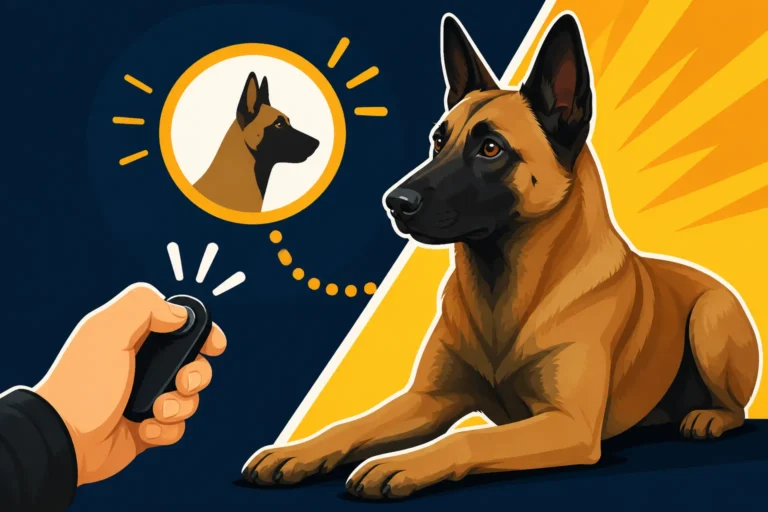
High-value rewards are crucial here. For a Malinois, this often means truly exceptional treats (cooked chicken, cheese, hot dogs), their absolute favorite tug toy, or even a highly enthusiastic game of fetch. The reward should be so enticing that it easily overrides distractions and motivates them to try. When your Malinois offers a desired behavior, even if it's hesitant, celebrate it as if they've just won the lottery! This positive feedback loop is incredibly powerful. It teaches them that trying is always safe and often leads to something wonderful, slowly erasing the memory of past negative experiences. Using a clear marker system, like a clicker or a verbal marker ("Yes!"), helps them pinpoint the exact moment they did something right, further speeding up the learning process. This consistent use of positive reinforcement helps to Building a Marker System With a Malinois.
Start with behaviors your Malinois already knows well, or very simple new ones, in a low-distraction environment. Ensure success and build on it. If they hesitate, simplify the task even further. The goal is to accumulate a long string of successful, positively reinforced experiences, gradually layering on more challenge as their confidence blossoms. Never push them to the point of showing stress signals; back off and make it easier if you see those signs appearing. Remember, a Malinois wants to work; you just need to remind them that working with you is the most rewarding thing they can do.
When to Seek Professional Guidance
Rebuilding confidence in a Malinois prone to shutdown can be a complex and emotionally taxing process. If you're struggling, or if the shutdown behavior is severe or persistent, it's absolutely vital to seek professional guidance. A skilled, experienced trainer or canine behaviorist can be an invaluable partner in navigating this journey.
Look for professionals who specialize in working with high-drive breeds and who employ modern, force-free, or minimally aversive training methods. Someone experienced with Belgian Malinois specifically will understand the nuances of their drive and sensitivity. Avoid any trainer who suggests harsher corrections or "breaking" the dog, as this will only worsen the shutdown. A good professional will assess your dog's individual temperament, your handling style, and the specific triggers for the shutdown. They can observe subtleties you might miss and help you craft a tailored plan. They might help you understand concepts like counter-conditioning and desensitization, which are crucial for overcoming past negative associations. Asking what a behaviorist charges to assess a Malinois is a great first step to understanding the commitment involved.
Often, an outside perspective can help identify unconscious cues or timing issues that might be contributing to the problem. They can provide hands-on coaching, helping you refine your mechanics, body language, and communication to be clearer and more encouraging for your Malinois. Sometimes, even a few sessions with the right expert can provide breakthroughs that you couldn't achieve alone. Don't view seeking help as a failure; view it as a proactive step toward building a stronger, more trusting relationship with your incredible dog.
Preventing Future Shutdowns and Nurturing a Resilient Malinois
Preventing a Malinois from shutting down again is an ongoing commitment to understanding and meeting their unique needs. It’s about creating an environment where they feel secure, understood, and consistently motivated to engage with you. This involves thoughtful training, a structured daily routine, and a deep appreciation for their individual personality. Your Malinois can thrive and be resilient, but it takes careful, consistent effort from you.
The key here is consistency and predictability. Malinois, despite their adaptability in working roles, benefit greatly from knowing what to expect. Surprises and abrupt changes in expectations or consequences can be unsettling. By building a predictable framework, you reduce anxiety and create a safe space for them to learn and explore.
Creating a Predictable and Positive Training Environment
A predictable and positive training environment is essential for a Malinois who has experienced shutdown. This means establishing clear rules, routines, and expectations that are consistently enforced, but always with patience and understanding. When your Malinois knows what’s coming and what’s expected, they can relax and focus on learning, rather than worrying about unexpected repercussions.
Start by being consistent with your commands and hand signals. Use the same words and gestures every time, and ensure everyone in the household is on the same page. Inconsistency is a major source of stress and confusion for dogs. Structure their day with regular feeding times, exercise sessions, and training blocks. For a Malinois, The Structure a Belgian Malinois Needs Every Day is non-negotiable for their mental and physical well-being. Even their play should have some structure, with clear rules for toys and interactions.
During training sessions, keep things upbeat and positive. Use a cheerful tone, lots of praise, and continue to rely heavily on high-value rewards. Keep sessions short and fun, ending on a positive note before your dog gets tired or frustrated. Always set them up for success, gradually increasing difficulty. If you notice any signs of stress or hesitation, immediately simplify the task or take a break. Creating a dedicated, calm training space where they feel safe and confident, free from overwhelming distractions, can also be incredibly beneficial. For instance, using a comfortable crate as a safe den, perhaps with a chew toy purchased from Amazon, can provide a positive, calming retreat when they need to decompress.
Understanding Your Malinois's Individual Sensitivity
Every Malinois, despite their breed characteristics, is an individual. What causes one to thrive might cause another to shut down. Developing a deep understanding of your specific dog's sensitivities, preferences, and stress triggers is perhaps the most important long-term strategy. This requires careful observation and a willingness to adapt your methods to suit their needs, not just generic breed advice.
Pay close attention to your Malinois's body language in different situations. What kind of pressure do they tolerate on the leash? What tone of voice makes them perk up versus shrink away? Do they respond better to food rewards or play rewards? Do certain environments or people make them anxious? Some Malinois are incredibly sensitive to loud noises, busy environments, or even certain types of handling. Learning these nuances will allow you to tailor your training, environment, and interactions to set them up for success. If your Malinois seems "soft" or easily discouraged, lean into gentle guidance and positive reinforcement even more heavily. The Handler Experience a Belgian Malinois Needs is often about this intuitive understanding and adaptability.
It's about being their advocate and their protector. If you have a sensitive Malinois, you might need to shield them from situations that are overwhelming, or gradually introduce them to new experiences at a slower pace. Continue to build their confidence through consistent, successful training experiences, always validating their efforts and ensuring they feel safe and loved above all else. A Malinois that feels understood and secure in their relationship with you will be a Malinois that continues to offer their incredible drive and intelligence, eager to work by your side, without ever having to shut down.
Disclaimer
This article is for general informational purposes only and does not constitute professional advice. Laws, prices and regulations vary by location and change over time. Consult a qualified professional for guidance on your specific situation.