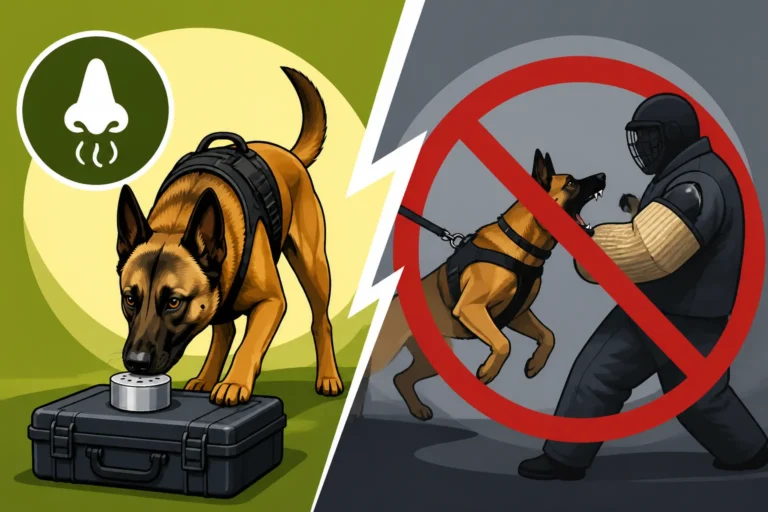
Building Engagement With a Belgian Malinois
Many Belgian Malinois owners find themselves battling a constant struggle for their dog's attention, feeling like they're just background noise to an animal perpetually scanning for the next exciting thing. This isn't a failing on your part, but rather a testament to the breed's intense focus and drive, often directed outwards. This guide will help you understand how to harness that incredible energy and build a deep, meaningful engagement with your Malinois, transforming scattered attention into unwavering focus on you.
Understanding the Malinois Drive
Before we can even begin to talk about specific techniques, it’s crucial to truly understand the core of what makes a Belgian Malinois tick. These aren't your average couch potatoes; they are finely tuned working machines, and their inherent drives significantly impact how they perceive and interact with their world. Without this foundational understanding, any attempts at engagement can feel like swimming against a strong current.
Their Natural Instincts and High Energy
Belgian Malinois possess an incredibly potent combination of prey drive, territorial instinct, and an almost insatiable well of energy. This isn't just about physical stamina; it's a mental fortitude that allows them to sustain intense focus and effort for extended periods when motivated. They were bred for demanding tasks, from herding livestock to police and military work, which means they are genetically predisposed to do things. A Malinois isn't content with merely existing; they need purpose and a significant outlet for their boundless mental and physical capabilities. If they don't get that outlet, their instincts often lead them to create their own "jobs," which can manifest as destructive behaviors, excessive barking, or a general disinterest in what their human wants.
Think of their brain like a high-performance engine constantly revving. If you don't give it a track to run on, it will find its own, often tearing up the garden or furniture in the process. Their high energy isn't a problem to be squashed, but a resource to be directed. When a Malinois is constantly looking for external stimuli, it's not being disobedient; it's simply following its powerful innate programming. Our goal is to shift that programming so we become the most compelling stimulus in their environment, the epicenter of all the exciting action.
The Need for a "Job"
Every Malinois, whether destined for K9 work or a beloved family companion, thrives when it has a "job." This doesn't necessarily mean tracking down suspects or sniffing out contraband. For a pet Malinois, a "job" can be anything from advanced obedience routines, agility, competitive obedience, scent work, or even complex household tasks. The key is that the activity requires mental effort, problem-solving, and a sustained interaction with you. Simply throwing a ball endlessly, while physically tiring, often falls short of truly fulfilling their need for mental stimulation. That's why we often say that Two Hours and a Job a Belgian Malinois Demands Daily isn't just a suggestion; it's a fundamental requirement for their well-being and your sanity.
When a Malinois feels like it has a purpose, its focus sharpens. Engagement isn't just about getting them to look at you; it’s about making them want to interact with you, because they associate you with meaningful activity and rewards. Without a clear understanding of their job, they might see you as merely a provider of food and walks, rather than their partner in exciting endeavors. Identifying and providing this consistent, engaging "job" is the first crucial step towards building unbreakable engagement and a strong working relationship. This also makes it easier for them to develop The Mental Work That Finally Tires a Malinois Out, leading to a much calmer, more fulfilled dog.
Foundational Principles of Engagement
Building engagement isn't a magic trick; it's a deliberate process built upon consistent application of core training principles. These principles create the framework within which your Malinois learns to prioritize you over distractions, seeing you as the source of all good things. Without these foundations, any specific training techniques will likely fall flat.
The Power of Positive Reinforcement
Positive reinforcement is not just about giving treats; it's about consistently rewarding desired behaviors to increase the likelihood of them happening again. For a Belgian Malinois, who are often very sensitive and intelligent, harsh corrections can quickly shut them down or create avoidance, rather than genuine engagement. They need to want to work with you, not fear working with you. This means finding what truly motivates your individual dog – whether it's high-value food, a favorite tug toy, a quick game of fetch, or enthusiastic verbal praise.
Every time your Malinois offers a moment of attention, even a fleeting glance in a distracting environment, that's an opportunity to reinforce. This builds a strong positive association: "When I pay attention to my human, good things happen." It's about building a savings account of positive experiences. If your dog is struggling, it's not because they're being difficult; it's because the reward isn't high enough or the environment is too challenging. Elevate your rewards, simplify the task, and celebrate every small success. Think of it as a dance: you lead with generosity and enthusiasm, and your Malinois learns to follow your cue because it's always worth their while.
Consistency and Predictability
Dogs, especially intelligent breeds like the Malinois, thrive on consistency and predictability. They learn patterns quickly. If your expectations for engagement fluctuate, or if you only attempt to build focus when it's convenient for you, your Malinois will struggle to understand what you want. This means every member of the household needs to be on the same page regarding commands, rewards, and the overall approach to interaction. Inconsistent training is confusing training, and a confused Malinois often defaults to its powerful independent drives.
Predictability also ties into establishing routines. If your Malinois knows that certain times of day are dedicated to focused training, or that coming to you always leads to a fun game, they will be more mentally prepared and willing to engage. This doesn't mean you have to be rigid to the minute, but rather that your dog can anticipate positive interactions from you. This creates a sense of security and trust, reinforcing that you are a reliable and rewarding partner. It's a fundamental aspect of shaping their expectations and building a strong working relationship, which is vital as The Handler Experience a Belgian Malinois Needs is significant.
Becoming the Most Exciting Thing
This is arguably the most challenging, yet most important, principle for a Malinois. In a world full of squirrels, moving cars, strange smells, and other dogs, you need to be the most captivating thing in your dog's universe. This doesn't happen by accident; it requires effort, energy, and genuine enthusiasm from you. It means making yourself interesting, engaging, and unpredictable in a positive way. If you're always monotone and boring, why would your Malinois choose you over the thrilling outside world?
Use your voice, your body language, and your energy to draw them in. Speak in an animated tone, move quickly and playfully, and use excited gestures. Play short, intense games that end on a high note. Be genuinely happy and excited when they engage with you. This isn't just about training sessions; it's about every interaction you have. If you can consistently be the source of novelty, fun, and the absolute best rewards, your Malinois will naturally gravitate towards you. They should see you not just as their owner, but as their most exciting playmate, their favorite teacher, and the ultimate purveyor of joy.
Practical Techniques for Building Focus
Once you understand the foundational principles, you can start implementing specific techniques to actively build your Malinois's focus and engagement. These aren't just tricks; they are intentional strategies designed to make you irresistible to your dog, even amidst a sea of distractions.
Using Toys and Play Strategically
For a breed with intense prey drive, toys, especially tug toys, are powerful engagement tools. The key is to use them strategically, not just as a means to tire your dog out, but as a way to build value in you and your interaction. Start by making yourself the gatekeeper of all good toy-related fun. Don't leave toys scattered everywhere; make them special. Bring out a favored tug toy only during training sessions or dedicated play time with you. This immediately elevates its value and associates its appearance with your presence. You can find durable, high-quality tugs and bite pillows on platforms like Amazon that will stand up to a Malinois's powerful jaws.
During play, make it interactive and structured. Engage in short, intense sessions of tug, fetch, or chase, always ending the game on your terms. This helps build frustration tolerance and makes your Malinois eager for the next session. Teach them to "out" or "drop" the toy on command, reinforcing your control over the resource. This isn't just about physical activity; it's about developing a powerful connection through shared, exciting play. When done right, Channeling a Belgian Malinois's Prey Drive Into a Tug becomes a cornerstone of their training and a strong tool for engagement. Remember to always apply Tug Rules for a Belgian Malinois to maintain control and prevent resource guarding.
The Value of High-Value Rewards
Not all rewards are created equal, especially for a Malinois working in a distracting environment. What might be motivating in your quiet living room could be completely ignored at a busy park. This is where high-value rewards come into play. These are the "jackpots" – treats or motivators that your Malinois absolutely goes wild for. It could be cooked chicken, cheese, hot dogs, special soft treats, or a super squeaky toy that only comes out for the toughest challenges.
Keep these high-value rewards exclusively for situations where you need maximum focus, such as proofing behaviors in a highly distracting area or introducing new, complex commands. Don't use them for everyday, easy tasks; reserve them for the moments when you truly need to capture and hold your Malinois's attention against all odds. Varying your rewards, from high-value food to exciting play, keeps your Malinois guessing and eager. The unpredictability itself can be highly engaging, as they never know if they're about to hit the jackpot! This strategy ensures that you remain the most valuable and rewarding presence in their life.
Building a Marker System
A marker system, most commonly a clicker or a consistent verbal marker like "Yes!", is an incredibly powerful tool for precise communication and engagement building. A marker precisely pinpoints the exact moment your Malinois does something correctly, immediately followed by a reward. This clarity helps your dog understand exactly what behavior earned them the treat or praise, accelerating their learning and deepening their understanding of your expectations. Building a Marker System With a Malinois provides an immediate "picture" of success, even if the reward takes a second or two to deliver.
For example, if you want your Malinois to make eye contact, you would click/mark the instant their eyes meet yours, then immediately deliver a reward. Over time, your Malinois learns that the marker means "You did it right, and a reward is coming!" This builds immense value in the marker itself, which can then be used to shape more complex behaviors and maintain focus during longer training sequences. A clear marker system reduces frustration for both you and your dog, making training a positive and efficient experience, and significantly boosting their willingness to engage with you.
Integrating Engagement into Daily Life
Engagement isn't something that only happens during formal training sessions. For a Belgian Malinois, it needs to be an ongoing part of your daily interactions. Integrating engagement into every aspect of their life helps solidify their focus on you, making it a natural and default behavior rather than something they only do on command.
Short, Frequent Sessions
Instead of one long, arduous training session, break up your engagement work into many short, frequent bursts throughout the day. These "micro-sessions" can last anywhere from 30 seconds to a few minutes. A quick "look at me" exercise before you put down their food bowl, a rapid-fire recall game while walking in the yard, or a short tug session after coming in from a potty break – these all contribute to building consistent engagement. For a high-drive breed like the Malinois, these short, intense bursts of focus are often more effective than extended periods, which can lead to mental fatigue or a decrease in enthusiasm.
These frequent touchpoints reinforce the idea that you are always available for fun and interaction, and that paying attention to you consistently leads to positive outcomes. It weaves engagement into the fabric of their day, making it a habit rather than an occasional task. It also helps manage their energy and prevents them from getting bored and finding less desirable ways to occupy themselves. Think of it as continuously topping up their "engagement tank" with small, highly rewarding interactions.
Engagement Beyond Formal Training
True engagement means your Malinois is looking to you for direction and interaction even when you're not explicitly "training." This involves noticing and rewarding spontaneous moments of attention. Did your Malinois check in with you during a walk? Mark and reward! Did they settle calmly at your feet while you were working? A quiet praise and a gentle stroke. These subtle acknowledgements reinforce desirable behaviors in everyday contexts, teaching your Malinois that being attentive to you is always beneficial.
Another way to integrate engagement is through interactive games that don't necessarily involve obedience commands. Hide-and-seek in the house or yard, scatter feeding their kibble to make them "work" for their meal, or using puzzle toys that require their focus to retrieve treats. These activities build problem-solving skills and demonstrate that interaction with you (or even with a toy you provided) is rewarding. Resources like BAXTER & Bella offer online puppy and adult dog classes that often emphasize these types of interactive, engagement-building games, helping owners incorporate them effectively. This constant, gentle reinforcement helps build Building an Off Switch Into a Belgian Malinois so they can differentiate between work and downtime.
Maintaining Engagement Over Time
Building engagement is not a one-and-done process; it's a lifelong commitment. Just like any skill, it requires regular practice and reinforcement. As your Malinois matures, their challenges and motivations might shift. The adolescent period, in particular, can be a time when The Adolescent Malinois That Tests Everything, and engagement might feel like it's taking a step backward. This is normal and requires patience and a return to reinforcing the basics. Keep your training sessions fun, varied, and relevant to their age and capabilities.
Introduce new challenges gradually, always ensuring success before increasing the difficulty. Regularly assess what motivates your dog; their favorite treat or toy might change over time. Celebrate successes enthusiastically and don't be afraid to occasionally go back to easier environments or higher rewards if you notice engagement slipping. The goal is to keep the relationship fresh and rewarding for both of you, ensuring your Malinois always views you as their primary source of joy, purpose, and exciting adventures.
Addressing Common Engagement Challenges
Even with the best intentions and techniques, you're bound to encounter bumps in the road when working with a Belgian Malinois. Their high drive and sharp intelligence mean they can sometimes present unique challenges to maintaining consistent engagement. Understanding these common hurdles can help you troubleshoot and adjust your approach effectively.
Distraction Management
One of the biggest obstacles to engagement with a Malinois is the sheer number of distractions in the world. A blowing leaf, a distant jogger, another dog, or a compelling scent can instantly pull their focus away from you. It's easy to get frustrated when your dog seems to "ignore" you, but it's important to remember that they are simply responding to their environment as a highly stimulated, genetically programmed working dog. Trying to compete with every high-value distraction simultaneously is a losing battle. This is especially true when you have A Belgian Malinois That Pulls Toward Every Distraction.
The key to distraction management is a gradual, systematic approach. Start engagement training in a completely distraction-free environment, like your quiet living room. Once your Malinois is consistently engaging with you there, slowly introduce very minor distractions. Perhaps a quiet park at a distance, or a family member walking slowly by. Increase the intensity and proximity of distractions incrementally, always ensuring your dog can succeed. If they fail, you've moved too fast; retreat to an easier scenario and build up again. Think of it as slowly turning up the volume on the world, ensuring your Malinois can still hear your voice above the noise.
Overcoming Environmental Overload
Sometimes, it's not a specific distraction, but the sheer sensory input of a new or busy environment that causes your Malinois to shut down or become overly stimulated. They might sniff incessantly, pace, or even display behaviors like A Malinois That Screams Rather Than Settles. This "environmental overload" makes it impossible for them to process your cues or engage meaningfully. It's like trying to have a conversation in a crowded, noisy concert hall – you just can't focus.
The solution here is twofold: exposure and management. Gradually expose your Malinois to new environments, starting with very short visits and low-intensity settings. Focus less on obedience commands and more on simply allowing them to observe and decompress. Reward calm behavior and moments of check-in with you. Secondly, manage their environment to prevent overload. This might mean starting walks in quieter areas, using a long line for safe exploration, or even avoiding overly stimulating places altogether during initial training phases. Remember that Socializing a Belgian Malinois Puppy Safely means quality over quantity; positive, low-stress exposures are far more valuable than overwhelming experiences.
When Your Malinois Seems "Stubborn"
It's common for Malinois owners to describe their dogs as "stubborn" when they aren't complying. However, what often appears as stubbornness is usually a communication breakdown. It could be that the motivation isn't high enough for the current distraction, the cue isn't understood, or the dog is genuinely overwhelmed or confused. A Malinois is rarely truly stubborn in the human sense; they are highly intelligent problem-solvers who will always choose the path that yields the greatest reward or least discomfort.
If your Malinois isn't engaging, pause and analyze the situation. Is your reward valuable enough? Are you competing with something more interesting? Have you been clear and consistent with your cues? Have you set them up for success? Perhaps you need to go back to a less distracting environment, use higher value rewards, or simplify the task. For example, if your Malinois isn't engaging on a walk, instead of fighting it, try a short game of fetch or tug to reset their focus. Even something as simple as changing up your routine with Structured Work Against Random Running for a Malinois can make a difference. Rarely is the answer to force them; the answer is almost always to make you more relevant, more rewarding, and more engaging than whatever else is capturing their attention.
Disclaimer
This article is for general informational purposes only and does not constitute professional advice. Laws, prices and regulations vary by location and change over time. Consult a qualified professional for guidance on your specific situation.