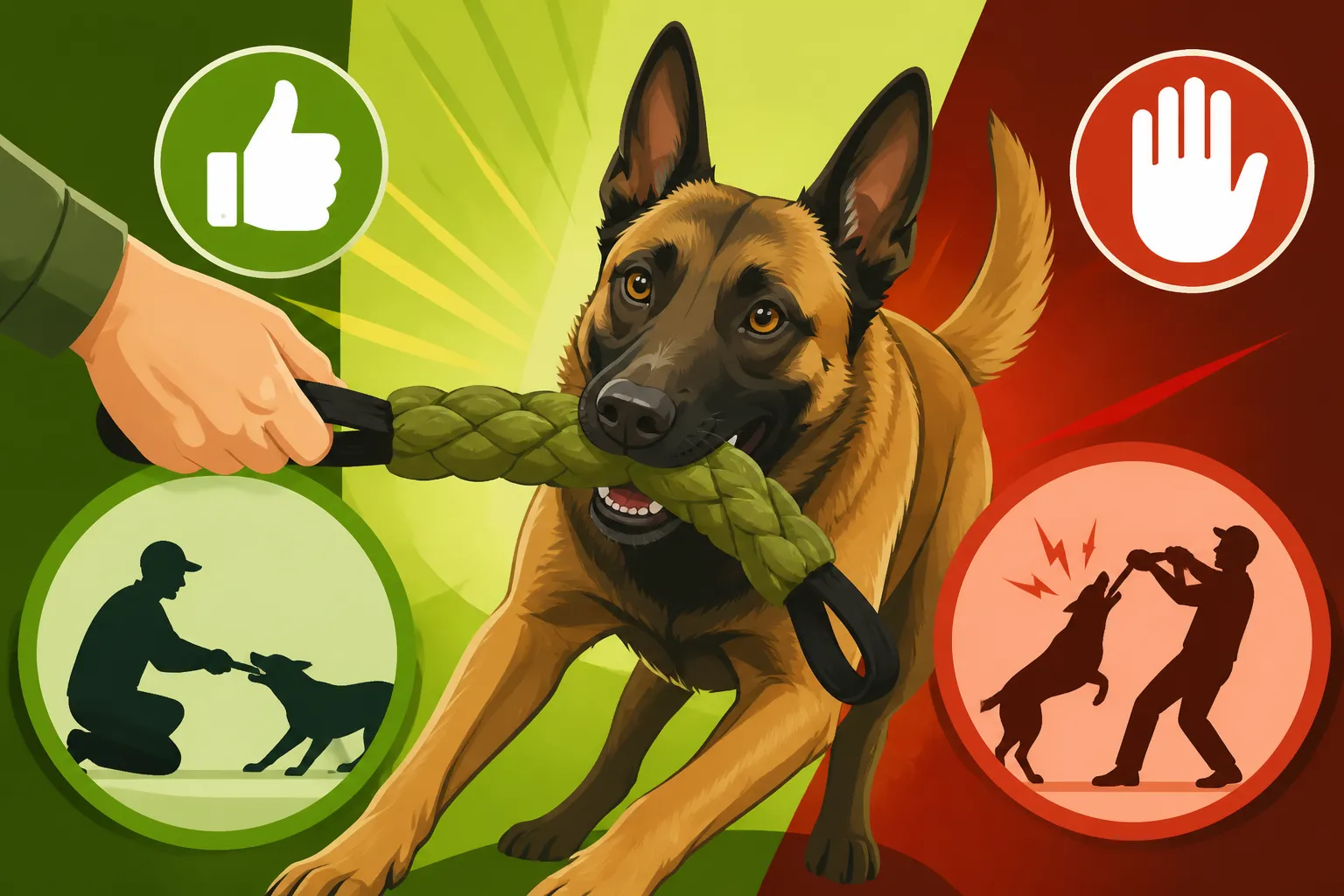
Tug Rules for a Belgian Malinois
If you're living with a Belgian Malinois, you already know their drive isn't just "high"—it's often off the charts. Many owners struggle to find appropriate outlets for that intense energy and prey drive, leading to frustration for both dog and human. This guide will walk you through establishing clear, effective tug rules that transform a chaotic tug session into a powerful training tool, building engagement and control with your high-octane Malinois.
Why Tug Play is Absolutely Essential for a Malinois
For a breed like the Belgian Malinois, tug isn't just a game; it's a vital component of their mental and physical well-being. These dogs were bred for demanding work, and their innate drives need productive channels. Without proper outlets, that boundless energy and intensity can manifest in less desirable behaviors, like destructive chewing, excessive barking, or even nipping. Think of tug as structured playtime with a purpose, a way to speak your Malinois's language and build a solid relationship based on mutual understanding and clear communication.
Channeling Natural Prey Drive
A Malinois's prey drive is a powerful instinct, often expressed through chasing, grabbing, and shaking. Tug play provides a perfectly safe and appropriate way to engage this fundamental drive. Instead of your dog fixating on squirrels in the yard or the neighbor's cat, you can redirect that intense focus onto a designated tug toy. When done right, this isn't about fostering aggression, but rather about harnessing natural instincts in a controlled environment. The act of biting and holding onto a toy fulfills a deep-seated need, offering immense satisfaction to a Malinois that might otherwise feel unfulfilled. This channeling allows them to express themselves in a way that's both natural and manageable within a human household, preventing that prey drive from spilling over into inappropriate behaviors.
A Powerful Reward and Motivator
For many Malinois, a good game of tug is the ultimate reward, surpassing even the tastiest treats. This makes tug an incredibly potent motivator in training. When your dog knows that performing a desired behavior, like a quick recall or a precise obedience exercise, earns them a burst of exhilarating tug play, their willingness to work skyrockets. It becomes a reinforcing loop: they work for you, they get to play, and that play strengthens their desire to work even more. It's not just a reward for performance; it's a way to build drive for tasks that might initially seem less exciting to them. You can use it as a "jackpot" reward for truly exceptional effort, solidifying your dog's understanding of what outstanding work looks like.
Strengthening the Handler-Dog Bond
There's something deeply connecting about engaging in vigorous, focused play with your Malinois. When you're both fully invested in a game of tug, you're sharing an intense experience that builds trust and understanding. Your dog learns to look to you for direction and fun, seeing you as the source of exciting things. This shared activity isn't just about physical exertion; it's a mental dance where you're reading their cues, and they're responding to yours. This kind of interactive play creates a powerful bond, fostering a deeper relationship than simply tossing a ball or going for a walk. It creates a partnership where you are both active participants in an engaging, fulfilling activity.
Laying the Foundation: Establishing the "Out" Command
Perhaps the single most important rule in safe and effective tug play is the "Out" command. Without a reliable "Out," tug can quickly devolve into a wrestling match where your dog controls the game, potentially leading to accidental nips, resource guarding, or just general chaos. Teaching a rock-solid "Out" means you, the handler, dictate when the game starts and, more importantly, when it ends. This control is paramount for a breed as intense and powerful as the Malinois. It ensures that the toy belongs to you, and playing is a privilege, not a right.
The Foundation of Control
Imagine a Malinois in full drive, clamped onto a tug toy. Their muscles are tensed, eyes blazing, and they're pulling with all their might. If you can't get them to release that toy on command, you've lost control of the situation. The "Out" command is your safety valve, your emergency brake. It teaches your Malinois that while they can enjoy the thrill of the bite, ultimately, the decision to hold or release rests with you. This foundational control extends beyond tug play, teaching them to release items reliably, which is invaluable in everyday life. From dropping something they shouldn't have picked up to releasing a training object, a good "Out" translates into a more obedient and safer dog in all contexts.
Step-by-Step Training Method
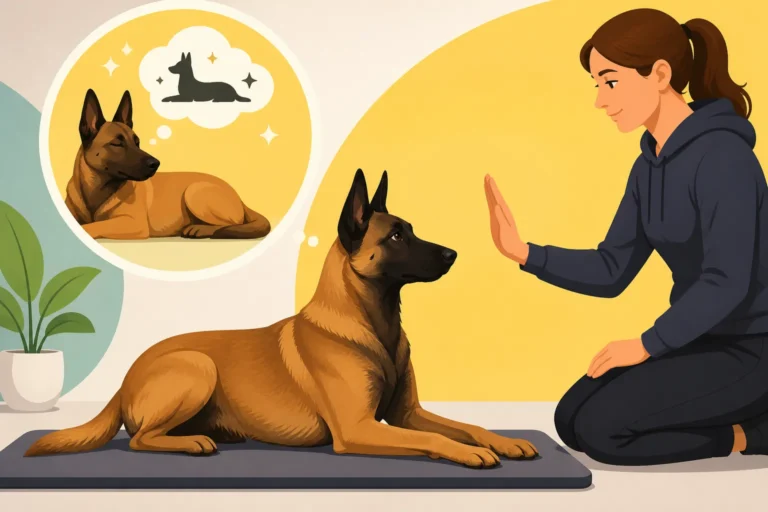
Teaching "Out" needs to be done systematically and positively. Start in a quiet, low-distraction environment. Engage your Malinois in a brief, exciting tug session. While they're holding the toy, bring a second, equally exciting toy (or a high-value treat) to their nose. As their interest shifts to the new item and they open their mouth to investigate or take it, immediately say "Out!" and reward them with the second toy or treat. As soon as they release, praise them enthusiastically. This teaches them that releasing the first toy leads to something even better, not the end of fun. Repeat this many times in short sessions, gradually increasing the duration they hold the first toy before you ask for the "Out." Avoid physical force; the goal is for them to choose to release. You can find many durable, high-quality tug toys on platforms like Amazon that are perfect for this training, allowing you to have multiple options for your second toy.
Troubleshooting Common "Out" Issues
Sometimes, a Malinois will develop a "hard mouth" or refuse to release. If your Malinois isn't releasing, resist the urge to pull the toy away from them forcefully or get frustrated. Instead, go back to basics. Make the second reward irresistible. Try using a piece of cooked chicken or a different, novel tug toy they haven't seen before. If they still won't release, simply stop playing. Hold the toy still and become completely uninteresting. The moment they loosen their grip, even slightly, say "Out!" and present the reward. You can also try using their leash to manage them. Attach a long line to their collar. When they don't out, step on the line, preventing them from running away with the toy. Then, go quiet. As soon as they drop it, mark and reward. Consistency is key here. Every single tug session must reinforce the "Out" command. Teaching a Belgian Malinois to Out is a critical skill that needs constant reinforcement.
Setting Clear Boundaries and Expectations
Tug play, especially with a high-drive Malinois, must be a structured activity with clear rules. Without boundaries, your dog can quickly learn that tug means chaotic jumping, mouthing, and even snatching. This isn't just annoying; it can be dangerous, particularly in a home with children or other pets. Establishing clear expectations from the outset ensures that tug remains a positive, controlled, and enriching activity for everyone involved. It's about teaching your Malinois manners even when their drive is at its peak.
No Jumping, No Mouth on Skin
This is non-negotiable. If your Malinois jumps up to grab the tug or mouths your hands in excitement, the game stops immediately. No exceptions. The moment their teeth touch your skin, or their feet leave the ground to jump for the toy, your hands go still, the tug goes dead, and you turn away. This teaches them that rude behavior kills the fun. Wait for them to settle, then present the toy again at an appropriate height. If they jump again, the game stops again. They will quickly learn that polite play means the game continues, while boisterous or mouthy behavior leads to its cessation. Consistency from every family member who plays tug is vital for this rule to stick.
Defining the Start and Stop of Play
Tug should never be a free-for-all. You initiate the game, and you end it. The tug toy should not be left out for your Malinois to chew on unsupervised, as this can lead to resource guarding and a diminished value of the toy as a special "training" tool. Teach a clear "take it" or "get it" cue to start the game, and reinforce the "Out" command to end it. When the game is over, the toy is put away, out of reach. This structured approach helps your Malinois understand that tug is a privilege granted by you, the handler, not something they can demand at will. This predictability helps manage their arousal and prevents them from becoming overly fixated on the toy when you're not actively engaged in play. This clear definition helps with Building an Off Switch Into a Belgian Malinois.
Keeping Play Fair and Predictable
While you are in control, the game should still feel fair and fun for your Malinois. Don't always win, but don't let your dog win every time, either. Sometimes let them "win" the tug, shake it, and then ask for an "Out" before restarting the game. This builds their confidence and keeps their motivation high. Vary the intensity and duration of the play. Short, intense bursts of tug are often more effective than long, drawn-out sessions that can lead to over-arousal. Predictability in your reactions helps them learn the rules faster. They need to know that if they follow the rules, the fun continues, and if they don't, the fun stops. This fosters trust and a clear understanding of expectations, which is crucial for a Malinois.
Building Controlled Engagement for Optimal Play
Engagement is the cornerstone of all successful training with a Belgian Malinois, and tug play is one of the most effective ways to build it. Controlled engagement means your Malinois is not just playing with the toy, but playing with you for the toy. Their focus should be on you, waiting for your cues, and responding to your movements, even amidst the excitement of the game. This transforms a simple game into a dynamic training exercise that strengthens your working relationship.
Introducing the Tug Safely
When first introducing tug, especially to a young Malinois or one new to structured play, safety is key. Choose durable tug toys appropriate for their size and bite strength. Avoid flimsy toys that can break apart and become choking hazards. Companies like BAXTER & Bella offer excellent online resources that often include advice on toy selection and initial play strategies. Start with low-key, short sessions. Don't immediately go for full-on wrestling. Wiggle the toy on the ground to entice them, making it look like prey. The moment they bite, praise them and let them tug gently for a few seconds before asking for an "Out." Always ensure you have a firm grip on the toy, but avoid yanking or pulling aggressively, which could damage their teeth or neck. The goal is to build positive association with the tug and with you as the play initiator.
Varying Play to Keep it Engaging
Monotony is the enemy of engagement. Keep tug sessions fresh and exciting by varying how you play. Sometimes, wiggle the toy; other times, hide it briefly before presenting it. Incorporate quick obedience commands during the tug game – ask for a "sit" or a "down" for a split second, then reward with more tug. This teaches them to respond to commands even when highly aroused, which is an invaluable skill for a Malinois. Don't let every session be the same. Introduce different types of tug toys – soft fleece tugs, rubber tugs, or those with handles – to keep their interest piqued. Rotate your toys so they don't get bored. This kind of variation helps to maintain their drive and ensures that tug remains a high-value activity, rather than something they take for granted.
When to Elevate Intensity
As your Malinois's "Out" command becomes reliable and their engagement grows, you can gradually increase the intensity of your tug play. This might involve more vigorous pulling, quicker movements, or longer bursts of play. However, always be mindful of their arousal levels. A Malinois can go from zero to one hundred in a blink. You want to build drive, not create an overstimulated, uncontrollable dog. Look for signs of over-arousal: excessive panting, frantic movements, difficulty releasing the toy, or ignoring your commands. If you see these, it's time to dial back the intensity or end the session. The key is to keep the play just below their threshold for losing control. This balance of intensity and control is what makes tug such an effective tool for Building Engagement With a Belgian Malinois.
Avoiding Common Pitfalls in Tug Training
Even with the best intentions, it's easy to make mistakes in tug training, especially with a breed as demanding as the Belgian Malinois. These errors can undermine your control, create frustration, and even lead to undesirable behaviors. Recognizing and actively avoiding these common pitfalls will save you a lot of headache and ensure tug remains a beneficial activity for your dog.
Letting the Dog Dictate Play
One of the biggest mistakes is allowing your Malinois to dictate when and how tug play happens. This means letting them nudge you with the toy, jump on you with it, or bark incessantly to demand a game. If you give in to these behaviors, you're teaching your dog that they are in charge, and their pushy tactics get results. This erodes your leadership and can make it much harder to manage their drive in other situations. You initiate, you end, you set the rules. If they demand play, ignore them or redirect them to a calmer activity, and then, on your terms, initiate a game of tug. This teaches patience and respect for your authority.
Playing Too Rough or Too Long
While Malinois are tough dogs, playing excessively rough or for extended periods can be detrimental. Constantly jerking the toy can cause neck or dental injuries. Endless tug sessions can lead to physical exhaustion, joint strain, or worse, mental over-arousal where your dog becomes so wired they can't calm down. Keep sessions short and sweet, typically 2-5 minutes, with breaks. Always pull with your dog, not against them, avoiding sudden jerks. Think of it as a controlled dance, not a brute force competition. Overdoing it can also make the "Out" command harder, as they become too invested and wired to release. Knowing How Many Hours a Belgian Malinois Should Work Daily in total, including play, is important to prevent overworking.
Ignoring Early Warning Signs of Frustration or Over-Arousal
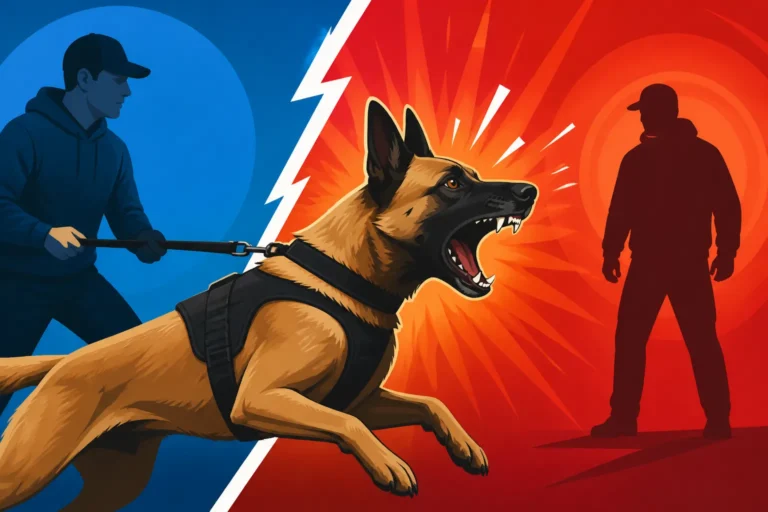
It's crucial to be a keen observer of your Malinois's body language during tug play. Early signs of frustration might include a hard stare, tense body, or a reluctance to release the toy even for a high-value reward. Signs of over-arousal include frantic pulling, uncontrolled jumping, excessive vocalization, or a glazed-over look in their eyes where they seem to stop responding to you. If you see these signs, it's time to pause or end the game. Continuing to play when your dog is stressed or overly excited can ingrain bad habits, lead to accidental bites, or teach them that losing control is acceptable. The goal is always controlled fun, not a chaotic meltdown.
Integrating Tug into a Broader Training Program
Tug is a fantastic standalone activity, but its true power shines when it's integrated seamlessly into your overall training program. For a Belgian Malinois, every interaction is a training opportunity, and incorporating tug can supercharge their motivation, focus, and understanding of commands. It helps bridge the gap between structured obedience and high-drive work, preparing them for more complex tasks.
Tug as a High-Value Reinforcer
Think of tug as your ultimate motivational tool. After a challenging obedience sequence, a successful detection search, or a strong protection exercise, rewarding with a vigorous game of tug reinforces that they have done something truly exceptional. This is particularly effective for a Malinois, who thrive on high-energy, interactive rewards. It tells them, "That was amazing! Let's celebrate!" This high-value reinforcement makes them eager to repeat the behavior and approach future training sessions with enthusiasm. Make sure the tug toy you use for these "jackpot" rewards is especially appealing, perhaps a favorite, specific toy that only comes out for these special moments.
Incorporating Obedience During Play
This is where tug transforms into a powerful training exercise. Instead of just tugging, intersperse quick obedience commands throughout the session. Ask for a "sit" or "down" for a split second, then immediately re-engage the tug. Ask for a short "stay" with the toy on the ground, then release them to it. This teaches your Malinois to respond to commands even when highly stimulated, a skill that is absolutely vital for a working dog. It builds their focus on you in distracting environments. The ability to perform obedience amidst high drive is the hallmark of a well-trained Malinois. Consider online programs like BAXTER & Bella that focus on comprehensive puppy and dog training, which often emphasize integrating play into obedience.
Transitioning from Play to Work
One of the most valuable skills you can teach your Malinois is to transition smoothly from high-energy play back into a calm, focused working state. Use tug to build drive for a task, then ask for a specific obedience command or a retrieve that requires focus. For example, play a quick game of tug, then immediately ask them to "down-stay" while you walk away. Or use tug to get them excited, then throw a retrieve dummy and ask for a focused retrieve and delivery. The ability to switch gears quickly demonstrates exceptional control and mental discipline. This seamless transition is key to developing a truly versatile and responsive working partner. It also helps manage their arousal levels, preventing them from staying "on" all the time, which is important for their overall well-being. Knowing Whether a Seizing Malinois Can Still Work or Whether an Old Belgian Malinois Still Needs a Job speaks to the need for careful management of both play and work throughout their lives.
Comparing Good Tug Play vs. Problematic Tug Play
Understanding the characteristics of good, productive tug play versus play that is causing problems is essential for any Malinois owner. This table outlines key differences to help you self-assess your tug sessions.
| Feature | Good, Productive Tug Play | Problematic, Uncontrolled Tug Play |
|---|---|---|
| Initiation | Handler initiates with a clear cue. | Dog demands play (nudging, barking, jumping). |
| Release | Dog releases reliably on "Out" command. | Dog has "hard mouth," refuses to release, or takes too long. |
| Control | Handler dictates pace, intensity, and duration. | Dog pulls handler around, dictates rules. |
| Body Language | Engaged, focused eyes on handler, responsive to cues. | Over-aroused, frantic, glazed eyes, ignoring cues. |
| Physicality | Controlled pulling, no excessive jerking. | Excessive yanking, thrashing, potential injury risk. |
| Safety | No mouth on skin, no jumping up. | Accidental nips, jumping, rough contact. |
| Toy Handling | Tug toy is put away when play ends. | Tug toy is left out, becomes a chew toy or guarded item. |
| Outcome | Builds engagement, reinforces commands, drains energy. | Fosters frustration, reinforces bad habits, increases chaos. |
Essential Gear for Structured Tug Play
Having the right equipment is crucial for safe, effective, and fun tug sessions with your Belgian Malinois. Investing in durable, appropriate toys not only ensures longevity but also helps prevent injuries for your powerful dog.
Selecting the Right Tug Toys
Not all tug toys are created equal, especially when dealing with a strong-biting breed like the Malinois. Look for toys made from durable materials such as fire hose, heavy-duty jute, thick rubber, or strong fleece. The size of the tug should be appropriate for your dog's mouth – large enough to prevent accidental swallowing, but not so large they can't get a good grip. Many professional dog sport suppliers offer tugs specifically designed for working breeds, often with comfortable handles for the handler. Always have at least two identical tug toys if you're using the "swap" method to teach "Out." You can easily find a wide variety of these specialized Tugs and Bite Pillows a Malinois Destroys on sites like Amazon. Remember, the tug is a training tool, not a chew toy to be left out.
Training Aids for Enhanced Control
While the tug toy is the star, other simple training aids can greatly assist in teaching and maintaining tug rules. A long line (or long leash) can be invaluable during early "Out" training, allowing you to prevent your Malinois from running off with the toy. A comfortable flat collar or a properly fitted prong collar (if used correctly as a training tool) can also help manage your dog's position and focus during transitions between tug and obedience. Remember, these are tools to facilitate communication and control, not substitutes for good training. For more general training equipment, looking into comprehensive kits for new puppy owners, like those offered by BAXTER & Bella, can provide a good starting point for various training needs.
Safety Considerations: When to Use a Muzzle
While responsible tug play is safe, there might be situations where muzzle conditioning your Malinois is a wise precaution, especially if you're concerned about accidental nips during high-arousal play or if you have children in the home who might inadvertently get too close. A well-fitting basket muzzle allows your dog to pant, drink, and take treats, but prevents them from biting. Introducing a muzzle positively, separate from tug play, can make it a neutral or even positive experience. This is not a substitute for training an "Out" command, but an extra layer of safety. Muzzle Conditioning Before a Malinois Ever Needs One is a proactive step many responsible owners take.
Disclaimer
This article is for general informational purposes only and does not constitute professional advice. Laws, prices and regulations vary by location and change over time. Consult a qualified professional for guidance on your specific situation.