Whether a Malinois Passes Therapy Dog Screening
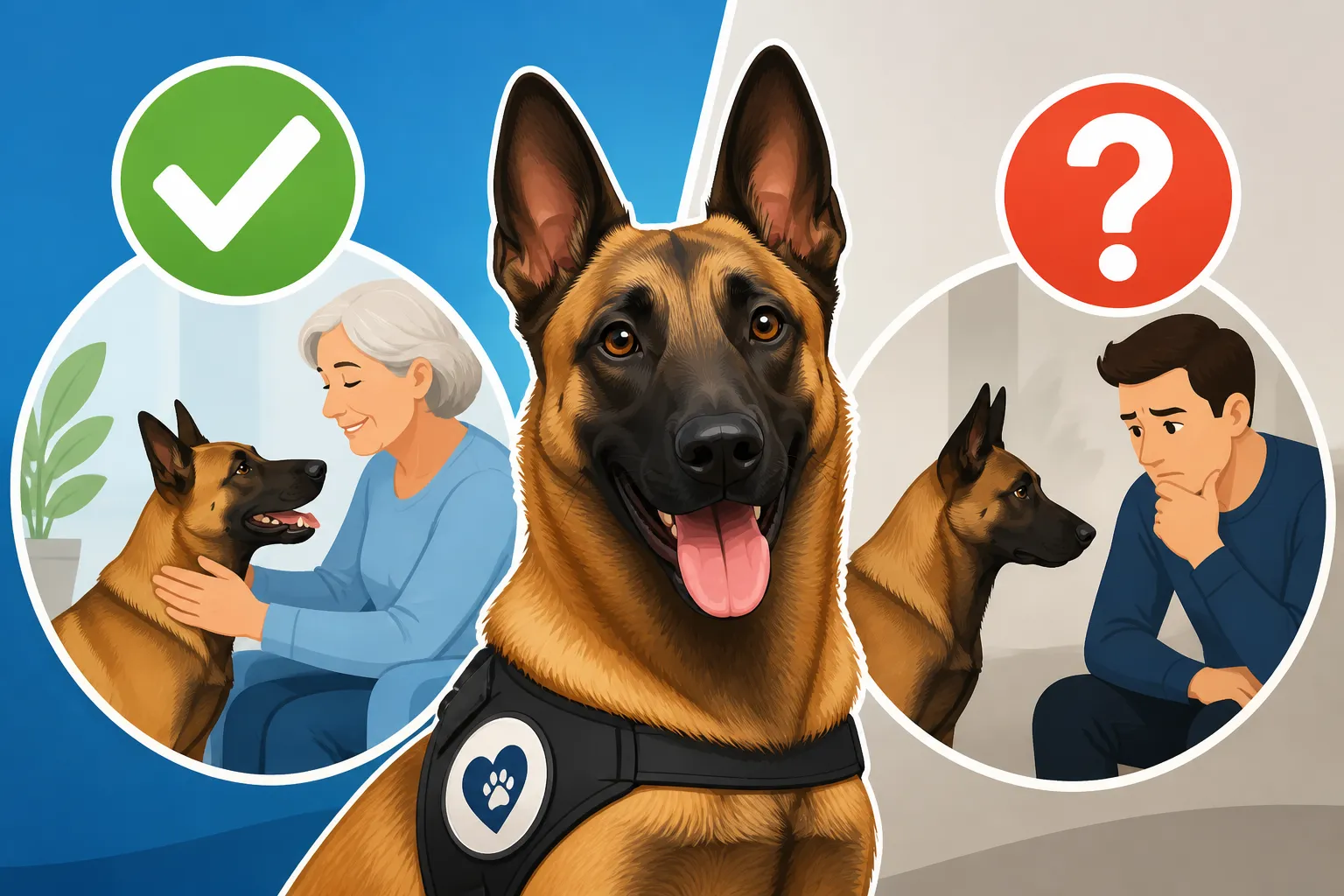
Let's be real: when most people picture a therapy dog, they probably envision a Golden Retriever or a fluffy Poodle, calmly sitting by a hospital bed, soaking up gentle pets. If you own a Belgian Malinois, you know that image probably feels a million miles away from your daily reality, and you might be wondering if your super-powered companion could ever pass therapy dog screening. This guide is going to walk you through the very specific challenges and unique triumphs involved in attempting to get a Malinois certified for therapy work, and help you determine if it's a realistic goal for your particular dog, offering a dose of honest truth about what it really takes.
Understanding the Core Temperament of a Belgian Malinois for Therapy Work
Before you even think about signing up for a therapy dog class, it's absolutely crucial to take a long, honest look at what makes a Malinois, well, a Malinois. These aren't your average family pets, and their inherent traits, while incredible for their intended work, often run directly counter to what's ideal for a calm, comforting therapy animal. This isn't to say it's impossible, but understanding the uphill battle is the first step.
The Intense Drive and Focus of the Breed
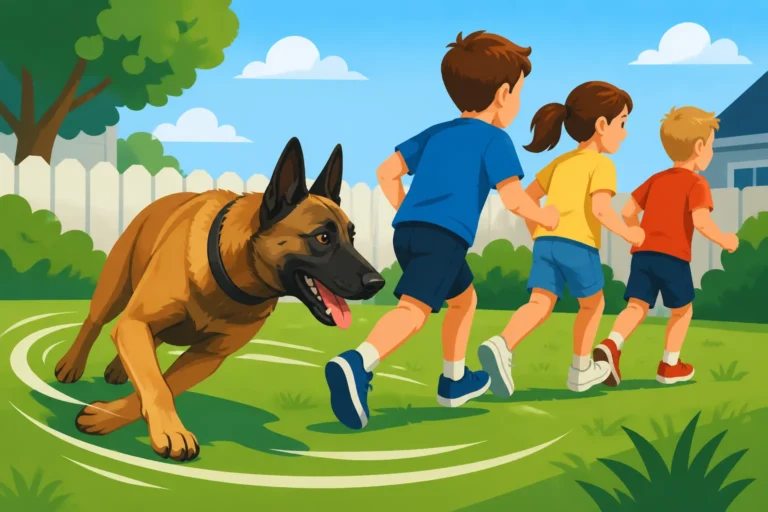
Belgian Malinois are precision instruments of canine drive and focus. They are bred to work, to detect, to protect, and to respond with lightning speed and unwavering intensity. Their prey drive is often sky-high, their energy levels seem boundless, and their minds are constantly seeking a "job." In a therapy setting, this can manifest as an inability to settle, an over-focus on environmental stimuli, or an inappropriate "herding" instinct toward vulnerable individuals. A therapy dog needs to be able to lie quietly for extended periods, ignore distractions like dropped items or sudden noises, and offer comfort without being overly intrusive or demanding.
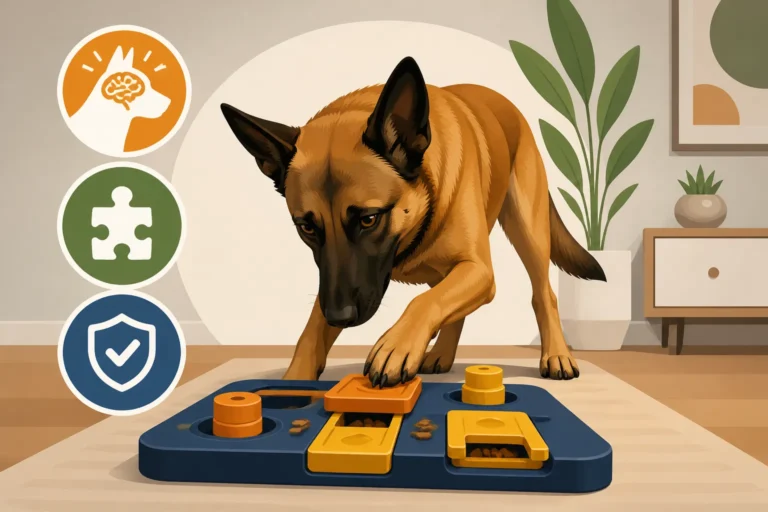
Think about walking into a busy hospital ward or a school classroom. There are wheelchairs, crutches, strange smells, loud alarms, children running, and countless hands reaching out. For a Malinois, this environment is a sensory explosion, and their natural inclination is often to engage with it, to control it, or to react to it, rather than to serenely observe and offer a calming presence. They might be constantly scanning for movement, tensing at unexpected sounds, or trying to round up a group of children. It takes an extraordinary amount of specialized training to layer an "off switch" over this inherent drive. The Mental Work That Finally Tires a Malinois Out isn't just about physical exertion; it's about channeling that intense mental energy, which is incredibly difficult to do in a passive therapy role.
Reactivity and Environmental Awareness
Malinois are often acutely aware of their surroundings and can be highly sensitive to changes in their environment. This is a fantastic trait for a working dog who needs to spot anomalies or potential threats, but it can be a significant hurdle for a therapy dog. A therapy dog needs to be unflappable, taking everything in stride without showing signs of stress or reactivity. A Malinois might be prone to alarm barking at a sudden sound, startling at an unfamiliar object, or becoming agitated by unexpected movements from a person with limited mobility.
Their protective instincts, while admirable, can also be a challenge. They bond intensely with their handlers, and while this deep bond is wonderful, it can sometimes translate into a subtle guarding of their person or an over-alertness to strangers. A therapy dog must be universally friendly and accepting of all people, regardless of their appearance, scent, or behavior. They need to be comfortable with prolonged petting from many different hands, some perhaps less gentle than others, and show no signs of discomfort or withdrawal. This requires a level of environmental desensitization that goes far beyond typical pet socialization. Whether a Belgian Malinois Should Meet Strange Dogs is a question many Malinois owners grapple with, and for therapy work, this extends to strange people and unusual environments.
Bonding and Stranger Interactions
Malinois tend to be one-person dogs or bond strongly with their immediate family unit. While they can be friendly, their default isn't always the effusive, "love everyone" attitude seen in many traditional therapy breeds. For a therapy dog, a genuine enthusiasm for interacting with strangers, offering comfort indiscriminately, and being comfortable with all sorts of physical interaction is non-negotiable. They must actively seek out interaction in a gentle, appropriate way, and not just tolerate it.
Consider the nuance: a Malinois might be perfectly polite with a stranger, but politeness isn't enough for therapy work. They need to genuinely enjoy being approached, petted, and engaged with by people they've never met, often for extended periods. They need to display calm confidence and an inviting demeanor. If your Malinois naturally leans into every new person for a pet, tail wagging loosely, and truly thrives on novel human interaction, you might have a better starting point. However, many Malinois, especially working lines, are more reserved with strangers. A Malinois that attaches to a single person is a common trait, and retraining this for broader acceptance is a huge undertaking.
Matching Malinois Traits to Therapy Dog Roles
It's not just about if a Malinois can do therapy work, but what kind of therapy work. Different roles have different demands, and understanding these nuances can help you evaluate your dog's potential. Some situations might be an absolute no-go, while others, with extreme preparation, might be feasible.
Different Types of Therapy Work and Their Demands
Therapy dogs serve in a variety of capacities, each requiring a slightly different skill set and temperament.
- Hospital/Nursing Home Visits: These settings demand a dog that is incredibly calm, quiet, and capable of navigating tight spaces, ignoring medical equipment, and handling strong smells. The dog must be comfortable with people who are frail, in wheelchairs, or who might make sudden, involuntary movements. A Malinois's natural athleticism and energy can be a detriment here.
- School/Library Reading Programs: Here, the dog needs to be patient with children, tolerant of unpredictable movements and noises, and happy to lie quietly while being read to or gently petted. The high drive of a Malinois might lead them to try and "herd" the children or get overstimulated by the activity.
- Crisis Response/Trauma Support: This is arguably the most challenging. Dogs need to be incredibly stable, resilient, and intuitive, offering calm comfort in emotionally charged environments. While a Malinois's protective nature could be channeled, their tendency towards high alert can actually be counterproductive.
- Courtroom/Victim Support: Similar to crisis response, these dogs provide comfort in highly stressful, quiet environments. They need to be invisible until needed, then offer silent, steady support without any disruption. This calls for an "off switch" that is exceptionally well-developed. Building an Off Switch Into a Belgian Malinois is paramount for this type of work, and few Malinois ever achieve it to this degree.
Scenarios Where a Malinois Might Struggle or Excel
Given their inherent traits, a Malinois would likely struggle most in environments that are noisy, chaotic, unpredictable, or require prolonged periods of passive stillness. Hospitals, schools, and crowded public events would present significant challenges. Their sensitivity to environmental changes, coupled with their drive, can easily lead to overstimulation or reactivity. A Belgian Malinois That Pulls Toward Every Distraction will find a therapy environment overwhelming.
However, if a Malinois were to excel, it would likely be in a highly controlled, one-on-one setting with a handler who has spent years molding their temperament. Perhaps a situation where the dog visits a single individual in their home, after multiple carefully managed introductions. Or in a very specific program where their intense focus could be channeled into a calm, predictable interaction, like a veteran working with a specific PTSD patient, where the dog's deep bond with its handler is part of the therapy. Even then, the dog would need impeccable manners and an undeniable willingness to engage gently with the client. It's less about the breed, and more about the individual dog's unique personality within the breed and the handler's exceptional skill.
To help illustrate the challenge, here's a comparison:
| Trait Category | Ideal Therapy Dog | Typical Belgian Malinois |
|---|---|---|
| Temperament | Calm, gentle, stable, friendly to all, patient | High drive, intense, protective, reserved with strangers |
| Energy Level | Low to moderate, easily settles | Very high, restless, constantly seeking a job |
| Reactivity | Unflappable, ignores distractions, no alarm bark | Highly alert, reactive to novel stimuli, prone to barking |
| Socialization | Actively seeks interaction with strangers, loves pets | Bonds strongly with handler, may tolerate strangers, often not effusive |
| Focus | Focuses on person receiving therapy | Focuses on environment, handler, or perceived "work" |
| Physicality | Gentle, aware of body, comfortable with limited mobility | Athletic, powerful, can be clumsy in tight spaces, high prey drive |
| "Off Switch" | Excellent, settles quickly and quietly | Requires extensive training, often struggles with true relaxation |
Training and Socialization for a Therapy-Bound Malinois
If you're still considering therapy work for your Malinois after looking at those traits, prepare for an absolute marathon of dedicated training and socialization. This isn't your average "good citizen" certificate journey; it's a deep dive into shaping every facet of your dog's behavior and response.
Building an Unshakeable Foundation of Obedience
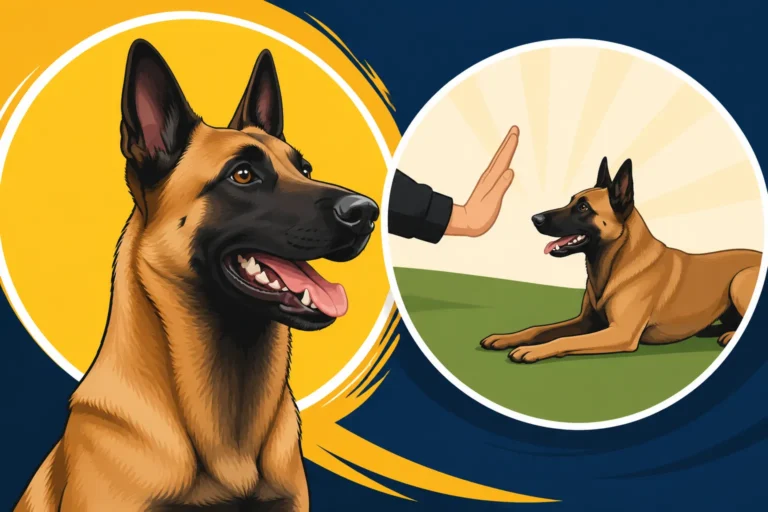
Every therapy dog, regardless of breed, needs rock-solid obedience. For a Malinois, this means obedience that goes beyond merely performing commands. It means compliance under extreme distraction, with enthusiasm but also with an underlying calm. Your Malinois must reliably respond to commands like "sit," "stay," "down," "come," and "leave it" without hesitation, even with tantalizing smells, sudden noises, or enticing movements happening nearby. Teaching a Belgian Malinois to Lie Down and Do Nothing is perhaps one of the hardest commands to truly instill for therapy work.
Consider the nuance of a "stay" in a therapy context. It's not just holding position for a minute; it's holding position while children approach, while someone reaches over them, while medical equipment is wheeled past, or while someone drops something with a clatter. It means staying politely out of the way, not just staying put. This level of control often requires tools like an e-collar, used responsibly and carefully, to ensure precise communication. Resources like BAXTER & Bella's online training programs can provide excellent structured frameworks for building fundamental obedience, which is an indispensable starting point, even if you’ll need advanced, specialized coaching beyond that.
Extensive Exposure to Novelty and Stressors
Your Malinois will need to be exposed to an unparalleled variety of sights, sounds, smells, and textures from a very young age, and continuously throughout their lives. This isn't just taking them to the park; it's introducing them to wheelchairs, crutches, walkers, loud bangs, strange hats, people with unusual gaits, children screaming, adults crying, and even the scent of antiseptic or illness. The goal is complete neutrality, where these things register as normal background noise, not as triggers for alarm or excitement. Socializing a Belgian Malinois Puppy Safely is a life-long process, not a one-time event, especially for a therapy dog candidate.
This exposure needs to be positive and non-threatening, building resilience rather than fear or reactivity. Every new experience should be paired with high-value rewards, ensuring the dog associates novelty with good things. You might even consider purchasing items like a small set of crutches or a used wheelchair from a place like Amazon to practice at home in a controlled environment, slowly desensitizing your dog to these potentially startling objects. The idea is that nothing in a therapy environment should surprise or unsettle your Malinois.
Developing a Reliable "Off Switch"
This is perhaps the single most critical, and most challenging, aspect for a Malinois pursuing therapy work. Their natural state is "on," constantly engaged and ready for action. A therapy dog must have an "off switch"—the ability to relax completely, to be still, and to be a passive, comforting presence. This means being able to settle down for extended periods, even when there's low-level activity around them. They should be able to nap on command, or at least lie calmly and observe without needing to interact.
Training this takes immense patience and consistency. It involves capturing and rewarding moments of calm, teaching a solid "place" command for long durations, and ensuring the dog understands that not every situation requires their full intensity. It's about teaching them that being still and quiet is also a "job" that earns praise and reward. This is why Building an Off Switch Into a Belgian Malinois is such a hot topic in the Malinois community, and why it's so vital for therapy prospects. Without it, the dog will simply burn out or become frustrated in a role that demands passivity.
Navigating the Therapy Dog Screening Process
Even with exemplary training and socialization, the therapy dog screening process itself presents unique hurdles for a Belgian Malinois. These tests are designed to assess a dog's inherent suitability and trained responses under pressure, and they often highlight the very traits that make Malinois so exceptional in other working fields.
Common Test Components and Malinois Challenges
Most therapy dog organizations follow a similar structure for their evaluations, which typically includes:
- Basic Obedience: Walking on a loose leash through distractions, reliable sits, downs, stays, and recalls. A Malinois can often excel here if the training is solid, but consistency under true pressure is key.
- Acceptance of Strangers: The dog must happily approach and be petted by multiple strangers, including those who may be awkward or loud. This is where a Malinois's natural reservation can become a disqualifier. They must demonstrate genuine enjoyment, not just tolerance.
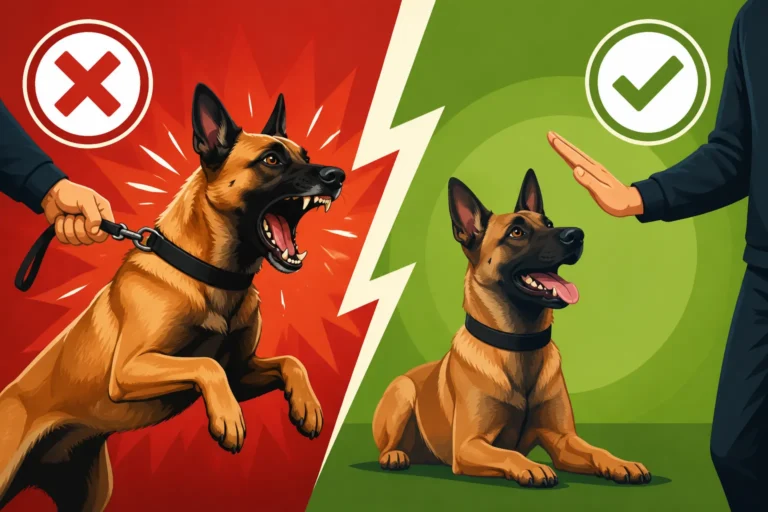
- Reaction to Distractions: This includes sudden noises (like a dropped medical tray or a simulated scream), strange objects (crutches, wheelchairs), and unusual gaits. A Malinois's high alert and potential for reactivity will be tested to its limits. A Belgian Malinois that alerts to every sound outside will likely struggle here.
- Handling and Grooming: The dog must allow a stranger to examine their ears, mouth, and paws, and be comfortable with being hugged or held in various positions. Many Malinois tolerate this from their handler, but a stranger doing it is a different story.
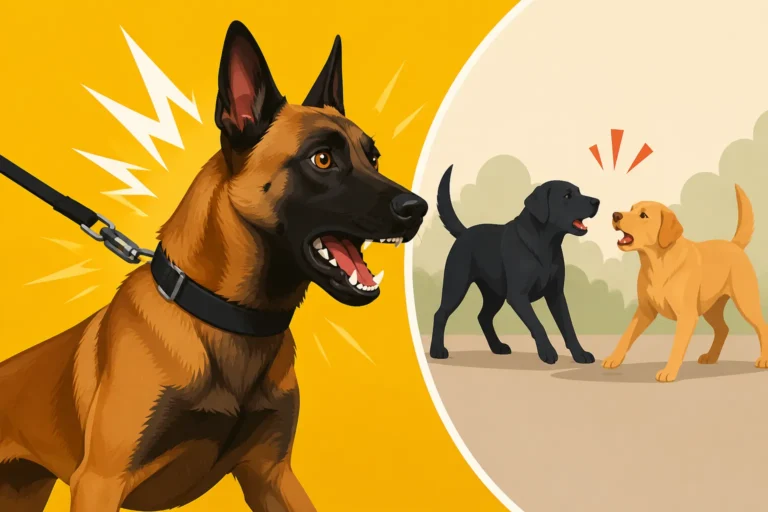
- Interaction with Other Dogs: In some tests, dogs are evaluated for calm interaction with other dogs in close proximity. While a Malinois can be dog-friendly, their intensity can sometimes be misinterpreted by other dogs, or they might become overly focused on another dog rather than the therapy client. A Belgian Malinois That Reacts to Other Dogs would not pass this.
- "Leave It" Command: The dog must ignore dropped food, enticing toys, or medical equipment. This tests both obedience and impulse control, areas where a high-drive Malinois needs specific, rigorous training.
Realistic Expectations and Alternative Paths
It's important to be incredibly realistic about your Malinois's chances. The vast majority of Belgian Malinois, even well-trained ones, simply do not possess the inherent temperament for therapy work. Their drives, their vigilance, and their need for a "job" often make the passive, gentle role of a therapy dog a source of stress rather than fulfillment. It's not a reflection of their intelligence or trainability, but rather their core genetic programming. Why a Belgian Malinois Is the Wrong First Dog often comes down to these exact temperament considerations.
If your Malinois doesn't pass, or if you realize during training that it's not the right path, please don't be discouraged! There are countless other ways to bond with your Malinois and give them fulfilling work. Many Malinois excel in sports like IGP, KNPV, French Ring, agility, obedience, rally, or nose work. These activities tap into their natural drives and provide the mental and physical stimulation they crave. Detection Work Instead of Bite Work for a Malinois could be a fantastic alternative. These avenues allow them to be brilliant, driven Malinois, rather than trying to fit them into a mold that goes against their very nature. Celebrate what your Malinois is designed to do, and find a job that truly makes them thrive.
Disclaimer
This article is for general informational purposes only and does not constitute professional advice. Laws, prices and regulations vary by location and change over time. Consult a qualified professional for guidance on your specific situation.