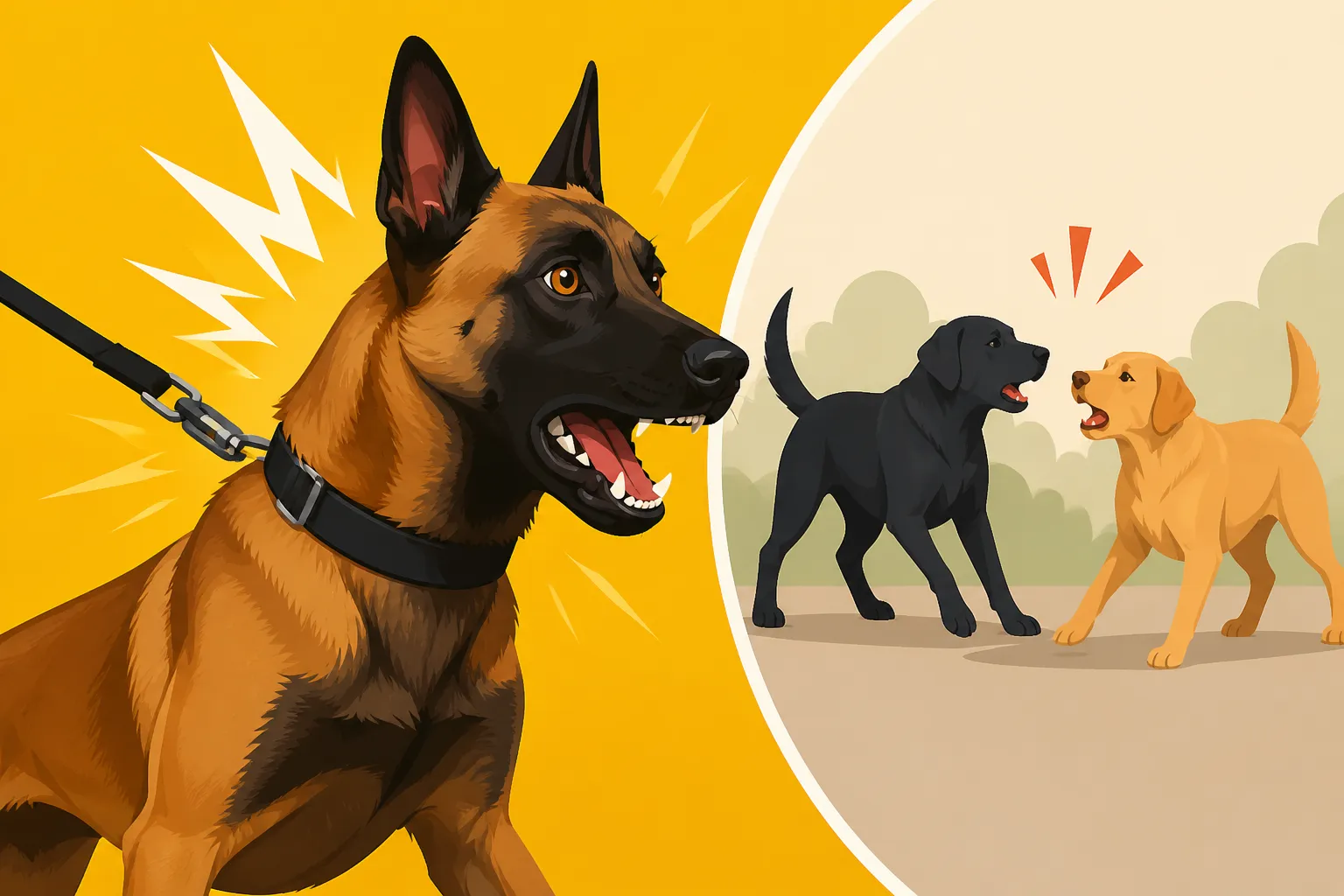
A Belgian Malinois That Reacts to Other Dogs
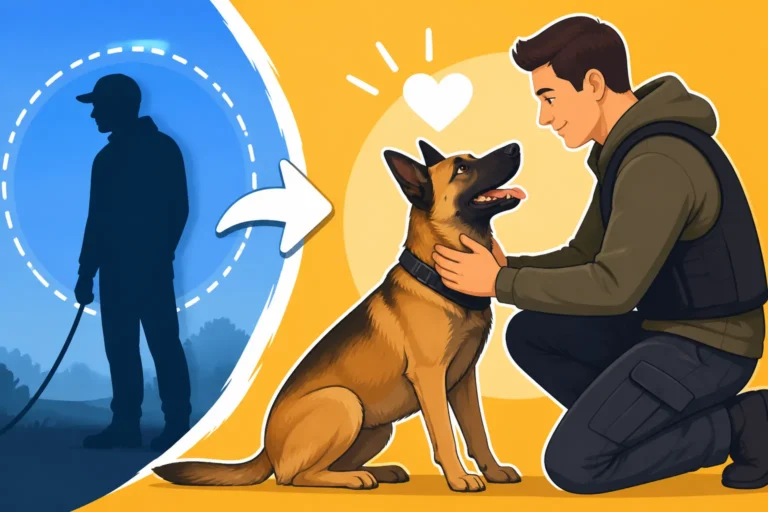
It’s a tough situation when you’re walking your magnificent Belgian Malinois, full of pride in their intelligence and drive, only for them to suddenly transform into a barking, lunging, snarling beast at the mere sight of another dog. This isn’t just embarrassing; it’s genuinely stressful, even heartbreaking, for owners who adore their dogs but struggle to manage these intense reactions. This guide is here to help you understand why your Malinois might react this way, and more importantly, what you can do to manage and, hopefully, mitigate this challenging behavior.
Understanding Why Your Malinois Reacts to Other Dogs
Before we can even begin to tackle reactivity, we first need to understand where it comes from. For a Belgian Malinois, a breed renowned for its intensity, drive, and protective instincts, reactivity isn't always simple aggression. It's often a complex cocktail of genetics, early experiences, and how they perceive the world around them. It's not just about a "bad dog"; it's about a dog struggling with overwhelming emotions and lacking the coping mechanisms to deal with them appropriately.
The Intense Genetics and High Drive
Let's be honest, you didn't get a Malinois because you wanted a couch potato. You got one because you appreciate their incredible drive, their unwavering focus, and their boundless energy. However, these very traits, when misdirected or left unchecked, can be the fuel for reactivity. Malinois are genetically predisposed to high arousal, rapid responses, and a strong prey drive. When another dog enters their space, especially on leash where they feel confined, that arousal can skyrocket. This isn't necessarily aggression in the traditional sense, but rather an explosion of intense energy that the dog doesn't know how to channel. Imagine a pressure cooker with no release valve – that’s often what’s happening internally. They see another dog, and their system goes into overdrive, triggering a cascade of fight-or-flight responses. This can manifest as barking, lunging, pulling, and even snapping, all aimed at creating distance from the perceived threat or overstimulating presence. It's also important to consider the line your Malinois comes from; working lines are often bred for higher levels of environmental awareness and protective instincts, which can sometimes translate into a lower threshold for tolerating other dogs in close proximity, especially if they haven't been meticulously trained to cope.
Lack of Early, Positive Socialization
This is a critical, often overlooked, piece of the puzzle. Many people think "socialization" means letting their puppy play with every dog they meet. While exposure is good, positive, controlled exposure is key. A Malinois puppy needs to experience the world in a way that builds confidence, not fear or overstimulation. If your Malinois missed out on varied, positive experiences with other dogs during their critical developmental window (roughly 3 to 16 weeks of age), they might not have learned appropriate canine social cues. Perhaps they only met pushy, rude dogs, or maybe they were simply overwhelmed by too many dogs at once. This can lead to anxiety, fear, or even resource guarding tendencies around other canines. Instead of seeing another dog as a neutral or potentially friendly entity, they might perceive them as a threat or an unpredictable variable. This is especially true for Malinois, who tend to bond very strongly with their human handlers and can be wary of strangers, both human and canine. Without a solid foundation of diverse, low-stress interactions, a Malinois can grow up with significant social deficits, making encounters with other dogs incredibly challenging. It's not too late to work on this, but early prevention is always the easiest route. For more on safe early experiences, consider reading Socializing a Belgian Malinois Puppy Safely.
Prior Negative Experiences and Fear
Sometimes, reactivity isn't about genetics or lack of socialization, but a direct result of a traumatic or consistently negative experience. Did your Malinois get jumped at the dog park? Was there a scary encounter with an off-leash dog while on a walk? Even subtle negative interactions, repeated over time, can build up. A Malinois is incredibly intelligent and perceptive; they remember things. If every time they see another dog, something unpleasant happens – whether it's an aggressive lunge from the other dog, or even just your own tension on the leash – they'll start to associate other dogs with negativity. This often manifests as fear-based reactivity. They bark and lunge not because they want to attack, but because they want the other dog to go away. Their display is a desperate attempt to create distance and reduce their own anxiety. This can become a self-fulfilling prophecy: they react, the other dog (or person) retreats, reinforcing in the Malinois's mind that their reactive behavior "worked." Breaking this cycle requires immense patience, consistency, and a systematic approach to change their emotional response.
Early Intervention and Proactive Puppyhood Training
The foundation for a well-adjusted Belgian Malinois is laid during puppyhood. This is not to say that adult reactivity can't be improved – it absolutely can – but starting early provides the best chance for preventing serious issues. For a breed with such intense drives and protective instincts, proactive, thoughtful training is non-negotiable.
Safe and Controlled Puppy Socialization
When your Malinois puppy first comes home, their world should be rich with positive experiences. This doesn't mean just throwing them into a dog park free-for-all. Far from it. Safe, controlled socialization means curated interactions. Seek out vaccinated, stable adult dogs known for their calm demeanor. Introduce them one-on-one, on neutral territory, and keep the interactions short and positive. Supervise every moment. Watch for signs of stress or overstimulation in your puppy – lip licking, yawning, stiff body language, or trying to hide are all signals to intervene and end the interaction. Puppy classes can be a fantastic resource, but choose wisely. Look for classes that prioritize safety, teach proper play etiquette, and have experienced instructors who understand the unique needs of high-drive breeds. A good puppy class will offer structured play, not just chaos, and will integrate basic obedience commands to help puppies learn impulse control even around other dogs. Remember, the goal is to create positive associations, not just exposure. Your puppy should learn that other dogs can be calm, polite, and even fun, but most importantly, that you are their safe harbor and guide in these interactions.
Building Foundational Obedience and Engagement
A solid foundation of obedience is your superpower against reactivity. For a Malinois, this means more than just sitting on command; it means building rock-solid engagement with you. Your Malinois needs to learn that you are the most interesting, rewarding, and reliable thing in their environment, even when another dog is present. Start teaching basic commands like "sit," "stay," "come," and "watch me" in low-distraction environments, then gradually introduce distractions. Use high-value treats and enthusiastic praise. The "watch me" command is particularly powerful, as it teaches your dog to break focus from a distraction and re-engage with you. Building Engagement With a Belgian Malinois is a vital read for any owner of this breed. A strong recall is also paramount. Imagine you're off-leash in an appropriate area, and another dog suddenly appears. Your ability to confidently call your Malinois back to you, even in full chase mode, could prevent a disaster. Starting Malinois Recall the Week It Comes Home is a great resource here. These foundational skills provide you with tools to manage your dog's attention and behavior before they escalate into a reactive display. The stronger your bond and your dog's focus on you, the less likely they are to perceive other dogs as something they need to deal with themselves.
Recognizing and Addressing Early Warning Signs
Many reactive behaviors don't just appear overnight; they often start subtly and escalate over time. Learning to read your Malinois's body language is crucial. Is your puppy staring intently at other dogs, even from a distance? Are their hackles rising? Do they become stiff or suddenly pull on the leash when another dog appears? These are early warning signs that your puppy is becoming uncomfortable or overstimulated. Don't ignore them. Address them immediately by creating distance, redirecting your puppy's attention to you with a cheerful sound or a high-value treat, and moving away. The goal is to prevent the full-blown reactive outburst from ever happening. If you notice these signs, it's also a good time to reassess your socialization strategy. Are you pushing your puppy too fast? Are the interactions too intense? Early intervention prevents these subtle cues from becoming ingrained, explosive behaviors. The sooner you identify and address discomfort, the easier it is to change your Malinois's emotional response to other dogs.
Navigating the World: Management Strategies
When you're dealing with a Malinois that reacts to other dogs, managing their environment is just as important as training. You can't train away a problem if you're constantly putting your dog in situations where they're forced to react. Management is about preventing rehearsals of unwanted behavior, keeping everyone safe, and creating opportunities for successful training.
Equipment Choices for Safety and Control
The right equipment can make a huge difference in managing a reactive Malinois. It's not about punishment, but about control and safety for everyone involved. A sturdy, well-fitting harness that discourages pulling, like a front-clip harness, can give you more leverage without putting pressure on your dog's neck. Head halters are another excellent option, as they give you control over the dog's head, which means control over their direction of gaze. If your dog can't fixate on the other dog, it's harder for them to escalate. For some Malinois, especially those with a history of lunging, a secure muzzle might be a temporary, but necessary, safety measure. It's not a punishment; it's a responsible tool that allows you to work on their reactivity without the risk of an accidental bite. Muzzle conditioning should be introduced slowly and positively, making it a comfortable experience. You can find many types of muzzles and harnesses on platforms like Amazon, but always ensure they are properly fitted for your dog's comfort and effectiveness. Avoid retractable leashes entirely, as they offer no real control with a powerful, reactive Malinois and can actually be dangerous. Instead, opt for a strong 6-foot leash made of durable material.
| Equipment Type | Pros | Cons | Best Use Case |
|---|---|---|---|
| Front-Clip Harness | Reduces pulling, redirects dog's attention | Can still allow some lunging, may chafe if not fitted properly | Moderate pullers, general walking, initial training |
| Head Halter | Excellent control over head/direction, quick redirection | Some dogs dislike the feel, requires proper introduction | Strong pullers, highly reactive dogs, focused training |
| Basket Muzzle | Prevents bites, allows panting/drinking | Stigma, requires positive conditioning, can be uncomfortable if ill-fitting | Safety for high-risk situations, training in public |
| Standard Collar | Good for ID, basic walking | Offers little control for pullers, can injure neck/throat | Well-behaved dogs, light supervision |
| 6-foot Leash | Standard, offers good balance of control and freedom | Can be difficult to manage if dog is lunging forcefully | Everyday walks, training sessions |
Environmental Management and Avoidance Techniques
This is arguably the most critical management tool for a reactive Malinois: simply avoiding situations where they are likely to react. It sounds obvious, but many owners inadvertently put their dogs in positions to fail. Change your walking routes to quieter streets, walk during off-peak hours, or find secluded trails. If you see another dog approaching, don't wait for your Malinois to react. Cross the street, turn around, or step behind a car. The goal is to stay below their "threshold" – the point at which they start to react. Every time your dog successfully navigates an encounter without reacting, you're reinforcing calm behavior. Every time they react, they're rehearsing the unwanted behavior and getting better at it. Management is about setting your dog up for success by controlling their environment. This might mean no more dog parks, at least for now. It could also mean being extremely selective about who your dog interacts with, if at all. Remember, for a Malinois, protecting their space and their handler comes naturally; your job is to show them they don't need to react because you've got things handled.
Creating a Predictable Routine
Malinois thrive on routine and structure. An unpredictable environment can add to their stress and make them more prone to reactivity. Establishing a consistent daily schedule for walks, feeding, training sessions, and downtime can provide a sense of security and reduce anxiety. When your dog knows what to expect, they are often calmer and more receptive to training. This routine should also include plenty of appropriate mental and physical exercise that doesn't involve putting them in high-stress situations. For instance, instead of a reactive walk through a busy park, a structured walk in a quiet industrial area, or scent work in your backyard, can be far more beneficial for burning energy and building focus. Consistency extends to your own behavior too. Your Malinois needs to know that you are a reliable, calm presence who will consistently guide them through challenging situations. If your reactions are unpredictable, your dog will become less trusting and more likely to take matters into their own paws.
Training a More Confident and Calm Malinois
Management is crucial for preventing reactions, but training is how you change your Malinois's underlying emotional response. It’s about teaching them new, desirable behaviors and changing their perception of other dogs from a trigger to a neutral or even positive cue. This takes time, consistency, and a huge dose of patience.
Counter-Conditioning and Desensitization Protocols
This is the cornerstone of treating reactivity. Desensitization means gradually exposing your Malinois to the trigger (other dogs) at a distance where they can see the dog but do not react. This is often called working "below threshold." Counter-conditioning means changing your dog's emotional association with that trigger. Instead of seeing another dog and feeling stressed or threatened, we want them to see another dog and think, "Yay! Good things happen!"
Here's how it works:
- Find the Threshold: Start at a distance where your Malinois notices another dog but remains calm. This might be 50 feet, 100 feet, or even across a football field. Your dog should be able to look at the other dog without stiffening, staring, or lunging.
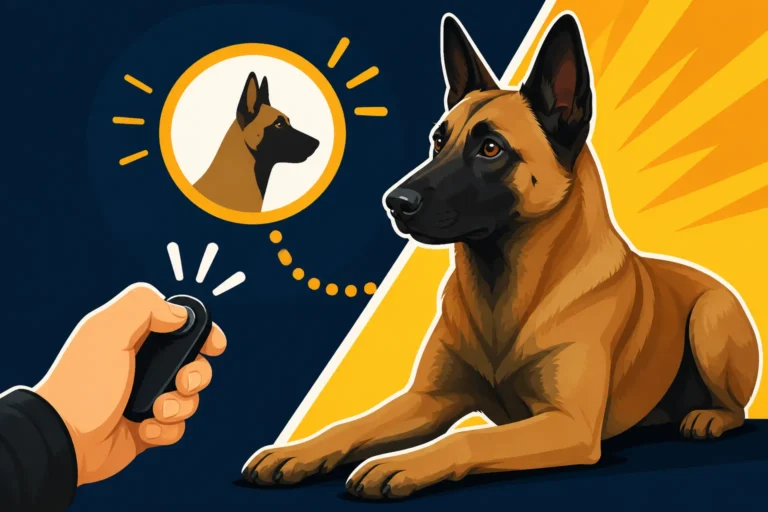
- Positive Association: The moment your Malinois looks at the other dog (without reacting), mark the behavior (a clicker or verbal marker like "yes!") and immediately give them a super high-value treat (cooked chicken, cheese, hot dogs). The key is before they react, and every single time.
- Timing is Everything: You want your Malinois to associate the sight of another dog with something wonderful, not their reaction to it. If they start to react, you've gone too close. Increase the distance.
- Gradual Progression: Over weeks and months, as your Malinois consistently remains calm at a certain distance, you can slowly decrease the distance. This is often done with a "set-up dog" (a calm, well-behaved dog you know) in a controlled environment.
- Watch the Body Language: Always pay attention to your Malinois's body language. If you see signs of tension, stress, or a shift towards reactivity, you're too close. Move further away.
- "Open Bar, Closed Bar": This is a great analogy. When the other dog is visible, the "bar is open," and delicious treats flow. The moment the other dog disappears, the "bar is closed," and treats stop. This helps create a clear association.
This process is not fast, and it requires unwavering consistency. Remember, your Malinois has likely spent a long time developing their reactive habit, so undoing it will take time and patience.
Building a Strong "Look at That" or "Watch Me" Command
These commands are lifelines for a reactive Malinois owner. The goal is to give your dog an alternative, positive behavior to perform when they see another dog, rather than letting them default to their reactive response.
- "Look at That" (LAT): This cue teaches your dog to look at a distant trigger (like another dog), then immediately look back at you for a reward. Start in a low-distraction environment. Point to something boring (a tree, a chair) and say "Look at that!" The moment your dog looks, mark and treat when they turn back to you. Gradually introduce more stimulating objects, and eventually, other dogs at a distance below their threshold. This teaches them to check in with you.
- "Watch Me": This command teaches your Malinois to make eye contact with you and hold it, even with distractions around. Again, start in a quiet place. Hold a treat near your nose, say "Watch me!", and when your dog makes eye contact, mark and treat. Gradually increase the duration and introduce mild distractions, always building up to real-world scenarios with other dogs at a safe distance.
Both commands empower you to redirect your Malinois's focus to you, breaking the intense stare that often precedes a reactive outburst. They provide a vital bridge between seeing a trigger and maintaining calm behavior, reinforcing that you are the center of their world, even when exciting (or scary) things are happening around them.
Practicing Engaged Walks and Focus Exercises
Reactive outbursts often stem from a lack of focus on the handler and an over-focus on the environment. Engaged walks are about making your walk a continuous training session, where your Malinois is constantly checking in with you. This isn't just about moving from point A to point B; it's about building a partnership.
- Random Reinforcement: Instead of walking silently, intermittently reward your Malinois for walking nicely, checking in, or simply being calm. Use a mix of verbal praise, scratches, and high-value treats. Keep them guessing when the next reward will come to maintain engagement.
- Change of Direction Drills: Practice sudden turns, stops, and changes in pace. This keeps your Malinois attentive to you and teaches them to follow your lead. If they're focused on following your movements, they're less likely to be scanning for other dogs.
- Pattern Games: Games like "Zigzag" (you walk in a zigzag pattern, rewarding your dog for staying with you) or "U-Turns" (walking a short distance, making a U-turn, and rewarding when your dog naturally turns with you) can build focus and responsiveness. These help your Malinois understand that paying attention to you is always beneficial.
- Mental Stimulation on Walks: Incorporate short bursts of obedience work, scent games (e.g., hiding a treat in the grass for them to find), or even just pausing for a moment to practice a "sit" or "down" in different environments. This transforms a potentially stressful walk into an enriching, brain-stimulating activity that helps exhaust their busy Malinois minds. Remember, physical exercise alone often isn't enough for this breed; mental work is key to The Mental Work That Finally Tires a Malinois Out.
By consistently practicing these engaged walks, you're not just exercising your Malinois; you're actively building their ability to focus on you, even in the presence of distractions, which is fundamental to overcoming reactivity towards other dogs.
Seeking Professional Guidance for Complex Cases
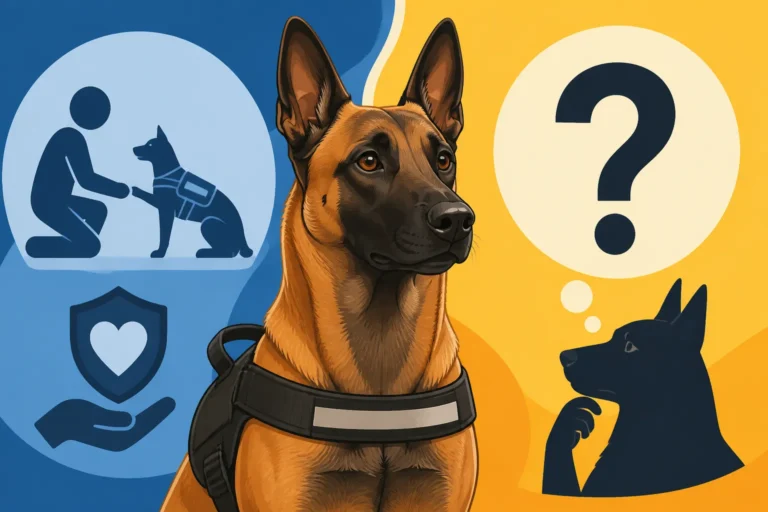
Sometimes, despite your best efforts, a reactive Malinois can feel like an uphill battle you're fighting alone. There's absolutely no shame in seeking professional help; in fact, it's often the most responsible and effective step you can take, especially with a breed as powerful and driven as a Belgian Malinois.
When to Call in a Certified Professional Dog Trainer or Behaviorist
Knowing when to call in the cavalry can be tricky. Generally, if your Malinois's reactivity is:
- Escalating: The reactions are getting more frequent, intense, or harder to manage.
- Unsafe: You're worried about your dog harming another dog or person, or themselves.
- Impacting Quality of Life: You're avoiding walks, feeling isolated, or your dog is constantly stressed.
- Not Responding to DIY Methods: You've tried counter-conditioning, management, and basic obedience, but aren't seeing significant progress.
A certified professional dog trainer (CPDT) or a veterinary behaviorist (DACVB) are excellent resources. A CPDT can help you implement effective training protocols and refine your handling skills. They often work with you and your dog in real-world scenarios. A veterinary behaviorist, on the other hand, is a veterinarian who has specialized in animal behavior. They can diagnose underlying medical conditions that might contribute to reactivity (like pain or thyroid issues) and, if appropriate, prescribe medication to help manage anxiety or impulsivity, making training more effective. They can also delve into the deeper psychological aspects of your dog's behavior. Consider a consultation if you suspect fear, anxiety, or aggression are primary drivers. For a sense of typical costs, you might want to look into What a Behaviorist Charges to Assess a Malinois.
Understanding Different Training Philosophies
When seeking a professional, you'll encounter various training philosophies. It's crucial to find a trainer whose methods align with your values and are effective for your Malinois.
- Positive Reinforcement: This approach focuses on rewarding desired behaviors and managing the environment to prevent unwanted ones. It builds a strong, trusting relationship between you and your dog. Many modern trainers and behaviorists advocate for this method as it addresses the underlying emotional state of the dog rather than just suppressing symptoms.
- Balanced Training: This approach uses both positive reinforcement for desired behaviors and corrections (e.g., leash pops, verbal reprimands) for unwanted ones. While some owners find this effective, it's critical to ensure corrections are fair, timely, and humane, especially with a sensitive and powerful breed like a Malinois. Poorly applied corrections can increase fear and anxiety, potentially worsening reactivity.
- Force-Free Training: A subset of positive reinforcement, this philosophy strictly avoids any aversive tools or methods, focusing solely on reward-based techniques and environmental management.
For a reactive Malinois, approaches that prioritize positive reinforcement and focus on changing the dog's emotional response are generally recommended. Methods that rely heavily on punishment can suppress symptoms but often don't address the root cause, potentially leading to increased anxiety or redirected aggression. Always ask trainers about their methods, their experience with reactive Malinois, and their certifications. A good trainer will be transparent, educate you, and focus on building your skills as a handler.
Setting Realistic Expectations and Committing to the Process
Working with a reactive Malinois is a marathon, not a sprint. It takes dedication, consistency, and a realistic outlook. Your Malinois may never be the dog who happily greets every canine at the dog park, and that's okay. The goal is often to reduce their reactivity to a manageable level, where they can walk calmly past other dogs without outbursts, or comfortably coexist in controlled settings. This journey will have setbacks. There will be days when your dog reacts unexpectedly, or you feel frustrated and defeated. This is normal. What matters is that you learn from these moments, recommit to the training, and keep moving forward. A good professional will help you set achievable goals and remind you to celebrate small victories along the way. Your commitment to consistent training, continued management, and patience is the most powerful tool in helping your Malinois overcome their reactivity and live a calmer, happier life.
Living with a Reactive Malinois: Long-Term Success
Overcoming reactivity isn't a destination you arrive at; it's an ongoing journey of management, training, and understanding. For a Belgian Malinois, who carries such an intense genetic blueprint, it truly becomes a lifestyle. Long-term success means integrating strategies into your daily life and consistently advocating for your dog.
Maintaining Consistency and Continuing Education
Consistency is the absolute bedrock of managing a reactive Malinois. Every single interaction, every walk, every moment near other dogs is an opportunity to reinforce desired behaviors or accidentally reinforce reactive ones. This means that every family member, every dog walker, and anyone else who handles your Malinois must be on the same page regarding training protocols, management strategies, and equipment. A single inconsistent experience can set your progress back significantly. What seems like a minor lapse to you might be a huge setback for a dog like a Malinois who quickly learns patterns.
Beyond consistency, continuing education is vital. Dog behavior is a dynamic field, and you, as the handler, are your dog's primary educator. Stay curious. Read books, attend workshops, or follow reputable online resources. Understanding canine body language better, learning new training techniques, or deepening your knowledge about Whether a Malinois Is Ever Safe Off Leash can empower you to make better decisions for your dog. Your Malinois is always learning, and so should you. This lifelong commitment to their well-being and behavioral development is what truly fosters long-term success.
Advocating for Your Dog in Public Spaces
As the owner of a reactive Malinois, you become their strongest advocate. This means proactively managing situations and clearly communicating your dog's needs to others. You will inevitably encounter well-meaning but misguided individuals who insist their "friendly" dog just wants to say hello, or who allow their dog to approach yours off-leash. It is your responsibility to politely but firmly create distance and communicate boundaries.
Here are some strategies:
- Verbal Cues: Use phrases like, "My dog needs space," "We're in training," or "Please give us some room." Don't feel you need to explain your dog's entire history; a simple, direct statement is usually enough.
- Visual Cues: Consider investing in a yellow leash, vest, or bandanna that signals "Dog Needs Space" to others. These are widely available, including on platforms like Amazon. While not universally understood, they can help convey your message visually.
- Body Blocking: If an off-leash dog or person is approaching too quickly, step between them and your Malinois to create a physical barrier.
- Leash Management: Keep your leash length appropriate for control, and be prepared to turn and walk in the opposite direction, or use a head halter to redirect your dog's focus.
Advocating for your Malinois isn't aggressive; it's protective and responsible. You're ensuring your dog's safety and preventing situations that could trigger a reactive episode, which is beneficial for everyone involved. Don't worry about what others might think; your dog's well-being is paramount.
Celebrating Small Victories and Managing Setbacks
The journey with a reactive Malinois is filled with incremental progress. It’s easy to get discouraged by setbacks, but it's even more important to acknowledge and celebrate the small wins. Did your Malinois look at another dog and then calmly look back at you? Did they walk past a trigger at a greater distance than before without an outburst? Did you successfully cross the street and avoid a potential reaction? These are all huge victories! Celebrate them with high-value treats, enthusiastic praise, and even a happy dance if you feel like it. These moments are proof that your hard work is paying off and that your dog can learn and change.
Setbacks will happen. You'll have days where your Malinois reacts unexpectedly, or you misjudge a situation. Don't beat yourself up. Every setback is a learning opportunity. Analyze what went wrong: Was the distance too close? Was your dog tired or overstimulated? Were you feeling stressed? Use these insights to adjust your strategy for next time. Acknowledge your frustration, take a deep breath, and remind yourself of the progress you have made. This resilience, both yours and your Malinois's, is essential for navigating the challenges of living with a reactive dog. Remember, this isn't just about training; it's about building a trusting, resilient partnership with your incredible Belgian Malinois.
Disclaimer
This article is for general informational purposes only and does not constitute professional advice. Laws, prices and regulations vary by location and change over time. Consult a qualified professional for guidance on your specific situation.